


Adjustable Everyday Dog Collars: What Actually Holds Up for Daily Wear

If your dog wears the same collar every day, the goal is not just to find something adjustable. The goal is to find something you will still trust after mud, water, repeated clipping on and off, and months of daily use.
A lot of dog collar content stays generic and turns into the same advice over and over: make sure it fits, choose a durable material, and pick a style you like. That is not enough if the collar is going to live on your dog day after day.
For an everyday collar, the details that matter most are simple:
- It should adjust easily but stay put.
- It should feel secure without being bulky.
- It should handle water, dirt, and regular cleaning.
- It should be easy to take on and off.
- It should work for your dog’s actual routine, not just look good on a product page.
At Hoss, the everyday-collar conversation ties back to rugged, weatherproof dog gear. If a collar is going to be used often, it has to hold up to repeat handling and messy real life, not just look clean in the package. If you want to compare the brand’s main options first, start with the dog collar collection or browse the full D-Ring dog collar collection.
What Makes an Adjustable Everyday Dog Collar Worth Buying
1. A Fit That Stays Consistent
The first job of an adjustable collar is obvious: fit the dog correctly. The second job is the one people forget: stay adjusted after regular use.
A collar that shifts constantly becomes a daily annoyance. You re-fit it, clip it back on, and a week later it is sitting differently again. For a true everyday collar, you want adjustability without constant drift.
Look for:
- Enough size range to dial in a comfortable fit
- Hardware that does not feel flimsy
- A strap that does not feel like it will stretch or collapse quickly
- A collar width that matches your dog’s size and build
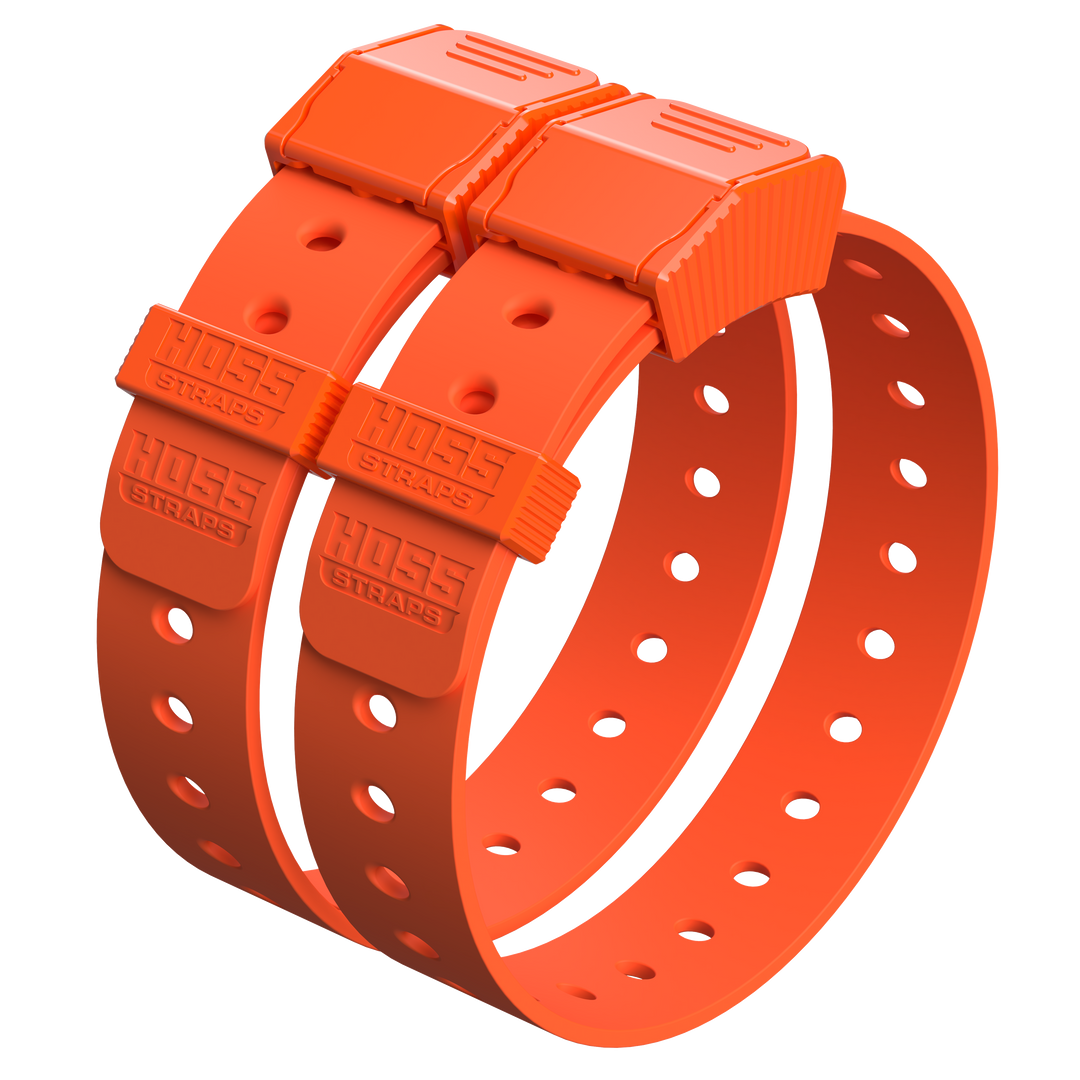
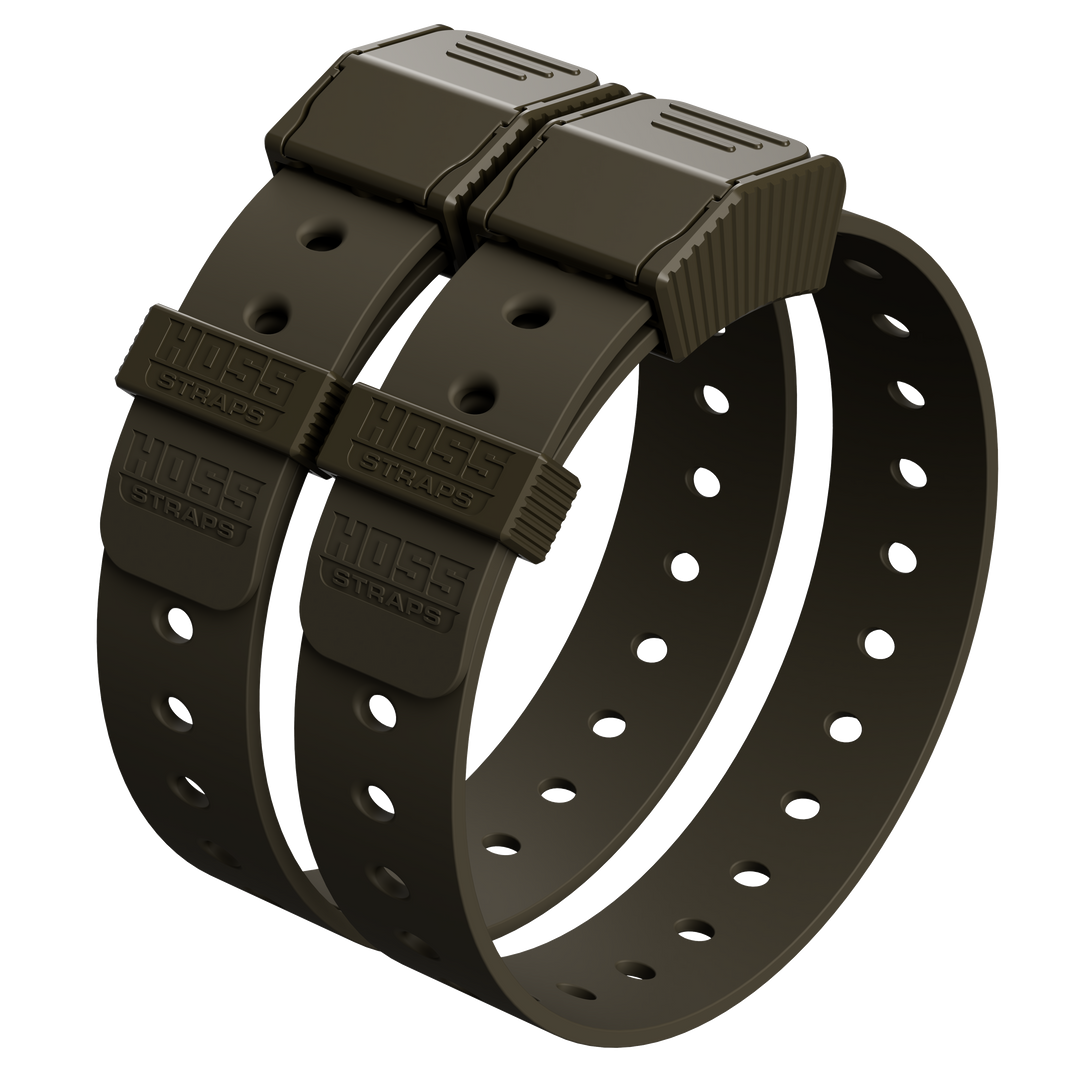
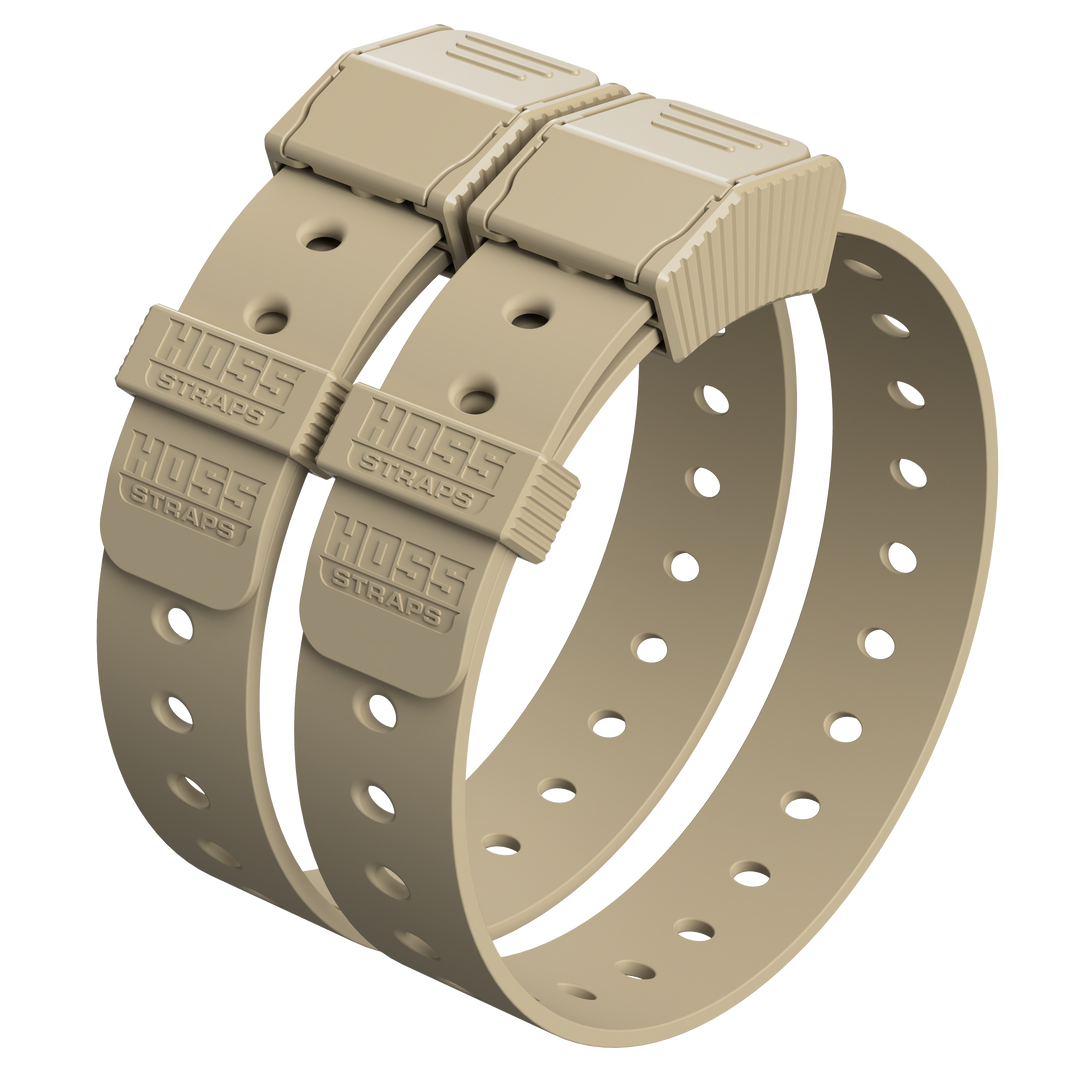
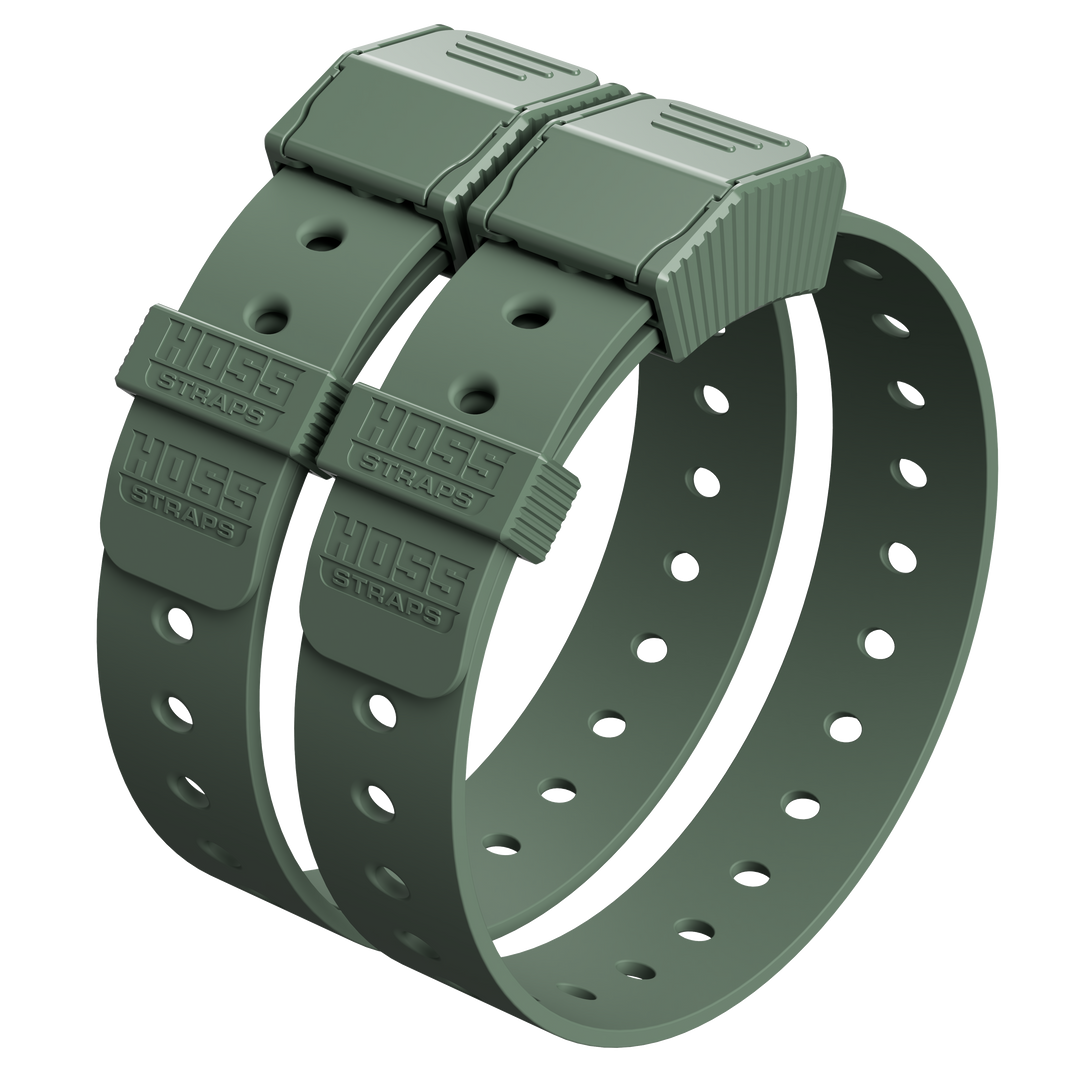
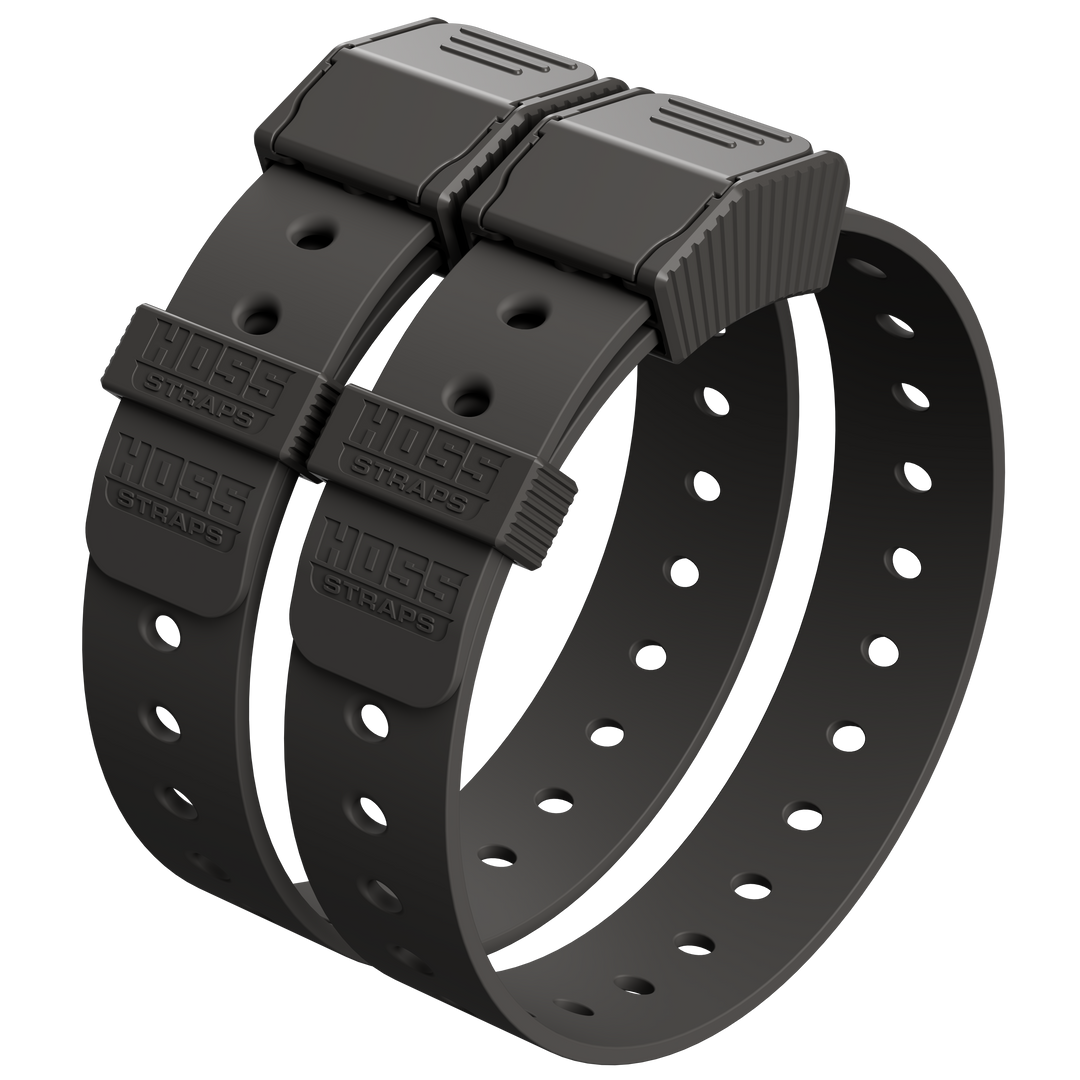
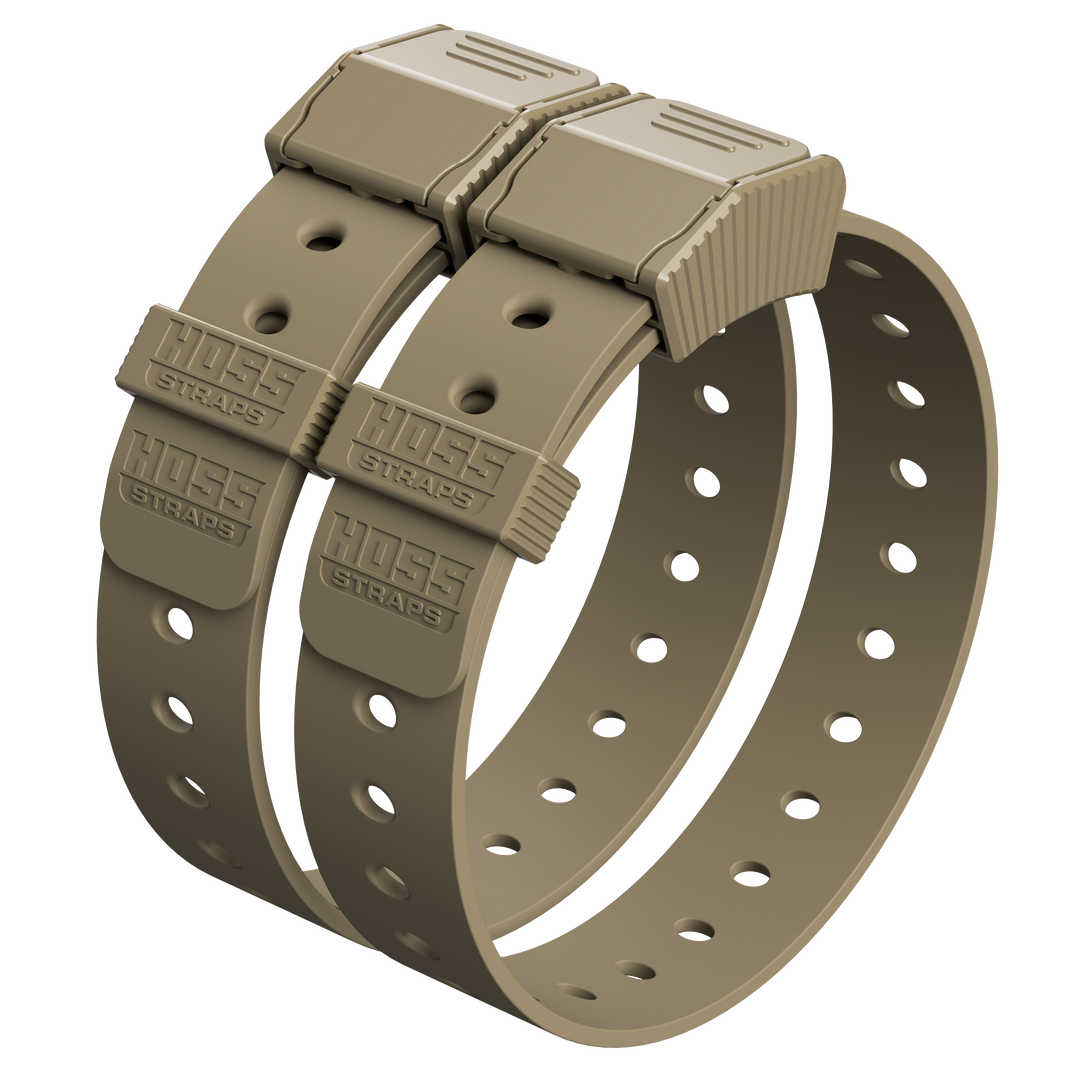
For example, Hoss’s D-Ring Dog Collar uses a strap width of about 1 1/16" and is built around quick on/off handling. That kind of sizing and hardware detail matters more in daily use than marketing language about being premium.
2. Material That Can Handle Real Daily Wear
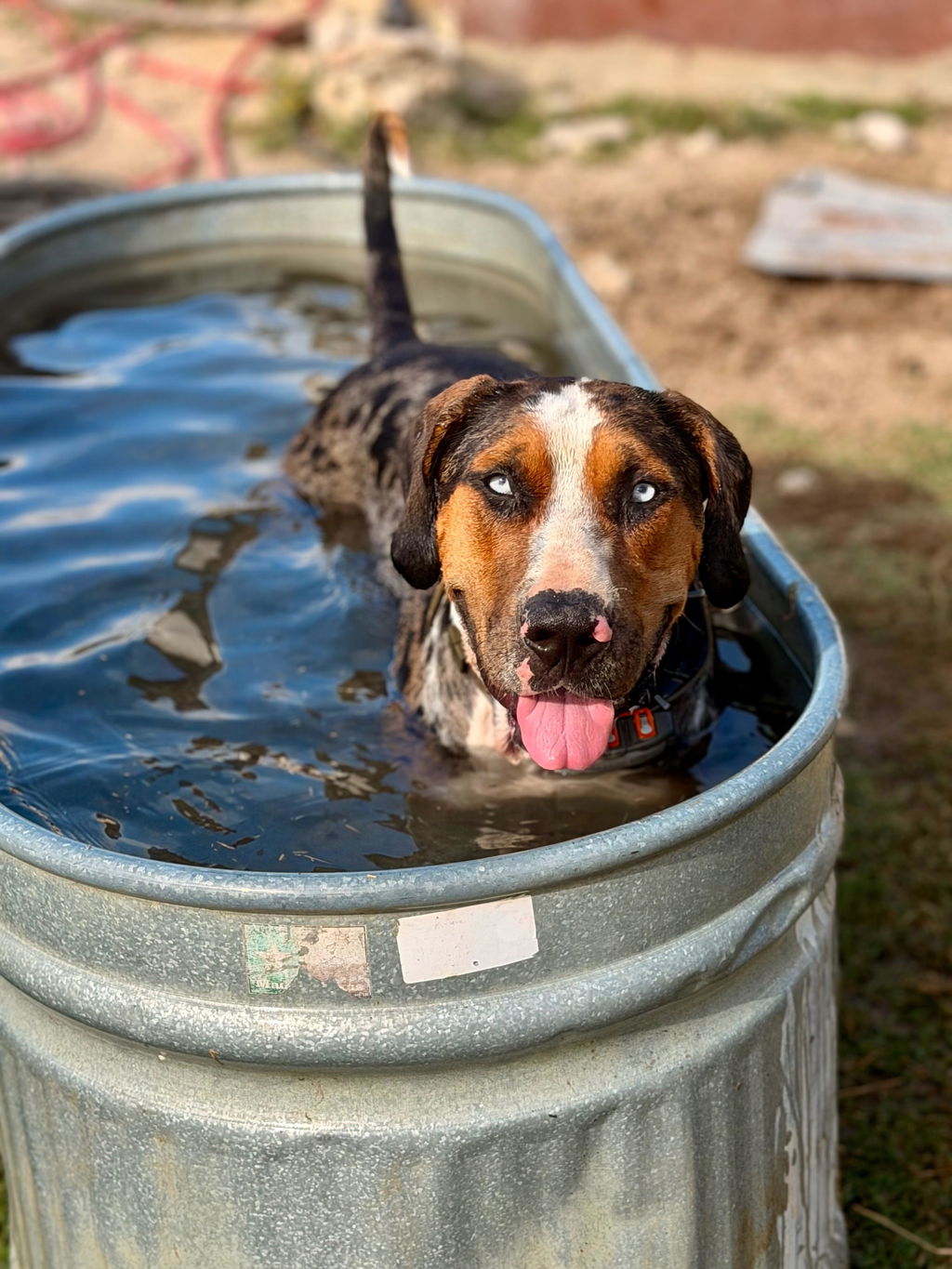
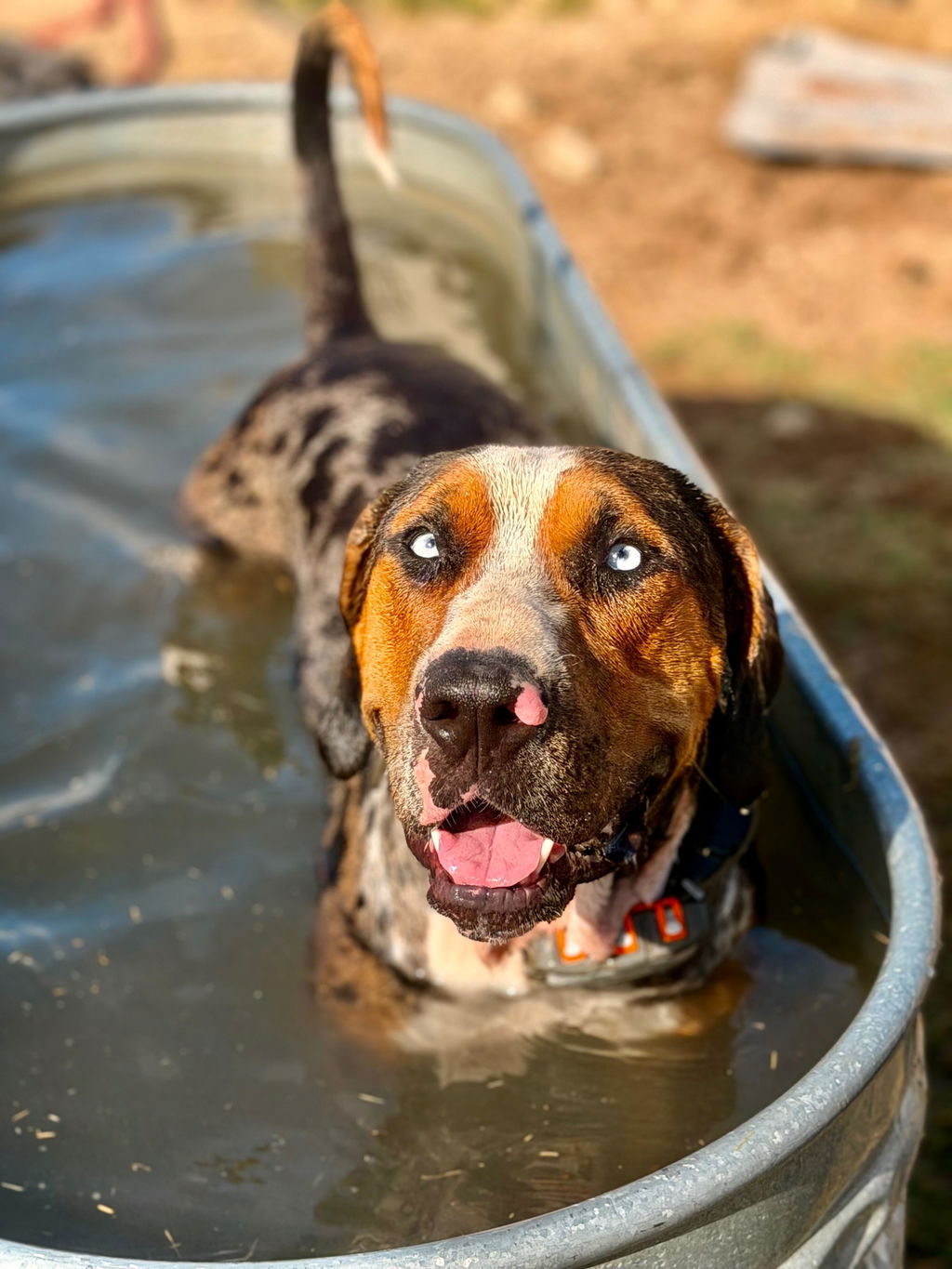
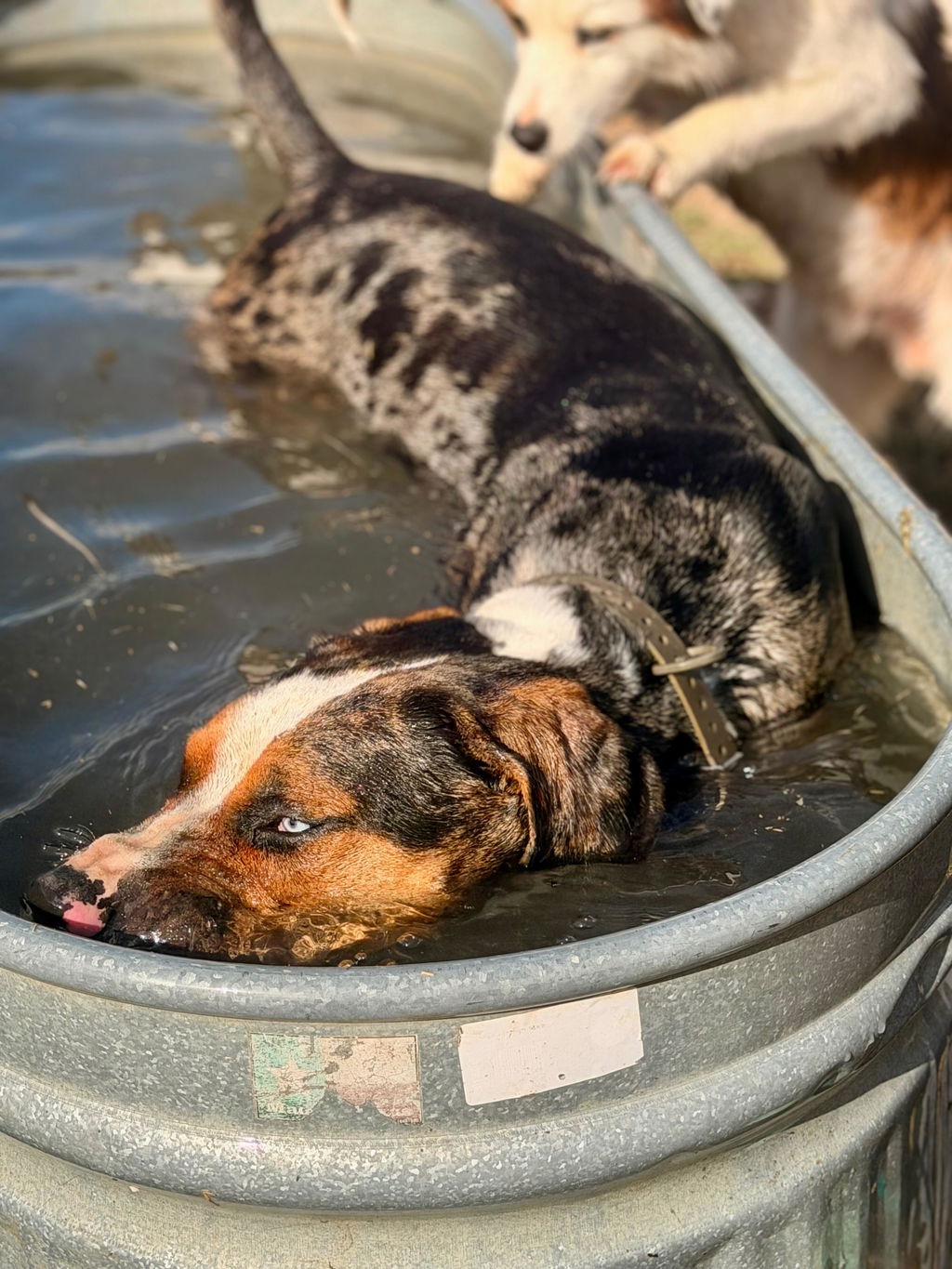
An everyday collar gets exposed to more than walks. It deals with slobber, rain, hose water, dirty hands, wet grass, sweat, mud, and whatever your dog decides to rub against that day.
That is why material matters so much. A collar that absorbs water and grime can start to smell bad, feel gross, and break down faster than expected. A weatherproof dog collar setup usually makes more sense for daily wear, especially for active dogs or dogs that spend time outside.
This is one place where Hoss has a stronger angle than a generic blog. The brand already leans into weatherproof gear, and that should be part of the story here. If the collar is built to handle water and repeated use, say that clearly and explain why that matters in day-to-day life.
Good signs:
- Weatherproof construction
- Easy-clean surface
- Material that does not stay soaked
- Strap structure that still feels stable after repeated wear
Red flags:
- Material that stays wet for too long
- Collar edges that feel rough or cheap
- A strap that feels thin without feeling intentional
- A collar that looks like it will hold odor
The Five Daily-Wear Features That Matter Most
If someone is choosing an adjustable dog collar for everyday use, this is the checklist that actually helps.
| Feature | Why It Matters Daily | Good Sign | Red Flag |
|---|---|---|---|
| Adjustability | Lets you dial in fit without constant re-sizing | Adjusts cleanly and stays put | Loosens too easily |
| Material | Affects comfort, cleaning, odor, and durability | Weatherproof and easy to wipe down | Absorbs water and grime |
| Buckle usability | You will use it constantly | Quick on/off without feeling weak | Hard to clip or feels flimsy |
| Hardware strength | Matters for leash attachment and repeat use | Feels secure and stable | Feels cheap or overly light |
| Width and profile | Affects comfort and control | Matches dog size and routine | Too bulky or too narrow |
That table is more useful than broad style categories because it focuses on what a collar has to do every day.
What Usually Fails First in Cheap Everyday Collars
When everyday collars disappoint, it is usually not because the idea was wrong. It is because one of the small details fails early.
The most common weak points are:
- Hardware that feels fine at first but does not inspire confidence after repeated use
- Materials that trap moisture and start smelling fast
- Cheap-feeling adjustment systems that do not stay where you set them
- Buckles that are irritating to use several times a day
- Collars that look durable online but feel generic in hand
This is where the article should stop sounding like a round-up and start sounding like brand expertise.
Suggested proof insert: Add 2-4 sentences from Hoss on what collar issue customers complain about most often when replacing cheap daily-wear collars. Example themes: odor retention, hard-to-clean materials, weak buckles, poor fit consistency.
How to Choose the Right Everyday Collar for Your Dog
Not every dog needs the same collar setup. Best everyday dog collar depends on what the dog does all week.
For the Average House Dog
Go simple. Prioritize:
- Comfortable fit
- Easy on/off buckle
- Material that cleans fast
- Enough structure to stay adjusted
This is the buyer who usually does not need extra bulk. They need a collar that is easy to live with every day. A practical place to start is the main Premium Dog Collars page.
For an Active Dog
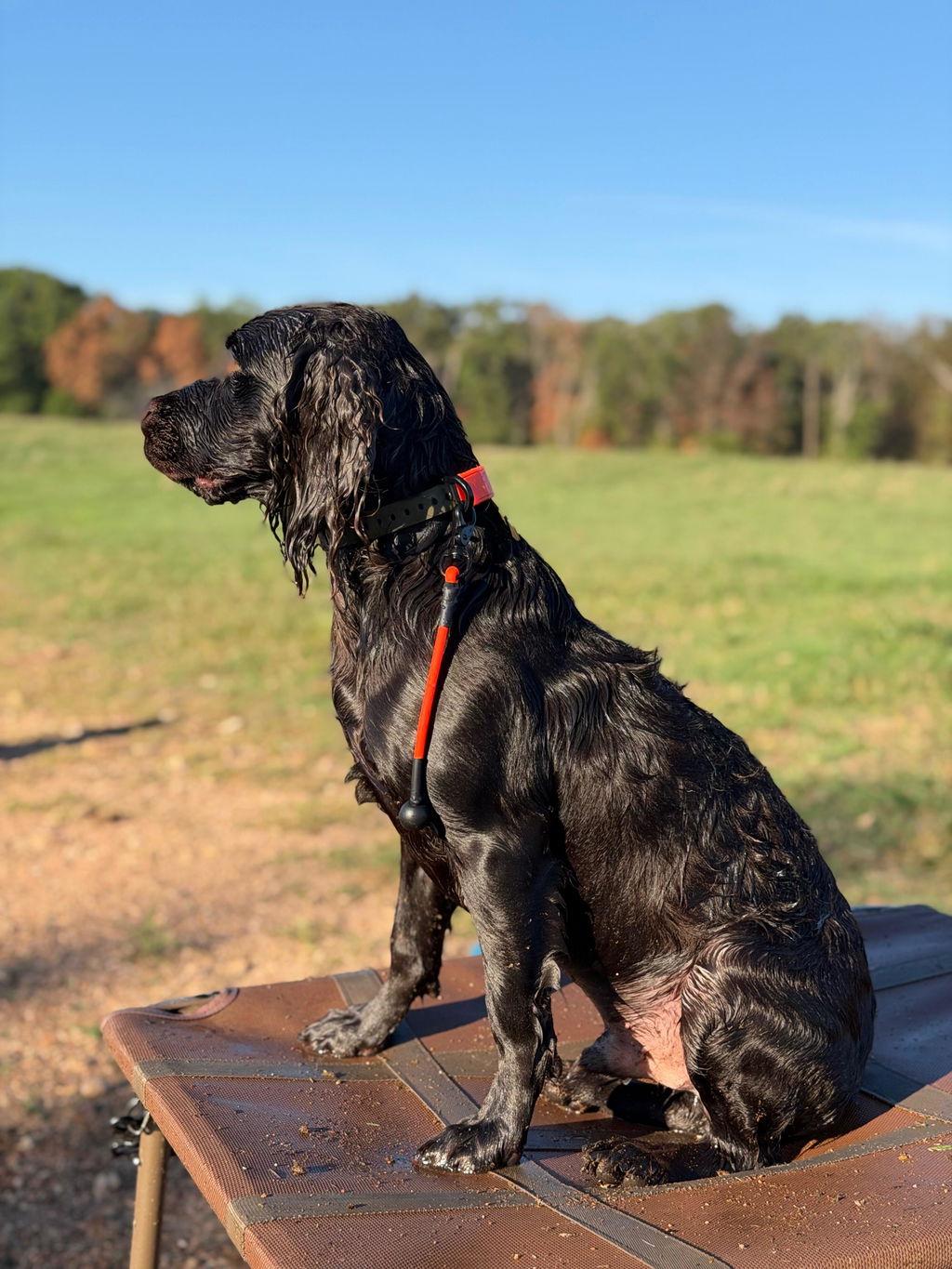
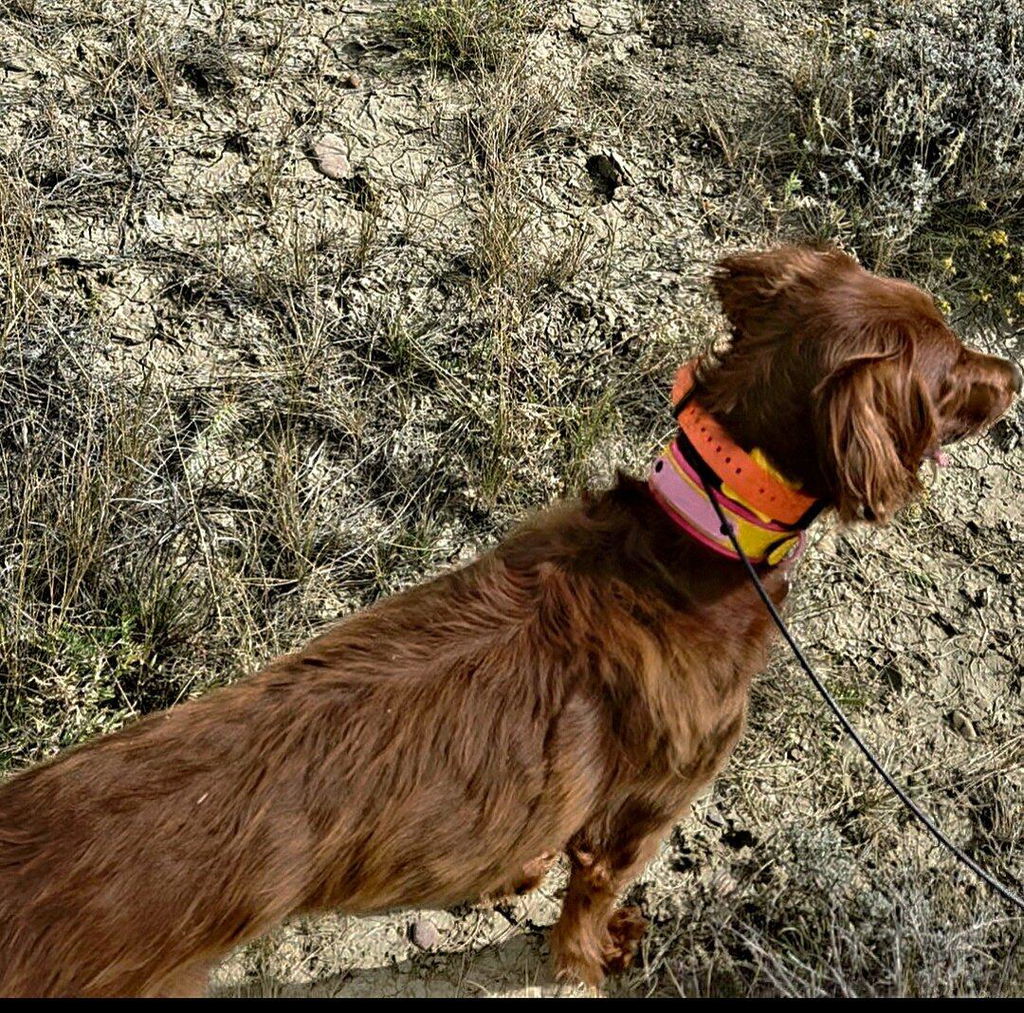
Choose a collar that can handle repeated exposure to weather, dirt, and movement. This is where weatherproof materials and secure hardware matter more.
If the dog is outdoors often, swims, hikes, or gets dirty fast, a collar that dries quickly and cleans easily will stay in use longer and be less annoying to maintain. Hoss’s Weatherproof Dog Collars are the more relevant route for this kind of daily use.
For a Dog Using Tracking or Training Gear
Compatibility matters. Hoss already has a real product-story advantage here.
The D-Ring Dog Collar is described as compatible with Tractive GPS Trackers and select Garmin training modules, and Hoss also offers a dedicated Training Collar Adapter Kit plus a full Training Collar Setup. That gives this article a more defensible angle than generic best everyday collar content, because there is a real use case behind the gear.
If a buyer wants one collar that can work as an everyday setup and support a tracking or training workflow, that should be addressed directly here instead of buried in product copy. For more working-dog-specific options, point readers to the K9 Dog Collars page as well.
Suggested proof insert: Add a short section from the team on when a dog owner should use a standard everyday setup versus a Garmin-compatible or adapter-based setup.
Everyday Fit Mistakes That Cause Problems Fast
A good collar can still become the wrong collar if it is fitted poorly.
Common mistakes:
- Wearing it too loose because the owner is worried about comfort
- Choosing a width that does not match the dog’s build
- Leaving a dirty, wet collar on too long without cleaning it
- Using a collar style that does not match the dog’s activity level
- Keeping a worn-out collar in rotation too long
A simple everyday fit rule is this: the collar should feel secure and consistent without looking tight, twisting excessively, or shifting around all day.
Suggested proof insert: Add Hoss fit guidance here, including any preferred measuring method and a short note on what fits to size means in practice for neck sizes up to 22 inches.
When to Replace an Everyday Dog Collar
Even a solid everyday collar should be checked regularly. Replace it if you notice:
- Hardware that no longer feels secure
- Visible wear where the collar flexes most often
- A fit that no longer stays consistent
- Odor or grime buildup that never fully clears
- Damage from chewing, dragging, or heavy abrasion
This section is worth keeping because it gives the post more practical value and makes it feel less like filler.
What We Would Prioritize in an Everyday Collar
If the goal is one collar for regular use, this is the order that makes the most sense:
- Fit that stays consistent
- Material that handles weather and cleaning
- Hardware that feels secure
- Easy on/off use
- Compatibility with the dog’s real routine
That is the better lens for everyday-collar shopping. Not which collar sounds the most rugged, but which collar is still easy to trust after ordinary daily use.
FAQ
What is the best material for an everyday dog collar?
For many dogs, a weatherproof and easy-clean material makes the most sense because it handles water, dirt, and repeated use better than collars that stay wet or hold odor. If that is your priority, compare Hoss’s weatherproof dog collar options.
How tight should an everyday dog collar be?
It should feel secure without looking tight, and it should stay in position instead of sliding around constantly. A collar that shifts too much during normal wear usually needs a better fit or a better adjustment system.
Are adjustable dog collars good for daily use?
Yes, if the adjustment holds, the material is durable, and the hardware is easy to use regularly. Adjustable only matters if the collar stays comfortable and consistent after repeated wear.
When should I replace my dog’s everyday collar?
Replace it when the hardware no longer feels trustworthy, the collar no longer holds its fit well, or the material is visibly worn, damaged, or permanently dirty.
Closing Thoughts
If you are looking for an adjustable everyday dog collar, do not overcomplicate it. Focus on the features that matter after weeks of actual use: fit, weather resistance, secure hardware, and easy handling.
If you want an everyday setup built around rugged, weatherproof dog gear, start with Hoss’s dog collar collection, compare the D-Ring Dog Collar, browse the D-Ring collection, review the K9 Dog Collars, and check whether a Training Collar Setup or Training Collar Adapter Kit makes sense for your dog’s routine.