


Cobra Buckle Dog Collars: When They’re Worth It and When They’re Not

Table of Contents
- What a Cobra Buckle Dog Collar Actually Is
- When Cobra-Style Buckle Dog Collars Make Sense
- When Cobra Buckle Dog Collars Are Not the Best Choice
- The Real Buying Question: Is the Extra Hardware Worth It?
- Cobra Buckle vs Plastic Side-Release: What Changes in Real Use?
- Fit Still Matters More Than the Buckle
- What to Inspect on a Cobra Buckle Dog Collar
- What Usually Goes Wrong in Cheaper or Poorly Chosen Setups
- Who Benefits Most From Cobra-Style Hardware?
- Where Hoss Fits Best
- Which Hoss Option Makes the Most Sense?
- A Smarter Way to End the Buying Decision
- Final Take
-
FAQ
Cobra-style buckle dog collars get a lot of attention because they look serious, feel solid in the hand, and promise fast on-off handling with stronger hardware than a basic plastic side-release buckle.
That appeal is real. But the better buying question is not whether a cobra-style buckle looks tougher. It is whether that extra hardware actually improves the way your collar works for your dog.
For some dogs and handlers, the answer is yes. For others, the extra weight, bulk, and cost are not worth it. That is why cobra buckle collars make the most sense when you judge them by fit, use case, handling feel, and day-to-day practicality rather than just appearance.
If you are comparing options, this guide will help you decide when a cobra-style buckle dog collar makes sense, when it does not, and where a Hoss setup fits into the picture.
What a Cobra Buckle Dog Collar Actually Is
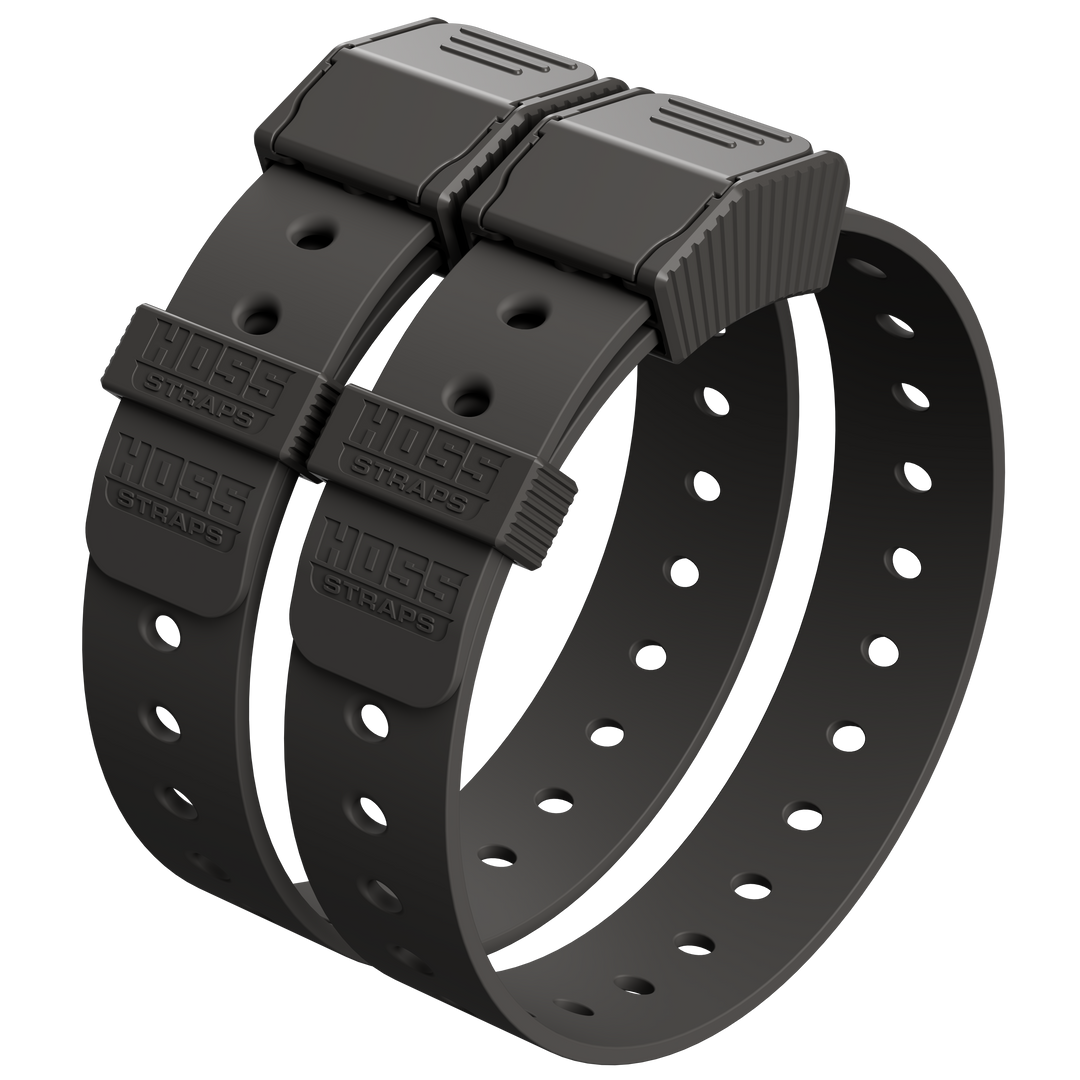
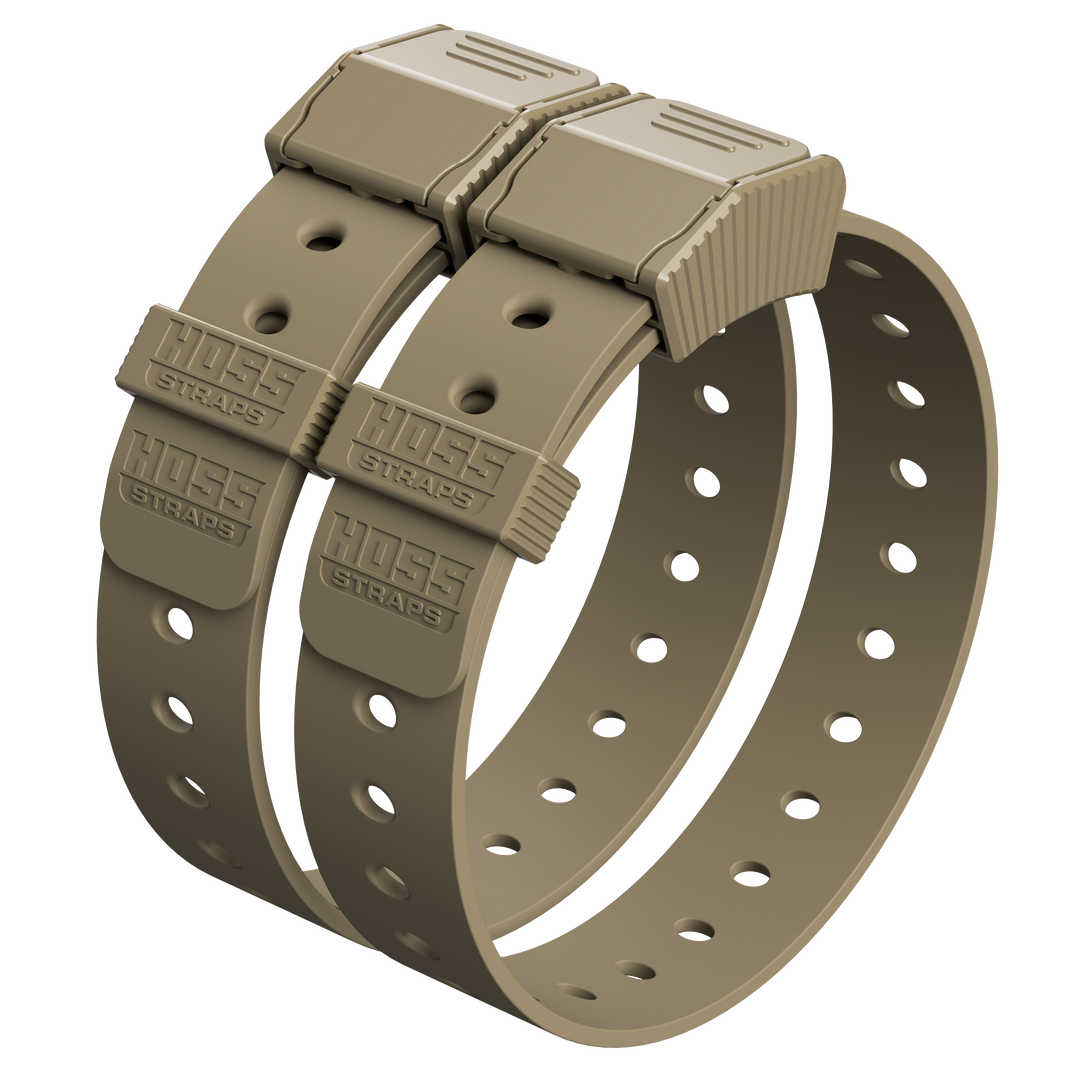
A cobra-style buckle dog collar uses metal quick-release hardware rather than a standard plastic side-release buckle.
The main appeal is simple:
- more substantial hardware
- a secure-feeling connection
- easier repeated on-off use for some handlers
- a more hard-use look and feel
That does not automatically make it the best collar for every dog. It just means the buckle itself becomes part of the value proposition.
For some owners, that matters a lot. For others, it is just extra hardware they do not really need.
When Cobra-Style Buckle Dog Collars Make Sense
Cobra-style hardware usually makes the most sense when the owner actually benefits from the buckle, not just the look.
1. Repeated on-off handling matters
If you are taking the collar on and off often, a quick-release metal buckle can feel faster, cleaner, and more confidence-inspiring than a basic setup.
That can matter for:
- training days
- vehicle transitions
- kennel routines
- field work
- cold-weather handling with gloves
2. You want a stronger hardware feel
Some owners simply want hardware that feels more substantial in the hand. That is a valid preference, especially if the collar gets handled hard and often.
The important part is making sure the rest of the collar matches that hardware. A serious buckle on an otherwise awkward or poorly balanced collar does not solve much.
3. The dog is hard on gear
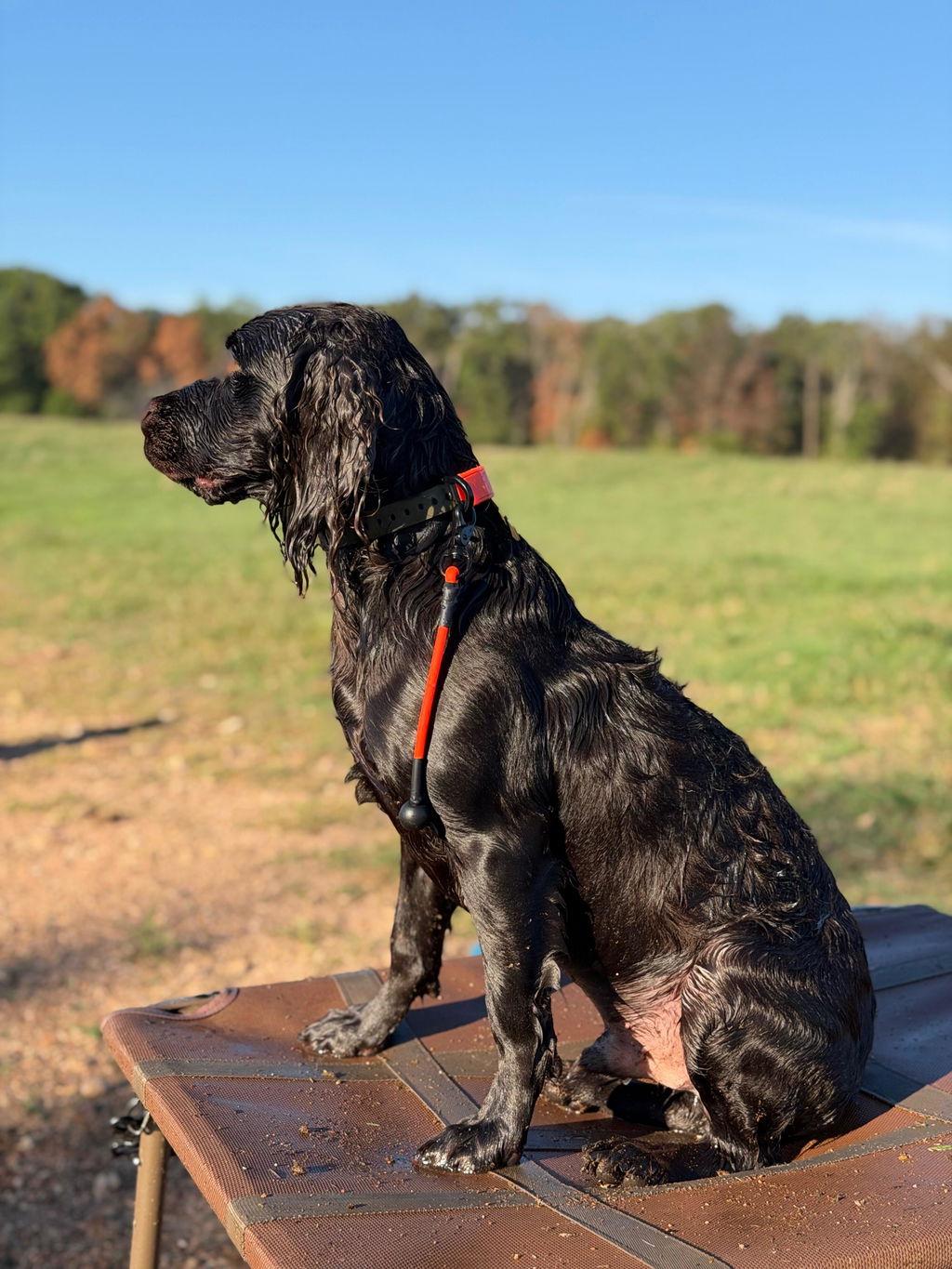
If the dog trains hard, gets dirty often, or lives in a tougher-use environment, cobra-style hardware can make more sense than it does for a casual neighborhood-walk setup.
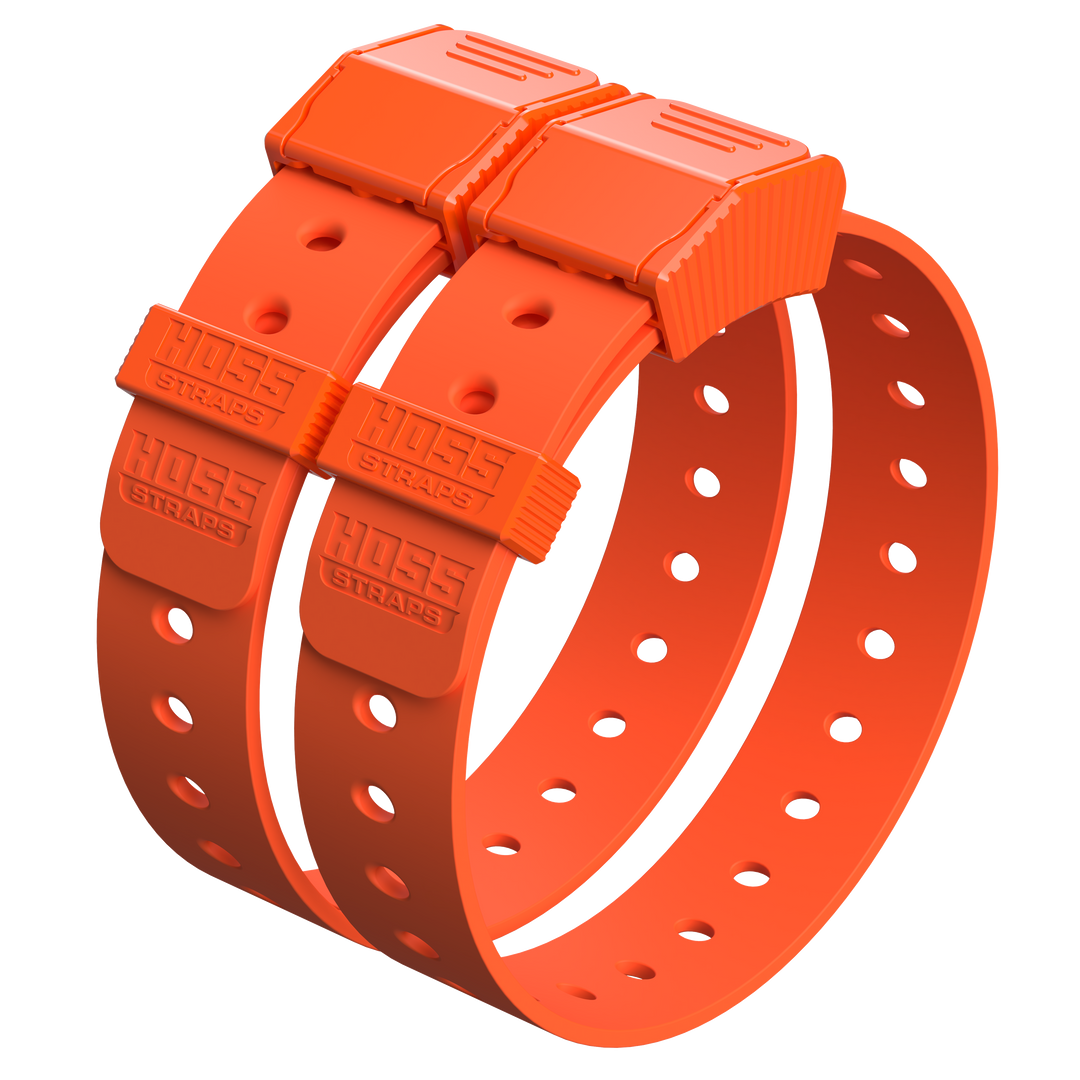
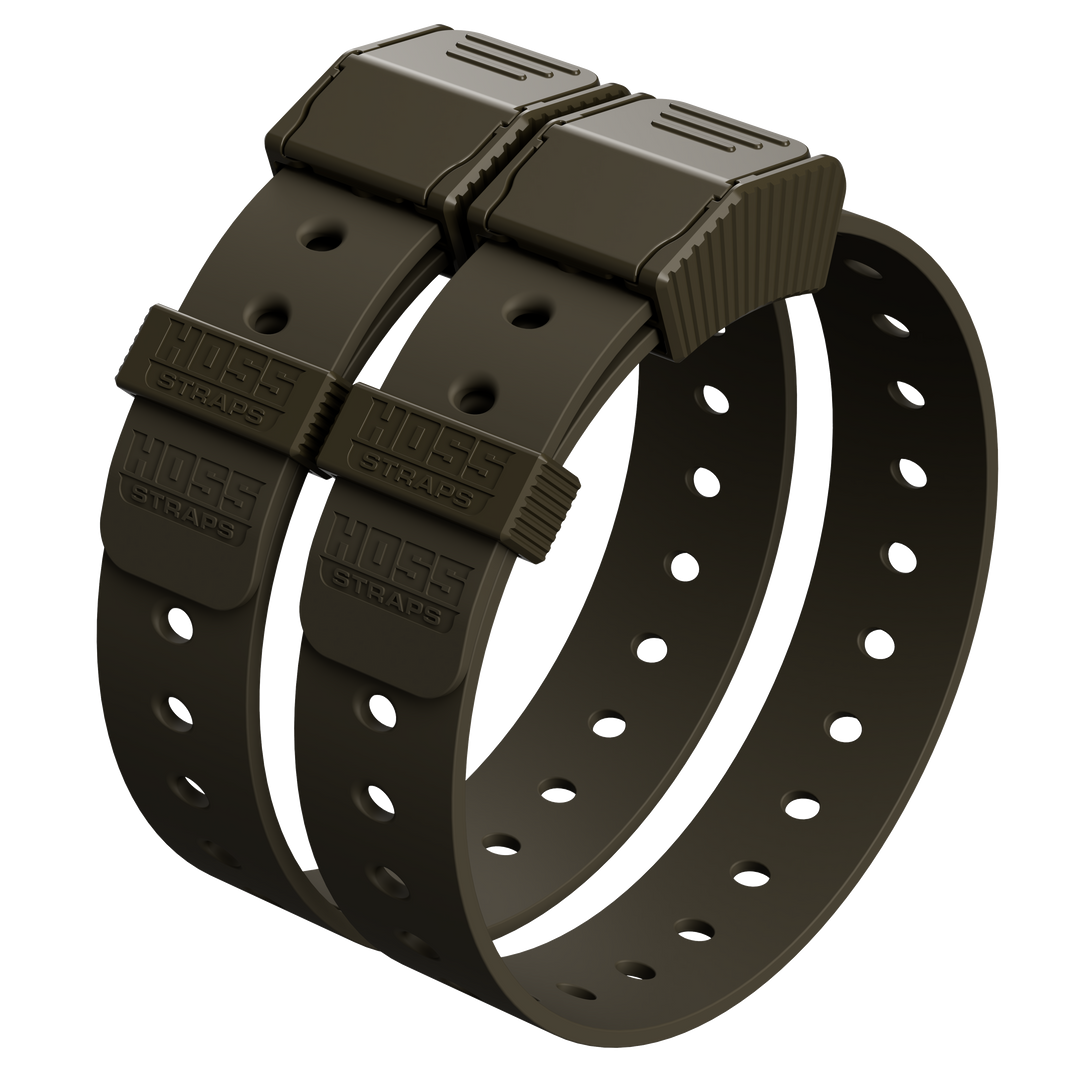
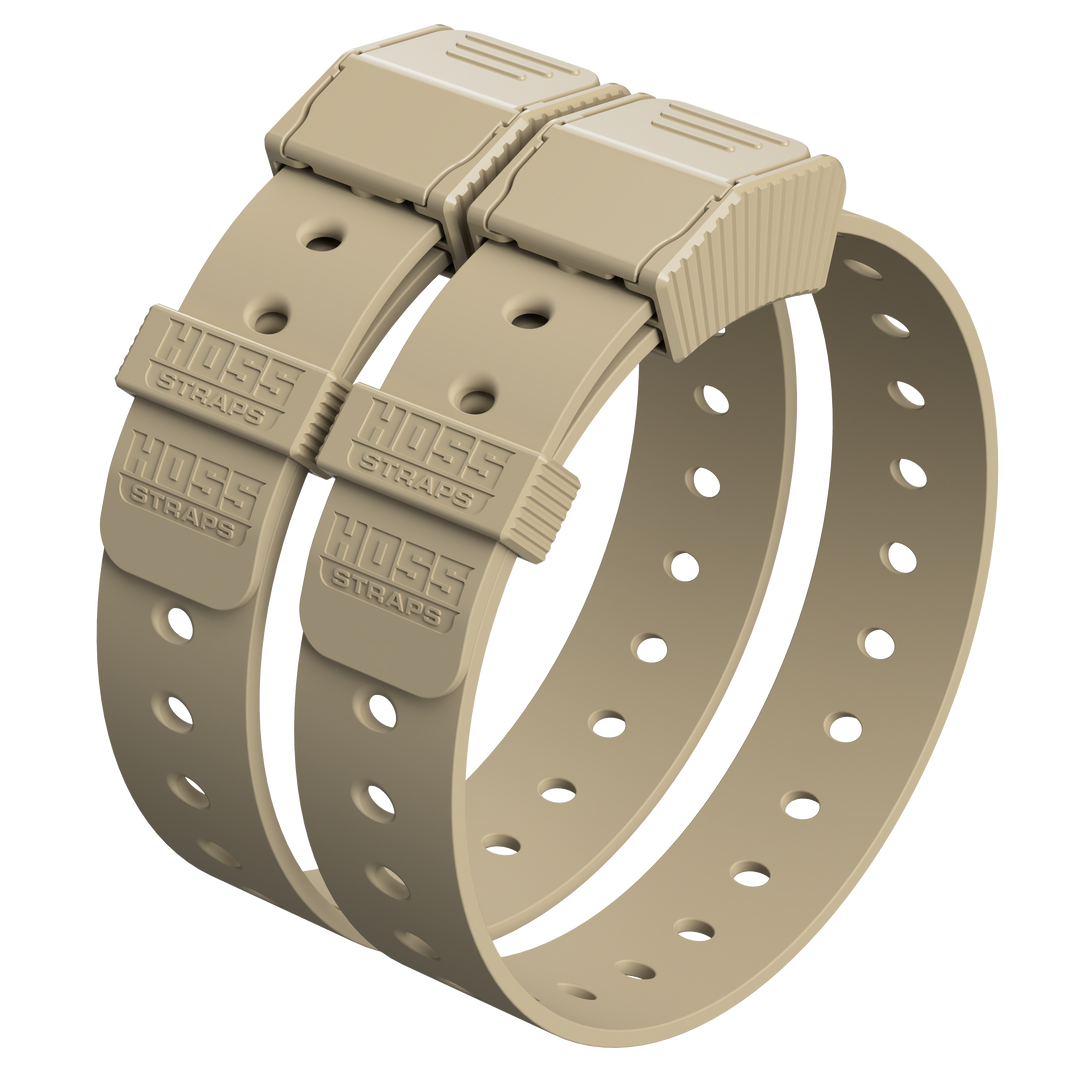
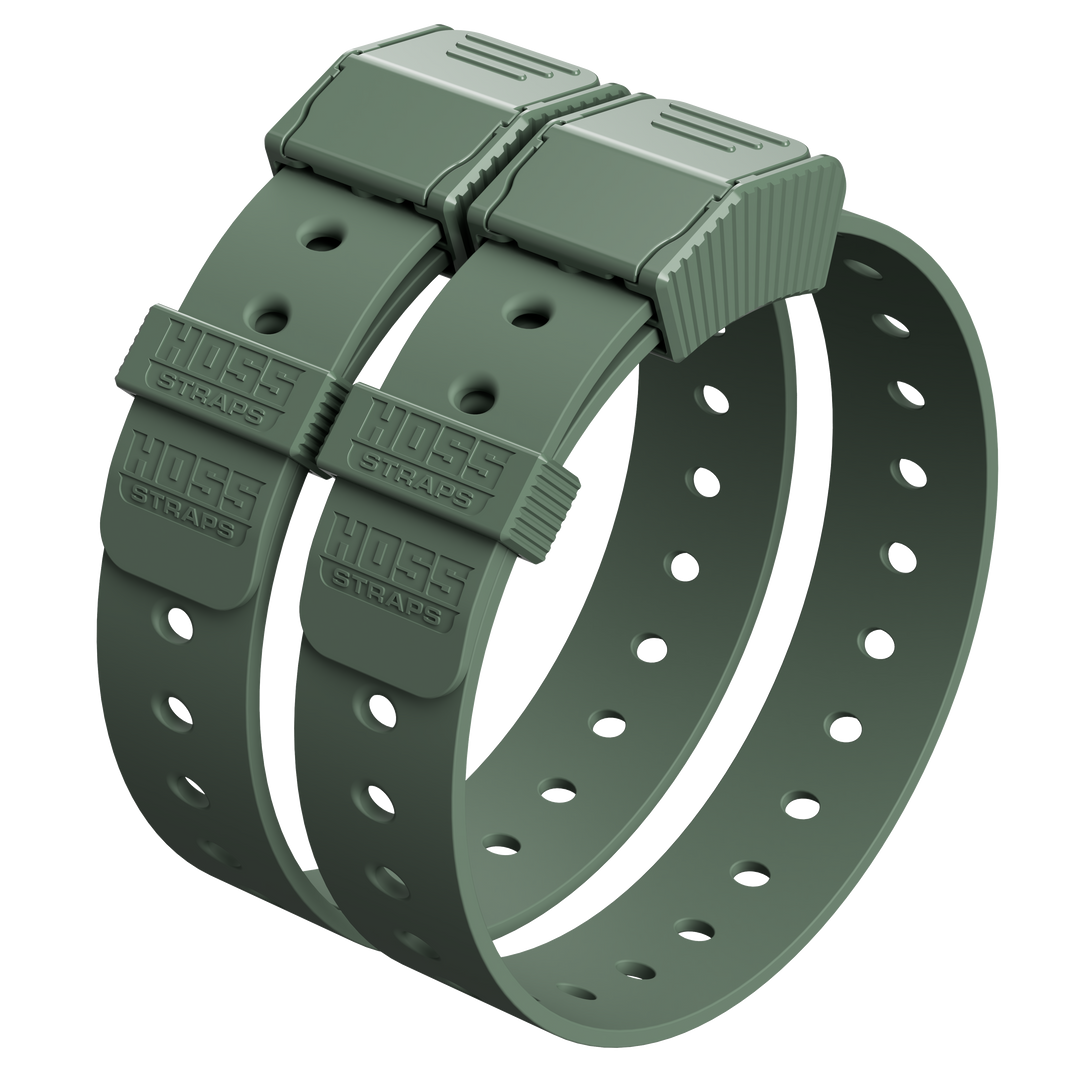
This is where the Hoss angle becomes more relevant. For harder-use dogs, the conversation is not just about the buckle. It is about whether the collar as a whole is built for repeated real-world use. That is where Hoss K9 dog collars become a more natural comparison point.
When Cobra Buckle Dog Collars Are Not the Best Choice
This is the section many buyers need most.
Metal quick-release hardware is not automatically better for every dog, and the extra weight or bulk can be unnecessary in simpler situations.
1. The dog does not need the extra hardware
For a calm pet dog doing ordinary walks and wearing a collar mostly for ID and leash attachment, a cobra-style buckle can be more collar than the dog really needs.
That does not make it wrong. It just means the benefit may be more about owner preference than actual function.
2. Weight and bulk are a concern
This matters more than people expect.
Some dogs do better in lighter, simpler setups. Smaller dogs, more collar-sensitive dogs, and dogs who do not need hard-use hardware may be better served by a more straightforward everyday collar.
3. The buyer is chasing looks instead of use case
A cobra-style buckle collar can look impressive online. But if the dog does not benefit from the added hardware, the collar may end up feeling like overkill instead of an upgrade.
The best collar is not the one that looks the toughest. It is the one that works best for the dog's actual routine.
The Real Buying Question: Is the Extra Hardware Worth It?
That is the decision point that should guide the whole article.
Ask yourself:
- Do I remove the collar often?
- Do I want faster, cleaner on-off handling?
- Is my dog hard on gear?
- Am I working in mud, weather, vehicles, or training environments where hardware feel matters more?
- Or do I really just need a comfortable, dependable everyday collar?
If the answer is mostly everyday use, you may be better off comparing Hoss dog collars or the D-Ring Dog Collar before assuming a cobra-style buckle is the best fit.
If the answer is repeated hard use, frequent handling, or a stronger hardware preference, cobra-style hardware becomes more compelling.
Cobra Buckle vs Plastic Side-Release: What Changes in Real Use?
Here is the practical comparison most buyers actually need:
| Collar Type | Best For | Main Upside | Main Tradeoff |
|---|---|---|---|
| Cobra-style metal buckle | Harder-use dogs, frequent on-off handling, handlers who want solid hardware feel | Stronger hardware feel and faster repeated handling | More weight, more bulk, higher cost |
| Plastic side-release buckle | General everyday pet use | Lighter, simpler, easier for many dogs to wear | May feel less substantial for hard-use setups |
| Standard fixed collar setup | Basic daily wear or owners who rarely remove the collar | Simple and proven | Slower on/off if frequent removal matters |
That table gives a better answer than saying one style is simply better than another.
Fit Still Matters More Than the Buckle
One of the easiest mistakes in this topic is over-focusing on hardware and under-focusing on fit.
Even with a good buckle, the collar still has to:
- fit correctly
- sit consistently
- avoid excessive twisting
- stay comfortable during daily wear
- work cleanly with the leash attachment point
A collar with excellent hardware and poor fit is still the wrong collar.
As a basic fit check, you should be able to fit two fingers between the collar and the dog's neck, while still keeping the setup secure enough that it does not slip or rotate excessively during normal use.
What to Inspect on a Cobra Buckle Dog Collar
If you are seriously considering one, inspect more than the buckle itself.
Check the buckle action
It should open and close cleanly without feeling rough, sticky, or awkward.
Check the webbing-to-hardware balance
The hardware should feel like it belongs on the collar, not like an oversized metal piece attached to a lightweight strap with no overall balance.
Check tail management and keepers
This is one of the quieter quality markers. If the strap tail sits awkwardly, slips around, or feels messy after adjustment, the collar will feel less polished in day-to-day use.
Check for bulk on the dog's neck
The dog still has to wear it comfortably. Some collars look great in product photos but feel heavier or bulkier than expected in real life.
Check how it handles with your leash setup
A good collar should work cleanly with the leash snap and attachment point you actually use, not just look good by itself.
What Usually Goes Wrong in Cheaper or Poorly Chosen Setups
Most collar disappointment does not come from total failure. It comes from smaller problems that add up:
- the collar feels heavier than expected
- the strap tail does not stay managed well
- the hardware feels good at first but the overall collar feels clumsy
- the collar is overbuilt for the dog and gets used less often
- the owner pays for a feature they do not actually benefit from
This is also where stronger Hoss-first proof would help the article even more. The page should eventually include a short field-observation block about the fit, keeper, and hardware issues that show up most often in real use.
Who Benefits Most From Cobra-Style Hardware?
If you want the shortest version of the buying decision, it looks like this:
Good fit for:
- handlers who remove collars often
- harder-use dogs
- K9-style or training-oriented setups
- owners who want a more substantial hardware feel
- people handling dogs in gloves, vehicles, mud, or repeated transitions
Usually not necessary for:
- low-key pet dogs
- small dogs who do better with lighter hardware
- buyers who mainly want a collar for tags and neighborhood walks
- owners who care more about low weight than metal-buckle handling
That does not mean cobra-style collars are only for working dogs. It just means they make the most sense when the use case supports the extra hardware.
Where Hoss Fits Best
Hoss has a more believable angle on this topic when the article stays grounded in practical collar use instead of treating the buckle like a magic feature.
The better Hoss bridge is:
- dependable hardware feel matters
- fit and day-to-day comfort still matter more
- weatherproof, easy-clean setups are useful in hard-use conditions
- the best collar depends on the dog's routine, not just the buckle style
That makes Hoss product links easier to place naturally:
- K9 Dog Collars for harder-use dogs
- Dog Collars for broader everyday comparison
- D-Ring Dog Collar for owners who want a simpler but still dependable setup
- Training Collar Setup when the collar needs to work as part of a more specialized system
- Training Collar Adapter Kit when adapter-based hardware compatibility matters
That is a stronger commercial bridge than opening the article with a generic product CTA.
Which Hoss Option Makes the Most Sense?
Not every buyer reading this article should end up with the same collar.
For broader everyday use
Start with the main Dog Collars collection if your goal is a dependable collar and you are still deciding whether heavy-duty buckle hardware is actually necessary.
For cleaner D-ring handling
The D-Ring Dog Collar or D-Ring Dog Collars collection makes sense if you want secure daily use without automatically stepping into a more overbuilt setup.
For harder-use dogs
The K9 Dog Collars are the most natural fit if the reader truly needs a stronger, more hard-use-oriented collar story.
For messy conditions
If water, mud, and cleanup are part of the problem, compare weatherproof dog collars as part of the decision too.
For more specialized training systems
If the collar needs to work alongside more advanced gear later, the Training Collar Setup and Training Collar Adapter Kit are the most relevant internal links to place here.
A Smarter Way to End the Buying Decision
If you are deciding whether a cobra-style buckle dog collar is worth it, the simplest answer is this:
It is worth it when the buckle improves the way you actually handle the dog.
It is not worth it when you are only paying for a look, extra weight, or harder-use hardware your setup does not really need.
That is the kind of answer this article should deliver more clearly.
Final Take
Cobra buckle dog collars are not automatically better than other collars. They are better for specific owners and specific routines.
If you want a stronger metal quick-release feel, repeated on-off convenience, and a collar that fits a harder-use handling style, cobra-style hardware can make real sense.
If your dog just needs a dependable everyday collar, lighter and simpler may be the smarter call.
That is what makes this a strong Hoss topic: not the buckle alone, but the bigger decision around fit, handling, daily wear, and choosing the right collar for the dog in front of you.
FAQ
Are cobra buckle dog collars good for everyday use?
They can be, especially if you like metal quick-release hardware and remove the collar often. But for some dogs, the extra weight and bulk are unnecessary for normal daily wear.
Are cobra buckle collars better than plastic buckle collars?
Not automatically. Cobra-style hardware often feels more substantial, but plastic buckle collars can still be the better fit for lighter, simpler everyday use.
Are cobra buckle dog collars too heavy for small dogs?
Sometimes. Smaller or more collar-sensitive dogs may do better in lighter setups, depending on the total collar build.
Who should buy a cobra-style buckle collar?
They make the most sense for owners who want stronger-feeling hardware, faster repeated on-off handling, or a more hard-use-oriented collar setup.
What should I inspect before buying one?
Check the buckle action, fit range, tail management, hardware balance, leash compatibility, and whether the total collar feels too bulky for your dog.