


Bulk K9 Collar Orders for Police Departments: Standardize Once, Reorder Faster

When a police K9 unit places a multi-dog collar order, the goal is not just getting collars delivered. The goal is making sure each dog gets the right fit, the right identification, and a setup the department can reorder later without confusion.
For most units, the smartest approach is to standardize the details before the order is placed. That means using one sizing method, one ID format, one hardware setup, and one clean record for every dog in the unit.
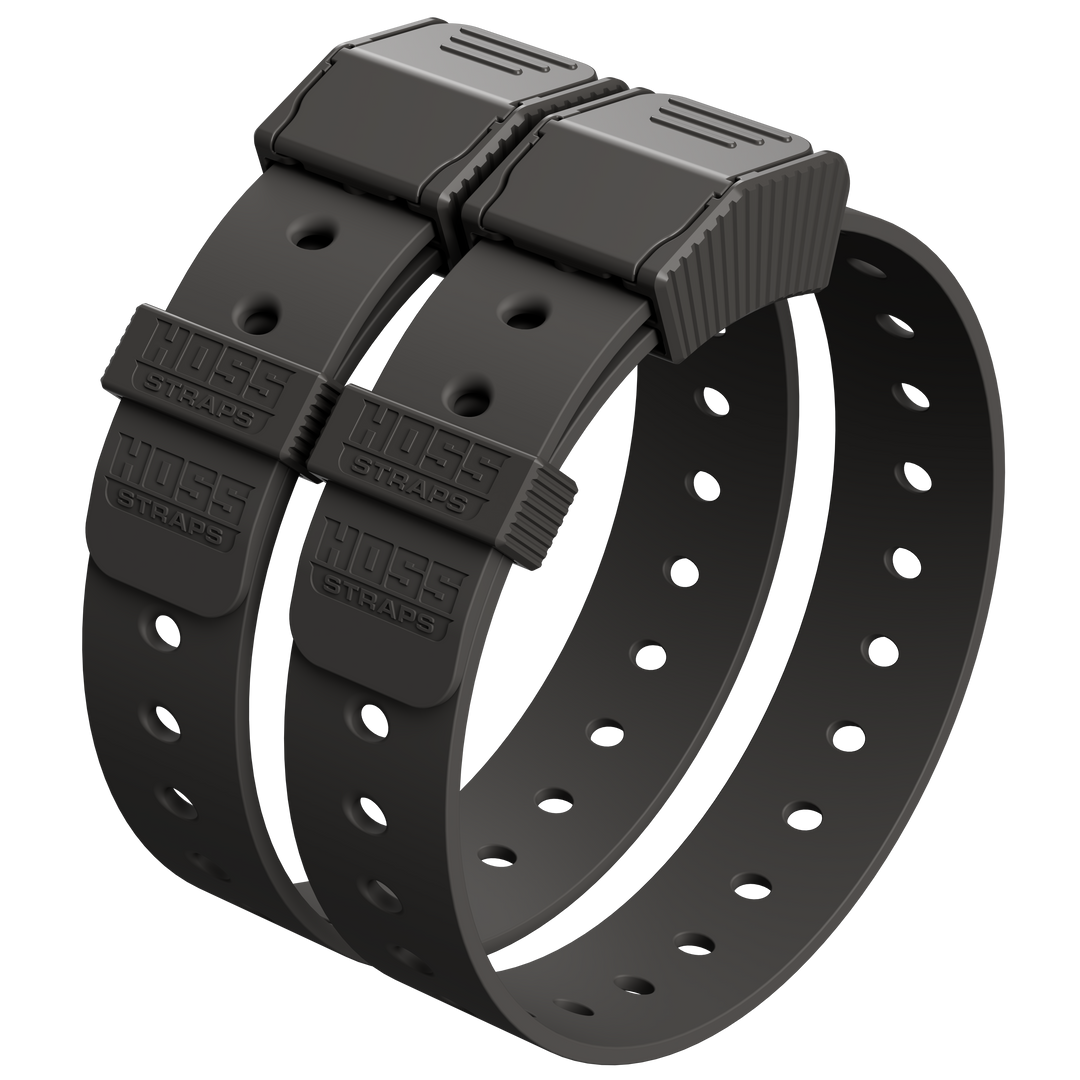
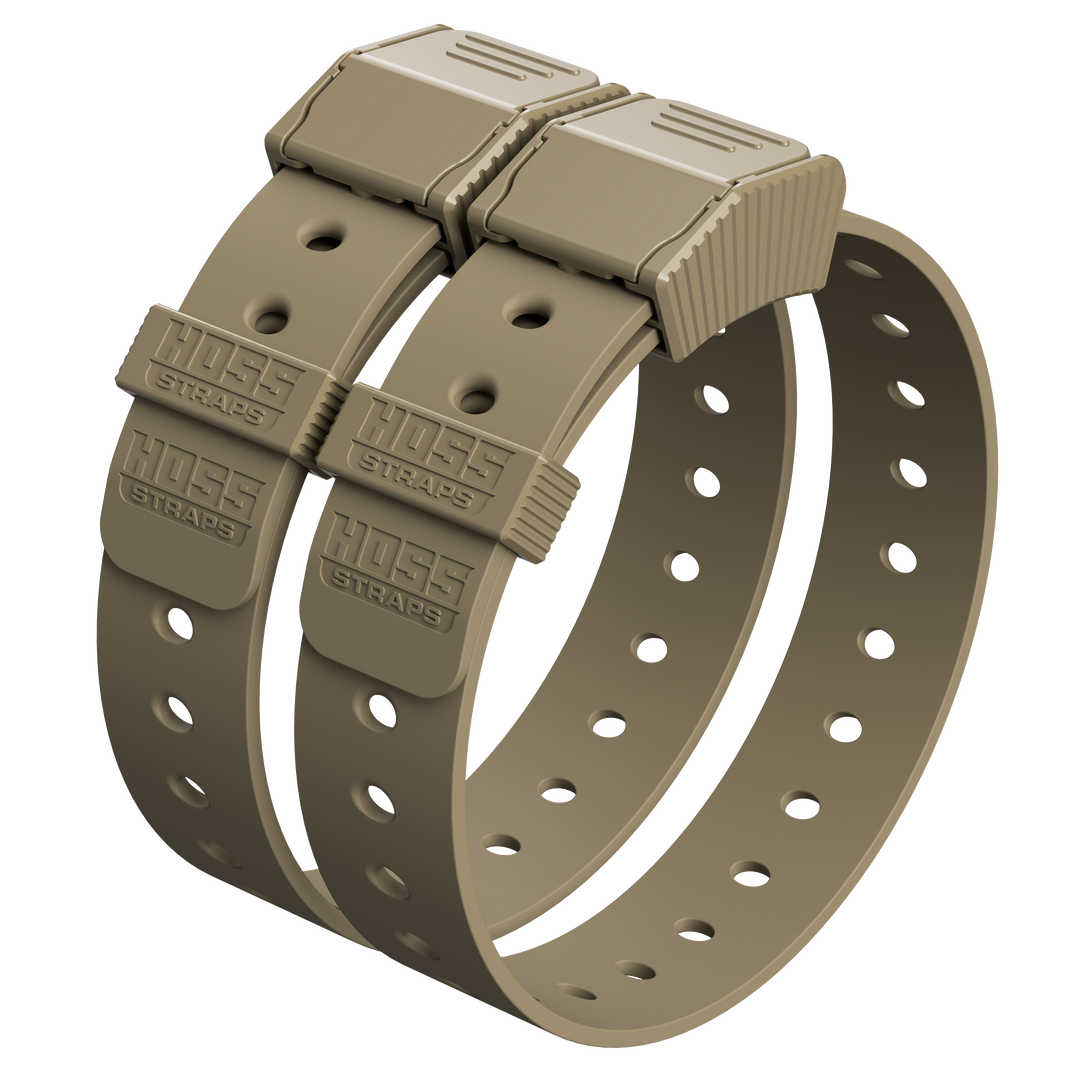
At Hoss Straps, departments shopping for a K9 dog collar, a D-Ring Dog Collar, or a full set of D-Ring Dog Collars can simplify the first order and make future reorders much easier.
Table of Contents
- What to Standardize Before Placing a Bulk K9 Collar Order
- What Information to Collect for a Department Order
- How to Measure for a 5 to 10 Dog Collar Order
- Why Standardization Matters for Reorders
- Training Collar Setup and Adapter Options
- What to Keep on File After the First Order
- Replacement Planning for Working K9 Collars
- Bulk K9 Collar Orders Should Be Simple
-
FAQ
What to standardize before placing a bulk K9 collar order
Before sending in a department order, decide which specs need to stay consistent across the unit.
1. Use one sizing method for every dog
Measure neck circumference where the collar will sit and record every size the same way. If one dog falls between sizes, make a note of how that decision was made so the same standard is used again later.
Consistency matters more than speed here. A repeatable measuring process reduces mistakes, cuts down on replacements caused by poor fit, and makes future orders easier to manage.
2. Choose one ID format
Department collars work best when the ID text is short, readable, and consistent. A few common formats include dog name plus unit number, dog name plus handler identifier, or dog name plus agency abbreviation.
Whatever format you choose, keep it standardized across the team so every collar looks intentional and is easy to verify at a glance.
3. Keep color choices organized
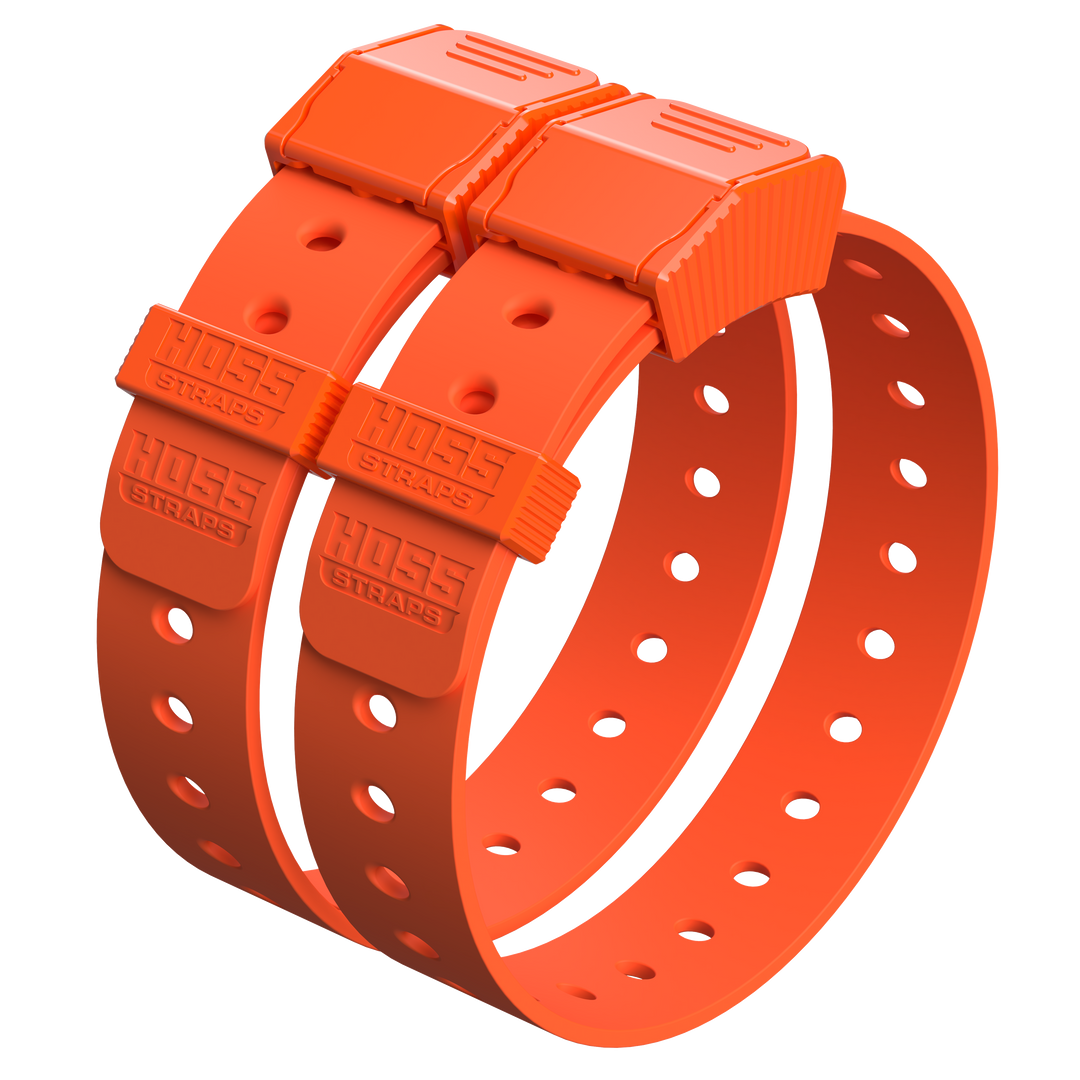
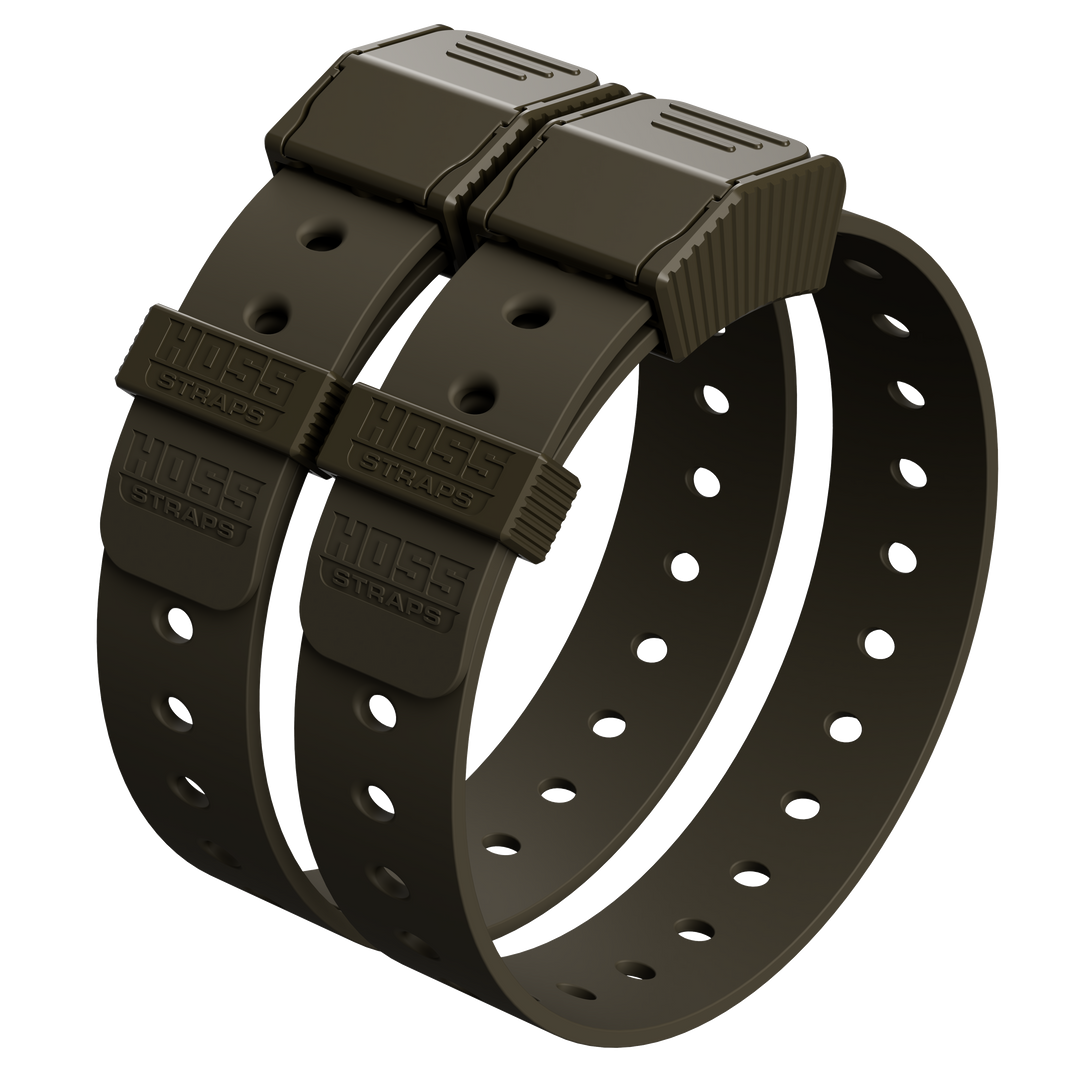
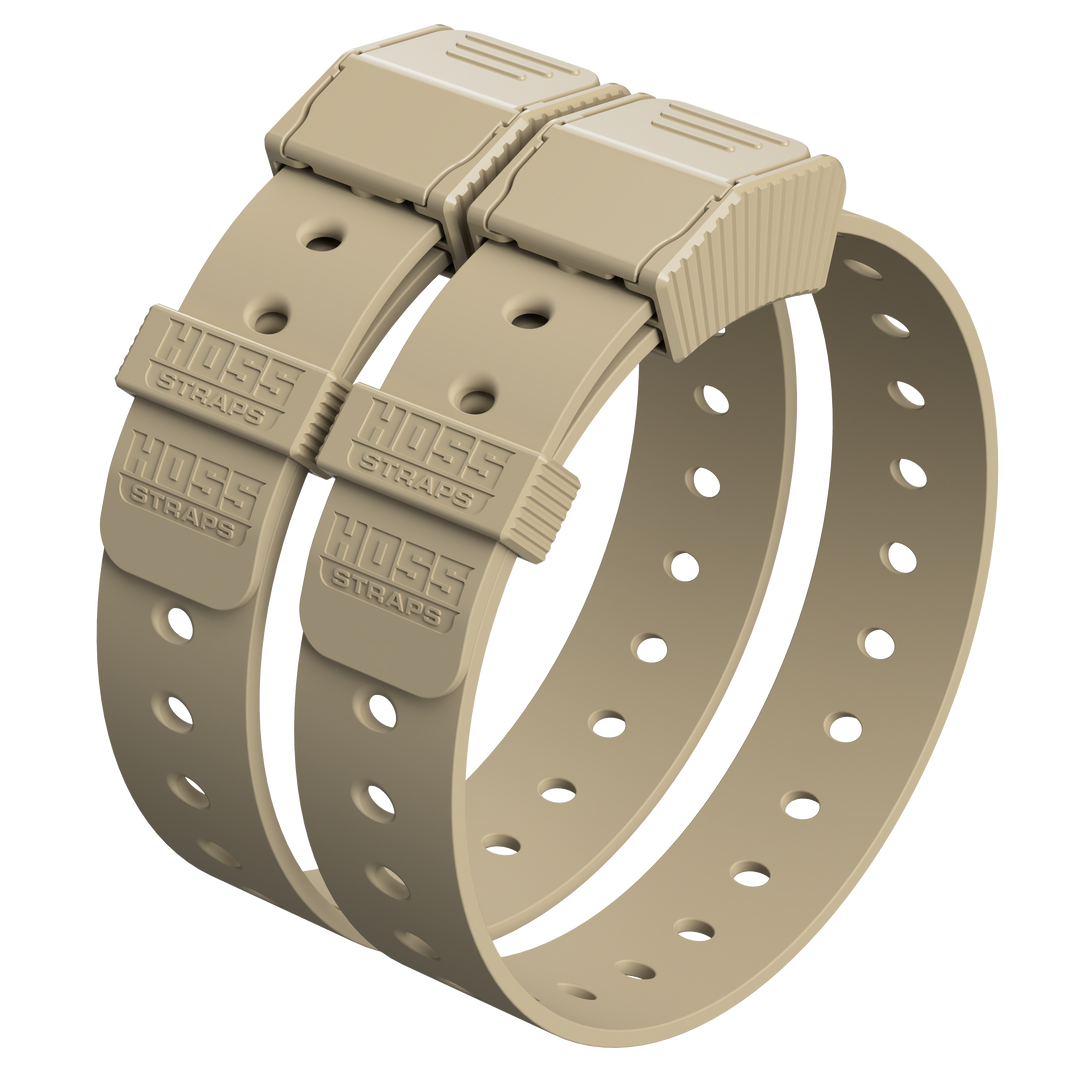
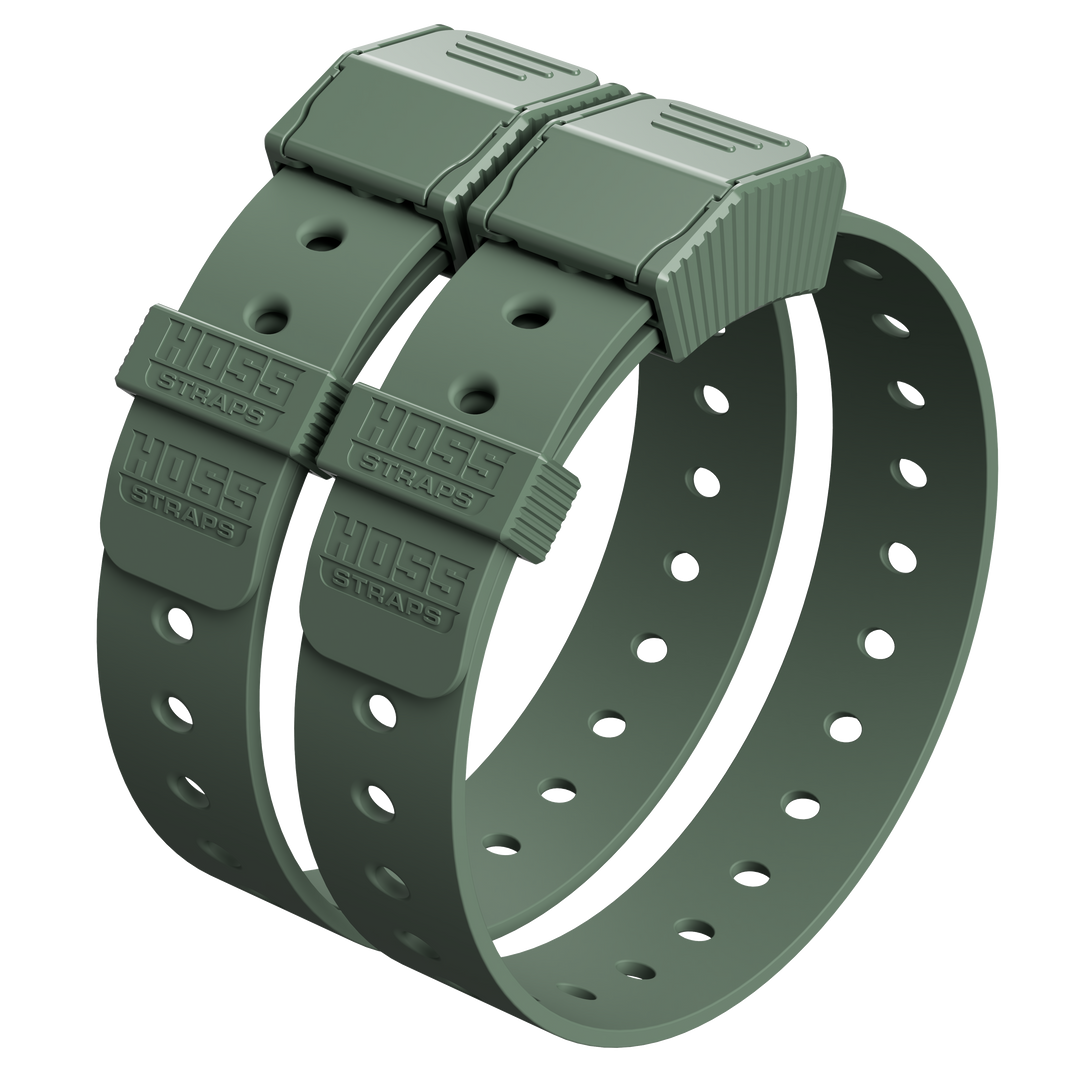
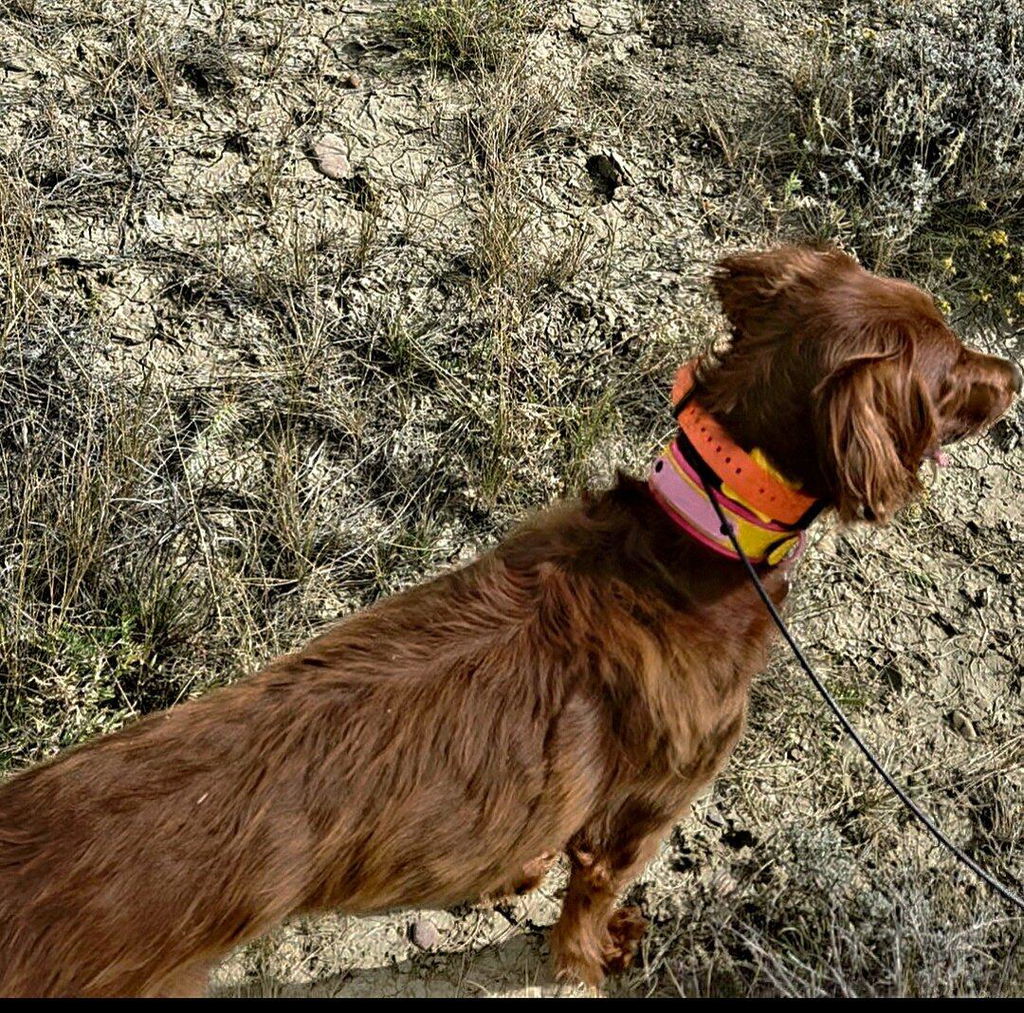
If your unit uses more than one collar color, assign those colors with a purpose. Some departments separate patrol dogs, training dogs, or kennel assignments by color. Others prefer to keep the entire team uniform.
The right answer depends on how your team operates, but the system should be simple enough that anyone in the unit can understand it quickly.
4. Decide on hardware and use case up front
Departments should also decide whether the collars are intended for everyday wear, field use, or compatibility with training equipment. If your team wants a general-duty everyday collar, start with a D-Ring Dog Collar or browse all dog collars to compare options.
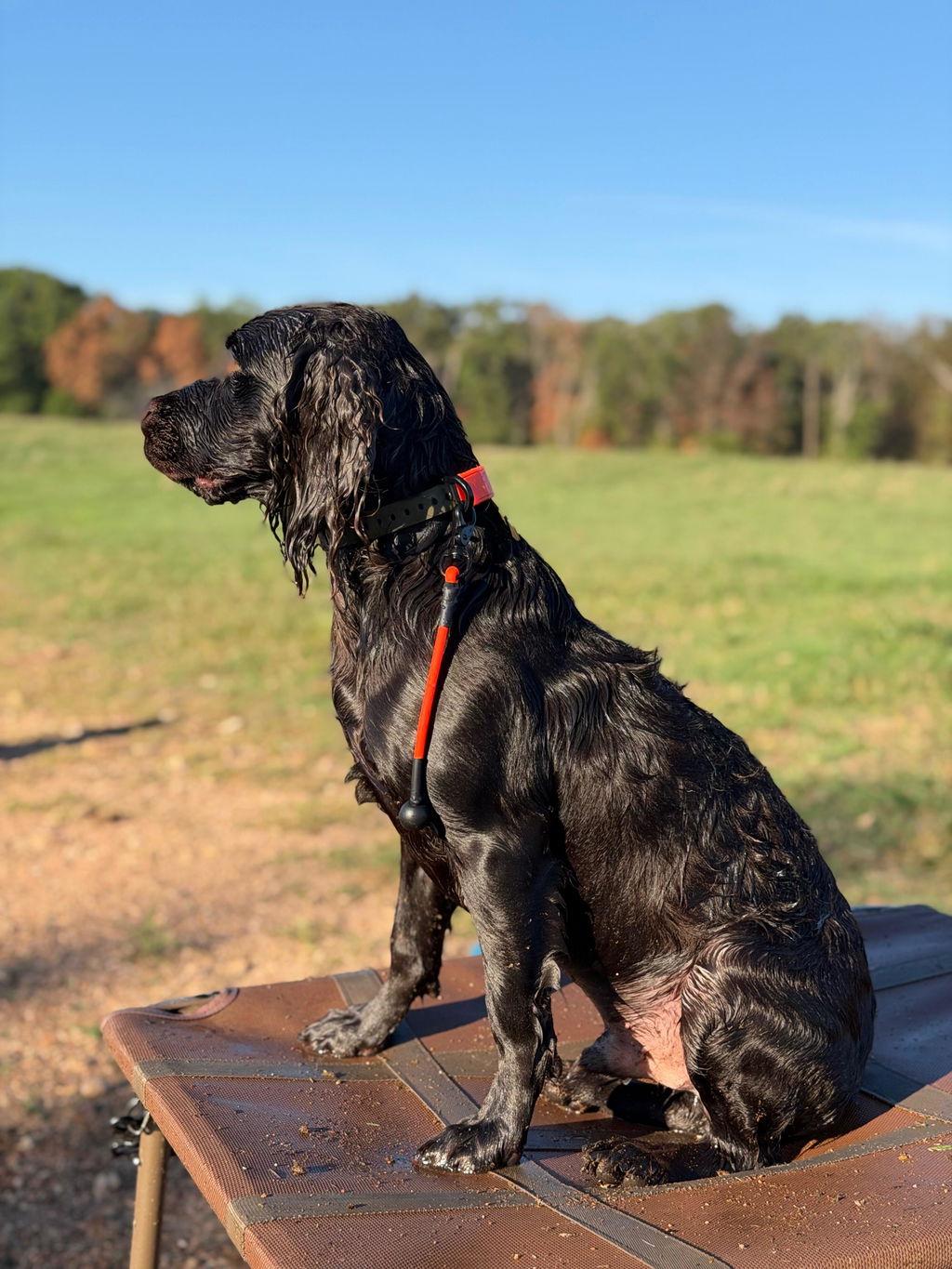
If weather exposure is a major concern, a dedicated weatherproof dog collar may be the better fit for the dogs in your program.
What information to collect for a department order
A bulk order goes more smoothly when the unit sends one clean list with the same information for every dog. For each collar, collect:
- Dog name
- Unit or handler identifier
- Neck size in inches
- Collar color
- ID text exactly as it should appear
- Quantity needed
- Main department contact for the order
For a small to mid-size unit, one worksheet or spreadsheet is usually enough to keep the order organized and make future replacements easier.
How to measure for a 5 to 10 dog collar order
For group orders, a two-person measuring process usually works best. One person positions the tape correctly on the dog while the second person reads the measurement and records it immediately.
This reduces guesswork and creates a cleaner sizing record. It also helps if your department ever needs to replace a single collar months later and wants the new one to match the original specifications.
Why standardization matters for reorders
Most department order problems do not show up on the first order. They show up later when one collar needs to be replaced and no one remembers the exact size, color, or ID layout that was used.
That is why standardization matters. When a unit keeps a simple record of issued collars, reorders become faster, cleaner, and more accurate. Instead of rebuilding the specs from memory, the department can refer back to the original format and order with confidence.
If your unit expects repeat purchases, it can help to start with products that are easy to keep consistent across the team, such as the K9 dog collars collection or the full D-Ring Dog Collars lineup.
Training collar setup and adapter options

Some departments also need collars that work with compatible training modules. In those cases, it helps to choose a setup that already accounts for receiver placement and hardware compatibility.
If your unit wants a ready-made option, the Training Collar Setup is a relevant solution to review. If your team already uses the base collar and only needs the hardware for compatible receiver mounting, the Training Collar Adapter Kit may be the more practical choice.
Adding this discussion to your order planning stage helps avoid mixed setups across the unit and makes it easier to maintain the same configuration on future orders.
What to keep on file after the first order
Once the initial order is complete, keep a record of the following details for each dog:
- Collar size
- Color assigned
- ID text format
- Date issued
- Any notes about fit or sizing adjustments
- Whether the dog uses a standard collar, a weatherproof setup, or a training-compatible setup
That one record can save time on every future reorder and help the department stay consistent as dogs rotate in, retire, or need replacement gear.
Replacement planning for working K9 collars
Working dogs put real wear on their gear. A department collar program works better when replacements are planned before a collar becomes a problem in the field.
It helps to define simple replacement triggers such as damaged hardware, visible strap wear, unreadable ID text, or a change in fit. For smaller units, keeping a spare of the most common size may help reduce downtime while a replacement order is being processed.
Bulk K9 collar orders should be simple

If your department is ordering collars for multiple dogs, the process should stay straightforward:
- Standardize sizing
- Standardize ID text
- Keep color choices organized
- Document each collar once
- Reorder from the same record later
That is the fastest way to reduce mistakes and keep your unit consistent.
If you are ready to outfit your team, start by reviewing the D-Ring Dog Collar, browse the full D-Ring Dog Collars collection, compare other dog collars, explore the K9 dog collars option, or choose a weatherproof dog collar for harsher conditions.
FAQ
What should a police department include in a bulk K9 collar order?
Include each dog’s name, neck size, collar color, ID text, quantity needed, and the main contact handling the order.
What is the best way to measure dogs for a group collar order?
Use the same measuring method for every dog and record the measurement immediately. A two-person measuring process usually gives the most consistent results.
Can a department reorder one replacement collar later?
Yes. Reordering one collar is much easier when the original order used a standard sizing method and a saved record for each dog’s collar details.
What collar type is best for police K9 units?
That depends on the dog’s job and environment. Some departments prefer a standard D-Ring Dog Collar, while others may need a weatherproof dog collar or a training collar setup for compatible equipment.
Why should a K9 unit standardize collar colors and hardware?
Standardization makes issue and replacement easier, reduces confusion across the unit, and helps every reorder match the original setup.