


Aluminum Dog Tags: Pros, Cons, and What to Know Before You Clip One On

Table of Contents
- What Aluminum Dog Tags Are and Why People Buy Them
- The Main Advantages of Aluminum Dog Tags
- Where Aluminum Dog Tags Can Fall Short
- Aluminum vs. Stainless Steel vs. Brass
- When Aluminum Is a Good Choice
- When Aluminum May Not Be the Best Choice
- How to Choose an Aluminum Dog Tag That Holds Up Better
- Setup Matters: Ring Hardware, Collar Choice, and Backup ID
- Quick Tag Check: What to Inspect Once in a While
- Best Tag Material by Dog Type
- Why the Collar Still Matters
- Final Take
- FAQ
Aluminum dog tags are popular for a simple reason: they are light, easy to clip on, and usually more comfortable on the collar than heavier metal tags.
For a lot of dogs, that is exactly what you want. A lightweight tag swings less, feels quieter, and does its job without adding much extra hardware to the neck.
But aluminum is not automatically the best choice for every dog. If your dog runs hard, pushes through brush, crashes into crate doors, or wears multiple tags at once, aluminum can show wear faster than tougher metals.
That is the real question this guide should answer: not whether aluminum dog tags are good in general, but whether they are the right fit for your dog's routine.
What Aluminum Dog Tags Are and Why People Buy Them
An aluminum dog tag is usually a flat metal tag stamped, engraved, or laser-marked with your contact information. Most attach with a split ring and hang from the collar beside the leash ring or buckle hardware.
Owners usually choose aluminum because it offers three practical advantages:
- Lower weight on the collar
- Lower cost than some other metals
- Simple everyday usability for dogs that do not need heavy-duty hardware
That makes aluminum a good match for plenty of pet dogs, especially when comfort and low swing weight matter more than maximum stiffness.
The Main Advantages of Aluminum Dog Tags
1. They are lightweight
This is the biggest reason people choose aluminum.
Weight matters more than many owners expect, especially for:
- Small dogs
- Older dogs
- Dogs sensitive to gear
- Dogs already wearing a buckle, ID tag, and leash hardware together
A lighter tag tends to move less aggressively and feel less busy on the collar.
2. Aluminum does not rust like iron-based metals
Aluminum does not rust the way steel can, because it forms a protective oxide layer on the surface. That does not mean it is immune to wear, staining, or cosmetic change, but it does mean corrosion usually looks different than the red rust owners worry about with iron-based metals.
For dogs that see wet grass, rain, and daily outdoor use, that can be a practical benefit. If your dog is constantly around water or mud, a weatherproof dog collar also helps keep the full setup easier to rinse and maintain.
3. Anodized aluminum can hold up better than plain aluminum
Many aluminum tags are anodized, especially colored ones. Anodizing can improve surface hardness and corrosion resistance compared with bare aluminum, which helps the tag handle normal rubbing and exposure better.
That does not make aluminum indestructible, but it can make it a smarter version of the same lightweight idea.
4. Aluminum is often enough for normal pet-dog use
Not every dog needs the stiffest possible tag.
If your dog is mostly doing neighborhood walks, yard time, car rides, and standard daily life, aluminum may be exactly the right level of hardware. In that kind of setup, going heavier is not always better.
Where Aluminum Dog Tags Can Fall Short
Aluminum works well in the right role. The problem is when owners expect a lightweight tag to behave like a heavy-duty one.
1. Aluminum is generally softer than stainless steel
If bend resistance is your top concern, this is the tradeoff that matters most.
Aluminum can dent, scratch, and bend more easily than stainless steel, especially if the tag is thin. That does not mean every aluminum tag bends quickly. It means the margin for abuse is smaller.
Common causes of bending include:
- Tag edges catching on brush or fencing
- The tag levering against an oversized split ring
- Multiple hard tags rubbing and prying against each other
- Repeated impact against crate wires, buckle hardware, or kennel doors
A bent tag is not just cosmetic. It can make numbers harder to read, create an edge that rubs, and speed up wear on the ring.
2. Surface wear can reduce readability
Even if a tag does not bend badly, scratches and surface wear can still make it less useful over time.
That matters because readability is the whole job. If a stranger cannot quickly read your phone number, the tag is failing at the moment it matters most.
3. Thin tags usually wear out faster than thicker ones
Not all aluminum tags are equal.
Thickness matters a lot. A very thin aluminum tag may look fine when new, but it usually has less margin against bending, edge wear, and repeated rubbing. If your dog is active, a thicker aluminum tag is often worth the slight weight increase.
Aluminum vs. Stainless Steel vs. Brass
The easiest way to choose a tag material is to think about what matters most to you.
| Material | Feel on the collar | Bend resistance | Readability over time | Best for |
|---|---|---|---|---|
| Aluminum | Light | Medium, depending on thickness | Fair to good | Dogs that do better with lightweight gear |
| Stainless steel | Heavier | High | Very good | Hard-use dogs and owners who want more rigidity |
| Brass | Medium | High | Good | Owners who like a classic look and do not mind patina |
If your top priority is keeping weight down, aluminum is hard to beat.
If your top priority is stiffness and long-term shape retention, stainless steel usually has the edge.
When Aluminum Is a Good Choice
Aluminum dog tags usually make the most sense when:
- Your dog is small or sensitive to heavier gear
- Your setup is simple and not overloaded with extra hanging hardware
- You want a quiet, lightweight tag for normal daily wear
- You are willing to inspect the tag occasionally for wear and readability
That is why aluminum stays popular. For many dogs, it is not a compromise. It is the right tool for the job.
When Aluminum May Not Be the Best Choice
You may want to look harder at stainless steel or a thicker tag if:
- Your dog plays hard with other dogs
- Your dog catches gear on brush, fencing, or crate hardware
- Your dog wears several tags that hit each other constantly
- Your biggest concern is long-term rigidity
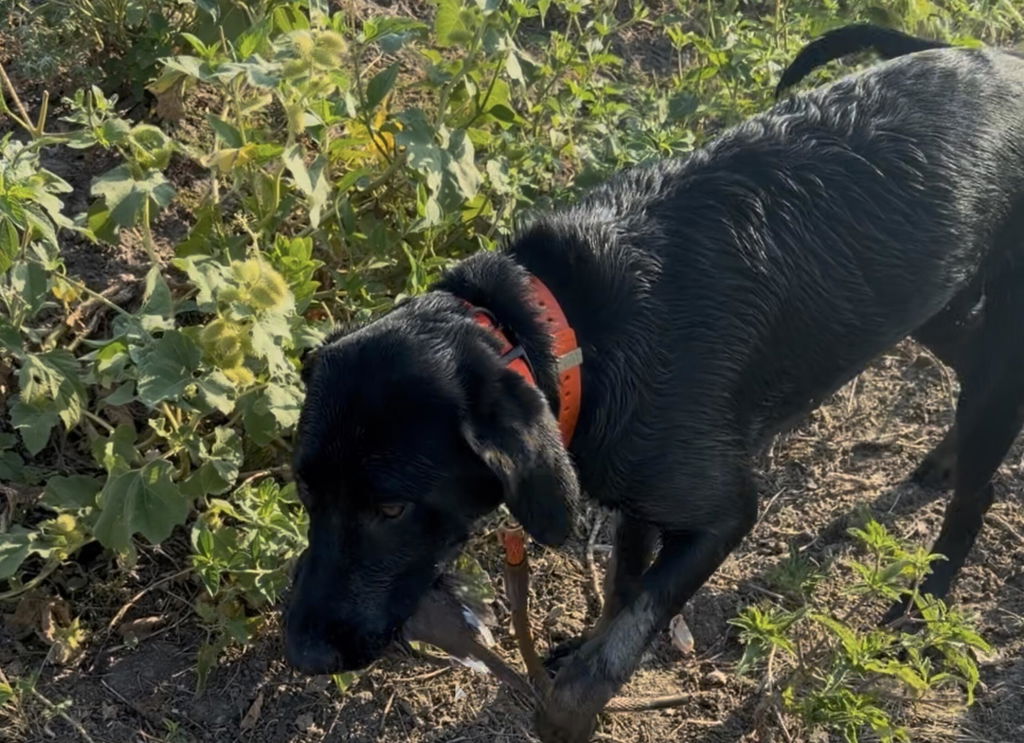
- The tag will see rough field use or hard-working outdoor use
This is the part many buyers skip. The best dog tag is not the one with the best general reputation. It is the one that matches how the dog actually lives.
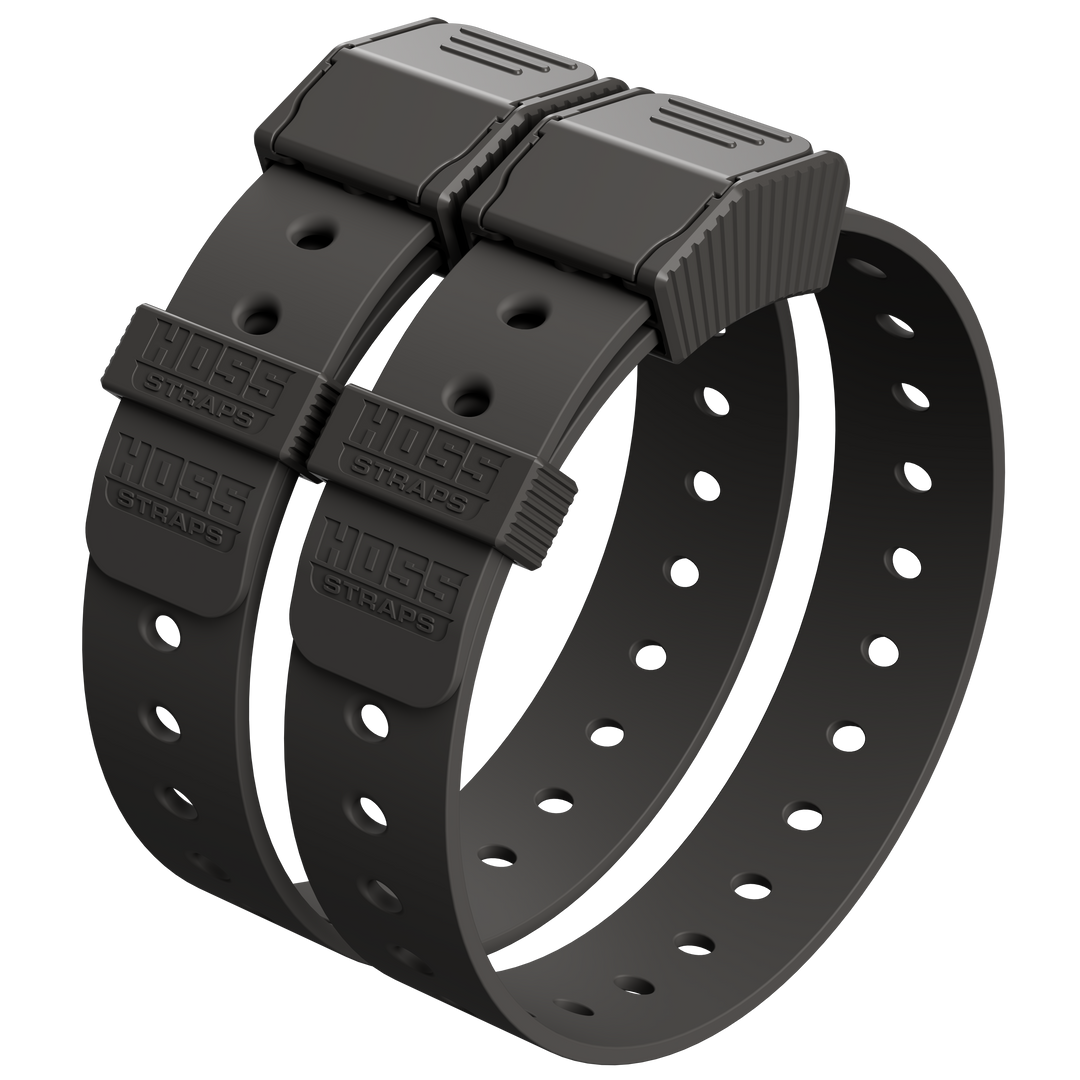
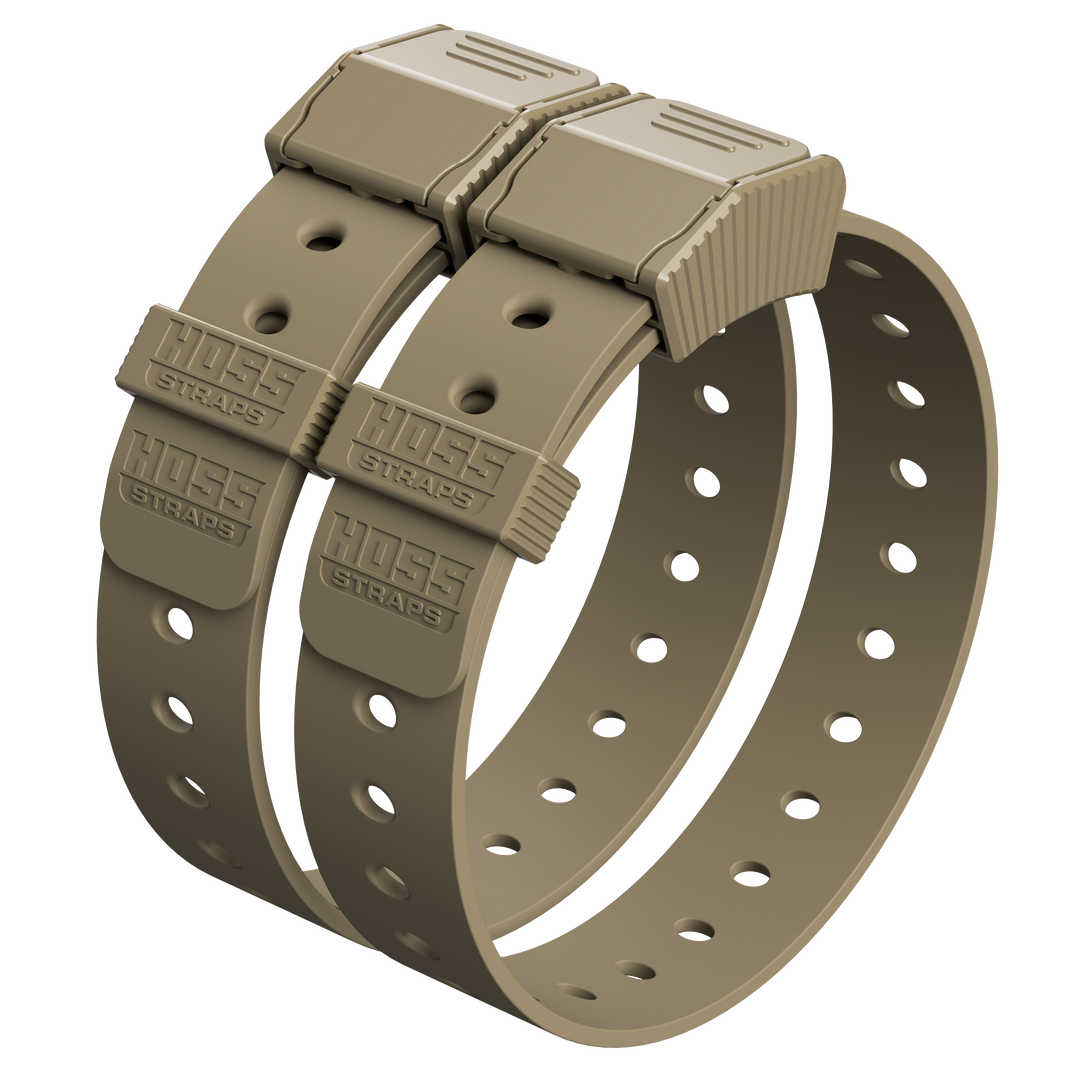
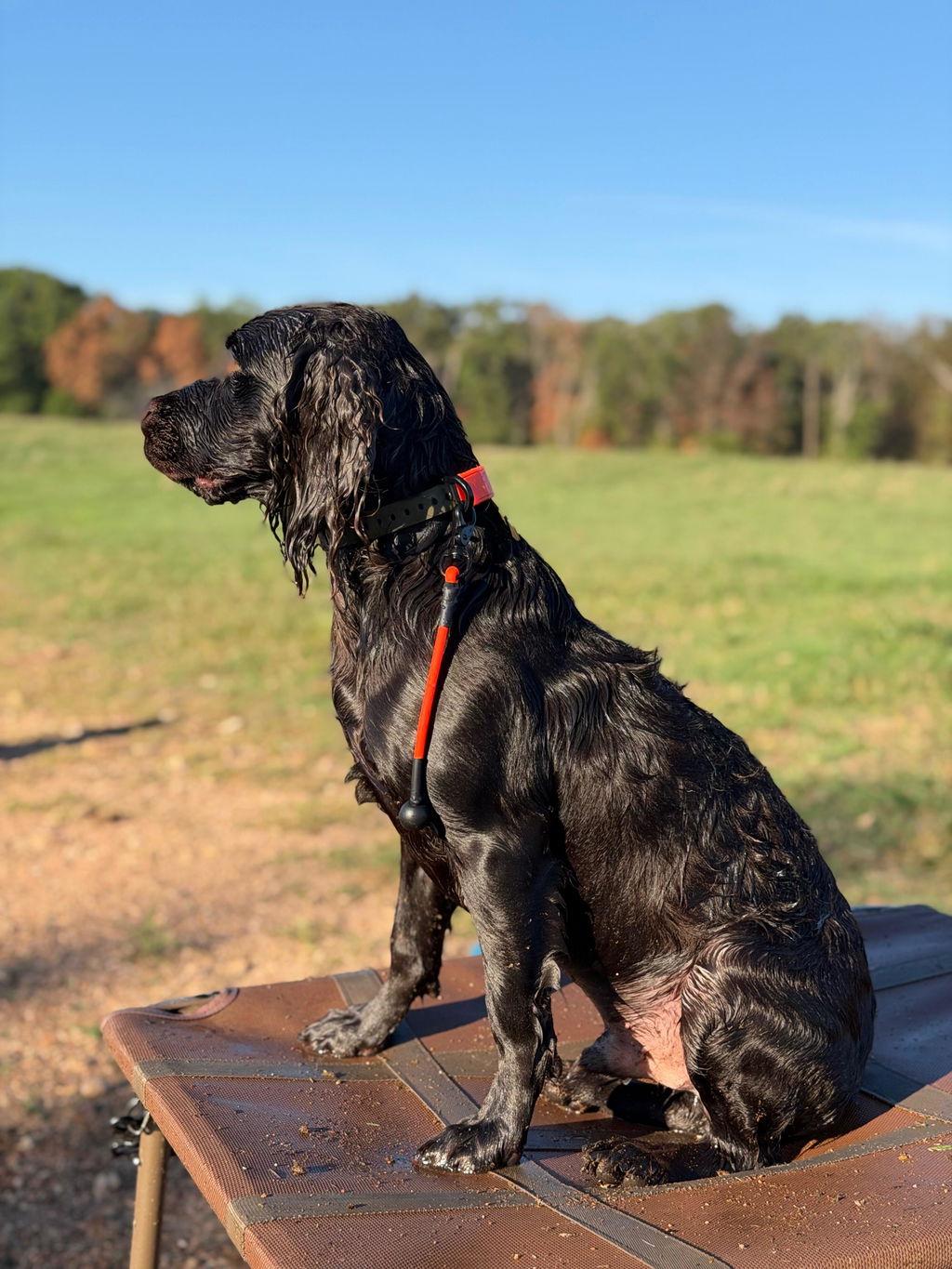
If your dog is hard on equipment, it is worth thinking about the full setup, not just the tag. Hoss K9 dog collars, weatherproof dog collars, and the Training Collar Setup make more sense for dogs that already wear tougher gear or run in rougher conditions.
How to Choose an Aluminum Dog Tag That Holds Up Better
If you want the benefits of aluminum without the weakest setup, focus on the details that matter most.
Go thicker when bend resistance matters
Thickness is one of the simplest ways to improve durability. If your dog is active, a thicker tag is usually worth it.
Choose a shape that snags less
Rounded shapes and smoother corners are generally less likely to catch and lever against objects.
Keep the layout readable
The best tag layout is not the one that fits the most text. It is the one that stays readable fast.
A practical layout usually includes:
- Your main phone number
- A backup number if space allows
- City and state if useful
Big, clear characters beat extra lines.
Avoid overloading the ring
One tag setup is usually cleaner than a stack of metal pieces knocking into each other all day. The more hard pieces you hang together, the more rubbing, noise, and wear you create.
Setup Matters: Ring Hardware, Collar Choice, and Backup ID

Even a good tag can fail if the setup around it is sloppy.
To reduce wear and bending:
- Use a properly sized split ring
- Replace the ring when it starts to gap or weaken
- Avoid stacking multiple hard tags when you can
- Check whether the tag is rubbing constantly against the buckle or leash ring
The collar matters too. A stable collar helps the tag ride more predictably and reduces some of the odd twisting that speeds up wear. For straightforward everyday use, start with Hoss dog collars or the D-Ring Dog Collar. If you prefer to browse similar setups, the D-Ring Dog Collars collection is a natural next stop.
If your dog also runs training gear, that same logic applies to the rest of the hardware. The Training Collar Setup and Training Collar Adapter Kit are more relevant when your collar has to carry extra components cleanly and consistently.
And do not rely on the tag alone. A visible tag helps someone contact you fast, while a microchip gives you a second layer of identification if the collar comes off. The strongest setup is both.
Quick Tag Check: What to Inspect Once in a While
If your dog wears an aluminum tag every day, a quick inspection takes less than a minute.
Check for:
- Bent edges
- Hard-to-read phone numbers
- Split rings starting to gap
- Deep scratches across the text
- Constant rubbing against another metal piece
This kind of simple maintenance matters more than obsessing over the perfect tag material.
Best Tag Material by Dog Type

If you want the decision made simpler, use this lens:
Small dog or gear-sensitive dog
Aluminum is often a strong choice because low weight matters more than maximum rigidity.
Average house dog
Aluminum is usually a practical everyday option if the tag is readable, reasonably thick, and attached cleanly.
Active outdoor dog
A thicker aluminum tag may still work, but this is where stainless becomes more attractive if your dog is rough on gear. Pairing the setup with a stable weatherproof dog collar can also help reduce grime and keep the tag hardware easier to inspect.
Hard-use or working dog
If the dog regularly hits brush, kennel hardware, fields, or training setups, many owners will be happier with a stiffer tag material and a very clean hardware setup. That is also where Hoss K9 dog collars or a purpose-built Training Collar Setup become more relevant than a simple pet-dog collar arrangement.
Why the Collar Still Matters
A tag is only as dependable as the collar holding it.
A stable collar helps keep the tag where it should be, cuts down on strange twisting, and makes the whole setup feel more predictable during daily use. That is especially important if your dog wears gear in wet weather, rough terrain, or training environments.
For everyday setups, Hoss dog collars and the D-Ring Dog Collar are easy internal links to use here. For dogs with more demanding gear, you can also point readers toward the K9 dog collars line, the weatherproof dog collars page, or the Training Collar Setup and Training Collar Adapter Kit when training hardware compatibility matters.
Final Take
Aluminum dog tags are a smart choice for many dogs. They are light, simple, affordable, and often more comfortable on the collar than heavier tags.
The tradeoff is that aluminum usually gives up some stiffness and long-term bend resistance compared with stainless steel. That does not make it a bad choice. It just means you should match the tag to the dog.
If your dog lives a pretty normal pet-dog life, aluminum may be exactly what you need. If your dog is rough on hardware, catches gear often, or needs a harder-use setup, it is worth thinking beyond the lightest option.
FAQ
Are aluminum dog tags good for active dogs?
They can be, especially if you choose a thicker tag and keep the setup clean. If your dog is especially hard on gear, expect more surface wear and a higher chance of bending than with stainless steel.
Do aluminum dog tags rust?
Aluminum does not rust the same way iron-based metals do. It can still stain, dull, or change appearance over time, so it is smart to inspect it occasionally.
Why do aluminum dog tags bend?
Bending usually happens when a thin tag catches and gets leveraged against a ring, another tag, or nearby hardware. Thickness, shape, and cleaner attachment hardware all help.
Is anodized aluminum better than plain aluminum?
Usually, yes. Anodized aluminum can offer a tougher surface and better resistance to everyday wear than bare aluminum.
If my dog is microchipped, do I still need a tag?
Yes. A tag helps someone contact you immediately, while a microchip works as a backup when the dog is scanned. The strongest ID setup is both.