


Best-Selling Dog Collars: Why These Features Work for New Dog Owners

Table of Contents
- Quick Answer
- Why These Collars Sell
- The Fit Check That Prevents Problems
- Best Collar Options by Dog Routine
- Hoss Field-Use Check
- 60-Second Buying Checklist
- Care Tips
- FAQ
The best-selling dog collars for new owners usually win for simple reasons: they fit correctly, clip on fast, hold ID tags, attach cleanly to a leash, and survive everyday use without turning into a project.
If you are buying your first dog collar, do not start with the fanciest option. Start with the collar that makes daily life easier. For most new owners, that means a secure buckle, a dependable D-ring, easy adjustment, weatherproof material, and hardware that feels solid in your hand.
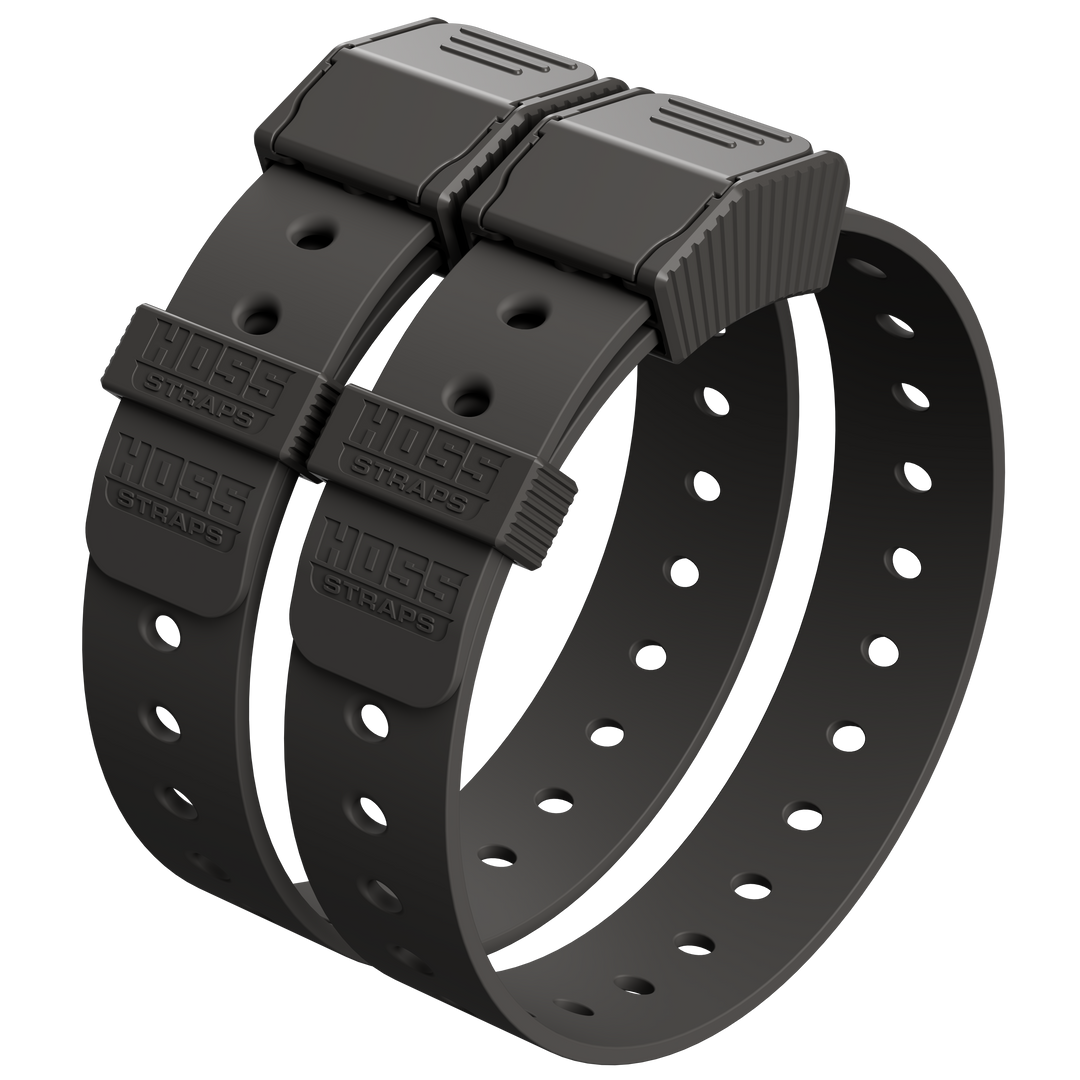
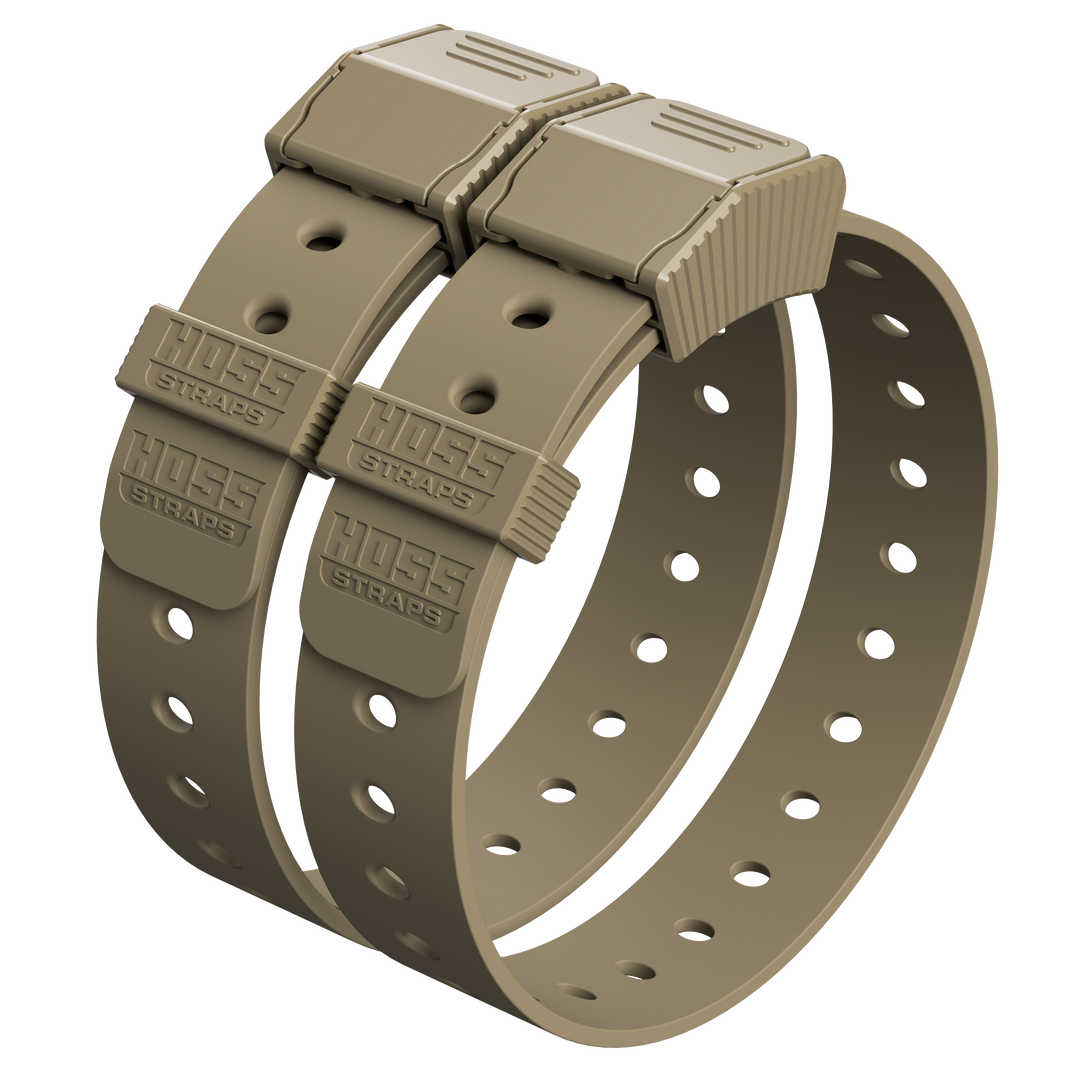
At Hoss Straps, that everyday path usually starts with Premium Dog Collars, the D-Ring Dog Collar, or Weatherproof Dog Collars when mud, rain, or frequent cleaning is part of the routine.
Quick Answer: What Features Matter Most?
| Feature | Why New Owners Like It | What to Check Before Buying |
|---|---|---|
| Easy buckle | Makes daily collaring faster with less fuss | Clicks cleanly and feels secure, not brittle |
| D-ring attachment | Gives one clear place for the leash and tags | Ring is easy to reach and smooth enough for repeated clips |
| Stable adjustment | Helps the collar stay fitted from walk to walk | Slider or holes do not loosen during normal use |
| Weatherproof material | Wipes clean after water, mud, and yard time | Material does not stay wet or hold odor |
| Right width | Improves comfort and handling | Width matches the dog's size, strength, and use case |
Why These Collars Sell

1. They are easy to put on and take off
New dog owners are already managing leashes, treats, doors, excitement, and a dog that may not understand the routine yet. A collar with a simple, reliable buckle removes one point of friction.
Look for a collar you can use quickly without fighting the hardware. If the buckle is awkward on day one, it will not get more charming after a month of rushed morning walks.
2. They give you one obvious leash point
A clear leash attachment point matters. That is why D-ring dog collars stay popular for everyday use. The leash clip has a defined place to go, and there is usually room for ID tags as well.
VCA Animal Hospitals explains that flat collars can hold identification and provide leash attachment when they are sized properly, while also noting that poor fit can create escape or pressure risks. That is the whole buying decision in miniature: the collar should be simple, but the fit still matters.
3. They stay adjusted
An adjustable collar is only useful if the adjustment holds. If the collar loosens every few walks, rotates constantly, or needs daily correction, it stops feeling like dependable gear.
Best-selling everyday collars tend to have enough size range for a proper fit without leaving so much extra strap that the collar feels bulky. For puppies, extra adjustment room helps, but it should still sit cleanly today.
4. They clean up fast
New owners often underestimate how quickly a collar gets dirty. Rain, wet grass, mud, slobber, food residue, and yard dust all add up.
This is where coated and weatherproof collars have a practical advantage. A wipe-clean collar is easier to live with than one that soaks up water and carries odor into the house.
The Fit Check That Prevents Problems
The collar should be snug enough that it cannot slip easily over your dog's head, but not so tight that it restricts comfort or movement.
Use the two-finger check
Measure your dog's neck where the collar naturally sits. After adjusting the collar, you should be able to slide two fingers between the collar and your dog's neck. The AKC Shop sizing guide uses this same two-finger rule for collar fit.
Common fit mistakes
- Too loose: the collar can slide, twist, or come off if the dog backs out.
- Too tight: the collar can rub, restrict comfort, or make daily wear unpleasant.
- Never rechecked: puppies grow quickly, and adult dogs can change with coat thickness or weight.
Recheck fit after the first few days, after grooming, and any time the collar starts sitting differently.
Best Collar Options by Dog Routine
| Dog Routine | Best Feature Focus | Hoss Starting Point |
|---|---|---|
| First walks and daily wear | Easy buckle, comfortable fit, simple leash ring | Premium Dog Collars |
| Tags, leash clips, and simple handling | D-ring placement and stable hardware | D-Ring Dog Collar |
| Wet, muddy, or outdoor dogs | Weatherproof material and quick cleaning | Weatherproof Dog Collars |
| Field, sport, or stronger handling needs | Durable build, dependable hardware, wider-use context | K9 Dog Collars |
| Training or GPS module compatibility | Collar platform, adapter fit, receiver placement | Training Collar Setup |
Hoss Field-Use Check
The Hoss D-Ring Dog Collar is built around the features new owners usually need first: weatherproof construction, a 1 1/16-inch strap width, quick-release handling, and a straightforward D-ring attachment point.
It also fits up to a 22-inch neck size and is listed for compatibility with Tractive GPS Trackers and select Garmin training modules. For buyers building around Garmin-style gear, the Training Collar Setup includes the D-Ring Dog Collar and Training Collar Adapter Kit; the Garmin device is sold separately.
That matters because a collar is not just a color choice. It is the base layer for tags, leash handling, cleaning, fit, and any device setup you may add later.
How to Choose Fast: A 60-Second Checklist
- Fit: measure the neck, then confirm with the two-finger check.
- Width: choose a width that matches the dog's size and strength.
- Buckle: make sure it opens and closes cleanly.
- D-ring: check that the leash clip has room to move without binding.
- Material: choose weatherproof or wipe-clean material if your dog gets wet or dirty often.
- Tags: make sure there is a practical place for ID.
- Routine: match the collar to how your dog actually lives, not just how it looks online.
Care Tips That Keep a Collar Working
- Weekly: check the buckle, D-ring, stitching, coating, and adjustment point.
- After rough play: make sure the ring is not bent and the buckle still clicks securely.
- After wet days: wipe down coated or weatherproof collars before storing.
- During growth: recheck fit often, especially with puppies.
A two-minute check is usually enough. The goal is simple: catch wear before it becomes a failed collar on a busy morning.
Safety Notes New Dog Owners Should Know

A collar is useful for ID tags and basic leash attachment, but it is not always the best tool for every walking situation. If your dog pulls hard, has breathing concerns, or needs more control, talk with your veterinarian or trainer about whether a harness belongs in the setup.
For identification, the ASPCA supports pairing a microchip with a collar and personalized ID tag. The tag gives someone an immediate way to contact you, while the microchip acts as backup if the collar comes off.
For playtime, the Cummings School of Veterinary Medicine at Tufts University notes that collars or harnesses should only stay on during play when dogs are closely supervised. If dogs are playing unsupervised, removing collars can reduce entanglement risk.
Wrap Up
Best-selling dog collars are not magic. They sell because they make the first months of dog ownership easier: the collar fits, the buckle works, the D-ring is easy to use, the material cleans up fast, and the whole setup feels reliable.
Start with the collar that matches your dog's daily routine. For most new owners, that means comparing Hoss Dog Collars, the D-Ring Dog Collar, and Weatherproof Dog Collars before moving into specialty training or K9 setups.
FAQ
1. How tight should a dog collar be?
A dog collar should be snug, but not restrictive. A practical check is the two-finger rule: you should be able to slide two fingers between the collar and your dog's neck after it is adjusted.
2. Should my dog wear an ID tag if they are microchipped?
Yes. A microchip is important backup identification, but a visible ID tag is often the fastest way for someone nearby to contact you if your dog gets loose.
3. What is the point of a D-ring dog collar?
A D-ring gives you a clear place to clip the leash and attach ID tags. It keeps the daily setup simple, which is why D-ring collars remain popular for new dog owners.
4. What collar is easiest for a new dog owner?
The easiest collar is usually a flat, adjustable collar with a quick-use buckle, a stable D-ring, and material that cleans easily. The less you have to fiddle with it, the faster your routine settles in.
5. Can my dog wear a collar during playtime?
Only with close supervision. If dogs are playing without close supervision, removing collars can reduce the risk of another dog's tooth, jaw, or leg getting caught in the collar.