


Best Puppy Training Collar: What to Look For and Why Hoss Stands Out

Table of Contents
- What We Mean by a Puppy Training Collar
- Why Early Collar Fit and Handling Matter So Much
- What Actually Makes a Good Puppy Training Collar
- Common Puppy Collar Problems New Owners Run Into
- Why Hoss Stands Out for Puppy Training
- Which Hoss Collar Makes the Most Sense for a Puppy?
- A Simple Puppy Collar Decision Table
- What Not to Use on a Puppy
- How to Start Using a Collar With a Puppy
- The Mistakes That Make Puppy Collars Fail
- Final Take
-
FAQ
When people search for the best training collar for a puppy, they are usually not looking for something harsh. They are looking for a collar that fits safely, adjusts easily, holds up to daily use, and helps them guide a young dog through walks, routines, and early training.
That distinction matters.
For puppies, the best training collar is not the toughest-looking option or the most complicated tool. It is the one that gives you reliable control, stays comfortable as your puppy grows, and supports calm, consistent handling during the first months of training.
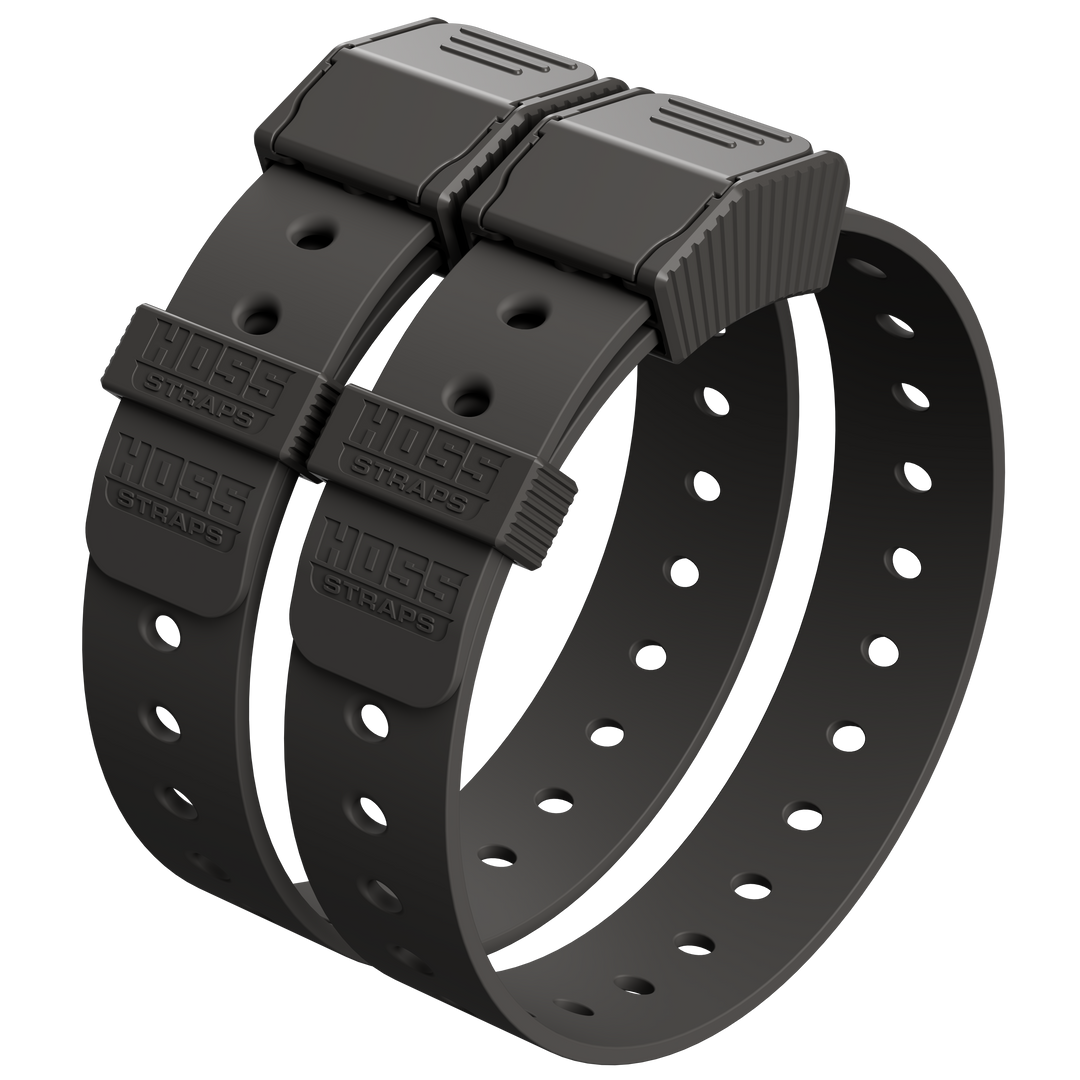
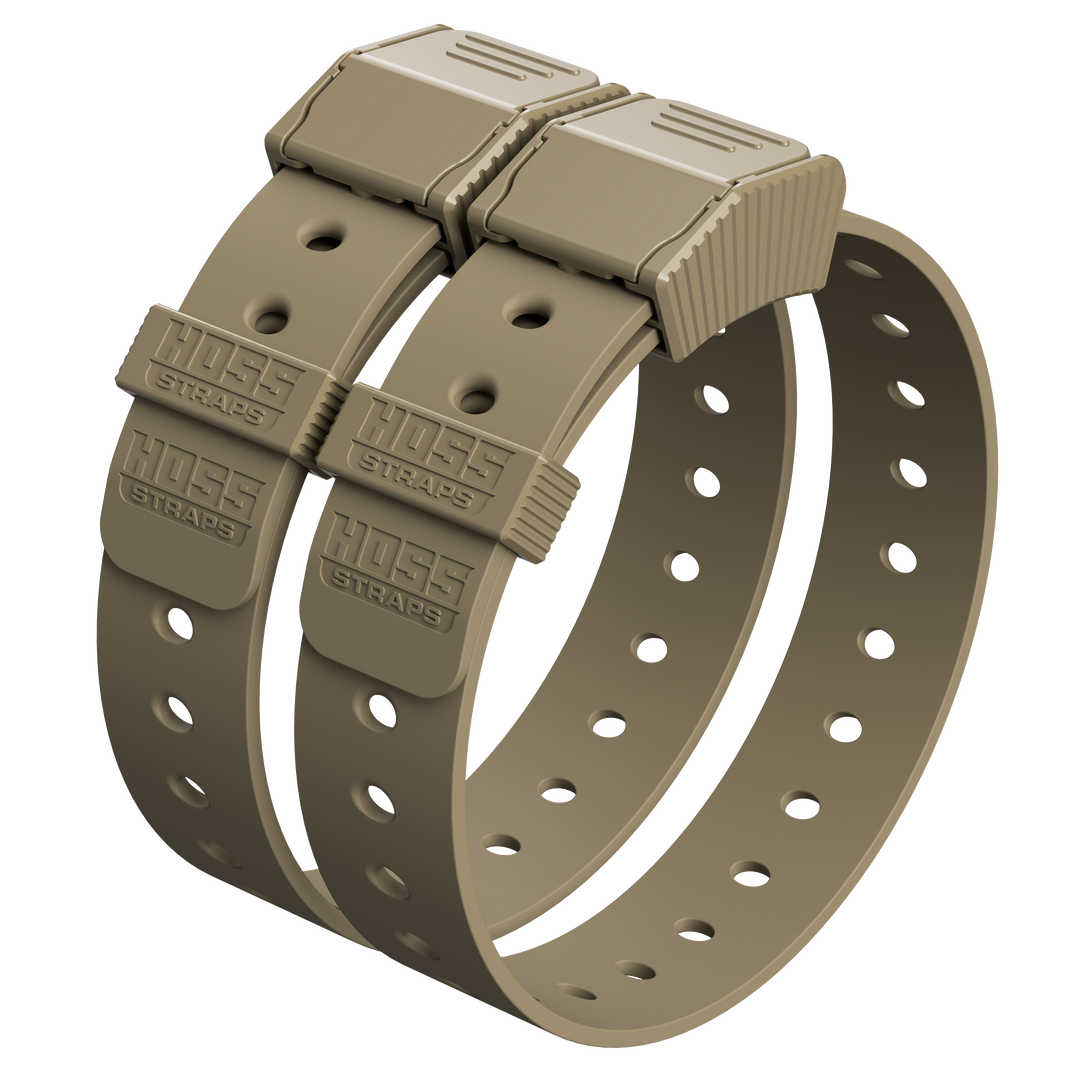
That is where Hoss Straps has a strong case. The collar story is not just about durability. It is about dependable fit, easy adjustment, secure hardware, and gear that works in real puppy life.
What We Mean by a Puppy Training Collar
Before going any further, it helps to clear up the term "training collar."
In this guide, a puppy training collar means a secure, properly fitted collar used for leash work, handling, everyday guidance, and positive early training. It does not mean a harsh correction tool.
For most puppies, especially in the first months at home, the priority is simple:
- Safe fit
- Clear communication on leash
- Easy handling for the owner
- Comfort during short training sessions and daily outings
That is the version of "training collar" most puppy owners actually need.
Why Early Collar Fit and Handling Matter So Much
Puppies learn fast, but they also change fast.
In the first months, your dog is building habits around leash pressure, collar handling, walks, meeting new people, and moving through new environments. If the collar is uncomfortable, loose, bulky, or inconsistent, those daily reps get harder for both the dog and the owner.
A good puppy collar helps with three things right away:
- It keeps the puppy secure during walks and outings
- It gives the owner more confidence during basic training
- It makes handling feel predictable instead of chaotic
That does not make the collar magic. Training still matters. But the wrong collar can make simple things harder than they need to be.
What Actually Makes a Good Puppy Training Collar
If you are choosing a collar for a puppy, these are the features that matter most.
1. Proper fit comes first
No feature matters if the collar does not fit correctly.
A puppy collar should be snug enough to stay secure, but not so tight that it causes pressure or rubbing. A simple starting rule is the two-finger check: you should be able to fit two fingers comfortably between the collar and the puppy's neck.
Fit matters even more with puppies because growth happens fast. A collar that fits well this week can be wrong in a surprisingly short time.
2. Easy adjustment matters more for puppies than adult dogs
Adult dogs may stay in the same fit range for a long time. Puppies do not.
That is why easy adjustment is one of the most useful features in a puppy training collar. It lets you keep the fit correct instead of putting off changes because the collar is annoying to resize.
3. Lightweight comfort matters
Puppies do not need bulky hardware swinging around their neck all day.
The best puppy collar should feel secure without feeling heavy, awkward, or oversized for the dog's build. That is especially important for smaller breeds and younger puppies still getting used to gear.
4. Reliable hardware matters
A puppy collar needs dependable attachment points and hardware that feels secure in your hand. Cheap hardware can turn a simple walk into an avoidable problem.
The point is not to overbuild the collar. The point is to trust it during daily use. That is also why many owners end up preferring a stable everyday setup like the D-Ring Dog Collar once they know they want something more dependable than a generic starter collar.
5. Easy cleanup matters more than people expect
Puppy life is messy. Mud, water, slobber, yard dirt, food, accidents, and rough play all show up fast. A collar that is easy to wipe down and keep in rotation is simply easier to live with. That is where a weatherproof dog collar setup can make daily life easier for both the puppy and the owner.
Common Puppy Collar Problems New Owners Run Into
The biggest mistakes are usually not dramatic. They are small, repeated problems that make training harder over time.
The collar is too loose
This is one of the most common issues with puppies. Owners want to avoid making the collar too tight, so they leave too much room. Then the collar shifts constantly, sits low, or feels less secure during walks.
The collar is too bulky for the puppy
A collar can be "durable" and still feel wrong on a young dog. Oversized hardware or a bulky strap can be more collar than the puppy needs.
The owner forgets how fast the puppy is growing
Puppy fit is not a one-time decision. It needs regular checking, especially during periods of fast growth.
The collar is treated like the training plan
The collar is a tool, not the training itself. Even the best puppy collar works best alongside short sessions, consistent handling, and positive reinforcement.
Why Hoss Stands Out for Puppy Training

The Hoss advantage is not that the collar is louder, harsher, or more tactical-looking. It is that the setup fits how real owners actually use collars day to day.
Adjustability that works with growth
Puppies grow quickly, and frequent fit changes are part of the process. A collar that adjusts cleanly is easier to keep safe and comfortable through that growth.
That is one of the strongest real-world reasons a Hoss collar makes sense for puppies. The easier it is to keep the fit dialed in, the easier it is to keep the puppy comfortable and secure.
Hardware you can trust during everyday handling
Daily puppy life involves repeated clipping on and off, short walks, quick corrections in direction, and lots of handling. Hardware should feel smooth, stable, and dependable, not flimsy or awkward.
A cleaner, more practical daily-use setup
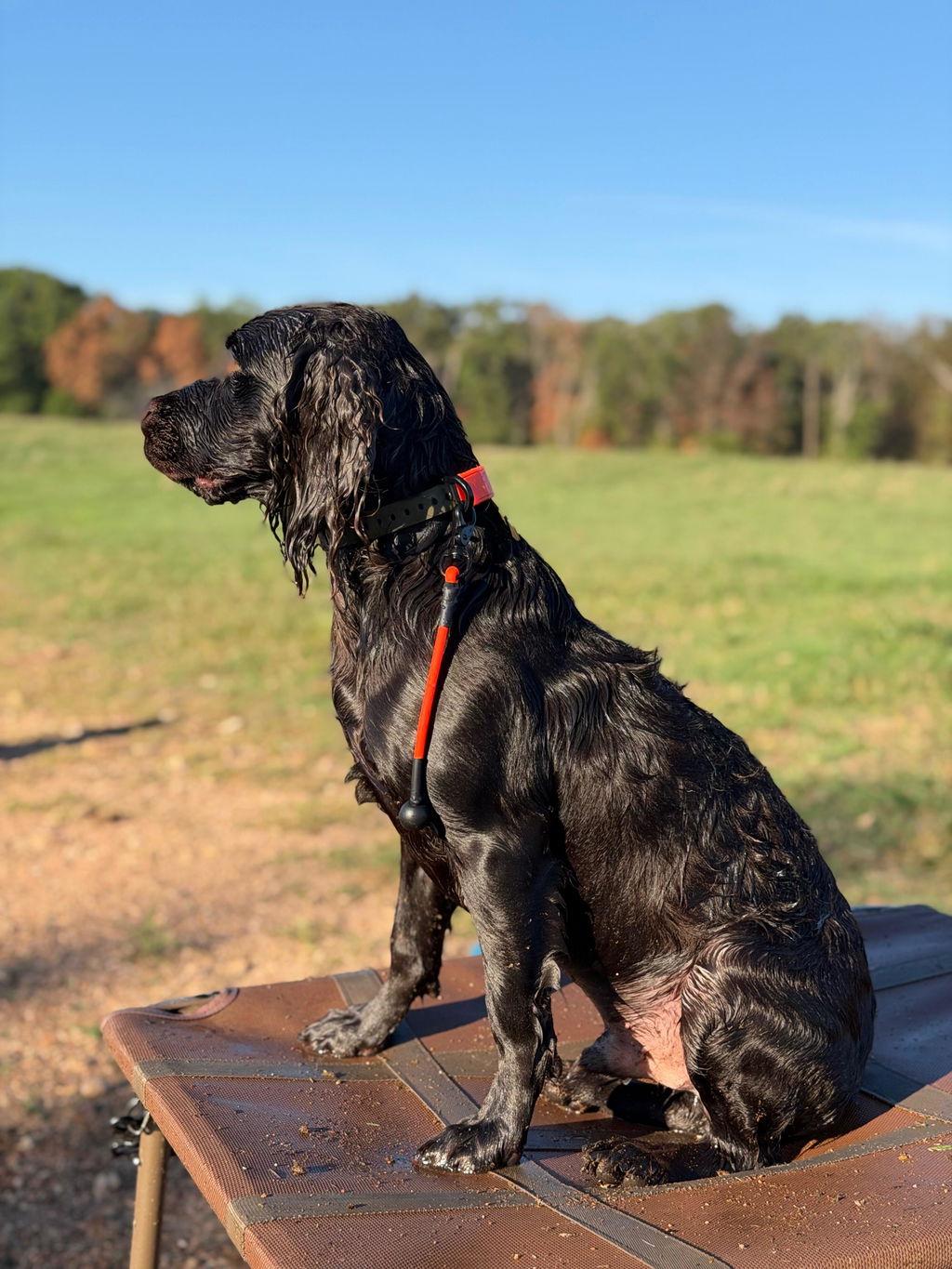
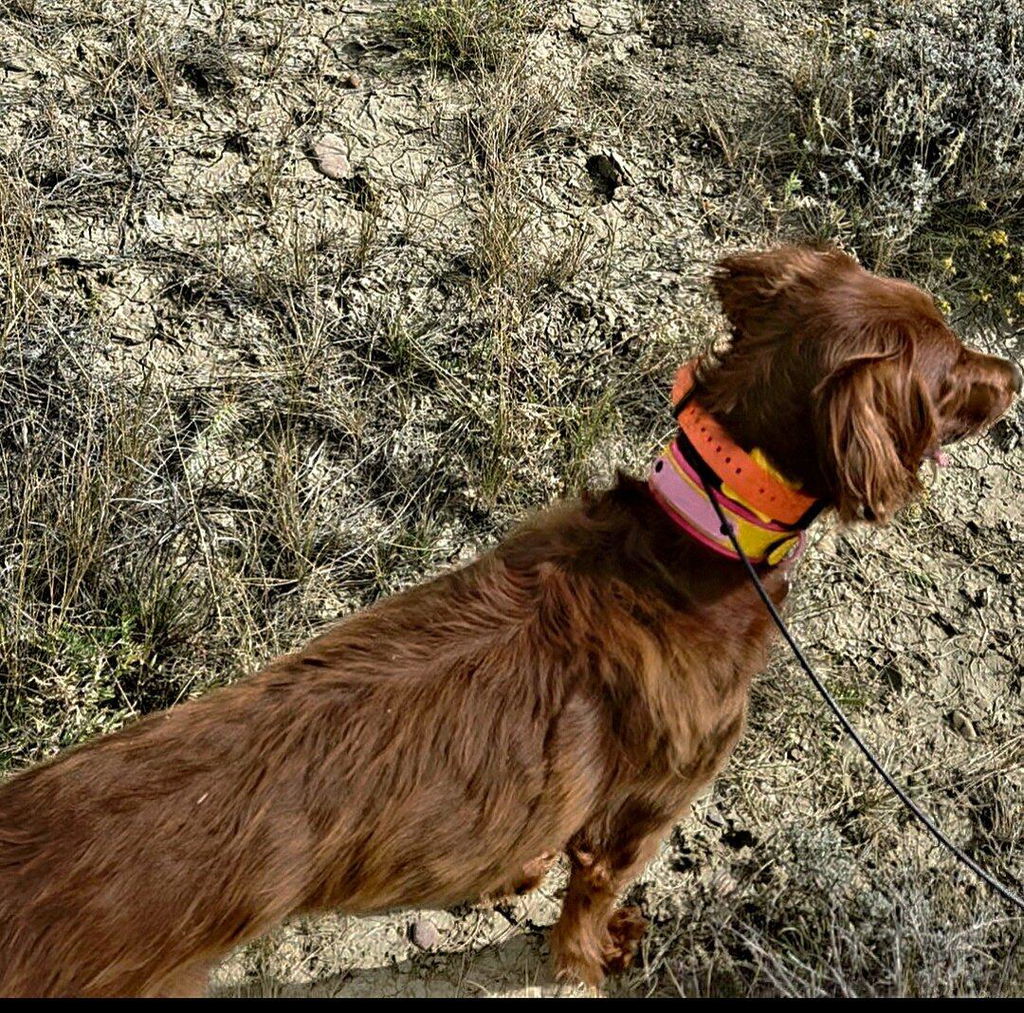
Puppies do not just train. They play in dirt, roll in grass, get wet, and make gear gross fast. A collar that fits into a weather-ready, easy-clean setup is simply more useful for real life. That is also where Hoss dog collars and weatherproof dog collars fit naturally into the story.
Better carryover into later training stages
Another advantage of starting with a strong everyday training collar is continuity. Owners do not have to keep reinventing the setup every few months. The puppy learns the routine, and the owner keeps working with gear that feels familiar and dependable.
If the dog will eventually move into more advanced equipment, the Training Collar Setup and Training Collar Adapter Kit are also relevant internal links when that progression makes sense.
Which Hoss Collar Makes the Most Sense for a Puppy?
Not every puppy needs the same setup, but this is a simple way to think about it.
For basic daily training and walks
Start with a straightforward everyday collar that is secure, comfortable, and easy to adjust. The main dog collars page is the cleanest starting point for that kind of puppy setup.
For owners who want a stronger hardware feel
A setup built around a dependable D-ring design makes sense when daily leash handling and secure attachment are priorities. The D-Ring Dog Collar and the D-Ring Dog Collars collection both fit naturally here.
For dogs that will grow into more advanced training gear
If the puppy is on a path toward more specialized gear later, it can make sense to think ahead and understand how the collar setup will scale. That is where the Training Collar Setup and Training Collar Adapter Kit become more relevant.
The exact best option depends on the puppy's size, daily routine, and where training is headed next.
A Simple Puppy Collar Decision Table
| Need | What to look for | Red flag | Hoss angle |
|---|---|---|---|
| Everyday puppy walks | Secure fit and easy handling | Collar shifts or feels flimsy | Practical everyday collar options |
| Fast growth | Easy resizing | Hard-to-adjust hardware | Adjustability that is easier to keep current |
| Messy puppy life | Easy-clean material | Collar stays wet or dirty | Weather-ready setups that are simpler to maintain |
| Stronger leash handling | Secure attachment point | Cheap-feeling ring or buckle | Dependable D-ring hardware |
What Not to Use on a Puppy
This section is worth making explicit because the keyword can attract the wrong expectations.
For most puppies, avoid:
- Harsh correction-based setups
- Bulky collars that overwhelm the dog's size
- Loose collars that can slip or rotate excessively
- "Set it and forget it" fitting during growth spurts
If the goal is early training, the best path is still calm handling, clear routine, positive reinforcement, and equipment that fits correctly.
How to Start Using a Collar With a Puppy
The first goal is not perfect leash behavior. It is comfort and familiarity.
Start indoors
Let the puppy wear the collar for short periods in calm, positive settings. Pair it with food, play, and normal movement.
Keep first sessions short
Puppies do better with short reps than long sessions. A few minutes at a time is usually enough early on.
Practice collar handling positively
Touching the collar, clipping a leash on, and lightly guiding the puppy should not feel like punishment. Keep those moments calm and reward-focused.
Check fit often
With puppies, regular fit checks matter. Weekly checks are often smarter than waiting until there is an obvious problem.
The Mistakes That Make Puppy Collars Fail

If a puppy collar setup is not working well, it is usually one of these issues:
- The collar fit is off
- The collar is too bulky
- The owner is inconsistent
- The hardware feels unreliable
- The collar is being used as a substitute for patient training
That is why the "best puppy training collar" question is really two questions:
- Does the collar fit the puppy well?
- Does it make consistent daily training easier for the owner?
The strongest setups do both.
Final Take
The best training collar for a puppy is not the harshest or most complicated option. It is the collar that fits safely, adjusts easily, stays comfortable, and gives the owner dependable control during everyday training.
That is why Hoss has a good angle here. The brand fits naturally into the things that matter most for young dogs: comfort, fit, secure hardware, easy cleaning, and practical daily use.
For puppy owners, that is what makes a collar stand out. A good next step is comparing Hoss dog collars, the D-Ring Dog Collar, the D-Ring Dog Collars collection, and the Training Collar Setup if you know your dog will eventually need a more advanced system.
FAQ
What is the best training collar for a puppy?
For most puppies, the best training collar is a secure, comfortable everyday collar that supports leash work and early training without harsh correction. Fit, adjustability, comfort, and hardware quality matter most.
At what age can a puppy start wearing a training collar?
Most puppies can begin wearing a properly fitted collar as soon as they come home, often around 8 weeks old. Start with short, positive sessions so the puppy builds a good association with the collar.
How often should I check a puppy's collar fit?
During fast growth, weekly checks are smart. Puppies can outgrow a good fit quickly, and waiting too long can lead to rubbing, tightness, or a collar that feels insecure.
Is a training collar the same as a correction collar?
No. In this guide, a puppy training collar means a secure collar used for early leash work, handling, and everyday training. It does not mean harsh correction tools.
Why does Hoss make sense for puppy collars?
Hoss makes sense when you want a collar that is easy to adjust, dependable in daily use, comfortable for the dog, and built around the realities of messy, active dog ownership.