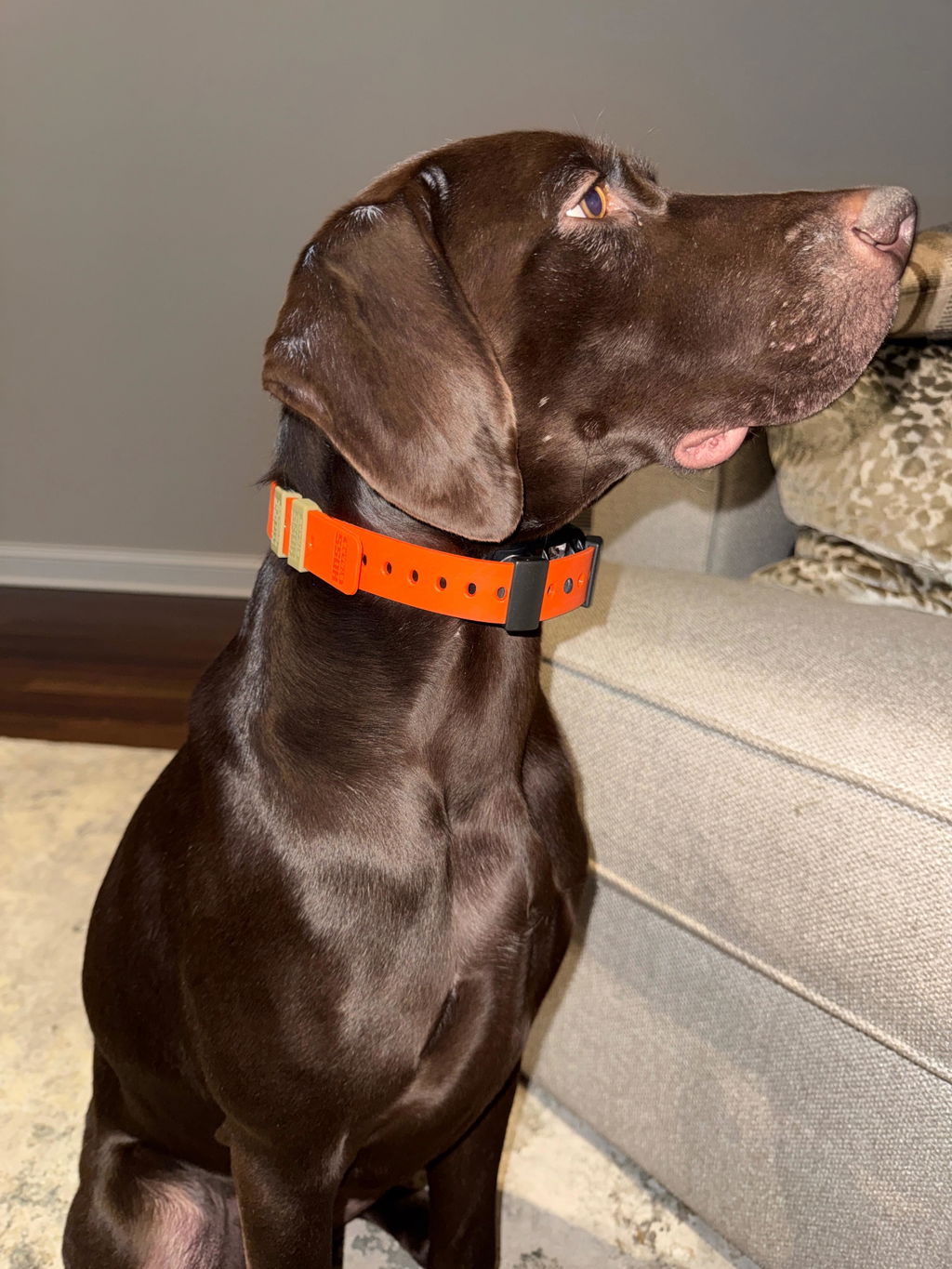



What Is the Best Collar for Dogs? Guide to Types, Safety, and Durability

Check out our training collar setup, d-ring dog collar, easy dog collars, and more!
Choosing the right dog collar is far more than a style decision—it's a fundamental part of keeping your dog safe, comfortable, and secure. Whether you're a first-time dog owner or a seasoned pet parent, understanding the different types of dog collars and their features can mean the difference between a happy, secure pup and one who's at risk for injury or escape. The best collar for your dog depends on their size, activity level, personality, and specific needs.
This guide covers everything you need to know about dog collars, from the various types available to essential safety features, materials, training considerations, and when it's time for a replacement.
Types of Dog Collars and Their Best Uses
Dog collars come in several styles, each designed with specific purposes in mind. Understanding the differences helps you choose the right one for your dog's lifestyle.
Flat Collars: The Everyday Essential
Flat collars are the most common and versatile option for everyday wear. They consist of flat webbing with a buckle or clasp and a D-ring for leash attachment. According to the American Veterinary Medical Association (AVMA), flat collars are recommended for healthy, non-reactive dogs because they distribute pressure evenly across the dog's neck, reducing the risk of tracheal injury. These collars work well for regular walks, ID tag attachment, and general identification purposes.
Martingale Collars: Control Without Choking
Martingale collars tighten only to a preset limit, which is why they're often called "no-slip" collars. They're particularly useful for dogs with heads narrower than their necks—like sighthounds, greyhounds, or other breeds that might slip out of standard collars. The martingale design prevents escape while eliminating choking risk, making them safer than traditional choke chains for dogs that back out of their collars.
Head Halters: Gentle Control for Pullers
Head halters wrap around the bridge of your dog's nose and work similarly to a horse halter. They're excellent for dogs that pull excessively or have tracheal problems like tracheal collapse. Head halters reduce pull force by 60% compared to neck collars and distribute pressure across the muzzle rather than the windpipe. However, they may not be effective for strong-willed dogs or snub-nosed breeds like pugs and bulldogs.
Specialty Collars: Built for Specific Needs
Specialty collars include water-resistant options for swimming dogs, GPS-enabled collars for tracking, reflective collars for visibility, and padded collars for comfort. Modern collars can include reinforced D-rings that support GPS trackers up to 2 ounces without affecting collar balance, making it easy to combine tracking technology with everyday wear.
Safety Features to Prioritize in a Dog Collar

A safe collar is one that protects your dog during everyday activities and emergencies. Here are the key safety features to look for.
D-Ring Quality and Hardware
The D-ring is where the leash attaches, making it critical to your dog's security. D-rings that manufacturers weld rather than cast provide 300% stronger attachment points for leashes. Stainless steel hardware resists corrosion and maintains strength ratings above 1,200 pounds, while zinc-plated hardware starts to corrode within 6 months of regular use.
Quick-Release Buckles and Durability
Quick-release buckles allow you to remove the collar quickly in emergencies. High-quality quick-release buckles that meet military-grade durability standards can function reliably even after 10,000 open–close cycles. Test the buckle monthly—especially if your dog lives in a coastal area—since salt exposure and dirt cause a significant percentage of buckle failures in these environments.
Reflective Materials for Visibility
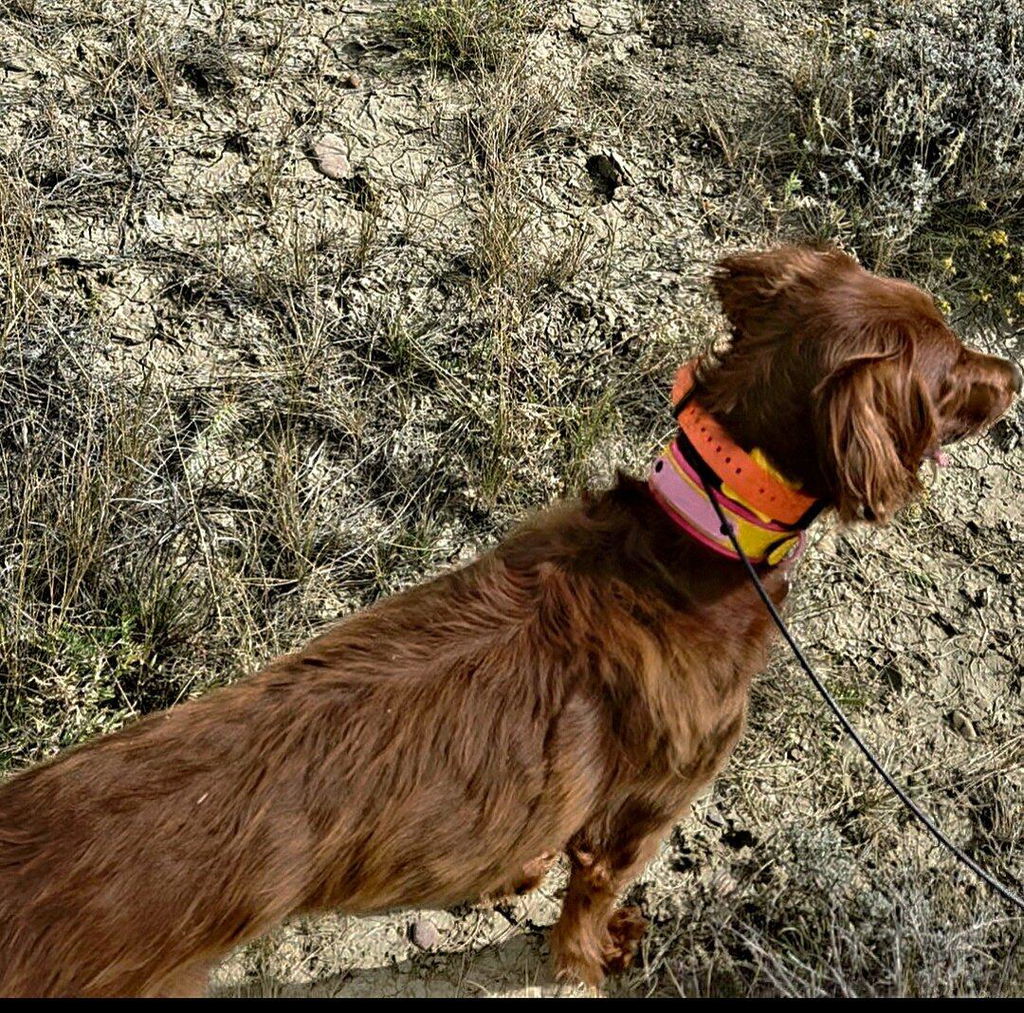
Visibility is crucial for safety, especially during low-light hours. Choose collars with 360-degree reflective stitching rather than small patches for maximum protection. Neon colors like orange and yellow work best during daylight hours, with orange being 40% more visible than traditional colors to drivers.
Proper Fit Using the Two-Finger Rule
A properly fitted collar prevents both escape and breathing problems. Measure your dog's neck with a soft tape measure, then add 2 inches for proper collar size. If you want a quick dog collar sizing guide, start with the neck measurement and confirm the fit using the two-finger rule: you should fit two fingers snugly between the collar and neck. Check collar fit weekly for puppies and monthly for adult dogs, since growth patterns and weight changes vary significantly.
Breakaway Mechanisms for Small Dogs
Breakaway mechanisms save dogs from strangulation when collars catch on fences or furniture. Quick-release buckles open automatically under 15-20 pounds of pressure, while dogs over 50 pounds need non-breakaway collars with traditional buckles, since breakaway mechanisms fail under their force.
Best Collar Materials for Comfort and Durability
Selecting the right material ensures your dog's comfort while maintaining collar longevity. Each material has distinct advantages and best-use scenarios.
Nylon Webbing: Budget-Friendly and Durable
Nylon webbing is affordable, durable, and easy to clean. However, nylon collars hold water and dirt and can become stinky if not washed often. For active dogs or those who swim regularly, consider materials that dry faster and resist odors better. Nylon webbing with tensile strength testing following ASTM D5034 standards for premium grades provides superior durability.
Biothane: Waterproof and Hypoallergenic
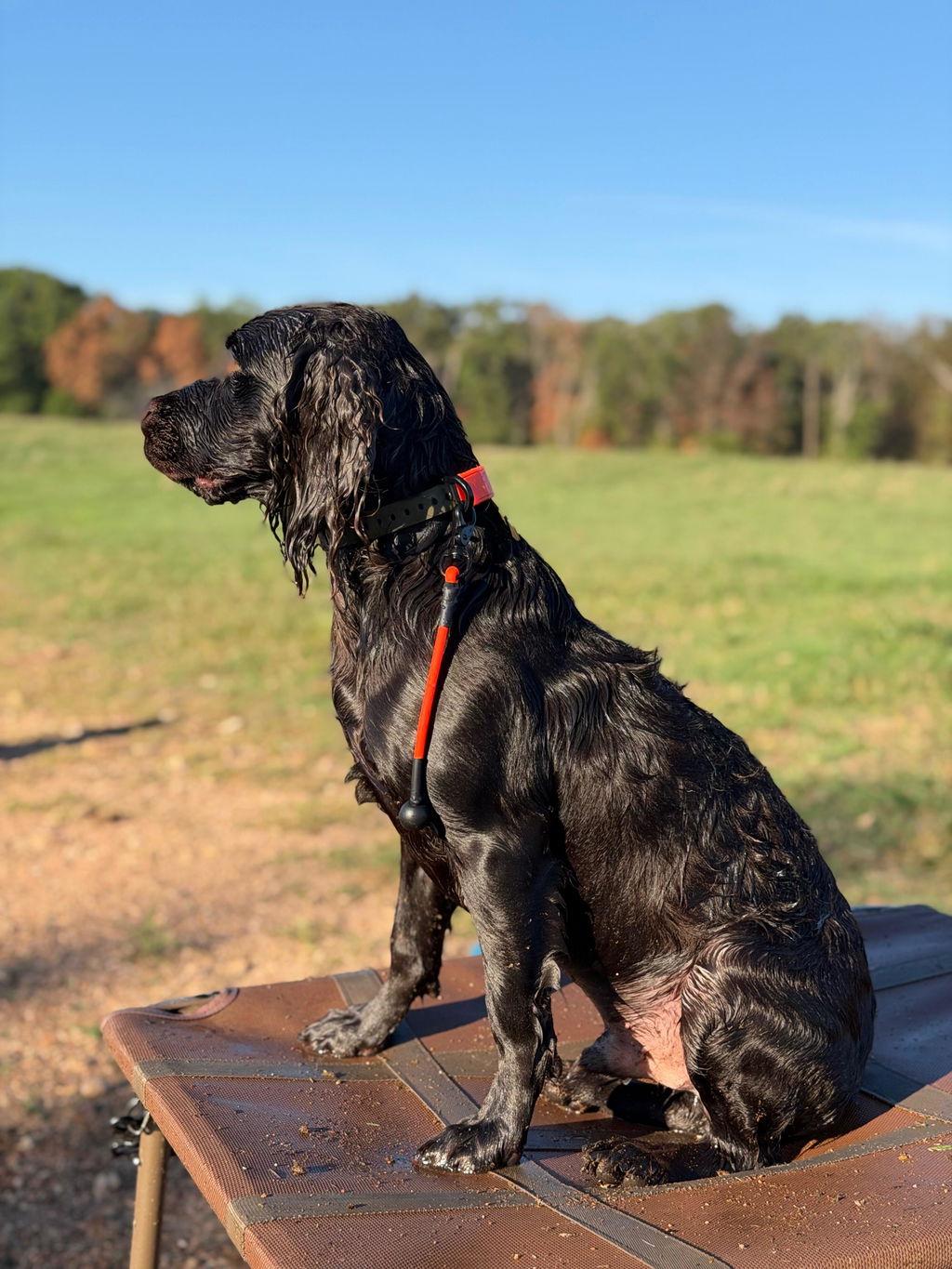
Biothane is a synthetic rubber material that delivers superior weather resistance and maintains flexibility in all temperatures. Biothane stays at comfortable temperatures all day long without getting hot in sun or cold in rain. It's also hypoallergenic, making it ideal for dogs with sensitive skin. Biothane collars are incredibly easy to clean and resist odors, making them perfect for active and swimming dogs.
Leather: Classic Durability and Breathability
Leather collars offer a blend of durability, style, and comfort. High-quality leather can withstand the wear and tear that comes with an active dog's lifestyle, often lasting for years. Leather is breathable and molds to the shape of your dog's neck over time, enhancing comfort. Leather collars are hypoallergenic, and their natural properties mean it's less likely to cause allergic reactions compared to synthetic materials. However, leather collars need monthly care to prevent cracks and lose 60% of their strength when wet.
Hemp: Eco-Friendly and Gentle
Hemp is a rising star in sustainable collar materials. Hemp stands out for its durability, breathability, and eco-friendliness, offering unique advantages over other natural materials like leather and organic cotton. Hemp is gentle on the skin and has a low environmental impact. Its natural breathability helps regulate temperature, making it ideal for sensitive skin prone to irritation. Unlike synthetic options, hemp maintains comfort without sacrificing ecological benefits.
Neoprene and Silicone: Best for Water-Loving Dogs and Sensitive Skin
Neoprene is ideal for dogs with sensitive skin because its hypoallergenic and soft nature ensures that it doesn't trap heat or moisture, reducing the likelihood of chafing or overheating. Neoprene's lightweight and breathable nature ensures that it doesn't trap heat or moisture, reducing the likelihood of chafing or overheating. Silicone collars combine comfort with durability and are water- and stink-resistant, making them easy to clean and excellent for dogs who spend time in water or have sensitive skin.
Collars for Training vs. Everyday Use

Understanding the difference between training and everyday collars helps you make the right choice for different situations.
Everyday Collars: All-Day Comfort and Security
Flat collars provide all-day comfort and security for your dog. They're lightweight, adjustable, and suitable for most dogs. Everyday collars should fit properly using the two-finger rule and should be removed during indoor rest to prevent accidents and allow the skin to breathe.
Training Collars: Specialized Support for Behavioral Goals
Training collars are designed for specific behavioral work and should be used intentionally. Martingale collars tighten only to a preset limit, which prevents escape while it eliminates choking risk for dogs that back out of traditional collars. Front-clip harnesses reduce pull force by 60% compared to neck collars and distribute pressure across the chest instead of the trachea.
Why Front-Clip Harnesses Win for Pullers
Front-clip harnesses redirect your dog's attention when they pull, discouraging pulling by guiding your dog to your side rather than letting them forge ahead. They're especially valuable because they distribute pressure across the chest instead of the trachea, reducing the risk of injury during walks with strong pullers.
What NOT to Use: Choke Chains and Prong Collars
Choke chains and prong collars concentrate pressure on the trachea and can cause serious injury. Choke collars can continually tighten the more a dog pulls, which can lead to a potentially unsafe or even deadly situation if the dog becomes stuck or trapped. These collars should only be used for training—never as everyday collars—and even then, only under professional guidance. Safer alternatives like front-clip harnesses are now widely available and recommended by veterinarians and trainers.
Behavioral Considerations When Choosing a Collar
Your dog's behavior and personality should influence your collar choice.
Dogs That Pull: Martingale or Front-Clip Harness
Dogs that pull on the leash benefit from collars designed to discourage pulling behavior without choking. Martingale collars and front-clip harnesses offer control through gentle redirection rather than force. Understanding your dog's opposition reflex—the natural tendency to pull harder when pressure is applied to the neck—helps explain why gentle guidance is more effective than traditional neck collars.
Escape Artists: Secure Fit and Design
Dogs that slip out of collars need either a martingale collar or a properly fitted flat collar with secure hardware. Measure your dog's neck carefully and ensure the collar fits snugly without being too tight. A well-fitted collar with reinforced stitching and quality hardware prevents accidental escapes while maintaining comfort.
Reactive or Anxious Dogs: Comfort and Control Balance
Dogs with anxiety or reactivity benefit from collars that provide both control and comfort. Padded collars reduce pressure on sensitive neck areas, while high-visibility options help others identify an anxious dog from a distance. Combining the right collar with proper training creates a secure environment for these dogs.
Growing Puppies: Adjustability and Frequent Re-Fitting
Puppies grow rapidly, making adjustability essential. Choose collars with multiple adjustment points and check the fit weekly. As your puppy grows, their collar needs will change significantly. Adjustable collars accommodate weight changes and seasonal coat thickness. When the last adjustment hole is reached, it's time for a larger collar.
Signs Your Dog's Collar Needs to Be Replaced
Regular collar inspection prevents accidents and ensures your dog stays comfortable. Replace your dog's collar if you notice these warning signs.
Visible Wear and Tear: Fraying and Stiffness
Worn material signals that your collar is losing its integrity. Fraying along edges or seams, loss of flexibility or softness, or thinning material indicates it's time to replace the collar. Even small frays can weaken the collar, especially where ID tags attach. Replace fabric collars thoroughly clean them every 1–2 weeks and store in a cool, dry spot to extend their lifespan.
Broken Hardware: Rusty or Non-Functional Buckles
Faulty hardware creates safety hazards. Rusty or corroded hardware weakens metal over time, making it prone to breaking under pressure. Inspect hardware weekly for signs of wear or rust. If collars get wet, rinse them and allow them to dry completely. At the first sign of rust or metal fatigue, replace the collar immediately.
Poor Fit: Outgrown or Improper Sizing
A collar that no longer fits properly is a safety concern. Weight changes can make a collar too tight or too loose, leading to discomfort or escape risks. Use the two-finger rule to check fit regularly. If the last adjustment hole has been reached or your dog shows signs of discomfort like scratching or pawing at the collar, it's time for a new one.
Faded or Illegible ID Tags: Lost Identification Risk
Worn tags reduce the chances of reuniting with your dog if they get lost. Faded or scratched tags make it harder for someone to identify your dog and contact you. Replace tags with deep, double-sided engravings that are less prone to fading. Stainless steel tags resist scratches and corrosion better than brass or aluminum.
Bad Odors and Bacteria: Compromised Material
Lingering odors indicate bacteria buildup and compromised material. Persistent odor means the collar has absorbed oils and stains that just won't come out. Rotate between collars so each one has time to dry completely after washing or swimming to stop bacteria from growing. If the smell persists after a deep clean or there's visible discoloration, replace the collar.
General Timeline: Every 6–12 Months
Most collars need replacing every 6–12 months, depending on how often they're used. However, this timeline varies based on activity level, material, and quality. Active dogs wearing high-quality collars might extend use beyond a year, while budget collars or heavily used collars may need replacement sooner.
Choose Hoss Straps for Your Dog Collars
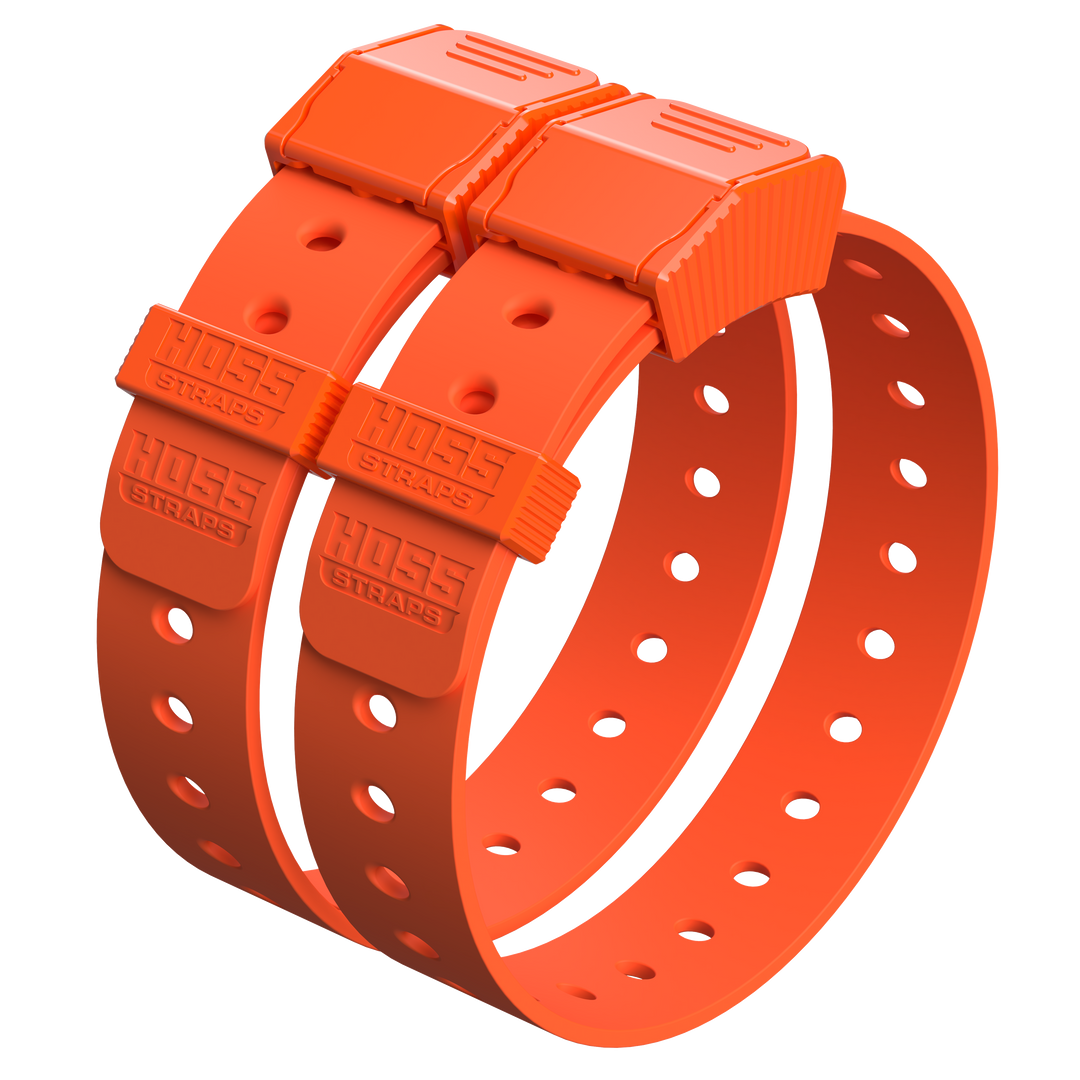
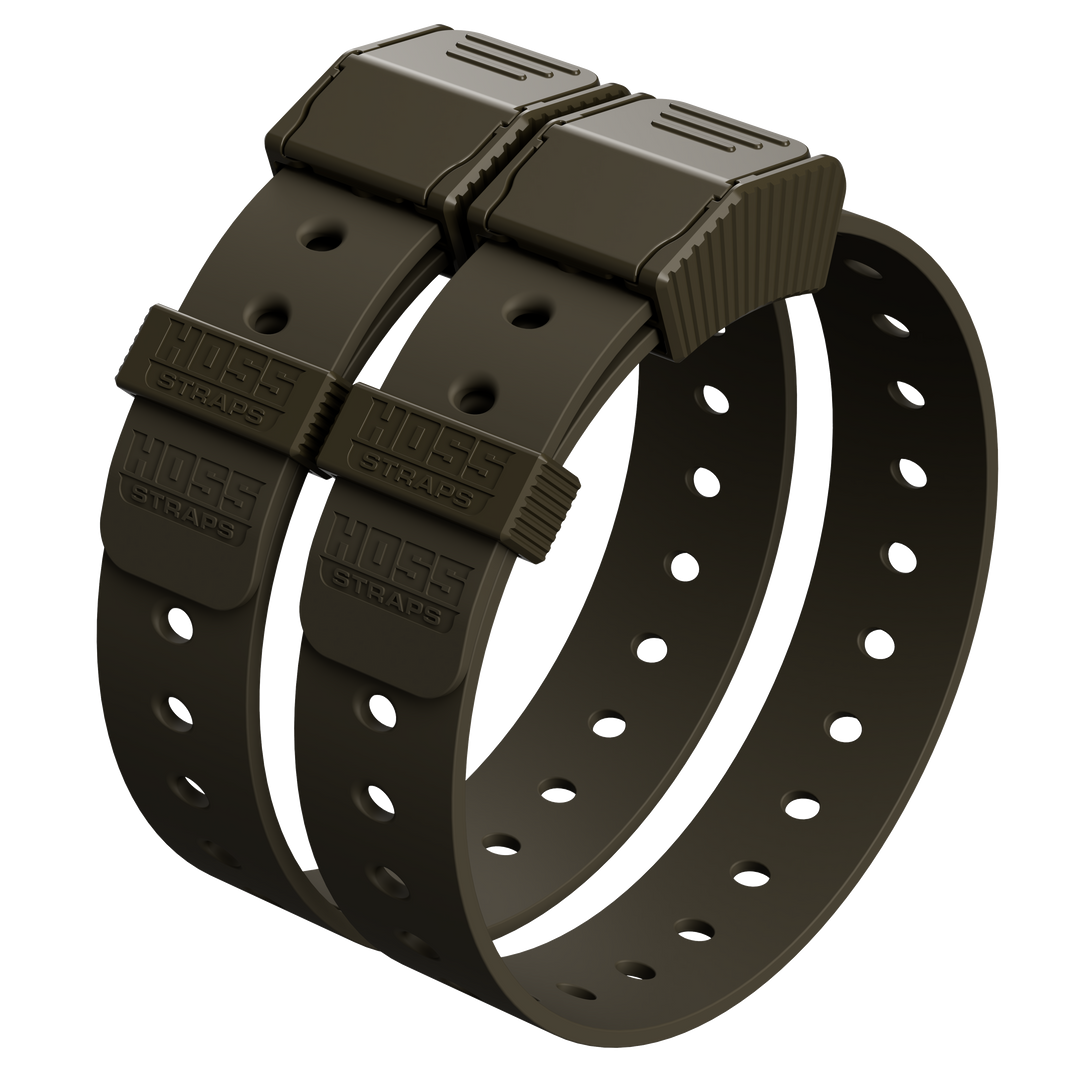
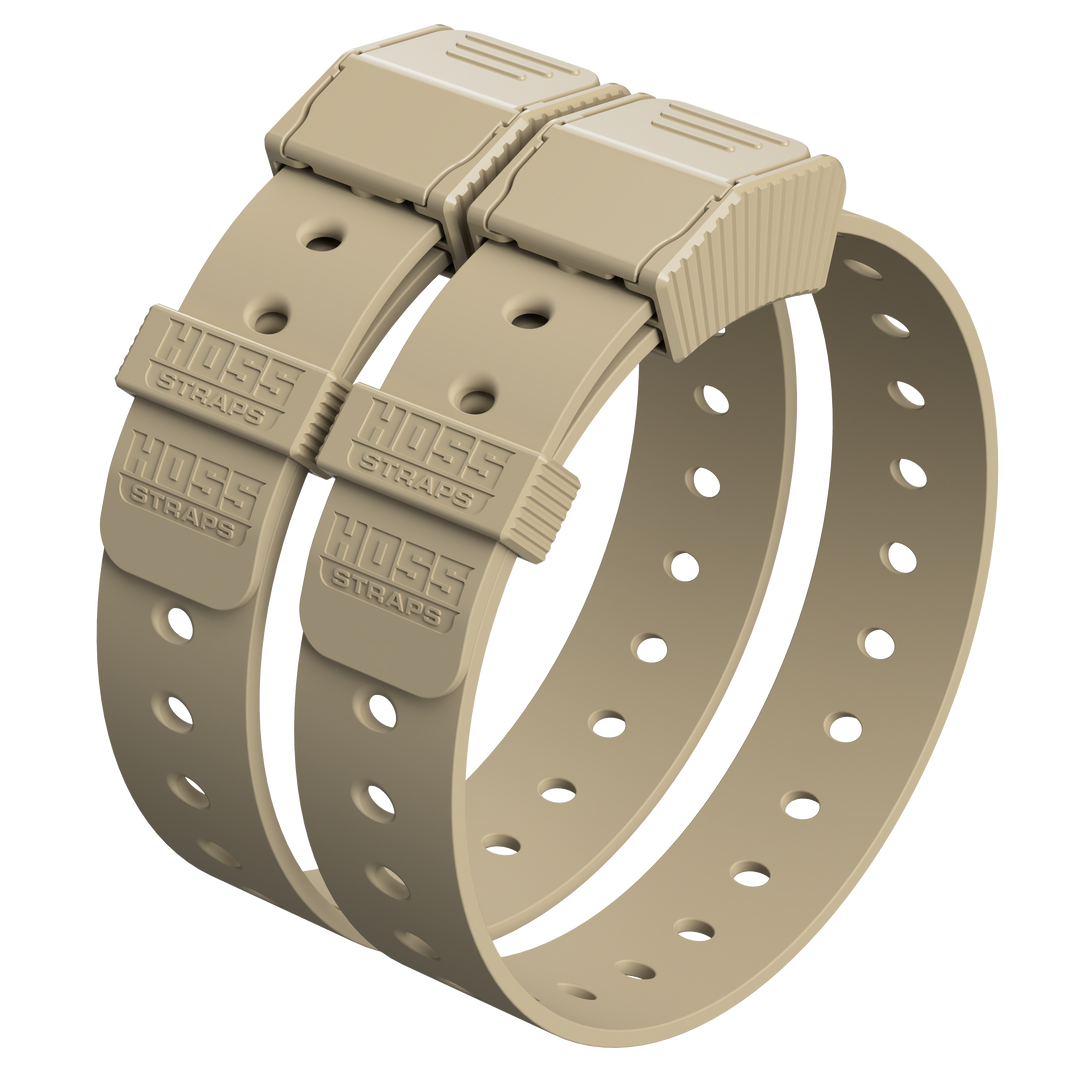
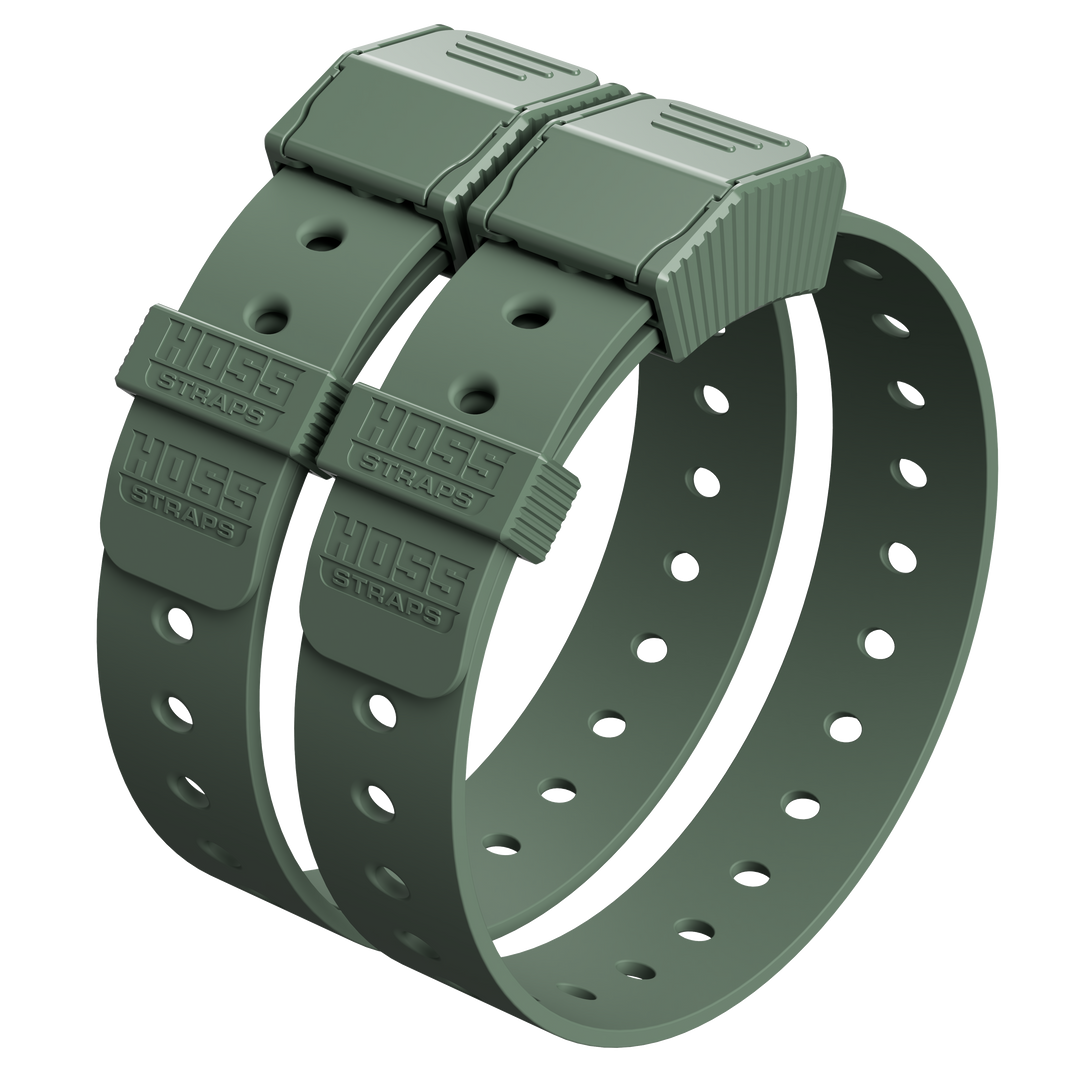
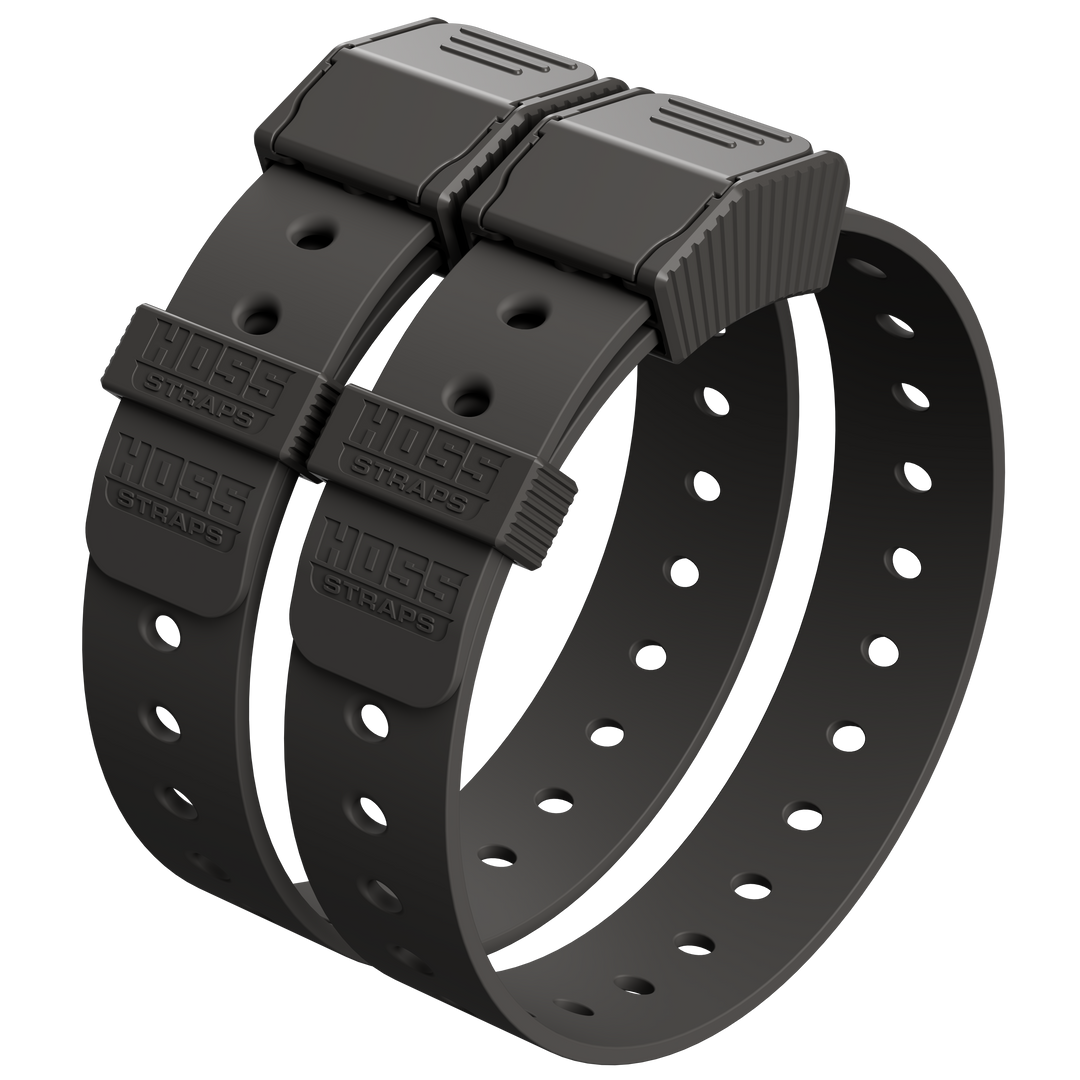
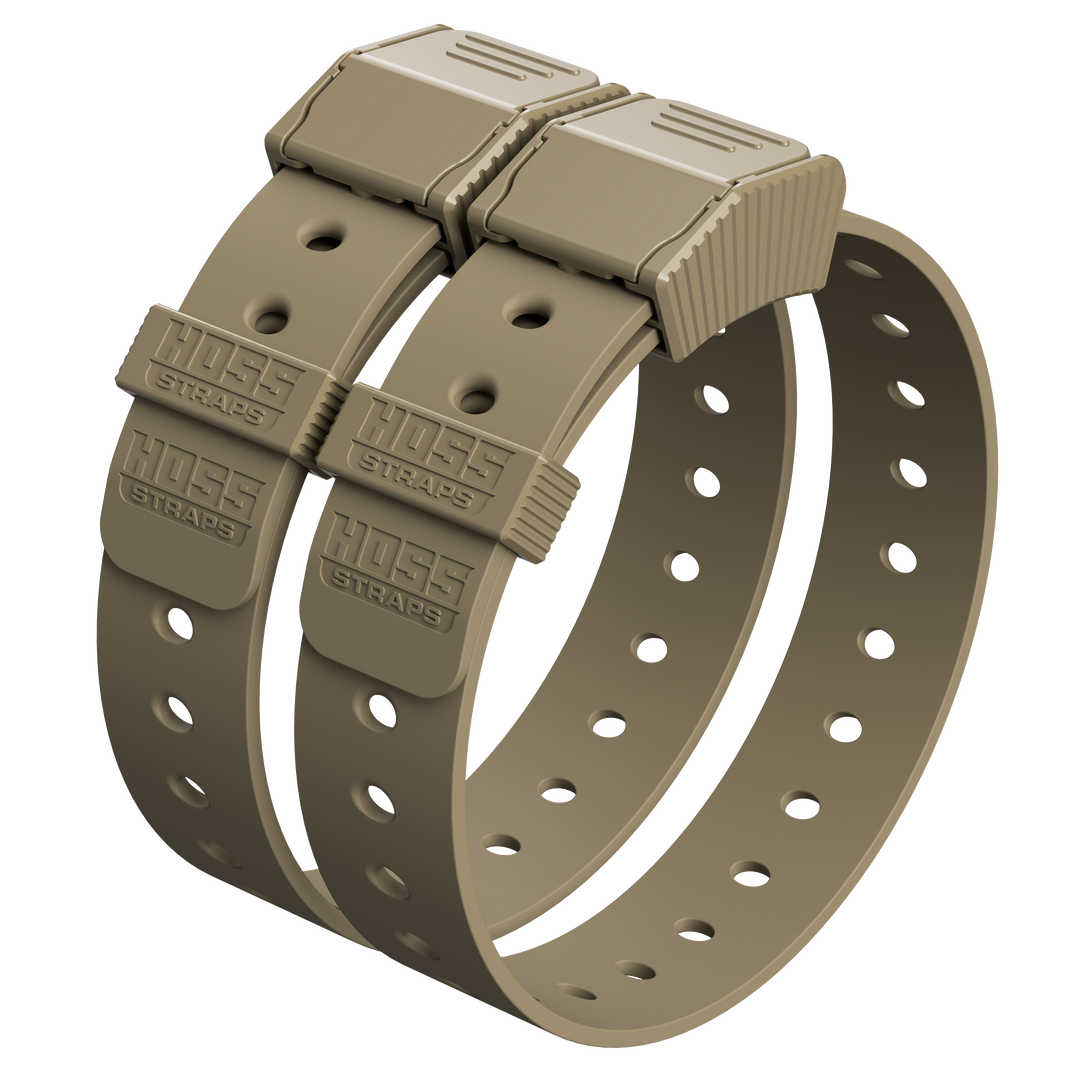
When it comes to dog collars that stand the test of time, quality matters. Hoss Straps embodies the principles that lead to a truly great collar: durability, thoughtful design, and craftsmanship you can trust.
Built for dogs that are out there, tested, and ready for whatever comes next, Hoss Dog Collars combine rugged materials with practical features. Whether your dog is an everyday companion or an adventure seeker, a Hoss collar provides the reliability and comfort your dog deserves. From reinforced webbing to quality hardware, every detail is designed with purpose.
Your dog's safety and comfort are non-negotiable. Browse the Hoss Straps collection today and find a collar built to last, designed with your dog's needs in mind, and backed by a brand that understands the value of quality gear.
Frequently Asked Questions About Dog Collars
1. What's the difference between a martingale and a choke collar?
A martingale collar tightens only to a preset limit, preventing escape without choking. A choke collar, on the other hand, can continually tighten the more a dog pulls, which can lead to a potentially unsafe or even deadly situation if the dog becomes stuck or trapped. Martingale collars are significantly safer for everyday use and training purposes.
2. How tight should my dog's collar be?
Your dog's collar should be snug around the neck but not tight, using the two-finger rule: you should slide two fingers perpendicularly into the space between the collar and your dog's neck. If they don't fit, loosen the collar. If they fit but there's a gap, tighten it up a little until it's snug. For dogs with fluffy coats or dense undercoats, tighten the collar based on the neck circumference and not just around the coat.
3. Can I leave a collar on my dog all day?
While many dogs wear collars throughout the day, it's beneficial to remove the collar during indoor rest. Removing the collar allows the skin to breathe, prevents fur flattening, and reduces the risk of accidents during unsupervised time. This practice also lets trapped moisture under the collar evaporate, especially important for dogs with dense or long fur.
4. What's the best material for a dog that swims?
For dogs that spend a lot of time in the water—whether swimming for fun or retrieving—waterproof collars designed for outdoor and aquatic use are ideal. Materials like Biothane and neoprene are excellent choices because they dry quickly, resist odors, and won’t hold water like traditional nylon collars.
5. How often should I clean my dog's collar?
Most dog collars can be cleaned with warm, soapy water and a gentle scrub for stains. For fabric collars, check the manufacturer's instructions before chucking your collar in the washing machine, though many advise against it and recommend hand washing instead. Clean fabric collars thoroughly every 1–2 weeks, especially if your dog spends time in water or gets dirty regularly.