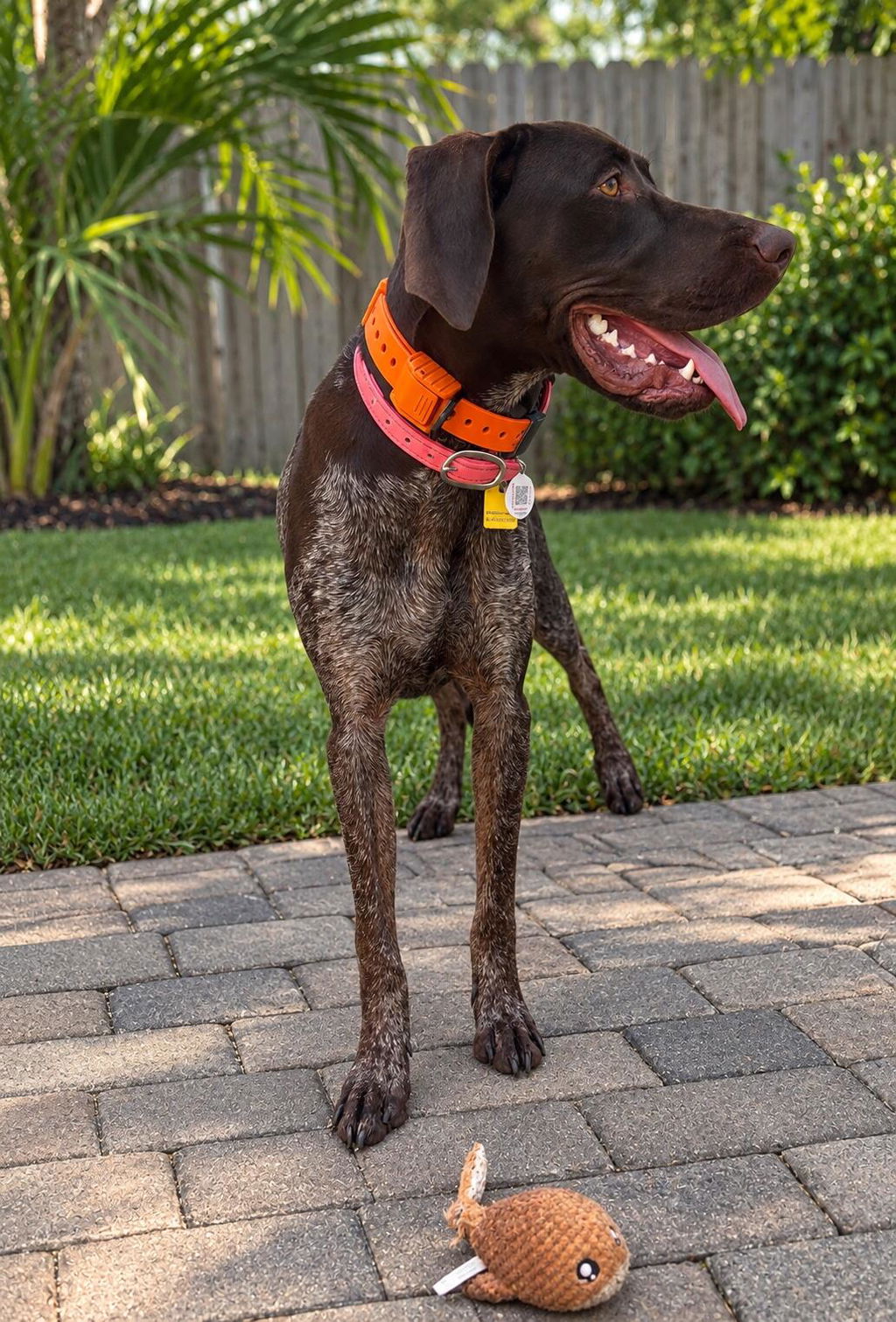



What Dog Training Collar Is Best? A Guide to Finding the Right Fit

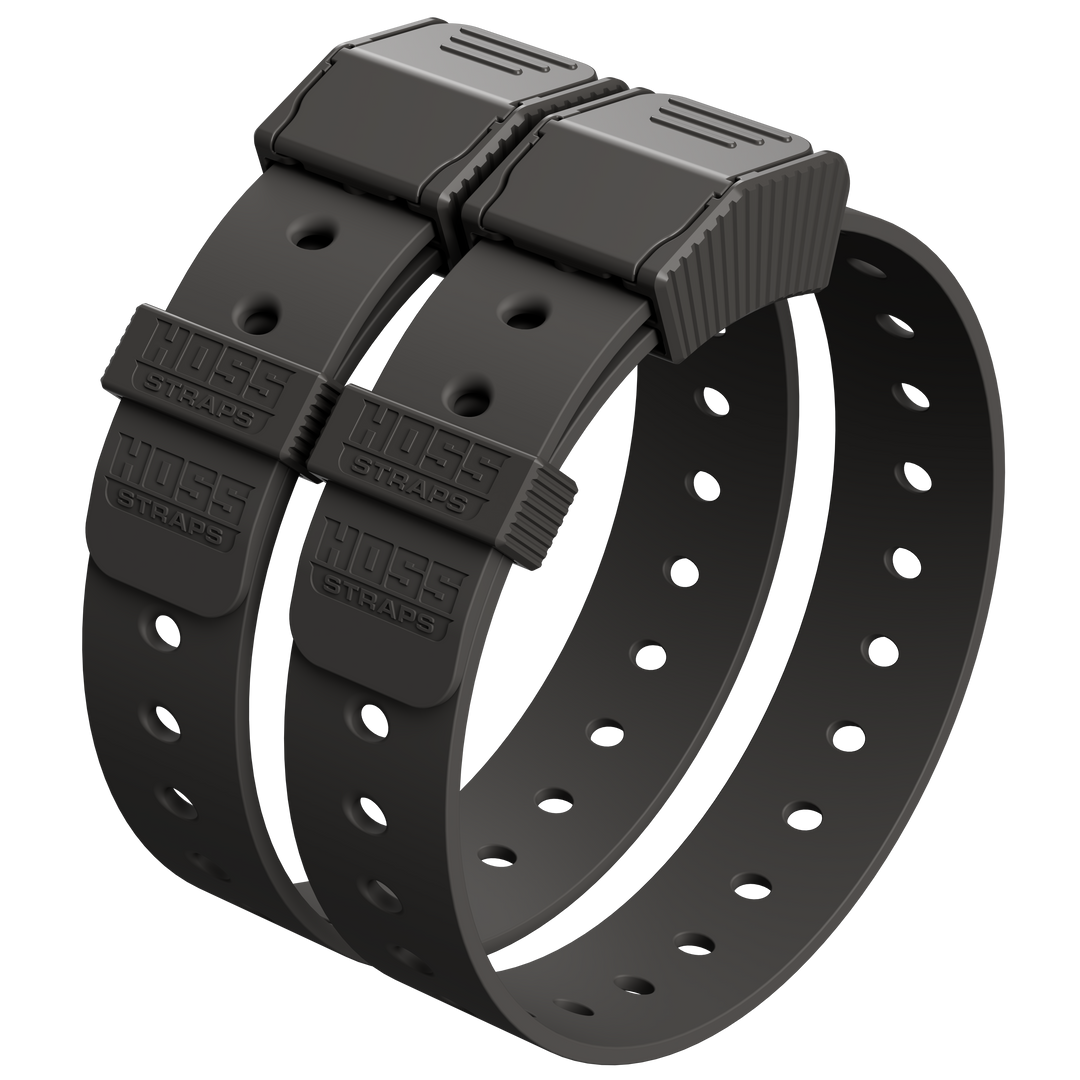
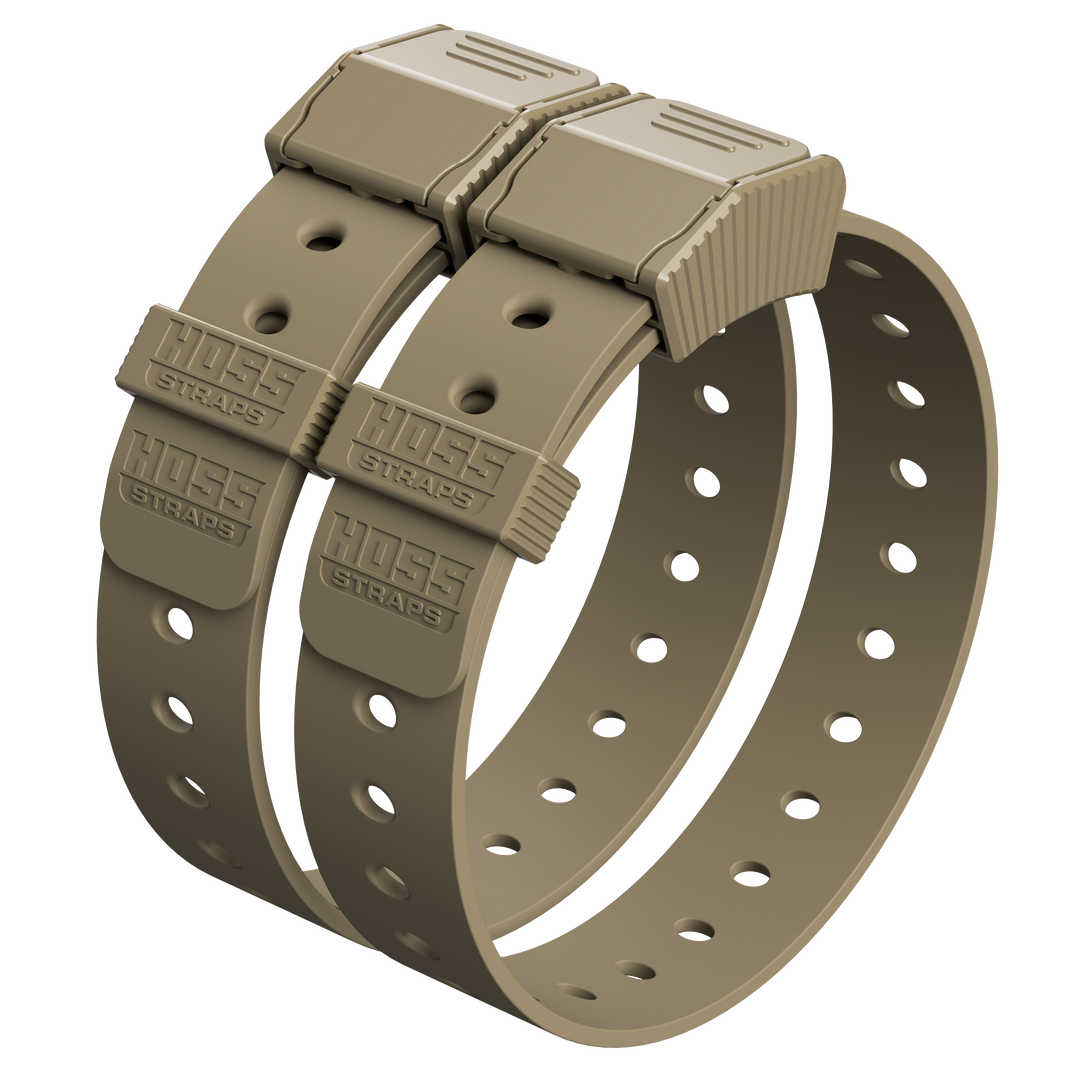
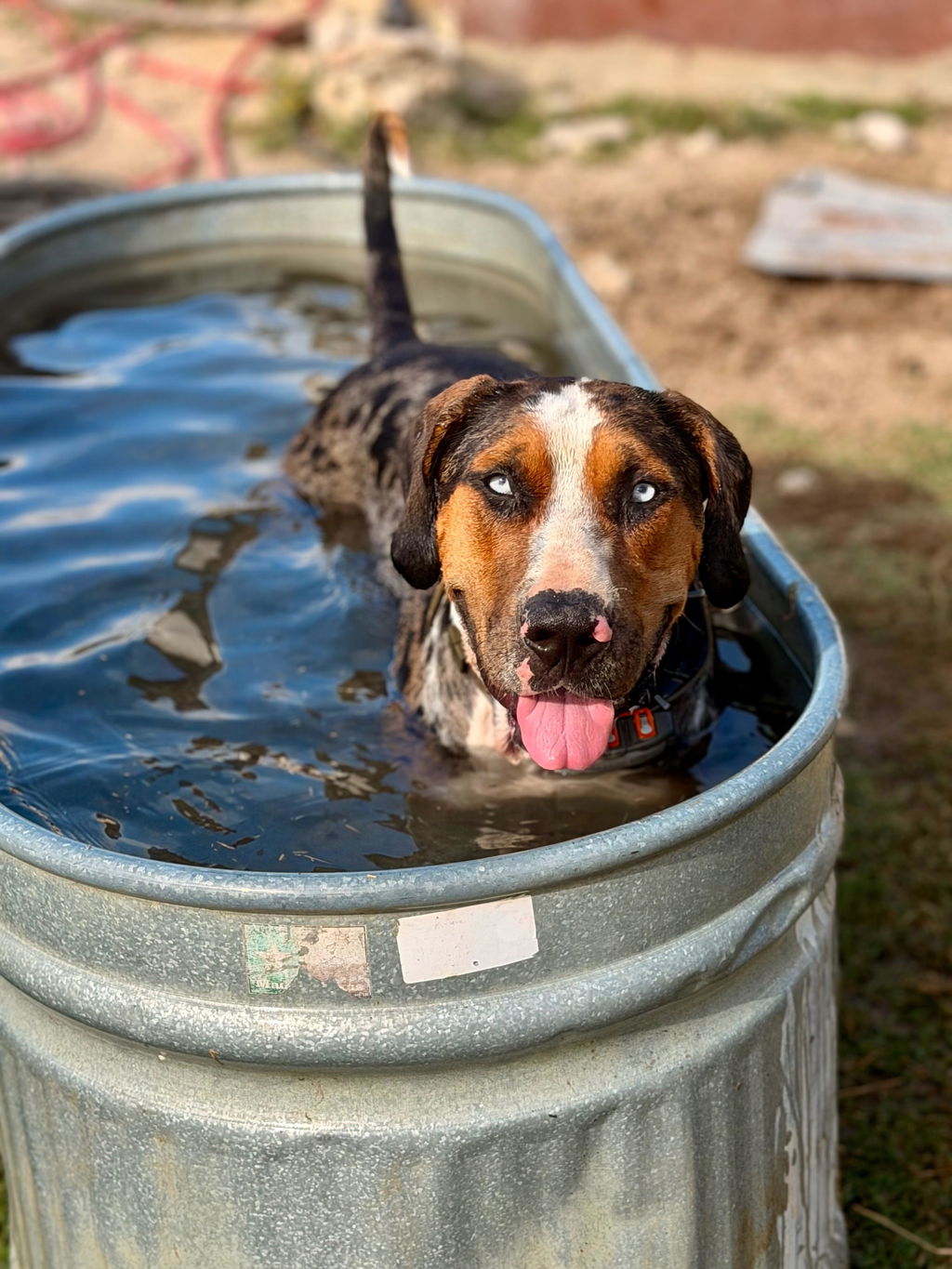
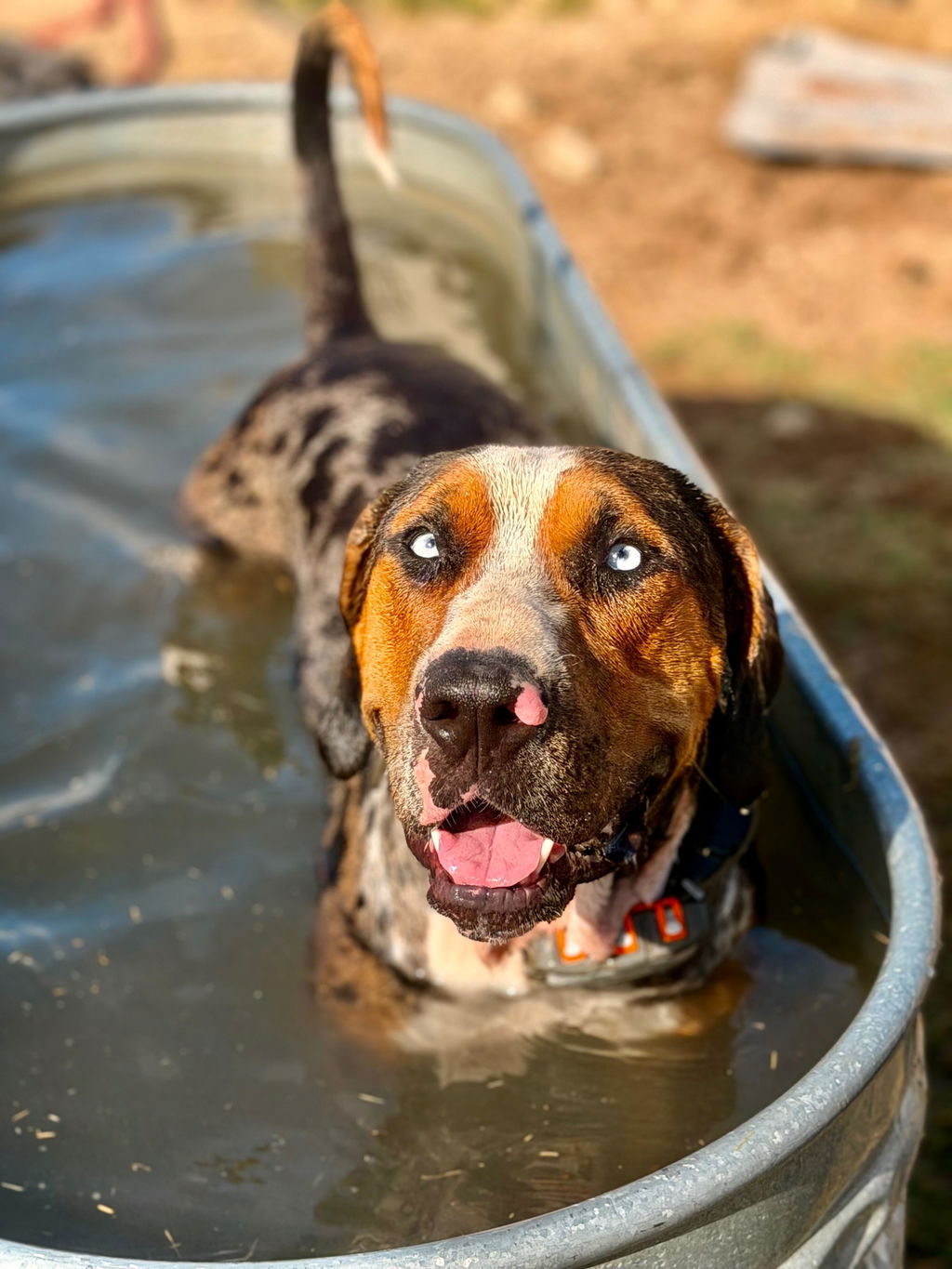
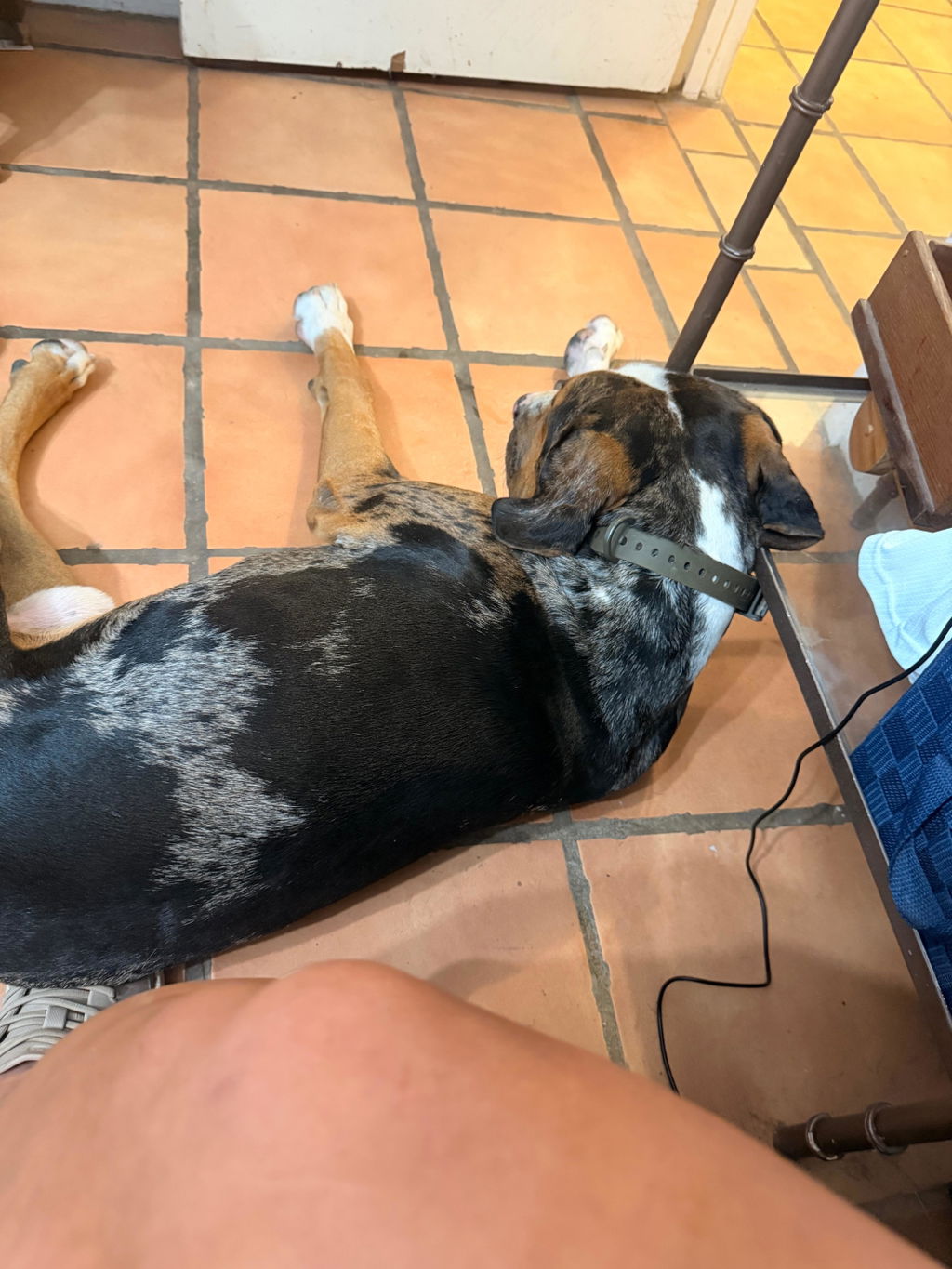
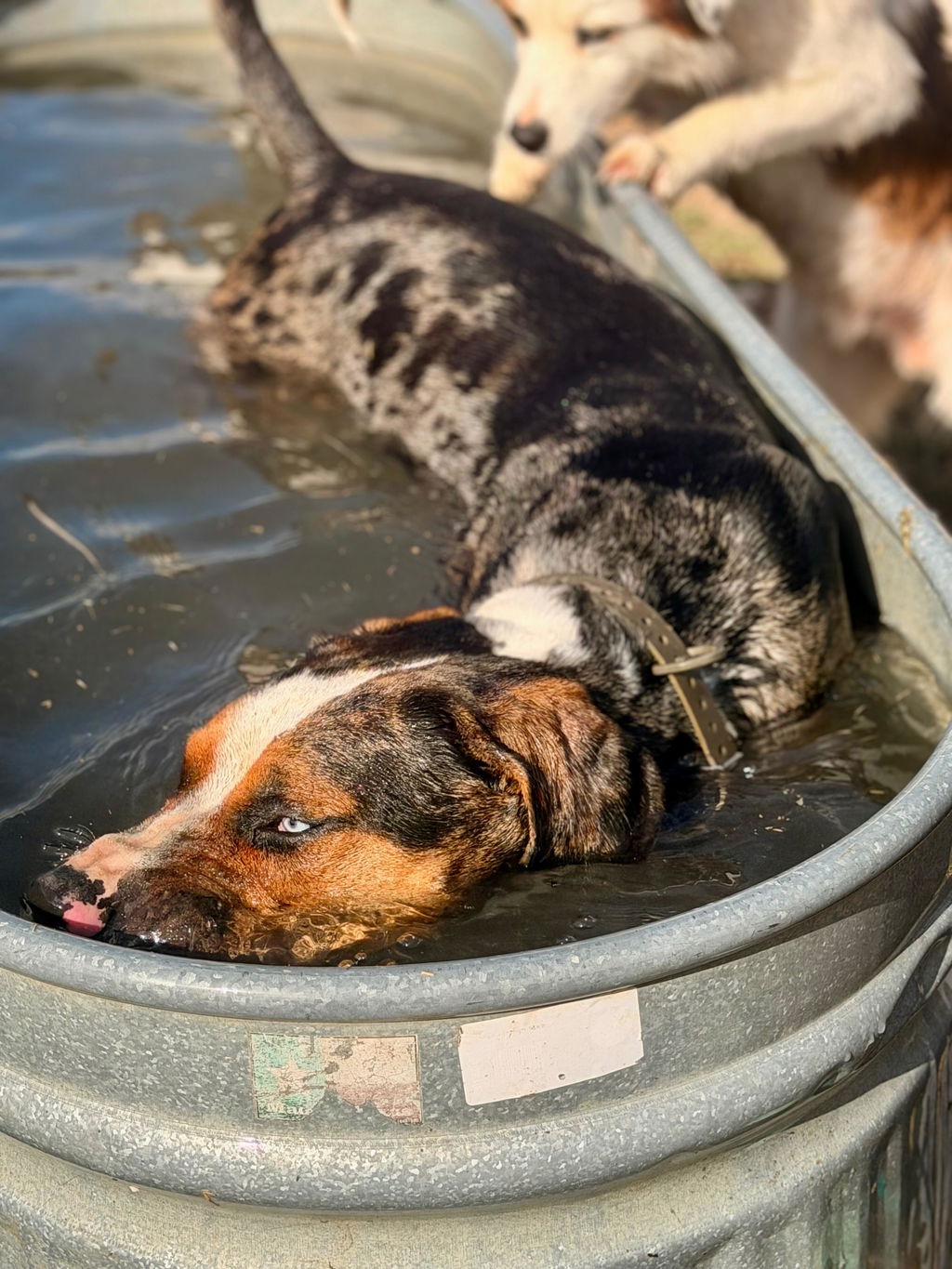
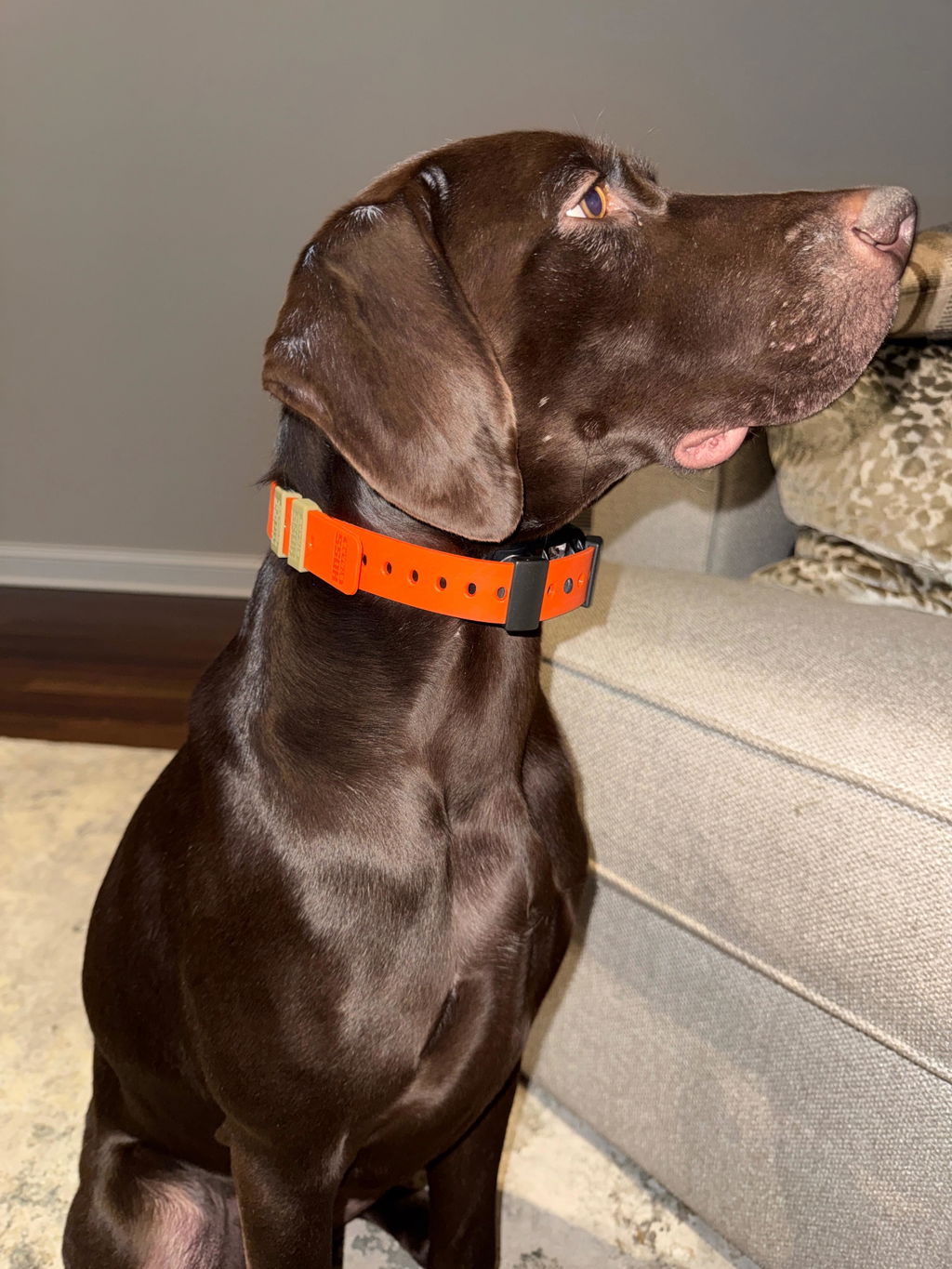
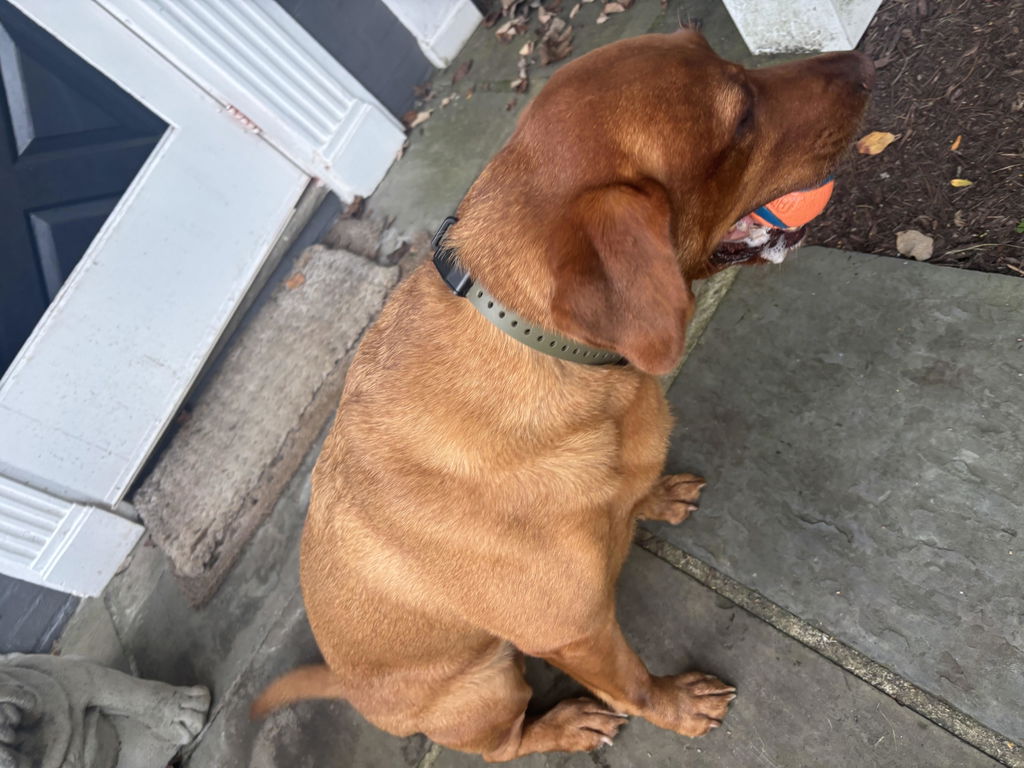
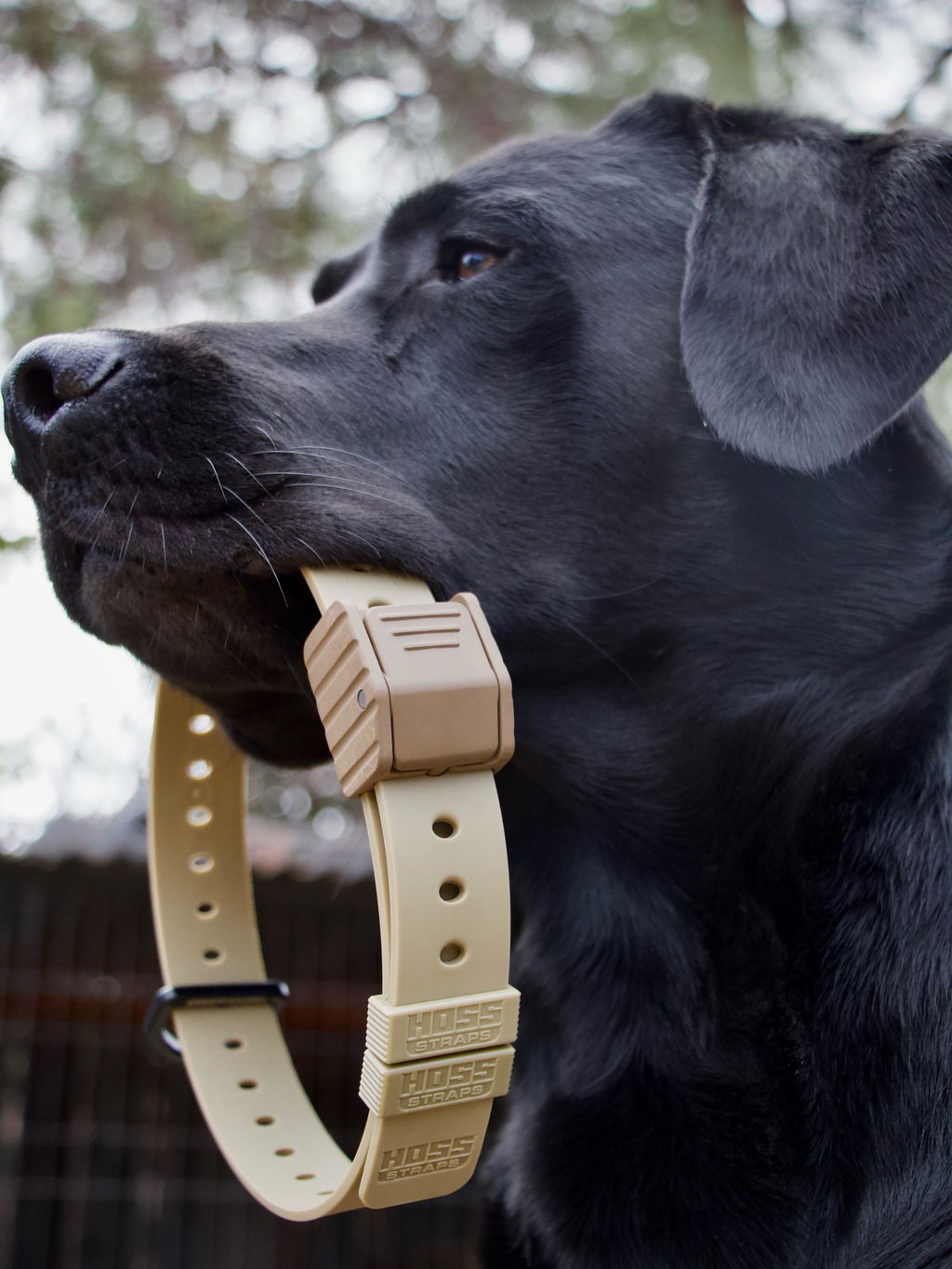
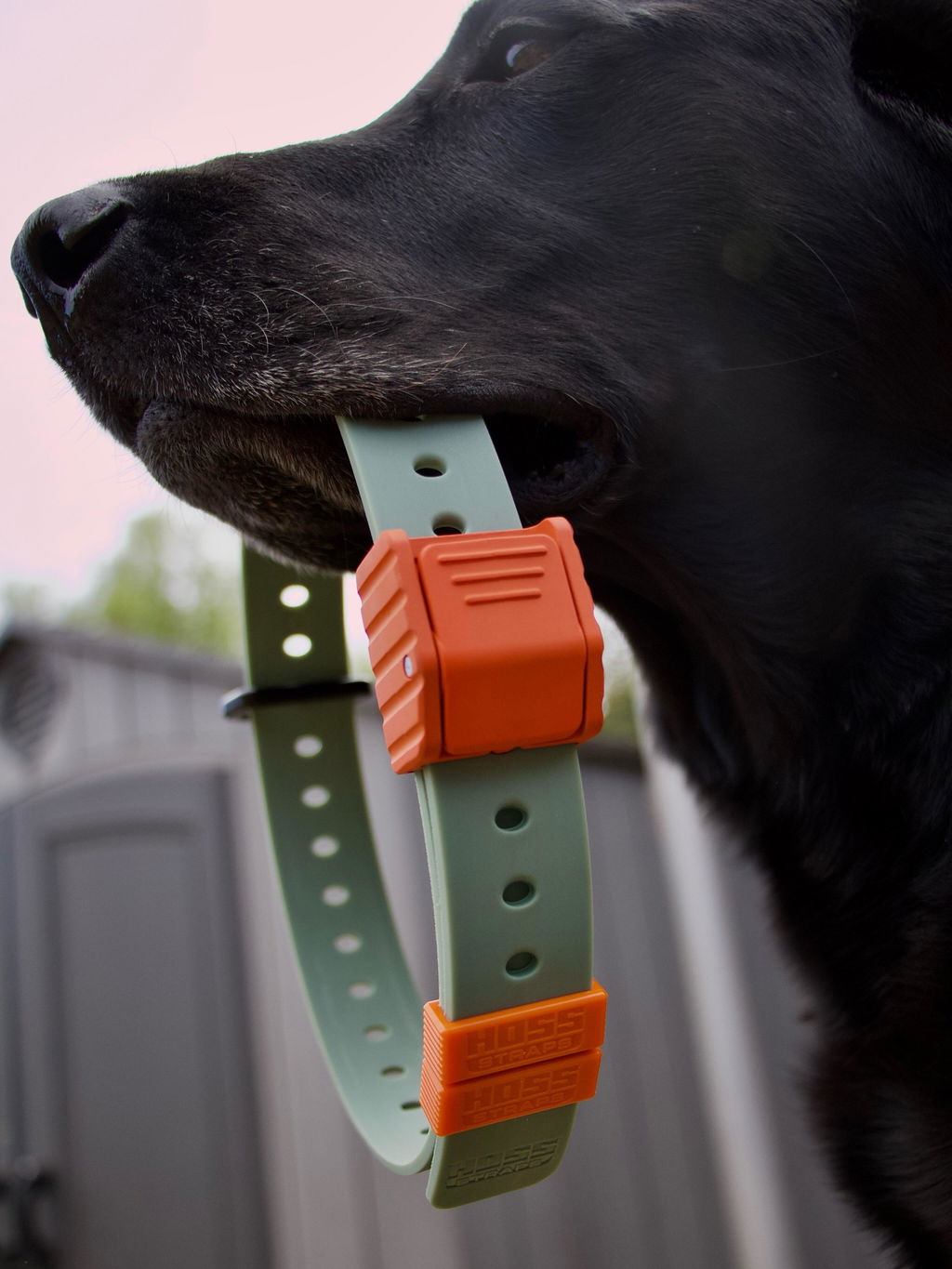
Check out our training collar setup, d-ring dog collar, easy dog collars, and more!
The Different Types of Dog Training Collars
Choosing a training collar is one of the most important decisions you'll make as a dog owner. According to trainers, the right collar depends on your dog's size, temperament, and the specific behaviors you're addressing. Let's walk through the main types so you can understand what each one does.
Flat (Buckle) Collars
These are the standard collars most people think of first. A flat buckle collar is made of leather or nylon and is best suited for well-trained dogs that don't pull excessively. They're lightweight, easy to use, and work well for everyday wear. However, they don't provide much control for dogs still learning loose leash walking, so they're typically used after training is well underway.
Martingale Collars
If you want a gentler option with built-in safety limits, martingale collars work by tightening slightly when a dog pulls but with a maximum contraction limit to prevent choking. This makes them an excellent choice for beginners because they offer control without risk. The pressure distributes evenly around the neck, and you can adjust how much tightening occurs. They're versatile tools that work well for dogs of various sizes and temperaments.
Head Collars (Halters)
Head collars work by redirecting your dog's head to the side when they pull forward, giving you control without neck pressure. They look similar to a horse's bridle and are particularly useful for strong pullers or dogs with sensitive necks. However, they require a proper introduction period so your dog doesn't feel anxious wearing them.
Prong Collars
Prong collars apply even pressure around the dog's neck through small, rounded prongs when the dog pulls. When properly fitted and used correctly, the pressure distributes evenly and doesn't cut off airflow. These are considered advanced training tools and should only be used after consultation with a professional trainer. The prongs should always be dull and rounded, never sharp.
Slip/Check Collars
Slip collars (also called check collars) tighten when your dog pulls and release when the pressure is relieved. They provide immediate feedback to your dog. However, they're not beginner-friendly and require proper technique to avoid causing discomfort or injury. These are best reserved for experienced trainers working with dogs that understand basic commands.
How to Choose the Right Dog Training Collar

The right collar for your dog comes down to three key considerations: your dog's size and temperament, your training goals, and proper fit.
Assess Your Dog's Size and Temperament
Start by honestly evaluating your dog. Is your dog a small breed with a delicate neck, or a powerful pullers? Dogs have different sensitivities, and choosing a collar requires understanding your specific dog's personality and reactions. Consider whether your dog has any neck sensitivity, respiratory issues, or a tendency to escape. These factors should guide your selection.
Consider Your Training Goals
Are you working on basic leash manners, recall training, or addressing serious pulling? Your goal matters. For general loose leash walking, a martingale collar is often enough. For strong pullers that need immediate feedback, a prong collar or head collar might be necessary. Whatever you choose, pairing any collar with positive reinforcement—treats, praise, and playtime—creates a positive association and makes training more effective.
Start Simple; Graduate Over Time
You don't need the most aggressive tool right away. Start with a flat collar or martingale and see how your dog responds. A skilled trainer can accomplish a lot with a regular collar, while unskilled training might require additional tools. As your dog improves, you can graduate to simpler collars. Think of it as progression toward independence.
Proper Fit is Non-Negotiable
Whatever collar you choose, fit is everything. You should be able to fit two fingers comfortably between the collar and your dog's neck. The collar should sit high on the neck, just behind the ears, where it's most effective for communication and control. A poorly fitted collar won't work properly and could cause discomfort.
The Safest Dog Training Collar for Beginners
If you're new to training, safety should be your top priority. Martingale collars are an ideal starting point because they provide gentle, controlled tightening with built-in safety limits. They won't choke your dog, and they distribute pressure evenly.
When you're beginning, avoid slip collars and poorly fitted prong collars. These require experienced hands to use correctly. Instead, work with tools that have safety built in. Before using any corrective collar, consulting with a professional dog trainer is highly beneficial because they can assess your dog's temperament, identify root causes of unwanted behaviors, and ensure safe and ethical use.
Remember: the collar is just a tool. The real work happens through consistent training, clear communication, and positive reinforcement.
Training Collars vs. Training Harnesses: Which Should You Use?

This is a question trainers debate regularly, and the answer depends on your situation.
When Collars Excel
Collars provide direct feedback and natural communication. They're lightweight, easy to use, and allow your dog more natural movement. For well-trained dogs that don't pull, a collar allows freedom of movement and suits their training level. Collars are also simpler to put on quickly, which matters during early morning potty breaks.
When Harnesses Shine
Harnesses distribute pressure across the dog's entire body rather than focusing it on the neck and throat, making them safer for puppies, small breeds, and dogs with neck sensitivity. They prevent escape artists from slipping out and offer better control with powerful pullers. If your dog has respiratory issues or a breed prone to throat problems, a harness is the smarter choice.
The Verdict
For puppies and dogs still learning, a harness often provides a safer foundation. Once your puppy is leash-trained or if you have a calm dog that never pulls, you can transition to a flat collar as a graduation tool. Many experienced handlers use both strategically—a harness for early training phases and a collar once the dog demonstrates reliable leash skills.
Key Safety Considerations
No matter which collar you choose, these safety rules are non-negotiable:
Monitor Your Dog's Reactions. If your dog shows signs of distress—whining, excessive scratching, coughing, or avoidance behavior—remove the collar and reassess. Ignoring your dog's discomfort can lead to lasting stress and resistance to training.
Avoid Over-Reliance. Using the collar as your only training tool can create stress and anxiety in your dog. Combine collar training with positive reinforcement, obedience work, and socialization.
Watch for Red Flags. Excessive tightening, signs of distress, or improper fit are all warning signs. If something doesn't feel right, consult a professional.
Pair with Positive Methods. The most effective training uses both clear boundaries and rewards. Your dog should never fear the collar—it should signal guidance and the opportunity to make good choices.
Upgrade Your Dog's Training Setup
Check out our training collar setup, D-ring dog collar, easy dog collars, and more! If you’ve been comparing dog training collar reviews, this guide will help you understand the pros, cons, and best use cases for each option.
FAQ: Common Questions About Dog Training Collars
Can I leave a training collar on my dog all day?
No. Training collars should be used only during training sessions. Leaving them on continuously can cause discomfort, irritation, and skin issues. Once training is done, switch to a regular collar or remove the collar entirely.
How do I know if my collar fits properly?
The two-finger rule is your guide: you should comfortably fit two fingers between the collar and your dog's neck. The collar should sit high on the neck, just behind the ears. If it's too loose, it won't work; too tight, and it causes discomfort.
What's the difference between a martingale and a slip collar?
A martingale has a maximum contraction limit built in to prevent choking, while a slip collar can tighten indefinitely. For beginners, this makes a martingale the safer choice because the safety mechanism is built into the design.
Are training collars cruel or inhumane?
When used correctly with the right fit and in combination with positive reinforcement, training collars are humane tools that communicate boundaries. Misuse or neglect of proper technique is what creates problems, not the collar itself. Always prioritize your dog's comfort and consult professionals when unsure.
When should I upgrade from one collar type to another?
Upgrade when your dog demonstrates reliable leash skills and responds consistently to your commands. If you started with a martingale, you might graduate to a flat collar once your dog stops pulling. If your dog's behavior regresses, stick with your current tool longer rather than moving backward.