


Bite-Work and Agitation Collars: Width, Hardware, Fit, and Safer Handling

Table of Contents
- What a Bite-Work Collar Is Actually Meant to Do
- The Four Things That Matter Most
- Width: Why It Changes Handling
- Structure: Soft Gear Becomes Unpredictable Gear
- Hardware: Small Parts, Big Problems
- Fit: Honest Fit Checks Matter More in Bite Work
- The Leash Is Part of the System Too
- What Usually Fails First
- Warning Signs to Stop and Reassess
- Why Hoss Makes Sense for Hard-Use Dogs
- Which Hoss Setup Fits the Use Case Best?
- A Simple Decision Table
- A Better Pre-Session Check
- When to Ask a Trainer or Decoy to Look at the Setup
- Final Take
-
FAQ
In bite work, the loud part is obvious. The collar setup should be the opposite.
When a dog drives into the line, hits hard, or needs a clean reset between reps, you do not want to be guessing about width, hardware, fit, or how the collar is going to behave under load. You want the setup to stay predictable.
That is what a bite-work or agitation collar should really do. It should not create drama. It should remove variables.
This guide is about choosing a collar that stays stable in the hand, rides correctly on the dog, works cleanly with the leash and snap, and makes field handling safer and more consistent.
This is general handling guidance, not a substitute for hands-on instruction. Bite work should be run with a qualified trainer or decoy, and any new gear should be checked before you add speed or intensity.
What a Bite-Work Collar Is Actually Meant to Do
A bite-work collar is a handling tool.
It gives you a predictable attachment point for control during transitions, resets, and movement around the field. It is not a shortcut for training, and it is not a replacement for a clean handling plan.
That distinction matters because people sometimes shop for bite-work gear by appearance instead of function. The collar does not need to look aggressive. It needs to stay consistent.
In practical use, a good bite-work collar should:
- Stay flat instead of rolling or folding under load
- Keep the leash attachment predictable
- Feel stable in the hand during resets
- Stay secure without creating unnecessary airway pressure
- Hold up to repeated hard use, dirt, and weather
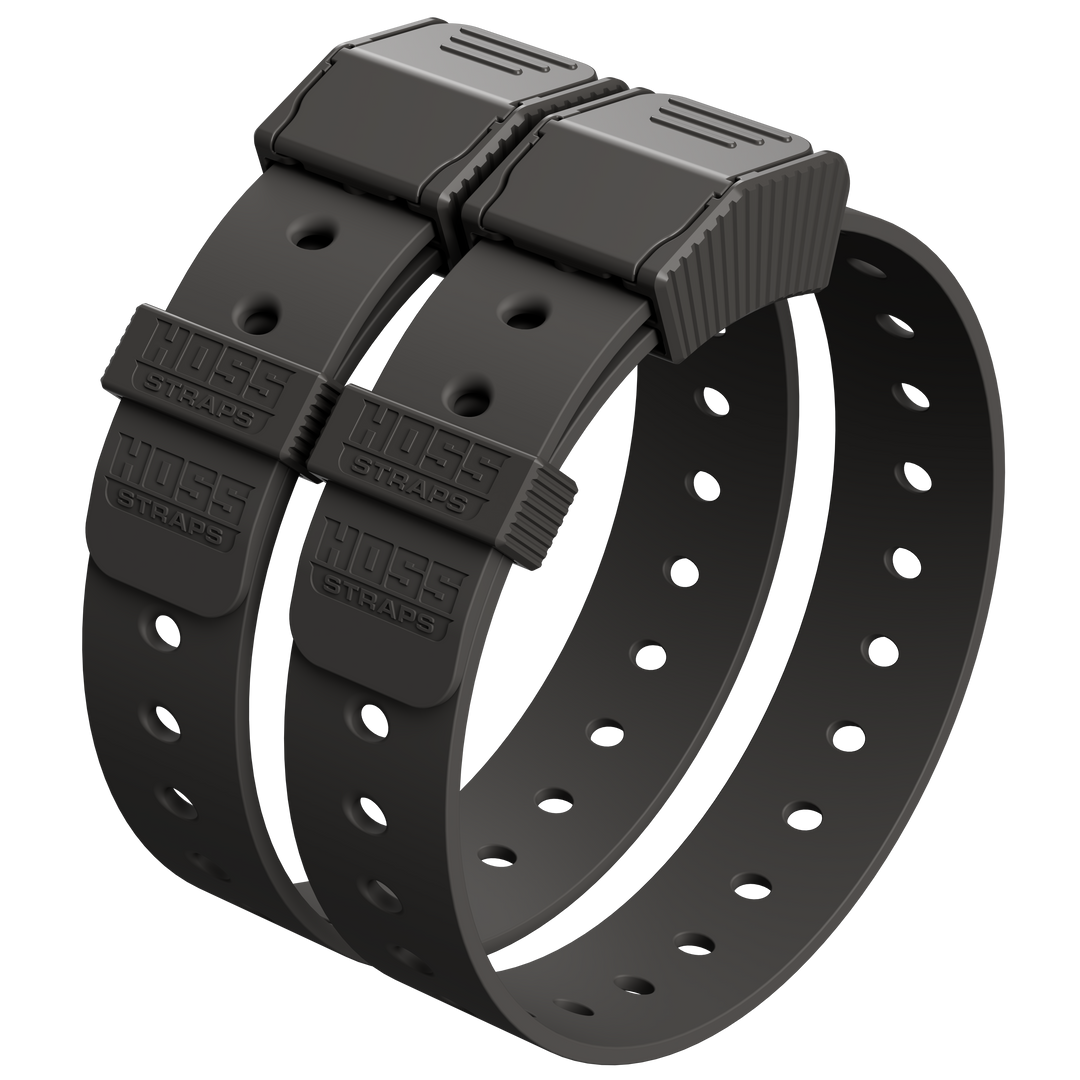
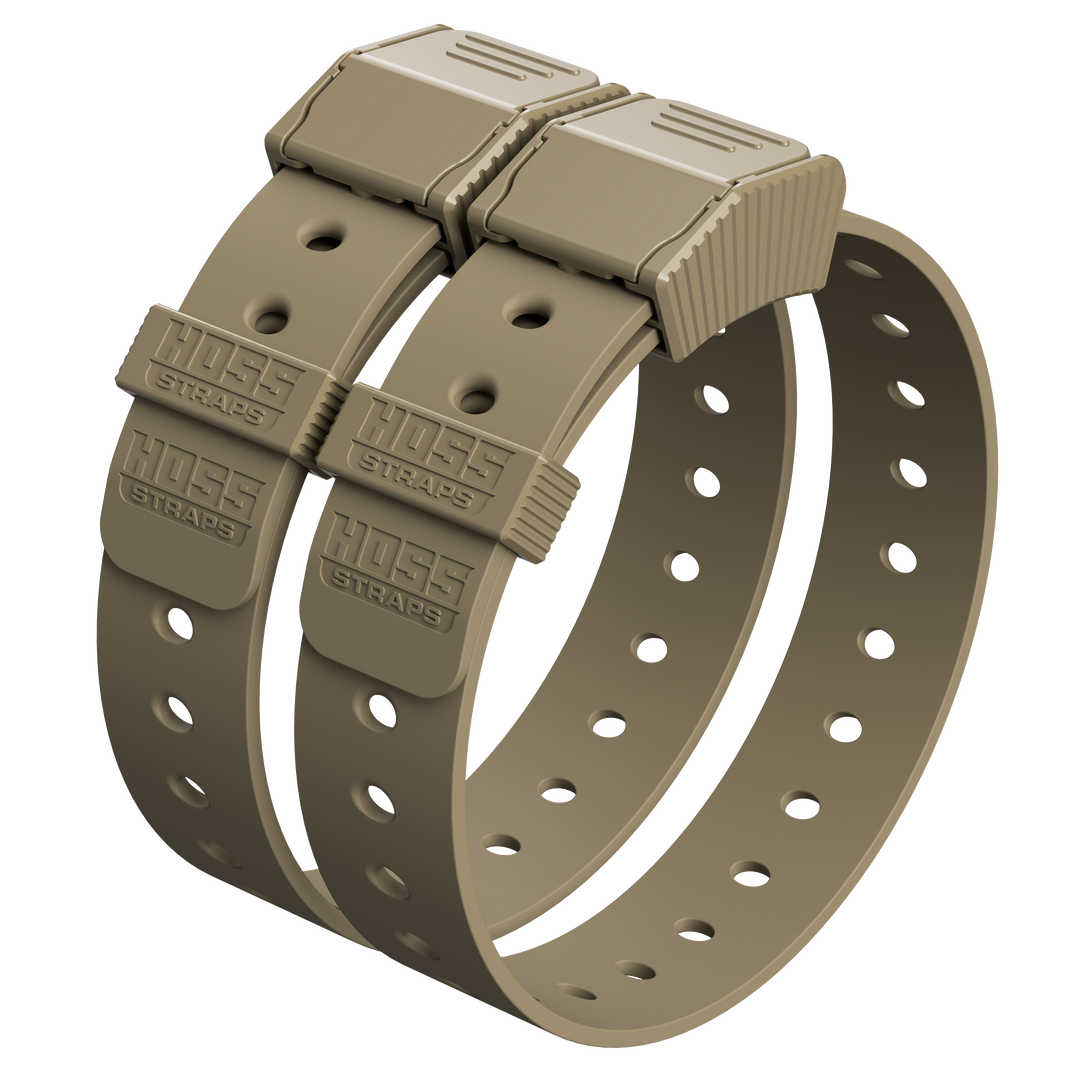
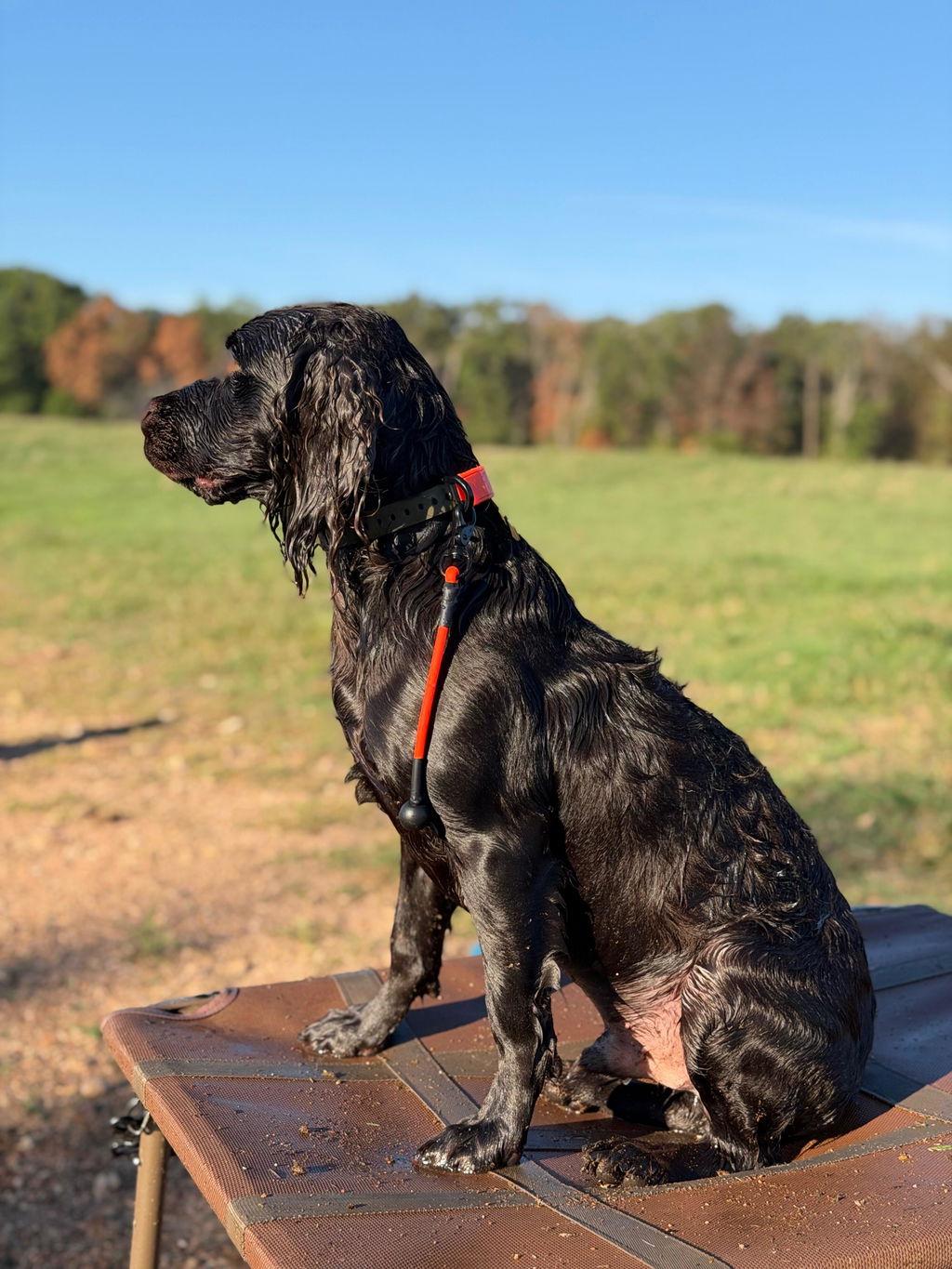
For handlers comparing gear, the most natural internal starting point here is Hoss K9 dog collars, since they line up most directly with hard-use work.
The Four Things That Matter Most
If you strip the topic down to what actually matters in the field, it usually comes back to four things:
- Width
- Structure
- Hardware
- Fit
Everything else is secondary if those four are wrong.
Width: Why It Changes Handling
Width affects how the collar rides, how it spreads pressure, and how stable it feels when the dog loads the line.
A collar that is too narrow for the dog and the workload can feel sharper, move more, and become less predictable under tension. A collar that is appropriately wide for the dog tends to stay flatter and feel more stable in the hand.
That does not mean wider is always better. The right width still has to match the dog's size, neck shape, and the kind of work being done.
A fast field check
Buckle the collar, take the slack out, and pull slightly upward and to each side.
Ask:
- Does it stay flat?
- Does it twist hard?
- Does it collapse into an edge?
- Does it feel stable in the hand?
If it folds or rolls under simple hand tension, that problem usually gets worse when the dog loads it harder.
Structure: Soft Gear Becomes Unpredictable Gear

In bite work, pressure is not smooth. The dog may hit hard, rebound, reset, and load again. That is exactly where a weak collar build starts showing problems.
A collar that gets too soft can:
- Rotate when the dog drives
- Slide into a position you do not want
- Climb where it should not
- Lose the clean feel you need between reps
Look for a build that stays firm enough to hold shape and stay readable under tension. Whether the material is coated webbing, leather, or another field-ready build, the important point is the same: it should stay clean and predictable under load.
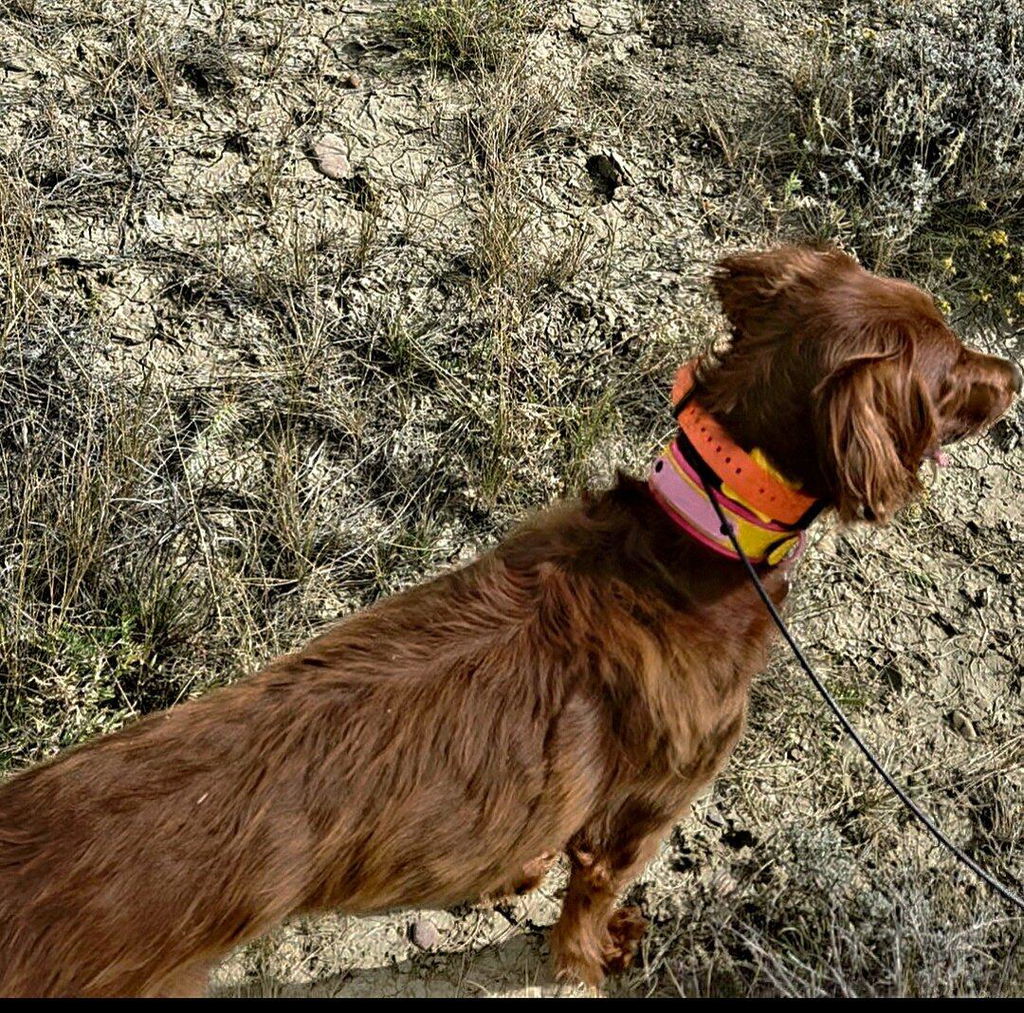
If easy cleanup matters because the work happens in mud, rain, or dusty fields, it also makes sense to compare a weatherproof dog collar setup alongside the more hard-use-specific K9 options.
Hardware: Small Parts, Big Problems
Hardware is often where failure shows up first.
The ring, buckle, snap interaction, and overall finish matter more than many handlers expect. A collar can look fine at a glance and still create problems if the hardware is rough, undersized, awkwardly shaped, or unstable under pressure.
What to check before a session
Before you work the dog, run a fast hardware check:
- Run your thumb around the ring and buckle
- Feel for burrs, edges, or rough finish
- Clip in and pull hard by hand
- Check whether the snap sits cleanly without side loading
- Watch for bending, shifting, or looseness
If the hardware feels questionable in your hand, it is not going to feel better once the dog hits it at speed.
Fit: Honest Fit Checks Matter More in Bite Work
Fit always matters, but it matters more when leash hits are sharper and resets happen fast.
The goal is not just "two fingers and done." The goal is a collar that stays where you set it and behaves predictably once the dog starts working.
Start with a basic fit check
Use the standard two-finger rule as a starting point, then do a load check.
Then do the real test
Once the collar is fitted, load the line and watch what happens.
Ask:
- Does the collar spin?
- Does it slide too low?
- Does it climb?
- Does it move toward the shoulder when the dog drives?
If the collar changes position too easily, the fit or the build is not working for that dog and that job.
The Leash Is Part of the System Too
The collar is only half the setup. The leash, snap, and your hands are the other half.
A clean collar can still become a messy handling system if:
- The snap is oversized
- The snap side-loads on the ring
- The leash length is wrong for the drill
- Slack is unmanaged
One of the easiest mistakes is treating the collar as the whole answer. In practice, the collar, leash, snap, and handling style all have to work together.
What Usually Fails First
In real use, the first issue is often not total gear failure. It is small instability.
That usually looks like:
- Rotation under load
- A ring or snap that does not sit clean
- A collar that softens and loses shape
- Fit drift during work
- Hardware wear that gets ignored too long
This is where a better article should sound more like field experience and less like a generic roundup.
Warning Signs to Stop and Reassess
There are a few signs that should stop the session or at least stop the setup.
Watch for:
- Coughing under leash pressure
- Noisy breathing
- Panic or obvious discomfort
- Hardware shift you can feel in hand
- Collar movement you do not trust
If something feels wrong, change the setup before adding more speed or intensity.
Why Hoss Makes Sense for Hard-Use Dogs
The value of a Hoss collar in this context is not that it tries to be flashy. It is that it supports the things handlers actually care about:
- Stable everyday handling
- Clean hardware interaction
- Easy maintenance after dirty sessions
- Weather-ready material for field use
- A practical fit that works outside a product photo
That matters because bite-work dogs do not live in ideal conditions. The collar may be used in mud, rain, dust, grass, vehicle transitions, and repeated on-off handling. A setup that cleans quickly and keeps working is more useful than one that only sounds durable in product copy.
This is the natural place to connect the article to Hoss K9 dog collars, broader dog collars, and weatherproof dog collars depending on how specialized the reader's use case really is.
Which Hoss Setup Fits the Use Case Best?
Not every dog needs the same setup, but the Hoss lineup gives you a few natural places to start.
For straightforward hard-use collar work
The K9 Dog Collars are the most direct fit for this article and should be the main internal product bridge.
For handlers who want a simpler all-around collar option
The broader Dog Collars page makes sense for readers who are still comparing general-use versus hard-use setups.
For D-ring preference or cleaner daily handling
The D-Ring Dog Collar and the D-Ring Dog Collars collection are relevant if the reader prefers that style of attachment and handling.
For dogs using more specialized gear
If the dog is also running training hardware beyond a standard collar setup, the Training Collar Setup and Training Collar Adapter Kit belong in the conversation.
A Simple Decision Table
| Priority | What to look for | Red flag | Best Hoss starting point |
|---|---|---|---|
| Bite-work handling | Stable width and firm structure | Collar folds or rotates | K9 Dog Collars |
| Cleaner daily use | Predictable hardware and easier carry | Hardware feels rough or awkward | Dog Collars |
| D-ring preference | Stable ring setup and simple handling | Attachment feels cluttered | D-Ring Dog Collar |
| Training gear compatibility | Collar system that scales cleanly | Improvised hardware pairing | Training Collar Setup |
A Better Pre-Session Check
Before the dog comes out, run this quick sequence:
- Check collar fit
- Check ring and buckle finish
- Clip in and load by hand
- Confirm the snap sits cleanly
- Watch for roll, fold, or slide
- Re-check after warm-up
This is the kind of routine that makes gear problems easier to catch before they become session problems.
When to Ask a Trainer or Decoy to Look at the Setup

Bring in another set of hands when:
- You change collar type or width
- You change leash or snap hardware
- The dog starts loading the line differently
- You see rotation under load
- The setup feels less clean than it should
A fast hands-on check is cheap insurance.
Final Take
A bite-work or agitation collar should not make the session more complicated. It should make the handling cleaner, the attachment point more predictable, and the overall setup easier to trust.
That is what matters most: width that stays flat, structure that holds shape, hardware that feels clean, and fit that stays honest under load.
If you want a collar built for hard use and easier day-to-day field handling, Hoss has a real angle here. Start with the K9 Dog Collars, compare them against the broader Dog Collars line, and use the D-Ring Dog Collar, D-Ring Dog Collars collection, or Training Collar Setup when those setups fit the dog and the job better.
FAQ
What width should an agitation or bite-work collar be?
Choose a width that stays flat, feels stable in the hand, and matches the dog's size and workload. If it rolls into an edge under tension, it is probably the wrong setup.
Should I use padding for bite work?
Padding can help if it stays flat and clean. If it shifts, traps grit, or changes how the collar rides under load, it may create more problems than it solves.
How tight should the collar be during training?
Tight enough that it stays stable and predictable, loose enough that the dog can breathe and swallow normally without coughing or distress. Always confirm fit under actual load, not just at rest.
What leash should I pair with a bite-work collar?
Use a leash and snap that fit the ring cleanly and match the drill. Avoid oversized snaps or messy hardware combinations that side-load the ring.
When should I ask a trainer or decoy to check my setup?
Any time you change gear, change workload, or see movement in the collar that you do not trust. A fast hands-on check can save a bad session.