


Handler Collars: What Working Dog Handlers Should Look For
Handler collars should give the person on the other end of the leash a stable, fast, and predictable connection to the dog. The right handler collar fits consistently, cleans easily, uses dependable hardware, and matches the dog's work instead of adding bulk or confusion.

Table of Contents
- What Is a Handler Collar?
- Handler Collar Attributes
- Handler Collar Decision Table
- Quick Control Without Overcomplication
- Field Conditions and Cleanup
- Receiver and GPS Use
- How to Fit a Handler Collar
- Hoss Proof Signals for Handler Collars
- Related Collar Guides
- FAQ
What Is a Handler Collar?
A handler collar is a collar selected from the human side of the job. It is not only about how the dog looks. It is about how quickly the handler can put the collar on, clip in, reset the dog, manage a transition, or remove gear after work.
For trainers, guides, K9 handlers, and active owners, collar handling matters because the dog may move between a truck, kennel, field, blind, boat, yard, or training line many times in one day. A collar that is slow, slippery, waterlogged, or inconsistent wastes time and creates friction.
Handler Collar Attributes
The most important handler collar attributes are practical, not decorative.
- Fast on/off use: The collar should be easy to put on and remove during transitions.
- Repeatable fit: The handler should not need to guess the fit every session.
- Secure attachment point: The leash or line should clip into a predictable ring.
- Weatherproof material: The collar should not soak, stink, or stretch after wet use.
- Receiver option: Some handlers need a compatible Garmin setup.
- Low-maintenance cleanup: Mud, salt, and grit should be easy to rinse off.
Handler Collar Decision Table
Start with the handler's routine, then choose the collar path.
| Handler routine | Collar priority | Best Hoss starting point |
|---|---|---|
| Daily dog handling | Simple fit, fast on/off, clean leash point | Dog Collars |
| Field or hunting work | D-ring fit, weatherproof build, hard-use routine | Field Collar |
| K9 or active working dog | Hard-use collar for trail, field, and workday conditions | K9 Dog Collars |
| Garmin-based training | Compatible receiver setup and consistent contact | Training Collar Setup |
| Heavy professional use | Overbuilt hardware and saltwater-ready finish | Pro Series Training Collar Setup |
Quick Control Without Overcomplication
A good handler collar should make the simple things easier. Clipping the leash should be obvious. The collar should go on fast. The fit should be repeatable. The hardware should sit where the handler expects it to sit.
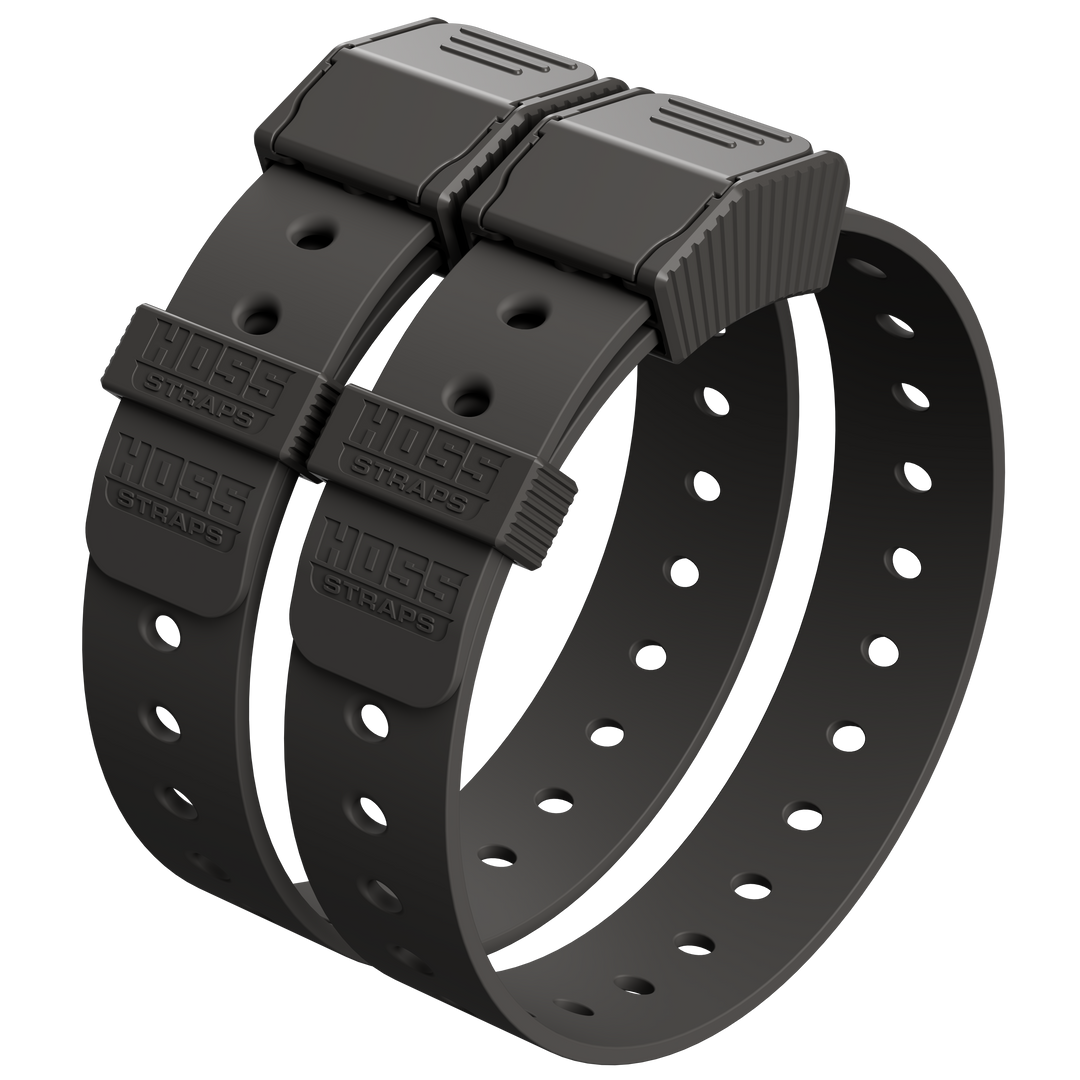
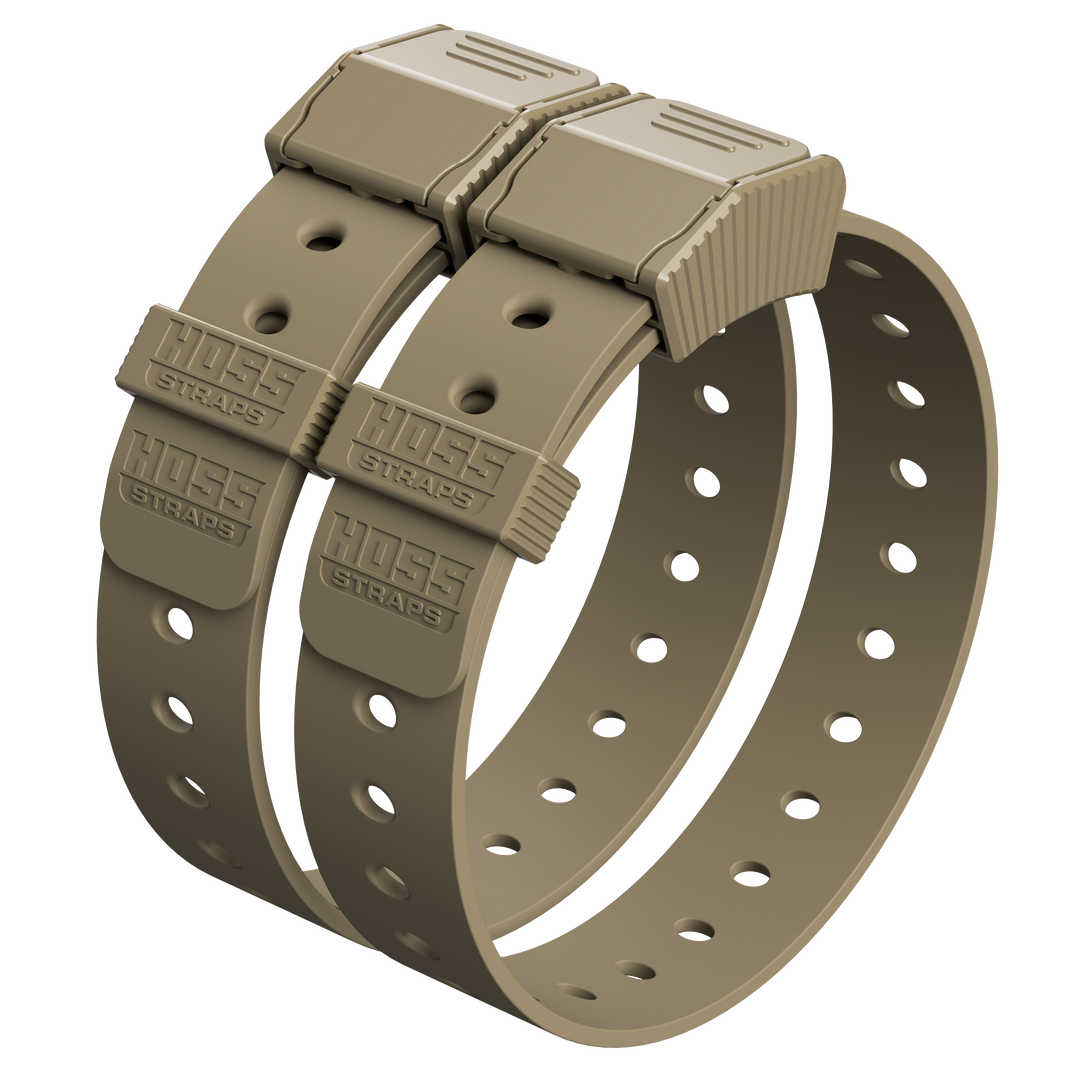
The Hoss collar platform is built around quick-release handling, an aluminum D-ring adjustment path, and field-ready material. For handlers, those details matter because they reduce small delays during the exact moments when control and timing matter.
Field Conditions and Cleanup
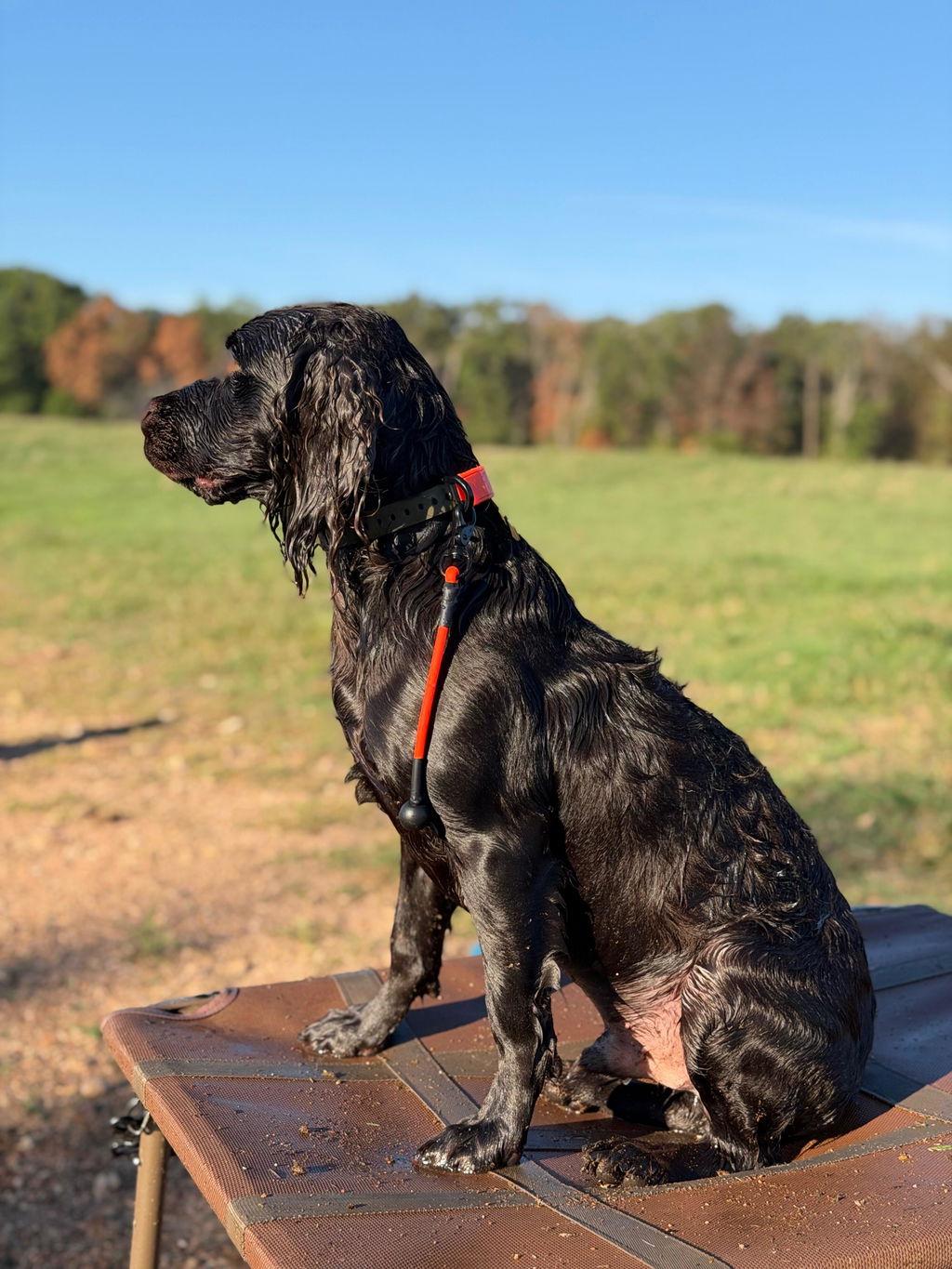
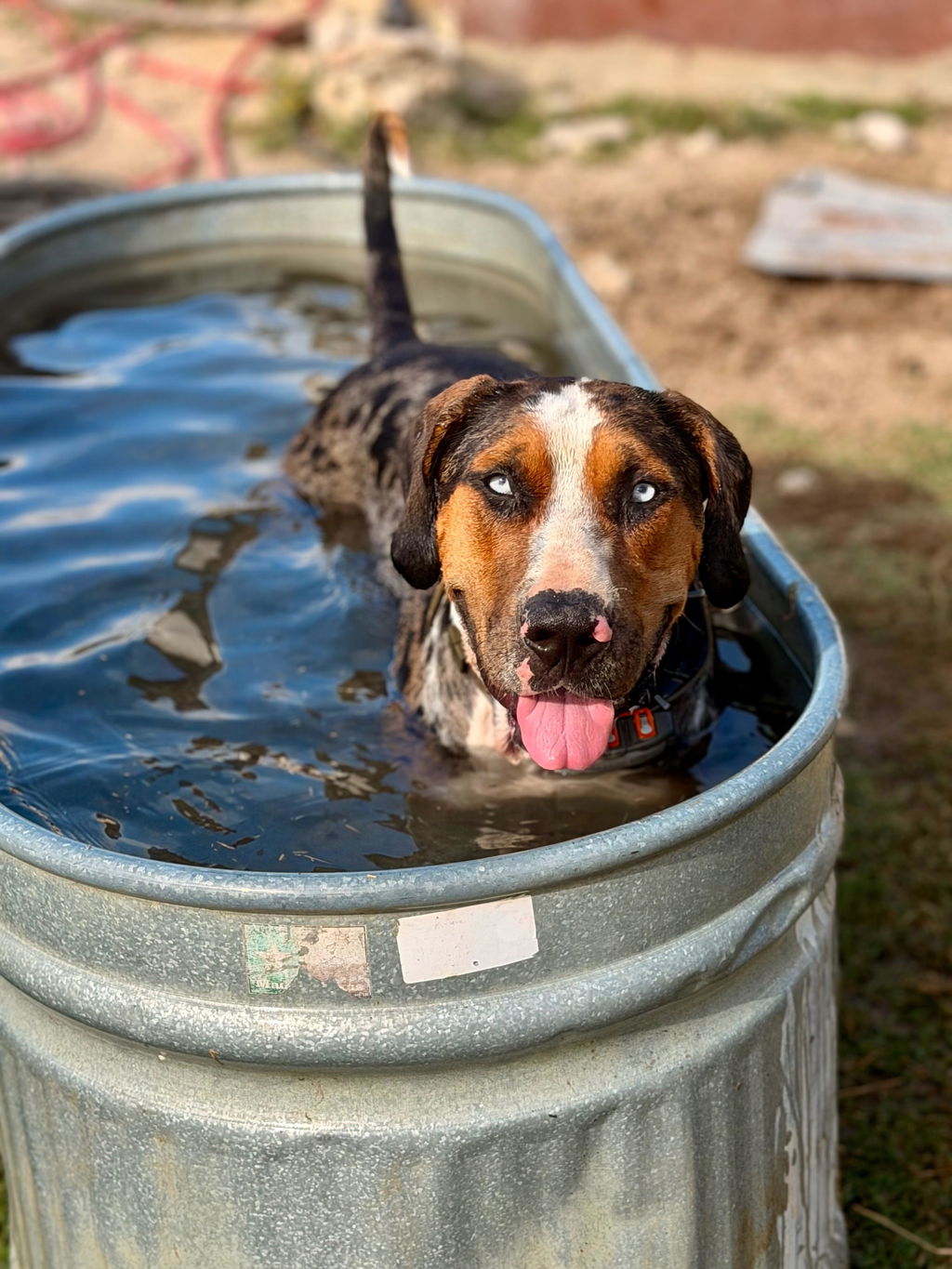
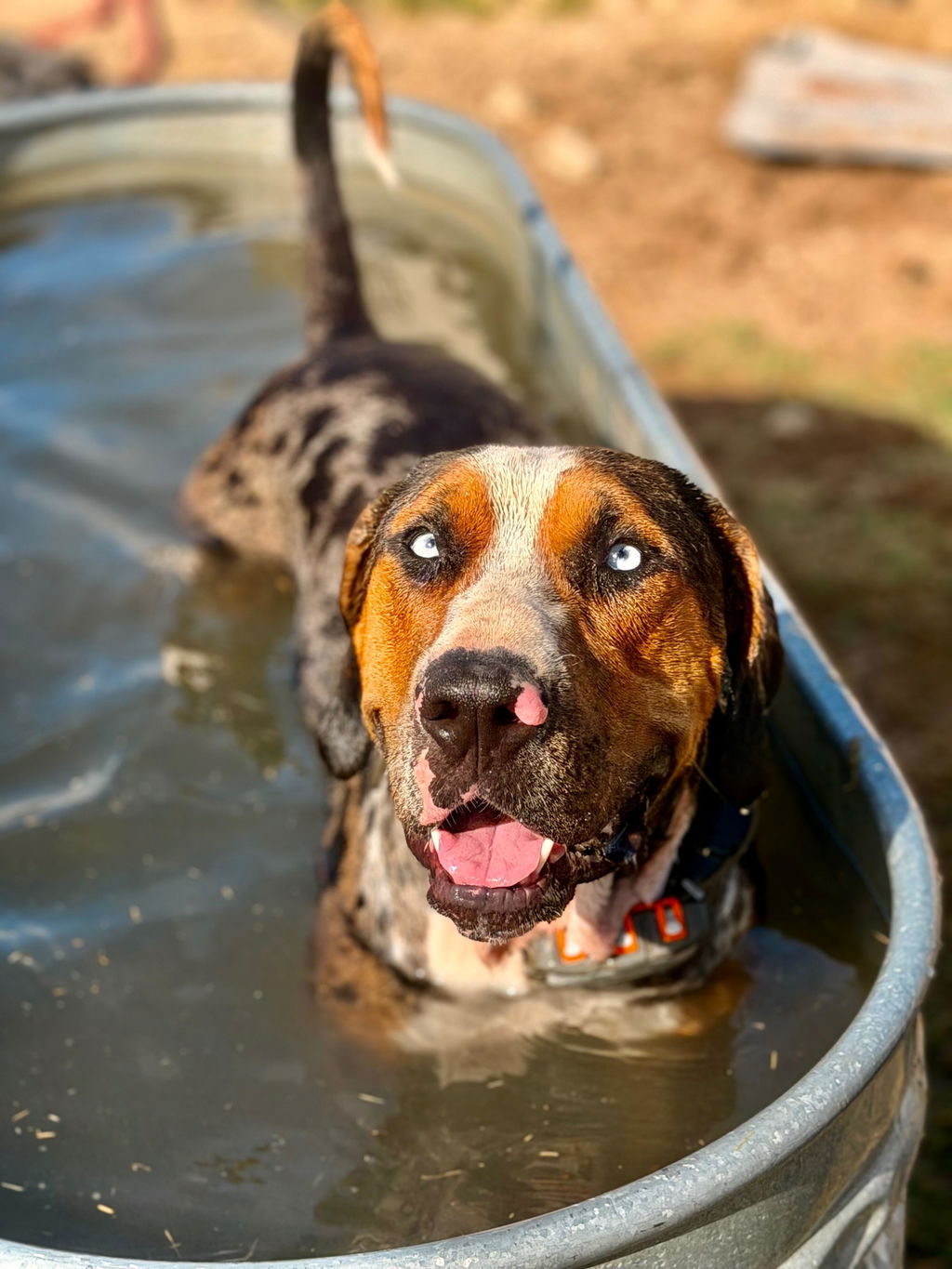
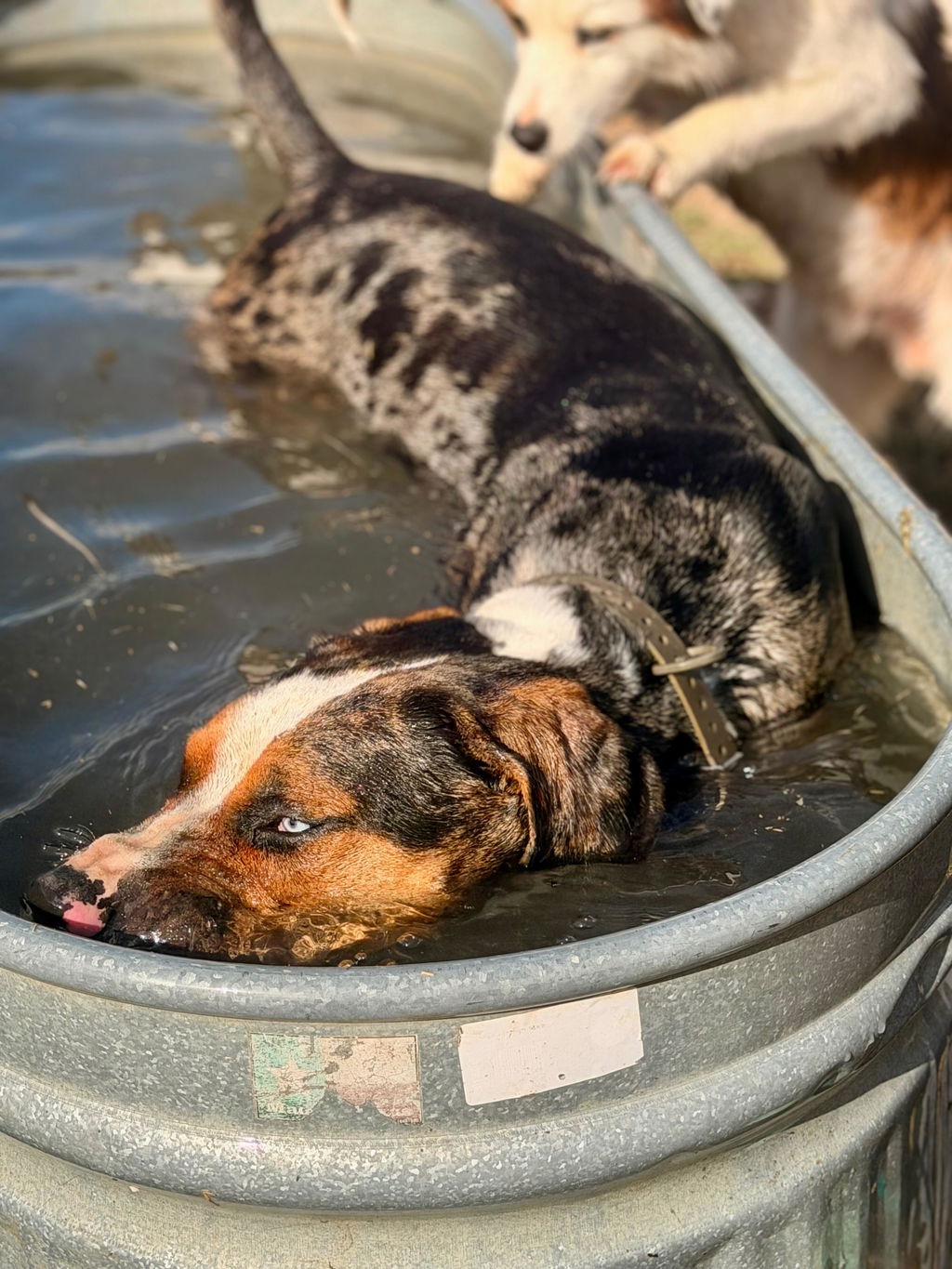
Handler collars often get dirtier than ordinary everyday collars. Wet dogs, muddy ground, blinds, trucks, saltwater, and repeated handling all make cleanup part of the job.
A weatherproof dog collar is usually the better handler choice when the dog works around water or mud. It should rinse clean, dry quickly, and avoid the odor and stretch problems that show up after repeated wet use.
Receiver and GPS Use
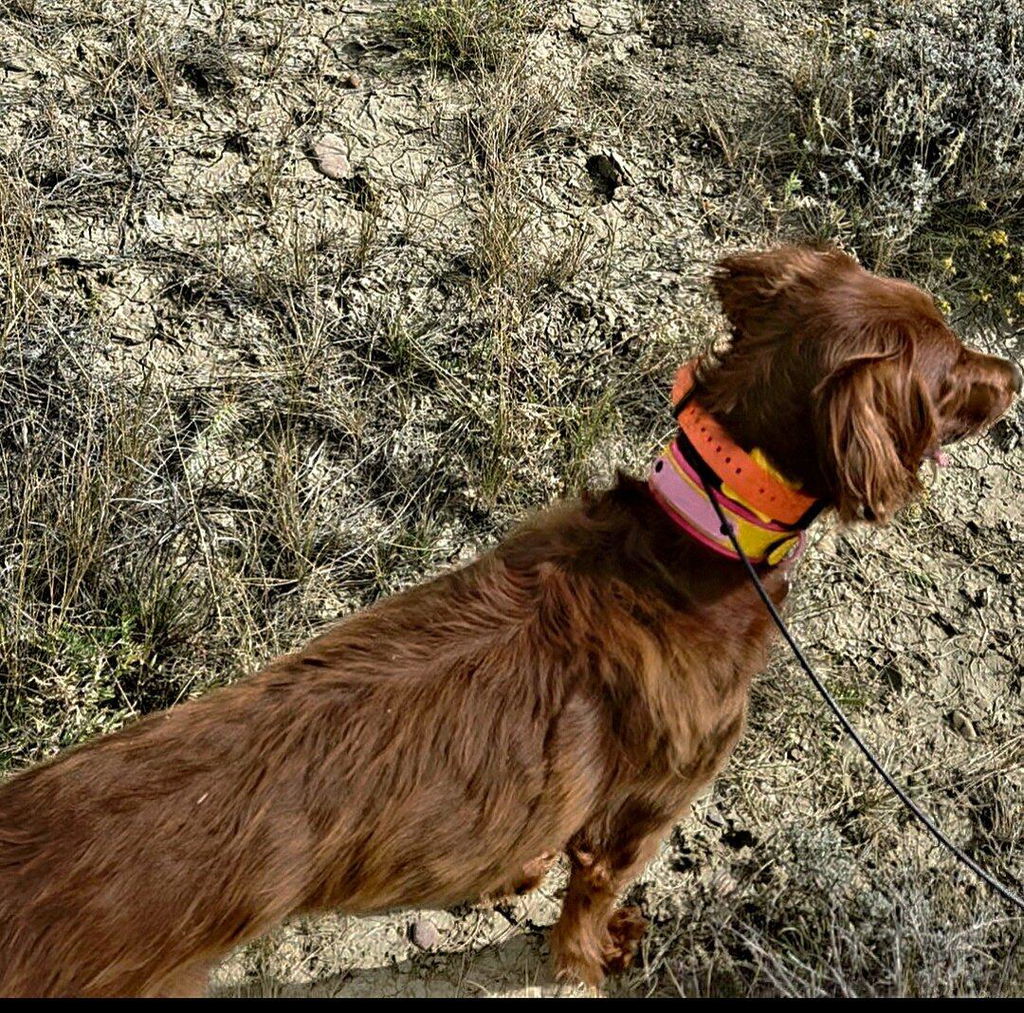
Some handler collars also need to carry a receiver or tracker. For Garmin training systems, the Hoss Training Collar Setup is listed for PT10, PT6, Sport Pro, Pro 550, and Pro 70. The setup includes the Field Collar and Adapter Kit, while the Garmin device is sold separately.
For harder receiver-based use, the Pro Series Training Collar Setup adds marine-grade aluminum hardware, Cerakote finish, saltwater-proof positioning, and reinforced buckle housing. That makes it a stronger fit for handlers who work dogs frequently or in rougher conditions.
How to Fit a Handler Collar

Fit the collar with the dog's actual work in mind. A collar that looks fine while the dog stands still can behave differently when the dog turns, pulls, jumps into a truck, lowers its head, or wears a receiver.
- Set the fit with enough room for comfort but not enough slack to rotate freely.
- Clip the leash and check ring position under light hand tension.
- Move the dog through a short walk, turn, sit, and head-lower check.
- For receiver setups, confirm contact and module position after movement.
- Recheck fit after the first dirty, wet, or high-activity session.
A handler collar should not ask the handler to keep solving the same fit problem. Once the correct point is set, the collar should help the routine run cleaner.
Hoss Proof Signals for Handler Collars
Handler collar content should prove that the collar makes work easier for the person using it. Hoss supports that intent with fast handling, fit repeatability, weatherproof material, and receiver options where needed.
| Proof signal | Handler value | Attribute covered |
|---|---|---|
| Quick-release buckle | Supports fast collaring during truck, kennel, field, and daily transitions | Handling speed |
| Aluminum D-ring adjustment | Helps the handler return to the same fit point | Fit repeatability |
| Weatherproof strap behavior | Reduces cleanup time after mud, water, and outdoor work | Maintenance |
| Garmin-compatible setup path | Lets handlers separate ordinary collar work from receiver-based work | System compatibility |
| 4.6/5 review footprint and 1-year warranty | Adds trust signals before a handler commits to daily use | Source trust |
Related Collar Guides
Handler collars connect to several nearby Pet/K9 decisions: training fit, Garmin compatibility, K9 work, tough materials, duty-grade claims, and real-dog conditions.
- Training Collars for Pros for pro-level fit, contact, and field-ready control.
- Garmin Replacement Straps for Collars for receiver compatibility and adapter fit.
- K9 Training Collars for working-dog hardware and field-use decisions.
- Tough Collars for durability, hardware, and weatherproof material checks.
- Military Grade Training Collars for duty-grade collar attributes and honest claims.
- Collars for Real Dogs for mud, water, daily wear, and practical collar selection.
FAQ
What is a handler collar?
A handler collar is a collar chosen for control, transitions, fit consistency, and daily handling. It helps the person managing the dog clip in, adjust, reset, and move efficiently.
What features matter most in a handler collar?
Fast on/off use, repeatable fit, dependable hardware, a secure leash point, weatherproof material, and easy cleanup matter most.
Can a handler collar carry a Garmin receiver?
Yes, if the collar setup is compatible with the Garmin receiver model. Hoss lists PT10, PT6, Sport Pro, Pro 550, and Pro 70 compatibility for its Training Collar Setup and Pro Series Training Collar Setup.
Which Hoss collar should most handlers start with?
Most handlers should start with the Field Collar, K9 Dog Collars, or Training Collar Setup depending on whether the dog needs daily handling, hard-use K9 performance, or Garmin receiver compatibility.