


Tough Collars: How to Choose a Dog Collar That Actually Holds Up
Tough collars are collars that stay secure, clean up fast, resist weather, and keep their fit after repeated real use. The best tough dog collar is not just thick or heavy; it has the right strap material, buckle, D-ring, fit system, and use-case match for the dog wearing it.

Table of Contents
- What Tough Really Means
- The Five Tough Collar Attributes
- Tough Collar Comparison Table
- Material Behavior Matters
- Hardware Is the Stress Point
- Matching Toughness to the Dog
- Maintenance Checklist
- Hoss Proof Signals for Tough Collars
- Related Collar Guides
- FAQ
What Tough Really Means
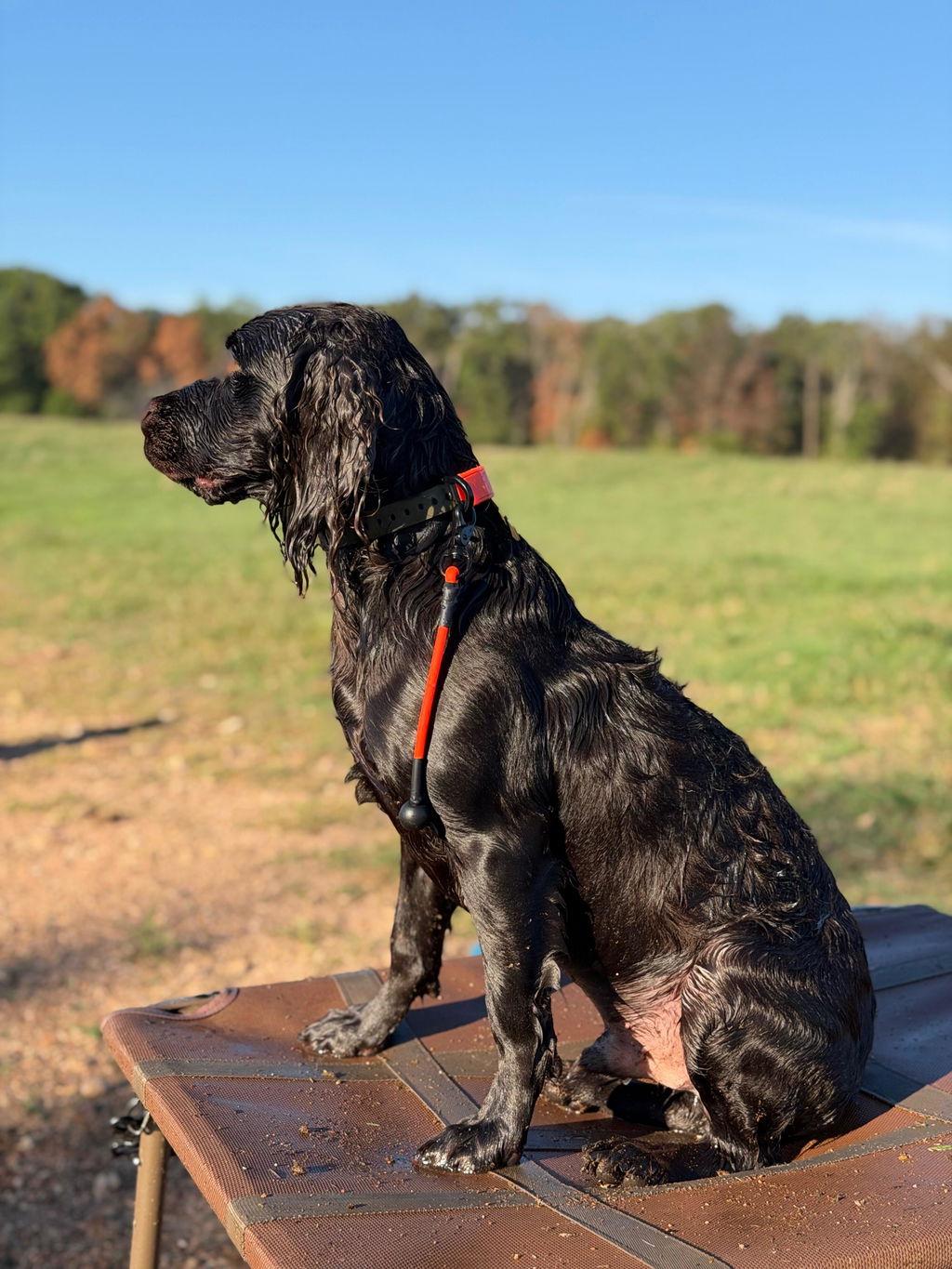
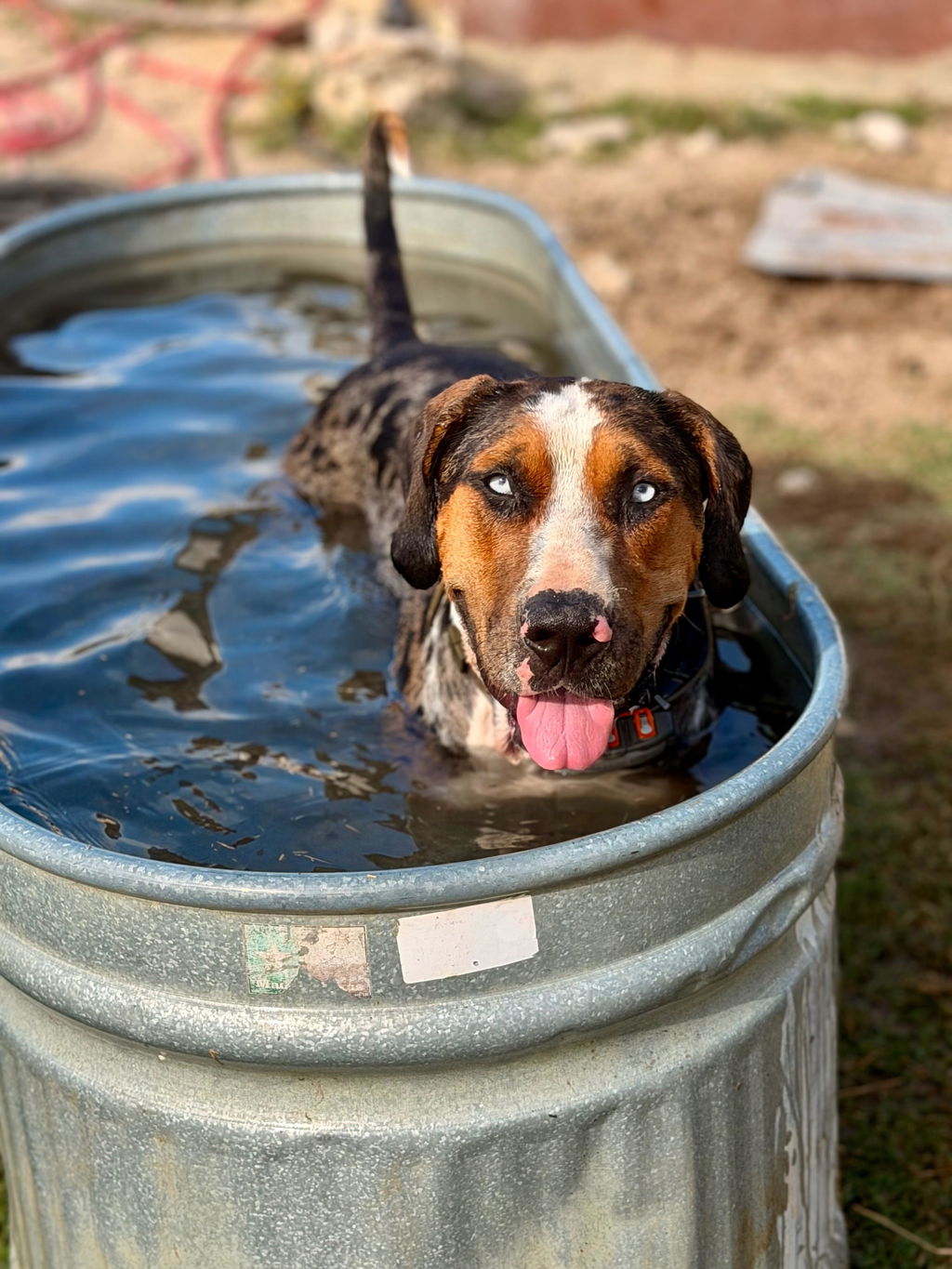
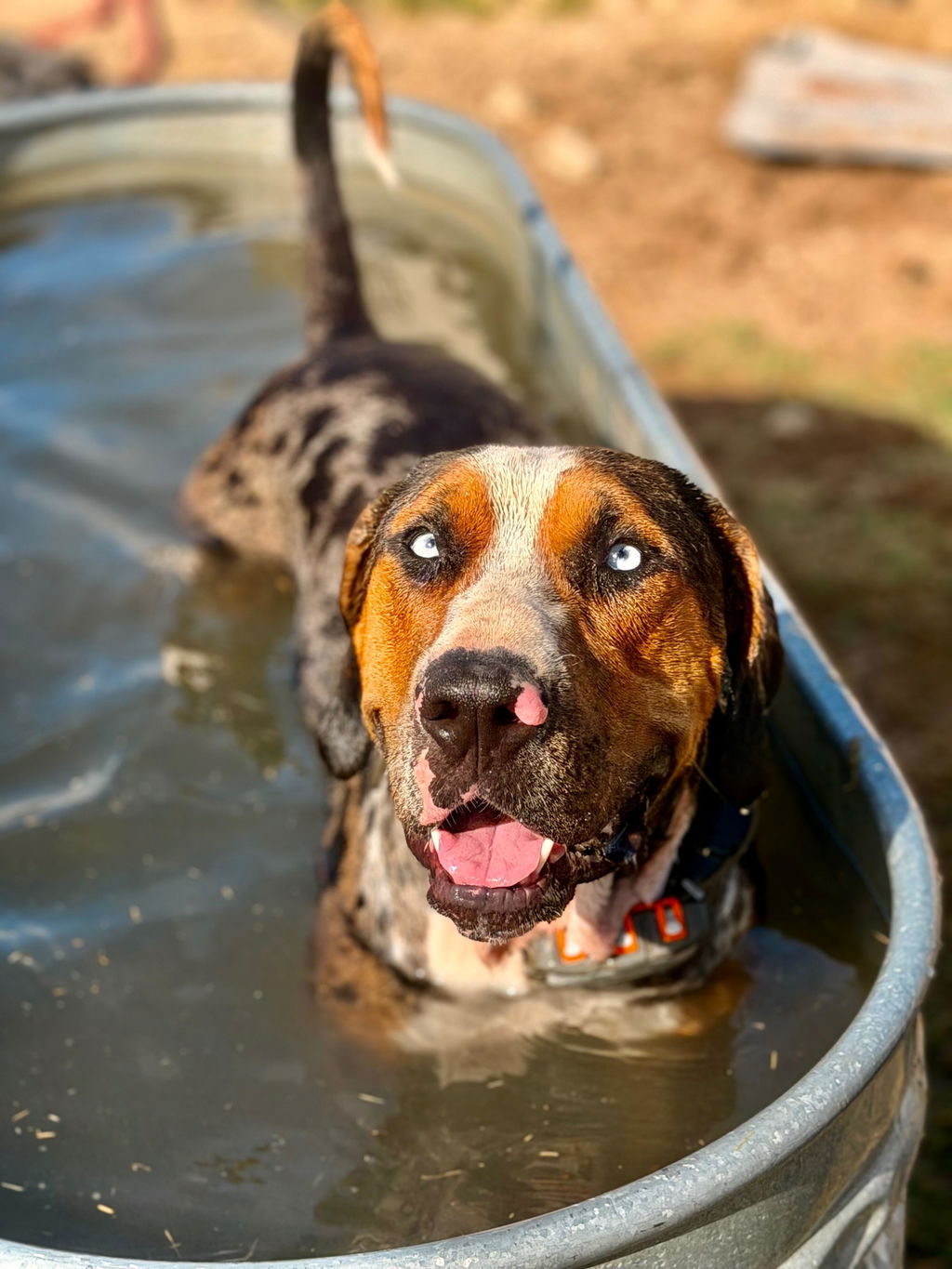
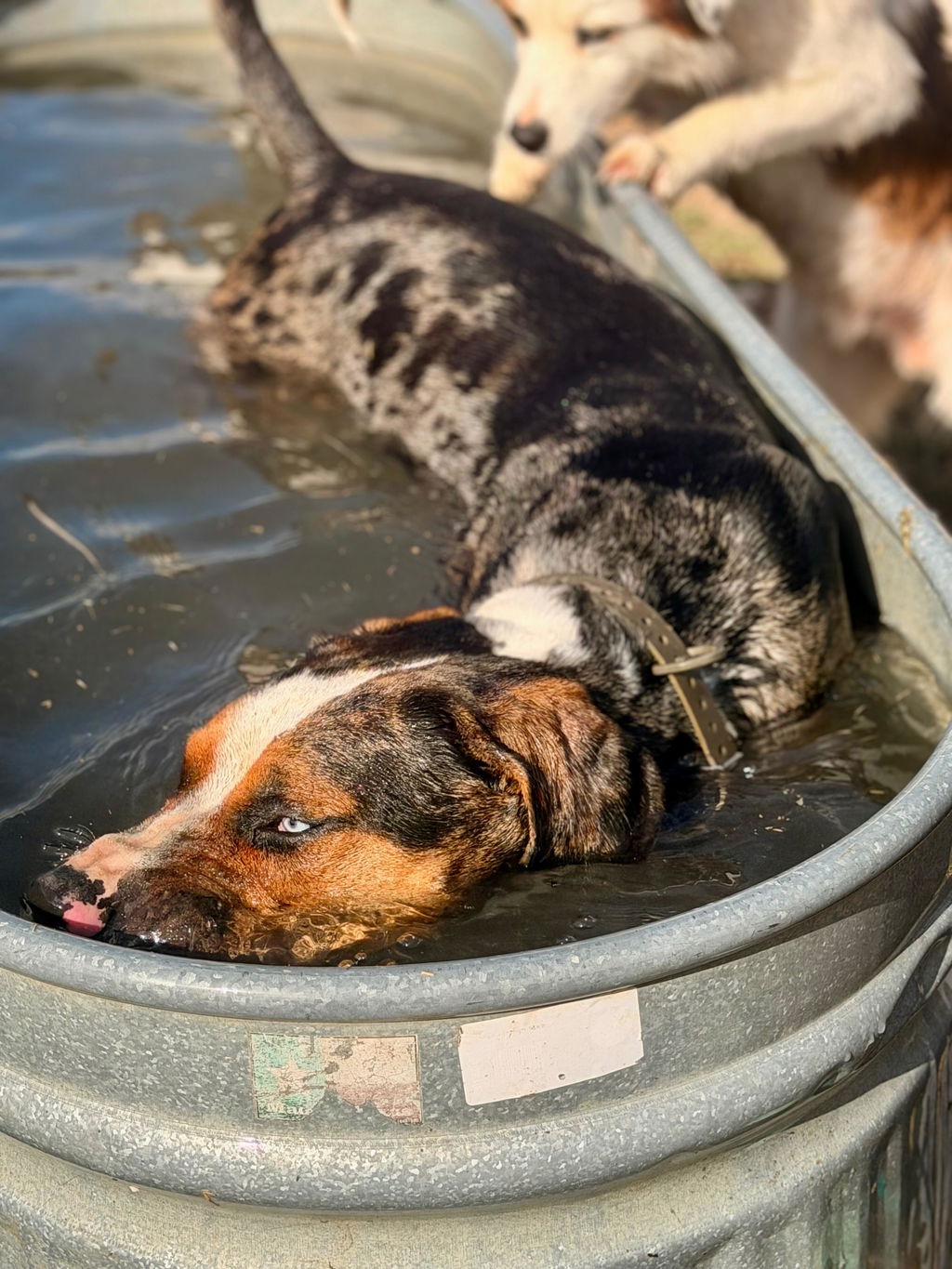
A tough collar should survive the dog's actual routine. For one dog, that means daily walks and backyard play. For another, it means field training, water retrieves, truck rides, mud, brush, saltwater, and repeated leash pressure.
True toughness is not just resistance to breaking. It is repeatable performance. The collar should hold its fit, avoid stretch, resist odor, keep hardware secure, and return to service after a rinse.
The Five Tough Collar Attributes
Use these five attributes to judge a tough collar before buying.
- Fit retention: The collar stays where it is set.
- Weatherproof material: The collar resists water, mud, and odor.
- Reliable hardware: The buckle, ring, and adjustment points do not feel like weak links.
- Easy cleaning: The collar can be hosed off and put back into use.
- Use-case match: The collar fits the dog's actual size, strength, and environment.
Tough Collar Comparison Table
This table helps separate ordinary durability from hard-use collar performance.
| Dog or use case | Toughness requirement | Best Hoss starting point |
|---|---|---|
| Everyday active dog | Fast on/off, comfortable fit, easy cleaning | Dog Collars |
| Wet or muddy dog | Weatherproof material and odor resistance | Weatherproof Dog Collars |
| Hunting or field dog | Stable D-ring fit and outdoor durability | Field Collar |
| Working or high-drive K9 | Hard-use collar for active field routines | K9 Dog Collars |
| Garmin receiver dog | Compatible receiver mounting and contact stability | Training Collar Setup |
Material Behavior Matters
Many collars feel tough when they are dry and new. The better test is what happens after water, mud, heat, cold, cleaning, and repeated wear. Material that stretches, absorbs odor, or stays wet can make a collar harder to live with even if it does not break.
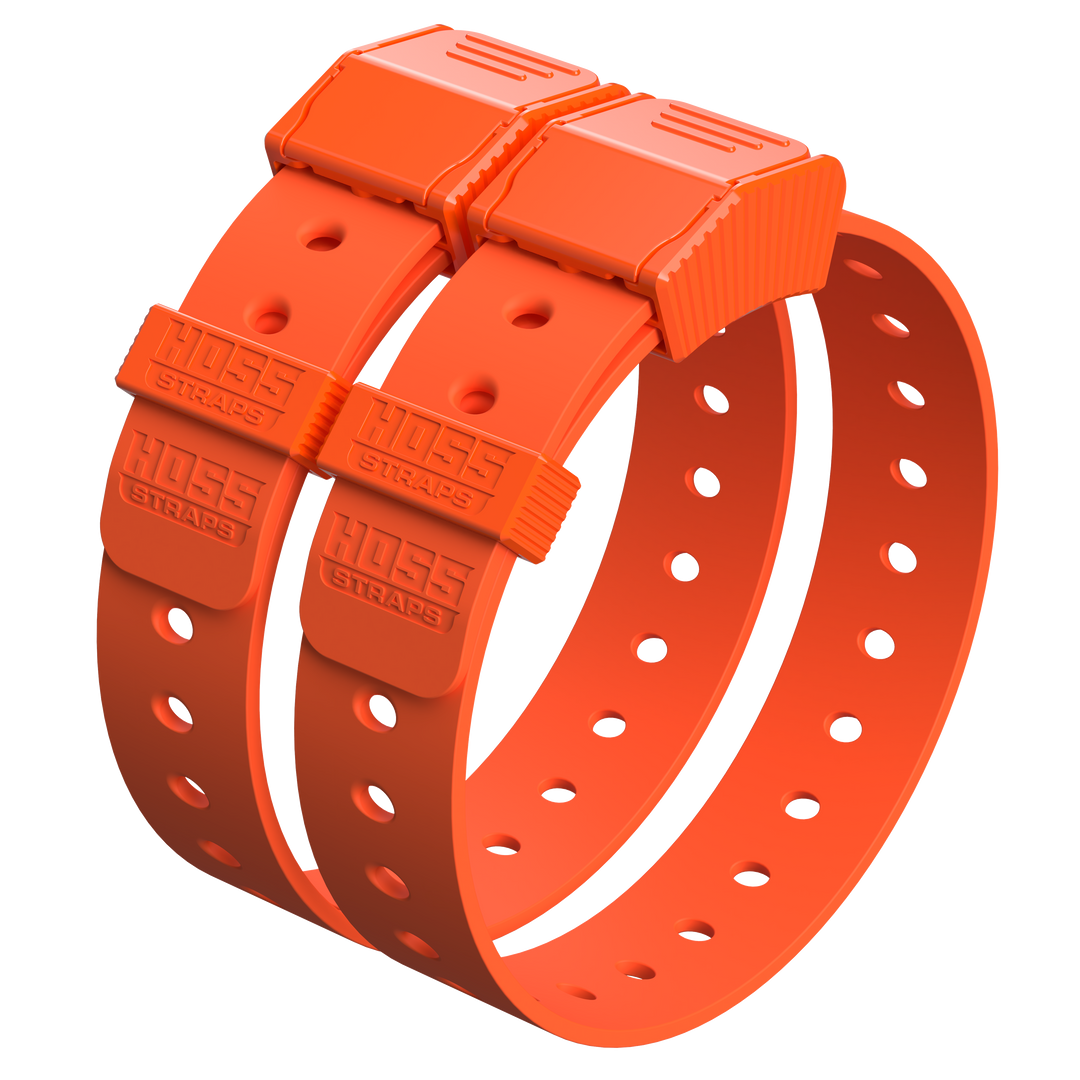
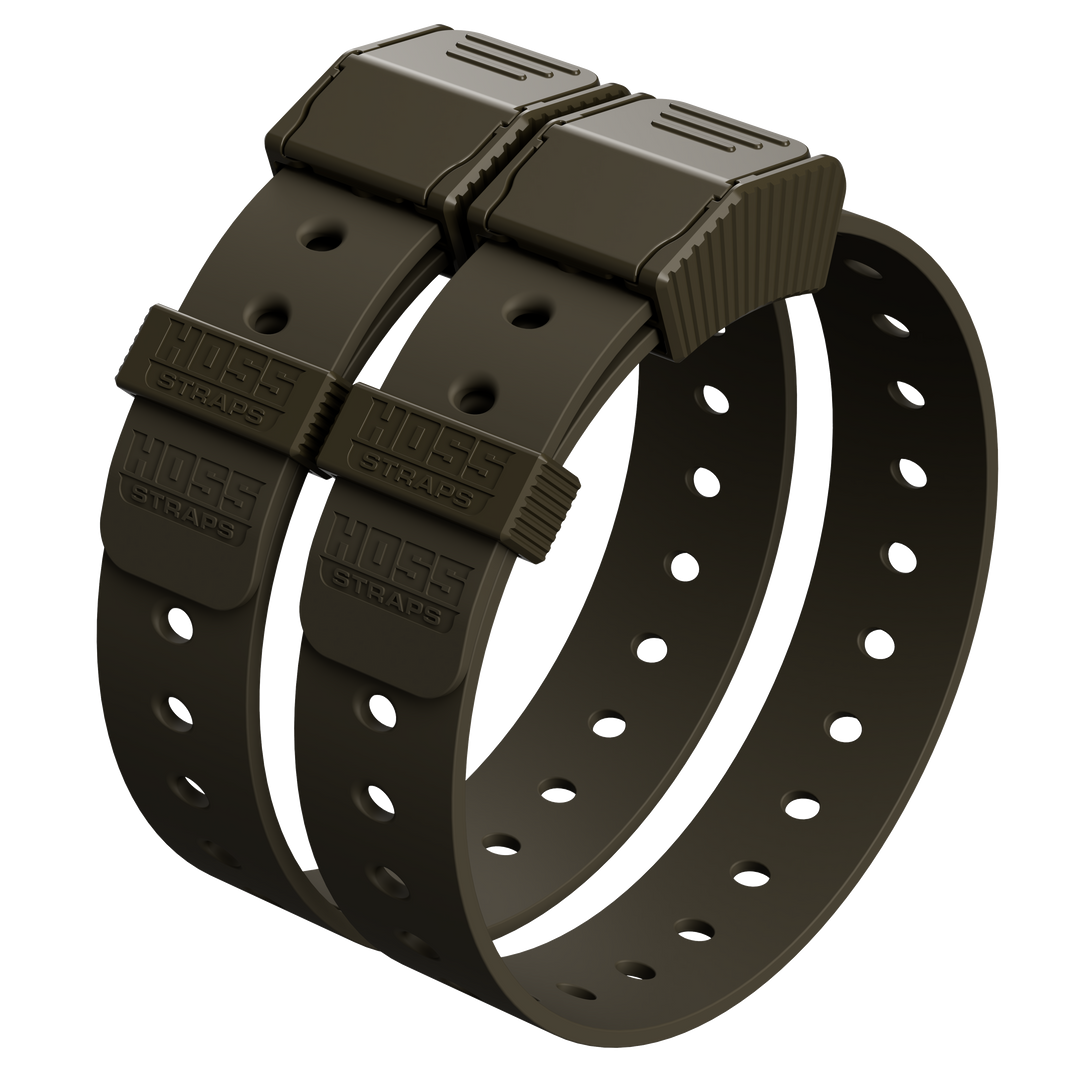
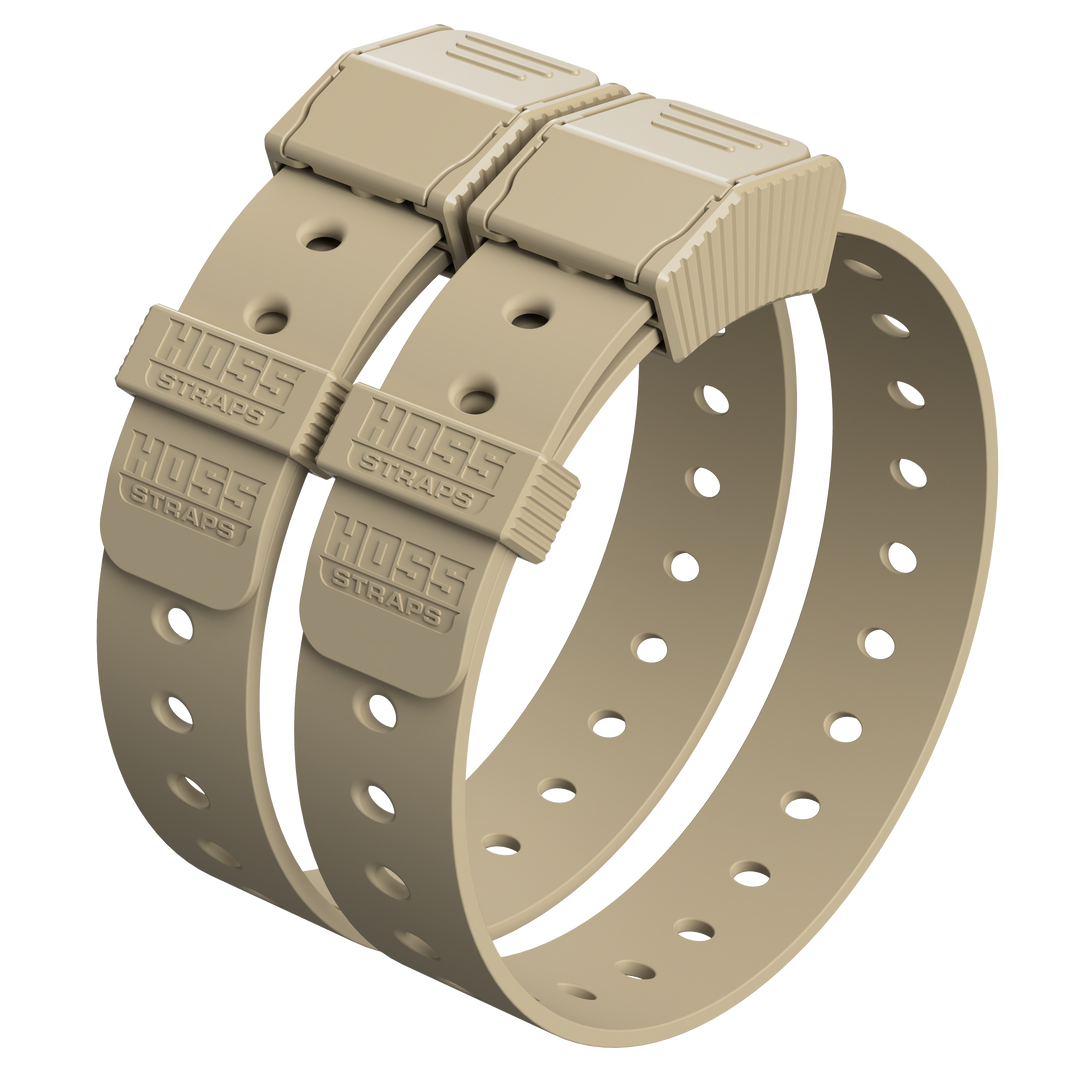
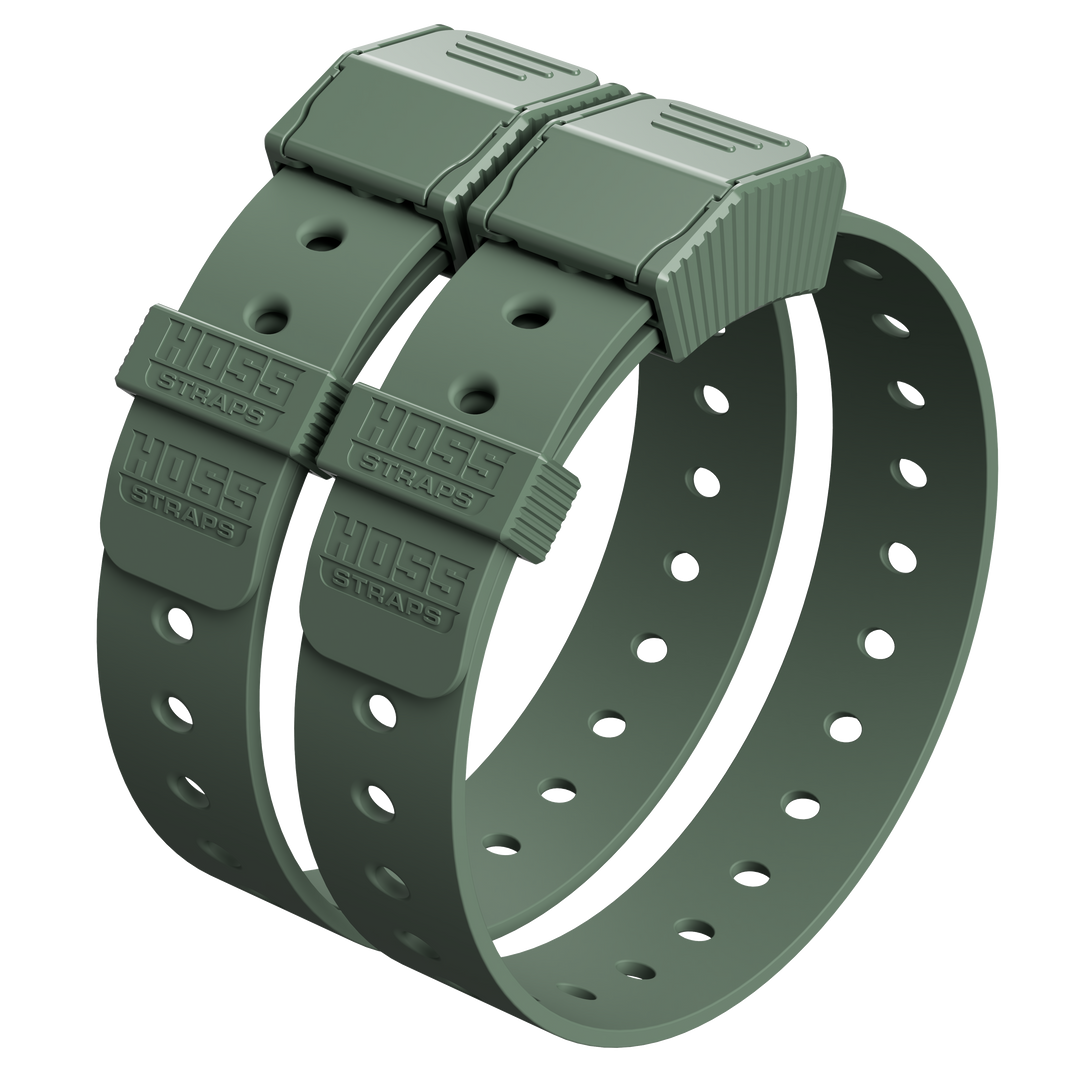
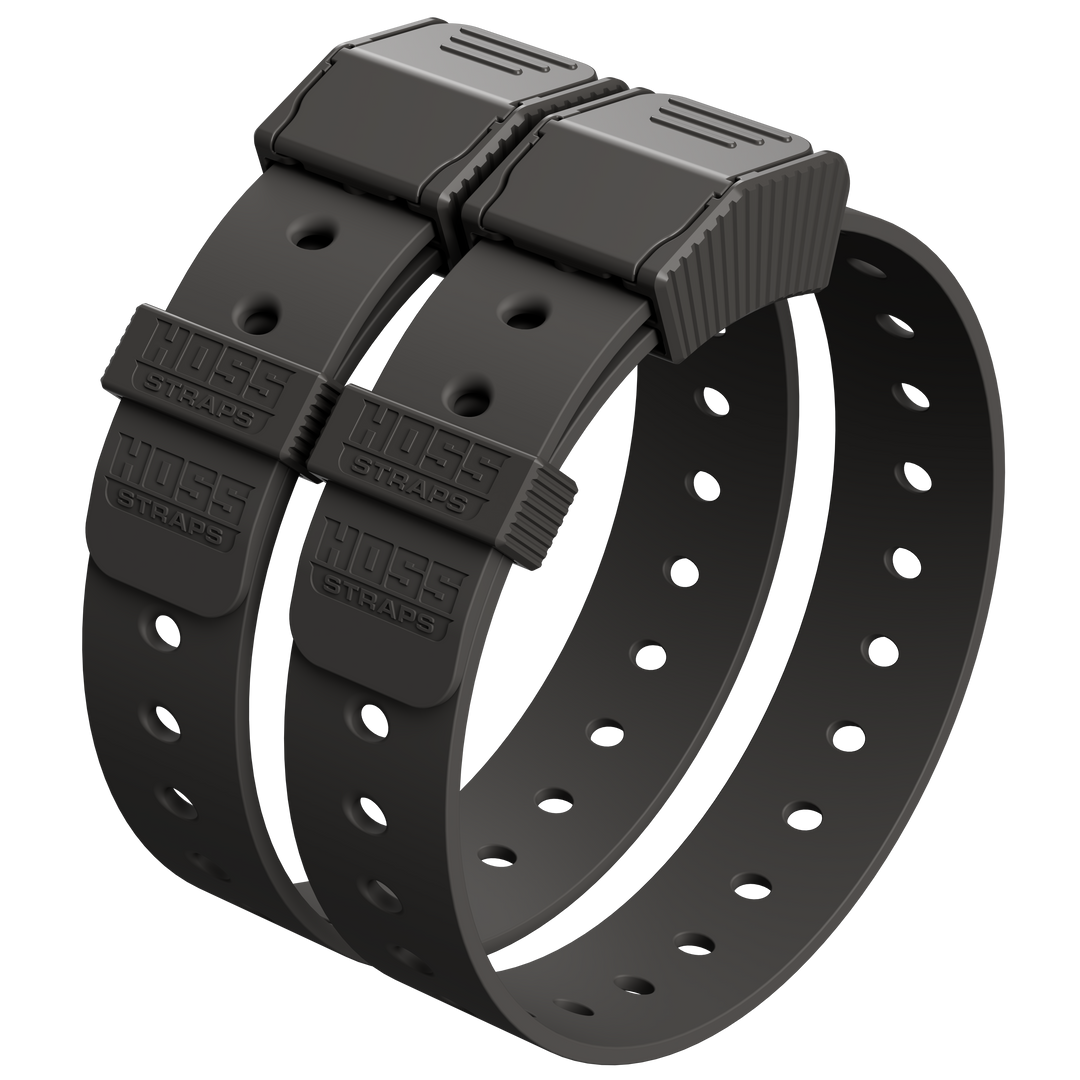
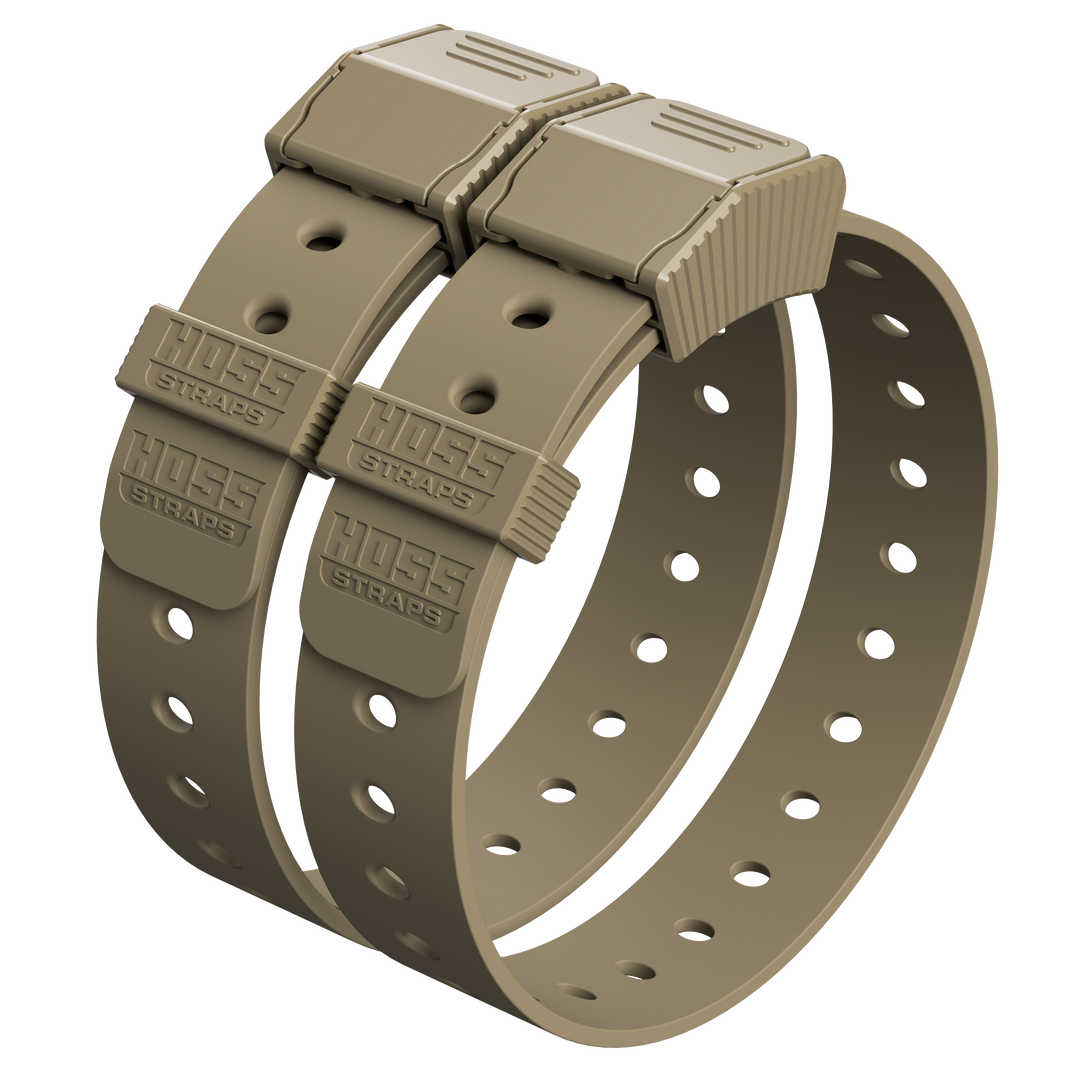
Hoss collars are built around weatherproof positioning, no slip, no stretch, and easy cleanup. That makes them a stronger match for dogs that swim, train outside, ride in trucks, roll in mud, or work around saltwater.
Hardware Is the Stress Point
Hardware often decides whether a tough collar stays useful. Check the buckle, D-ring, adapter points, and leash connection. The hardware should not pinch, bind, bend, corrode quickly, or move in a way that makes the handler second-guess the collar.
For buyers who need the strongest Hoss training setup, the Pro Series Training Collar Setup adds marine-grade aluminum hardware, Cerakote finish, saltwater-proof positioning, and reinforced buckle housing. For buyers who do not need a receiver, the Field Collar and K9 Dog Collars keep the focus on daily hard-use handling.
Matching Toughness to the Dog
Some dogs need a serious field collar. Some dogs only need a better everyday collar. Buying the heaviest-looking option is not always the best choice, especially if it adds bulk the dog does not need.
Match the collar to the dog's real routine:
- Choose weatherproof collars for water, mud, and odor control.
- Choose K9 collars for active dogs that need hard-use performance.
- Choose a training collar setup only when a compatible Garmin receiver is part of the system.
- Choose Pro Series when daily professional use or harsh conditions justify the stronger hardware package.
Maintenance Checklist

A tough collar still performs better with a simple maintenance routine.
- Rinse mud, grit, or salt after dirty sessions.
- Check the D-ring and buckle for movement or rough edges.
- Confirm the fit has not changed after hard use.
- Inspect receiver adapters before remote-collar work.
- Replace any collar that shows cracking, damage, or hardware you no longer trust.
Toughness is not a slogan. It is the collar still doing its job after the dog has done theirs.
Hoss Proof Signals for Tough Collars
Tough collar content should define toughness through measurable attributes. Hoss supports this topic with field-ready material behavior, fit retention, hardware, cleanup, warranty, and review signals.
| Proof signal | Why it matters | Toughness attribute |
|---|---|---|
| No slip, no stretch positioning | Targets the fit drift that makes collars feel unreliable | Fit retention |
| 100% weatherproof material | Supports water, mud, rinse-off cleanup, and odor control | Material durability |
| Aluminum D-ring and quick-release handling | Connects hardware to daily use, not just appearance | Hardware reliability |
| Fit up to 22-inch neck size on collar products | Clarifies the practical fit range for larger active dogs | Fit compatibility |
| 1-year warranty and 4.6/5 review footprint | Adds trust beyond "tough" marketing language | Source trust |
Related Collar Guides
Tough collars are part of a broader Hoss Pet/K9 cluster. These related guides help buyers decide whether toughness should mean pro training, Garmin compatibility, K9 field work, handler control, duty-grade hardware, or real-dog practicality.
- Training Collars for Pros for pro-level fit, contact, and field-ready control.
- Garmin Replacement Straps for Collars for receiver compatibility and adapter fit.
- K9 Training Collars for working-dog hardware and field-use decisions.
- Handler Collars for leash control, transitions, and daily handling.
- Military Grade Training Collars for duty-grade collar attributes and honest claims.
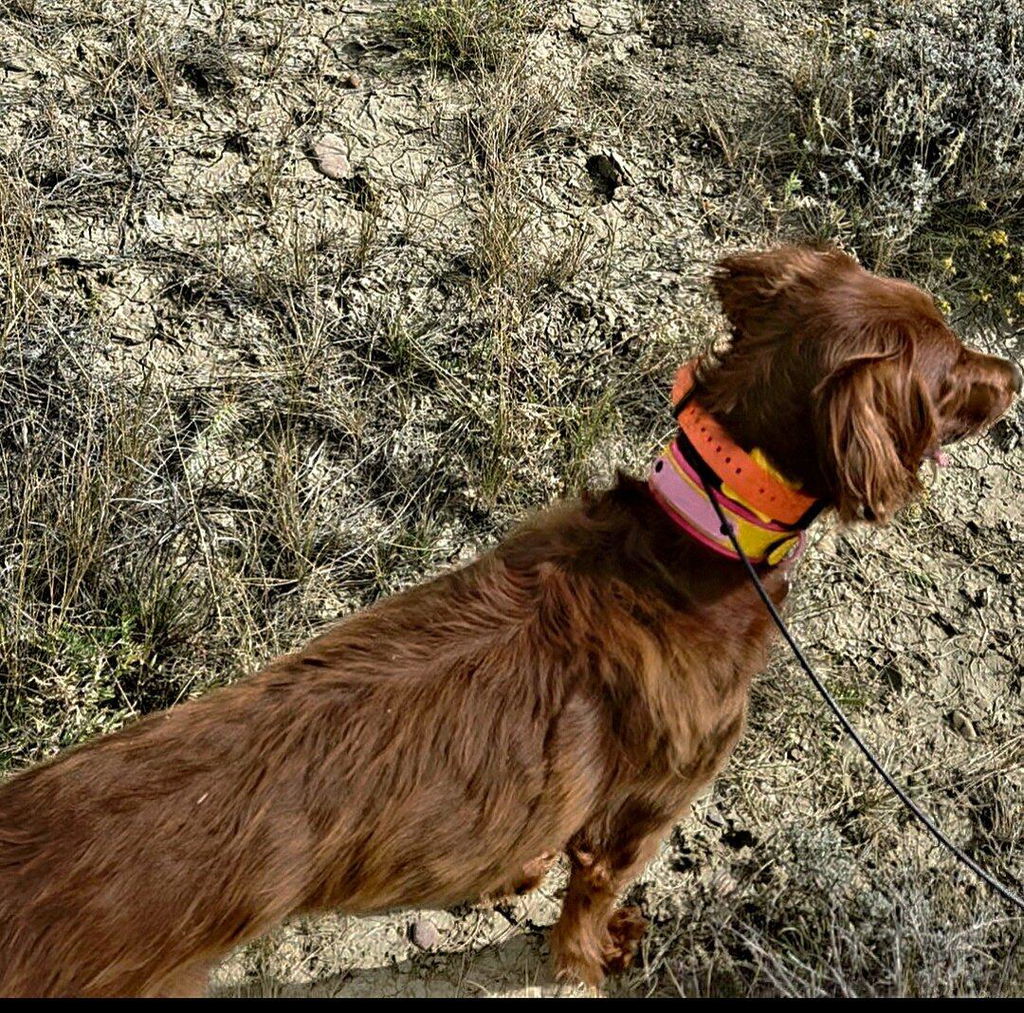
- Collars for Real Dogs for mud, water, daily wear, and practical collar selection.
FAQ
What makes a dog collar tough?
A tough dog collar holds its fit, uses dependable hardware, resists weather, cleans easily, and matches the dog's real routine. Thickness alone does not make a collar tough.
Are weatherproof collars tougher than nylon collars?
Weatherproof collars are often better for wet, muddy, or high-cleanup routines because they do not absorb water and odor the same way many fabric collars can. The right choice depends on the dog and use case.
Which Hoss collar is best for tough daily use?
K9 Dog Collars, Field Collar, and Weatherproof Dog Collars are the main Hoss paths for tough daily use. Garmin users should look at the Training Collar Setup or Pro Series Training Collar Setup.
Does a tough collar need a receiver setup?
No. A tough collar only needs a receiver setup if the dog uses a compatible training or tracking receiver. Otherwise, fit, hardware, and weatherproof performance matter more.