


Calming Collars for Dogs: When They May Help and What to Know First

Table of Contents
- What a Calming Collar Is Supposed to Do
- When a Calming Collar May Help
- When a Calming Collar Is Probably Not Enough
- Common Signs of Anxiety in Dogs
- How Calming Collars Work
- What the Research Really Suggests
- The Most Important Buying Question: Is Your Dog a Good Candidate?
- Fit and Comfort Matter More Than People Think
- Material and Daily Wear Still Matter
- Calming Collars vs. Other Anxiety Support Options
- What to Check Before You Buy
- How to Use a Calming Collar More Effectively
- When to Call Your Vet First
- Where Hoss Fits More Naturally
- Final Take
-
FAQ
Watching an anxious dog pace, tremble, pant, or hide during stressful events can be hard on everyone in the house. It is completely normal to look for something simple that might help.
That is usually why dog owners start searching for calming collars. They want to know whether a collar can actually make a stressed dog feel better, or whether it is just another pet product making big promises.
The most honest answer is this: calming collars may help some dogs, especially with mild or situational stress, but they are not a cure-all. They work best when owners use them as one part of a broader plan that can also include training, routine changes, management, and veterinary guidance when needed.
That is the frame this article should keep all the way through.
What a Calming Collar Is Supposed to Do
A calming collar is usually designed to release ingredients intended to support relaxation. The two main categories are:
- Pheromone-based collars
- Herbal or scent-based collars
Pheromone collars are usually built around dog-appeasing pheromones, while herbal versions may use ingredients such as lavender, chamomile, or valerian.
The goal is not to sedate the dog. The goal is to create a calmer baseline during stressful situations.
That is an important distinction, because owners often expect too much from the product before they understand its role.
When a Calming Collar May Help
Calming collars are usually most worth trying when the dog has mild to moderate anxiety in specific situations rather than severe, constant distress.
Examples include:
- Fireworks
- Thunderstorms
- Travel
- Vet visits
- New environments
- Short-term changes in routine
This is where calming collars tend to fit best: situational stress, not deep behavioral or medical problems.
If a dog is generally functional, eats normally, recovers after the trigger passes, and mainly struggles during specific events, a calming collar may be reasonable to test as part of a larger support plan.
When a Calming Collar Is Probably Not Enough
A calming collar is less likely to be enough if your dog is showing:
- Severe separation distress
- Self-injury
- Aggression tied to fear or panic
- Complete refusal to eat during stress
- Extreme destruction
- Inability to settle even after the trigger ends
Those situations call for more than a collar. They may need a behavior plan, veterinary support, or both.
That does not mean a collar has no place. It just means the collar should not be treated as the main intervention.
Common Signs of Anxiety in Dogs
Before buying anything, it helps to identify what you are actually seeing.
Common signs of anxiety can include:
- Pacing
- Trembling
- Panting when the dog is not hot
- Hiding
- Whining or barking excessively
- Clinginess
- Restlessness
- Destructive behavior during stressful events
- Loss of appetite
The harder part is not spotting the behavior. The harder part is judging how intense it is and whether the dog bounces back once the event passes.
That is the difference between "might benefit from a calming aid" and "needs a more complete intervention plan."
How Calming Collars Work
Different products work differently, but the basic idea is simple: the collar releases compounds near the dog over time.
Pheromone-based collars
These are usually modeled on dog-appeasing pheromones. The idea is that the dog detects those signals and may respond with calmer behavior in some situations.
This is the category with the strongest general research support, although results still vary by dog and situation.
Herbal or scent-based collars
These rely on ingredients associated with relaxation, often through scent exposure. Some owners prefer them because they feel more natural or gentler, but the evidence is usually less consistent than with pheromone products.
That does not make them useless. It just means expectations should stay realistic.
What the Research Really Suggests
The best summary is not "calming collars work" or "they do not work." It is:
- some dogs appear to benefit
- some situations are more responsive than others
- results are usually modest, not dramatic
- collars are more useful for mild situational stress than for severe anxiety disorders
That is a better standard for pet owners. It helps them evaluate the product honestly instead of buying it as a cure.
The Most Important Buying Question: Is Your Dog a Good Candidate?
Before comparing products, ask a simpler question first.
A good candidate
A calming collar may be worth trying if your dog:
- gets nervous during specific events
- is still able to eat, rest, and recover afterward
- does not escalate into dangerous panic
- generally tolerates collars well
A poor candidate
A calming collar should not be your main plan if your dog:
- panics frequently
- injures themselves
- cannot function normally during stress
- shows intense fear every day
- has major behavior issues that go beyond brief situational anxiety
That decision point matters more than brand comparisons.
Fit and Comfort Matter More Than People Think
Even though this is not a traditional training-collar article, fit still matters.
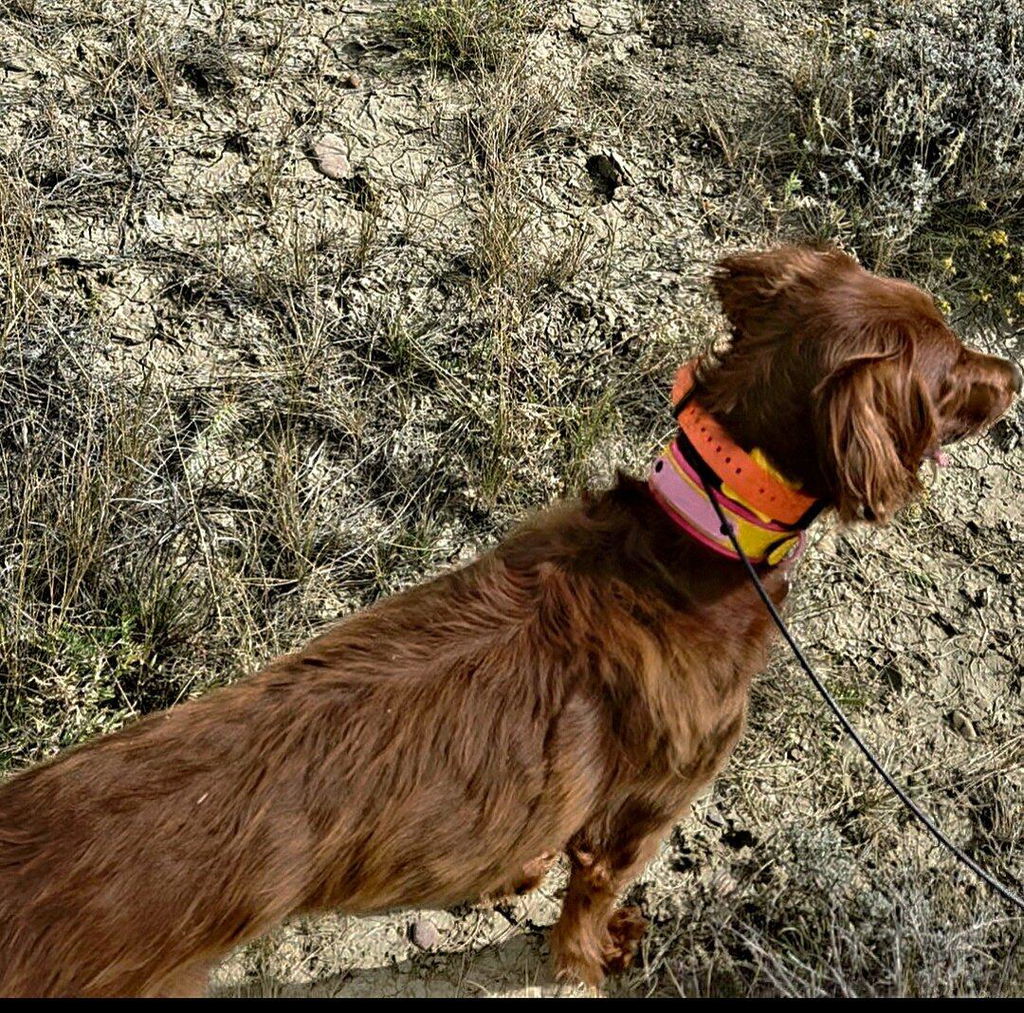
If a dog already dislikes wearing collars, a poorly fitted calming collar can add discomfort to an already stressful experience. That works against the whole goal.
A good calming collar should:
- fit securely without being tight
- stay in place without twisting excessively
- avoid rubbing or skin irritation
- be easy for the owner to manage
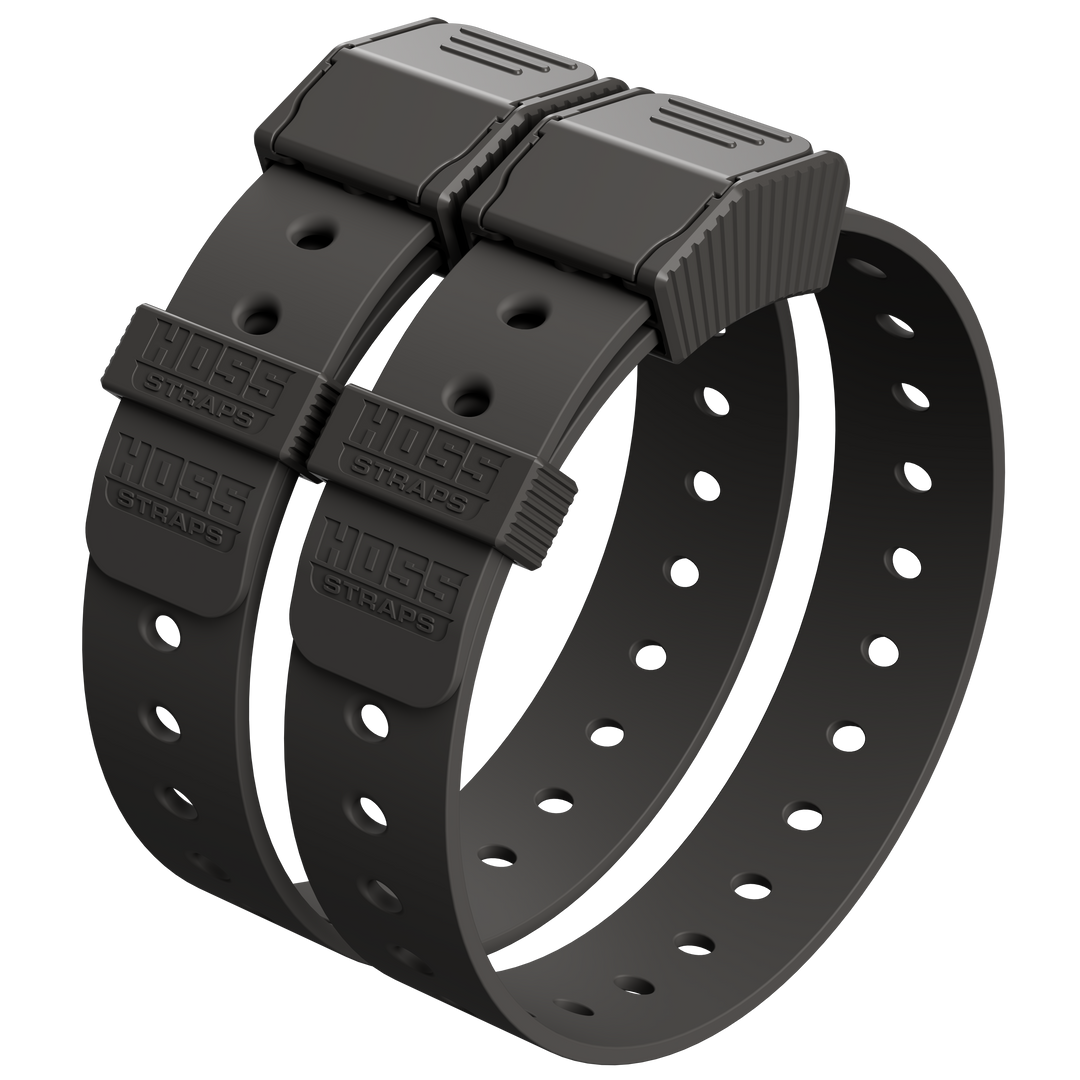
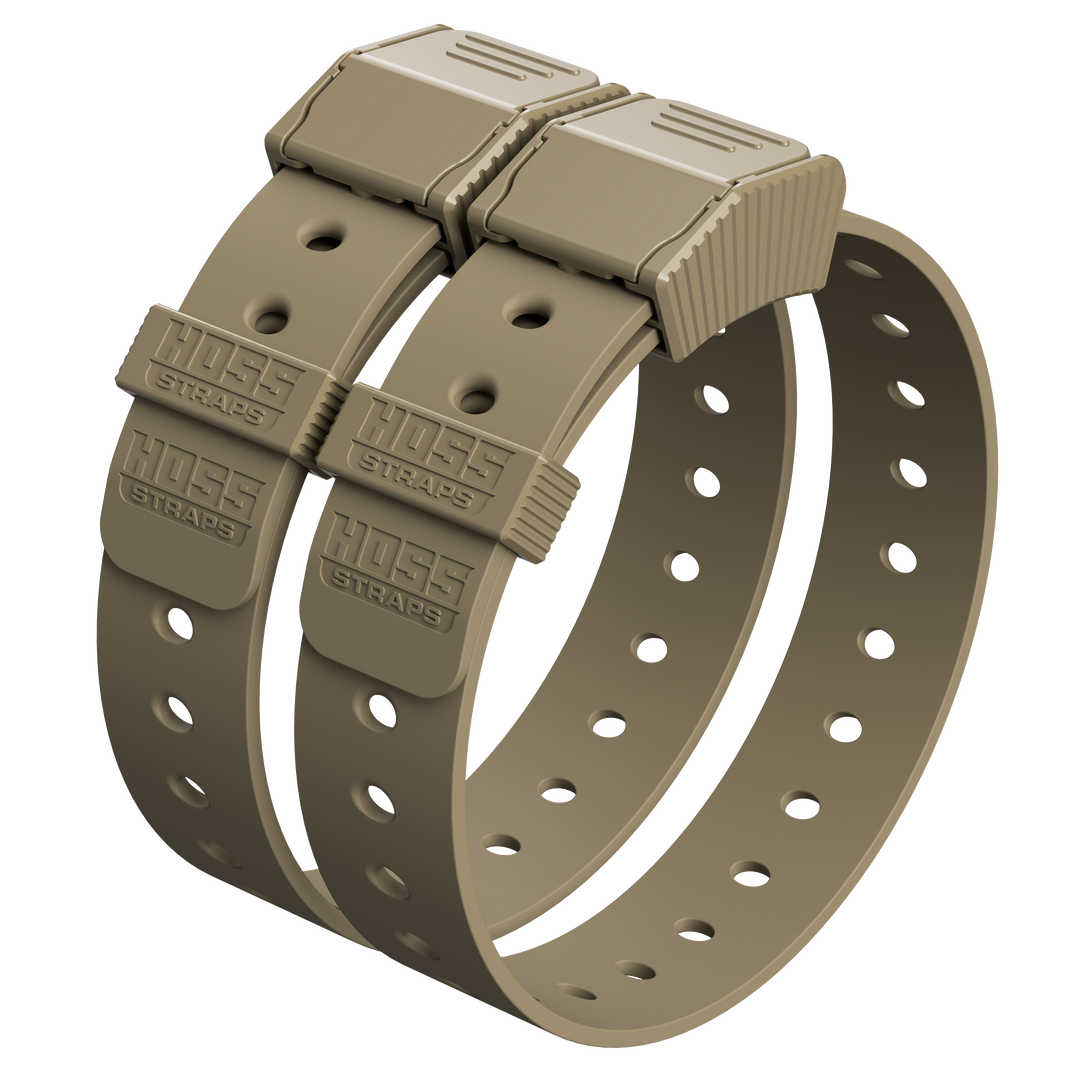
This is one of the places where Hoss can speak more naturally. Even if the article is about calming collars generally, the brand already has real credibility around fit, comfort, and practical collar handling. That makes products like the D-Ring Dog Collar or the broader dog collars collection relevant when comfort and daily wearability matter.
Material and Daily Wear Still Matter
Owners dealing with anxious dogs are often also dealing with messy daily life.
A collar that gets dirty fast, stays wet, smells bad, or irritates the skin is less likely to stay in rotation. That matters because a product only has a chance to help if the dog can wear it comfortably and the owner can use it consistently.
This is where Hoss can make a stronger bridge to everyday collar quality:
- easy-clean material
- dependable fit
- comfortable daily wear
- secure hardware
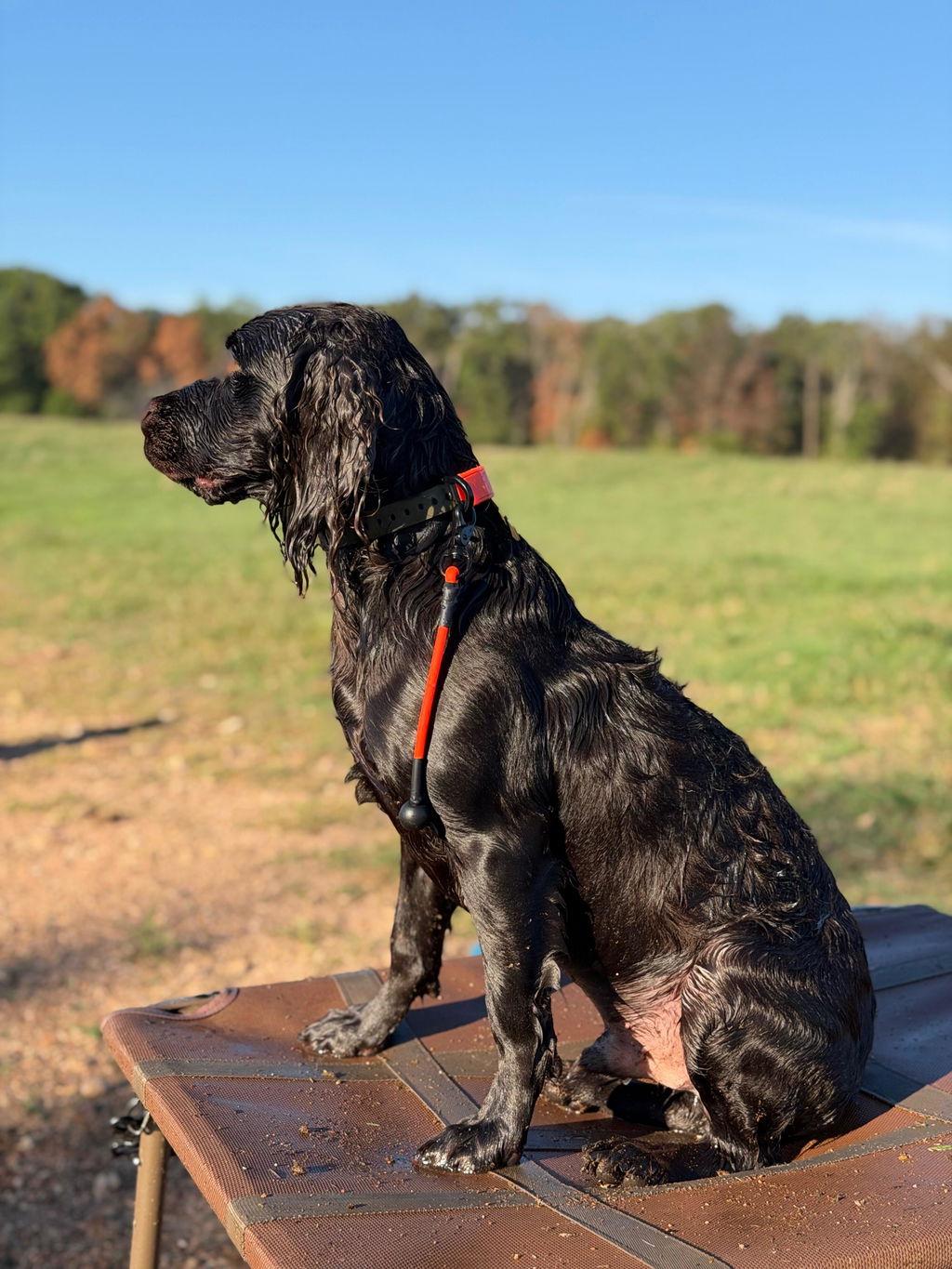
That is a more believable angle than forcing the article into a hard product sell too early. For owners who care most about cleanup and outdoor durability, a weatherproof dog collar setup is a natural fit here.
Calming Collars vs. Other Anxiety Support Options
Calming collars make the most sense when you understand where they fit relative to other tools.
| Option | Best for | Main upside | Main limitation |
|---|---|---|---|
| Calming collar | Mild situational stress | Easy to try, non-invasive | Often modest results |
| Behavior training | Broad anxiety support | Helps address patterns and coping | Takes time and consistency |
| Environmental setup | Storms, visitors, routine changes | Immediate and practical | May not be enough alone |
| Vet-prescribed medication | Severe or chronic anxiety | Can be highly effective when appropriate | Requires medical oversight |
| Combined plan | Most real-world cases | Covers more than one trigger | Takes more effort |
That table is more useful than a broad "pros and cons" section because it helps owners decide what lane the collar actually belongs in.
What to Check Before You Buy
If you are considering a calming collar, these are the questions worth asking:
What kind of active ingredient does it use?
Pheromone-based and herbal collars are not the same product category in practice. Know which one you are buying.
Will your dog tolerate wearing it?
If the dog hates collars, scratches constantly, or has skin sensitivities, the fit and material matter even more.
Are your expectations realistic?
If you expect the collar to erase panic, you are setting yourself up for disappointment. If you expect it to possibly take the edge off mild stress, that is a fairer test.
Are you using it as part of a plan?
Collars work best when the rest of the environment is helping too.
How to Use a Calming Collar More Effectively
If you do try one, a better setup usually looks like this:
Introduce it before the stressful event if possible
Do not wait until the dog is already panicking if the event is predictable.
Pair it with a calm environment
Use it alongside:
- a quiet safe space
- white noise or music
- familiar bedding
- reduced exposure to the trigger when possible
Keep your own routine steady
Dogs often respond better when the rest of the environment feels predictable.
Track the result honestly
Ask:
- Was the dog less restless?
- Did recovery happen faster?
- Was the dog easier to settle?
- Did anything actually improve?
That is better than deciding it "worked" or "did not work" based on one emotional moment.
When to Call Your Vet First
Talk to your veterinarian before relying on a calming collar alone if your dog has:
- severe panic
- self-harm
- aggression
- sudden behavior changes
- appetite loss
- physical symptoms that could overlap with medical issues
Anxiety-like behavior is not always purely behavioral. Pain, illness, sensory decline, and cognitive changes can all change how a dog acts.
Where Hoss Fits More Naturally
This article will be stronger if the Hoss angle is built around real collar expertise rather than pretending the collar alone solves anxiety.
A more believable Hoss angle is:
- anxious dogs still need comfortable, well-fitted collars
- owners still need gear that is easy to manage
- daily-wear comfort matters more when a dog is already stressed
- easy-clean, weather-ready, dependable collars reduce friction for the owner
That gives the post a more honest bridge into products such as the Dog Collars page, the D-Ring Dog Collar, the D-Ring Dog Collars collection, and weatherproof dog collars for owners who want a practical daily-wear setup.
If the dog is already using more specialized training gear, these can also be referenced where relevant:
- Training Collar Setup
- Training Collar Adapter Kit
- K9 Dog Collars if the dog's broader setup already leans hard-use or working-dog specific
Final Take
Calming collars may help some dogs, especially when the problem is mild, situational, and predictable. They are usually not the whole answer, and they should not be sold like one.
That is the better standard for this topic.
If your dog is mildly stressed during storms, travel, or similar events, a calming collar may be worth trying as part of a broader plan. If the anxiety is severe, constant, or disruptive to daily life, the collar is more likely to be a small supporting tool than the main solution.
That is also where Hoss can make this topic stronger: by focusing on comfort, fit, wearability, and realistic owner support instead of promising more than the product category can honestly deliver.
FAQ
Do calming collars really work for dogs?
They may help some dogs, especially with mild situational stress. Results tend to be mixed and usually modest rather than dramatic.
What dogs are the best candidates for calming collars?
Dogs with mild to moderate stress during specific triggers, such as travel, storms, or vet visits, are usually better candidates than dogs with severe chronic anxiety.
How long does it take a calming collar to work?
That depends on the product and the dog. Some products are intended to begin working quickly, while others may need more consistent wear before owners notice a difference.
Can a calming collar replace training or medication?
No. A calming collar is better viewed as one tool in a broader support plan, not a replacement for training, management, or veterinary care.
When should I skip the collar and call my vet?
If your dog is panicking severely, injuring themselves, showing aggression, refusing food, or acting very differently from normal, it is smarter to talk with your vet first.