


Best Training Collar for Stubborn Dogs: What Actually Works

Table of Contents
- What "Stubborn" Usually Really Means
- Before You Change Tools, Ask These Questions
- What Makes a Training Collar Effective for a "Stubborn" Dog
- The Main Collar Options and When They Make Sense
- A Better Way to Match the Tool to the Problem
- What Usually Fails in "Stubborn Dog" Setups
- Why Hoss Makes More Sense Than a Generic Collar
- Which Hoss Collar Makes the Most Sense?
- What Not to Do
- A Smarter Training Plan for "Stubborn" Dogs
- When You Should Bring in a Trainer
- Final Take
-
FAQ
When dog owners describe a dog as stubborn, they are usually talking about a frustrating training problem, not a personality diagnosis.
The dog pulls hard, ignores cues outside, blows off recalls, fixates on distractions, or seems to hear the command and decide not to care. From the owner's side, that feels like stubbornness. But in real training, the problem is often something more specific:
- the dog does not fully understand the cue
- the reward is not strong enough
- the environment is too distracting
- the dog is overstimulated or anxious
- the equipment does not help the handler communicate clearly
That is why choosing the best training collar for a stubborn dog is not really about finding the harshest tool. It is about finding the setup that gives you cleaner communication, better control, and a more consistent training picture.
What "Stubborn" Usually Really Means
Most dogs are not stubborn in the human sense. They are usually:
- undertrained in difficult environments
- highly motivated by distractions
- confused by inconsistent timing
- insufficiently rewarded
- physically strong enough to ignore weak handling
- sensitive, anxious, or overstimulated in ways that look like defiance
That matters because the right tool depends on the actual problem.
If the dog is slipping a collar and backing out, that points toward one solution. If the dog is pulling like a freight train, that points toward another. If the dog is blowing off cues at distance, that may require a completely different setup.
Before You Change Tools, Ask These Questions
Before deciding that your dog needs a new collar, ask:
- Does my dog clearly understand the cue?
- Does my dog respond better in low-distraction settings?
- Am I rewarding the right behavior clearly enough?
- Is the current collar uncomfortable, insecure, or poorly fitted?
- Is the main problem pulling, escape, over-arousal, or off-leash reliability?
Those questions matter because a collar can help communication, but it cannot replace a training plan.
What Makes a Training Collar Effective for a "Stubborn" Dog

The best setup usually comes down to five practical things:
1. Clear communication
The dog should get a clean, readable signal. The equipment should help the dog understand leash pressure or feedback, not create confusion.
2. Good handler control
If the collar gives the owner no leverage or poor handling feel, training gets messy fast.
3. Safe, consistent fit
A collar that shifts, slips, or rotates unpredictably creates problems even before the behavior work starts.
4. The right level of intervention
Some dogs need a simple upgrade in fit and control. Others need a more structured tool. The mistake is jumping too far too fast.
5. Daily usability
If the collar is annoying to use, hard to fit, or not built for repeated daily handling, owners stop using it well. That is where real-world design matters.
The Main Collar Options and When They Make Sense
This section works better as a decision guide than a general survey.
Martingale collars
Best for:
- dogs that back out of flat collars
- owners who want safer everyday control
- dogs that need security more than strong correction
Why they help:
- they tighten enough to reduce slipping
- they stay relatively simple and familiar
- they can improve control without jumping straight to harsher tools
Limits:
- they are not the strongest option for very powerful pullers
- they do not solve poor timing or unclear training
Front-connection harnesses
Best for:
- dogs that pull hard on standard collars
- dogs with neck sensitivity
- owners wanting a lower-conflict starting point
Why they help:
- they can reduce pulling by redirecting the dog's movement
- they take pressure off the neck
Limits:
- some owners do not like the handling feel
- not every dog works cleanly in a harness
Prong collars
Best for:
- large, powerful dogs
- dogs that have learned to pull through other setups
- handlers with good instruction and timing
Why they help:
- they create clearer leash feedback for some strong dogs
- they can reduce pulling quickly when fitted and used correctly
Limits:
- poor fit or poor handling can create unnecessary risk
- they are not a substitute for actual teaching
- they should not be used casually or by guesswork
Electronic collars
Best for:
- off-leash work
- high-risk behaviors such as chasing
- handlers following a structured remote-collar training system
Why they help:
- they allow communication at distance
- they can be very effective in specific advanced contexts
Limits:
- they are not a beginner fix for "my dog ignores me"
- poor introduction and poor timing can do real damage to trust and clarity
- they require more skill than many owners assume
Vibration collars
Best for:
- attention-getting in some dogs
- owners who want a non-stimulation remote option
Why they help:
- they can interrupt or redirect attention in some cases
Limits:
- some dogs ignore vibration completely
- some sensitive dogs find vibration more startling than expected
A Better Way to Match the Tool to the Problem
| Main problem | Best place to start | Why |
|---|---|---|
| Dog slips out of collars | Martingale or more secure everyday collar | Solves a safety problem first |
| Dog pulls hard on walks | Front-connection harness or stronger handling setup | Improves control and reduces chaos |
| Large, powerful dog blows through leash pressure | Structured stronger tool with trainer guidance | Needs cleaner feedback and better leverage |
| Dog ignores cues at distance | Remote-collar system only if the dog is prepared for it | This is a training-system issue, not just a collar issue |
| Owner has inconsistent handling | Simpler collar plus better training reps | The tool is not the real problem yet |
What Usually Fails in "Stubborn Dog" Setups
The most common issue is not always the dog. It is often the setup.
Common failures include:
- a collar that shifts too much
- hardware that feels flimsy
- a setup too weak for the dog's size and drive
- a tool that is too advanced for the owner's skill
- inconsistent leash timing
- trying to fix an undertrained dog with stronger equipment alone
This is the best place to add real first-hand Hoss proof once available.
Why Hoss Makes More Sense Than a Generic Collar
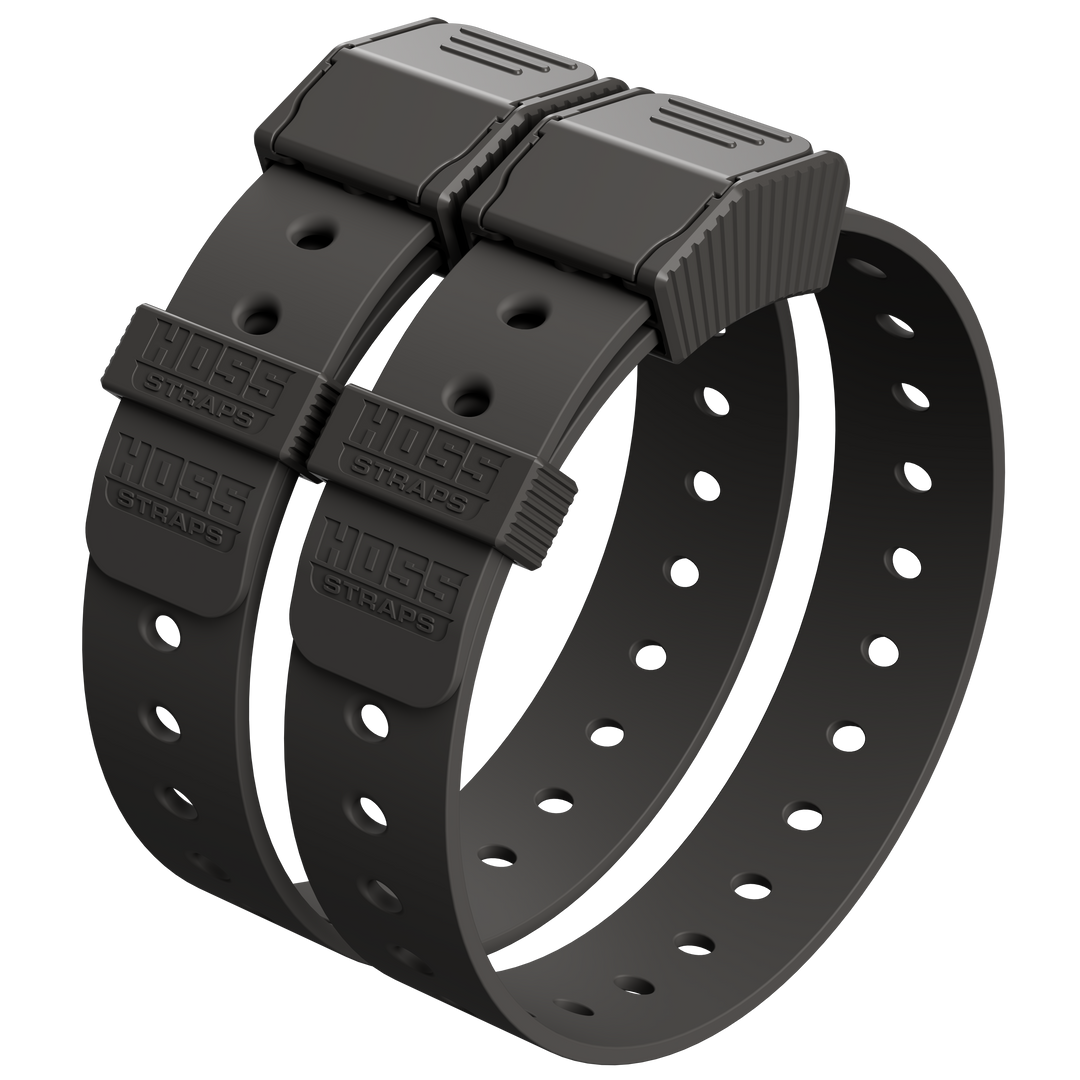
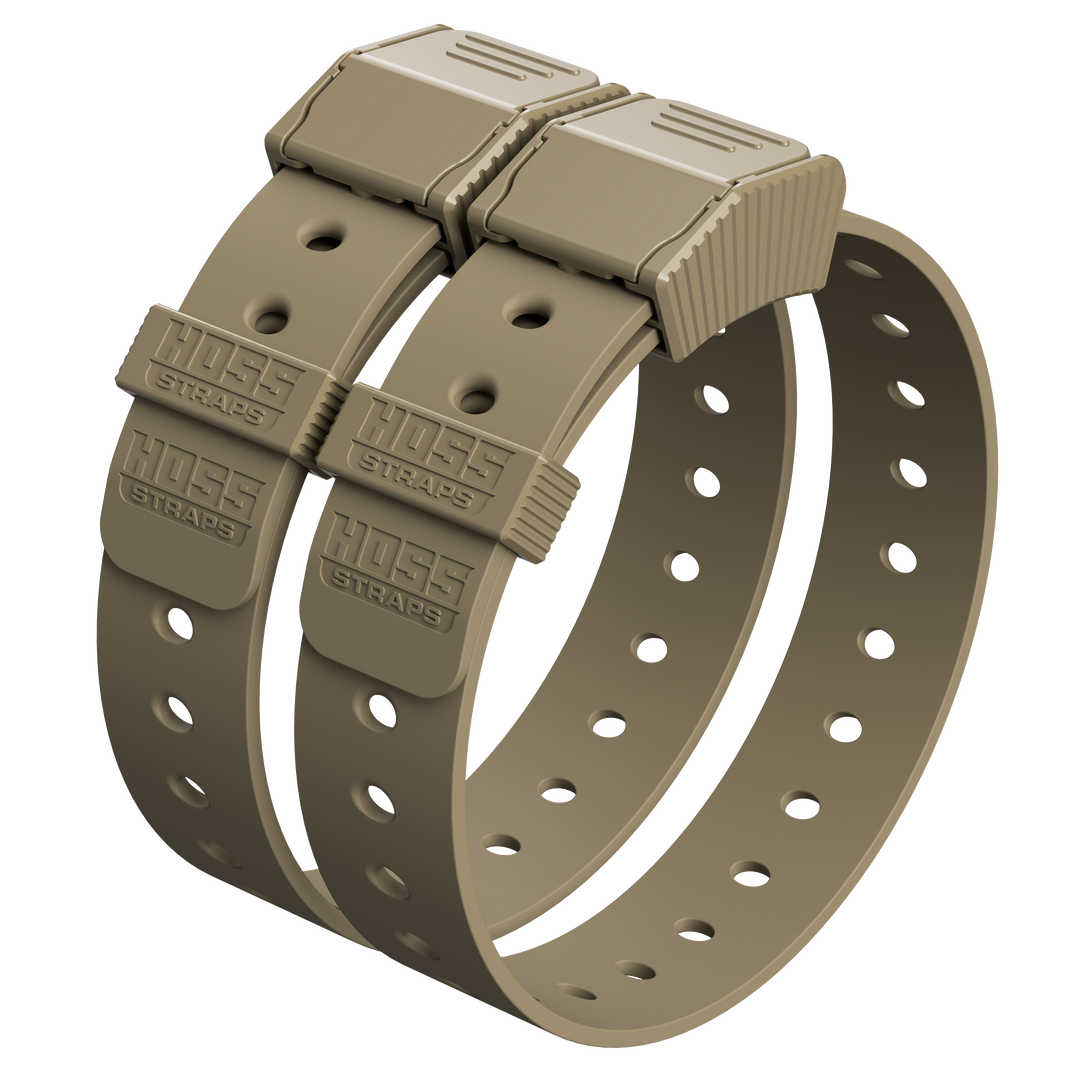
The Hoss advantage is not that the collars look more intense. It is that the setup is better suited to repeated real-world use:
- more dependable hardware feel
- more stable fit
- easier handling under daily leash work
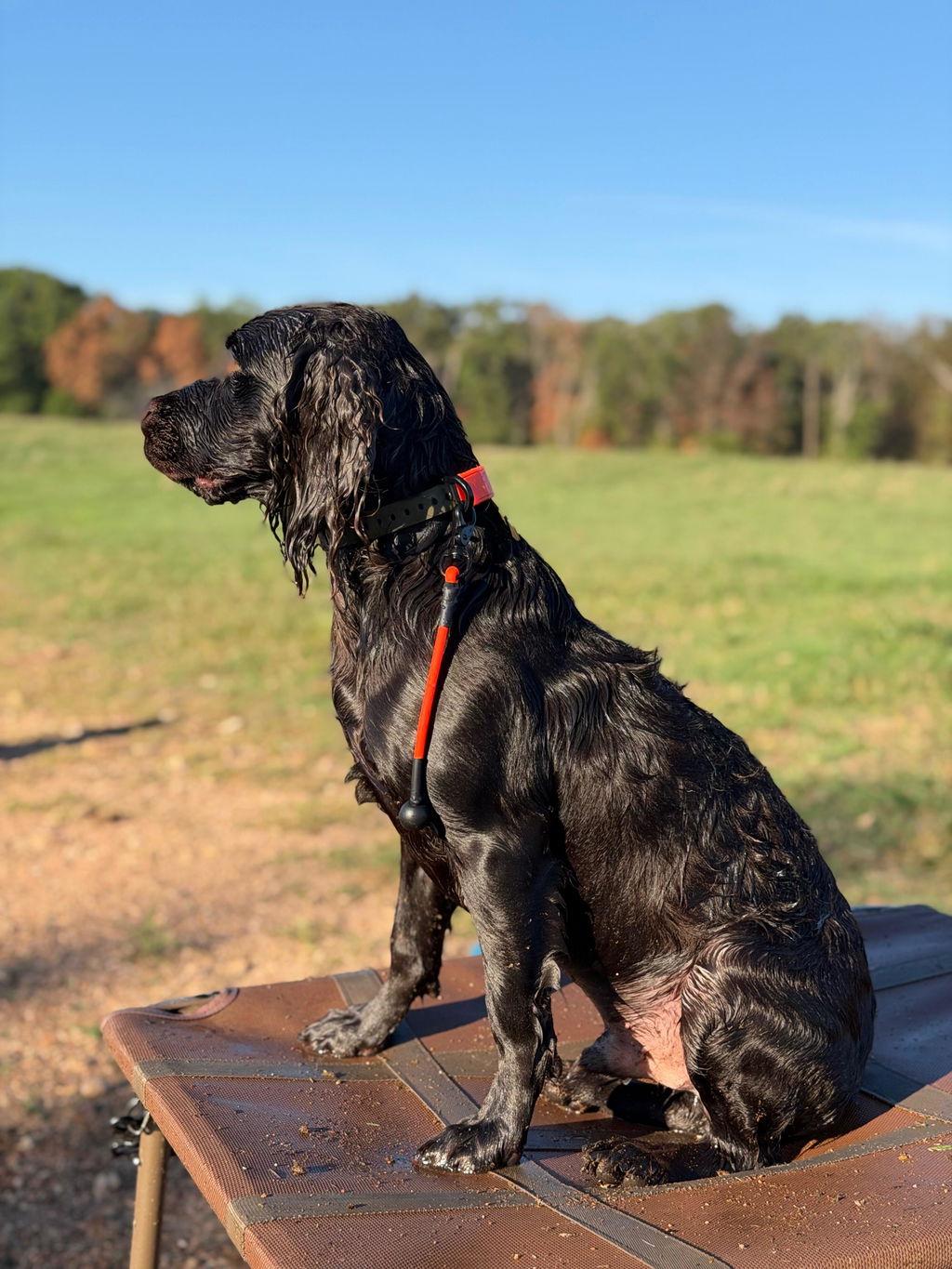
- cleaner maintenance in weather, mud, and hard use
- options that scale from everyday control into more specialized setups
That matters because owners dealing with "stubborn" dogs usually do not need more hype. They need a collar that feels trustworthy every single time they use it.
Which Hoss Collar Makes the Most Sense?

Not every dog needs the same Hoss setup, but the product line gives you a clearer starting path than the current article suggests.
For general everyday training and better control
Start with the main Dog Collars collection if the goal is a stronger, more dependable everyday setup.
For cleaner leash handling and D-ring preference
The D-Ring Dog Collar and D-Ring Dog Collars collection make sense when the owner wants simple, secure daily handling with dependable hardware.
For hard-use or working-dog style demands
The K9 Dog Collars fit better when the dog is larger, stronger, or harder on gear.
For more specialized training systems
If the dog is moving into more advanced remote-collar-compatible work, the Training Collar Setup and Training Collar Adapter Kit belong in the conversation.
For messy daily conditions
If water, mud, and easy cleaning are part of the owner's real-life problem, the weatherproof dog collars page is the most natural internal link.
What Not to Do
Do not:
- assume stubbornness means dominance
- jump to the harshest tool first
- leave correction-style collars on unsupervised
- ignore fear, anxiety, or overstimulation
- expect the collar to do the training for you
That last point matters the most. Good equipment supports good training. It does not replace it.
A Smarter Training Plan for "Stubborn" Dogs
The dogs that improve fastest usually get a cleaner full picture, not just a different collar.
That means:
- clearer commands
- better timing
- stronger rewards
- more consistent reps
- gradually harder environments
- equipment that matches the real problem
Short, frequent sessions usually work better than occasional marathon sessions. Owners often call a dog stubborn when the dog is actually overwhelmed, under-rewarded, or being asked to generalize too quickly.
When You Should Bring in a Trainer
Ask for professional help if:
- the dog shows aggression
- the dog panics under pressure
- the dog is large and physically difficult to control
- you are considering prong or e-collar use without experience
- the behavior creates real safety risk
That is not failure. It is usually the fastest way forward.
Final Take
The best training collar for a stubborn dog is not automatically the strongest or most corrective option. It is the tool that best matches the actual problem, gives the owner cleaner handling, and helps the dog understand what is being asked.
That is why this topic works better when the article stops treating all "stubborn" dogs the same.
Some dogs need a safer everyday setup. Some need better pulling control. Some need more advanced systems. Many just need better fit, better timing, and more consistent reps. Hoss fits this topic best when it speaks directly to that real-world handling gap instead of just listing collar types.
FAQ
What is the best training collar for a stubborn dog?
The best collar depends on the real issue. A dog that slips collars needs something different from a dog that pulls hard, and both are different from a dog ignoring cues at distance.
Are stubborn dogs better trained with prong collars?
Sometimes prong collars help strong pullers when used correctly, but they are not automatically the best choice. Fit, handler skill, and the dog's actual behavior problem matter just as much.
Should I use an e-collar on a stubborn dog?
Only if the behavior problem and training plan actually call for it, and ideally with skilled guidance. E-collars are specialized tools, not a first-step fix for general frustration.
What if my dog seems stubborn but is actually anxious?
That changes the whole plan. Anxious or overstimulated dogs may look resistant when they are really struggling with stress, fear, or environmental overload.
Why do Hoss collars make sense for hard-to-train dogs?
Because owners often need more than generic gear. Better fit, dependable hardware, easy handling, and weather-ready durability all make it easier to train consistently.