


Classic Nylon Dog Collars: Fit, Comfort, and Care That Actually Works

Table of Contents
- Quick Answer
- What Classic Nylon Means
- How to Get the Right Fit
- Comfort Details That Matter
- How to Clean and Maintain a Nylon Collar
- Safety Basics
- Quick Comparison Table
- Where Hoss Fits
- FAQ
A classic nylon dog collar is popular because it is simple: flat webbing, a buckle, a D-ring, and enough adjustability for everyday ID and leash connection. The collar works best when it fits snugly, stays clean, dries fully, and does not rub your dog’s neck.
If you are shopping for a classic nylon collar, focus less on color first and more on fit, width, edge comfort, hardware, and cleaning needs. For dogs that get wet, muddy, or hard-use their gear, it may also be worth comparing nylon with weatherproof dog collars that are easier to wipe down after rough days.
Below is a practical guide to choosing, fitting, cleaning, and replacing a nylon collar so it stays comfortable instead of becoming one more thing you have to babysit.
Quick Answer: What Makes a Good Classic Nylon Collar?
| Feature | Why It Matters | What to Look For |
|---|---|---|
| Correct fit | Prevents slipping, rubbing, and pressure | Snug fit with room for two fingers |
| Comfortable webbing | Controls how the collar feels during daily wear | Smooth edges, clean stitching, no stiff seams |
| Dependable D-ring | Holds leash clips and ID tags | Ring sits flat and does not poke the neck |
| Easy cleaning | Reduces odor, grime, and skin irritation | Washable material that dries completely |
| Right use case | Matches the collar to the dog’s real routine | Nylon for basic daily use; weatherproof gear for wet, muddy, frequent-cleaning routines |
What “Classic Nylon” Means
A classic nylon collar is usually a flat webbing collar with a buckle, an adjustment point, and a D-ring. It is made for normal daily tasks: holding ID tags, clipping to a leash, and staying on comfortably during everyday movement.
That is why nylon collars remain a go-to for new dog owners. They are familiar, affordable, lightweight, and easy to find. They also tend to be quick to put on, simple to adjust, and washable when they get dirty.
The tradeoff is maintenance. Nylon can hold moisture, odor, and grime if it stays wet or is not cleaned often. If your dog swims, hikes, rolls in mud, or spends a lot of time in rain, a coated or weatherproof collar may be easier to live with long term.
How to Get the Right Fit
Fit is the part that affects everything else. A collar that is too loose can slip over the head. A collar that is too tight can rub, press, or become unsafe as your dog moves and grows.
Where the collar should sit
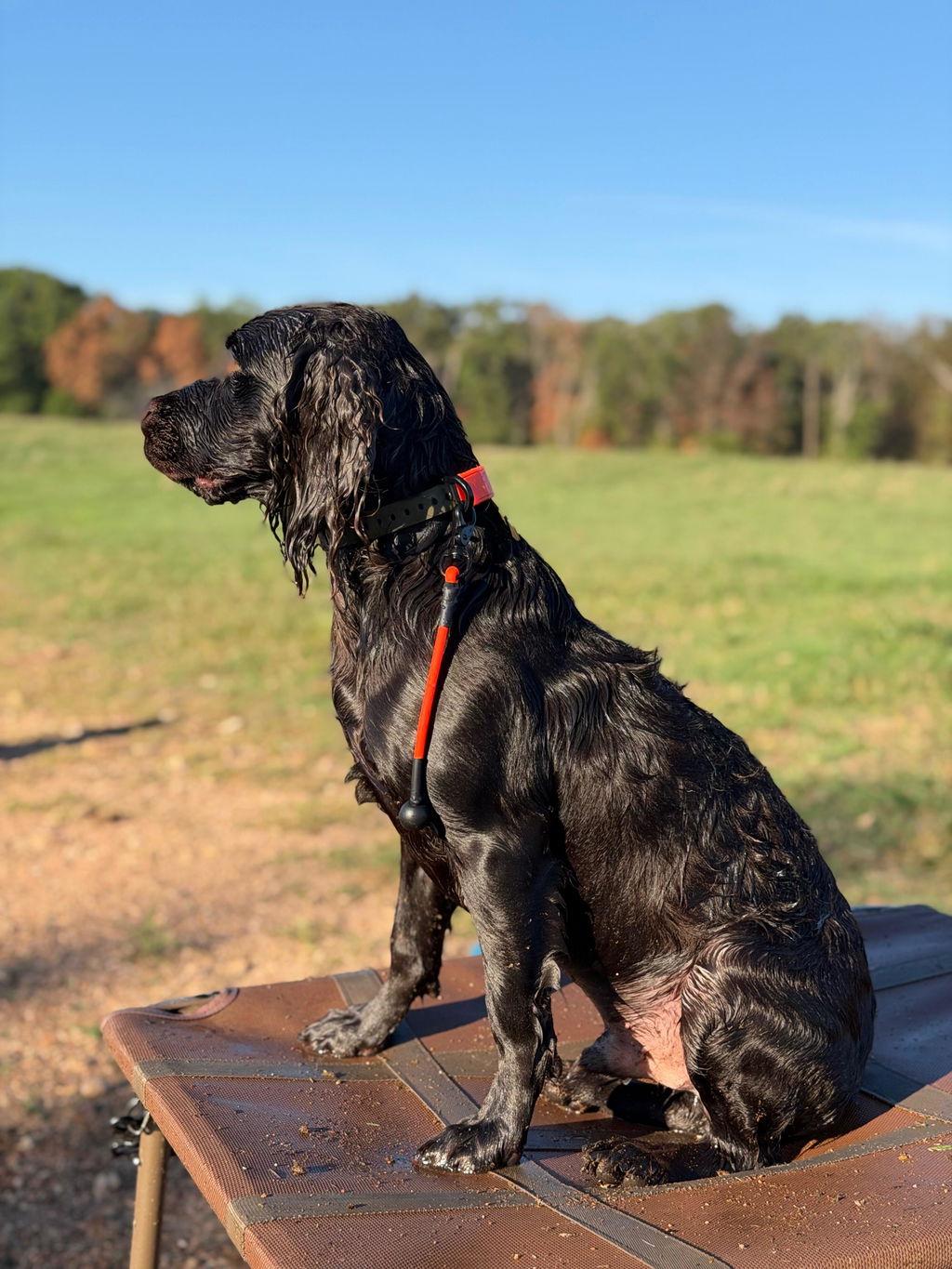
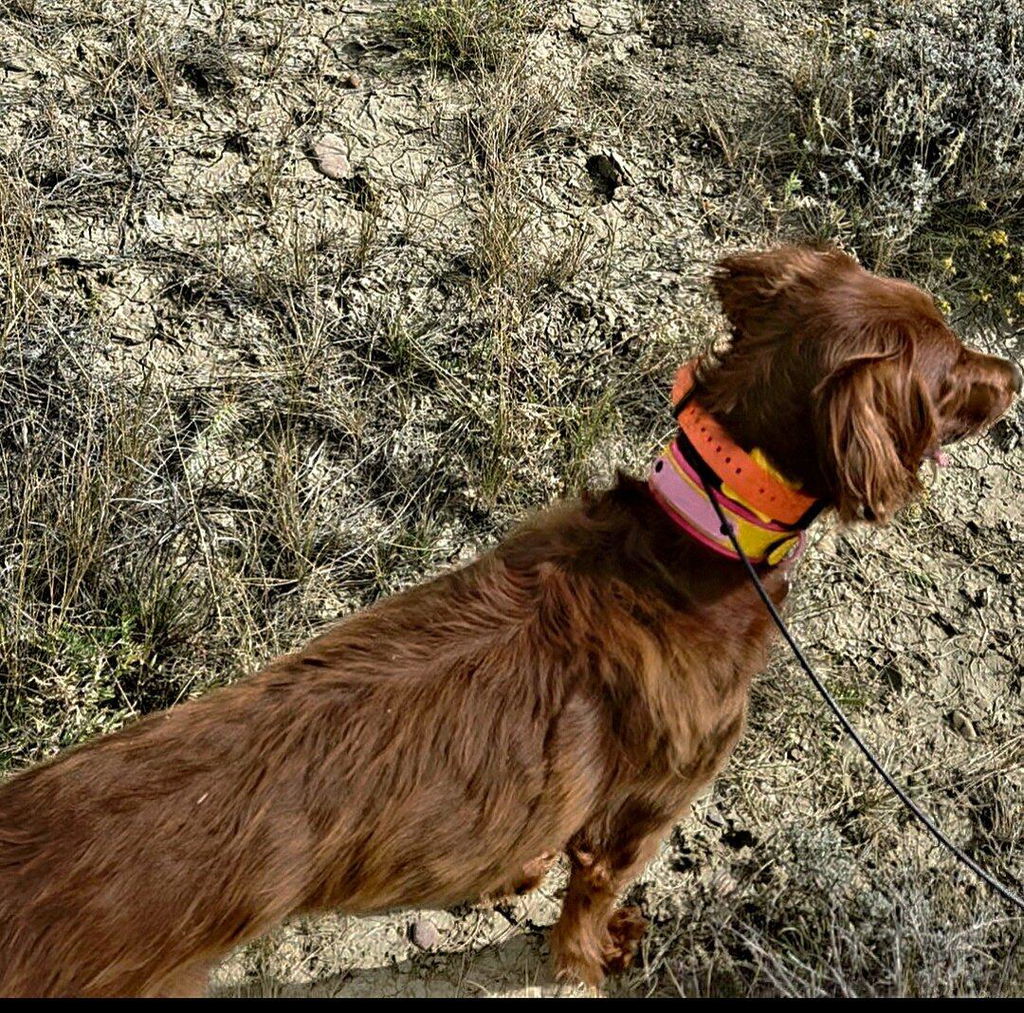
For most dogs, a standard flat collar should sit where it stays secure without riding high against the ears or sliding loosely around the shoulders. The collar should rest naturally on the neck and stay stable when your dog walks, turns, and lowers their head.
Use the two-finger check
After adjusting the collar, you should be able to slide two fingers underneath it. The San Francisco SPCA recommends enough slack for two fingers, and no more than two, for flat collars. MSPCA-Angell also highlights the two-finger fit check and warns that puppy collars can quickly become too tight as dogs grow.
How to measure in about a minute
- Use a soft tape measure, or wrap a string around the neck and measure the string with a ruler.
- Measure where the collar will naturally sit.
- Choose a collar with an adjustment range that includes that measurement without being maxed out at either end.
- Buckle the collar and confirm the fit with the two-finger check.
- Recheck after a few wears, after grooming, and during growth or weight changes.
Comfort Details That Matter More Than Looks
Width
Collar width changes how pressure feels on the neck. A narrow collar may be lighter for small dogs, while a wider collar can spread contact better for medium or larger dogs. Too wide can feel bulky. Too narrow can feel sharp or unstable, especially on stronger dogs.
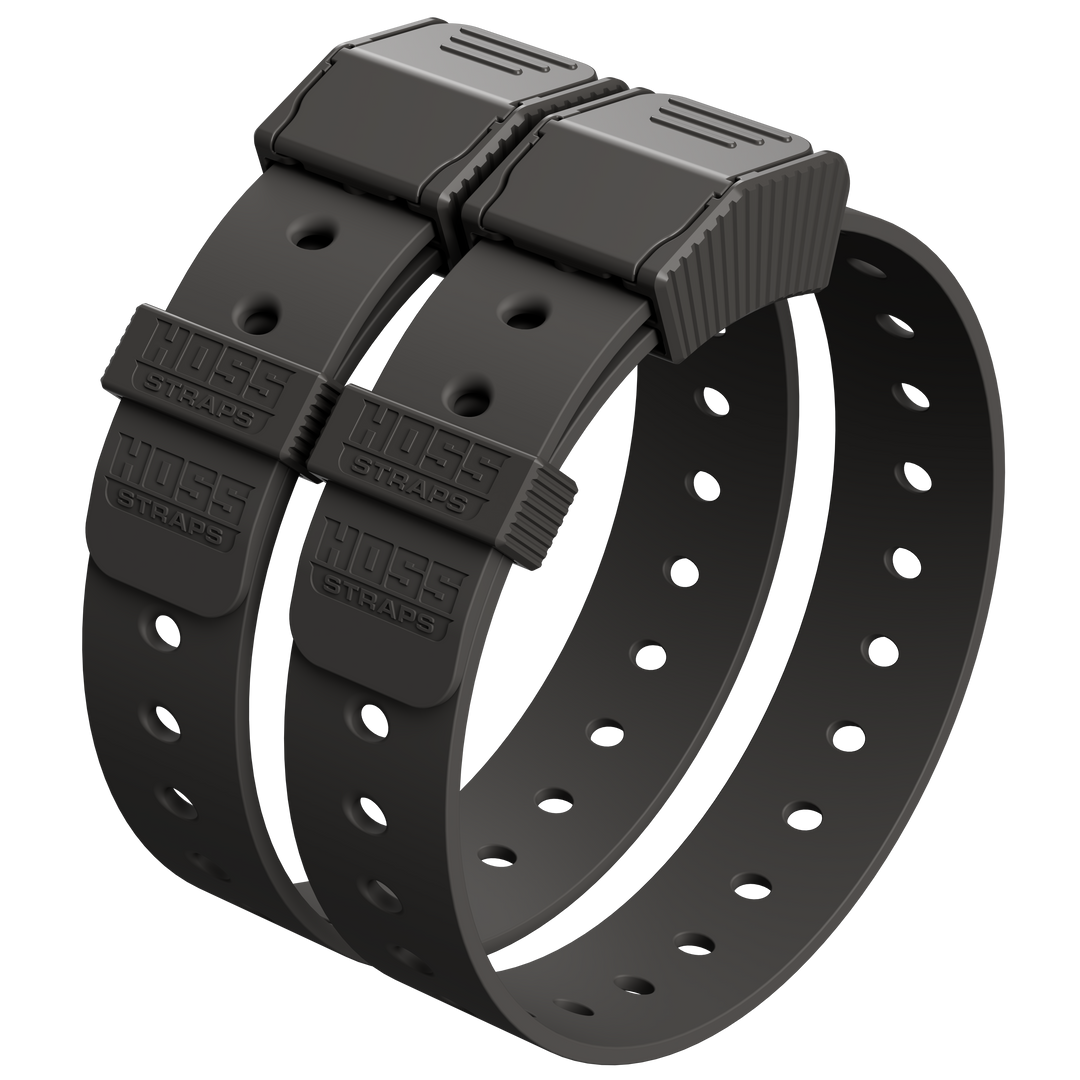
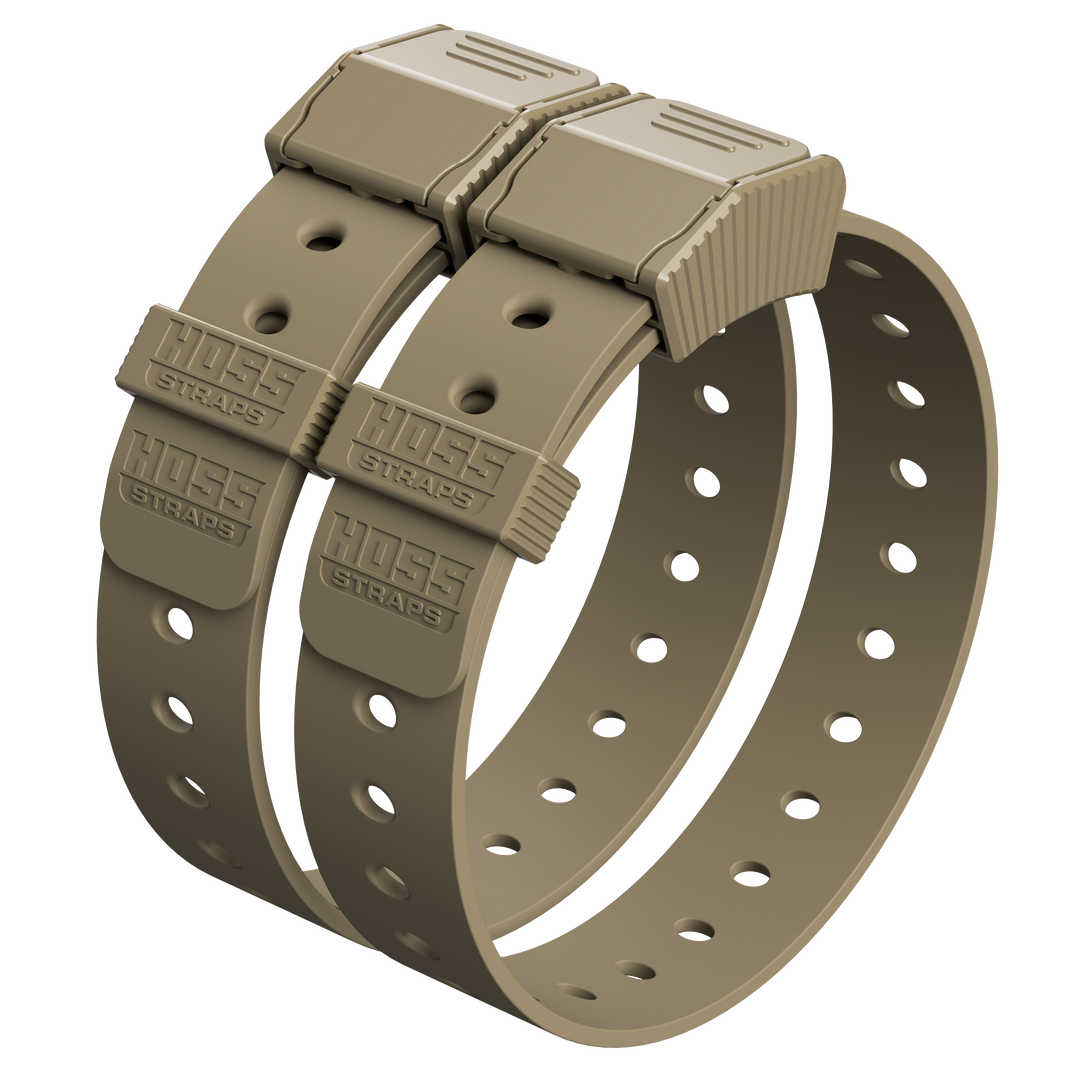
Use your dog’s size, coat, and strength as the guide. If your dog is larger, active, or hard on gear, compare the strap profile against a more rugged option like the Hoss D-Ring Dog Collar, which uses a 1 1/16-inch strap width and is built for weatherproof daily use.
Edges and stitching
Small details create most comfort problems. Rough edges, raised seams, stiff thread, or hardware that sits awkwardly can irritate the neck over time.
Before daily use, run your fingers along the inside of the collar. If it feels scratchy in your hand, it may bother your dog after repeated wear.
Wet-collar problems
A damp nylon collar can hold odor and rub the coat or skin. If your dog gets caught in rain, swims, or plays in mud, remove the collar afterward and let it dry completely before putting it back on.
If wet days are normal for your dog, nylon may still work, but a wipe-clean weatherproof dog collar will usually be less maintenance.
Puppies and growing dogs
Puppies outgrow collars fast. Check fit weekly while your dog is growing, and do not assume last week’s setting is still safe. A collar that fit correctly at the start of the month may be too tight after a growth spurt.
How to Clean and Maintain a Nylon Collar
If your dog wears a nylon collar daily, cleaning is part of comfort. Dirt and body oils collect around the buckle, D-ring, edges, and stitching.
How often to clean it
- Normal neighborhood walks: every few weeks
- Hiking, daycare, mud, or swimming: more often
- Any time it smells: clean it before putting it back on
A simple wash routine
Orvis recommends soaking a synthetic collar in hot water with a little dog shampoo for 10 to 20 minutes, then cleaning lightly soiled hardware with mild soap as needed.
- Fill a bowl with warm water and mild dog-safe soap or dog shampoo.
- Soak the collar for 10 to 20 minutes.
- Gently scrub grime around the buckle, D-ring, and stitched areas with a soft brush.
- Rinse thoroughly so soap does not sit against your dog’s skin.
- Air dry completely before your dog wears it again.
When to replace it
Replace a nylon collar when you see:
- Fraying webbing
- Loose or broken stitching
- A cracked buckle
- Bent, rusty, or rough hardware
- Odor that does not wash out
- A fit that no longer adjusts correctly
If the collar looks worn out, do not ask it to keep doing safety work. Replace it before it fails.
Safety Basics Most Owners Miss
Use the collar for the right job
A flat nylon collar is useful for ID tags and calm leash connection. It is not a pulling solution. If your dog hits the end of the leash hard, coughs, or strains against the collar, switch walking tools and work on leash training.
VCA Animal Hospitals notes that a collar is not the right choice for dogs that pull very hard, pull until they cough, or pull hard enough to overpower the handler.
Remove gear in snag-prone situations
Collars can catch on crates, fences, furniture, branches, or another dog during rough play. VCA also notes that accidental entanglement can cause injury and that gear should be removed when a dog is not directly supervised.
A practical routine:
- Collar on for walks, errands, and visible ID when supervised
- Collar off during crate time, rough play, or unsupervised time in snag-prone spaces
- Harness used for walks if your dog pulls or needs pressure moved away from the neck
Quick Comparison Table
| Option | Daily Comfort | Cleaning | Best Use |
|---|---|---|---|
| Nylon collar | Comfortable when fit and edges are right | Soak, scrub, rinse, and air dry | Everyday ID and basic leash connection |
| Leather collar | Can soften over time | Needs careful conditioning | Classic look and lighter daily grime |
| Weatherproof collar | Depends on fit, width, and hardware | Usually faster to wipe clean | Wet, muddy, outdoor, or frequent-cleaning routines |
| Harness | Moves pressure away from the neck during walks | Varies by design | Pullers, small dogs, and neck-sensitive dogs |
Where Hoss Fits
If you like the simplicity of a classic nylon collar but want something built for rain, mud, and easier cleanup, Hoss collars are worth comparing.
Start with Hoss Dog Collars for everyday options. Choose the D-Ring Dog Collar if you want a defined leash and tag attachment point with weatherproof construction, quick-release handling, and a 1 1/16-inch strap width. For harder-use dogs, compare K9 Dog Collars.
If your dog uses training or tracking gear, review the Training Collar Setup and Training Collar Adapter Kit. That path makes more sense when the collar has to support more than basic ID and leash use.
FAQ
1. How tight should a nylon dog collar be?
A nylon dog collar should be snug but not restrictive. You should be able to slide two fingers underneath the collar, with no extra looseness that lets the collar slip easily over the head.
2. How do I measure my dog’s neck for a collar?
Use a soft tape measure around the part of the neck where the collar will sit. Choose a collar with an adjustment range that includes that measurement, then buckle it and confirm the fit with the two-finger check.
3. Can my dog wear a nylon collar all day?
Many dogs can wear a clean, properly fitted nylon collar during normal supervised daily life. Remove it during crate time, rough play, or unsupervised time in areas where it could snag.
4. What is the best way to clean a nylon dog collar?
Soak it in warm water with mild dog-safe soap or dog shampoo, gently scrub grime around the buckle and D-ring, rinse thoroughly, and air dry completely before putting it back on your dog.
5. Should I use a collar or a harness for walks?
A collar can work for calm leash walkers. If your dog pulls hard, coughs, strains, or has neck sensitivity, a harness is usually the better walking tool while the collar stays available for ID.