


What Makes a Working-Dog E-Collar Strap “Overbuilt”?
Fast answer: A durable e-collar strap matches the receiver, lies flat under tension, uses dependable adjustment hardware, controls its loose tail, resists water and odor, and remains easy to inspect after real work.
“Overbuilt” should describe features a handler can see, inspect, and use—not a toughness claim floating above the product. For a replacement e-collar strap, the meaningful details are fit, routing, hardware, adjustment, cleanup, and repeatability.
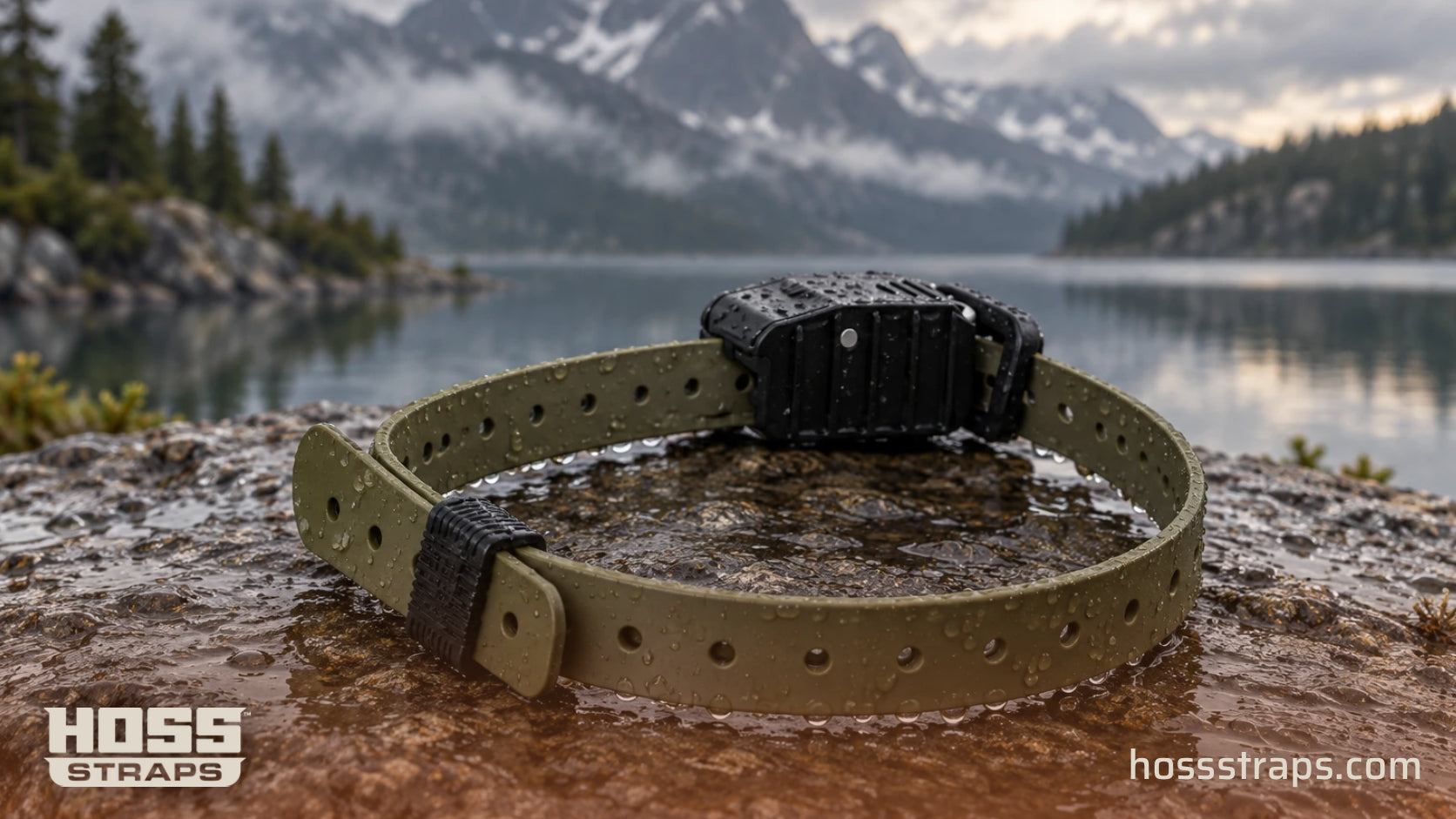
Guide overview
- Start with correct receiver fit
- Keep direct routing flat
- Understand weather-ready material
- Control receiver position
- Manage the excess strap
- Check buckle operation
- Look for inspectable evidence
- Complete a field-ready inspection
- Review frequently asked questions
1. It starts with correct receiver fit
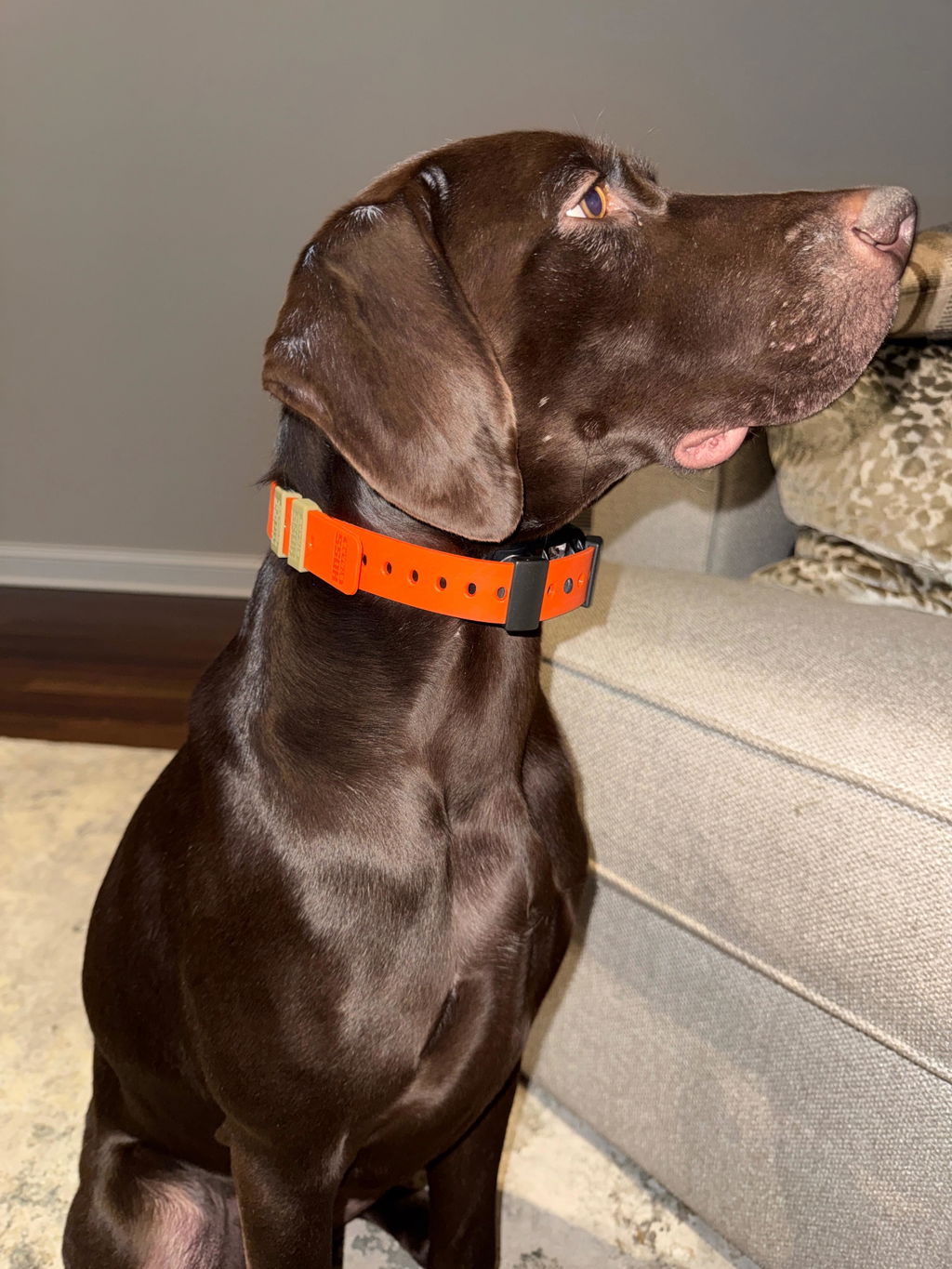
Durability does not matter if the strap is the wrong width. A strap that is too wide can fold or bind. One that is too narrow may not follow the receiver’s intended path. Both conditions can leave the receiver unstable even when the collar feels snug.
Identify the receiver model first, then choose the specified width. HOSS offers separate 3/4-inch and 1-inch replacement options because those receiver paths are not interchangeable. The replacement strap compatibility collection is the right place to start.
2. Direct routing should stay flat
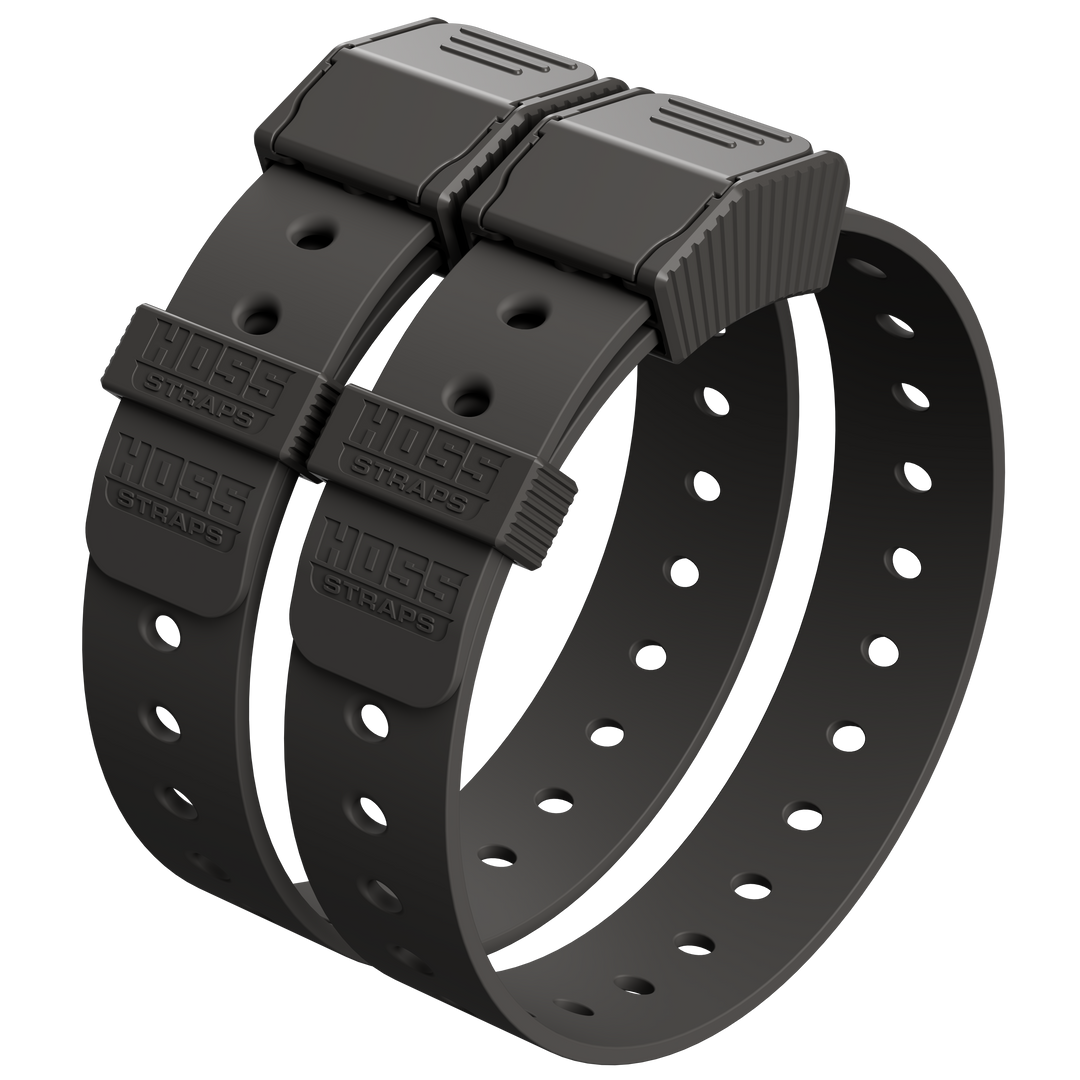
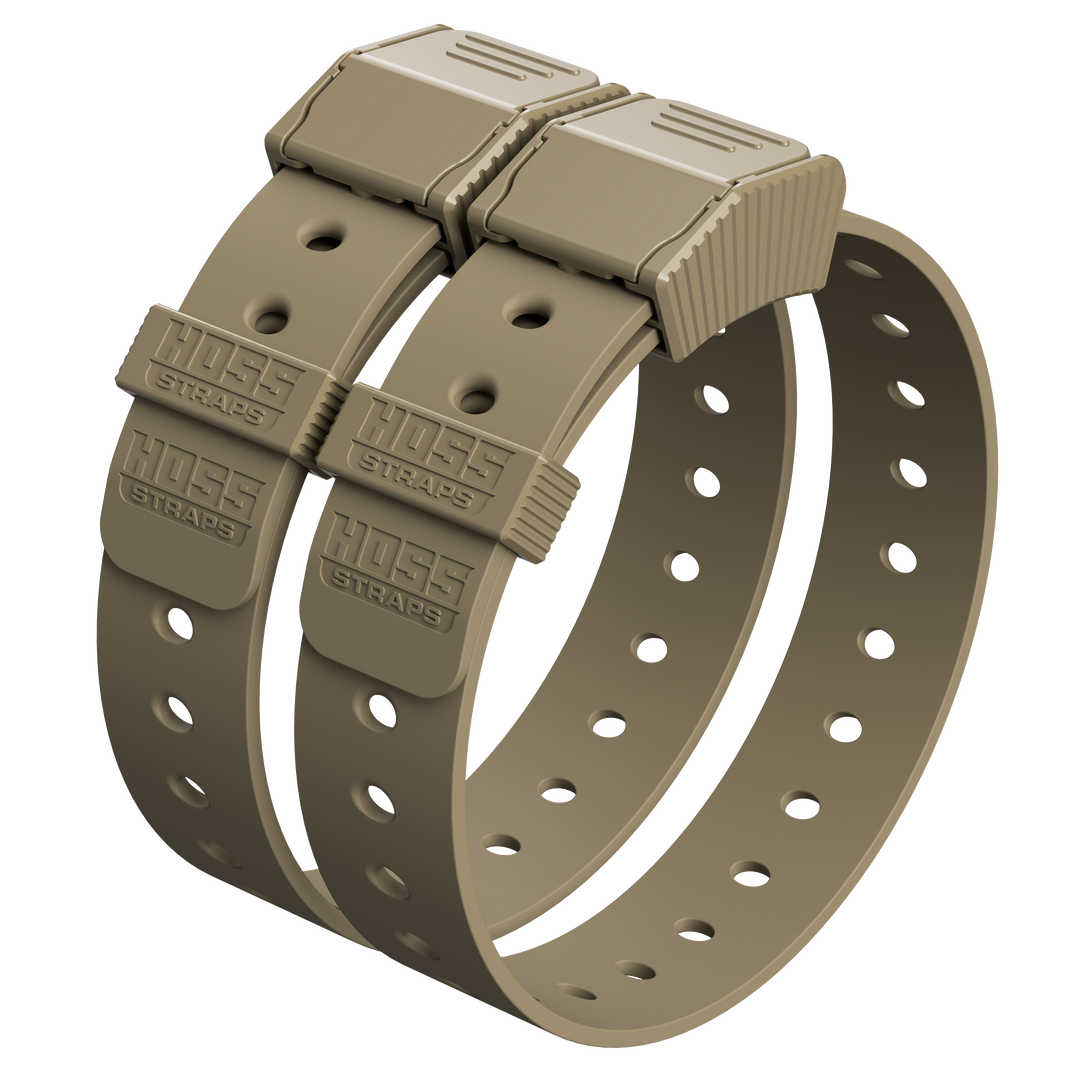
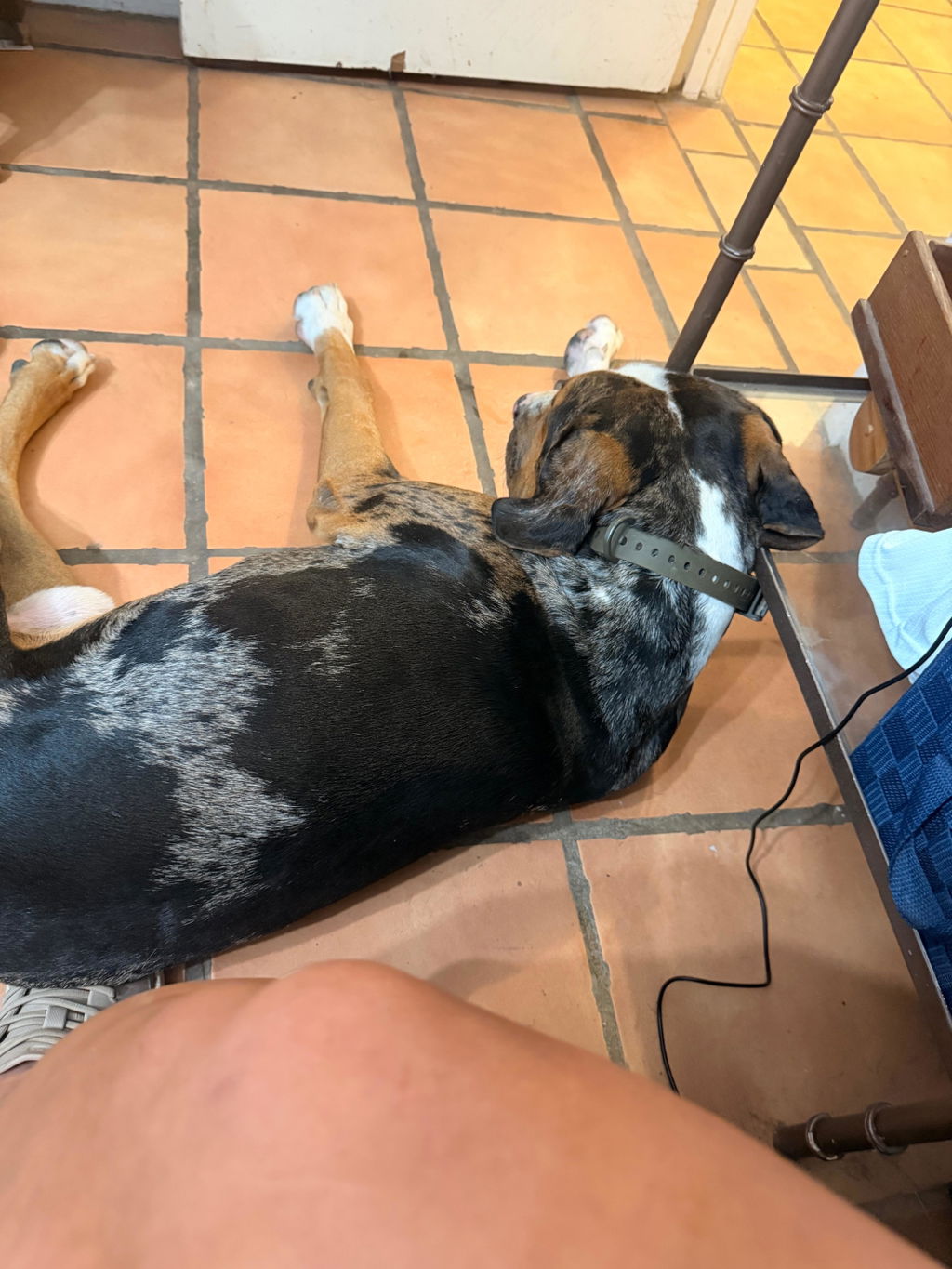
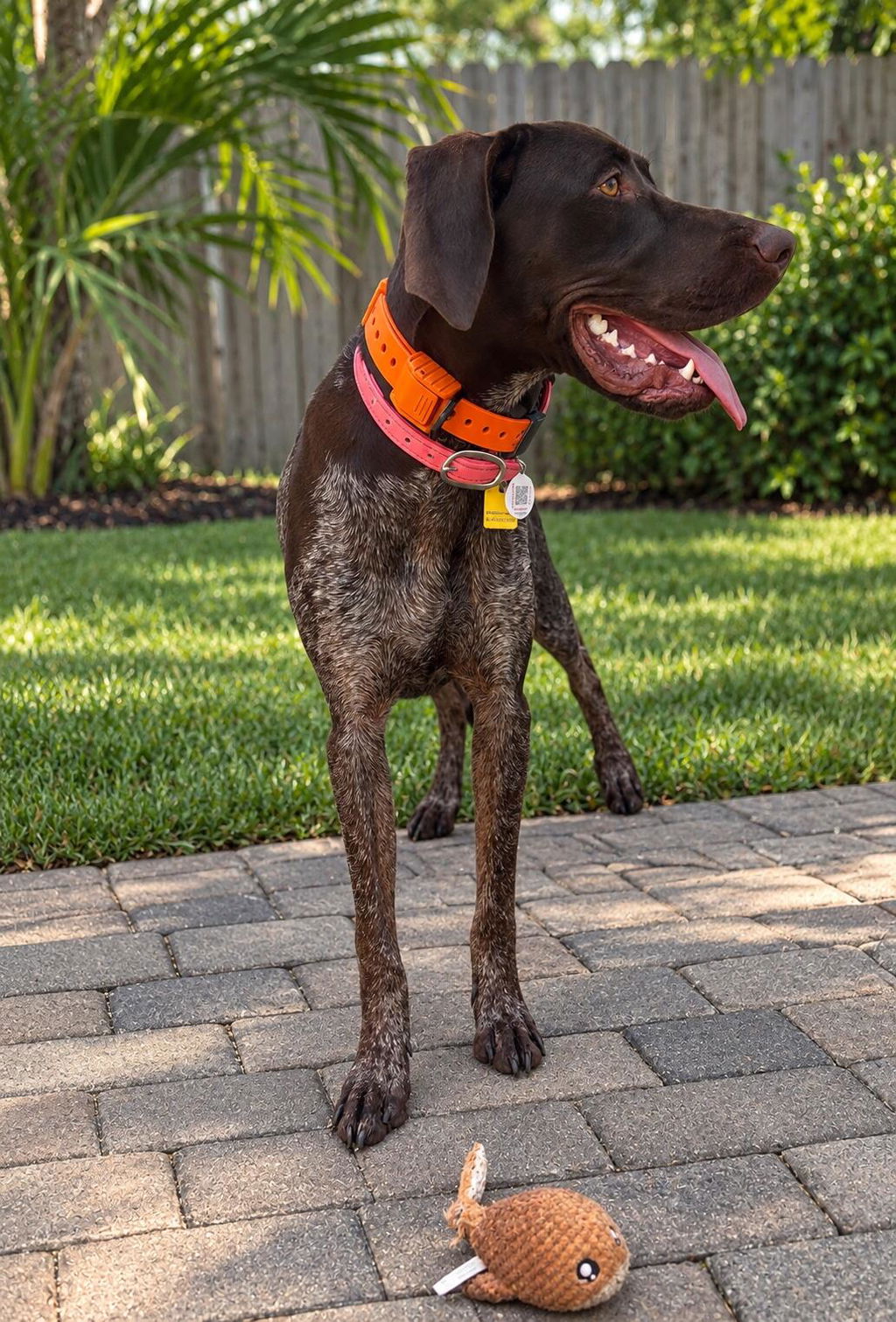
On compatible devices, a direct-fit strap runs through the receiver without an added adapter. That makes the load path easy to see and the finished setup easy to inspect. The strap should enter and leave each slot without curling, bunching, or crossing over itself.
Direct fit is not automatically better for every receiver; it is better only when the device is designed for it. Never remove required plates, screws, or mounting pieces merely to imitate a direct-fit setup.
3. Weather-ready means more than surviving one rainstorm
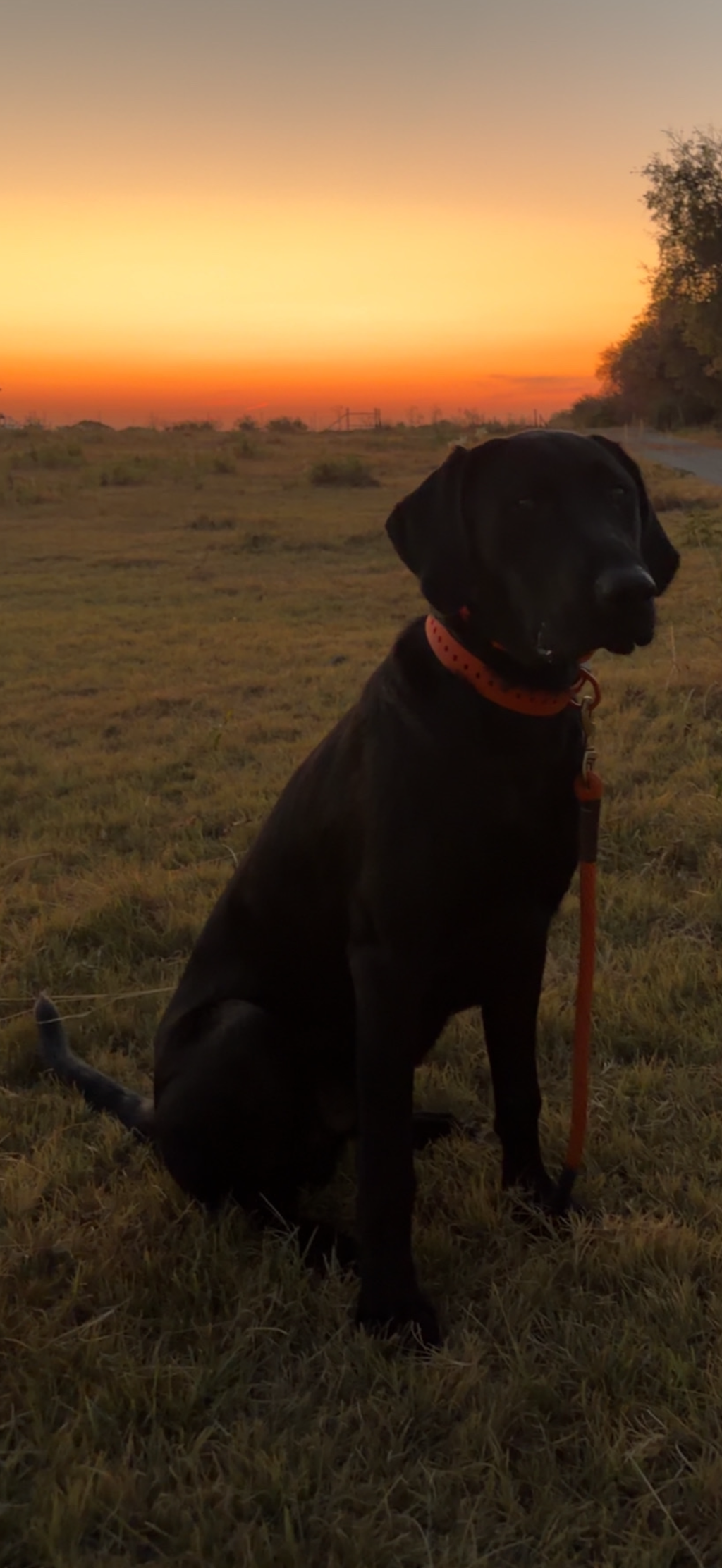
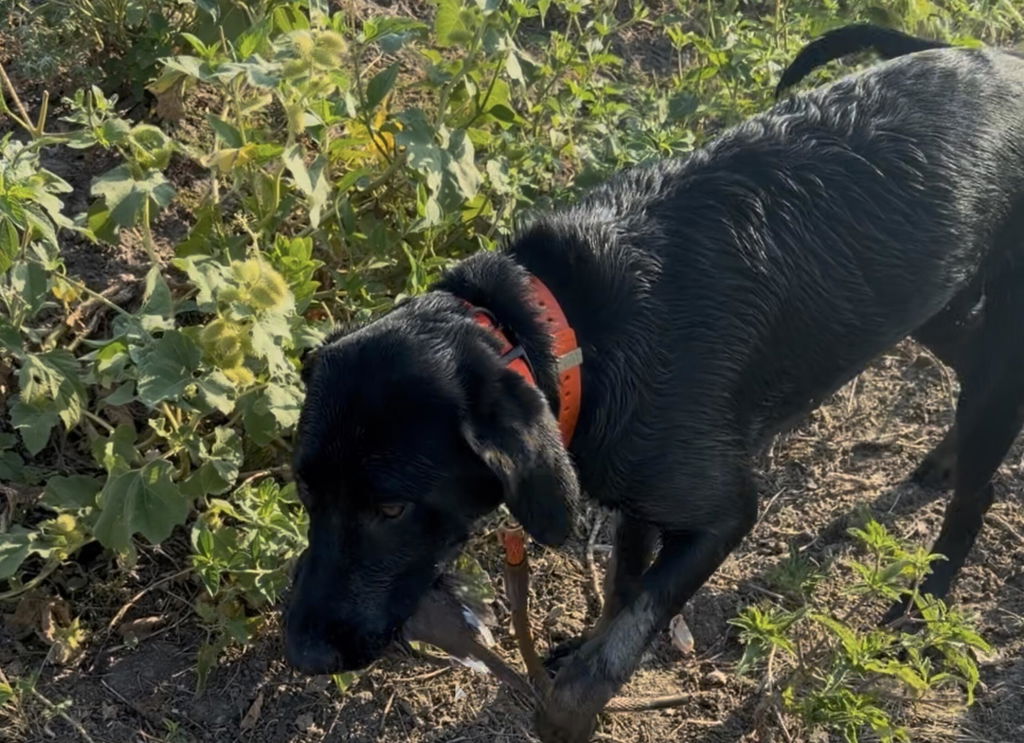
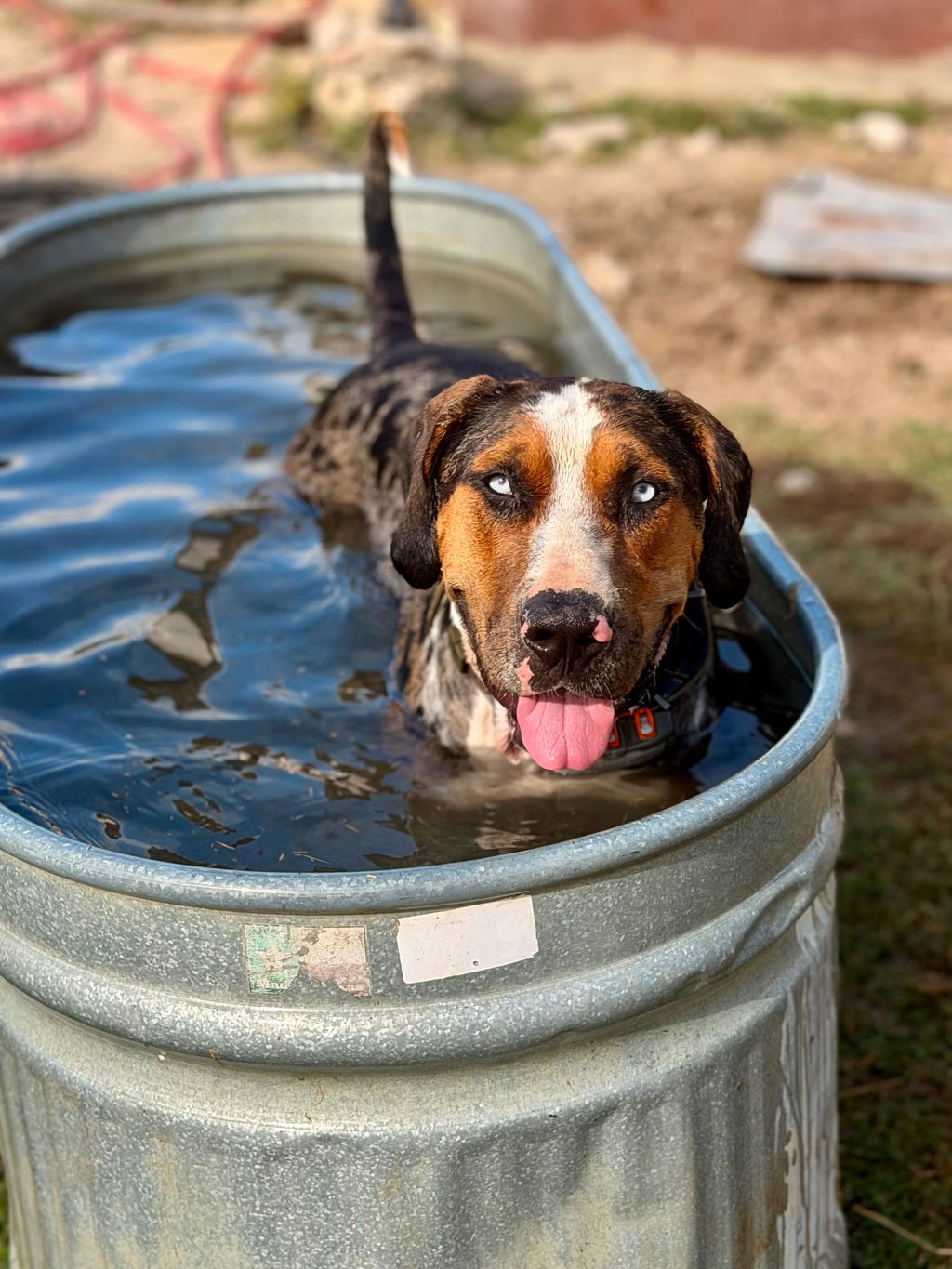
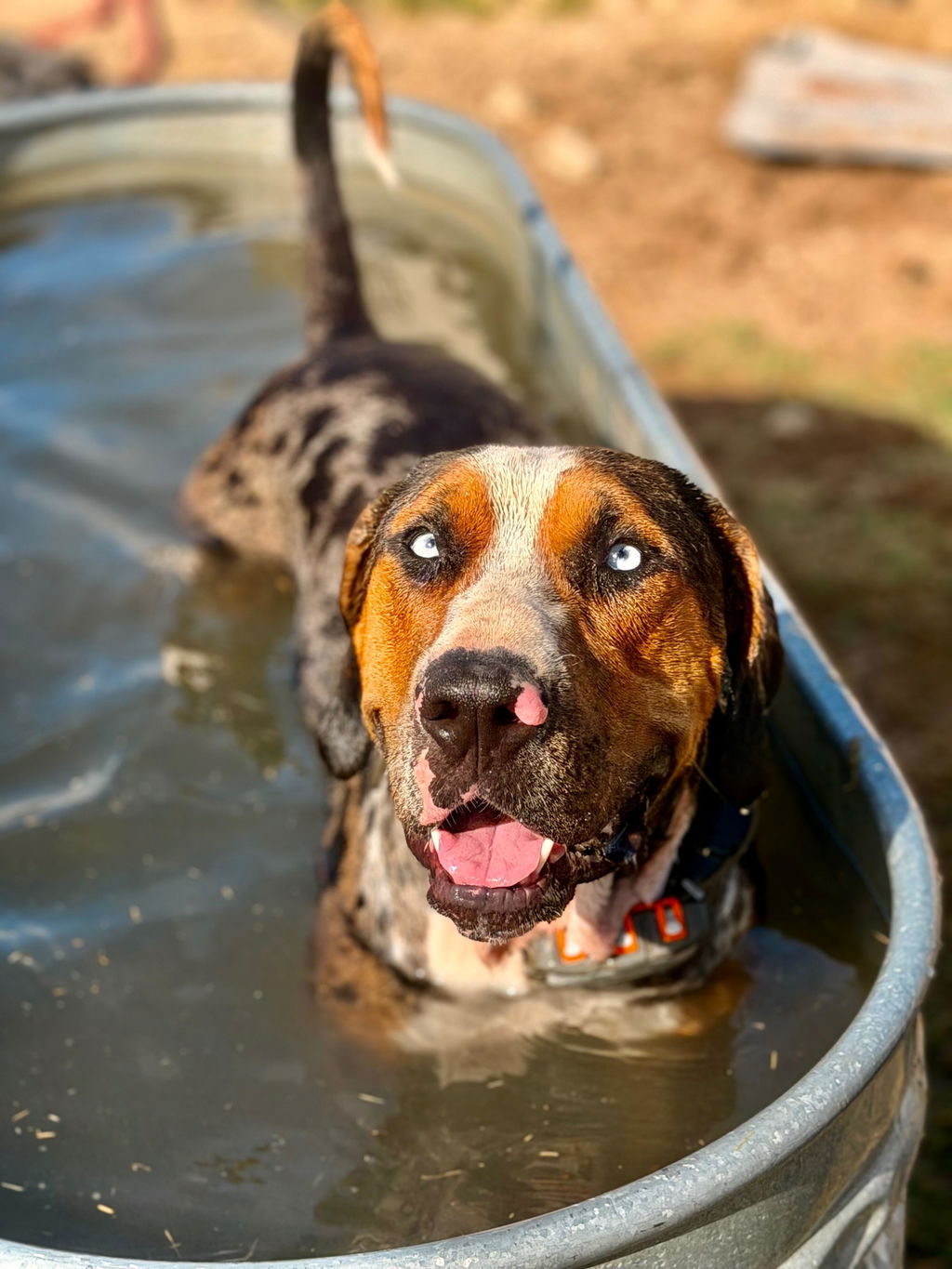
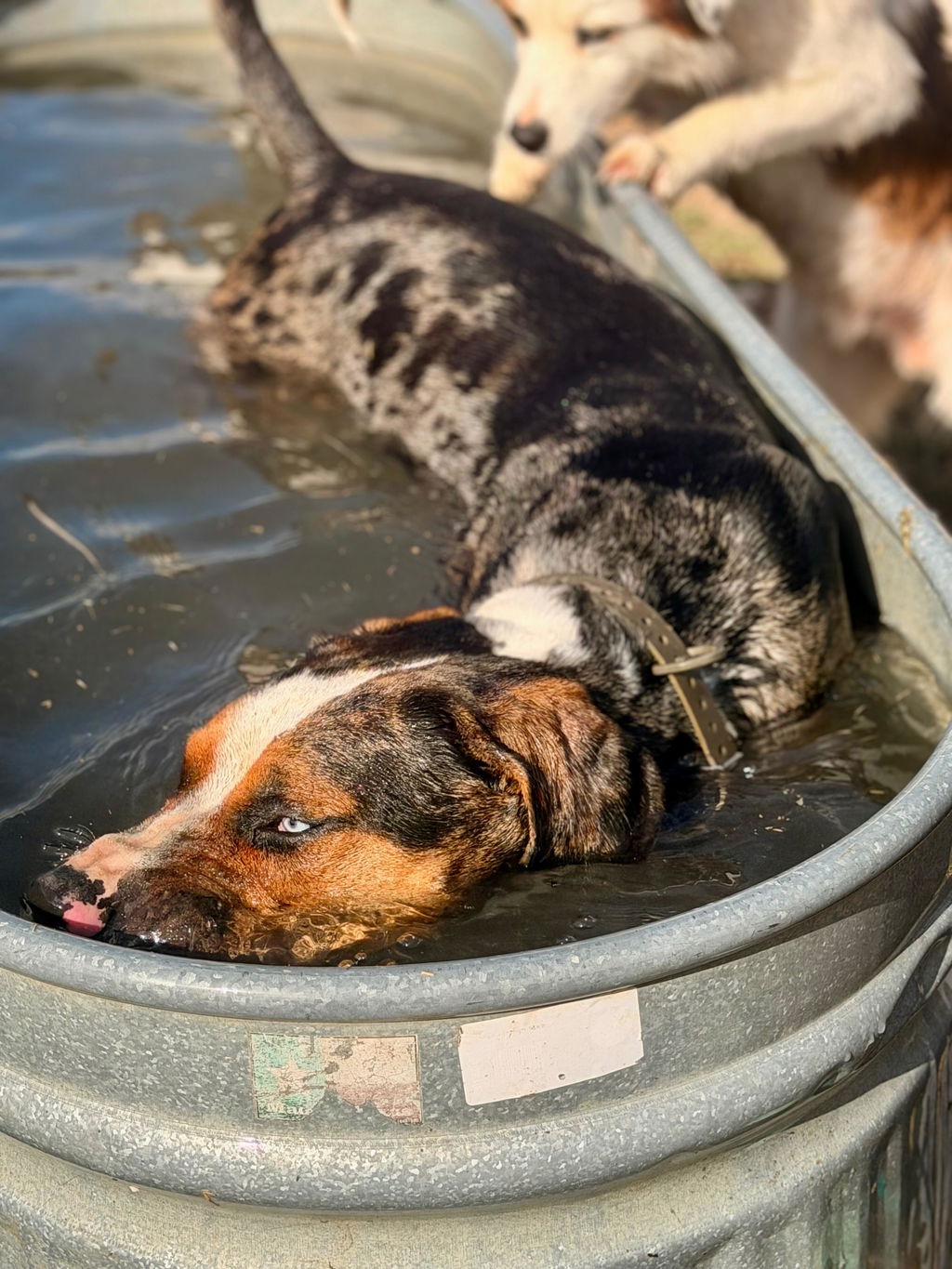
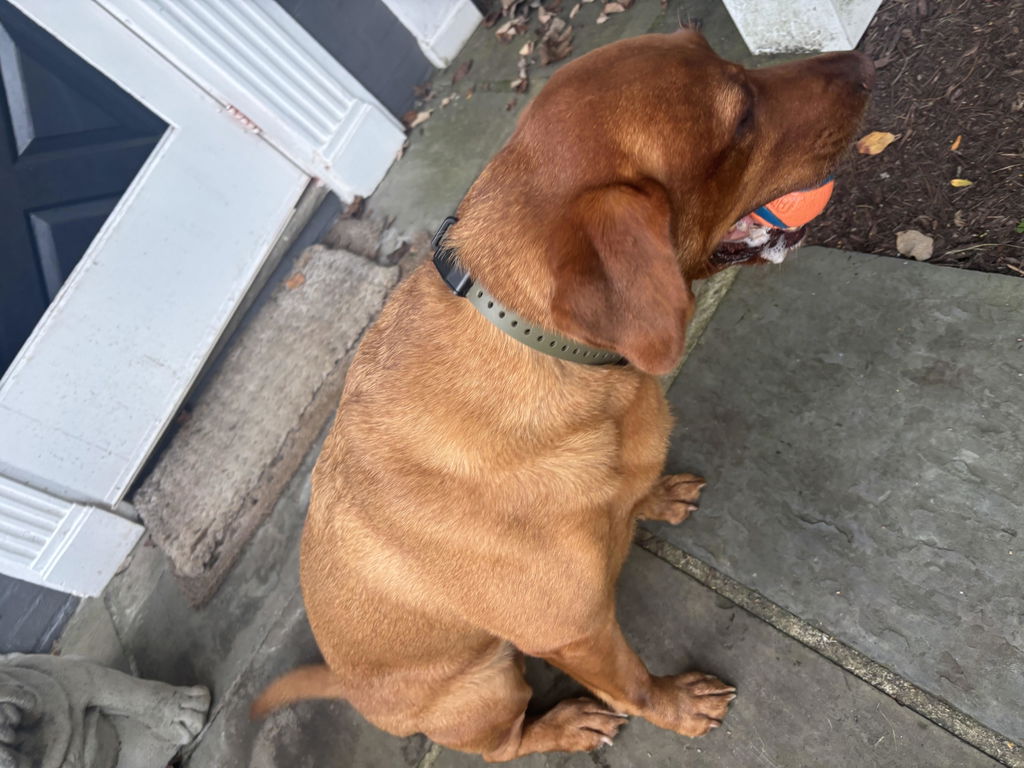
Working-dog gear routinely encounters wet grass, mud, sweat, rinse water, and changing temperatures. A waterproof, odor-resistant strap is useful because it does not need to absorb the day before you can clean it. It can be rinsed, wiped, inspected, and returned to service when the complete system is clean and dry.
Waterproof does not mean maintenance-free. Grit can collect around hardware, a buckle can be obstructed, and the receiver has its own care requirements. Inspect every component instead of treating the material claim as protection for the entire system.
4. A positioning stop creates repeatability
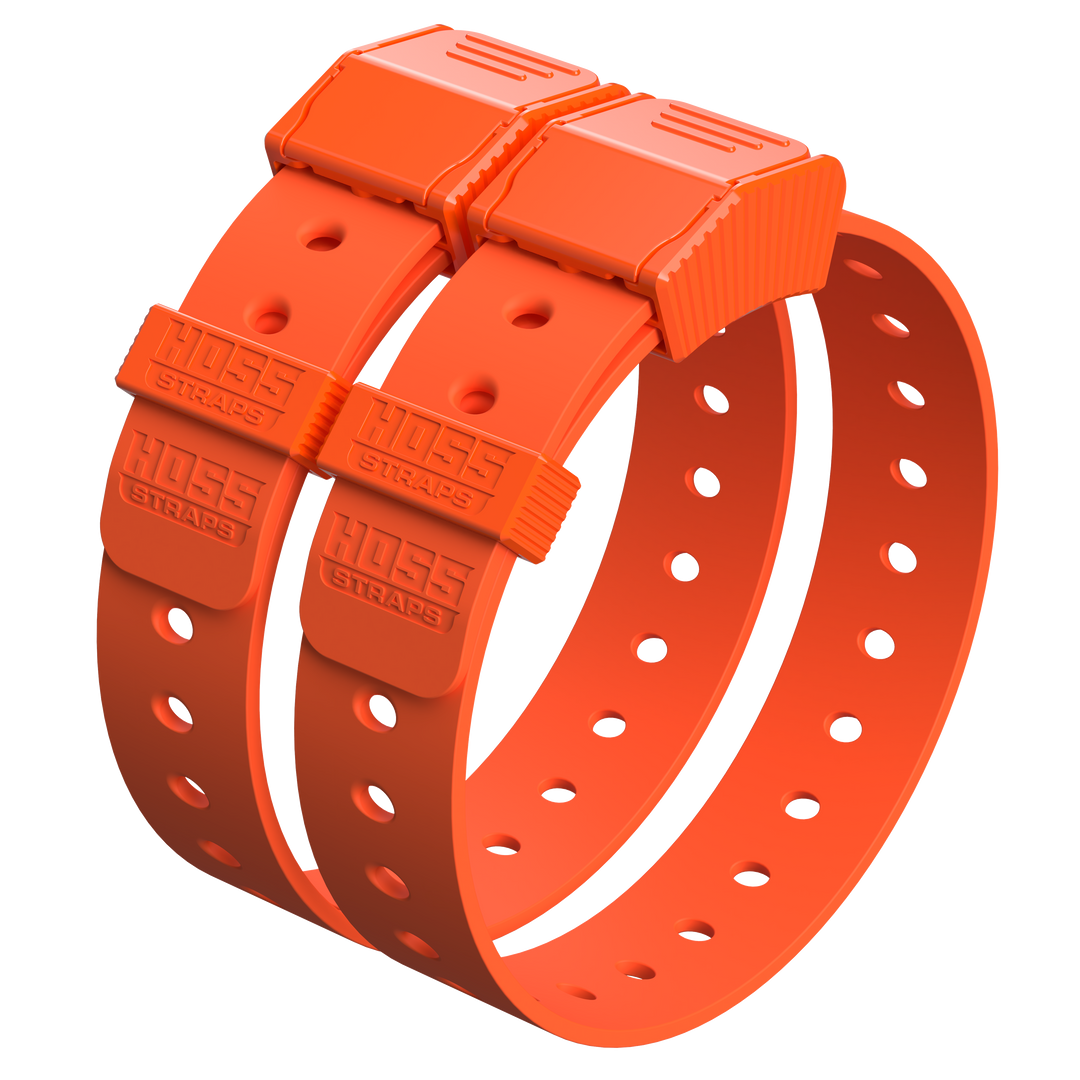
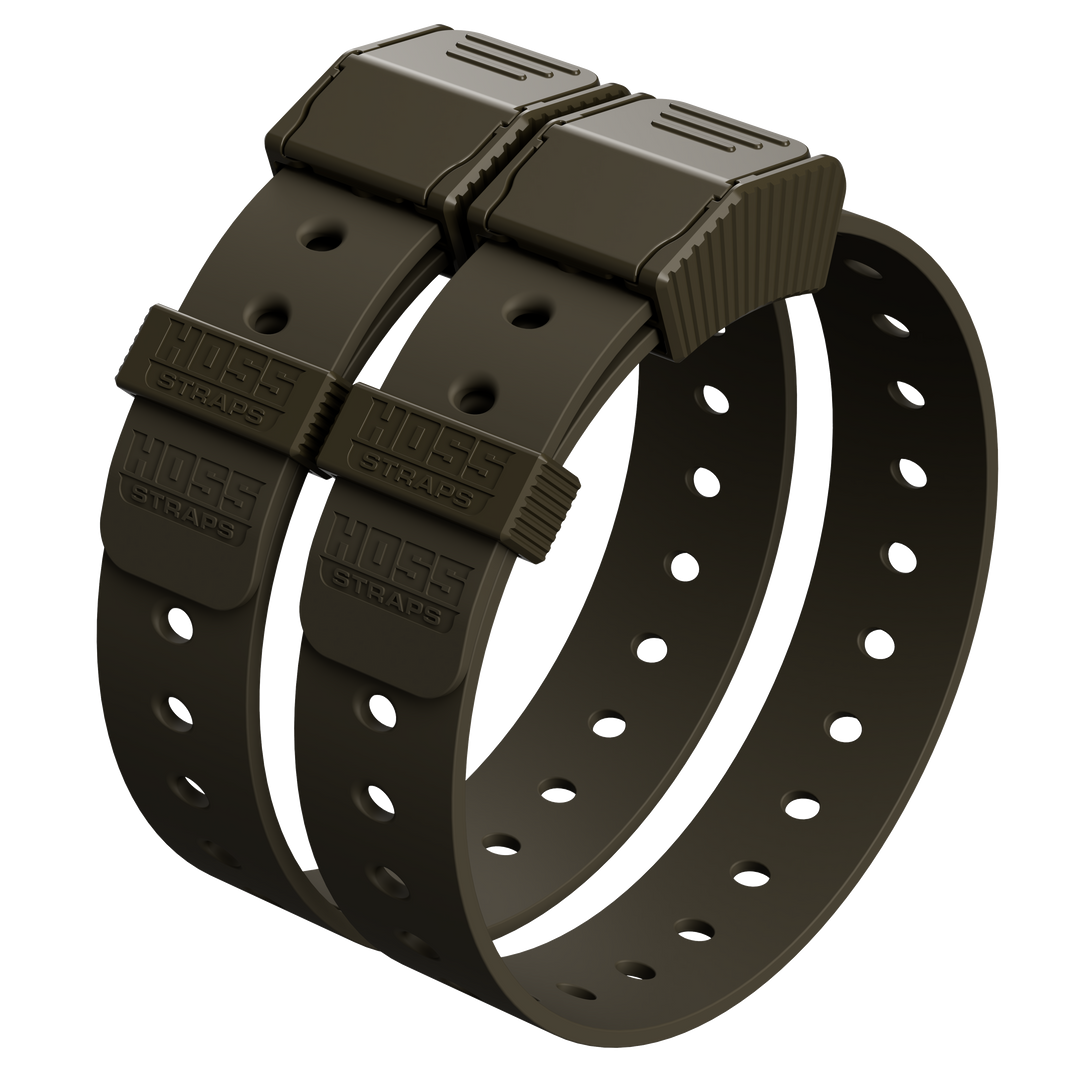
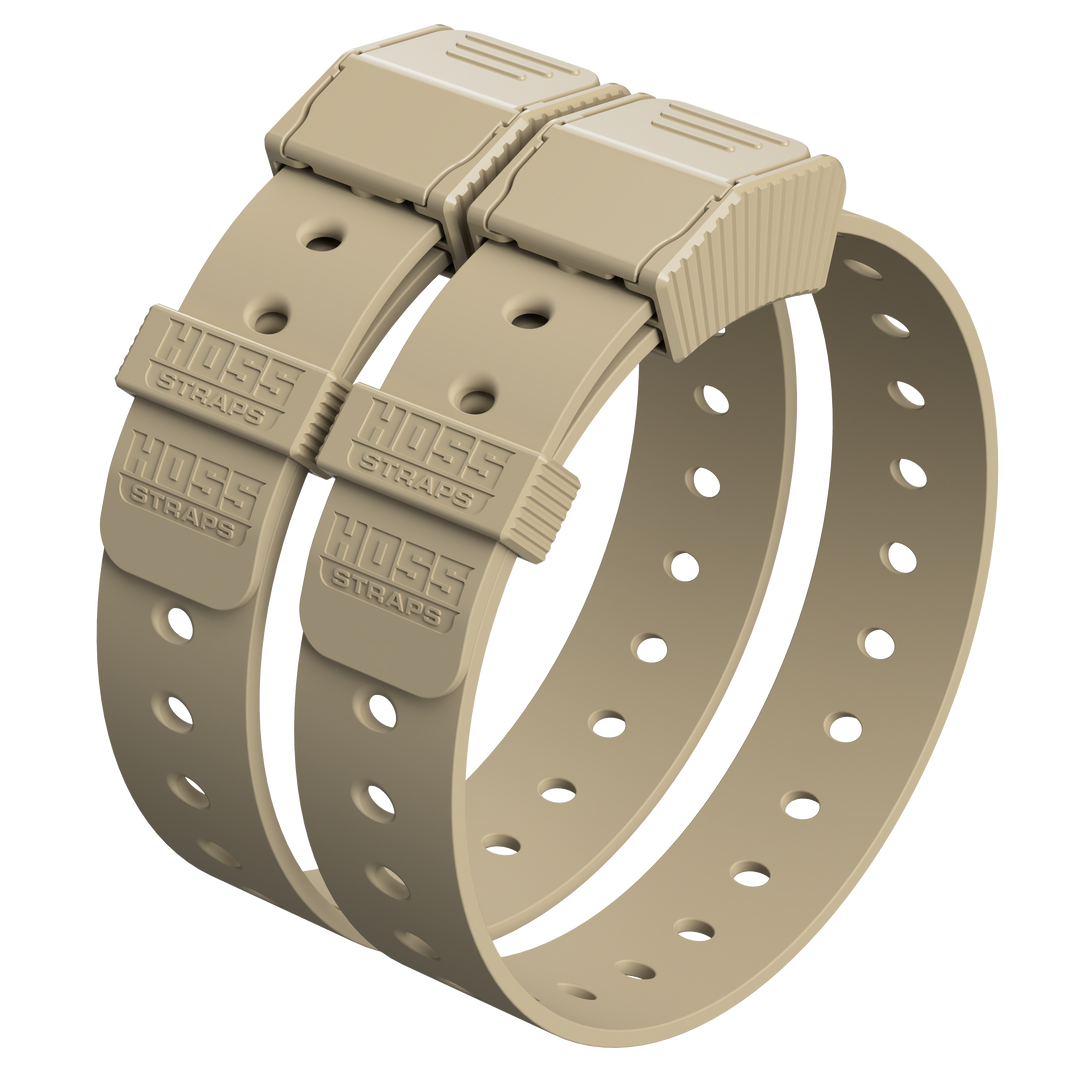
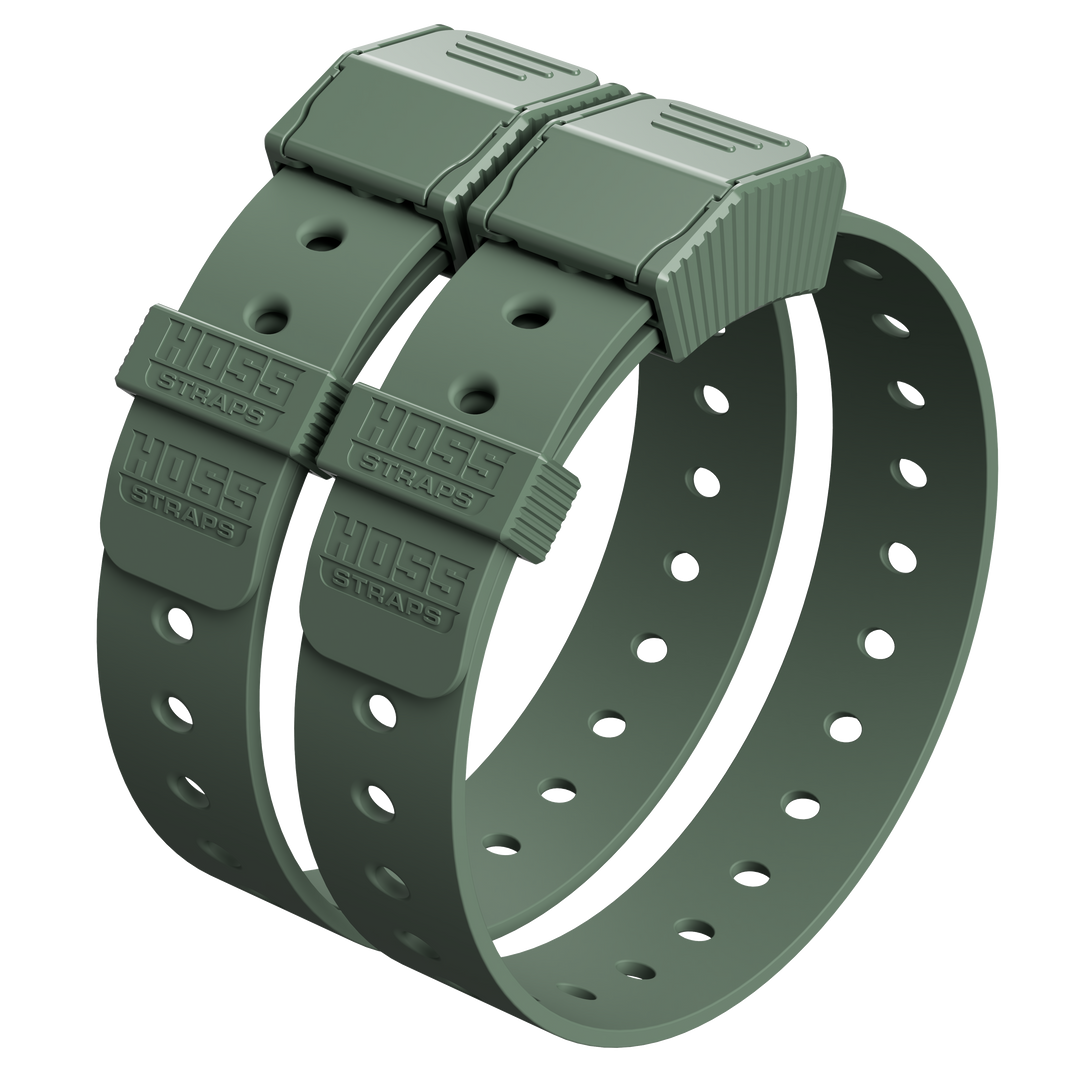
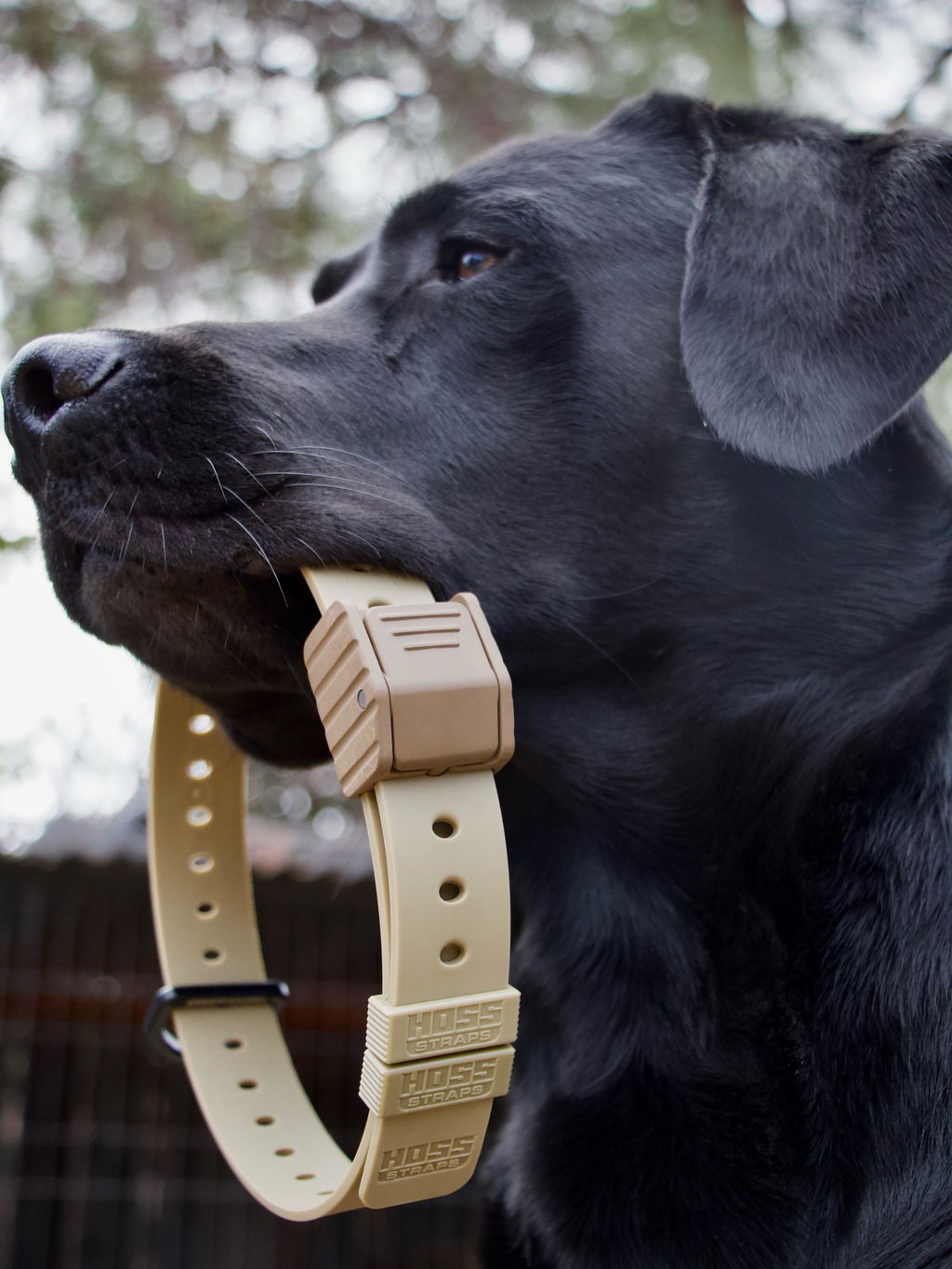
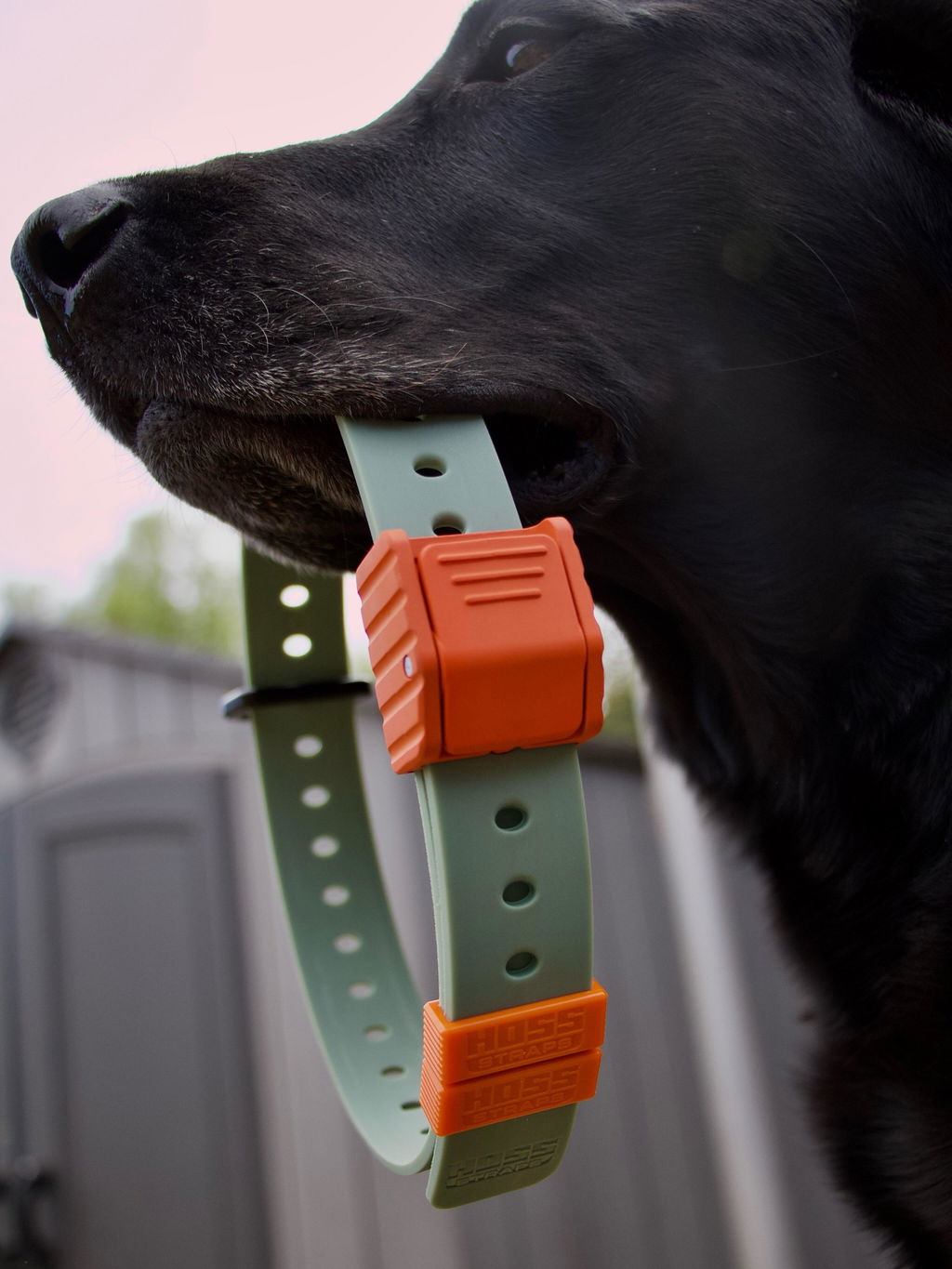
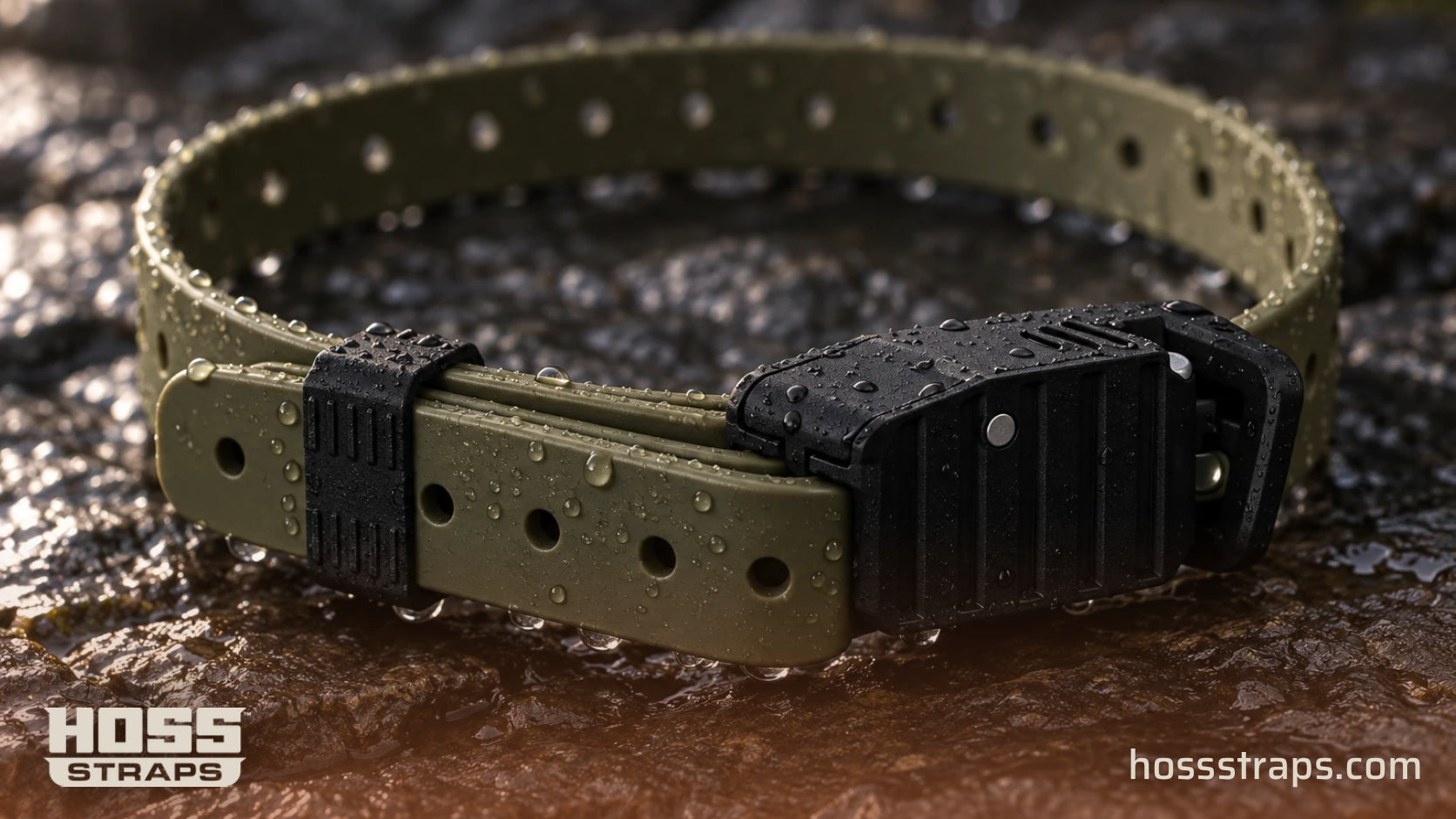
A position stop limits unwanted movement and helps a handler return the receiver to a familiar place. The HOSS 3/4-inch strap uses an aluminum positioning stop that can be checked visibly and by hand before use.
A repeatable position reduces setup friction, but it does not guarantee the correct fit. Always reassess the dog and equipment under current conditions.
5. Excess strap needs a deliberate path
A long adjustment range is useful only if the unused material can be managed cleanly. A keeper captures the tail so it is less likely to flap, fold under the receiver, or become an awkward loop.
Before trimming a new strap, consider coat changes and whether the setup will move between dogs. Preserving adjustment range is often more useful than creating the shortest possible tail.
6. Fast on and off still requires a full check
A fast buckle supports transitions between the truck, kennel, field, and cleanup area. The important detail is not speed alone: the buckle must close completely, resist unintentional opening during intended use, and release normally when the handler operates it.
Test buckle movement off the dog. Remove the strap from service if the buckle is cracked, contaminated, misaligned, or only partly engaging. Never treat an audible click as the only proof that a buckle is closed.
7. The best toughness claim is evidence
Useful proof includes clear specifications, close-up product photographs, compatibility information, documented material behavior, warranty terms, and real inspection guidance. If a brand publishes pull strength, cycle testing, or corrosion results, it should also explain the method and what was tested.
Honest standard: Do not translate “overbuilt” into a load rating, military standard, or failure guarantee unless documented testing supports that exact claim.
| Evidence to look for | Why it matters |
|---|---|
| Exact compatible models and widths | Prevents a durability claim from hiding a poor fit |
| Clear length and adjustment specifications | Helps confirm the strap suits the dog and use case |
| Named hardware and material facts | Makes claims inspectable |
| Real product and field images | Shows how components sit in use |
| Warranty and care instructions | Explains expected ownership support |

A field-ready inspection
- Confirm the receiver and strap width match.
- Check that the receiver route is flat and free of debris.
- Pull-test the position stop and buckle off the dog.
- Make sure the tail is captured.
- Inspect strap edges and every hardware contact point.
- Rinse contamination and follow receiver-care instructions.
- Remove damaged equipment from service.
For model-specific installation, use the Mini Educator ET-300 strap guide. To organize equipment visually, see the working-dog strap color guide.
Frequently asked questions
Does waterproof mean the whole e-collar can be submerged?
No. A waterproof strap claim applies to the strap material. Follow the receiver manufacturer’s water-exposure rating for the electronic device.
Is a thicker strap always stronger?
No. Thickness alone does not prove strength, compatibility, flexibility, or hardware performance. Evaluate the complete system.
What is the first durability check?
Compatibility. The correct strap width and receiver route come before every other feature.
Understated. Overbuilt.
Compare direct-fit HOSS replacement straps by receiver width and device, then shop replacement e-collar straps.
This article discusses equipment construction and inspection. It does not provide behavioral training, medical, or veterinary advice.