


Collar + Leash Sets for Working Dogs: How to Build a System That Holds Up

Table of Contents
- What a Good Collar + Leash Set Actually Means
- Why Matching the System Matters
- The Four Parts of a Good Working-Dog Set
- What Usually Goes Wrong in Mixed Collar + Leash Setups
- Material Matching: What Changes in Real Use
- Hardware Compatibility Is a Bigger Deal Than People Expect
- Leash Length Should Match the Job
- Three Better Collar + Leash Set Paths
- Why Hoss Fits This Topic Better Than a Generic Gear Guide
- A Better Way to Explain “Matching” to Buyers
- What to Check Before You Buy
- Final Take
-
FAQ
If you work a dog in real conditions, a collar and leash should not be treated like two separate purchases you happened to make at the same time. They should work as one handling system.
That is the difference between a collar + leash set that only looks matched in a product photo and one that actually feels consistent in your hand when the dog loads the line, the weather changes, or the day gets messy.
For working dogs, that consistency matters. A collar that sits right but connects poorly to the leash is still a weak setup. A durable leash attached to awkward hardware is still a frustrating setup. The best collar + leash sets are the ones that stay predictable as a full system.
This guide is about how to build that kind of system, what usually goes wrong when people mix gear casually, and where Hoss products fit most naturally.
What a Good Collar + Leash Set Actually Means
For a working dog, a real set is not just matching colors or buying a bundle.
It means:
- the collar fits correctly and stays stable
- the leash feels predictable in your hand
- the hardware connects cleanly
- the materials behave the way you expect in the conditions you work in
- the whole setup supports consistent handling
That last point matters the most.
When people say a dog feels harder to handle on certain days, the problem is not always the dog. Sometimes the gear is changing the feel of the handling more than the owner realizes.
Why Matching the System Matters
A collar + leash system is one of those things that either disappears into the background or keeps creating small problems all day.
When the setup is right:
- transitions feel cleaner
- leash pressure feels more predictable
- hardware sits correctly
- the handler does not have to fight the gear
When the setup is wrong:
- clips bind or sit crooked
- the leash twists awkwardly
- wet gear feels completely different than dry gear
- the collar and leash feel like they came from two different jobs
That is why a good set is not just about durability. It is about repeatability.
The Four Parts of a Good Working-Dog Set
If you are building or choosing a collar + leash set, these are the four things that matter most.
1. Collar stability
The collar should fit correctly, sit where it belongs, and avoid unnecessary shifting during normal handling.
If the collar rotates too much, sits inconsistently, or feels unstable under leash pressure, the whole set gets harder to trust.
2. Leash behavior
The leash should feel predictable in your hand.
That means paying attention to:
- grip
- flexibility
- response in wet weather
- how much it twists
- whether it feels consistent across repeated use
3. Hardware compatibility
This is one of the easiest places to create problems by accident.
If the leash clip does not sit well on the collar ring, the whole system starts feeling awkward even if both pieces are good on their own.
4. Material consistency
Materials change how the set behaves.
A system that works well in rain, mud, and repeated wipe-downs may not be built the same way as one designed for lighter everyday use. That is why the collar and leash should be chosen together, not one at a time with no plan.
What Usually Goes Wrong in Mixed Collar + Leash Setups
Most bad setups do not fail all at once. They just feel off in ways that make handling less clean.
The most common problems are:
- a collar ring and leash clip that do not seat together cleanly
- a leash material that feels slick, heavy, or awkward once wet
- a collar that fits the dog well but does not pair well with the lead
- a system that is too bulky for the job
- one piece built for hard use and one built for casual use
This is where a stronger Hoss-first version of the article should eventually include a short “what we see most often” section. That would make the page feel more real and less like a general gear explainer.
Material Matching: What Changes in Real Use
One of the best ways to simplify the buying decision is to stop thinking in terms of “best material overall” and start thinking in terms of “best material match for this job.”
Weatherproof setups
For harder-use handling, weatherproof materials are often the easiest to live with.
They are especially useful when the dog works in:
- wet grass
- mud
- rain
- sandy or dirty environments
- repeated outdoor sessions
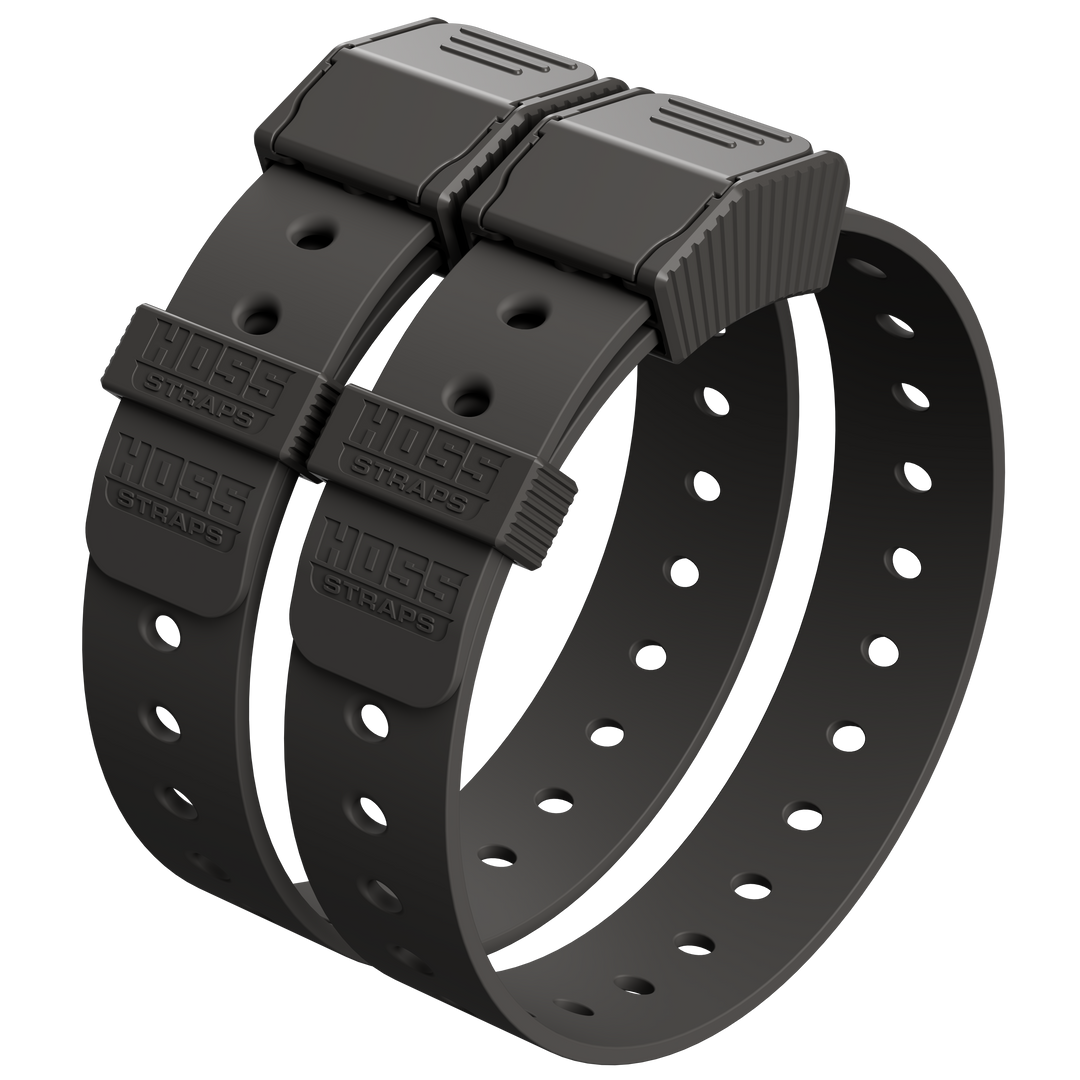
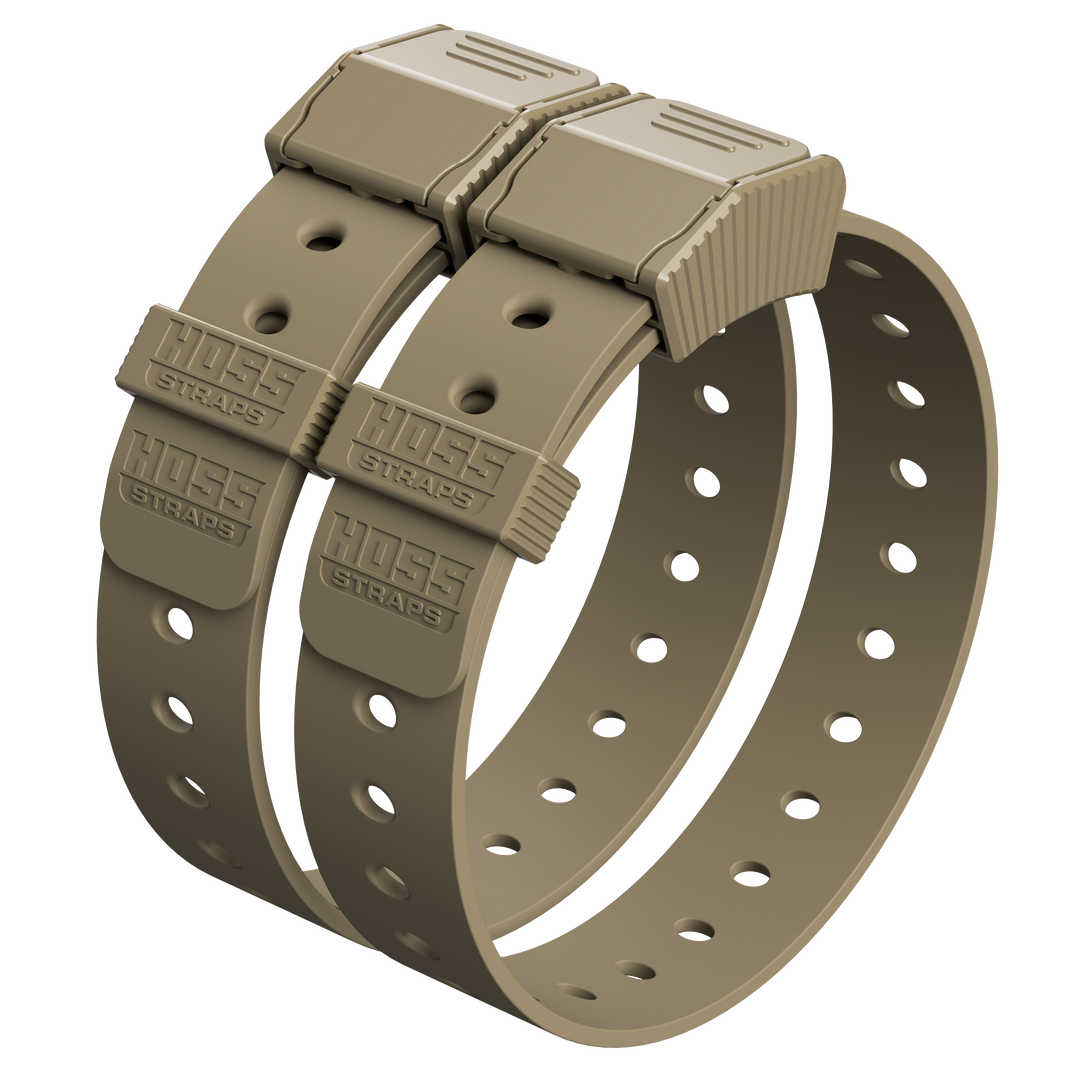
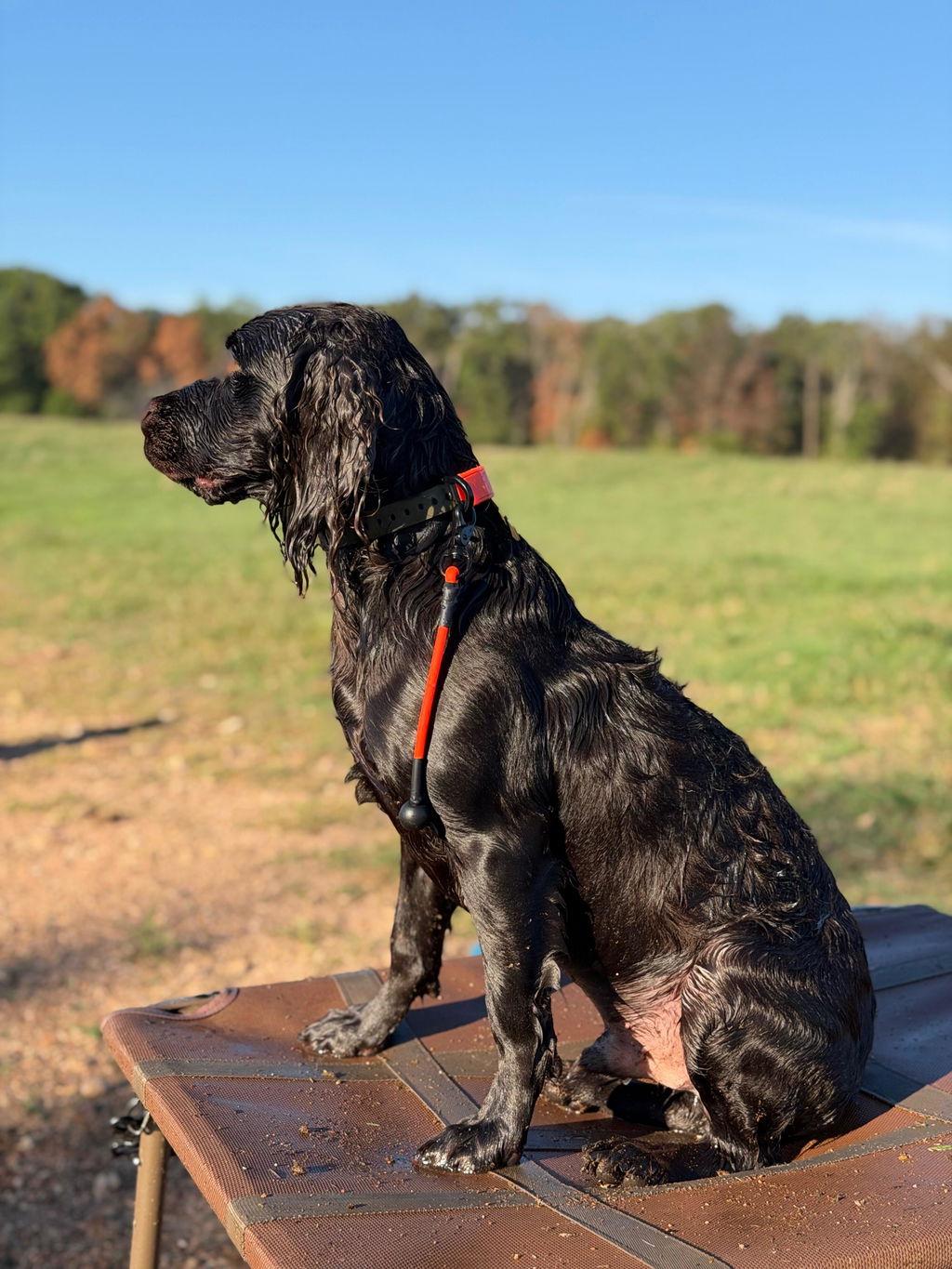
This is where Hoss has a stronger natural angle. If easy cleanup and more stable handling feel matter, a weatherproof dog collar is a much more relevant product bridge than a generic lifestyle collar mention.
Softer everyday setups
Not every working-dog owner needs the most hard-use system possible.
Some readers are really looking for a dependable everyday collar + leash pairing that still feels more serious and better built than generic pet-store gear. For those buyers, a simpler system may actually be the better answer.
Hardware Compatibility Is a Bigger Deal Than People Expect
Collar and leash hardware should work together cleanly, not just technically.
That means:
- the clip seats fully
- the ring shape makes sense with the clip style
- the connection does not bind when rotated
- the hardware does not feel oversized or awkward in use
A collar can be excellent on its own and still feel wrong if the leash hardware does not match it well.
That is why the article should push a simple system check:
- Clip the leash to the collar.
- Rotate through normal leash movement.
- Check for binding, twist, or crooked seating.
- If it feels wrong in your hand, treat that as real information.
That kind of quick check is more useful for buyers than just calling the hardware “durable.”
Leash Length Should Match the Job
Leash length is part of the system, not an afterthought.
Standard lead for daily handling
For many working-dog handlers, a standard lead remains the most practical everyday option because it is easier to manage in tighter spaces and keeps the picture cleaner.
Longer line for controlled range
Longer lines can be useful, but they should be chosen for specific drills or controlled environments, not just because more length sounds more versatile.
The bigger the line, the more you have to manage:
- slack
- tangles
- timing
- line awareness
That means the “best set” depends partly on whether you are building for close daily handling or for occasional distance work.
Three Better Collar + Leash Set Paths
This is the kind of section that makes the article more commercial and more useful.
1. Everyday working-dog setup
Best for:
- daily handling
- neighborhood work
- general training
- owners who want dependable gear without overcomplicating the system
Best path:
- start with Dog Collars
- pair with a lead that matches the same use level
- keep the hardware simple and clean
2. Hard-use field setup
Best for:
- muddy or wet conditions
- rougher outdoor environments
- repeated wipe-down and maintenance
- dogs that are hard on gear
Best path:
- compare K9 Dog Collars
- lean toward weatherproof dog collars
- choose leash hardware that matches the tougher-use collar system
3. More specialized training setup
Best for:
- handlers building around training gear
- setups where adapter compatibility matters
- owners who need the collar to fit into a broader system
Best path:
- start with the Training Collar Setup
- reference the Training Collar Adapter Kit where system compatibility matters
Why Hoss Fits This Topic Better Than a Generic Gear Guide
This page becomes much stronger when it stops acting like a general leash-and-collar article and starts acting like a working-dog handling guide.
The real Hoss angle is not just:
- we have collars
It is:
- handling consistency matters
- hardware interaction matters
- fit matters
- weatherproof cleanup matters
- gear should be chosen as a system
That is a much more believable bridge into products like:
A Better Way to Explain “Matching” to Buyers
Most buyers do not need a long lecture on materials. They need a simpler answer:
Choose a collar and leash that belong to the same level of use.
That means:
- everyday collar with everyday lead
- hard-use collar with hard-use lead
- weatherproof collar with weather-friendly handling expectations
- specialized training collar with compatible accessories and hardware
That framing is easier to understand and easier to shop from.
What to Check Before You Buy
Before choosing a collar + leash set, ask:
- What conditions will this gear see most often?
- Does the collar fit the dog correctly?
- Does the leash length match the job?
- Do the collar ring and leash clip work together cleanly?
- Am I choosing a real system or just mixing random gear?
Those five questions are a better buying filter than most generic “best collar and leash set” articles give readers.
Final Take
A good collar + leash set for a working dog is not just a bundle. It is a handling system.
The best setups feel consistent, connect cleanly, hold up in real conditions, and make the dog easier to handle rather than harder.
That is why this topic works best when the article focuses less on broad gear theory and more on building a repeatable system that suits the dog, the environment, and the handler.
That is also where Hoss can stand out: by helping readers choose gear that actually works together, not just gear that happens to be sold near each other.
FAQ
What makes a good collar + leash set for a working dog?
A good set fits the dog well, uses compatible hardware, behaves predictably in the conditions you work in, and feels consistent in the handler’s hand.
Should the collar and leash be the same material?
Not always, but they should be chosen on purpose. The more important question is whether they behave well together in the conditions you actually use them in.
What is the biggest mistake when building a collar + leash set?
Treating the pieces like separate purchases instead of one system. That is how you end up with mismatched hardware, awkward handling, or gear that feels wrong under real use.
Are weatherproof collar + leash setups better for working dogs?
Often, yes, especially in wet, muddy, or dirty environments. They are easier to clean and usually make more sense for repeated outdoor use.
What Hoss products make the best starting point?
That depends on the job. Dog Collars are a strong general starting point, K9 Dog Collars fit harder-use setups better, and the Training Collar Setup makes more sense when the collar is part of a broader training system.