


Cork Dog Collars: How They Feel, How They Hold Up, and How to Care for Them

Table of Contents
- Quick Answer
- What a Cork Collar Actually Is
- How Cork Feels on a Dog
- What Cork Does Well and Where It Falls Short
- How to Choose a Cork Collar That Lasts
- Cork Collar Care
- Is Cork Right for Your Dog?
- A Rugged Everyday Alternative
- FAQ
Cork dog collars are popular because they feel light, look natural, and offer a softer visual alternative to nylon, leather, or coated synthetic collars. But cork is still collar material, and collars get worked hard: leash pressure, rain, mud, grass, sand, scratching, tags, and daily wear.
The short answer: cork can be a good choice for easygoing dogs and owners who like a natural texture, but it is not automatically the toughest collar material. The full collar build matters more than the cork surface alone. Backing, stitching, edge finish, buckle quality, and D-ring hardware decide whether a cork collar stays useful or starts wearing early.
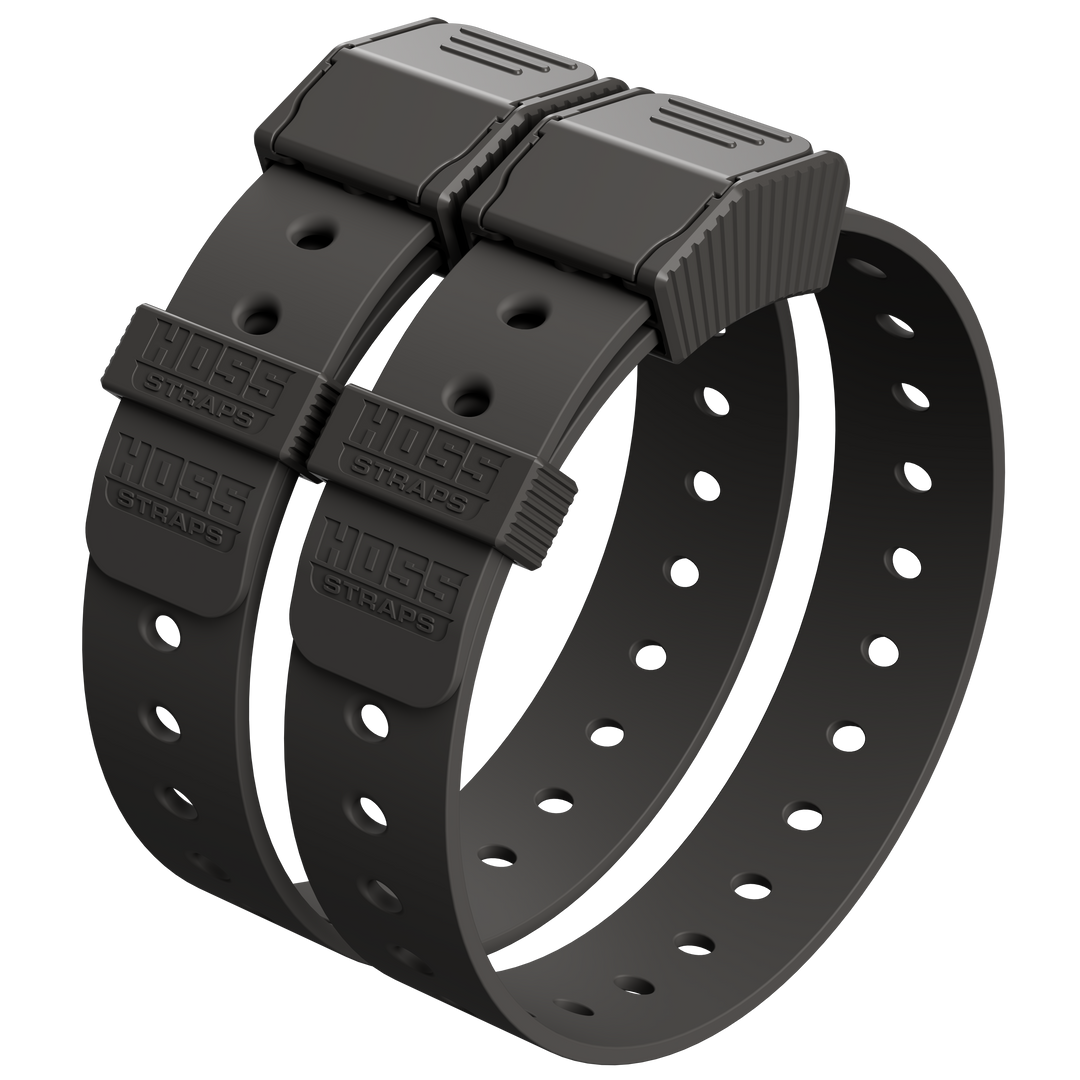
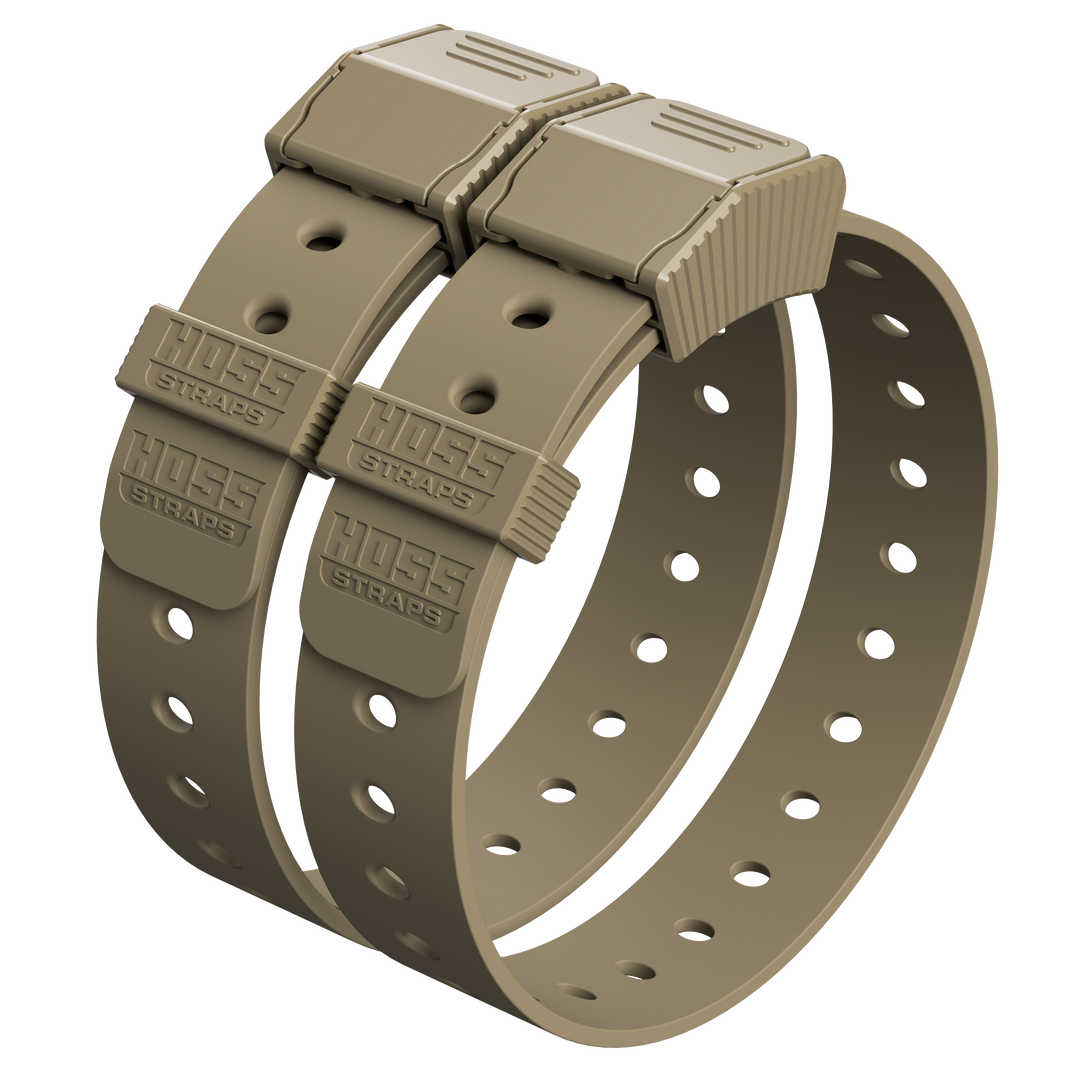
If your dog is a strong puller, swims often, chews gear, or spends a lot of time outdoors, compare cork with more rugged options like Hoss Dog Collars, the D-Ring Dog Collar, or Weatherproof Dog Collars.
Quick Answer: Are Cork Dog Collars Worth It?
| Factor | How Cork Usually Performs | What to Check Before Buying |
|---|---|---|
| Feel | Light, flexible, and slightly textured | Smooth edges and no stiff backing against the neck |
| Durability | Good for casual daily wear, but build quality matters | Backing, stitching, D-ring, buckle, and edge finish |
| Water | Often water-resistant, not always waterproof | Avoid long soaking unless the product is designed for it |
| Cleaning | Best with gentle wipe-down care | Use mild soap, soft cloth, and air drying |
| Best fit | Easygoing walkers, style-focused daily wear, lighter routines | Choose tougher gear for hard pullers, chewers, and rough outdoor use |
What a “Cork Collar” Actually Is
Cork comes from bark tissue. Britannica describes cork as thin-walled, wax-coated cells that make up the outer bark, with commercial cork coming from the cork oak.
In dog collars, cork is usually not a thick, solid slab. Many cork products use a thin cork surface bonded to a backing material so the strap can flex, hold shape, and support hardware. That is why two cork collars can feel very different even if they look similar in photos.
The cork layer affects the look and hand feel. The backing, stitching, buckle, D-ring, and edge finish affect how the collar performs.
How Cork Feels on a Dog
Light and flexible
Cork has a closed-cell structure and low density. The Arnold Arboretum at Harvard University explains that cork’s low density and closed cells help give it buoyancy and compressibility.
On a collar, that usually means cork feels lighter and less stiff than some heavy leather or coated materials. For dogs that dislike bulky collars, that lighter feel can be a real advantage.
Textured without feeling rough
Cork has a soft, natural texture. It is not slick like some synthetic coatings, and it does not have the cold, hard feel of some plastic-heavy materials.
Cork can be a good match for:
- Dogs that prefer lighter collars
- Owners who want a natural-looking collar
- Easygoing walkers
- Dogs that wear collars mainly for ID and casual leash use
Cork may be less ideal for:
- Dogs that chew collars
- Hard pullers
- Dogs that swim often
- All-day outdoor dogs that regularly drag gear through rough terrain
What Cork Does Well and Where It Falls Short
Where cork can shine
- Comfort: Cork can feel forgiving because of its light, compressible structure.
- Style: Cork has a natural pattern, so it stands out without needing loud colors.
- Grip: The surface often feels lightly textured instead of slick.
- Water resistance: Cork contains suberin and waxes that help resist air and water movement, according to Harvard’s Arnold Arboretum.
Where cork needs realistic expectations
- Heavy pulling: Strong leash pressure stresses buckle holes, D-rings, stitching, and edges.
- Abrasion: Cork’s surface can show wear if the edge finish or backing is weak.
- Long soaking: Treat most cork collars as water-resistant, not fully waterproof, unless the product specifically says otherwise.
- Heat and sun: Like many natural materials, cork can dry out or age faster if it is repeatedly left in direct heat.
How to Choose a Cork Collar That Lasts
Do not buy a cork collar based on the surface pattern alone. A good collar is a full build: cork layer, backing, stitching, edges, buckle, and D-ring.
1. Check the backing
Many cork fabrics are made by bonding thin cork to a backing material for structure and strength. Look for even bonding with no bubbles, lifting, or peeling edges.
2. Inspect the edges
Edges take abuse first. If the edge finish looks thin, uneven, or unfinished, it may lift or fray sooner.
3. Look closely at stitching
Stitching should be straight, tight, and reinforced at stress points near the buckle and D-ring. Loose threads around hardware are a red flag.
4. Feel the hardware
The buckle and D-ring should feel smooth and solid. Rough hardware can scrape the cork surface or irritate your dog’s neck.
5. Fit matters more than material
A well-made cork collar can still rub if it is too loose or too tight. Choose a size with useful adjustment range, then check the fit after a few wears.
Cork Collar Care: Simple Upkeep That Works
Cork does not need complicated care, but it does need gentle care. The goal is to remove dirt without soaking, scrubbing, or drying it harshly.
Quick clean
Use a soft cloth with mild soap and a small amount of water. Cork care guidance commonly recommends damp wiping and avoiding harsh cleaners, alcohol-based products, and abrasive scrubbing.
- Wipe the surface with a damp, soft cloth.
- Use a small amount of mild soap for grime.
- Blot excess moisture with a towel.
- Let the collar air dry at room temperature.
After wet walks
- Blot the collar with a towel.
- Let it dry fully before storing or reusing.
- Keep it away from heater vents, dryers, and direct high heat.
Storage
- Store the collar dry.
- Do not crush it under heavy gear.
- Keep it out of direct sun when not in use.
Is Cork the Right Pick for Your Dog?
| Your Dog’s Routine | Cork Collar Fit | Better Direction if Cork Is Not Ideal |
|---|---|---|
| Calm neighborhood walks | Good option if fit and stitching are solid | Everyday dog collars |
| Style-focused ID wear | Good option for a natural look | D-ring dog collar for stronger daily handling |
| Rain, mud, swimming, frequent cleaning | Use caution; cork may need more care | Weatherproof dog collars |
| Hard pulling or field use | Usually not the first choice | K9 dog collars |
| Training or GPS module use | Only if product compatibility is clear | Training Collar Setup |
A Rugged Everyday Alternative
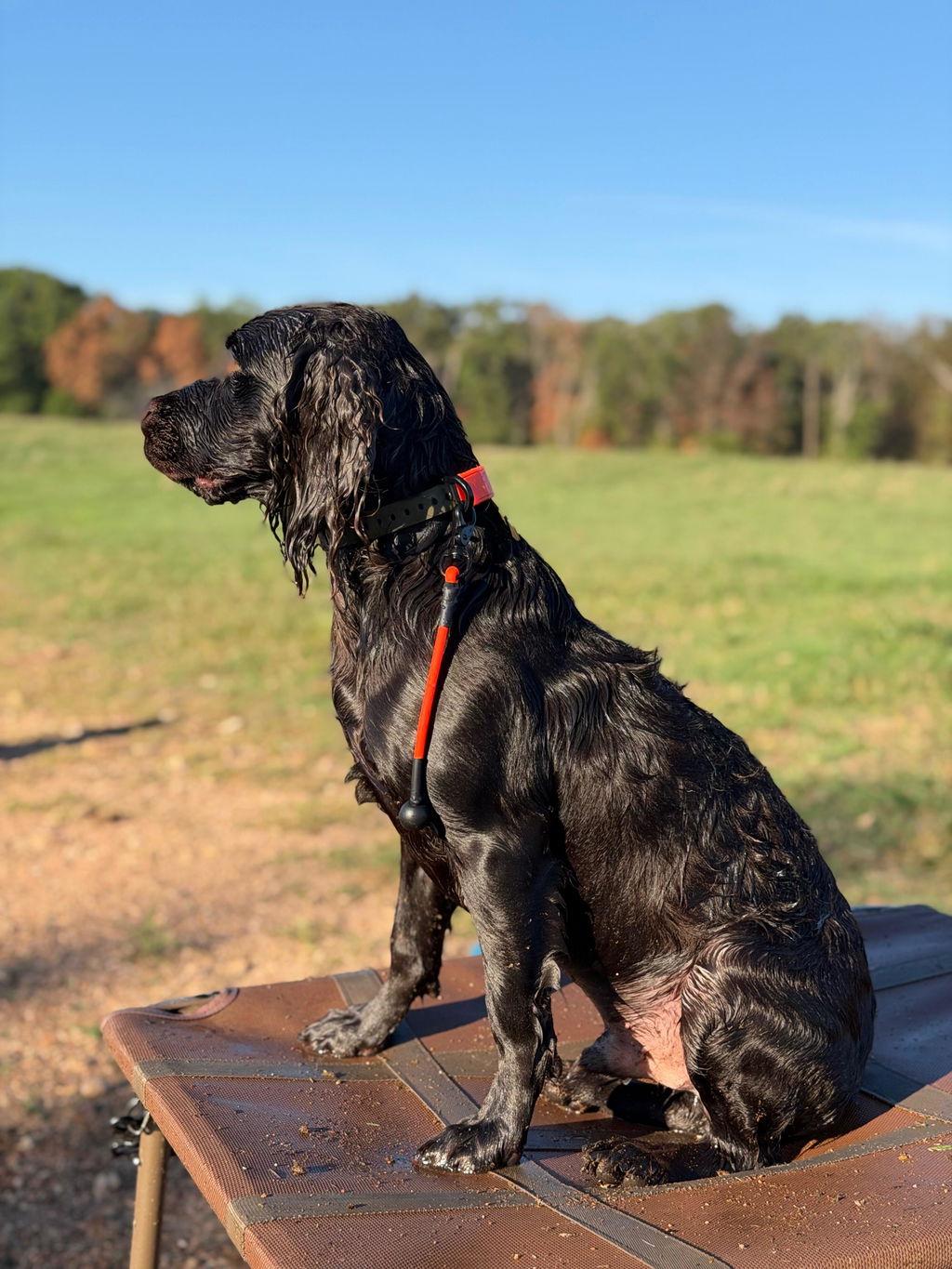
Cork has its place. It is light, distinctive, and comfortable when the collar is built well. But if your priority is rugged everyday use, easier cleanup, and dependable leash-and-tag handling, Hoss collars are the stronger path.
The Hoss D-Ring Dog Collar is built for daily wear with weatherproof construction, quick-release handling, a 1 1/16-inch strap width, and a clear D-ring attachment point for leash clips and tags.
For dogs that spend more time outdoors, compare Weatherproof Dog Collars. For working, sport, or stronger handling contexts, start with K9 Dog Collars. If your dog uses compatible Garmin-style gear, review the Training Collar Setup and Training Collar Adapter Kit.
FAQ
1. Are cork dog collars comfortable for everyday wear?
They can be. Cork is often light, flexible, and slightly textured. Comfort still depends on fit, edge finish, stitching, and whether the backing feels smooth against the dog’s neck.
2. Can my dog swim while wearing a cork collar?
Occasional splashes may be fine for many cork collars, but frequent swimming is a different demand. Unless the product is designed for repeated water exposure, treat cork as water-resistant instead of waterproof. Dry it fully after wet use.
3. How do I clean a cork collar without damaging it?
Use a soft damp cloth, mild soap, and gentle pressure. Avoid soaking, harsh cleaners, alcohol-based products, abrasive scrubbing, and direct heat during drying.
4. What should I look for before buying a cork collar online?
Zoom in on the edges, stitching, buckle, and D-ring. Look for clean construction, reinforced stress points, smooth hardware, and a backing layer that helps the collar hold shape.
5. When should I choose a different collar material instead?
Choose a tougher collar if your dog pulls hard, chews gear, swims often, or spends a lot of time in rough outdoor conditions. In those cases, a weatherproof or K9-style collar will usually be easier to maintain and more dependable.