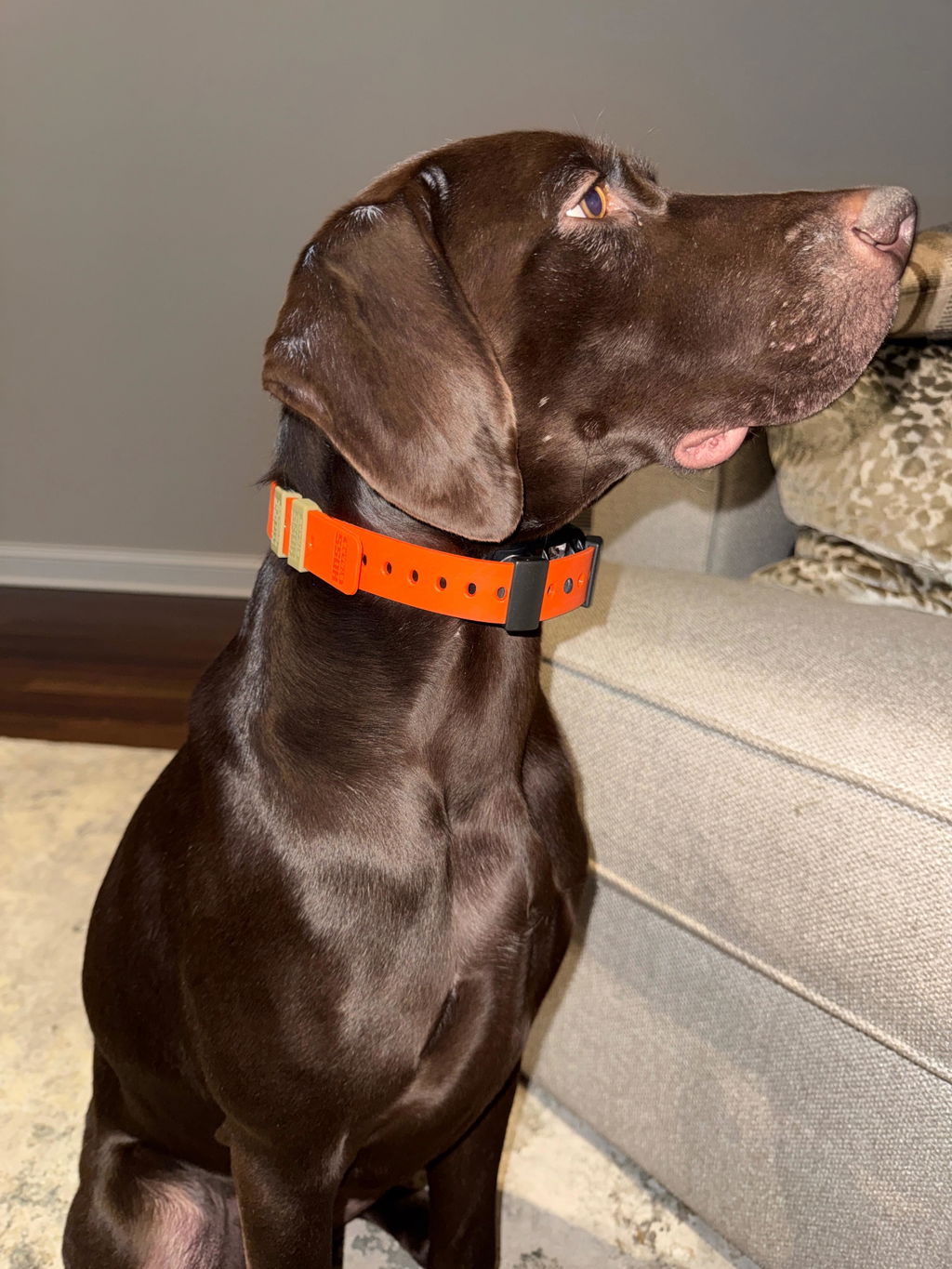



Different Types of Dog Collars and When to Use Each One

Table of Contents
- Start Here: The Fastest Way to Choose the Right Collar
- The Main Types of Dog Collars
- Collar Alternatives That Often Make More Sense
- Specialized Training Collars: Use With More Caution
- Which Collar Type Is Best for Everyday Use?
- Which Collar Type Is Best for Active Outdoor Dogs?
- Which Collar Type Is Best for Escape-Prone Dogs?
- Which Collar Type Is Best for Strong Pullers?
- The Biggest Collar Mistakes Owners Make
- How Hoss Fits Into the Decision
- A Better Buying Lens
- Final Take
-
FAQ
Choosing a dog collar sounds simple until you realize how many different jobs collars are expected to do.
Some collars are made for everyday wear and ID tags. Some are built to prevent escape. Some are better for active outdoor dogs. Others are specialty tools that only make sense in narrow training contexts.
That is why the best dog collar is not just the one that looks the nicest or feels the toughest in your hand. It is the one that matches the dog, the environment, and the way the collar will actually be used.
This guide breaks down the main types of dog collars, when each one makes sense, when it does not, and how to choose the right setup without overcomplicating the decision.
Start Here: The Fastest Way to Choose the Right Collar
If you want the short version first, use this:
- for most dogs, a flat collar is the best everyday starting point
- for dogs that back out of collars, a martingale makes more sense
- for flat-faced dogs or dogs with airway concerns, a harness is usually safer for leash pressure
- for active outdoor dogs, weatherproof collars are often easier to live with
- for specialized training tools, context and handler skill matter much more than marketing copy
That decision path is more useful than treating every collar type as equally necessary.
The Main Types of Dog Collars
There are a lot of product variations, but most fall into a few practical categories.
1. Flat collars
This is the standard everyday collar most dogs should start with.
Best for:
- ID tags
- daily wear
- routine walks
- dogs with decent leash manners
Why they work:
- simple
- familiar
- easy to fit
- easy to inspect
- versatile enough for most pet dogs
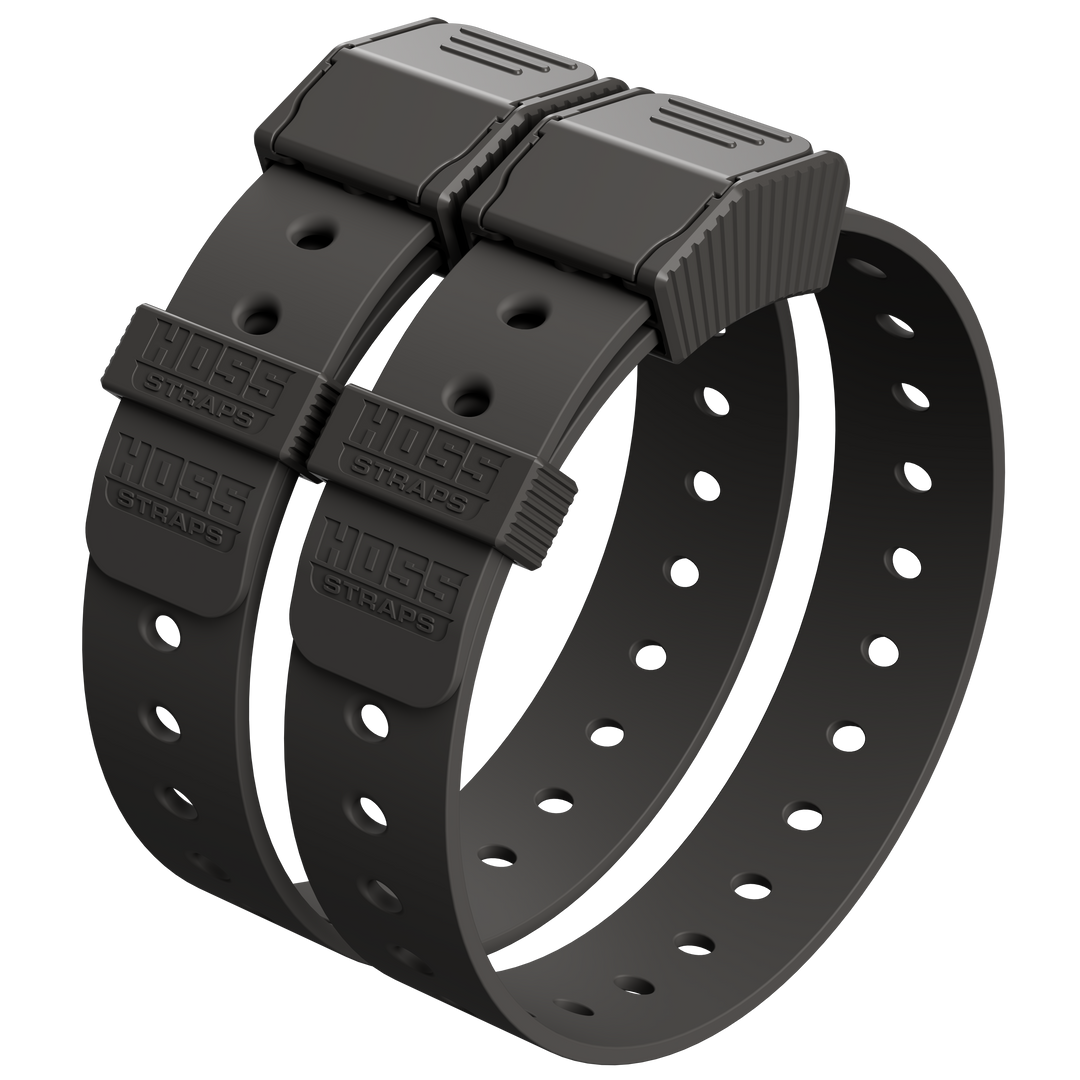
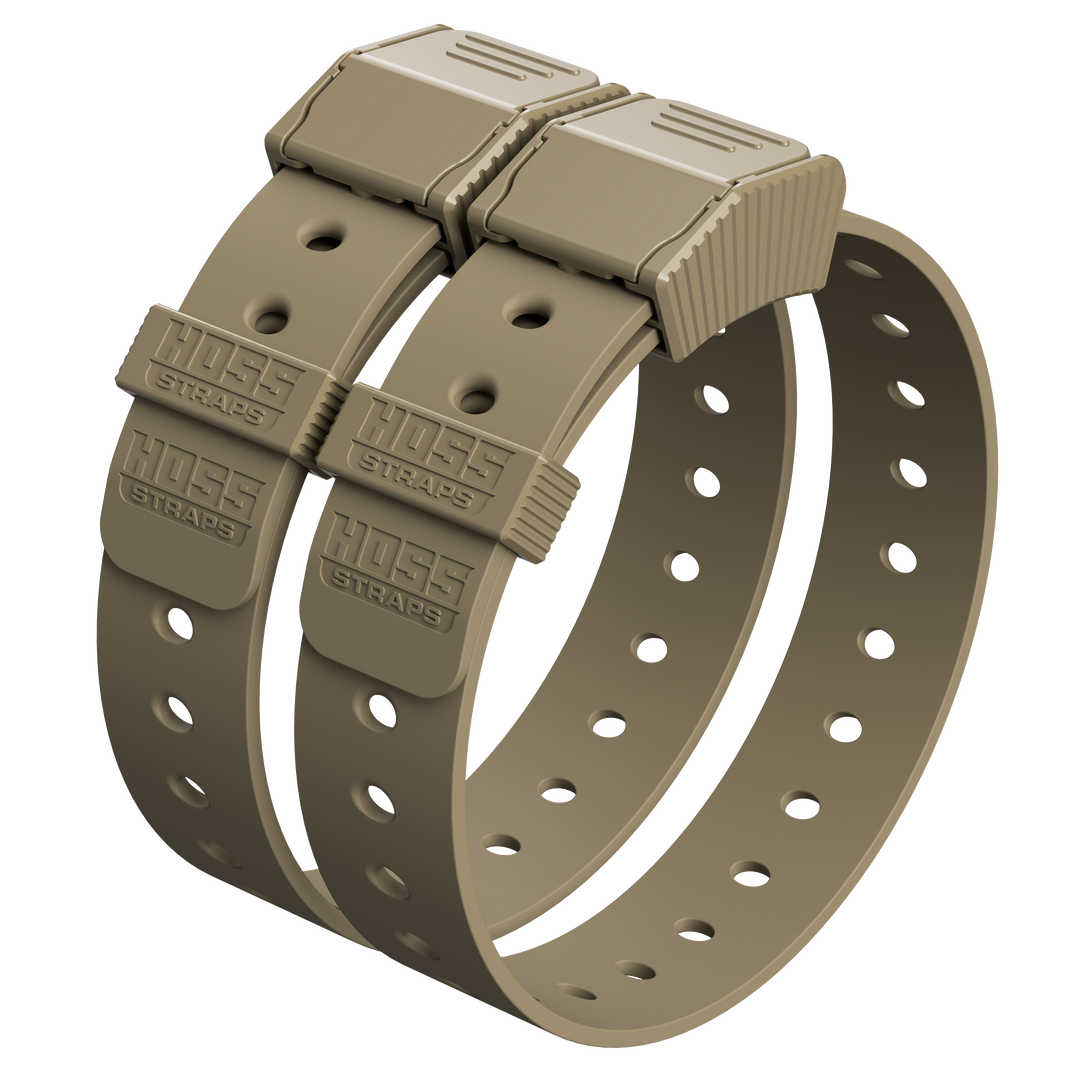
This is also where Hoss fits most naturally for a broad audience. Hoss Dog Collars and the D-Ring Dog Collar are the most relevant product bridges for everyday use.
2. Breakaway collars
Breakaway collars are designed to release under pressure.
Best for:
- unsupervised wear in some home settings
- multi-dog play situations where snag risk is a concern
- situations where accidental hanging or entanglement is the bigger safety worry
Not ideal for:
- leash walking without a proper backup
- dogs that pull hard on leash
The key with breakaway collars is understanding that safety depends on the job. A collar that is safer in one context can be the wrong choice in another.
3. Martingale collars
Martingales tighten only to a limited point, which makes them useful for dogs that can slip out of standard flat collars.
Best for:
- escape-prone dogs
- narrow-headed breeds like sighthounds
- dogs that back out during walks
Why they help:
- more secure than a flat collar for certain body types
- still simpler and safer than a slip-style setup when used correctly
This is one of the collar types owners often discover only after a dog has already slipped a regular collar once.
4. GPS or smart collar systems
These are less about leash handling and more about monitoring and location tracking.
Best for:
- dogs on large properties
- escape-risk dogs
- owners who want activity or location data
These systems can make sense, but they do not replace a well-fitted everyday collar. They are an added layer, not the full answer.
Collar Alternatives That Often Make More Sense
Some dogs should not rely on collar pressure for certain tasks, even if they still wear a collar for ID.
Harnesses
Harnesses are often the better choice when leash pressure on the neck is not ideal.
Best for:
- flat-faced breeds
- dogs with airway concerns
- dogs that pull hard
- hiking or longer outdoor movement
This is one of the most important distinctions in the whole article: the best everyday collar is not always the best walking tool.
Head collars
Head collars are specialized handling tools that redirect the dog by controlling head movement.
Best for:
- owners who need more control over strong pullers
- specific training situations where redirection is useful
Not ideal for:
- casual use without introduction
- dogs who have not been conditioned to wear them
These can work well in the right hands, but they need a careful introduction and should not be treated like a generic everyday option.
Specialized Training Collars: Use With More Caution
This part of the topic is where many generic articles get sloppy. Not every collar type belongs in the same recommendation bucket.
Slip collars
Slip collars tighten without a built-in limit.
When they may appear:
- handling contexts
- specific training systems
- controlled, supervised use
Why caution matters:
- they can tighten indefinitely
- they are easy to misuse
- they are not appropriate as casual all-day wear
Prong collars
Prong collars are highly specific tools and should not be treated like a default answer for pulling or frustration.
Why they are controversial:
- misuse is common
- poor fit can create physical and emotional problems
- many owners reach for them before fixing clarity, timing, and training setup
If this collar type is mentioned at all, the article should frame it as a narrow training tool, not as an everyday recommendation.
Which Collar Type Is Best for Everyday Use?
For most dogs, the answer is still simple:
A well-fitted flat collar is the best everyday collar.
That is especially true when it:
- fits properly
- holds ID tags securely
- feels comfortable all day
- uses dependable hardware
- stays easy to clean
This is where Hoss can stand out more strongly than the current live article does. Instead of just naming types of collars, the page should explain why Hoss weatherproof everyday collars solve real ownership problems better than generic nylon or higher-maintenance materials.
Which Collar Type Is Best for Active Outdoor Dogs?
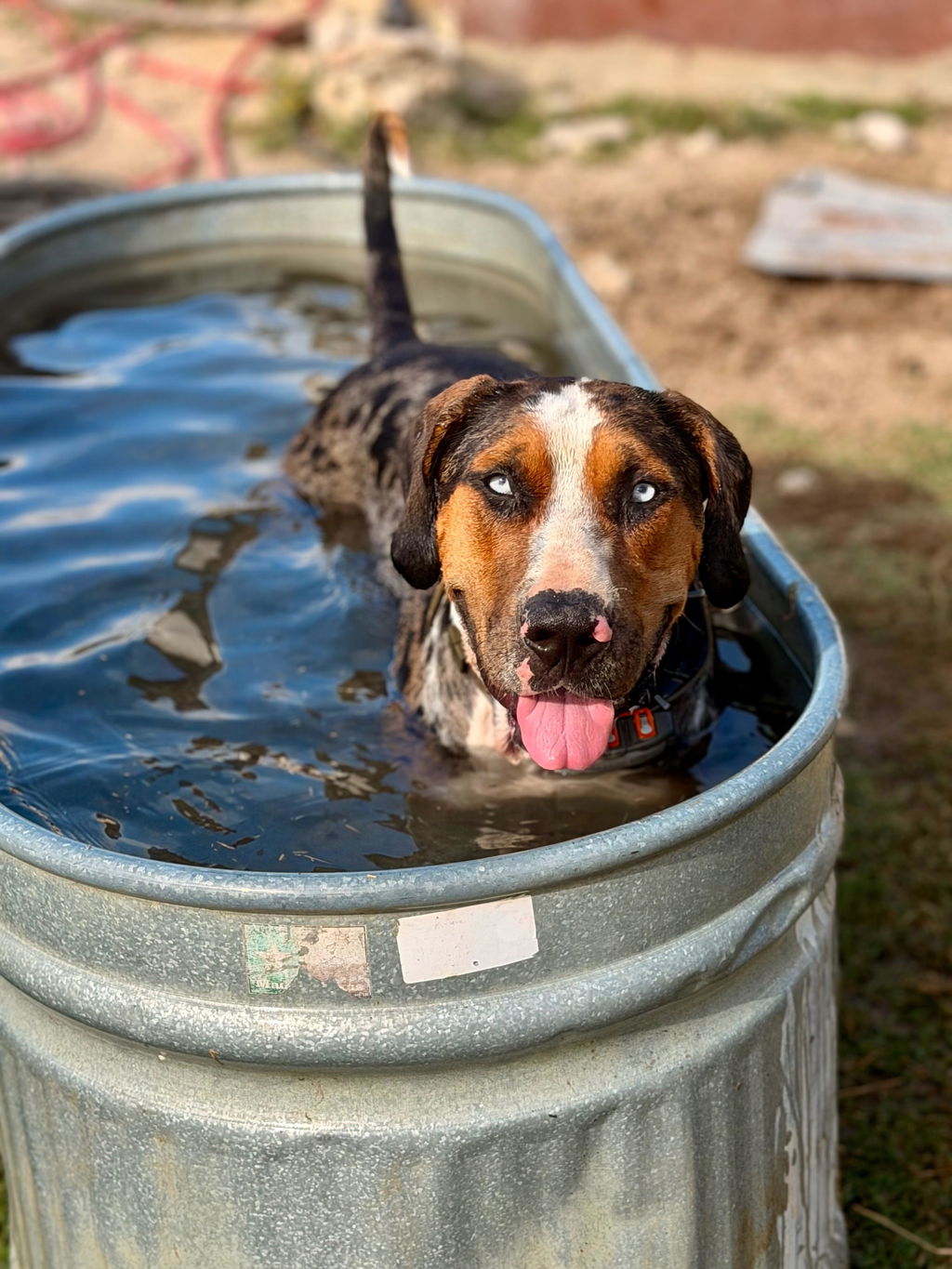
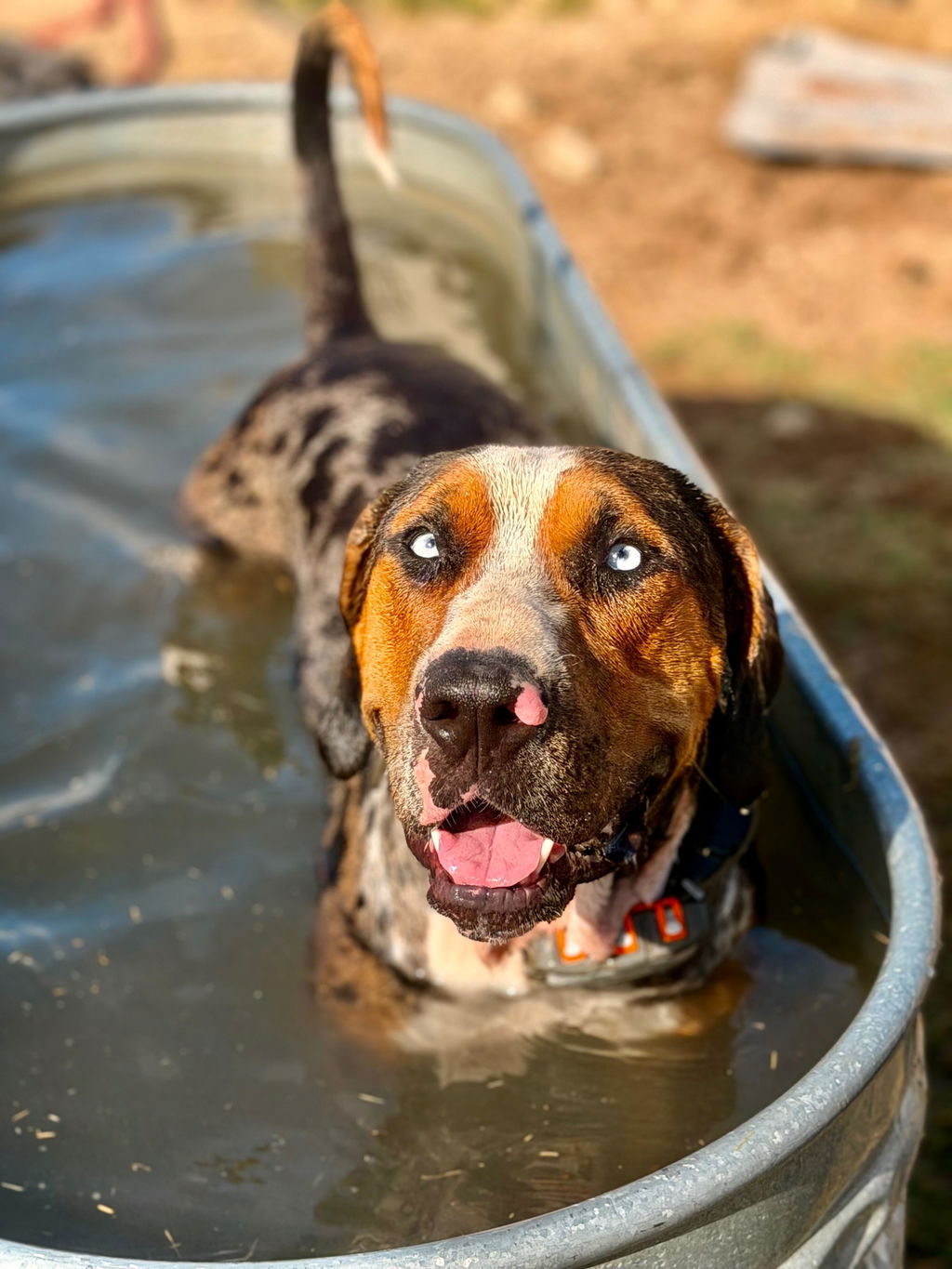
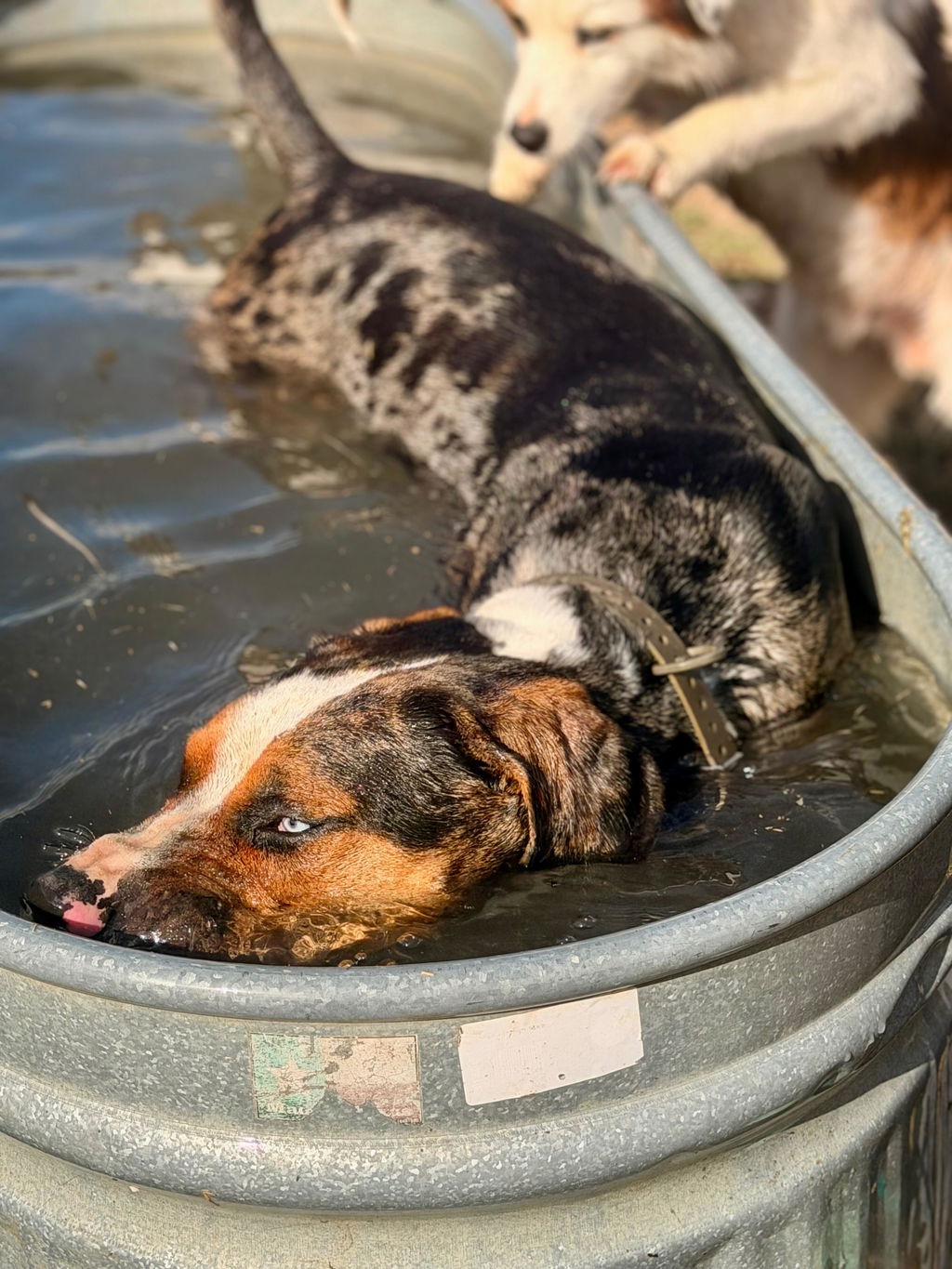
For active outdoor dogs, material matters almost as much as collar type.
Dogs that spend time in:
- rain
- mud
- creeks
- brush
- repeated outdoor sessions
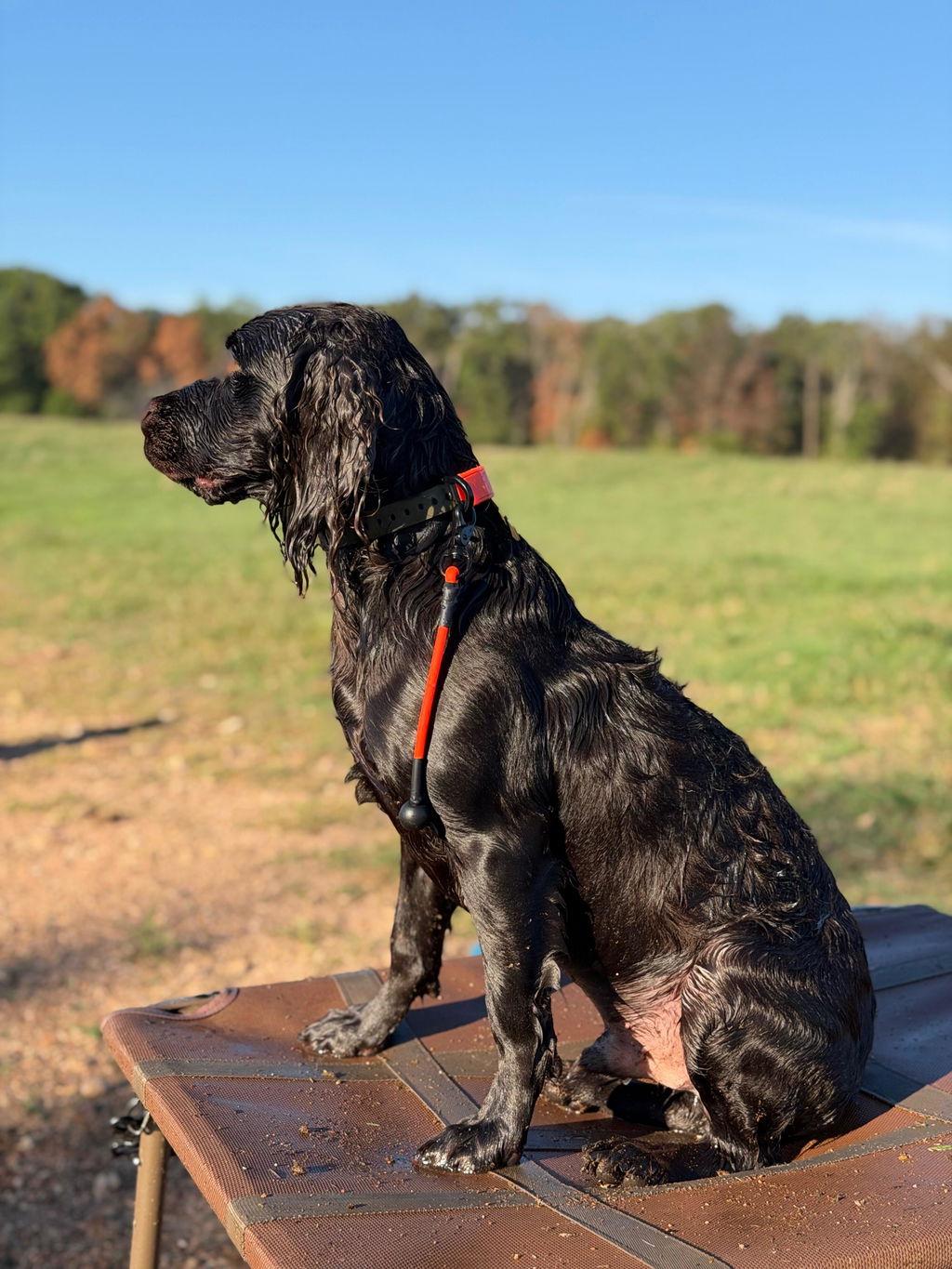
usually benefit more from a weatherproof dog collar than from fabric options that stay wet, hold odor, and get grimy fast.
This is a much stronger practical distinction than simply saying one collar “looks better” or “feels tougher.”
Which Collar Type Is Best for Escape-Prone Dogs?
If your dog backs out of collars, the answer is usually not “buy a stronger flat collar and hope.”
It is usually:
- review fit first
- look at body shape
- use a collar type designed for that problem
This is where martingales earn their place.
The bigger lesson is that collar choice should follow the failure point. If the problem is escape, choose the collar that addresses escape.
Which Collar Type Is Best for Strong Pullers?
This is one of the most misunderstood questions.
For strong pullers, the answer often depends on why the dog is pulling and what the dog’s body needs, not just what gives the owner more leverage.
For many dogs:
- a harness is the safer walking tool
- a better training plan matters more than a harsher collar
- a stronger everyday collar may still be useful for daily wear and tags, but it is not the whole solution
That is why the page should be more careful about separating daily collars from active training tools.
The Biggest Collar Mistakes Owners Make
This is where a stronger Hoss-first rewrite can add a lot of value.
The most common mistakes are:
- choosing by looks instead of use case
- leaving a poor-fitting collar in rotation too long
- using the same collar for every job without thinking about the task
- expecting the collar to solve a training problem by itself
- underestimating how much material matters for wet or dirty dogs
This kind of section helps the article feel more like real guidance and less like a basic listicle.
How Hoss Fits Into the Decision
Hoss should not try to be the answer to every collar type in the article. The stronger approach is to own the categories where the brand is actually strongest.
That means focusing on:
- flat everyday collars
- weatherproof active-dog collars
- D-ring everyday handling setups
- harder-use K9-style collar setups
That creates a much more believable bridge into:
- Dog Collars
- D-Ring Dog Collar
- D-Ring Dog Collars collection
- Weatherproof Dog Collars
- K9 Dog Collars
- Training Collar Setup when the reader is already in a more specialized gear lane
- Training Collar Adapter Kit when adapter compatibility matters
A Better Buying Lens
Instead of asking “Which collar type is best?” ask:
- Is this for everyday wear, walking, escape prevention, outdoor use, or training?
- Does my dog have any body-shape or airway issues that change the answer?
- Will the collar get wet, dirty, or used hard?
- Does the dog need a standard collar, or a collar plus a different walking tool?
That question set will get most owners closer to the right answer than just memorizing collar categories.
Final Take
There are a lot of different dog collar types, but most owners do not need all of them.
For most dogs, a flat collar is still the best everyday place to start. Martingales solve escape problems better. Harnesses make more sense for certain pullers and airway-sensitive breeds. And weatherproof collars are often the smartest choice for active outdoor dogs.
That is the real value of this topic: not showing every collar on the market, but helping owners choose the right one for the dog in front of them.
That is also where Hoss can stand out most clearly, by making the article feel less like a generic list and more like real product-guided experience.
FAQ
What type of dog collar is best for everyday use?
For most dogs, a properly fitted flat collar is the best everyday option for ID tags, routine wear, and standard walks.
What collar is best for dogs that slip out?
A martingale is often the better choice for dogs that back out of flat collars, especially breeds with narrow heads.
Are harnesses better than collars for pullers?
Often, yes. Harnesses are usually safer for dogs that pull hard or have breathing concerns, while the collar can still be used for ID and everyday wear.
What is the most durable dog collar material?
For active outdoor use, weatherproof coated materials are usually easier to clean and more resistant to odor and water than standard fabric options.
Which Hoss collar should I start with?
For general daily use, start with Dog Collars or the D-Ring Dog Collar. For harder-use or outdoor setups, compare Weatherproof Dog Collars and K9 Dog Collars.