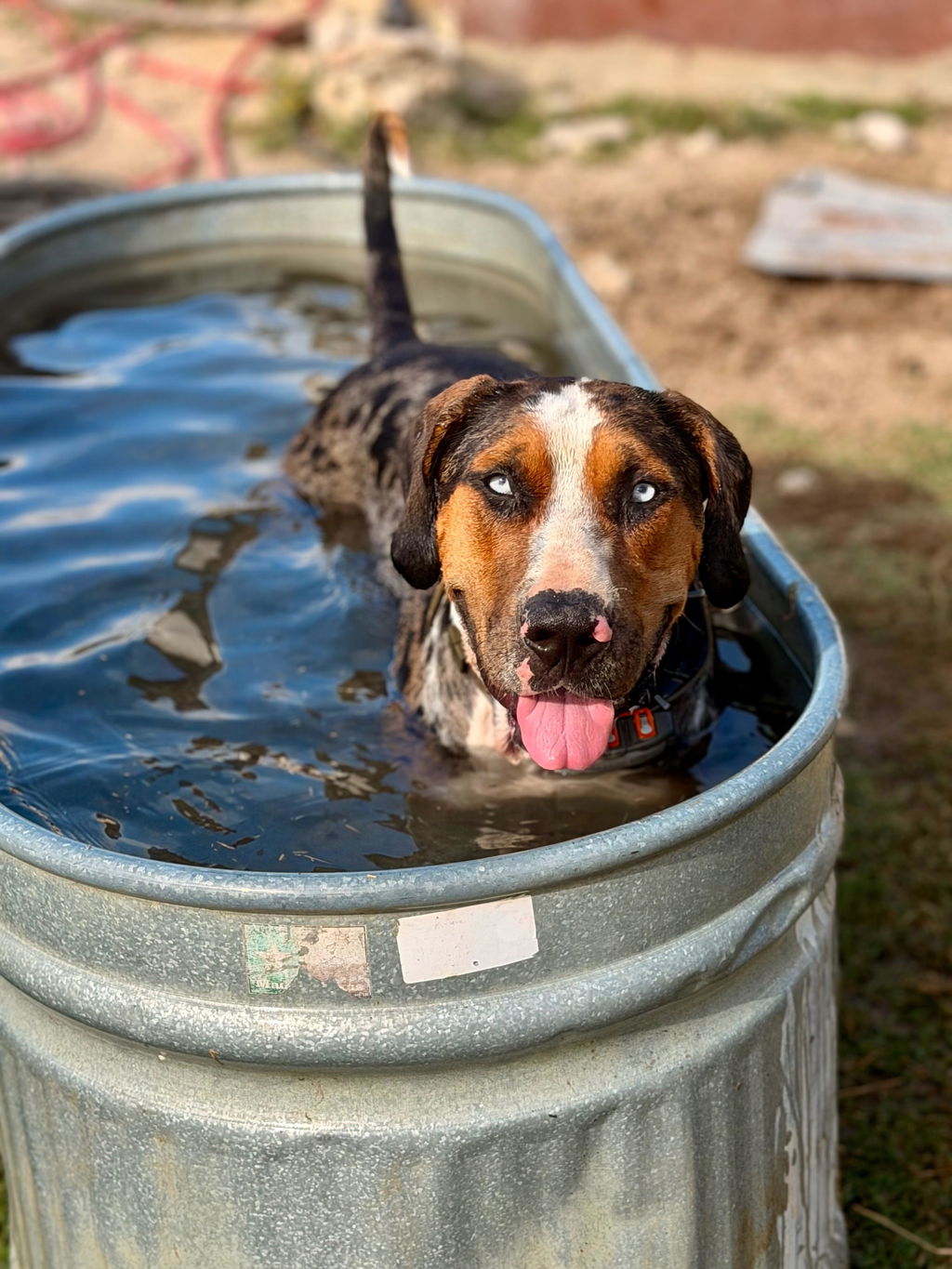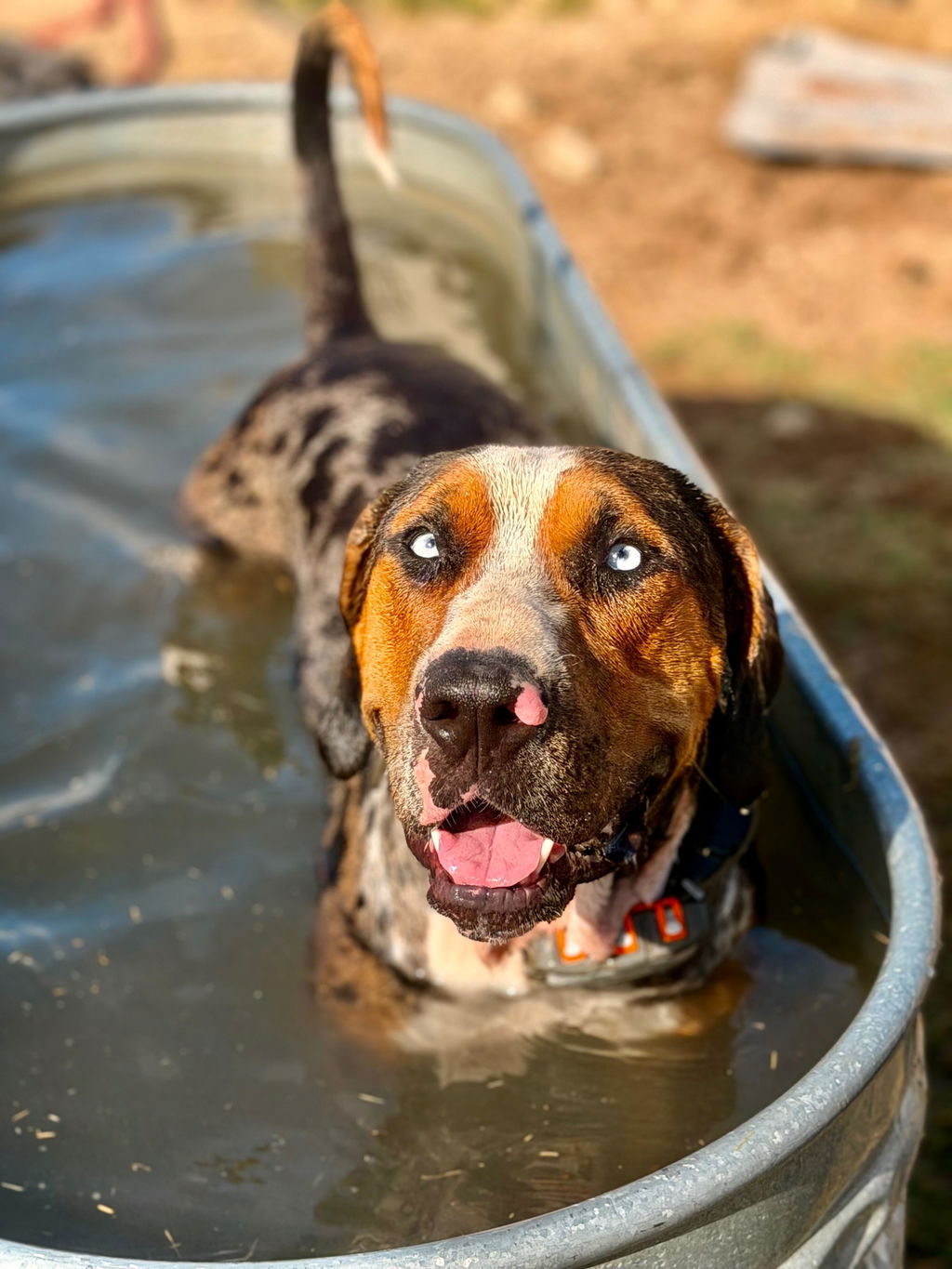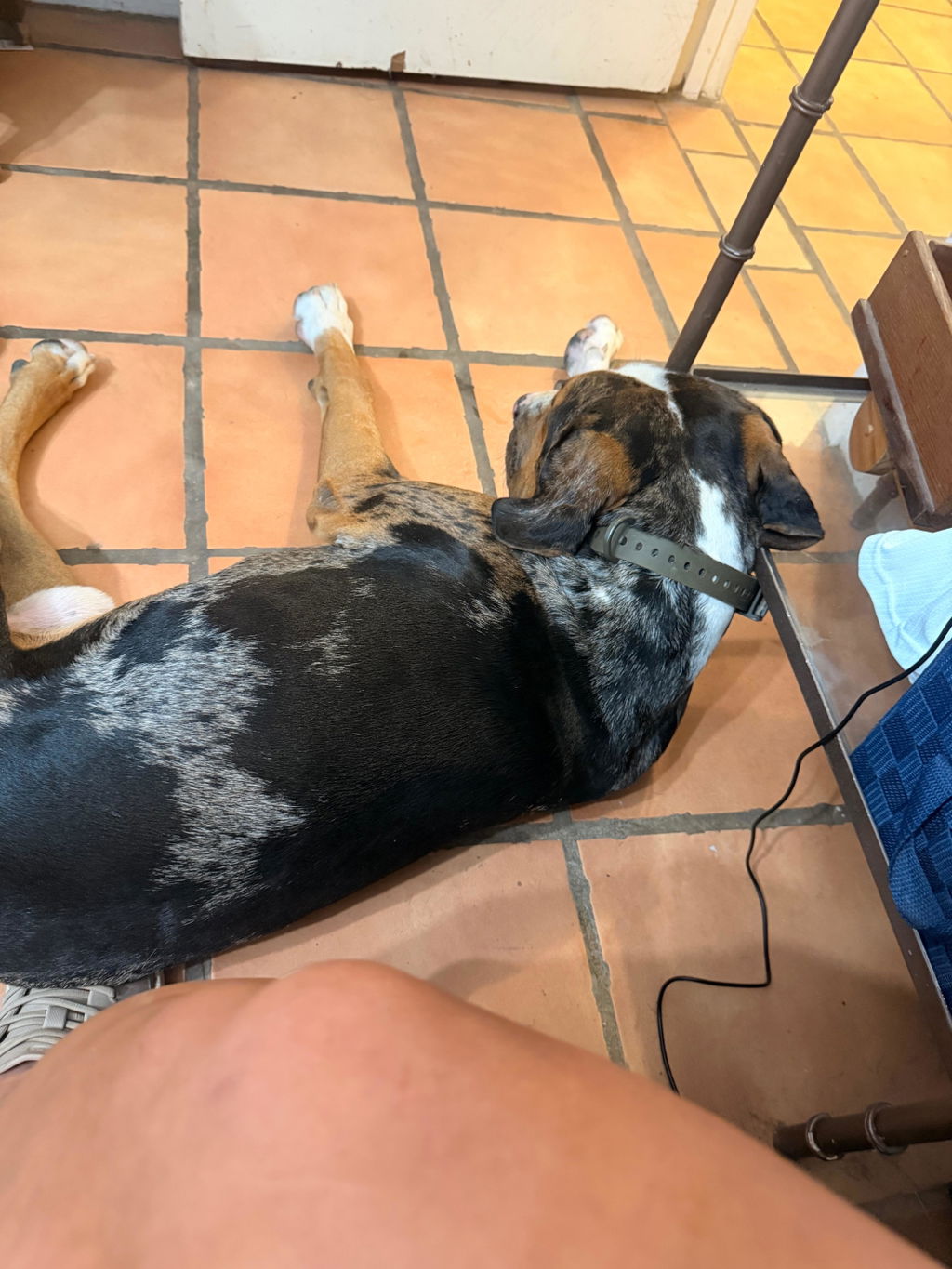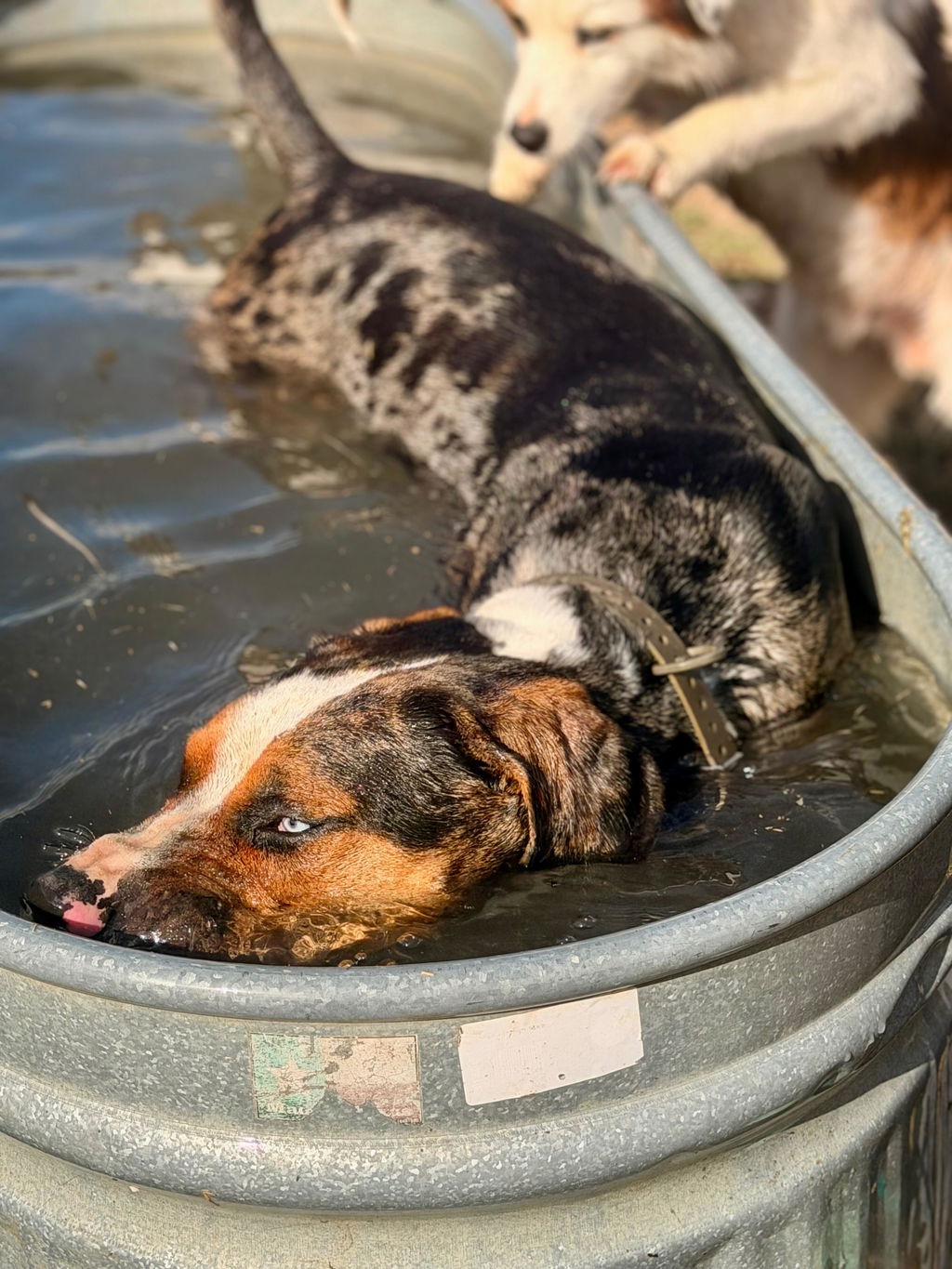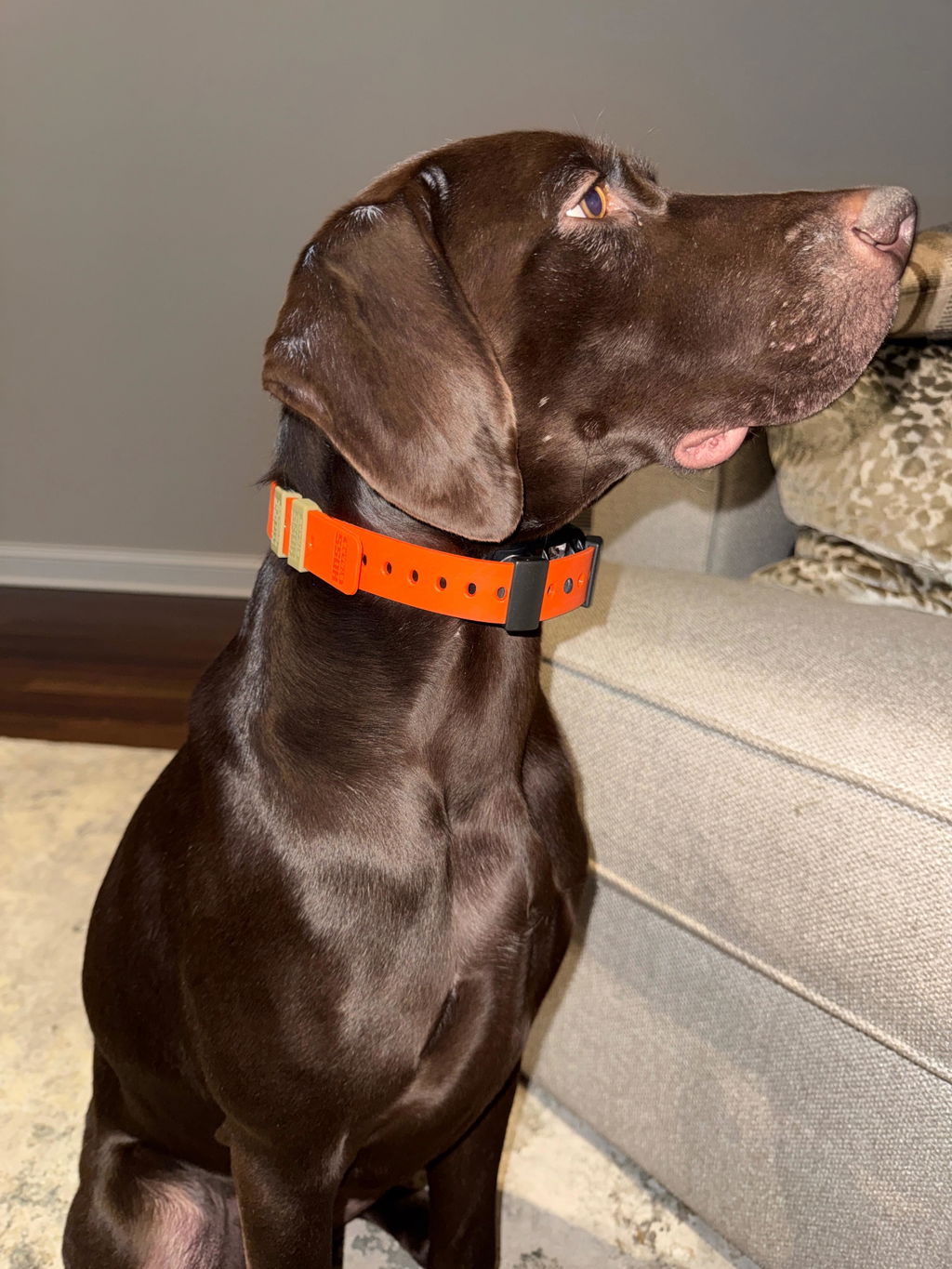



Sizing, Fit & Measuring Guide for K9 Dog Collars

Table of Contents
- Quick Answer
- How to Measure Your Dog's Neck
- Choosing Collar Length and Adjustment Range
- Collar Width by Dog Size and Job
- The Fit Checks That Matter
- Adjusting Fit Through the Year
- Common Fit Problems and Fixes
- Field-Ready Collar Fit Checklist
- K9 Collars Built for Hard Use
- FAQ
K9 dog collars need a more precise fit than casual everyday collars. Working dogs run, pull, track, climb, jump, and train in conditions that can expose weak sizing fast. A collar that is too loose can slip or rotate into the throat. A collar that is too tight can rub, restrict comfort, or create pressure when the dog is working hard.
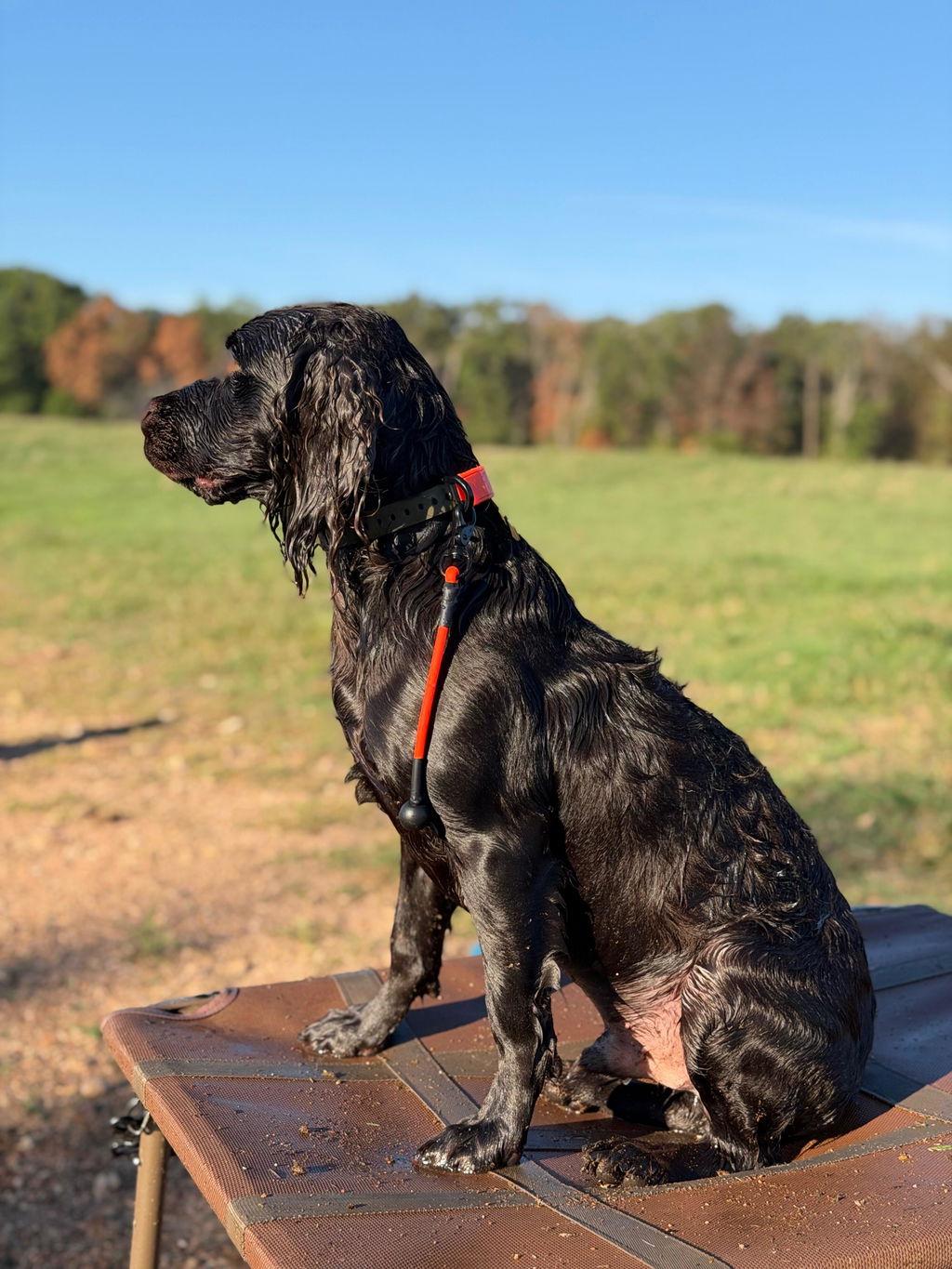
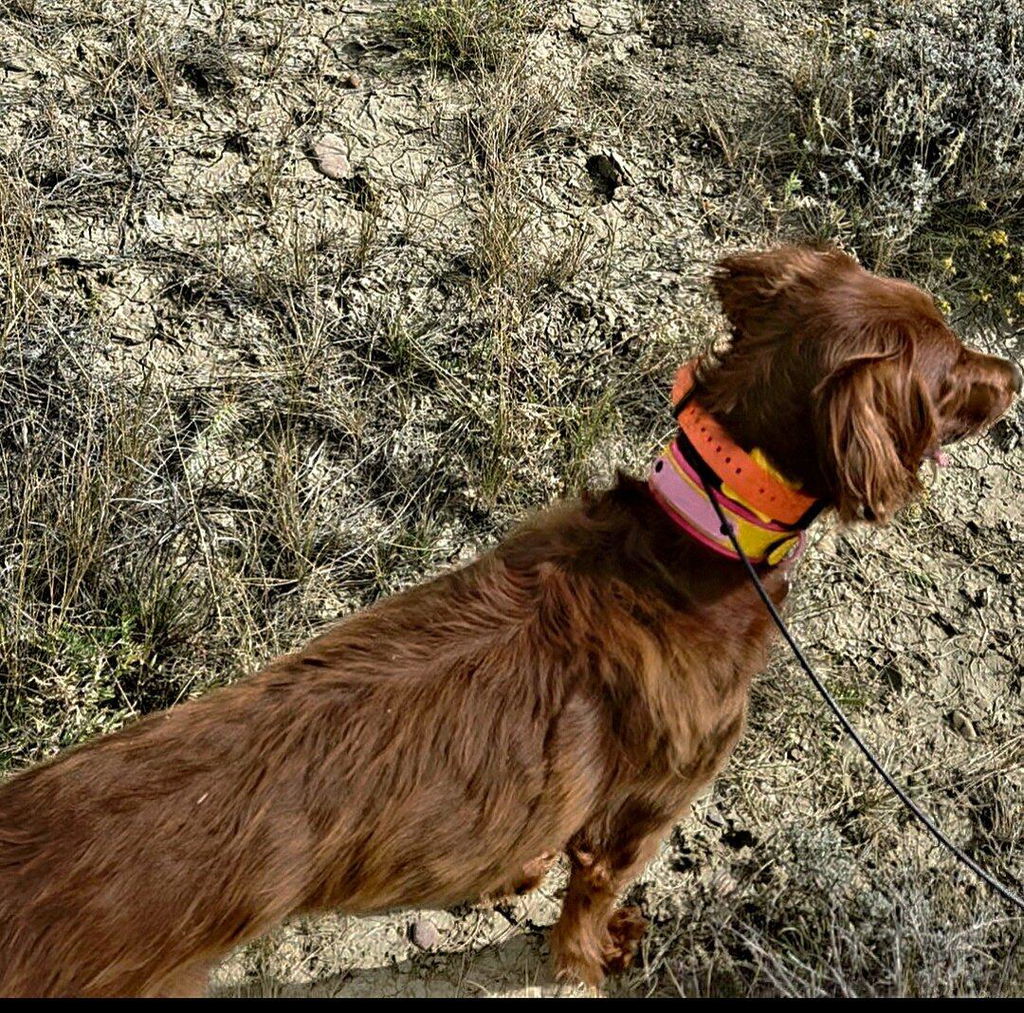
The best K9 collar fit is secure, stable, and easy to recheck. Start by measuring the neck where the collar should sit, choose a collar that fits near the middle of its adjustment range, match the width to your dog's build and job, then run a quick fit check before training, field work, or long outings.
If you are already comparing gear, start with Hoss K9 Dog Collars, Dog Collars, and the Training Collar Setup if your dog uses compatible training or tracking equipment.
Quick Answer: What a Good K9 Collar Fit Looks Like
| Fit Point | What You Want | Red Flag |
|---|---|---|
| Collar position | Sits high enough to stay stable without riding into the throat | Slides low onto the shoulders or twists under leash pressure |
| Snugness | Two fingers fit under the collar without forcing | Cannot fit fingers, or can fit several fingers with no contact |
| Head security | Cannot be pulled over the dog's head with steady pressure | Rolls forward and slips over the ears |
| Movement | Stays stable when the dog walks, sits, downs, turns, and looks up | Rotates freely, catches coat, or shifts into one pressure point |
| Skin and coat | No redness, hair breakage, swelling, or deep marks after work | Rubbing, irritation, coughing, gagging, or noisy breathing |
American Humane recommends checking collar fit regularly and notes that you should be able to slip two or three fingers between the collar and the dog's neck without the collar being loose enough to slip over the head. For strong K9 handling, aim for the secure side of that guidance: snug enough to stay put, with enough room for comfortable movement.
How to Measure Your Dog's Neck the Right Way
What you need
- A soft tape measure, which is the easiest option
- A piece of string and a ruler, if you do not have a soft tape
Do not rely on an old collar as your only measurement. Old collars can stretch, settle into worn holes, shrink from cleaning, or reflect a fit that was never right in the first place.
Where to measure
Stand your dog up with their head in a normal position. Measure around the neck where the working collar will sit. For many K9 collar setups, that means higher on the neck than a loose necklace-style fit, but not so high or tight that it restricts normal breathing, barking, or head movement.
If your dog has a thick coat, part the fur and measure closer to the neck instead of measuring the fluff. Coat thickness can change the number more than people expect.
Record two numbers
| Measurement | How to Take It | Why It Matters |
|---|---|---|
| Snug neck size | Wrap the tape close to the neck without pinching | Gives you the real base measurement |
| Working fit size | Use the collar's adjustment and confirm with a finger check | Accounts for movement, breathing, coat, and working posture |
The tape measurement gets you close. The final fit check happens after the collar is buckled on the dog.
Choosing Collar Length and Adjustment Range
A K9 collar should fit near the middle of its adjustment range. That gives you room to tighten or loosen as the dog changes condition, drops coat, grows coat, gains muscle, or trims down during a heavy training cycle.
If your dog lands between sizes
- Choose the size that places the correct fit near the middle holes or adjustment range.
- Avoid collars that only fit on the very first or very last hole.
- Make sure the strap tail is not so long that it catches, flaps, or interferes with gear.
Fast secure-fit tests
- Head slip test: With the collar buckled, try to roll it forward toward the ears using steady pressure. If it slips over the head, it is too loose or the wrong size range.
- Leash clip test: Clip a leash and apply steady tension. The collar should stay stable without rotating into the throat.
- Movement test: Ask for walk, sit, down, and a head turn. The collar should not bind during normal movement.
Collar Width by Dog Size and Job
Width is not just style. It changes pressure distribution, collar stability, leash feel, and how much the collar rolls during movement.
A collar that is too narrow for a strong working dog can concentrate pressure. A collar that is too wide for a smaller or leaner dog can feel bulky or rub during movement. The goal is balance: stable enough for work, comfortable enough for repeated wear.
| Dog Type | Common Starting Width | Best Use | Watch For |
|---|---|---|---|
| Small or medium athletic dogs | Around 1 inch | Daily training, walks, lighter duty | Too much bulk or edge rubbing |
| Medium or large working dogs | About 1 to 1.5 inches | Tracking, sport training, patrol-style handling, stronger leash connection | Collar roll or twisting under tension |
| Large, thick-necked, high-drive dogs | About 1.5 to 2 inches when appropriate | Hard use, frequent leash pressure, heavier outdoor work | Width limiting movement or rubbing behind the jaw |
Use this as a practical starting point, not a rigid rule. Your dog's neck shape, coat, training style, and job matter more than a generic size chart.
The Fit Checks That Matter
1. Two-finger check
After you buckle the collar, slide two fingers under the collar at the side of the neck. You should feel contact, but you should not have to force your fingers underneath.
If you can fit several fingers easily, the collar may be too loose for working use. If you cannot fit two fingers at all, it is too tight.
2. Movement check
Fit changes when the dog moves. Run a short movement check before hard use:
- Walk forward and turn both directions.
- Ask for a sit and down.
- Have the dog look up and turn their head.
- Watch for coughing, gagging, pawing, freezing, or repeated scratching.
3. Rotation and skin check
A collar should not spin freely around the neck. It should resist rotation while still allowing comfortable movement. After training or field use, lift the collar and check the coat and skin underneath.
Look for redness, broken hair, swelling, heat, grit, or dampness trapped under the collar. Catching irritation early is easier than fixing a sore neck later.
Adjusting Fit Through the Year
Working dogs change. A collar that fit in spring may sit differently in winter. A collar that fit before a conditioning block may need adjustment after the dog gains muscle or drops weight.
American Humane notes that adult dogs can gain or lose weight and that heavier winter coats can tighten a collar, while shedding can loosen it. That is especially relevant for K9 dogs because training load, coat, and body condition can shift quickly.
| Change | What Can Happen | What to Do |
|---|---|---|
| Winter coat grows in | Collar feels tighter and may trap more heat or grit | Recheck fit and clean underneath more often |
| Seasonal shedding | Collar may loosen, rotate, or slip lower | Tighten slightly and repeat the head slip test |
| Heavy training cycle | Muscle and body condition can change | Check fit weekly during conditioning shifts |
| Growing dog | Collar can become tight quickly | Check fit at least weekly and replace when range runs out |
Common Fit Problems and Fixes
| Problem | Likely Cause | Quick Fix |
|---|---|---|
| Collar slips over the head | Too loose or wrong size range | Tighten to a secure fit or move to a better size range |
| Collar twists into the throat | Too loose, too narrow, or poor ring placement for the job | Re-fit snugger and consider a more stable width |
| Rubs one spot | Collar sits low, moves too much, or traps grit | Raise and stabilize the fit; clean collar and neck after wet or dirty work |
| Dog scratches at collar | Irritation, debris, pressure, or unfamiliar feel | Remove, inspect skin, clean the area, and recheck fit |
| Needs constant re-tightening | Wrong adjustment range, coat change, or hardware slipping | Move to a collar that fits near the middle of the range |
| Coughing or noisy breathing under tension | Too much throat pressure or hard pulling | Stop using that setup for pulling; reassess training tools and fit |
VCA Animal Hospitals notes that a collar is not the right choice if a dog pulls very hard, pulls until coughing or noisy breathing, or pulls hard enough to overpower the handler. For high-tension leash work, fit is only part of the answer. Training method and tool choice matter too.
If you see sores, swelling, broken skin, or pain when you touch the area, stop using the collar and talk with your veterinarian before returning to normal work.
Field-Ready Collar Fit Checklist
- Collar sits in the intended position on the neck.
- Two-finger fit check passes.
- Collar cannot be pulled over the head.
- Collar does not rotate freely around the neck.
- D-ring is easy to clip and does not dig into the dog.
- Buckle, holes, stitching, and hardware are intact.
- No redness, hair breakage, heat, swelling, or deep marks after use.
- Fit still works with the dog's current coat and body condition.
Ready to Gear Up: K9 Collars Built for Hard Use
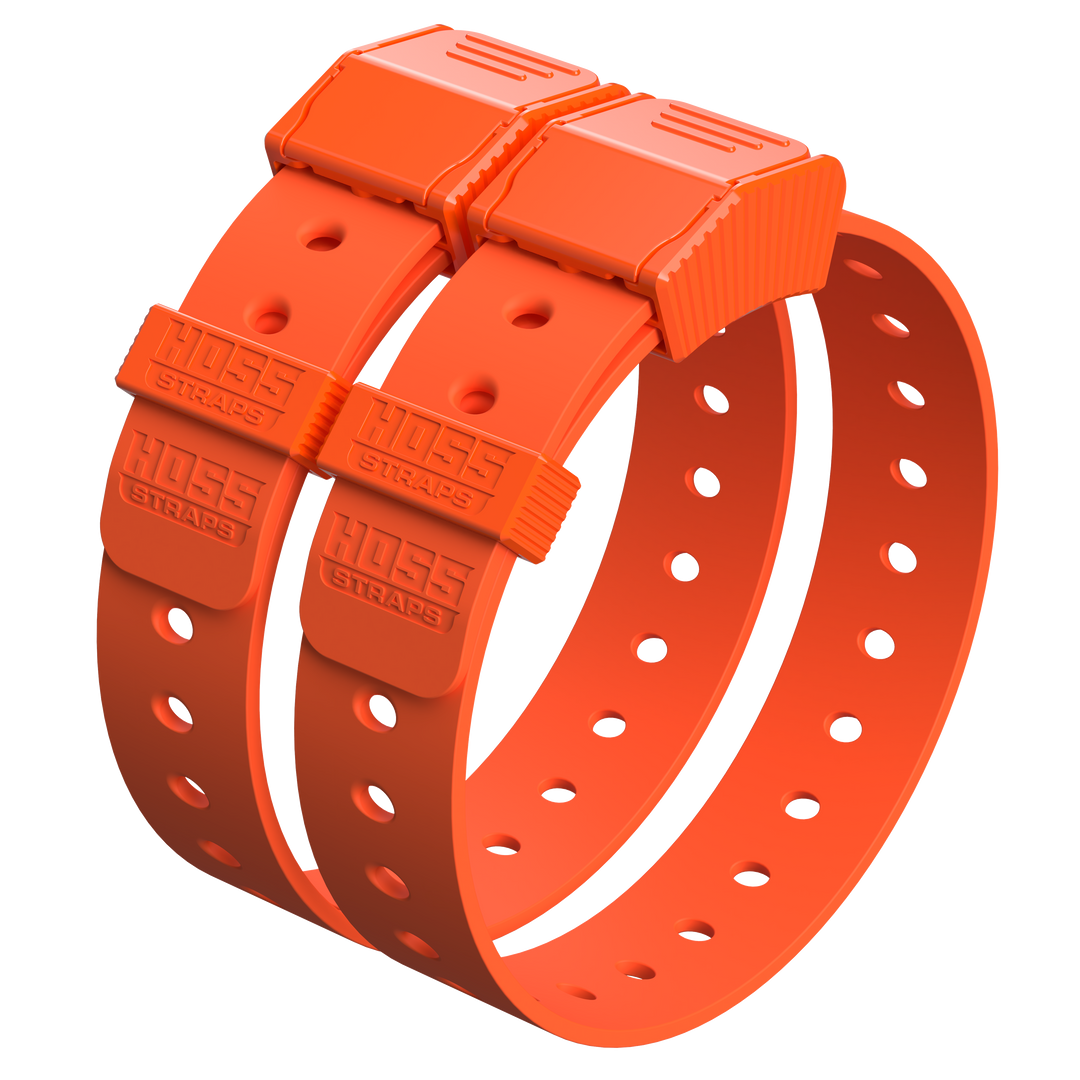
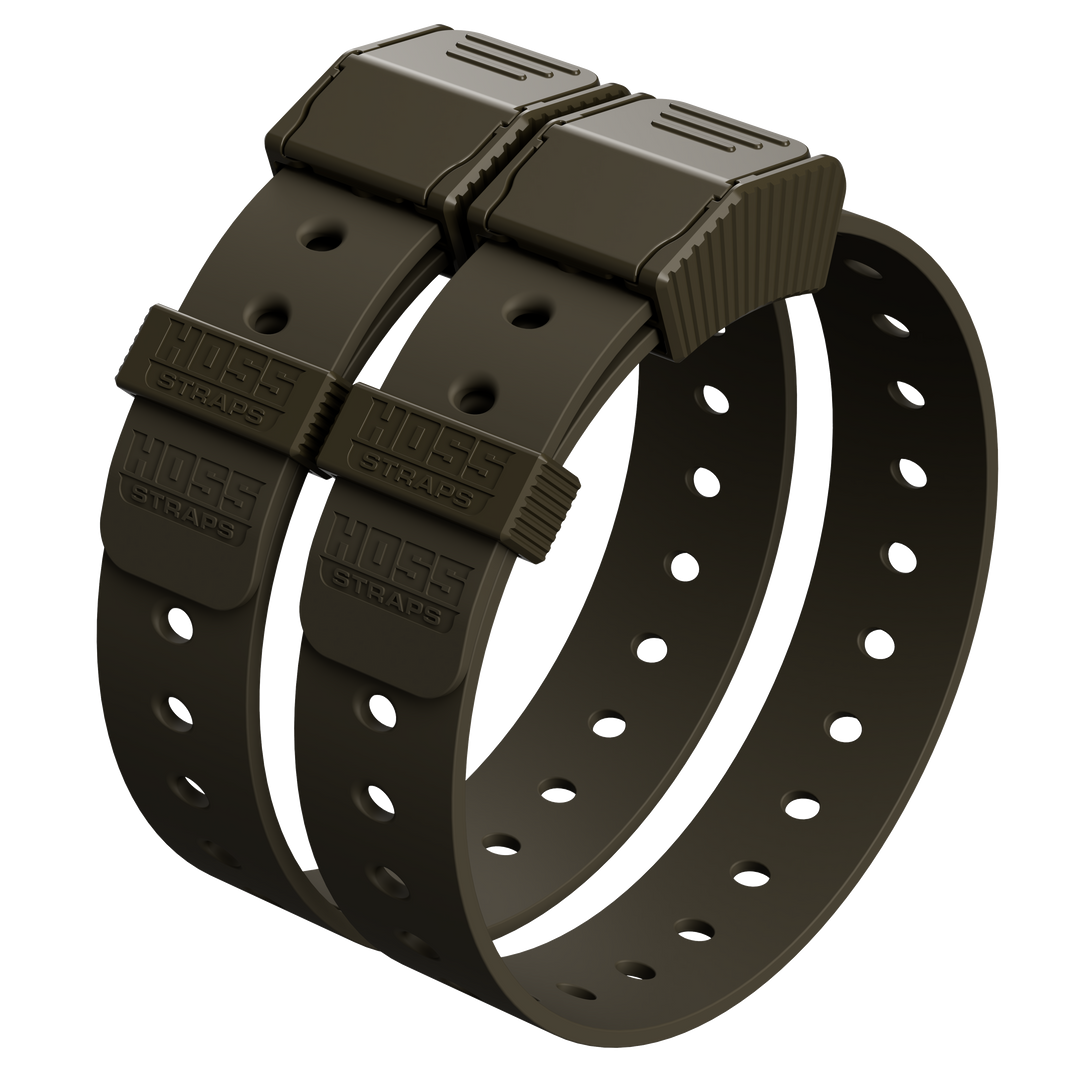
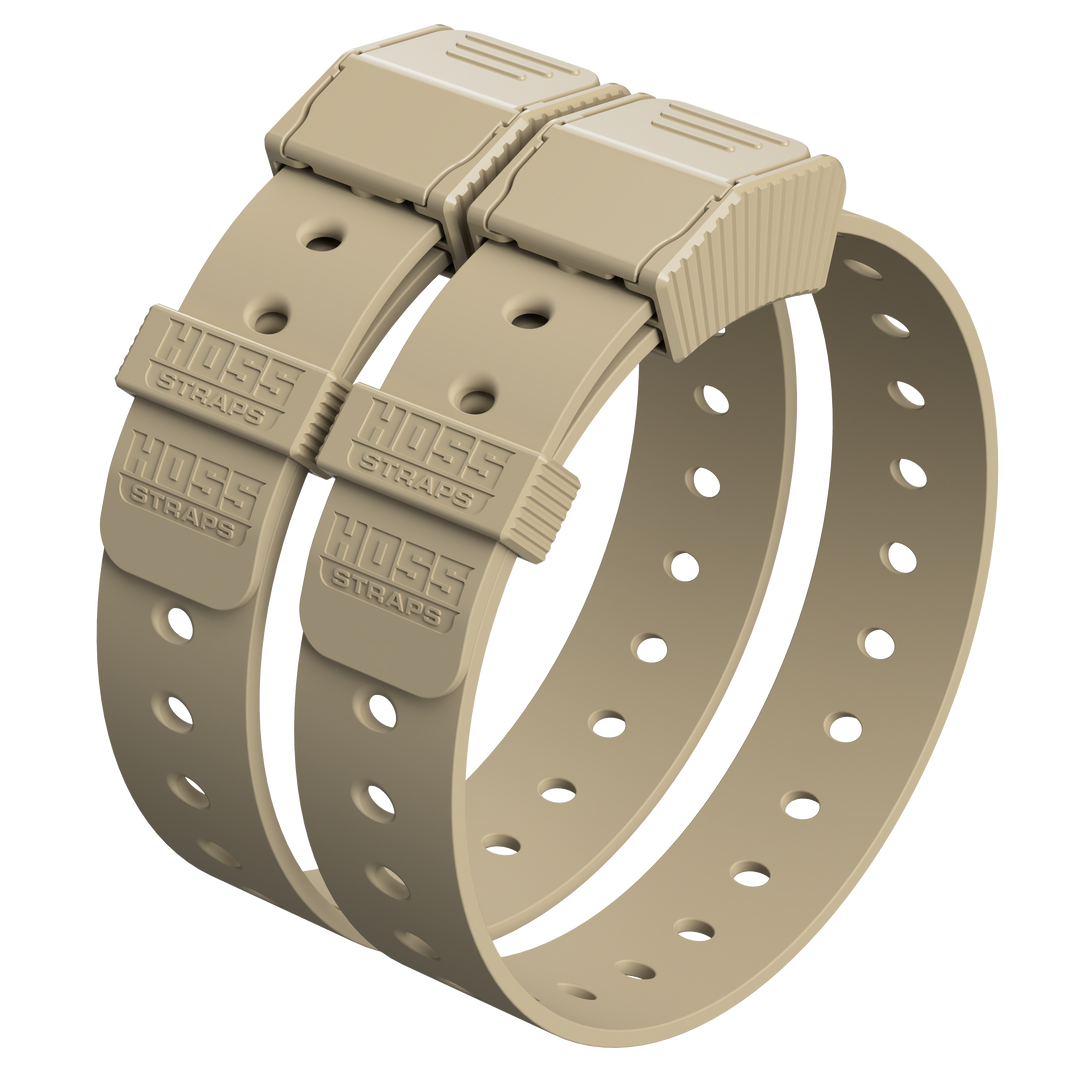
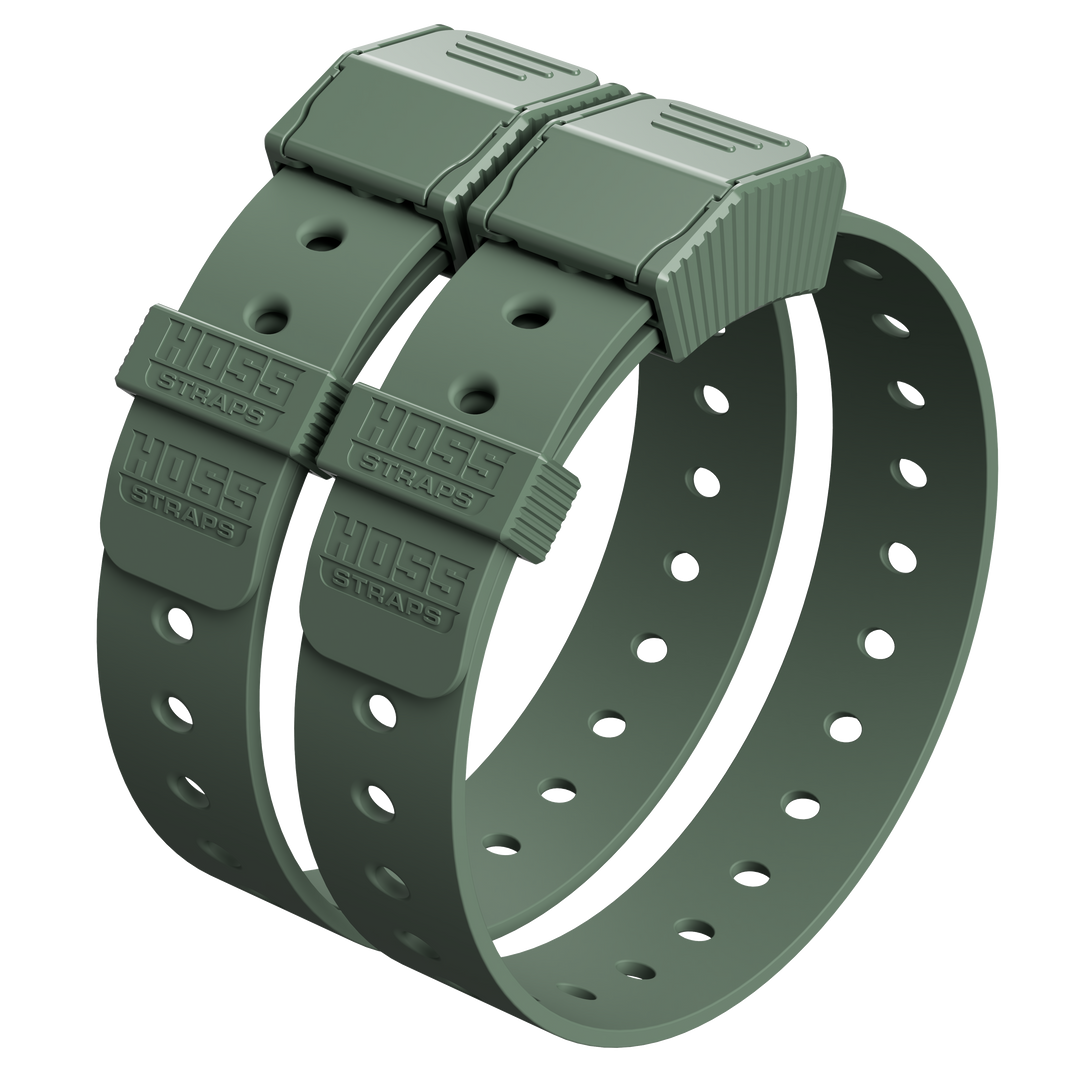
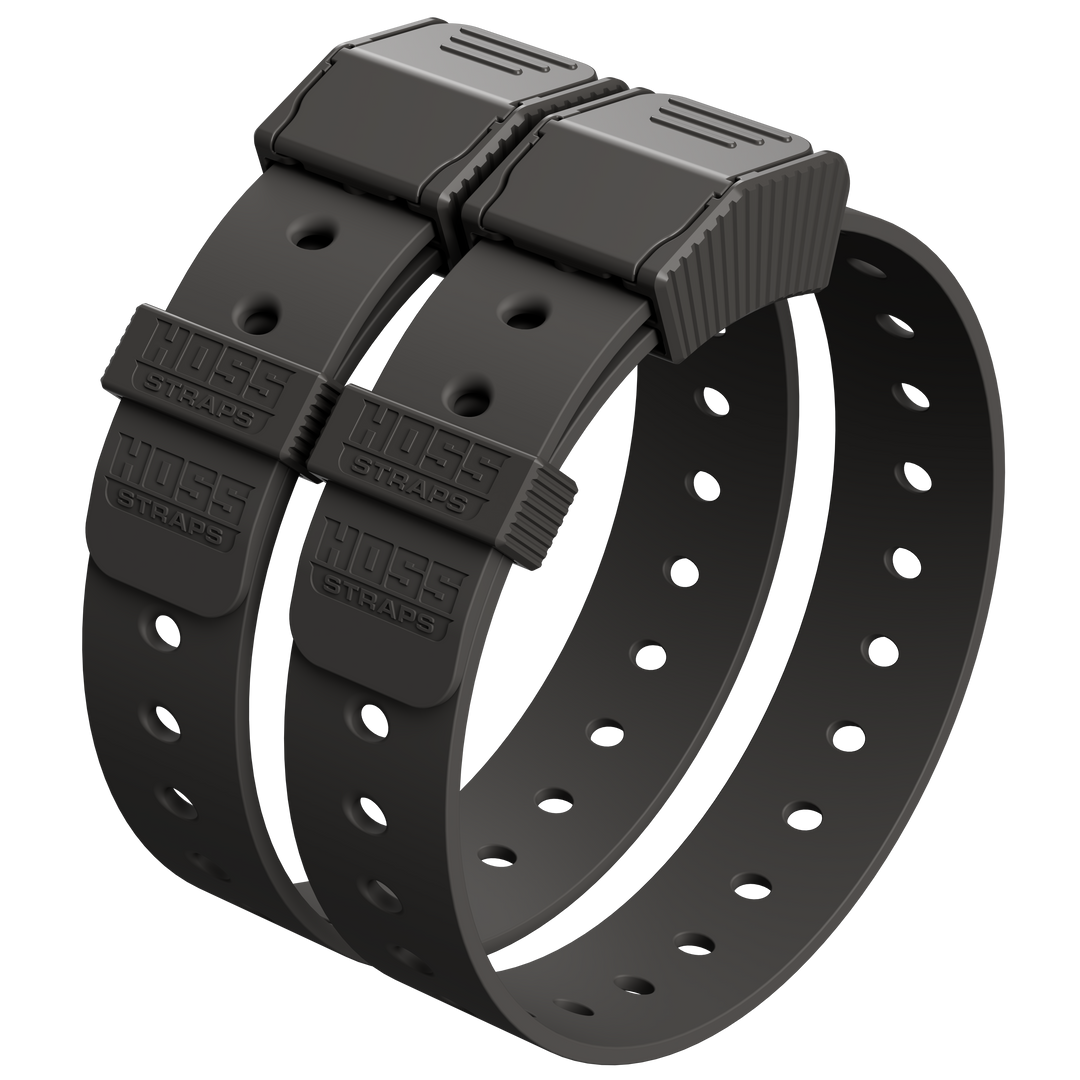
If you want a collar made for real work, start with Hoss K9 Dog Collars. They are built for long days, wet conditions, and dogs that put ordinary gear through more than casual neighborhood use.
For a defined leash and tag attachment point, compare the Hoss D-Ring Dog Collar, which is built with weatherproof construction, quick-release handling, and a 1 1/16-inch strap width. For wet or muddy routines, review Weatherproof Dog Collars.
If your dog uses compatible Garmin-style training gear, the Training Collar Setup and Training Collar Adapter Kit are the cleaner path to evaluate before buying a collar only by size.
FAQ
1. How often should I re-check my K9 dog's collar fit?
Check fit before training, field work, or long outings, and recheck more often during coat changes, growth, conditioning shifts, or weight changes. A quick two-finger check and head slip test take seconds.
2. Should a K9 collar sit low on the neck like a necklace?
No. A working collar should sit where it stays stable and secure. If it rides low onto the shoulders, it can twist, rub, or shift under leash pressure.
3. My dog is between sizes. Should I size up or down?
Choose the size that lets the collar fit correctly near the middle of its adjustment range. Avoid a collar that only works on the first or last hole.
4. Why does my dog cough when pulling on leash with a collar?
Coughing can happen when leash pressure loads the throat. If your dog pulls hard, coughs, has noisy breathing, or overpowers the handler, reassess the walking setup and training plan instead of relying on a tighter collar.
5. How do I know if collar rubbing is becoming a real problem?
Hair loss, redness, swelling, broken skin, heat, or pain when touched are warning signs. Remove the collar, clean and inspect the area, and talk with your vet if irritation does not resolve quickly or if the skin is broken.