


Dog Collars by Size (XS to XL): How to Measure, Pick the Right Range, and Check Fit

Table of Contents
- Quick Answer
- There Is No Universal XS to XL
- How to Measure Your Dog's Neck
- Dog Collars by Size: XS to XL
- The 10-Second Fit Check
- Why Fit Changes Over Time
- If Your Dog Hates Collars Going Over Their Head
- How to Reduce Sizing Mistakes
- Shop by Neck Range First
- FAQ
Dog collar sizing gets confusing because XS, S, M, L, and XL are not universal. One brand's medium can fit like another brand's large, and one wrong guess can leave you with a collar that slips off, rubs, or sits awkwardly on your dog.
The reliable way to choose a dog collar size is simple: measure your dog's neck, compare that number to the collar's adjustable neck range, then confirm the fit at home with the two-finger check and a quick slip test.
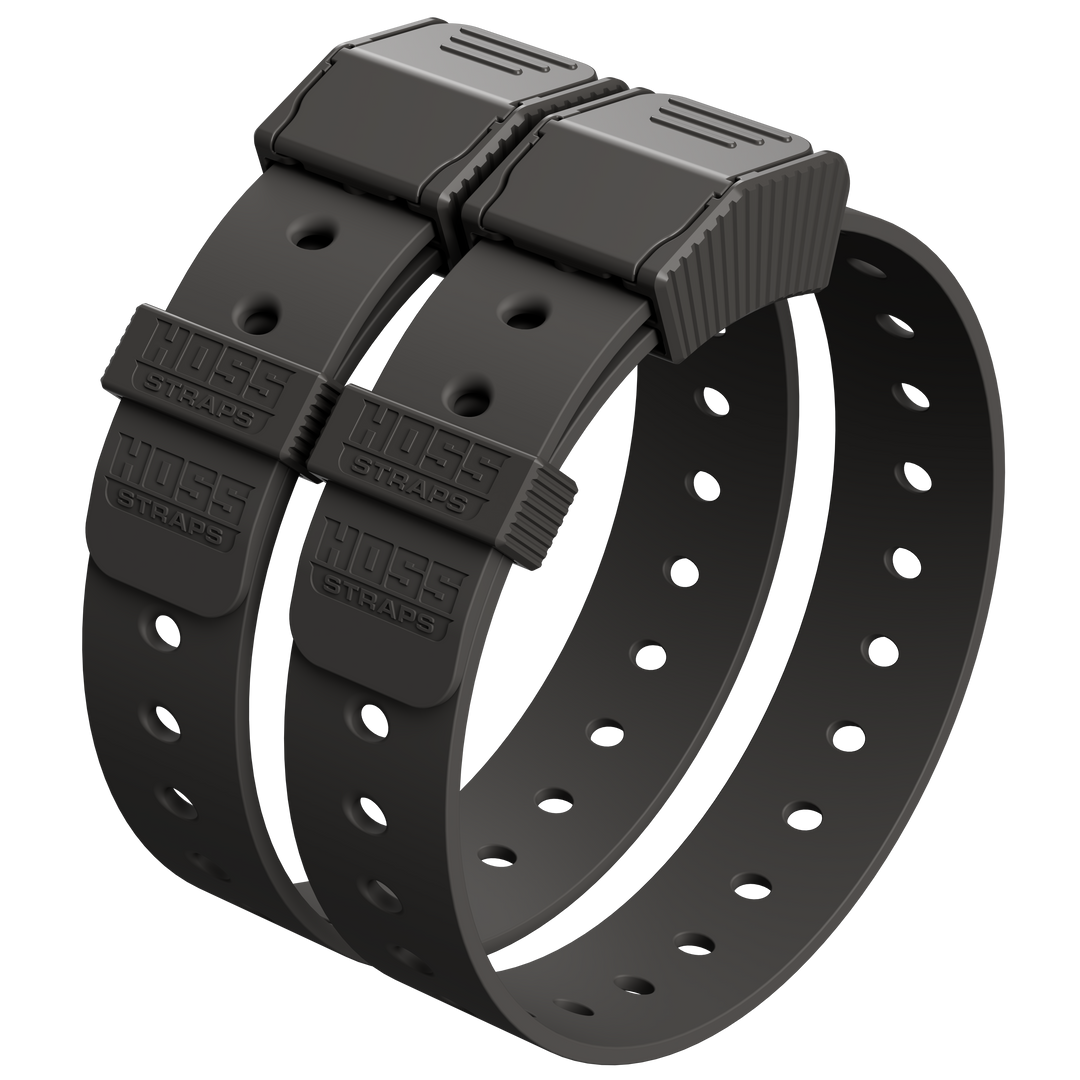
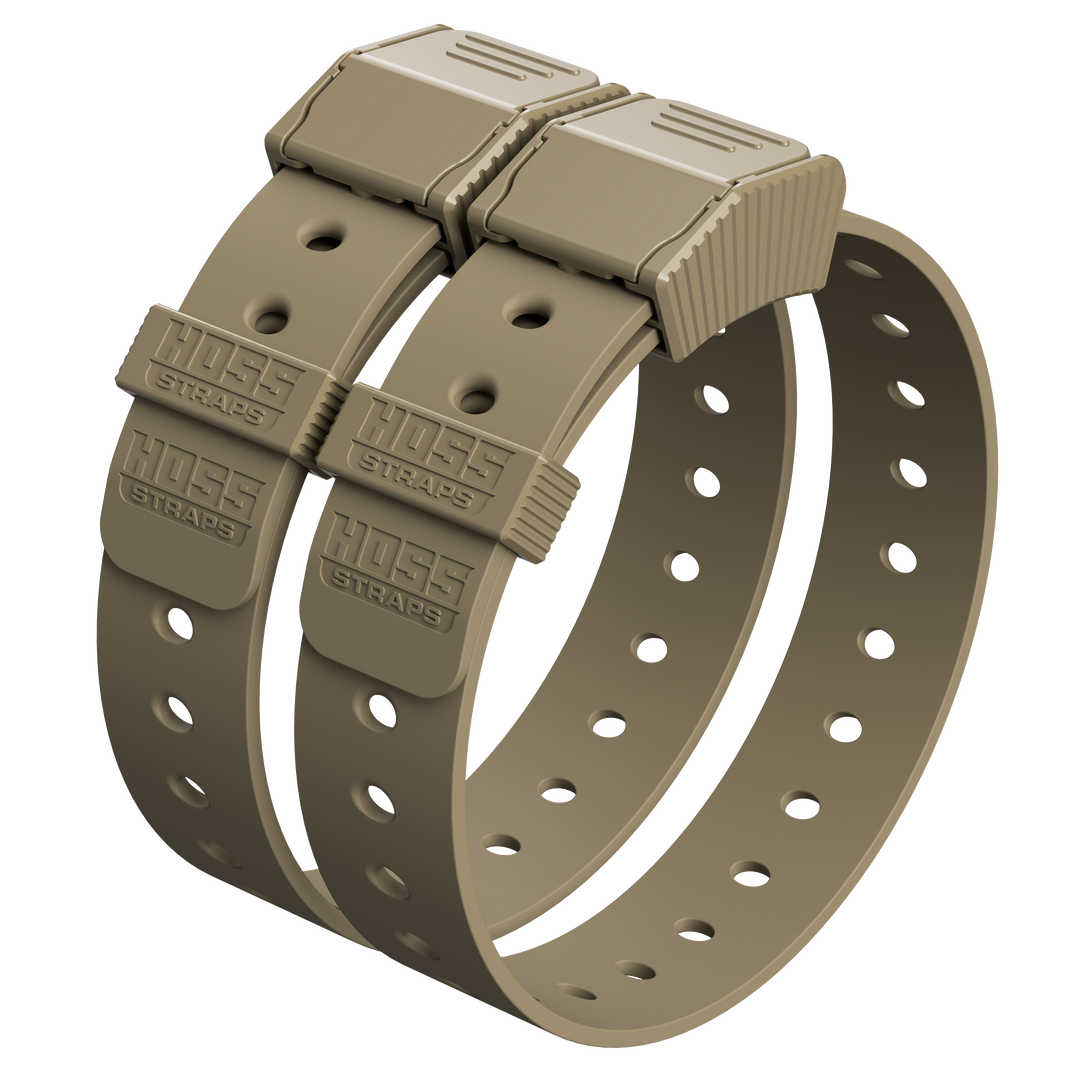
If you want durable everyday options, start with Hoss Dog Collars, the D-Ring Dog Collar, or Weatherproof Dog Collars after you know your dog's neck measurement.
Quick Answer: How to Pick the Right Dog Collar Size
| Step | What to Do | Why It Matters |
|---|---|---|
| 1. Measure the neck | Use a soft tape measure where the collar naturally sits | Gives you the number that matters more than the size label |
| 2. Check the range | Match your number to the collar's adjustable neck range | Prevents buying by XS, S, M, L, or XL alone |
| 3. Avoid the extremes | Choose a collar that fits near the middle of its range | Leaves room for coat, growth, and weight changes |
| 4. Do the fit check | Slide two fingers under the collar after buckling | Confirms the collar is snug without being too tight |
| 5. Do the slip test | Gently check whether the collar can slide over the head | Helps prevent backing out or escape |
Start Here: There Is No Universal XS to XL
Dog collar size labels are shortcuts, not standards. XS, S, M, L, and XL only mean something when you compare them to the brand's listed neck range.
That is why a size chart matters. The Spruce Pets recommends measuring your dog's neck where the collar sits and using that measurement to choose the correct collar size. The letter size comes second.
If you remember one rule, make it this: shop the neck range first, then pick the size label.
How to Measure Your Dog's Neck
What you need
- A soft tape measure
- Or a piece of string and a ruler
- Your dog standing or sitting calmly
Do not guess from breed alone, and do not rely only on an old collar. Old collars can stretch, settle into worn holes, or reflect a fit that was never right.
Where to measure
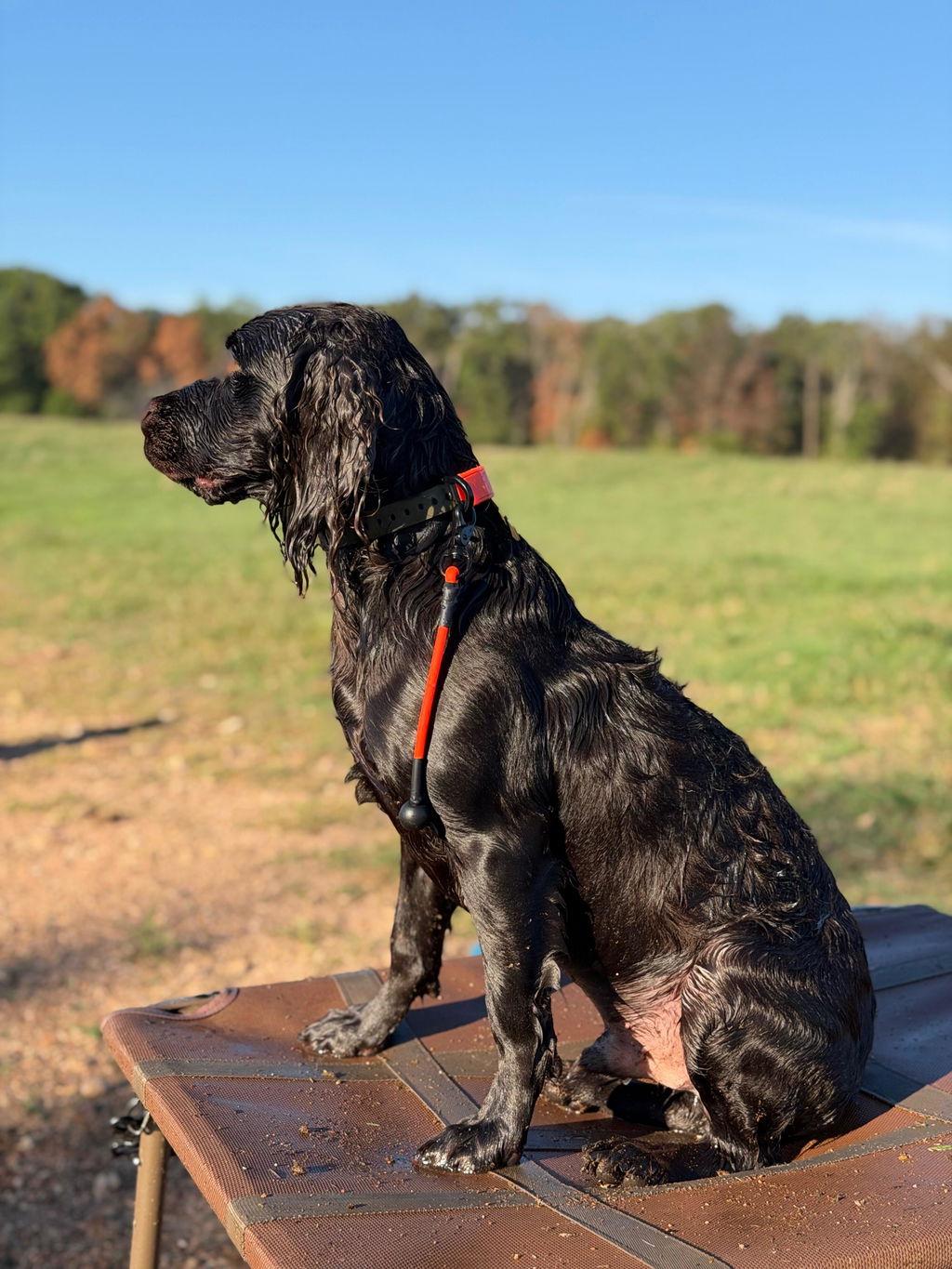
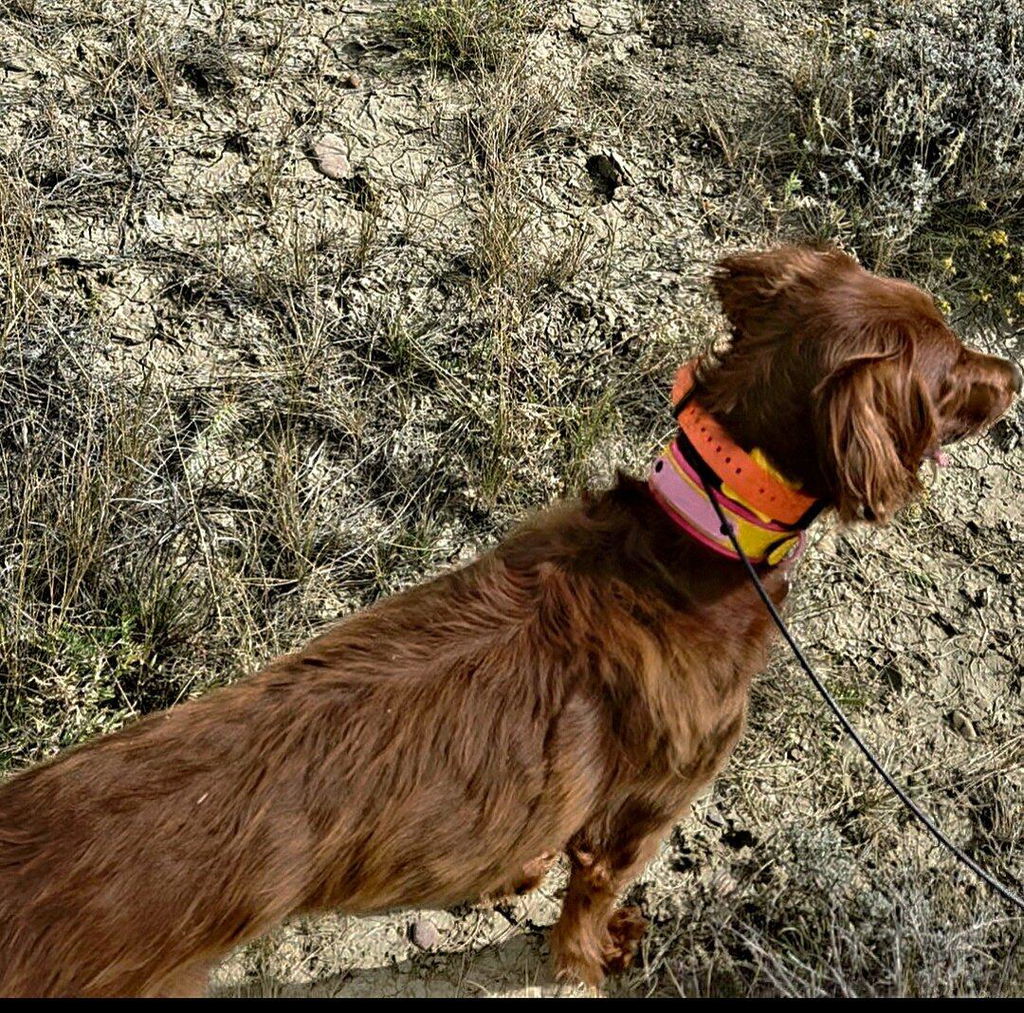
Measure around the neck where the collar naturally sits. For most everyday collars, that is around the lower-to-middle part of the neck, not loose over the shoulders and not jammed high under the jaw.
If your dog has a thick coat, part the fur and measure closer to the neck instead of measuring only the coat volume.
What number to write down
Write down the neck measurement in inches. If the product lists a collar range like 14 to 18 inches, your dog's measurement should land inside that range with room to adjust.
If your dog is between sizes, choose the range that gives you adjustment room tighter and looser instead of putting your dog at the very end of the collar's range.
Dog Collars by Size: XS to XL
Use size labels as a shopping filter, not the final answer. The adjustable neck range is the real sizing tool.
| Size Label | What to Match It To | Common Fit Goal | Good to Double Check |
|---|---|---|---|
| XS | The smallest neck range offered | Snug, light, and comfortable | Extra room for growing puppies |
| S | A small neck range with useful adjustment | Stable fit for walks and ID tags | Coat thickness and hardware weight |
| M | A mid-range neck span | Even pressure without rubbing | Buckle position and D-ring placement |
| L | A larger neck span | Secure on stronger or larger dogs | Adjustment room for seasonal coat changes |
| XL | The largest neck range offered | Secure without digging in | Neck shape, collar width, and slip risk |
The letter helps you narrow the shelf. The neck range tells you whether the collar will actually fit.
The Fit Check You Can Do in 10 Seconds
The two-finger rule
After buckling the collar, slide two fingers between the collar and your dog's neck. You should feel contact, but you should not have to force your fingers underneath.
American Humane notes that you should be able to slip two or three fingers between the collar and your dog's neck, while the collar should not be loose enough to slip over the head.
The slip test
Once the collar is buckled, gently see whether it can slide forward over your dog's head. If it can come off with steady pressure, the collar is too loose or the size range is wrong.
The comfort scan
Run your hand around the collar line and check for:
- Hair pinched under the strap
- A buckle digging into the neck
- A D-ring pressing awkwardly into the throat
- Redness, heat, or rubbing after wear
- A collar that rotates constantly during movement
If any of those show up, adjust the fit or try a different collar width or size range.
Why Fit Changes Over Time
Dog collar fit is not set-and-forget. Puppies grow. Adult dogs gain or lose weight. Coats get thicker in cold months and thinner after shedding or grooming.
American Humane also points out that adult dogs can gain or lose weight, and some dogs grow heavier winter coats that can tighten the collar before shedding loosens the fit again.
| Change | What Can Happen | When to Recheck |
|---|---|---|
| Puppy growth | Collar becomes tight faster than expected | Weekly while growing |
| Winter coat | Collar may feel tighter and trap more hair | When coat thickens |
| Shedding or grooming | Collar may loosen or slip lower | After major shedding or a haircut |
| Weight change | Collar may rub, loosen, or need a new range | Any time body shape changes |
| New activity level | Collar may shift more during movement | After hiking, training, or outdoor routine changes |
If Your Dog Hates Collars Going Over Their Head
Some dogs freeze, duck, or back away when anything moves over their ears. Go slow and make the collar feel predictable.
- Let your dog sniff the collar.
- Touch the collar to the side of the neck, then reward.
- Buckle it briefly, reward, then unbuckle.
- Build up wear time slowly.
- Keep the first sessions short and calm.
If you are fitting a cone-style recovery collar after a vet visit, the same comfort concept still matters. PDSA recommends being able to fit two fingers between the cone collar and your dog.
A Simple Way to Reduce Sizing Mistakes and Returns
| Before You Buy | When It Arrives | After a Few Days |
|---|---|---|
| Measure neck girth with a soft tape | Buckle the collar and do the two-finger check | Look for rubbing, slipping, or constant rotation |
| Compare the number to the adjustable range | Run the slip test over the head | Recheck after walks, play, or grooming |
| Choose a range with room to adjust | Check buckle and D-ring placement | Move sizes if the collar only fits at the end of the range |
Shop by Neck Range First
If you want collars built for daily wear, hard use, and easy cleanup, start with your dog's neck measurement and choose the Hoss size range that covers it.
Browse Hoss Dog Collars for everyday options, compare the D-Ring Dog Collar when you want a straightforward leash and tag attachment point, and choose Weatherproof Dog Collars for wet, muddy, or frequent-cleaning routines.
For working dogs or harder use, compare K9 Dog Collars. If your dog uses compatible training or tracking gear, review the Training Collar Setup and Training Collar Adapter Kit.
FAQ
1. Should I pick a collar size based on breed?
No. Breed can hint at body shape, but it is not a sizing tool. Measure your dog's neck and match that number to the collar's adjustable range.
2. My dog is between two size ranges. Which should I choose?
Choose the range that covers your dog's measurement with room to adjust tighter and looser. Avoid a collar that only fits on the very first or very last setting.
3. How do I know if a collar is too tight?
If you cannot slide two fingers under it comfortably, it is too tight. Also watch for rubbing, hair loss, coughing, gagging, or your dog scratching at the collar.
4. How do I know if a collar is too loose?
If the collar can slide over your dog's head, rotates constantly, or hangs low on the shoulders, it is likely too loose or the wrong size range.
5. How often should I re-check collar fit?
Recheck after baths, grooming, major coat changes, weight changes, and any time the collar starts sitting differently. For puppies, check often because they outgrow collars quickly.