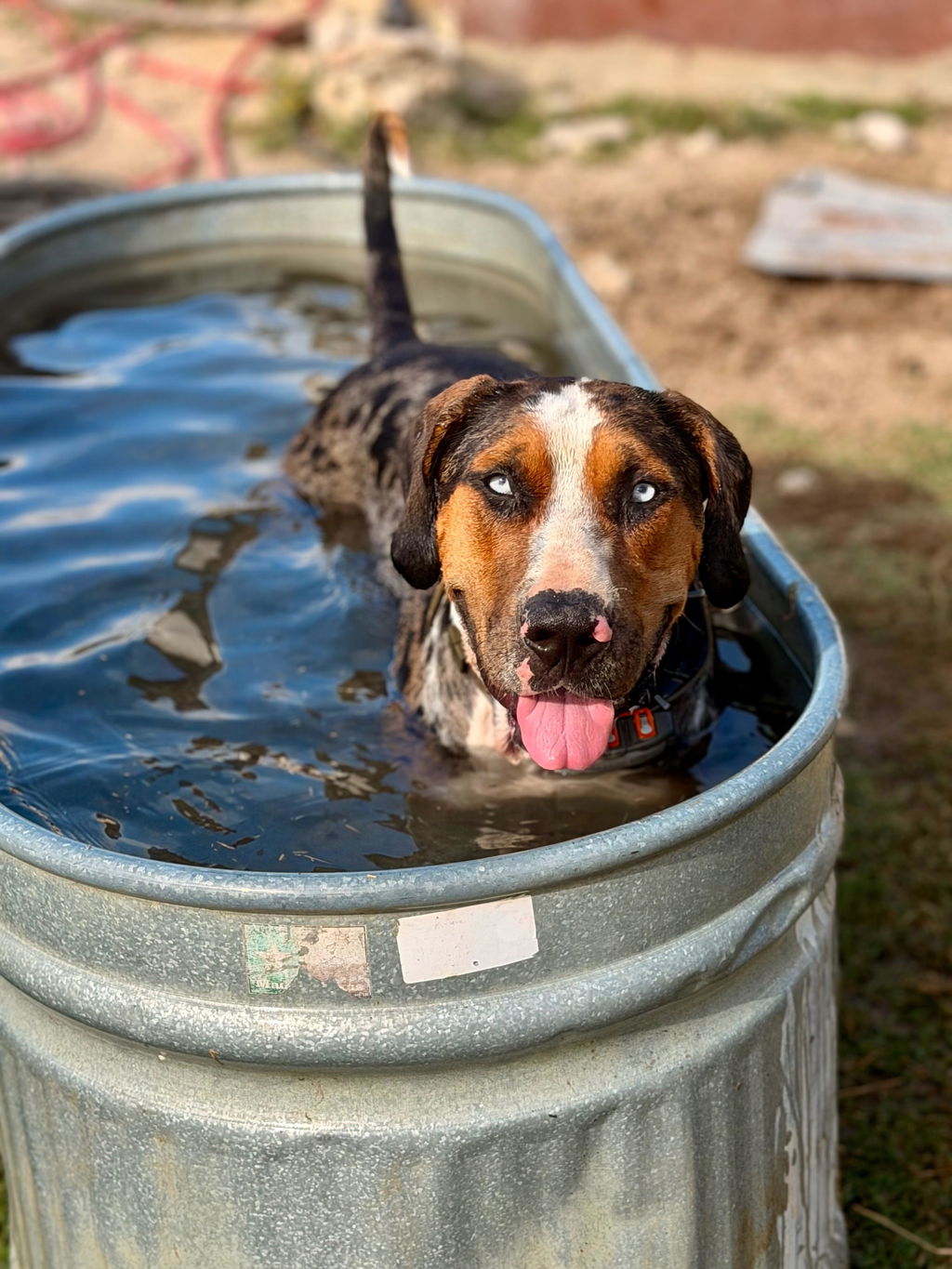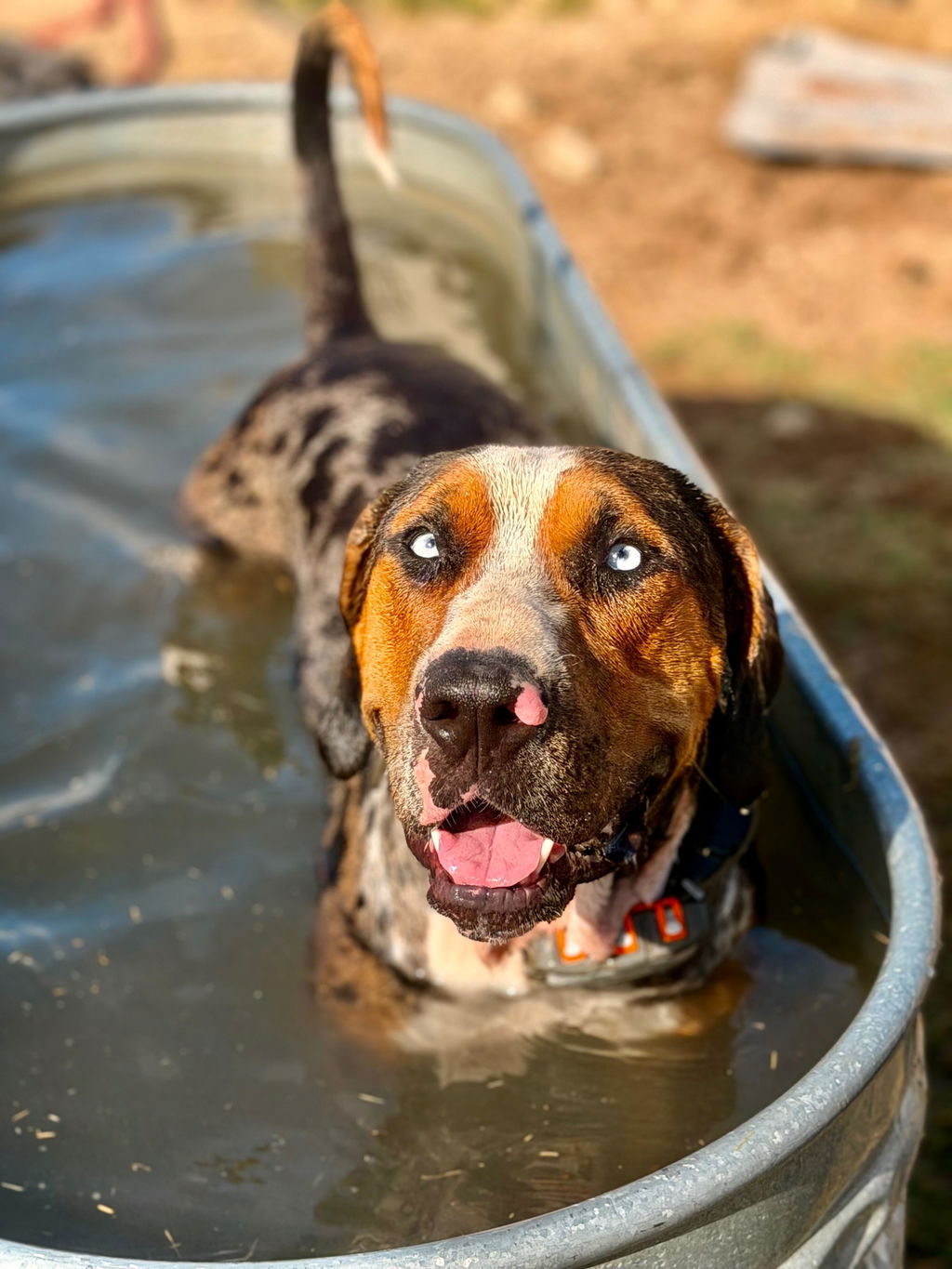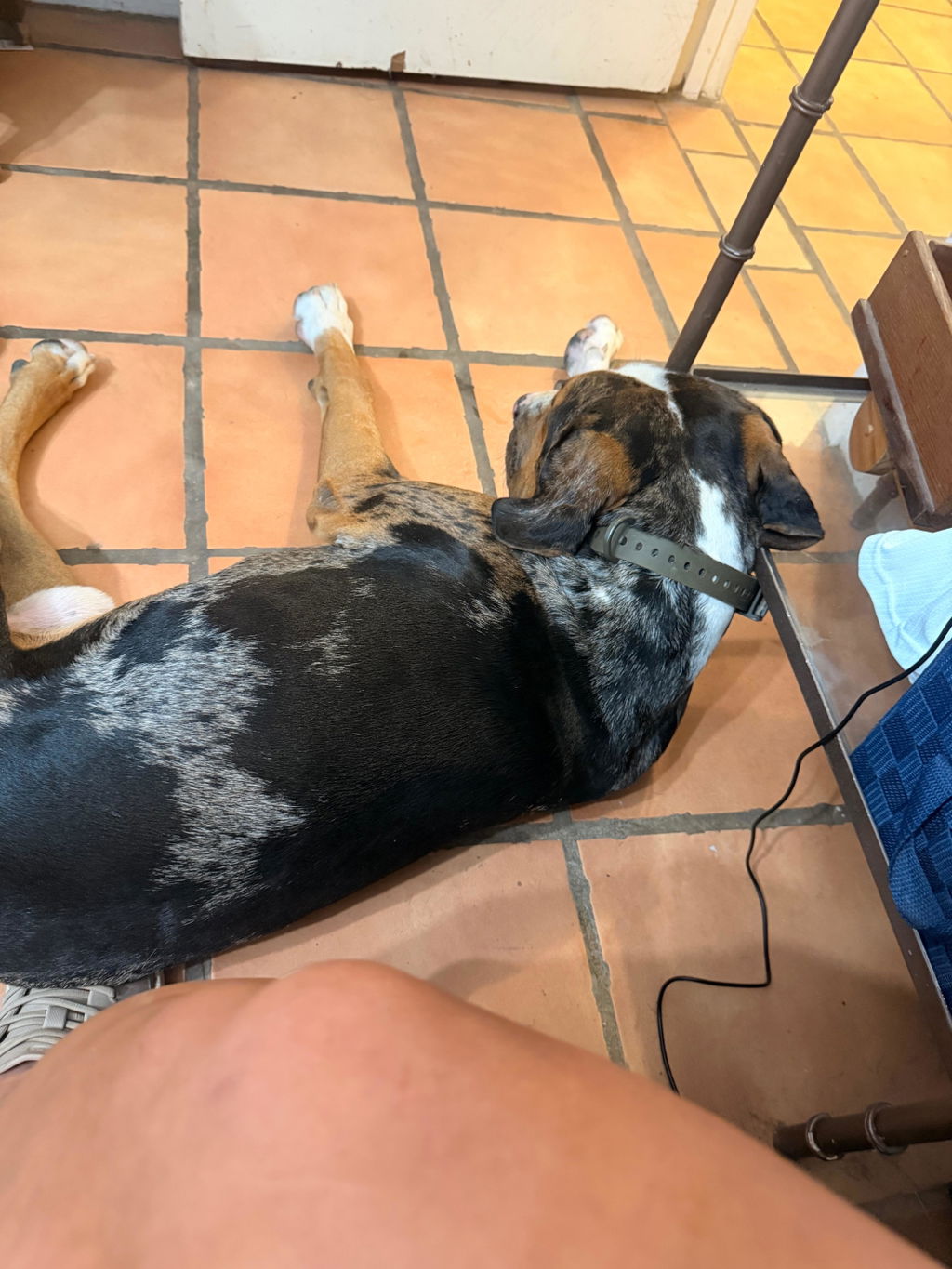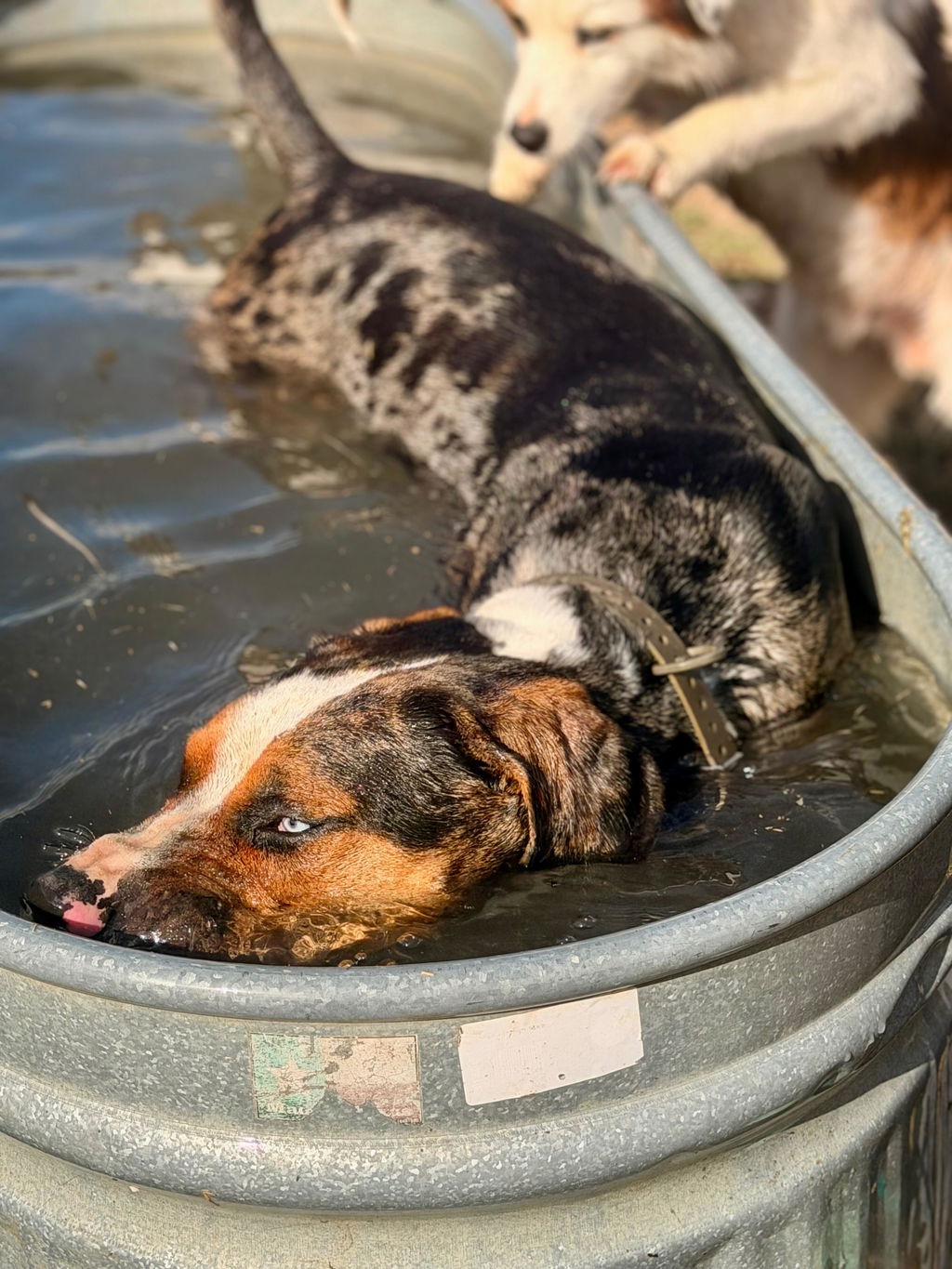



Dog Collars by Width (Narrow to Wide): How to Pick the Right Fit for Comfort and Control

Table of Contents
- Quick Width Cheat Sheet
- Why Collar Width Matters
- Narrow Dog Collars
- Medium-Width Dog Collars
- Wide Dog Collars
- How to Choose the Right Width
- Fit and Safety Checks
- Shop by Width
- FAQ
Dog collar width is not just a style choice. Width changes how the collar sits on your dog, how steady it feels during movement, and how pressure spreads across the neck when a leash is clipped on.
The right width depends on your dog's size, neck shape, coat, leash habits, and daily routine. Tiny dogs usually need a lighter, narrower collar. Most everyday dogs do well with a medium width. Larger, stronger, or more active dogs may need a wider collar for better stability.
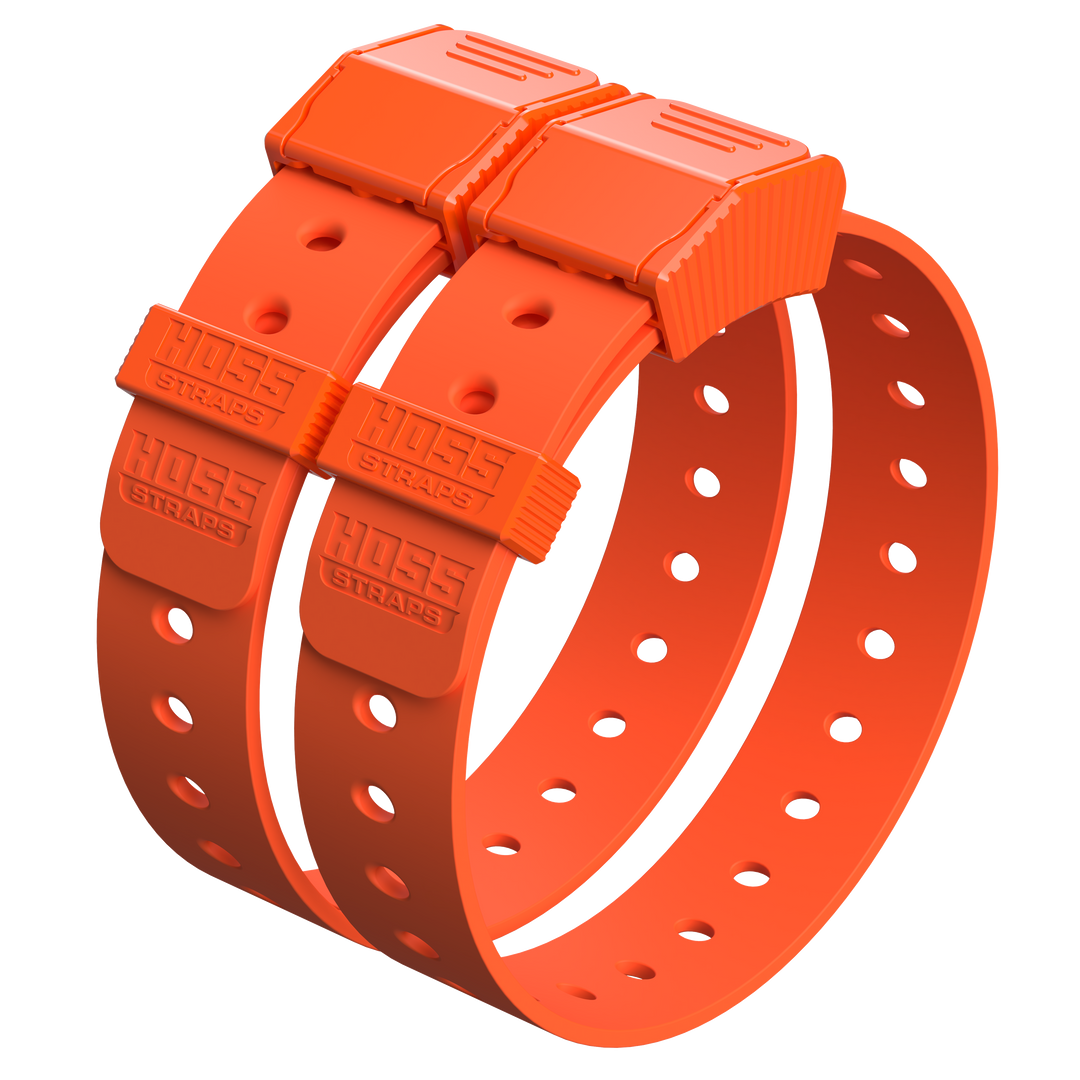
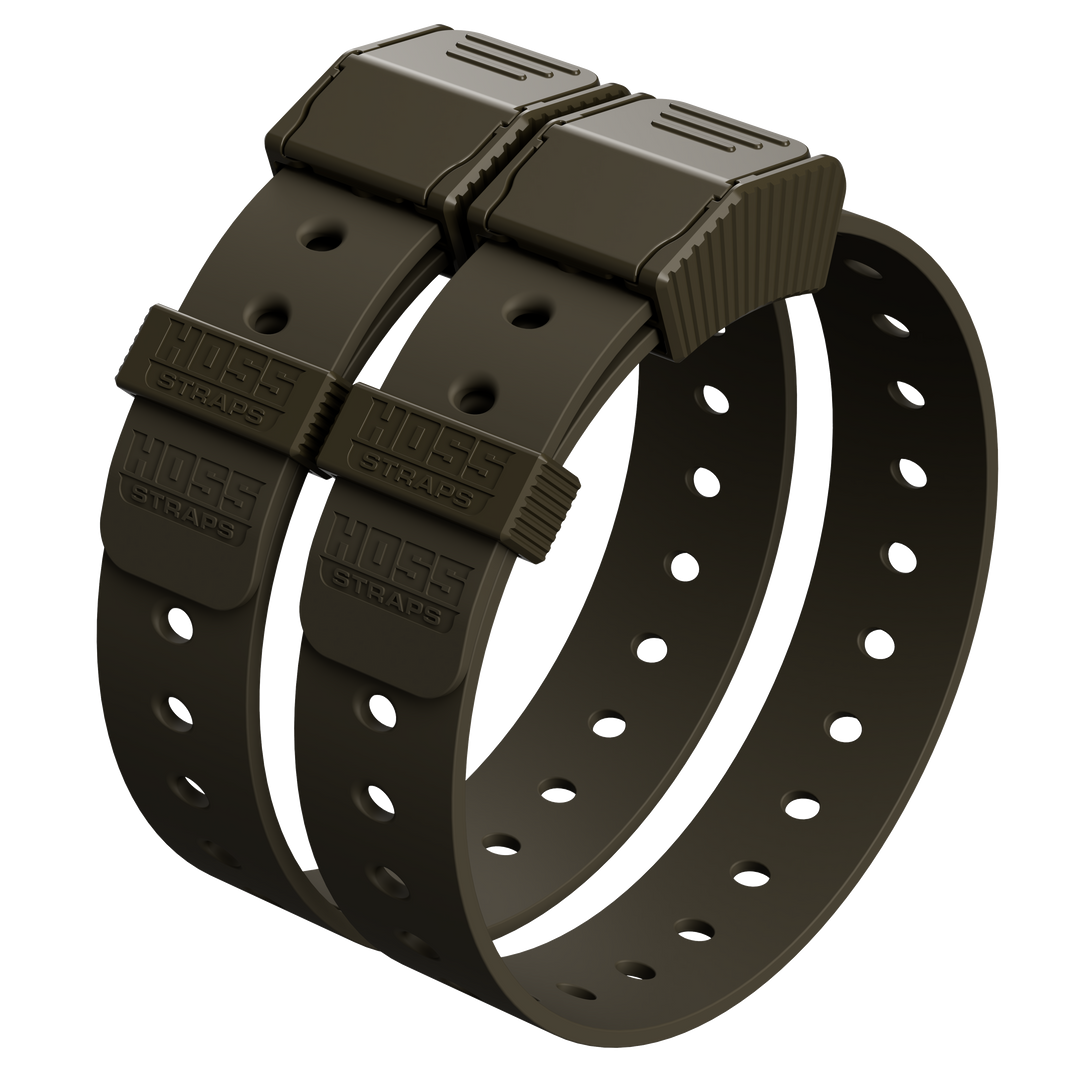
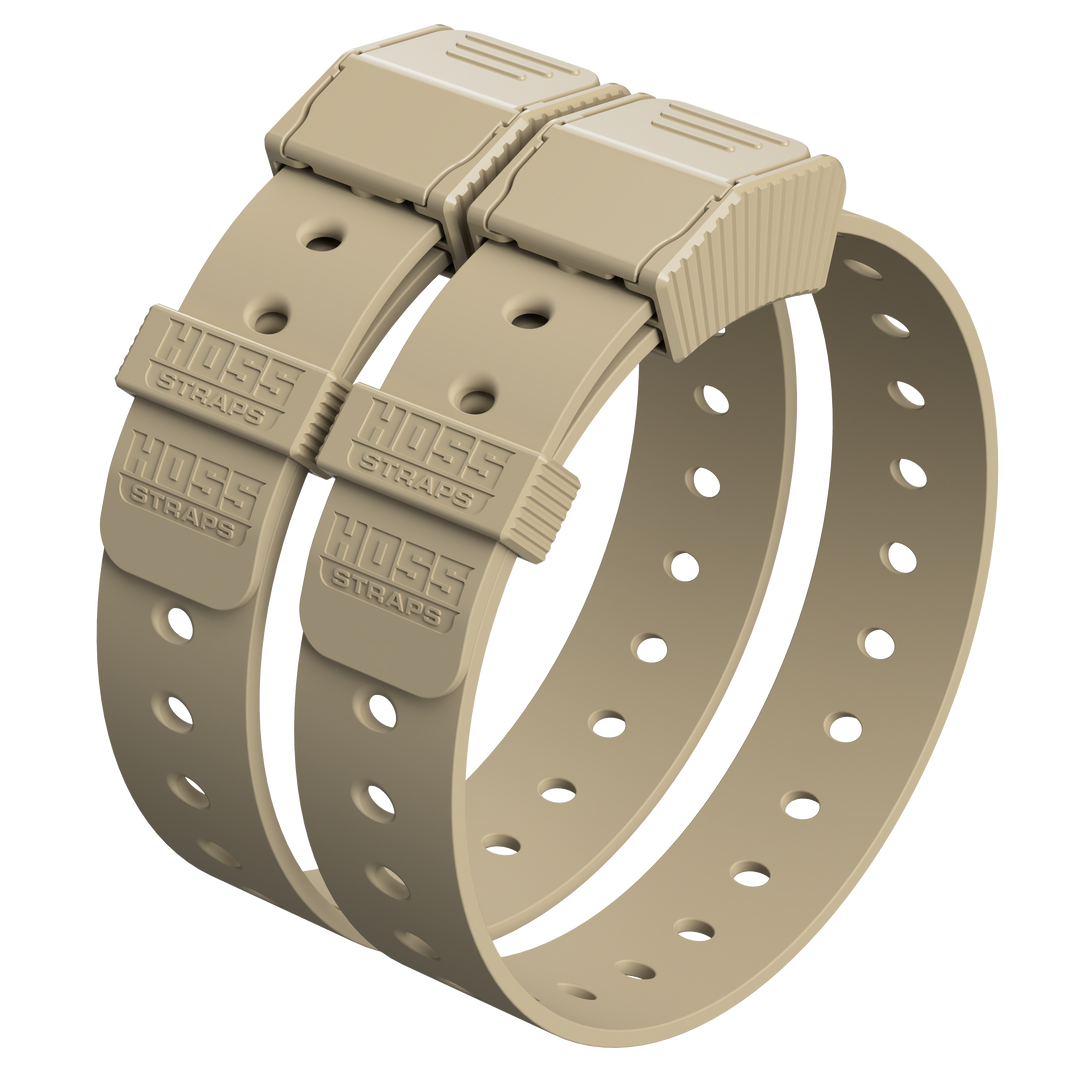
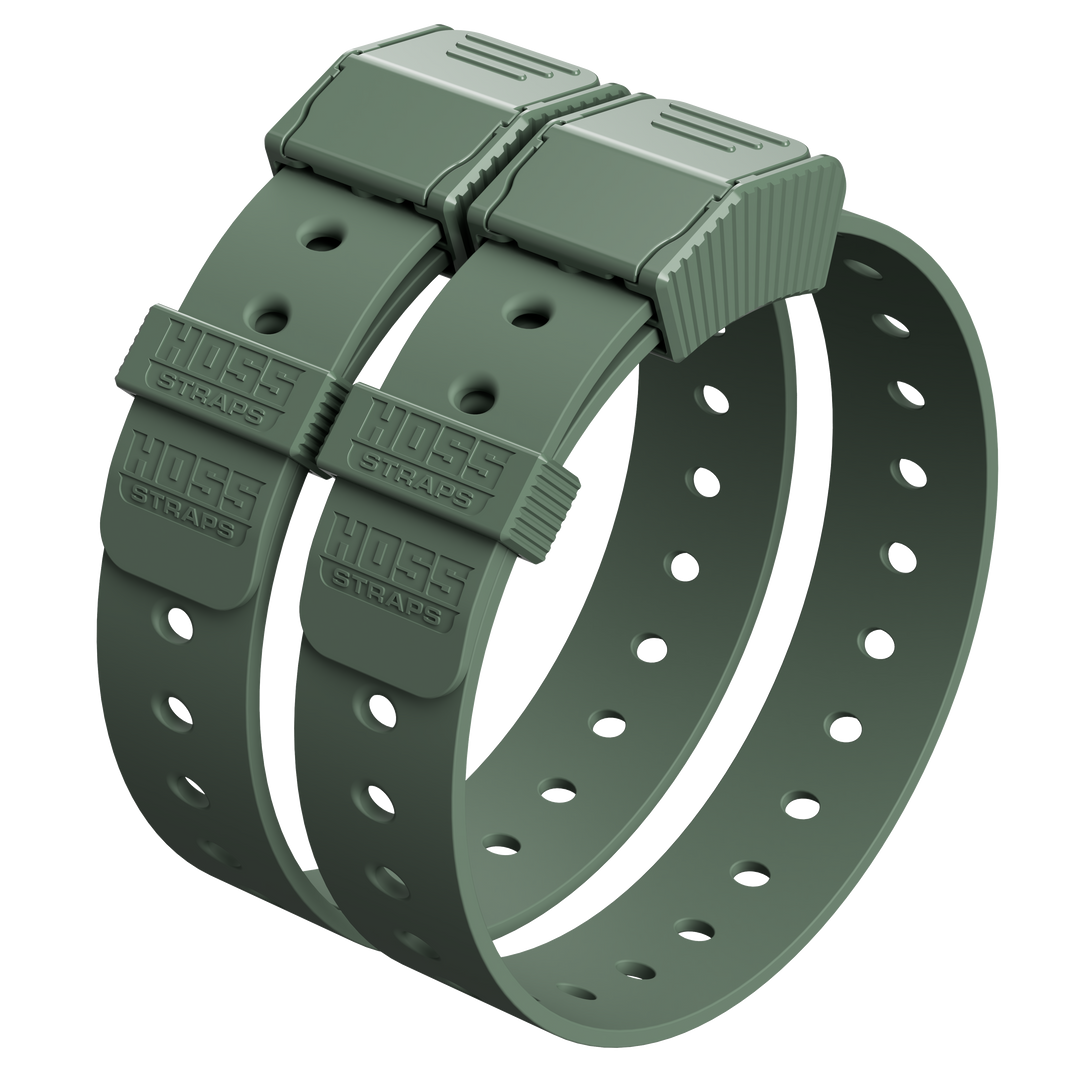
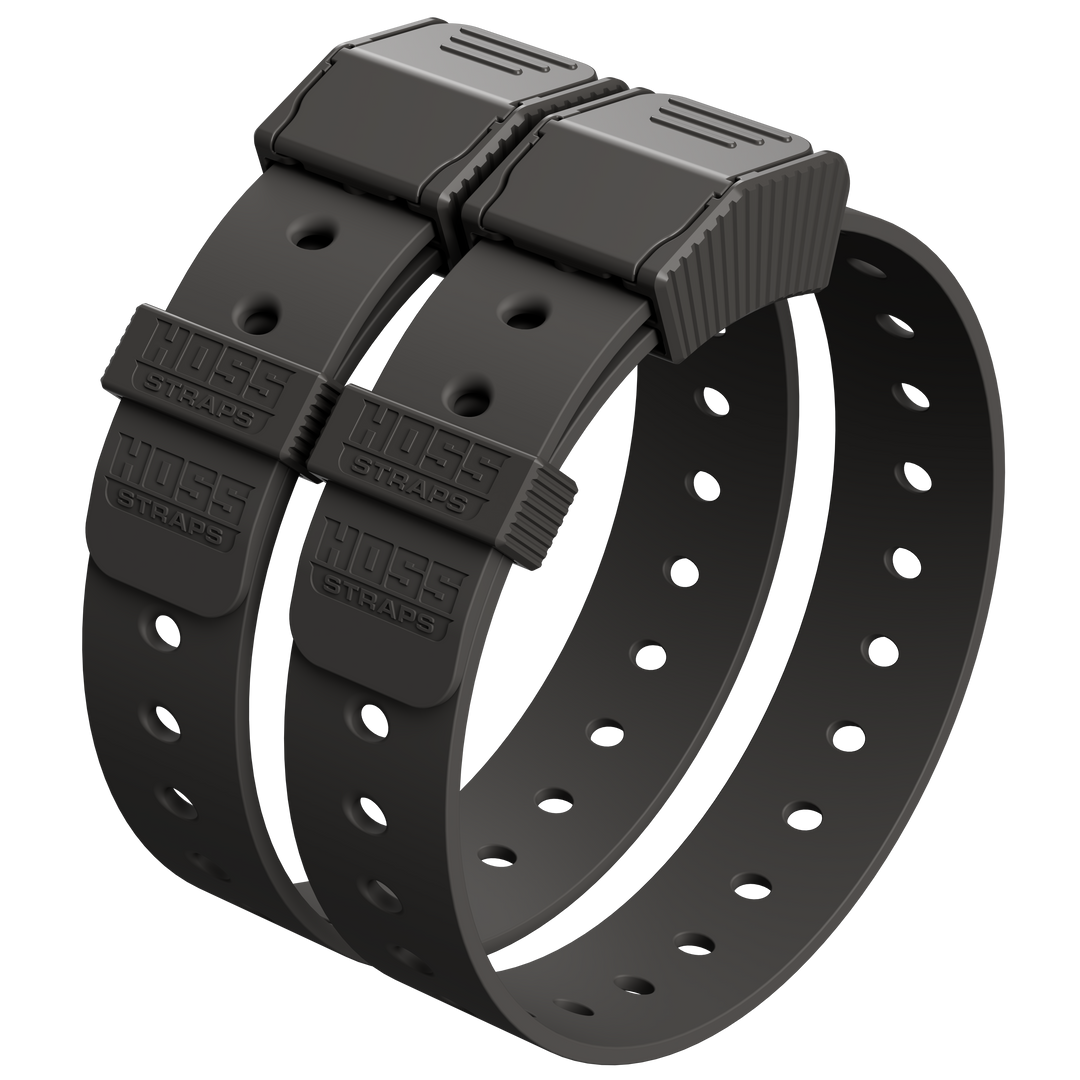
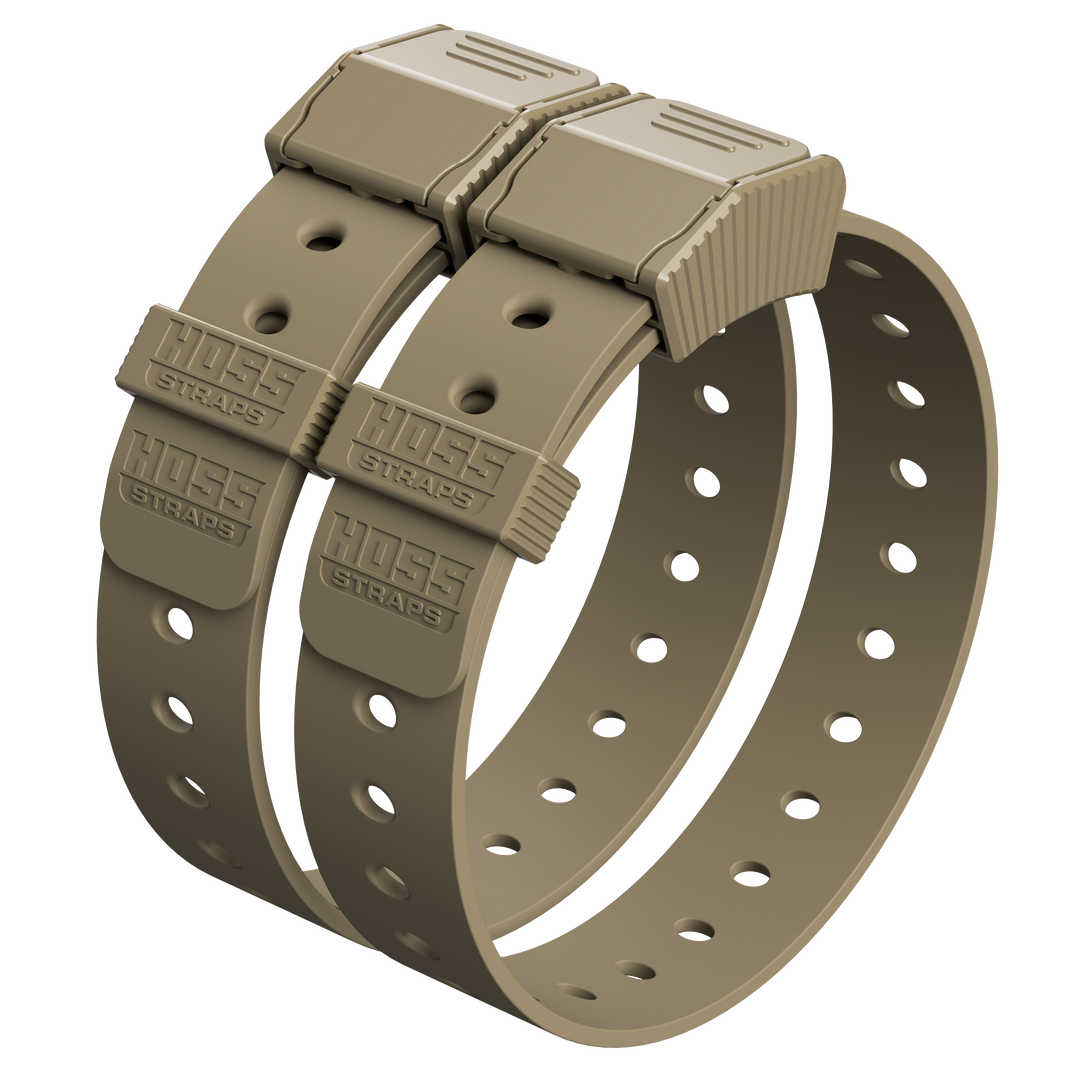
If you want a durable everyday starting point, compare Hoss Dog Collars, the D-Ring Dog Collar, and K9 Dog Collars based on your dog's build and use case.
Quick Cheat Sheet: Collar Width Starting Points
| Dog Size and Routine | Collar Job | Practical Width Range to Start With |
|---|---|---|
| Puppies and tiny dogs | ID tag, short potty walks, getting used to a collar | Narrow: about 10 to 15 mm / 3/8 to 5/8 in |
| Small to medium everyday walkers | Daily wear, tags, basic leash connection | Medium: about 15 to 25 mm / 5/8 to 1 in |
| Medium to large active dogs | Outdoors, long walks, more stability | Wide: about 25 to 50 mm / 1 to 2 in |
Use the table as a starting point, then check how the collar actually sits on your dog.
Why Width Matters: Comfort, Stability, and Pressure
Collars usually do two main jobs: hold ID and provide a leash attachment point when a collar is the right tool for the situation.
Width affects how the collar contacts the neck. A very narrow collar may feel light, but it can concentrate pressure if the dog pulls. A wider collar may feel more stable, but it can rub if it is too wide for a short neck.
A study published in Veterinary Record tested collar types on a simulated canine neck model and found that collar type and pulling force affected pressure on the neck. The Nottingham Trent University manuscript is a useful reminder that width helps with fit and stability, but pulling force still matters.
That does not mean collars are bad. It means the best setup matches the collar width to the dog and uses a harness or other walking tool when a dog pulls hard.
Narrow Dog Collars
Narrow collars are light, low-profile, and easy for small dogs or puppies to wear.
| Best For | Why It Works | Watch-Outs |
|---|---|---|
| Puppies | Lightweight and less bulky while they learn to wear a collar | Check fit often because puppies grow fast |
| Toy breeds and small dogs | Fits slimmer necks without overwhelming the dog | Can feel sharp if the dog pulls hard |
| ID-only wear | Holds tags without adding much weight | Not ideal for dogs that hit the end of the leash |
If your dog coughs, gags, or pulls hard against a collar, reassess the walking setup. VCA Animal Hospitals notes that pressure on the trachea, including pressure from a collar, can worsen coughing in dogs with tracheal collapse.
Medium-Width Dog Collars
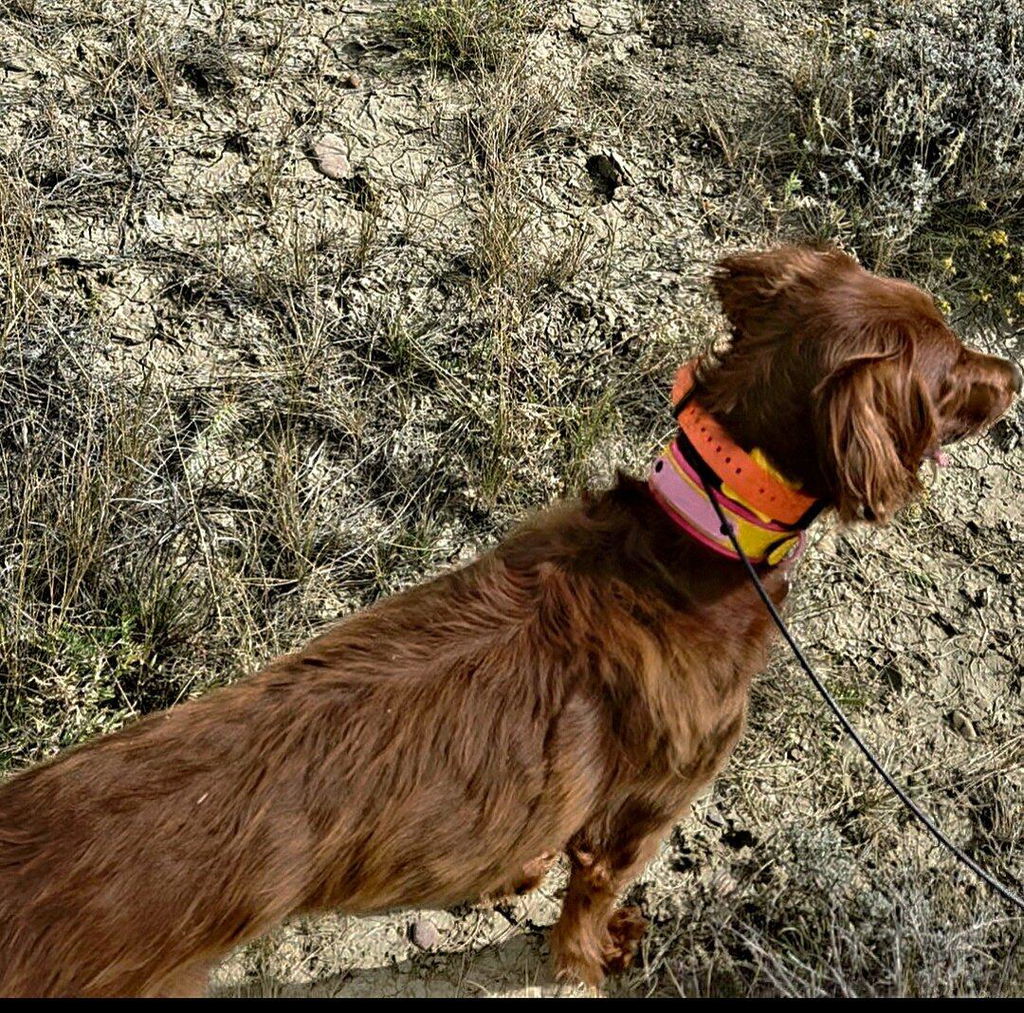
Medium-width collars are the everyday workhorse. They usually balance comfort, tag support, and leash attachment without feeling bulky.
Medium widths are often a good fit for:
- Small to medium dogs
- Everyday walks
- Dogs learning leash manners
- Owners who want a collar that holds tags cleanly
- Dogs that need a stable collar without a wide working-dog profile
A medium collar usually sits flatter and rolls less than a very narrow collar. It also gives more room for smoother edges, stronger stitching, and hardware that does not feel oversized.
Wide Dog Collars
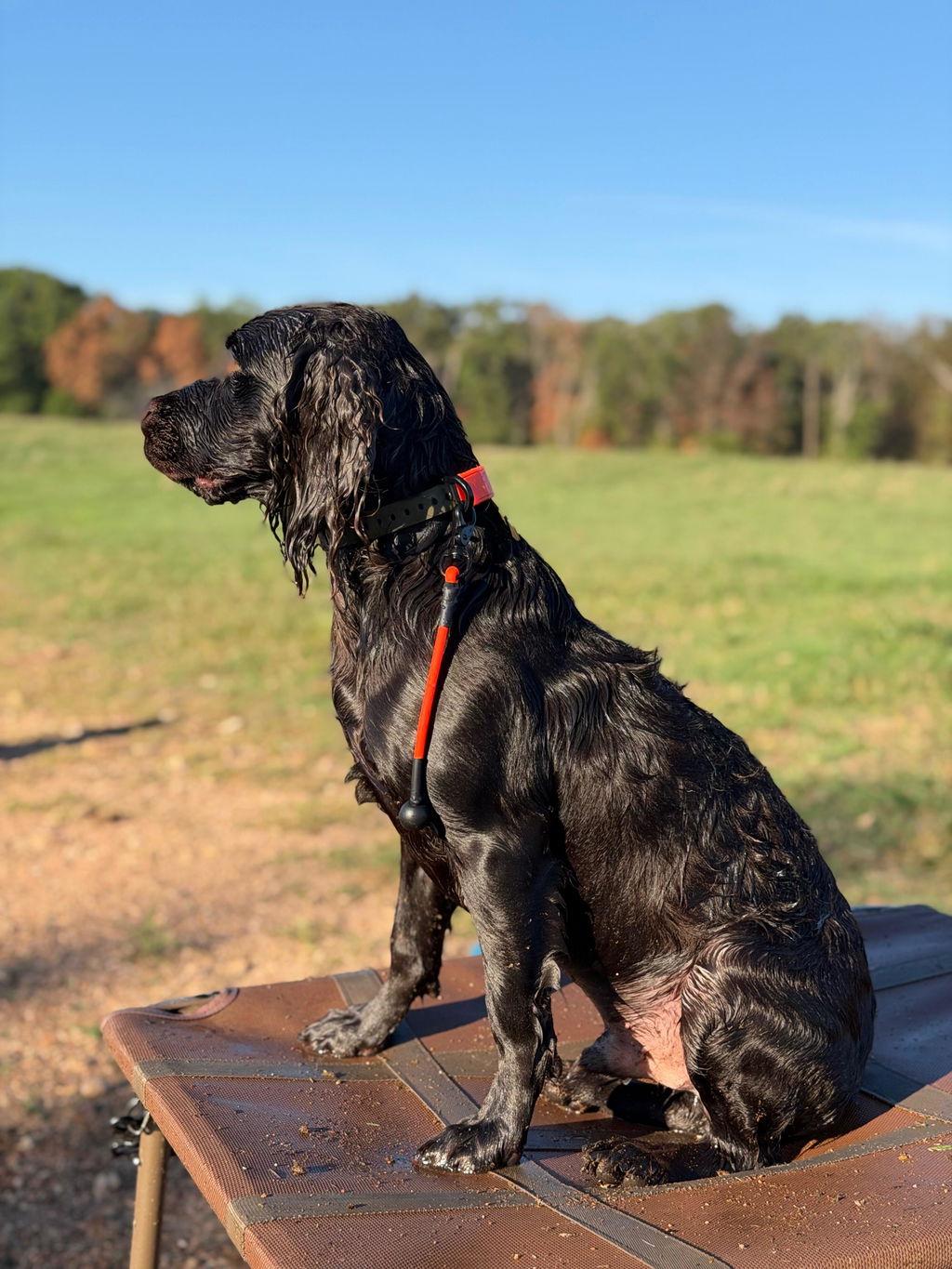
Wide collars are built for stability. They can sit more securely on larger dogs and may reduce collar roll during movement.
| Best For | Why It Works | Watch-Outs |
|---|---|---|
| Medium to large dogs | More contact area and a steadier feel | Too wide can rub on short necks |
| Strong or active dogs | Can reduce twisting and collar roll | Width alone does not make pulling safe |
| Outdoor dogs | Feels more substantial and visible in rougher routines | Needs good fit, smooth edges, and regular checks |
Wide does not automatically mean better. If a wide collar rides up, restricts movement, or rubs behind the jaw, it is the wrong width for that dog.
How to Choose the Right Width in 3 Steps
Step 1: Measure the neck
Use a soft tape measure where the collar naturally sits. If your dog has a thick coat, part the fur and measure closer to the neck.
Step 2: Pick the collar's main job
| Main Job | Width Direction | Good Starting Point |
|---|---|---|
| ID-only wear | Light and simple | Narrow or medium, depending on dog size |
| Daily walks | Comfort plus stability | Medium width for most dogs |
| Outdoor or hard use | More stable and rugged | Medium-wide to wide, matched to build |
| Working or K9 handling | Stability, hardware strength, and weather exposure | Compare K9 Dog Collars |
Step 3: Match width to build, coat, and behavior
- Thick coat: a slightly wider collar may sit more visibly and keep tags from disappearing into fur.
- Short coat or sensitive skin: prioritize smooth edges and a collar that lies flat.
- Hard pulling: keep the collar for ID and use a better walking setup when leash force is high.
- Short neck: avoid collars so wide that they rub behind the ears or jaw.
- Strong active dog: choose enough width to reduce twisting, but still check comfort after movement.
Fit and Safety Checks That Save Headaches
A good collar should be snug, but not tight. You should be able to slide two fingers under it, and it should not spin freely around the neck.
Ruffwear's collar safety guidance recommends the two-finger fit check and explains that collars can snag during play, at home, and in crates. Their practical advice: remove collars before play with other dogs and before crating or leaving dogs unattended in snag-prone spaces.
| Check | What to Do | What It Tells You |
|---|---|---|
| Two-finger check | Slide two fingers under the collar | Confirms it is not too tight or too loose |
| Slip test | Gently see if the collar can pull over the head | If it slips off, it is too loose |
| Rotation check | See whether the collar spins freely | Free spinning can mean poor fit or wrong width |
| Skin check | Look for redness, fur loss, or scratching | Shows rubbing before it becomes a bigger problem |
| Movement check | Watch your dog walk, sit, turn, and lower their head | Reveals rubbing, riding up, or collar roll |
Re-check fit as your dog grows, gains weight, loses weight, changes coat, or starts a new activity routine.
A Simple Store Guide: Shop by Width
We build collars for real dogs living real days. Here is the simple way to think about width when shopping Hoss options.
| Width Type | Best Fit | Hoss Path |
|---|---|---|
| Narrow | Puppies, tiny dogs, and light ID wear | Choose the lightest collar that fits securely |
| Medium | Most everyday dogs | Dog Collars |
| Medium-wide | Dogs that need a steadier leash and tag attachment point | D-Ring Dog Collar |
| Wide | Larger, stronger, outdoor, or working dogs | K9 Dog Collars |
| Weatherproof build | Wet, muddy, or frequent-cleaning routines | Weatherproof Dog Collars |
If you are stuck between two widths, pick the one that sits flatter on your dog's neck, does not rub during movement, and feels steady when the leash or tags shift.
If your dog uses compatible training or tracking gear, compare the Training Collar Setup and Training Collar Adapter Kit before choosing only by width.
FAQ
1. What collar width is best for a puppy?
Start narrow or medium, depending on your puppy's size. The main goal is a lightweight collar that fits securely and gets checked often as your puppy grows.
2. Is a wider collar always more comfortable?
No. A wider collar can feel better on bigger dogs, but a collar that is too wide for a short neck can rub, ride up, or limit natural movement.
3. What width collar should I use for a strong puller?
Use a well-fitted collar for ID, then reassess the walking setup so leash force is not loading the neck. Width alone is not the fix for pulling.
4. How tight should a dog collar be?
It should be snug enough that it will not slip over the head, but loose enough for two fingers to slide underneath. It should not spin freely or dig into the neck.
5. When should I take my dog's collar off?
Remove the collar during crating, rough play, or unsupervised time around snag risks. If your dog needs visible ID because they are escape-prone, use extra supervision and keep the collar simple, clean, and properly fitted.