


Collars With Handle (Grab/Control): When You Need Close Control, Fast

Table of Contents
- Quick Answer
- What a Traffic Handle Is
- When a Handle Collar Earns Its Keep
- How to Grab Safely
- Handle Placement and Length
- Fit Rules That Help Prevent Problems
- Snag Hazards
- Handle Collar vs Harness vs Leash Traffic Handle
- Working K9 Handle Collar Checklist
- A Tough, Simple Alternative
- FAQ
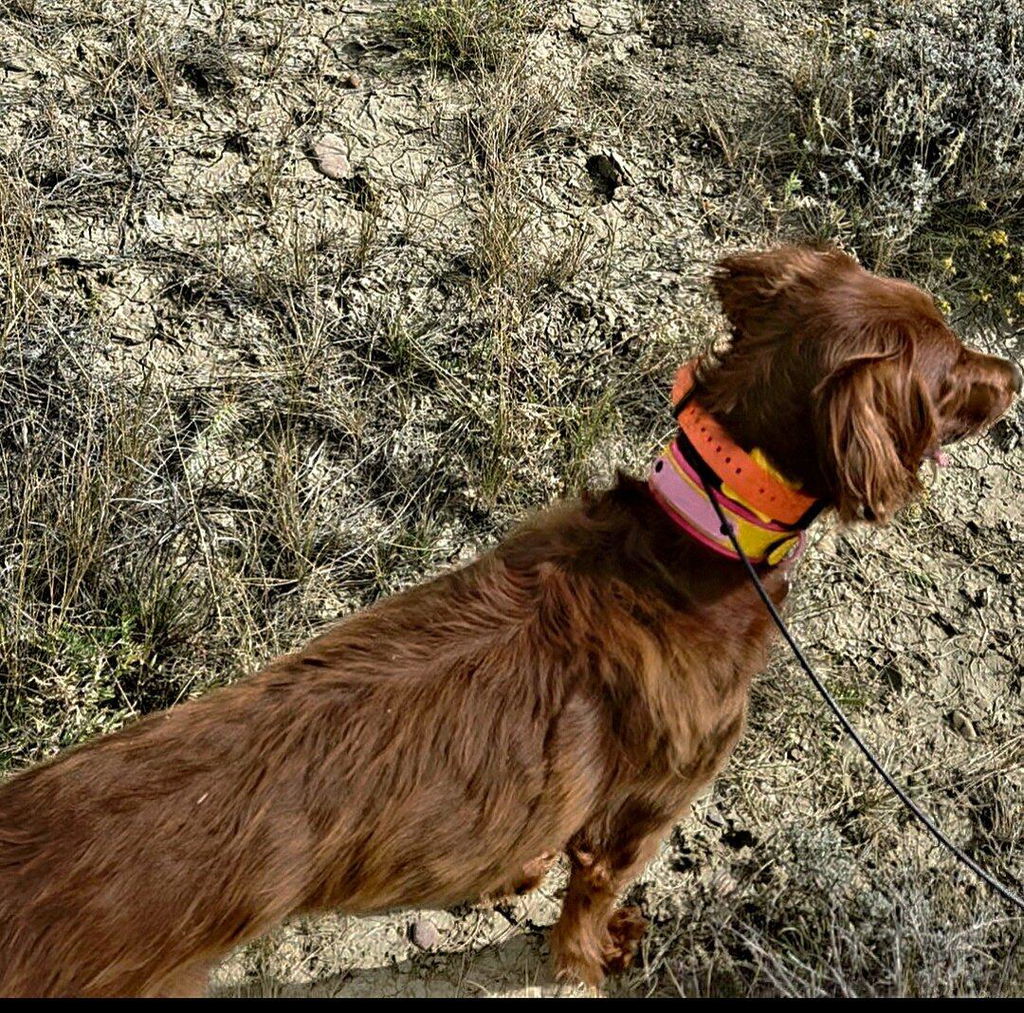
A collar with a handle gives working dog handlers a fast place to take close control. It is useful when you need to steady a dog at a gate, move through a tight lane, reset a leash, load from a vehicle, or guide the dog without sliding your hand down the lead.
The important part is how you use it. A handle collar is for brief close control, not lifting, dragging, or stopping a hard pull. Think of the handle as a short steering point, not a tow strap.
If you are outfitting K9, hunting, farm, or outdoor dogs, compare the job first. Some dogs need a collar with a handle. Others are better served by a K9 dog collar, D-ring dog collar, or a harness for tasks where pulling or neck pressure is likely.
Quick Answer: When Does a Collar With Handle Make Sense?
| Situation | Handle Collar Helps When | Watch-Out |
|---|---|---|
| Crowds and tight lanes | You need the dog close at your side for a few seconds | Do not jerk the neck or hold tension for long periods |
| Vehicle loading | You need to steady the dog before clipping a lead or opening a door | Never lift the dog by the collar handle |
| Kennel or gate transitions | You need quick control during a doorway, gate, or lead reset | Remove collars when crated, kenneled, or unsupervised if snag risk exists |
| Working field routines | You need a fast grab point during controlled transitions | Choose a short, low-profile handle that is less likely to catch |
| Hard pulling | Usually not the best tool for the job | Use a better walking or restraint setup when leash force is high |
What a Traffic Handle Is and What It Is Not
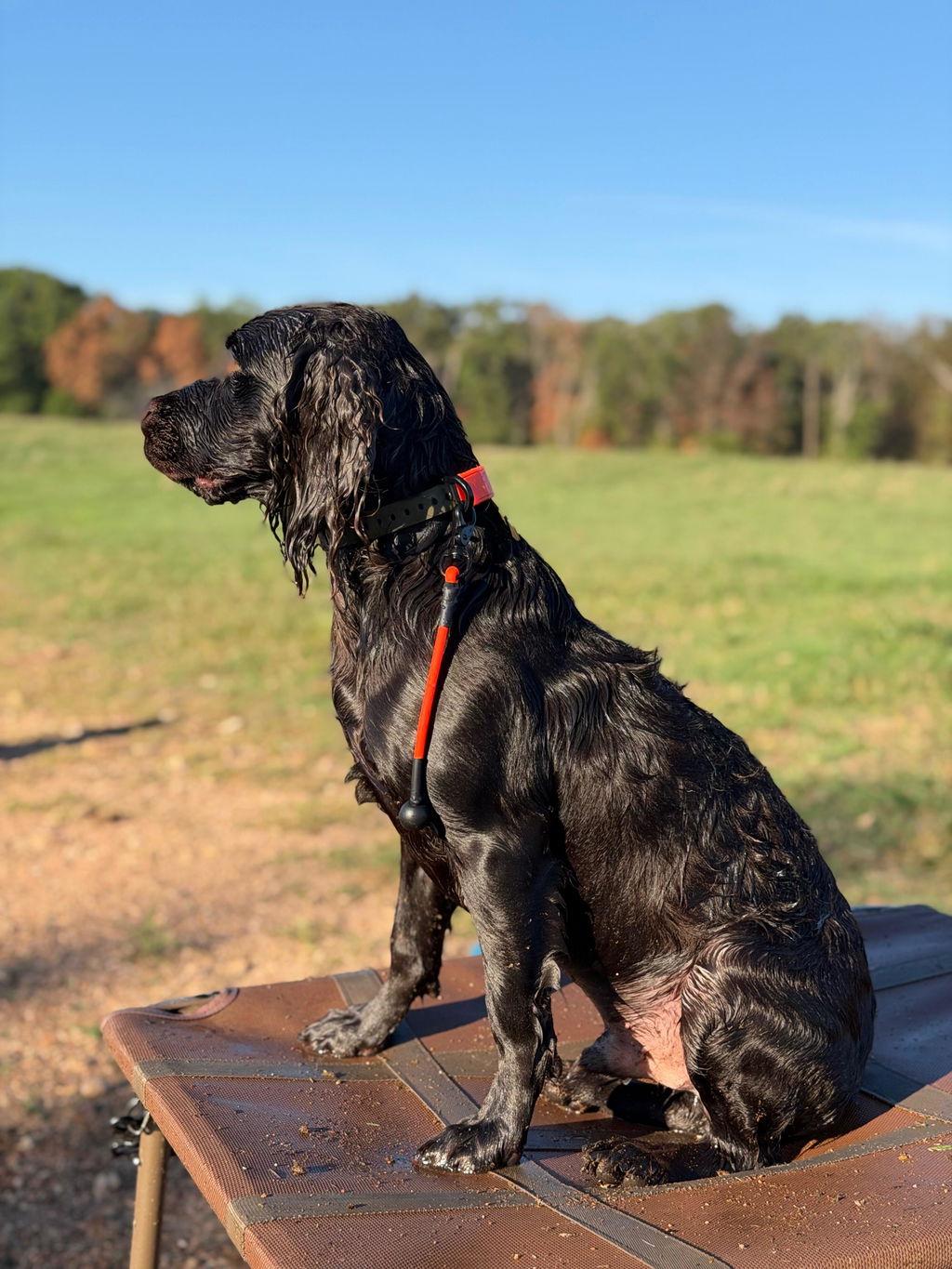
A traffic handle is a short handle sewn or built into a collar so the handler can take hold near the dog's neck. It gives close control faster than reaching down a leash.
It is useful for controlled moments, such as:
- Holding position next to your leg
- Guiding through a doorway or gate
- Steadying before clipping a leash
- Keeping the dog close in a crowded or tight area
What it is not: a lifting handle. Do not lift, suspend, drag, or haul a dog by a collar handle.
VCA Animal Hospitals notes that hard pulling against a collar can apply too much pressure to delicate neck structures, and that loose collars can allow escape. That is the core rule for handle collars too: fit matters, and force matters.
When a Handle Collar Earns Its Keep
Close control in crowds and tight lanes
- Passing people on narrow trails
- Moving through busy staging areas
- Crossing parking lots or roadside spaces
- Holding position while you reset a leash, tag, or piece of gear
Vehicle loading and unloading
- Steadying a dog before they jump into a truck or SUV
- Keeping a dog close when unloading near a road
- Moving from vehicle to kennel without a launch or bolt
Kennel and vet-style handling moments
- Opening kennel doors
- Guiding through clinic hallways
- Holding still for a leash clip or tag check
- Maintaining control during quick transitions
Handle collars shine during transitions. They should not replace training, leash handling, or a better tool when the dog will be pulling hard.
How to Grab Safely So Your Dog Does Not Fight the Handle
Many dogs learn that a collar grab means the fun is over. That can create ducking, spinning, bracing, or avoidance when your hand moves toward the neck.
Teach the collar grab on purpose
A training handout from SPCA.org explains that some dogs are uncomfortable with collar grabs and outlines a gradual treat-based process for teaching calm acceptance.
A simple version:
- Reach toward the collar or handle calmly.
- Touch or hold it briefly.
- Reward with food, praise, or a quick game.
- Release before the dog struggles.
- Repeat until the dog stays relaxed when your hand moves in.
The safest way to take the handle
- Grab smoothly instead of snatching.
- Keep your hand close to the collar to reduce twisting.
- Guide the dog into position instead of jerking.
- Release when the dog is settled or clipped to the next tool.
- Use a harness or different setup if the dog surges hard into neck pressure.
A PubMed-indexed study found that pulling against a collar increased intraocular pressure in dogs, while pulling against a harness did not. For dogs with eye concerns or dogs that hit the end of the line hard, that is one reason handlers may choose a harness for specific tasks.
Handle Placement and Length: What Works in the Field
A traffic handle usually works best when it is short, close to the collar, and easy to grab without flopping.
| Design Detail | Why It Matters | Good Sign |
|---|---|---|
| Short handle | Reduces flopping and snag risk | Easy to grab, but does not hang loose |
| Top/back placement | Lets the handler guide without rolling the collar forward | Handle sits where your hand naturally reaches |
| Low profile | Helps prevent catching on brush, gates, and kennel hardware | Handle lies close when not in use |
| Reinforced stitching | Handles get repeated grab stress | Clean, tight stitching at stress points |
| Smooth hardware | Prevents snagging and irritation | No sharp edges or rough finish |
The handle should support controlled guidance, not force. If the handle design encourages lifting or hauling, it is the wrong mental model for safe use.
Fit Rules That Help Prevent Choking and Slip-Outs
A handle collar is only as useful as its fit. If it is too loose, it can rotate, snag, or slip. If it is too tight, it can press into the neck when the dog moves or surges.
Use the two-finger fit check
After buckling the collar, you should be able to slide two fingers under it. The collar should feel snug, but not restrictive.
Re-check when conditions change
- Wet coat
- Seasonal shedding or coat growth
- Weight or conditioning changes
- Long days where straps, fur, and hardware shift
Quick-release hardware can help working routines
For dogs moving from truck to field to kennel, quick on/off handling can reduce fumbling and make transitions cleaner. It also matters when a collar needs to come off quickly because of snag risk.
Snag Hazards: When Handle Collars Can Be Risky
Handle collars can catch. That is the tradeoff of adding a grab point to the collar.
Higher-risk spots include:
- Crates and kennels
- Chain link and wire panels
- Farm gates and fence hardware
- Brush piles and tight timber
- Rough play with other dogs
VCA warns that serious injury can occur if a collar becomes entangled and twisted tightly during play, in a crate or kennel, or around household fixtures. If your dog is crated, kenneled, roughhousing, or unsupervised in snag-prone spaces, treat collar wear as a safety decision, not a habit.
Handle Collar vs Harness vs Leash Traffic Handle
| Tool | Best For | Watch-Outs |
|---|---|---|
| Collar with handle | Fast close control, short holds, tight transitions | Snag risk; do not lift; avoid hard surging into neck pressure |
| Harness | Jobs where pulling might happen or neck pressure is a concern | Must fit well; remove when unsupervised if tangles are possible |
| Leash with traffic handle | Close control without adding a handle to the collar itself | Still requires good leash handling and timing |
There is no single tool for every dog and every job. A handle collar is excellent for brief control. A harness is often better when pulling or body support is part of the task. A leash traffic handle can give close control without adding another snag point to the collar.
What to Look For in a Working K9 Handle Collar
- Weather-ready material: does not soak up water, hold odor, or stay unpleasant after wet work.
- Quick on/off: helps transitions from truck, field, kennel, and training areas.
- Solid hardware: smooth, dependable, and easy to use with gloves.
- Stable fit: stays put through movement, coat changes, and handling.
- Short handle: easy to grab, but low profile enough to reduce snag risk.
- Reinforced stress points: especially around the handle, buckle, and D-ring.
A Tough, Simple Alternative for Working Teams
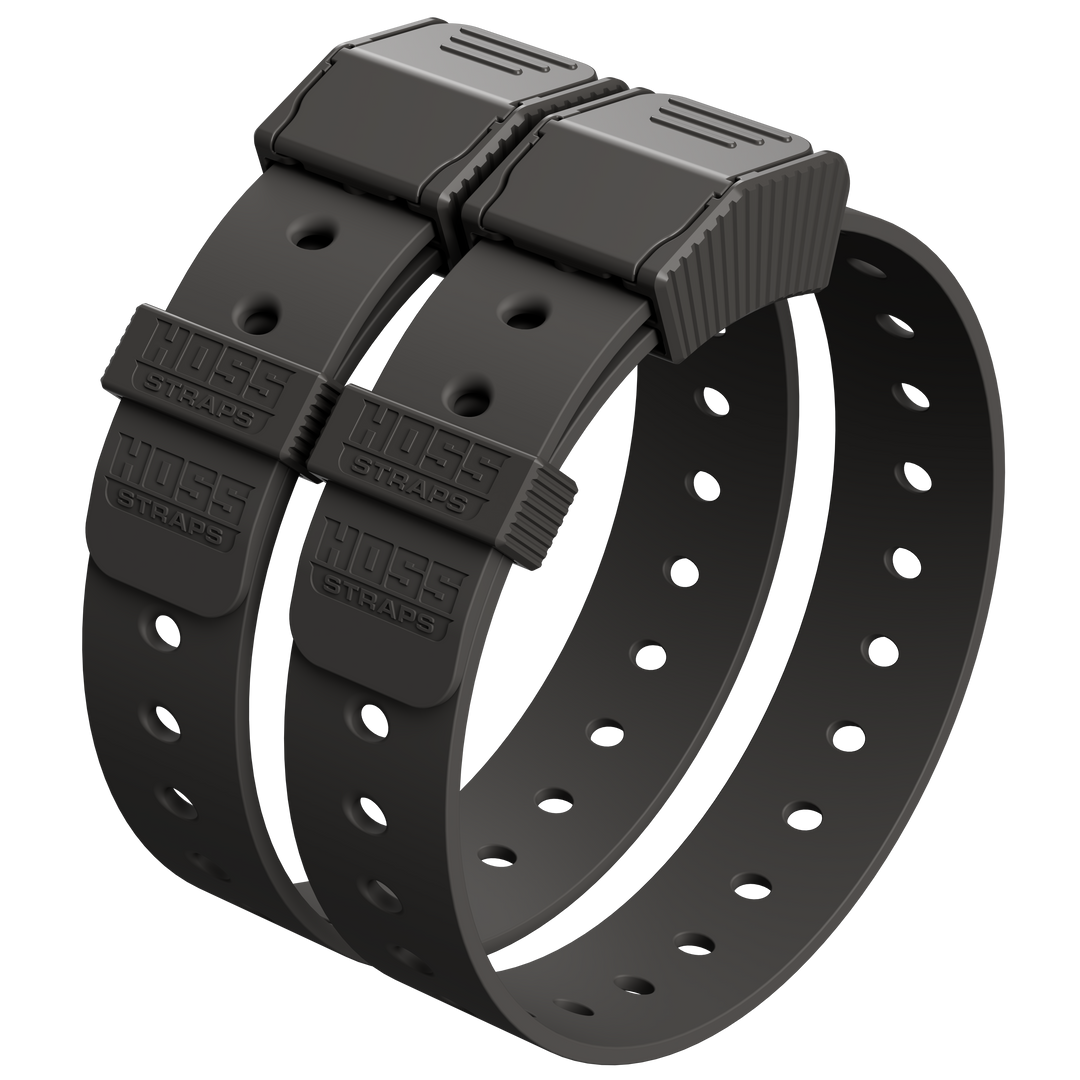
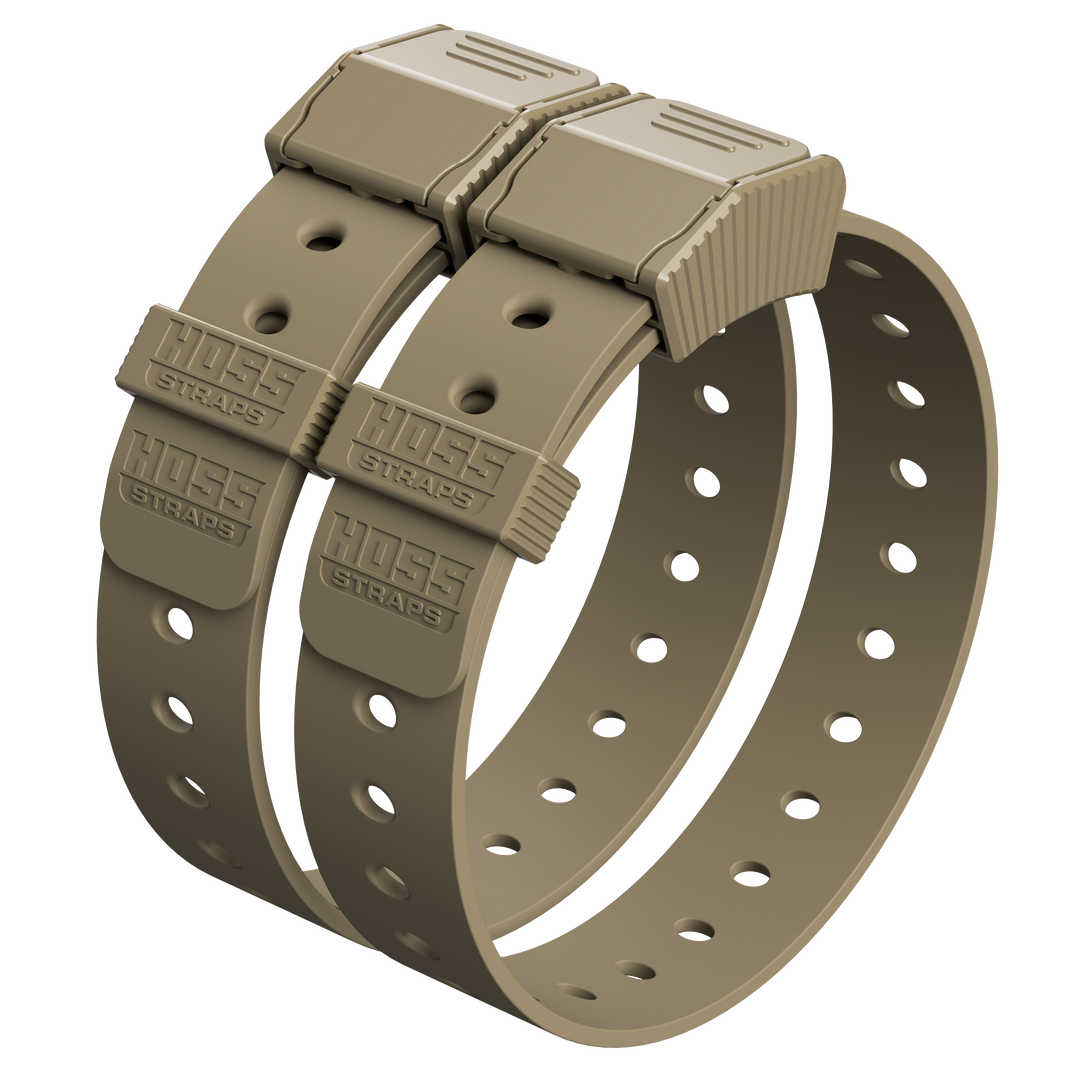
If you want rugged working-dog gear without extra snag points, start with Hoss K9 Dog Collars. They are built for hard use, wet conditions, and straightforward daily handling.
The Hoss D-Ring Dog Collar is another strong option when you want weatherproof construction, quick-release handling, a defined D-ring attachment point, and a 1 1/16-inch strap width. It fits neck sizes up to 22 inches and works well as a dependable everyday base collar.
For dogs using compatible Garmin-style gear, review the Training Collar Setup and Training Collar Adapter Kit before choosing a collar only by handle style.
FAQ
1. Are collars with handles safe for everyday wear?
They can be, but the main risk is snagging. A handle adds another point that can catch on crates, kennels, gates, brush, or another dog during play. Remove the collar when the dog is crated, kenneled, or unsupervised in snag-prone spaces.
2. Can I use the handle to stop leash pulling?
No. A handle is for close control, not fighting a pull. If pulling is part of the job, use a better walking or restraint setup and avoid loading the dog's neck with sustained force.
3. How tight should a working dog's collar be?
Use the two-finger check. The collar should be snug enough that it cannot slip over the head, but loose enough that two fingers slide underneath without forcing. Re-check when your dog is wet, shedding, or changing condition.
4. Do I need to train a collar grab even if my dog is friendly?
Yes. Friendly dogs can still become uneasy when a hand reaches quickly toward the neck. Practice calm handle or collar grabs with rewards so the movement predicts something good instead of the end of freedom.
5. Why do some handlers switch to a harness for certain dogs?
A harness can move pressure away from the neck when pulling, lunging, or body control is expected. That can be important for dogs with eye, throat, neck, or airway concerns, or dogs that hit the end of the line hard.