


Dog Recovery Collars Explained: Protection & Care for Your Dog's Healing

Table of Contents
- What a Dog Recovery Collar Actually Does
- Quick Comparison: Main Recovery Collar Options
- When the Vet's Cone Is Usually the Safest Starting Point
- When You Should Not Switch Without Calling the Vet
- Hard Plastic Cones
- Soft Recovery Collars
- Inflatable Recovery Collars
- Recovery Suits
- How to Tell If the Recovery Collar Fits Correctly
- What Dogs Struggle With in the First 24 Hours
- How to Make Recovery Collar Life Easier
- Daily Checks During Recovery
- Where Hoss Fits Into the Recovery Conversation
- When to Call the Vet
- Final Take
-
FAQ
When a dog is healing from surgery, a wound, a skin irritation, or another injury, the recovery collar has one main job: stop the dog from licking, chewing, scratching, or reopening the area.
That sounds simple, but choosing the right recovery setup can feel confusing fast. Some dogs hate the hard plastic cone. Some can still reach the wound in a soft collar. Some need more protection than an inflatable collar can provide. And in many cases, the safest answer is simply to follow the collar your veterinarian sent home.
This guide explains the main types of dog recovery collars, when each one makes sense, when not to switch from the vet's setup, and how to help your dog stay more comfortable during healing.
Important note: recovery collars are part of medical aftercare. Always follow your veterinarian's instructions for your dog's specific procedure, wound location, and recovery timeline.
What a Dog Recovery Collar Actually Does
A dog recovery collar is a protective barrier.
It is usually used to prevent a dog from reaching:
- surgical incisions
- stitches or staples
- hot spots
- skin irritation
- bandages
- eye or facial injuries
- paw or leg wounds
The goal is not to make the dog happy about wearing it. The goal is to protect healing tissue long enough for the body to recover.
That is why comfort matters, but protection comes first. A comfortable collar that lets the dog reach the wound is not doing its job.
Quick Comparison: Main Recovery Collar Options
Different recovery collars solve different problems. The best option depends on the wound location, the dog's flexibility, and how determined the dog is to reach the area.
| Recovery option | Best for | Main upside | Main downside |
|---|---|---|---|
| Hard plastic cone | Most post-surgery protection needs | Strongest physical barrier for many cases | Bulky and awkward for eating, sleeping, and moving |
| Soft cone | Mild cases or dogs bothered by hard cones | More flexible and comfortable | Some dogs can fold it or reach around it |
| Inflatable collar | Certain torso or upper-body restrictions | Less vision obstruction and easier movement | Often not enough for paws, legs, tail, or flexible dogs |
| Recovery suit | Some body wounds or spay/neuter cases | Covers the area without a cone shape | Not right for every wound and may trap moisture if misused |
The most important question is not "Which recovery collar is most comfortable?" It is "Which one actually prevents this dog from reaching this injury?"
When the Vet's Cone Is Usually the Safest Starting Point
The hard plastic cone has a rough reputation because dogs bump into walls, struggle near bowls, and look uncomfortable wearing it.
But there is a reason veterinarians still use it so often: it works in a wide range of cases.
A traditional cone is often the safest starting point when:
- the dog just had surgery
- the dog is determined to lick or chew
- the injury is near the face, eyes, feet, legs, or tail
- the dog has already reopened or irritated a wound
- the vet specifically warned not to remove the cone
It may not be the prettiest option, but it is often the most protective one.
When You Should Not Switch Without Calling the Vet
This section is worth putting high in the article because many owners look for alternatives as soon as the cone becomes annoying.
Do not switch from the vet's recovery collar without checking first if your dog has:
- eye surgery or an eye injury
- a facial wound
- stitches that are easy to reach
- a paw, leg, tail, or rear-area wound
- a history of chewing through bandages or licking obsessively
- already irritated or reopened the area
Soft collars and inflatable collars can be helpful, but they are not automatically equivalent to a hard cone. The wrong switch can undo days of healing.
Hard Plastic Cones
Hard plastic cones are the classic recovery collars most people picture.
They are usually best when the priority is maximum reach prevention.
Pros
- provide a strong physical barrier
- harder for most dogs to fold or bypass
- useful for many wound locations
- commonly recommended after surgery
Cons
- can block peripheral vision
- can make eating and drinking awkward
- can bump into furniture and walls
- may make some dogs anxious at first
The first day is usually the hardest. Many dogs adjust better once the home setup is changed to make movement, eating, and resting easier.
Soft Recovery Collars
Soft cones are more flexible and may feel less harsh than hard plastic collars.
They can be useful when the dog needs a barrier but is not extremely determined to reach the wound.
Pros
- softer against furniture and people
- often easier for dogs to rest in
- less noisy than hard plastic
Cons
- easier for some dogs to bend or fold
- may not block access well enough
- not always suitable for leg, paw, tail, or rear wounds
Soft cones are a comfort upgrade only if they still prevent access. If the dog can reach the wound, they are not a safe substitute.
Inflatable Recovery Collars
Inflatable collars sit around the neck like a padded ring. They usually interfere less with vision and movement than traditional cones.
They can work well in some cases, but they are not universal.
Pros
- less visual obstruction
- easier movement through the house
- often more comfortable for resting
Cons
- many dogs can still reach paws, legs, tails, or rear areas
- flexible dogs may bypass them
- they may not protect face or eye injuries well
Inflatable collars are best treated as a case-by-case option, not a direct replacement for every cone.
Recovery Suits
Recovery suits cover part of the body instead of blocking the dog's head and neck movement.
They may help for certain torso wounds or some spay/neuter recovery situations, depending on the vet's guidance.
Pros
- no cone shape
- may allow more normal movement
- can protect some body areas well
Cons
- not useful for all wound locations
- may trap moisture or irritation if not managed well
- does not stop the dog from chewing at uncovered areas
Recovery suits can be helpful, but they are not a free pass to skip monitoring.
How to Tell If the Recovery Collar Fits Correctly
Fit is one of the biggest reasons recovery collars fail.
A recovery collar should:
- stay secure on the dog
- extend far enough to block access
- allow breathing and normal swallowing
- not rub harshly at the neck
- not slide off when the dog backs up or paws at it
A collar that is too short may look comfortable but fail the reach test. A collar that is too loose may slide off. A collar that is too tight can create a new comfort problem.
The basic test is simple: can your dog reach the healing area while wearing it? If yes, the collar is not protective enough for that injury.
What Dogs Struggle With in the First 24 Hours
The first day with a recovery collar can be rough.
Dogs may:
- freeze in place
- bump into doorways
- struggle near food bowls
- paw at the collar
- have trouble settling to sleep
- seem frustrated by the change in movement
That does not always mean the collar is wrong. Sometimes the dog needs a better environment and a little time to adjust.
Still, if the dog is panicking, cannot rest, cannot eat or drink, or seems physically distressed, call your vet for guidance.
How to Make Recovery Collar Life Easier
You may not be able to make the collar enjoyable, but you can make recovery less chaotic.
Adjust the food and water setup
Use shallow bowls or raise the bowl slightly if the cone is catching on the edge. Make sure your dog can eat and drink comfortably while still wearing the collar unless the vet gives different instructions.
Clear the recovery area
Create a simple resting zone with fewer tight corners, sharp furniture edges, or narrow pathways.
Keep bedding low and stable
Soft bedding is helpful, but avoid setups that make it hard for the dog to step in, turn around, or lie down with the collar on.
Offer supervised breaks only if approved
Some dogs may be allowed brief supervised breaks from the cone. Others should not remove it at all. This depends on the wound, procedure, and dog.
When in doubt, ask the vet.
Daily Checks During Recovery
A recovery collar should be checked regularly, just like the wound area.
Look for:
- rubbing around the neck
- moisture or odor
- loosened straps or tabs
- cracks, tears, or deflation
- signs the dog has reached the wound anyway
- increased redness, swelling, discharge, or bleeding
If the wound looks worse or the dog is suddenly more focused on it, call your veterinarian.
Where Hoss Fits Into the Recovery Conversation
This is where the article should be careful.
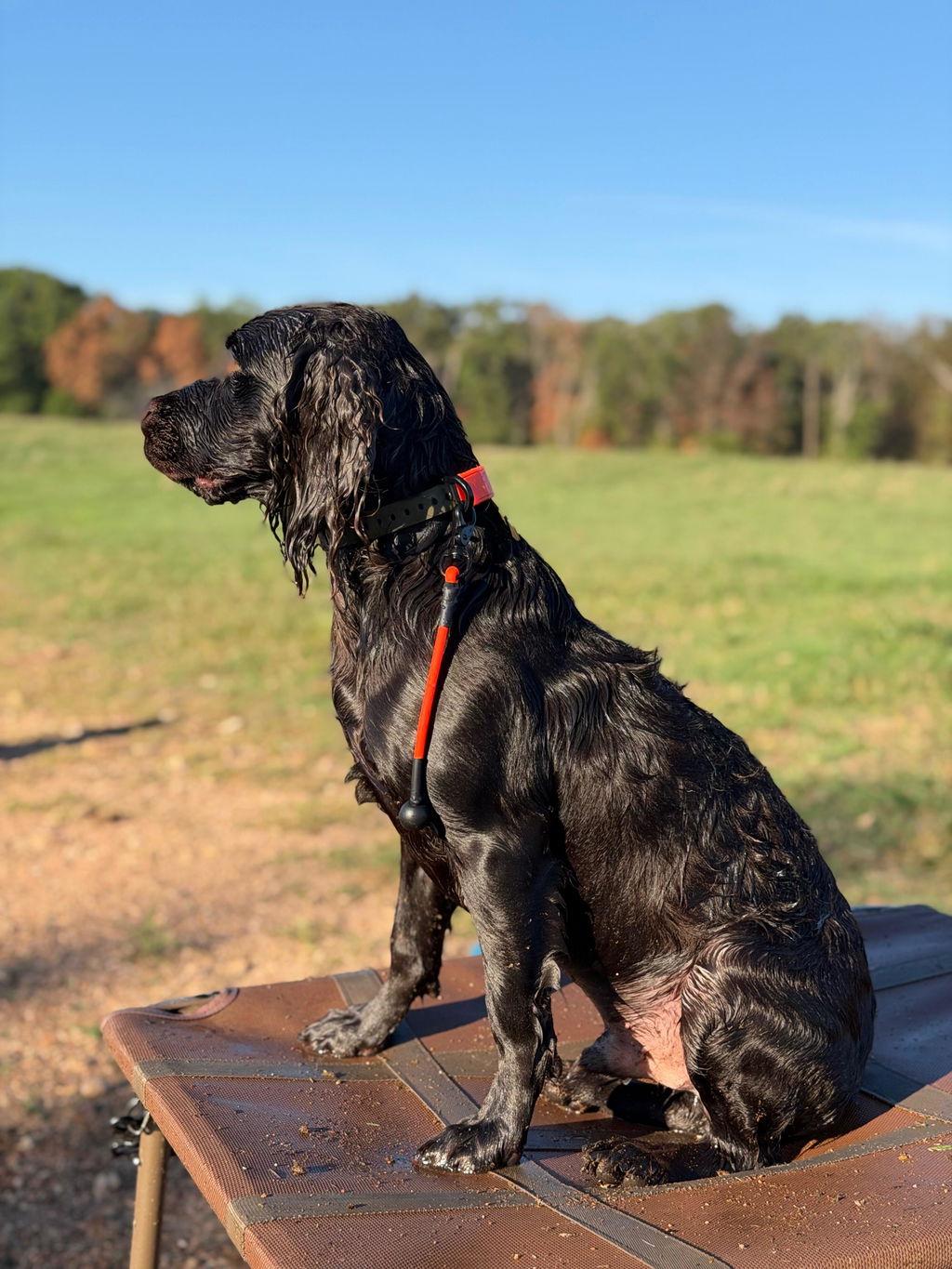
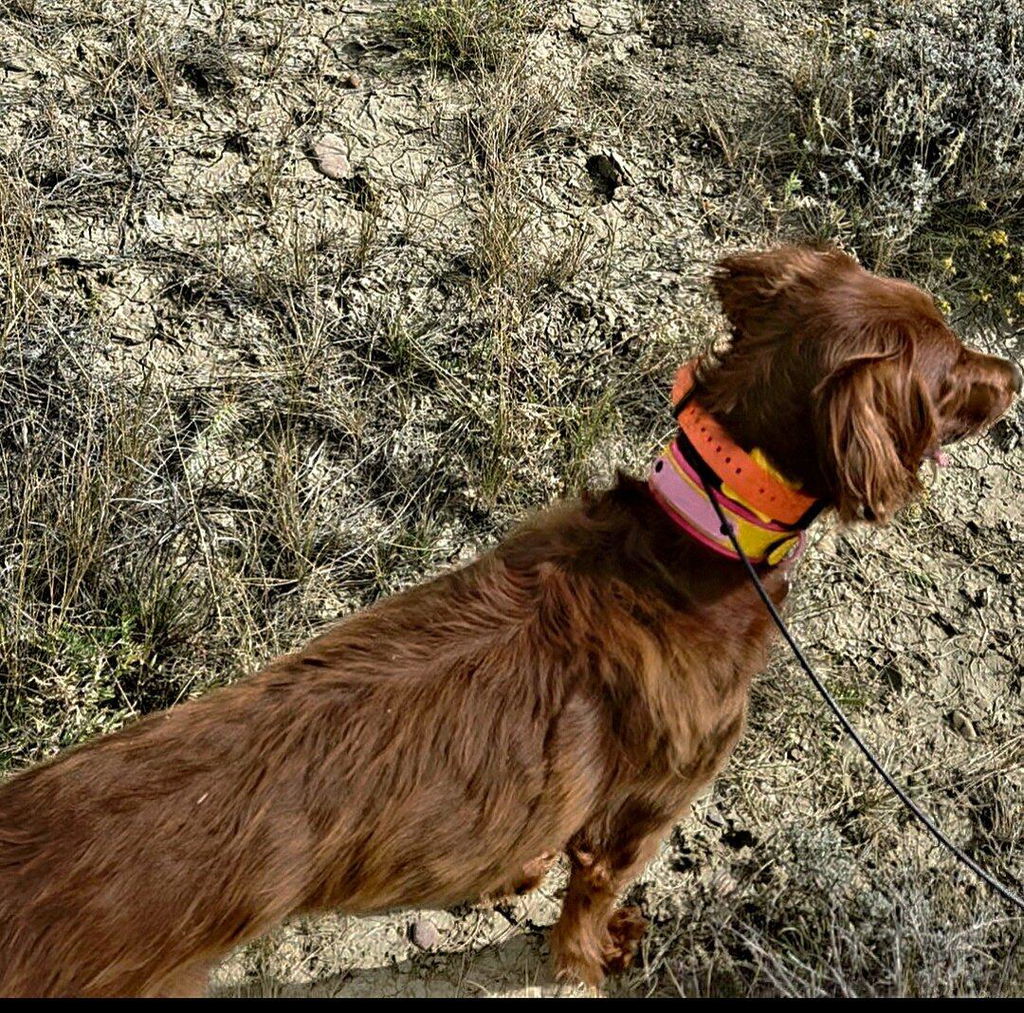
Hoss collars are not a replacement for a veterinary recovery cone, soft cone, inflatable collar, or recovery suit. Recovery gear has a medical job, and the vet's instructions come first.
The stronger Hoss angle is before and after recovery:
- a comfortable everyday collar matters once the cone comes off
- easy-clean materials help when dogs are returning to normal routines
- dependable hardware matters for controlled walks during the recovery period
- weatherproof collars are easier to maintain after a dog is cleared for more normal activity
That is a more honest product bridge than trying to make a standard collar sound like recovery equipment.
For everyday wear after recovery, Hoss Dog Collars and the D-Ring Dog Collar are natural next steps. If you prefer that attachment style, the D-Ring Dog Collars collection is also a good place to compare options.
For dogs returning to outdoor routines, Weatherproof Dog Collars or K9 Dog Collars may make more sense once the vet clears normal activity.
If your dog also uses training gear after recovery, wait until your vet clears that activity before returning to a Training Collar Setup or the Training Collar Adapter Kit.
When to Call the Vet
Call your veterinarian if:
- the dog can reach the wound with the collar on
- the dog is panicking or cannot rest
- the dog cannot eat or drink
- the collar is rubbing or causing sores
- the wound looks worse
- stitches or staples look loose
- there is swelling, discharge, bad odor, or bleeding
- you want to switch recovery collar types
It is always better to ask early than to discover the collar was not protective enough after the dog has already reopened the area.
Final Take
Dog recovery collars are not about convenience. They are about protecting healing tissue long enough for your dog to recover safely.
Hard plastic cones usually offer the strongest protection. Soft cones, inflatable collars, and recovery suits can be useful in the right cases, but they are not automatically interchangeable.
The best recovery collar is the one your dog cannot bypass and your vet is comfortable with for that specific injury.
Hoss fits this topic best by supporting the next stage: comfortable, dependable everyday collars once your dog is ready to return to normal wear and activity.
FAQ
What is the best recovery collar for dogs?
The best recovery collar is the one that prevents your dog from reaching the healing area. For many post-surgery cases, the vet's hard cone is still the safest starting point.
Can I use an inflatable collar instead of a cone?
Sometimes, but not always. Inflatable collars may not protect paws, legs, tails, rear areas, face injuries, or dogs flexible enough to reach around them. Ask your vet before switching.
How long should my dog wear a recovery collar?
Follow your veterinarian's timeline. Many recoveries require collar use until the incision or wound has healed enough, but the exact timeline depends on the procedure and the dog.
Can my dog sleep with a recovery collar on?
Yes, many dogs need to sleep with the recovery collar on so they do not lick or chew when unsupervised. If your dog cannot settle at all, ask your vet about safer adjustments.
What should I do if my dog can still reach the wound?
Call your vet. The collar may be too short, too loose, or the wrong style for that wound location.