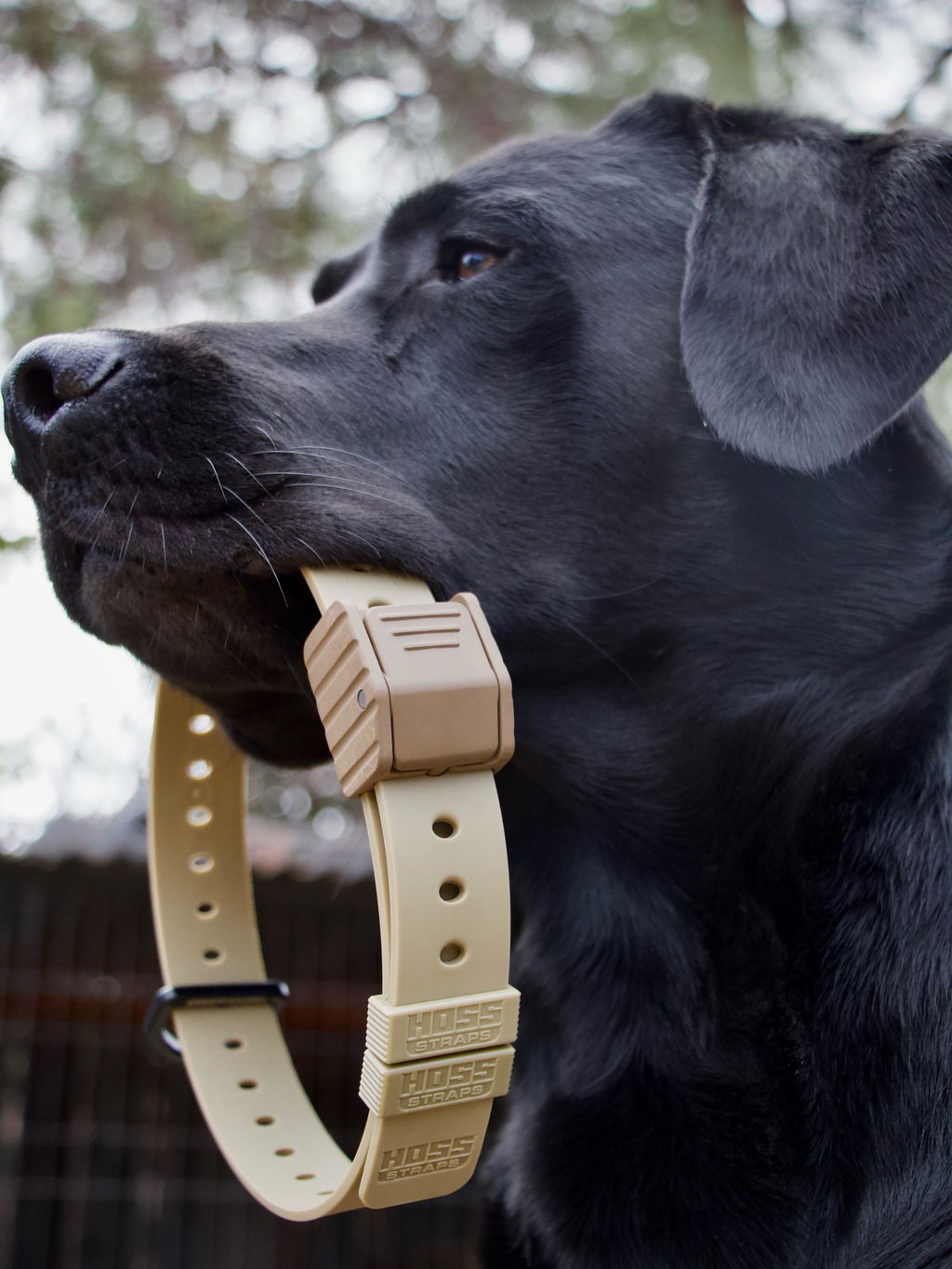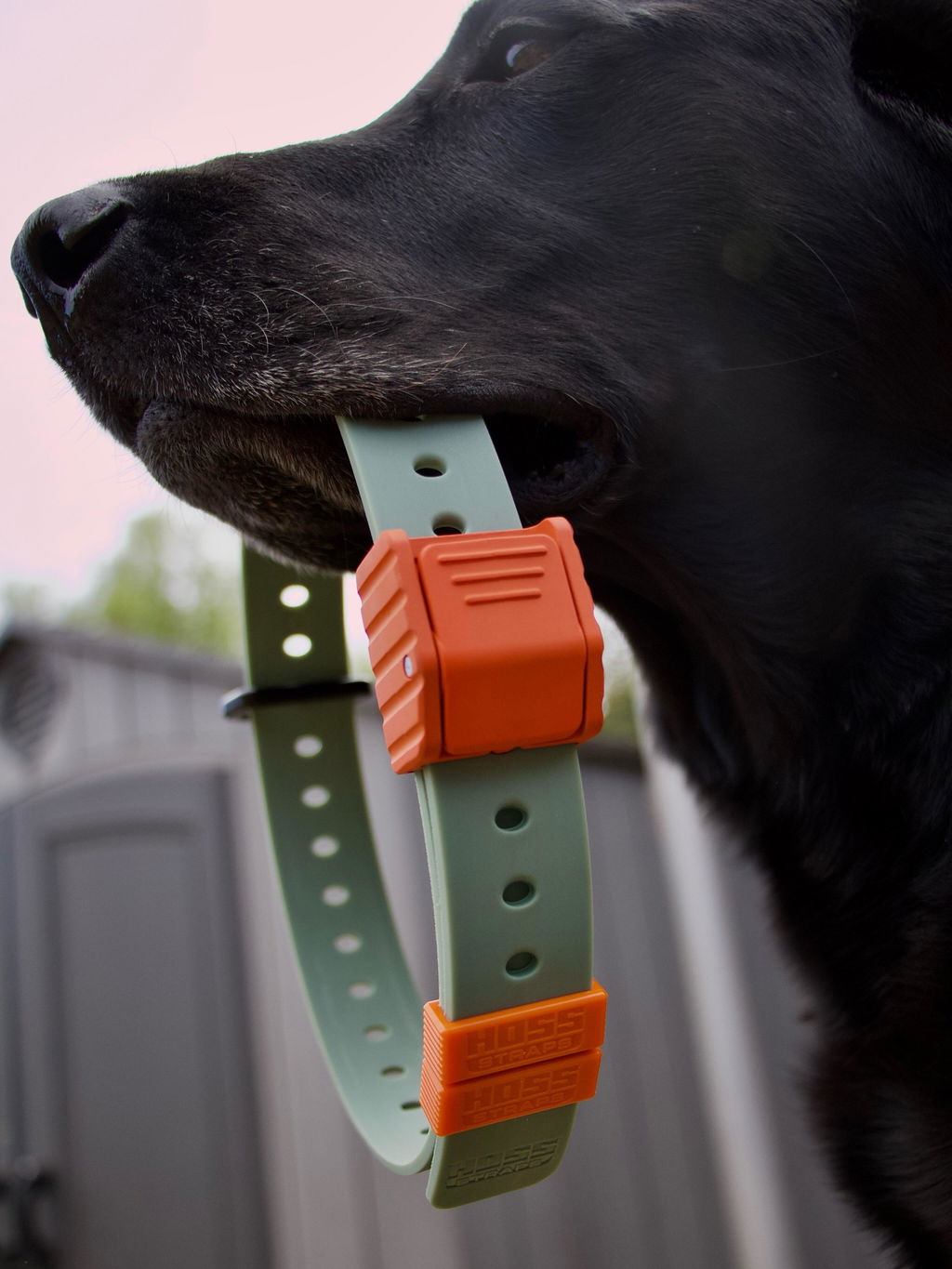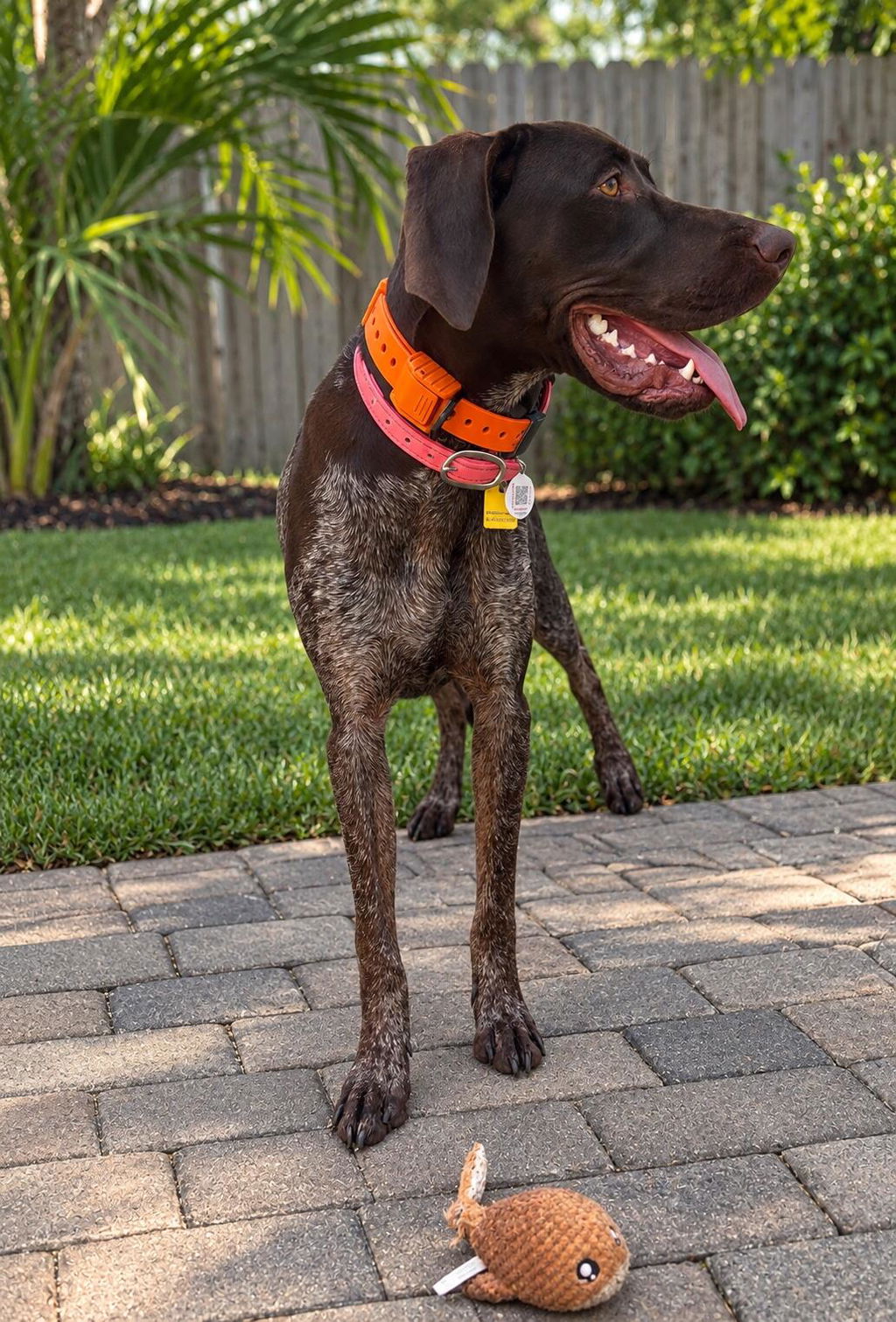



Dog Training Collar Reviews: How to Choose the Right Hoss Setup for Your Dog

Table of Contents
- Quick Comparison: Which Hoss Training Collar Setup Fits Best?
- What "Training Collar" Should Mean
- Start With the Training Goal
- What Makes a Quality Training Collar?
- Hoss Product Reviews by Use Case
- What Not to Buy
- Fit and Safety Checks Before Training
- When the Collar Is Not the Real Problem
- Final Take
-
FAQ
If you are looking for dog training collar reviews, the real goal is usually not reading another generic ranking list. You want to know which setup actually fits your dog, your training goals, and the conditions you train in.
That matters because "training collar" can mean a lot of different things.
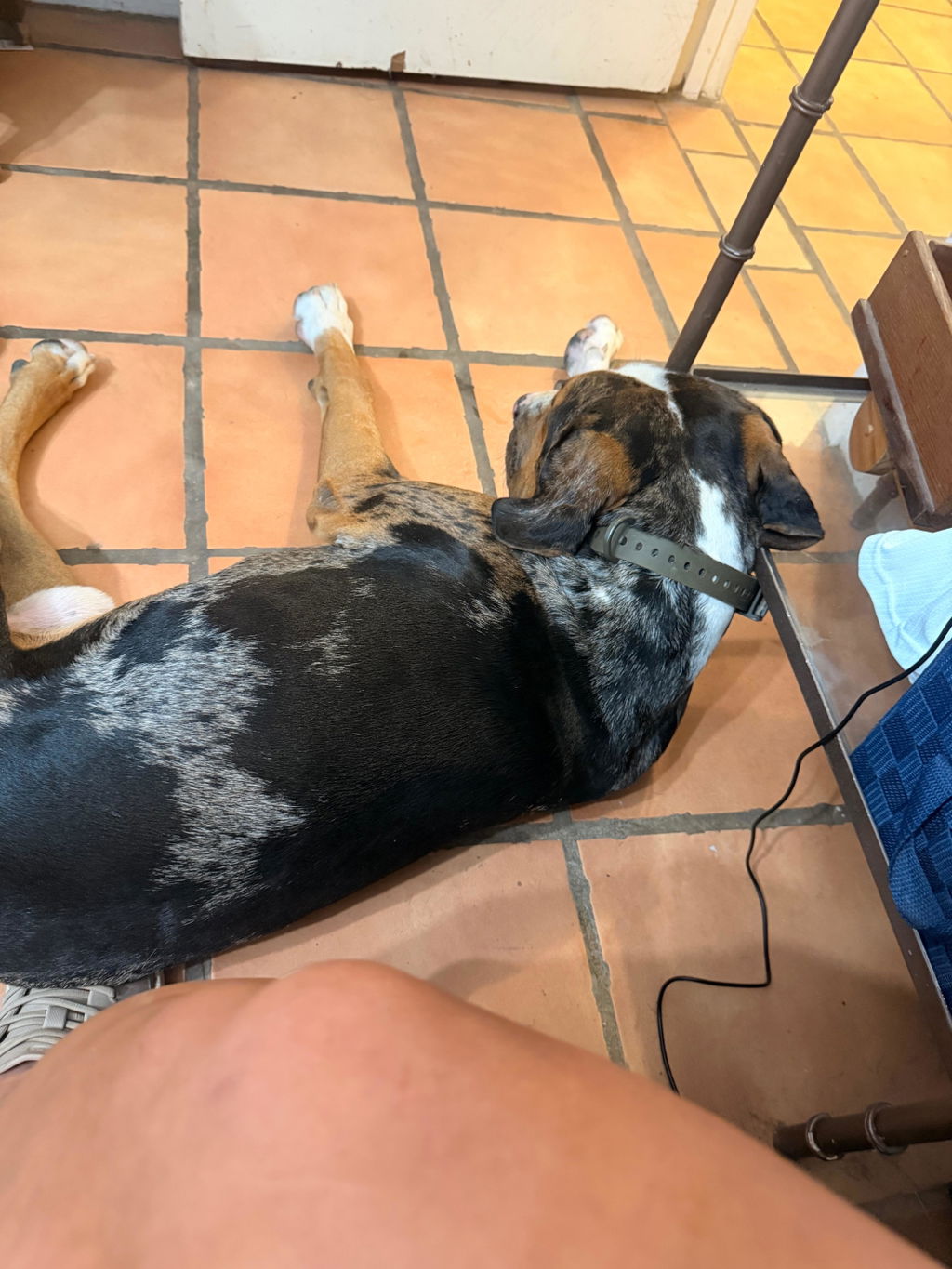
For one owner, it means a dependable everyday collar for leash work and basic obedience. For another, it means a weatherproof collar that holds up through mud, water, and outdoor sessions. For a hunting or field-dog handler, it may mean a collar setup that works with a Garmin tracking or training system.
Those are different jobs. They should not all be reviewed as if they are the same product.
This guide compares the main Hoss collar options by use case, explains what to look for in a training collar, and helps you avoid buying more collar than your dog actually needs.
Quick Comparison: Which Hoss Training Collar Setup Fits Best?
Use this table as a starting point.
| Hoss option | Best for | Biggest advantage | Main tradeoff |
|---|---|---|---|
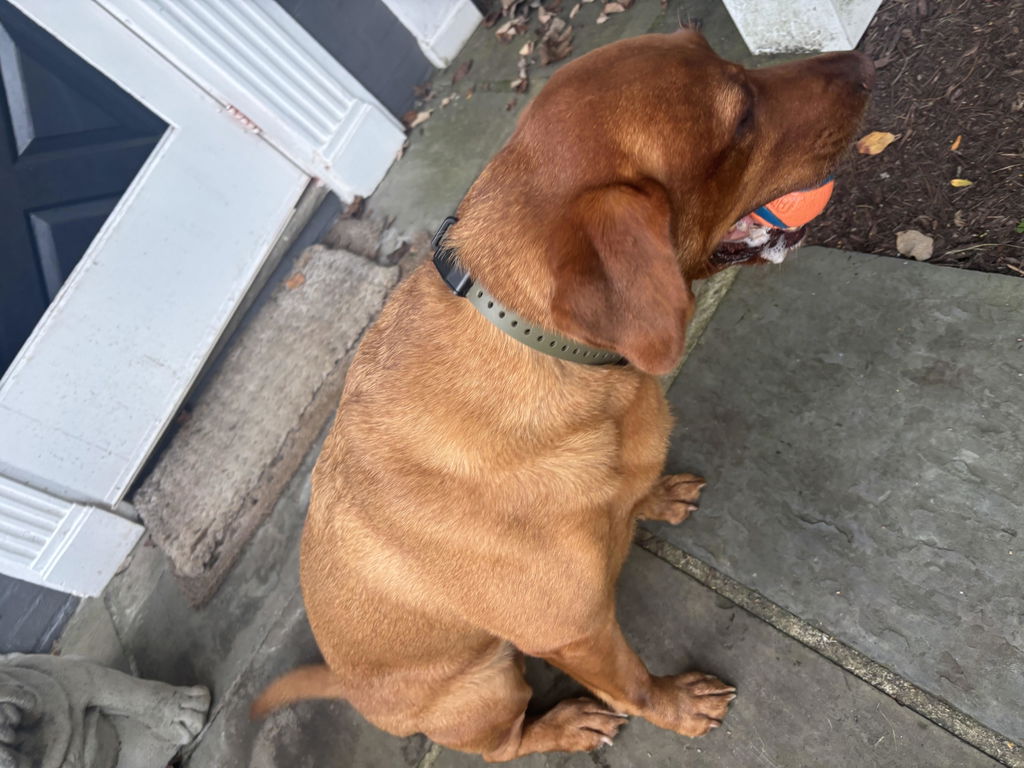
| Dog Collars | Everyday training, daily wear, leash basics | Simple, dependable starting point | Not as specialized as a training-system setup |
| D-Ring Dog Collar | Owners who want a secure leash attachment and cleaner handling | Strong everyday handling feel | Still depends on proper fit and leash pairing |
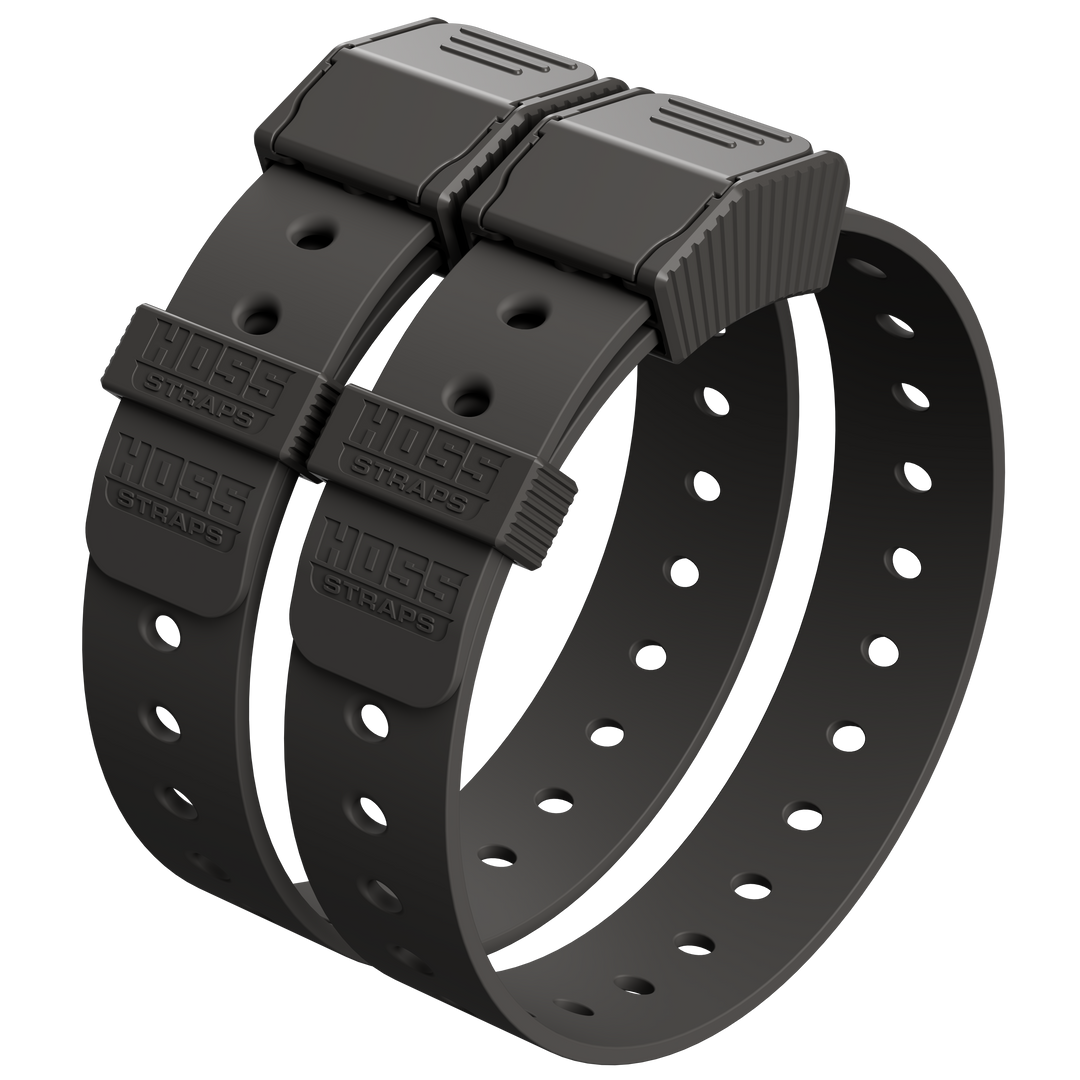
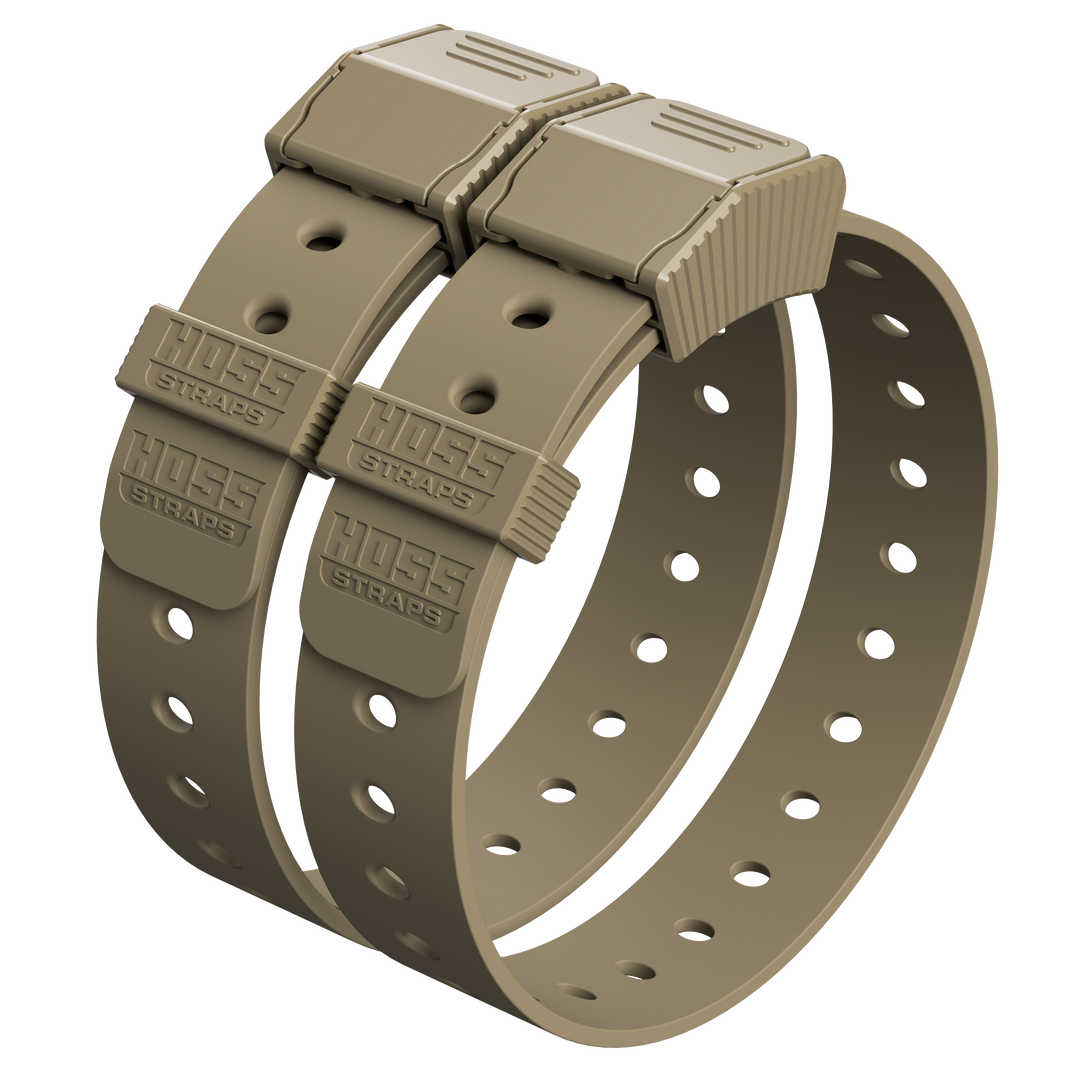
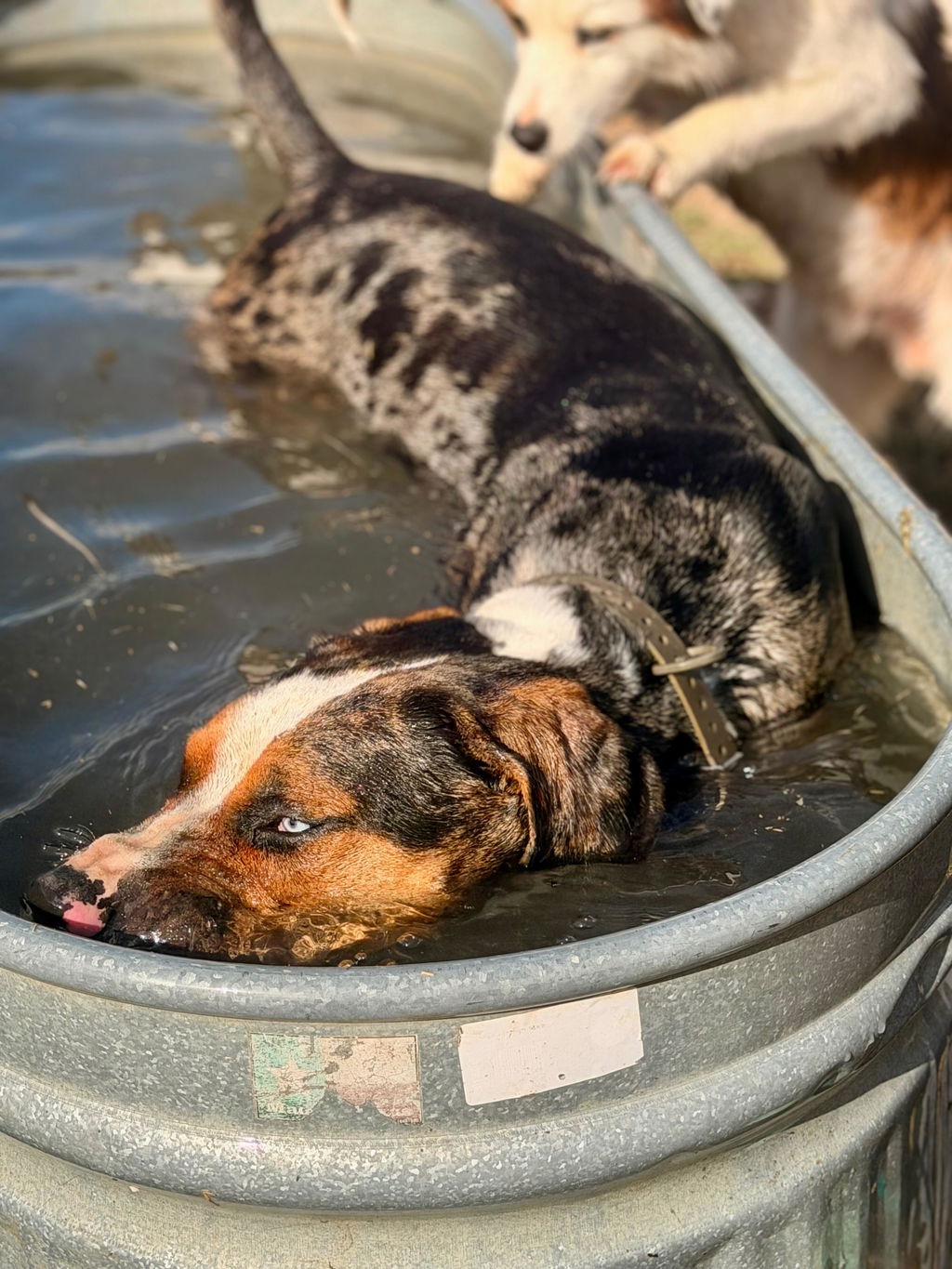
| Weatherproof Dog Collars | Wet, muddy, outdoor, or high-cleanup routines | Easier to clean and maintain | More specific to active-use needs |
| K9 Dog Collars | Stronger dogs and harder-use handling | More serious working-dog direction | May be more collar than casual dogs need |
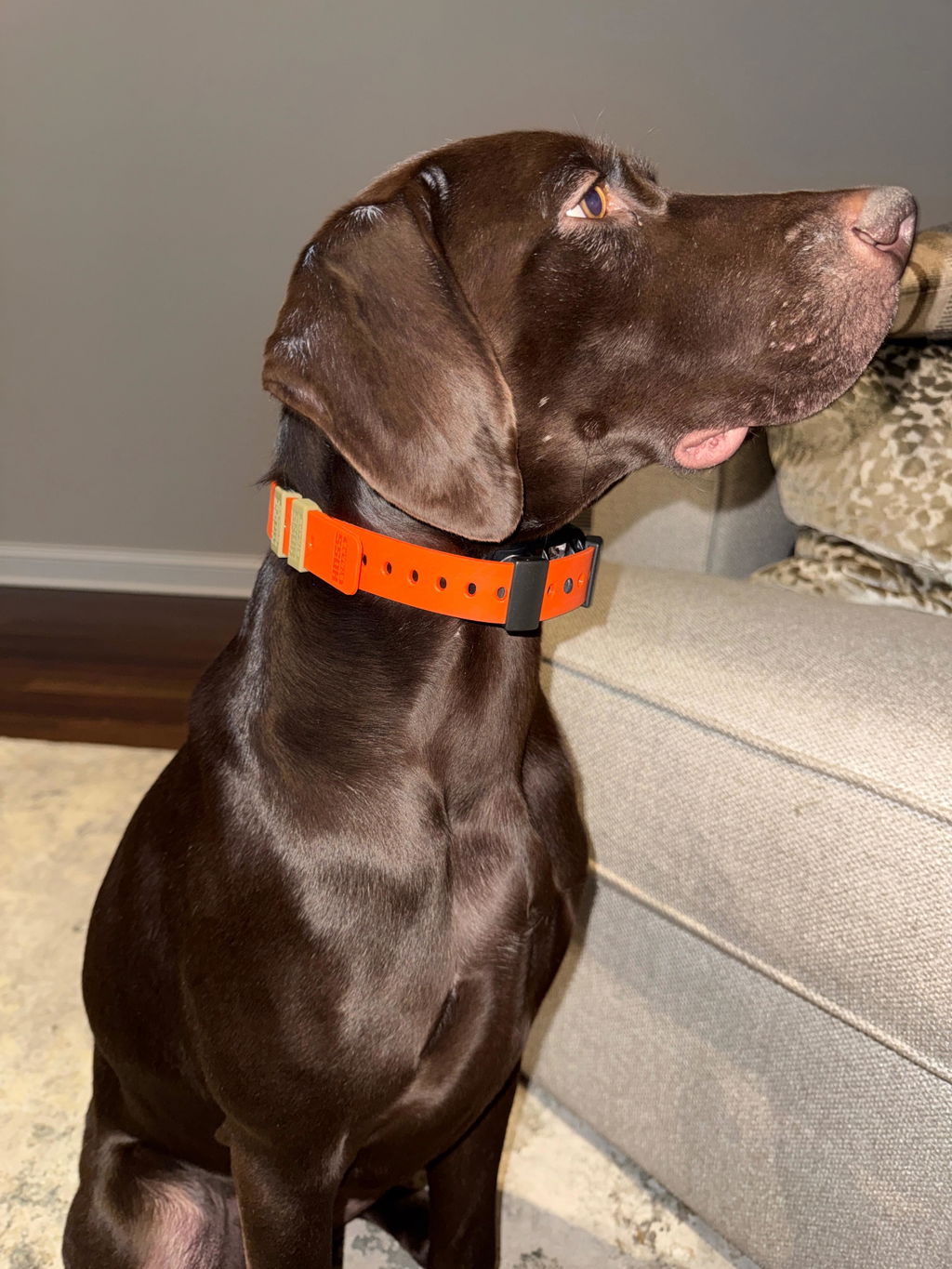
| Training Collar Setup | Garmin-compatible training/tracking systems | Built around specialized gear compatibility | Requires the right training context and handler skill |
| Training Collar Adapter Kit | Adding Garmin compatibility to a Hoss D-ring setup | Lets you build around existing compatible gear | Not useful unless you need adapter-based compatibility |
The best option depends less on the product name and more on what problem you are trying to solve.
What "Training Collar" Should Mean
A training collar should help the handler communicate clearly and safely.
That does not mean it has to be complicated. For many dogs, a training collar is simply a well-fitted everyday collar used during leash work, recalls, basic obedience, and daily handling.
A good training collar should:
- fit consistently
- stay comfortable
- connect cleanly to the leash
- use dependable hardware
- match the dog's size and strength
- hold up in the environment where training happens
If it makes handling more confusing, less comfortable, or less consistent, it is not the right training collar for that dog.
Start With the Training Goal
The best collar choice starts with the job.
Basic leash manners and obedience
For most dogs, a simple, well-fitted collar is enough for basic leash training, sit/down/place work, recall foundations, and everyday handling.
Best Hoss starting point:
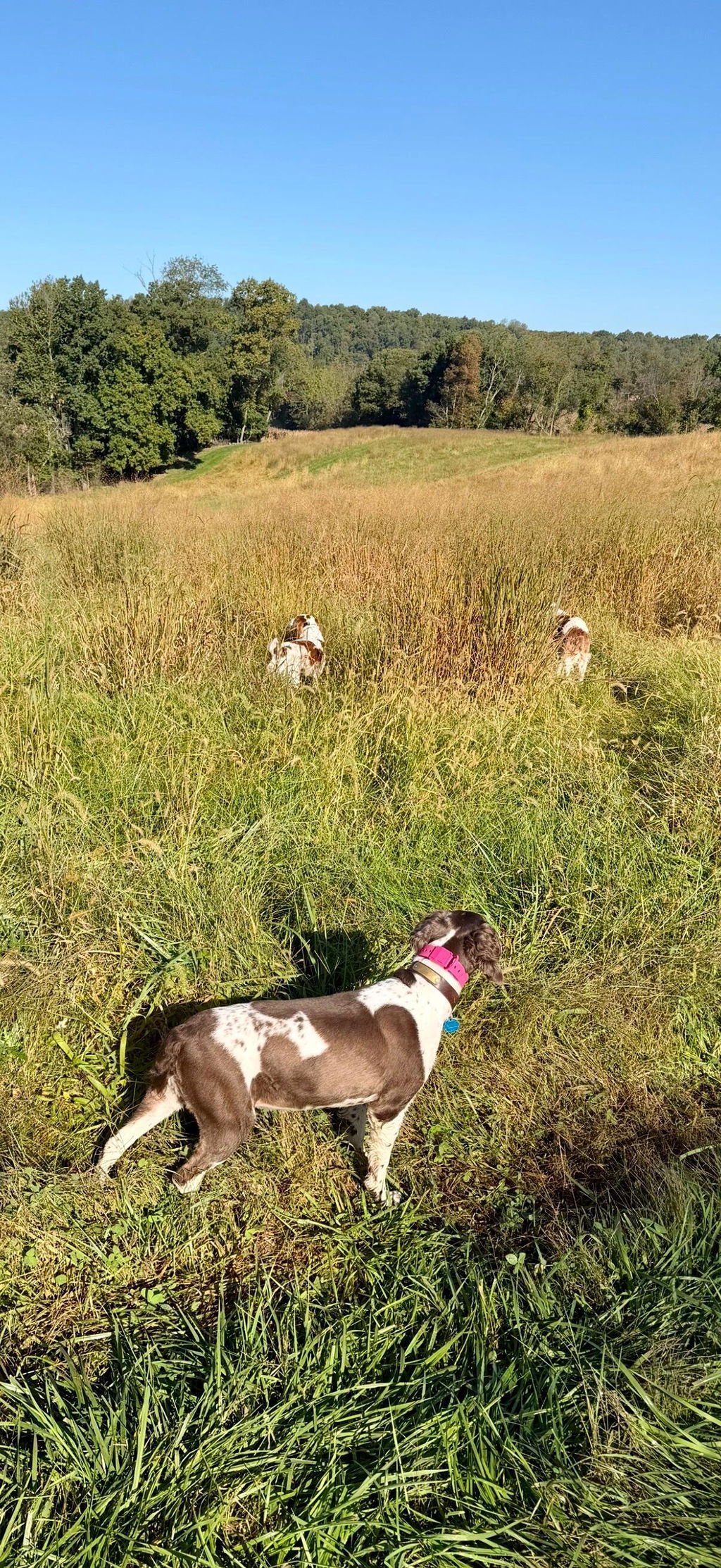
Outdoor or messy training
If your dog trains around water, mud, wet grass, or dirty conditions, material starts to matter more.
Best Hoss starting point:
Stronger or harder-use dogs
For dogs that are harder on gear, bigger, stronger, or used in more demanding routines, a more serious collar setup may make sense.
Best Hoss starting point:
Garmin-compatible training or tracking
If the dog is already in a hunting, field, tracking, or remote-collar training lane, compatibility matters.
Best Hoss starting point:
Remote-collar or tracking systems should not be treated as shortcuts for basic obedience. They require good timing, clear training, and the right use case.
What Makes a Quality Training Collar?
A quality training collar is not just about toughness. It has to stay predictable while the dog is learning.
Fit stability
If the collar shifts, slips, or rotates constantly, leash guidance becomes less clear.
Good fit matters because training depends on consistency. A collar that sits differently every session adds noise to the communication.
Hardware you can trust
The leash ring, buckle, and connection points should feel dependable.
In real use, cheap hardware problems often show up as:
- awkward clipping
- rough edges
- weak-feeling rings
- hardware that twists poorly under leash pressure
- buckles that feel less reliable over time
Those issues may seem small, but they affect daily handling.
Material that matches the environment
Training outside is different from training in a clean living room.
Dogs that train in wet or dirty conditions need gear that is easy to clean and does not become unpleasant after repeated use. That is where weatherproof collars usually make more sense than materials that absorb water or hold odor.
Comfortable daily wear
A collar can be strong and still be wrong if the dog hates wearing it.
Comfort matters because training often starts before the formal session. If the dog is already scratching, fussing, or reacting to the collar, the work gets harder.
Hoss Product Reviews by Use Case
Instead of reviewing every collar as if there is one universal winner, this section compares the best Hoss direction by training need.
Best for everyday training: Dog Collars
Hoss Dog Collars are the easiest starting point for most owners who need a better daily collar for leash work, handling, and basic training.
Best for:
- daily walks
- obedience basics
- owners who want a simple upgrade
- dogs that do not need specialty gear
Why it makes sense:
- straightforward collar choice
- useful for everyday handling
- a better starting point than overcomplicating the setup
Who should skip it:
- owners who specifically need Garmin-compatible training hardware
- dogs that need a harder-use K9 setup
Best for clean leash attachment: D-Ring Dog Collar
The D-Ring Dog Collar is the better fit when the leash attachment and handling feel are priorities. The broader D-Ring Dog Collars collection is also useful if you want to compare related options.
Best for:
- leash work
- daily training sessions
- owners who prefer a D-ring setup
- dogs that need a dependable attachment point
Why it makes sense:
- clear product fit for training and everyday handling
- natural internal anchor for Hoss collar content
- useful bridge to D-ring collection pages
Who should skip it:
- owners who do not need a D-ring preference
- dogs whose main issue is pulling, fear, or training confusion rather than collar hardware
Best for outdoor training: Weatherproof Dog Collars
If the dog trains outside often, weatherproof dog collars become more than a convenience.
Best for:
- wet grass
- mud
- swimming or water exposure
- outdoor training
- dogs whose collars get dirty fast
Why it makes sense:
- easier cleanup
- better day-to-day maintenance
- more consistent feel across weather and outdoor conditions
Who should skip it:
- owners whose dog only needs light indoor or neighborhood use
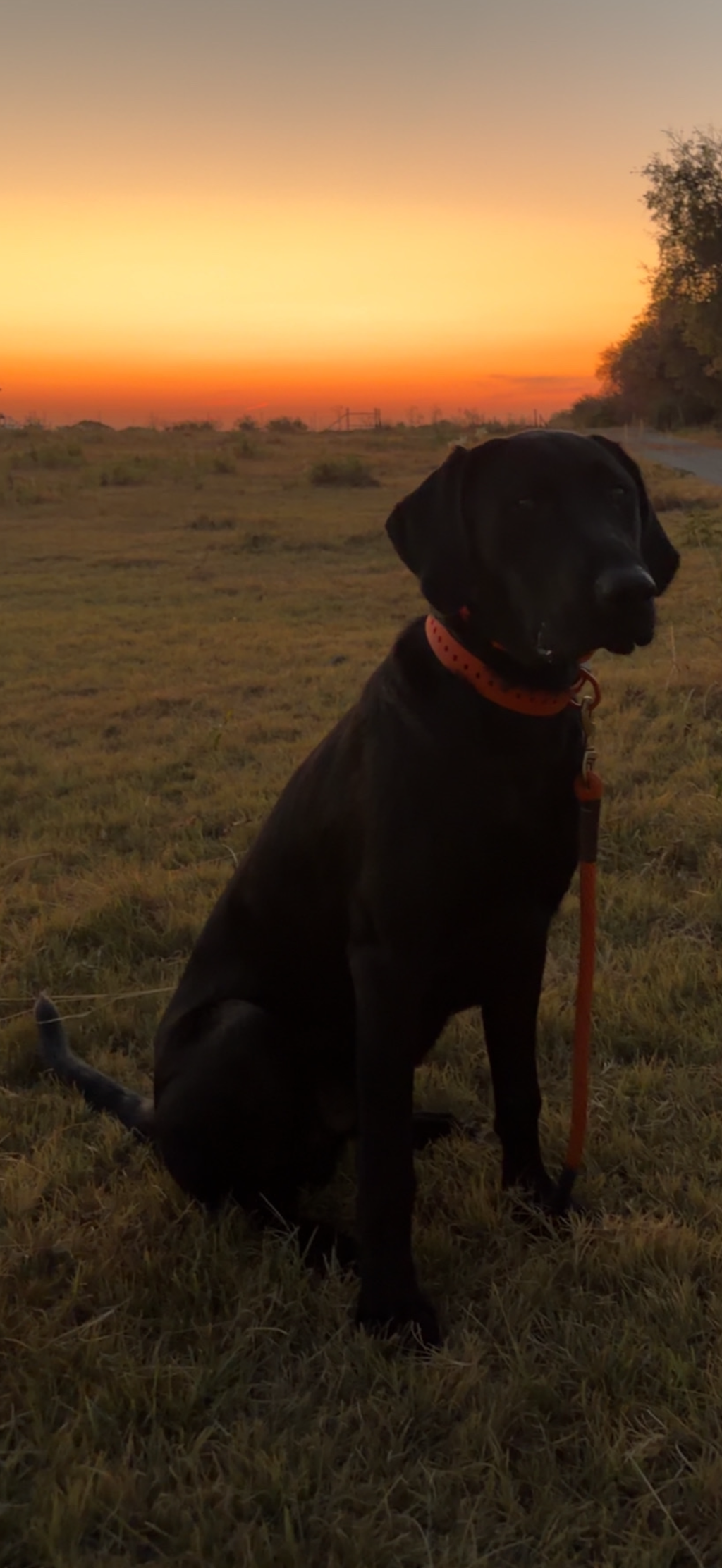
Best for harder-use dogs: K9 Dog Collars
K9 Dog Collars make more sense when the dog and the routine are harder on gear.
Best for:
- stronger dogs
- field-style handling
- more demanding routines
- owners who need a more serious collar direction
Why it makes sense:
- better alignment with hard-use expectations
- more relevant to handlers who need stronger gear logic
Who should skip it:
- small dogs or casual pets who do not need hard-use hardware
- owners mostly solving a training-plan problem rather than a gear problem
Best for Garmin-compatible systems: Training Collar Setup
The Training Collar Setup is the specialized option.
Best for:
- hunting dogs
- field dogs
- tracking work
- Garmin-compatible training systems
Why it makes sense:
- designed around a more specialized gear use case
- helps users who already know they need Garmin compatibility
Who should skip it:
- beginners looking for a quick fix for leash pulling
- owners who have not built basic obedience foundations yet
- dogs that only need standard everyday training
Best adapter path: Training Collar Adapter Kit
The Training Collar Adapter Kit is not a general collar recommendation. It is useful when adapter compatibility is the actual problem.
Best for:
- owners already using compatible Hoss D-ring setups
- handlers who need Garmin module compatibility
- users building a specific training or tracking configuration
Why it makes sense:
- solves a specific hardware compatibility need
Who should skip it:
- anyone not using the compatible training setup
What Not to Buy
This section matters because many owners overbuy training gear.
Avoid:
- heavy hardware for small dogs
- remote systems as a shortcut for basic training
- collars that shift or loosen during sessions
- collars that stay wet, smell, or become unpleasant after use
- any setup you do not know how to fit or use correctly
The right collar should make training clearer, not more complicated.
Fit and Safety Checks Before Training
Before using any collar for training, check:
- The collar fits with enough room for comfort but not enough to slip.
- The leash ring seats cleanly with your leash clip.
- The hardware feels smooth and secure.
- The dog is not scratching, freezing, or fussing with the collar.
- The collar stays consistent during normal movement.
For D-ring collars, make sure the setup is used according to the product instructions so the ring and buckle sit correctly.
When the Collar Is Not the Real Problem
Sometimes the best training collar review is not "buy a different collar."
The real issue may be:
- the dog does not understand the cue
- the reward is not strong enough
- the handler timing is inconsistent
- the environment is too distracting
- the dog is stressed, anxious, or overstimulated
In those cases, a better collar can help only if the current collar is part of the problem. It cannot replace the training plan.
Final Take
The best dog training collar is the one that matches the job.
For everyday training, start simple. For outdoor conditions, prioritize weatherproof materials. For stronger dogs, look at harder-use gear. For Garmin-compatible systems, choose a setup built for that purpose.
That is the strongest way to review Hoss training collars: not by pretending one option wins for every dog, but by helping owners choose the right tool for the training they are actually doing.
FAQ
What is the best dog training collar?
The best dog training collar depends on your goal. Most dogs start well with a dependable everyday collar, while outdoor, hard-use, or Garmin-compatible training may require a more specific setup.
Can I use a training collar for everyday wear?
Yes, many flat or D-ring training collars can also work for everyday wear if they fit correctly and stay comfortable.
Are Garmin-compatible collars right for beginners?
Usually not as a first step. Garmin-compatible systems make more sense for hunting, field, tracking, or advanced training contexts where the handler understands the system.
What collar is best for outdoor training?
A weatherproof dog collar is usually the best starting point for outdoor training because it is easier to clean and handles wet or dirty conditions better.
Which Hoss collar should I choose first?
Start with Dog Collars for general training, the D-Ring Dog Collar for cleaner leash attachment, Weatherproof Dog Collars for outdoor use, or the Training Collar Setup if Garmin compatibility is the actual goal.