


Embroidered Name Dog Collars: Durability, Readability, and What Holds Up in Real Life

Table of Contents
- Quick Answer
- What an Embroidered Name Collar Is
- How Durable Embroidery Is
- How to Keep Embroidered ID Readable
- Visible ID vs Microchips
- When an Embroidered Collar Makes Sense
- Care Checklist
- Start With a Strong Collar Base
- FAQ
An embroidered name dog collar can be a clean visible ID setup: your phone number is stitched into the collar, your dog wears it every day, and you skip the jingle of a hanging tag. It works best when the embroidery stays readable and the collar underneath stays comfortable.
The weak point is not the idea. It is the execution. Thread quality, stitch density, webbing material, contrast, cleaning habits, and daily wear all decide whether the collar still does its job after mud, rain, sun, and miles.
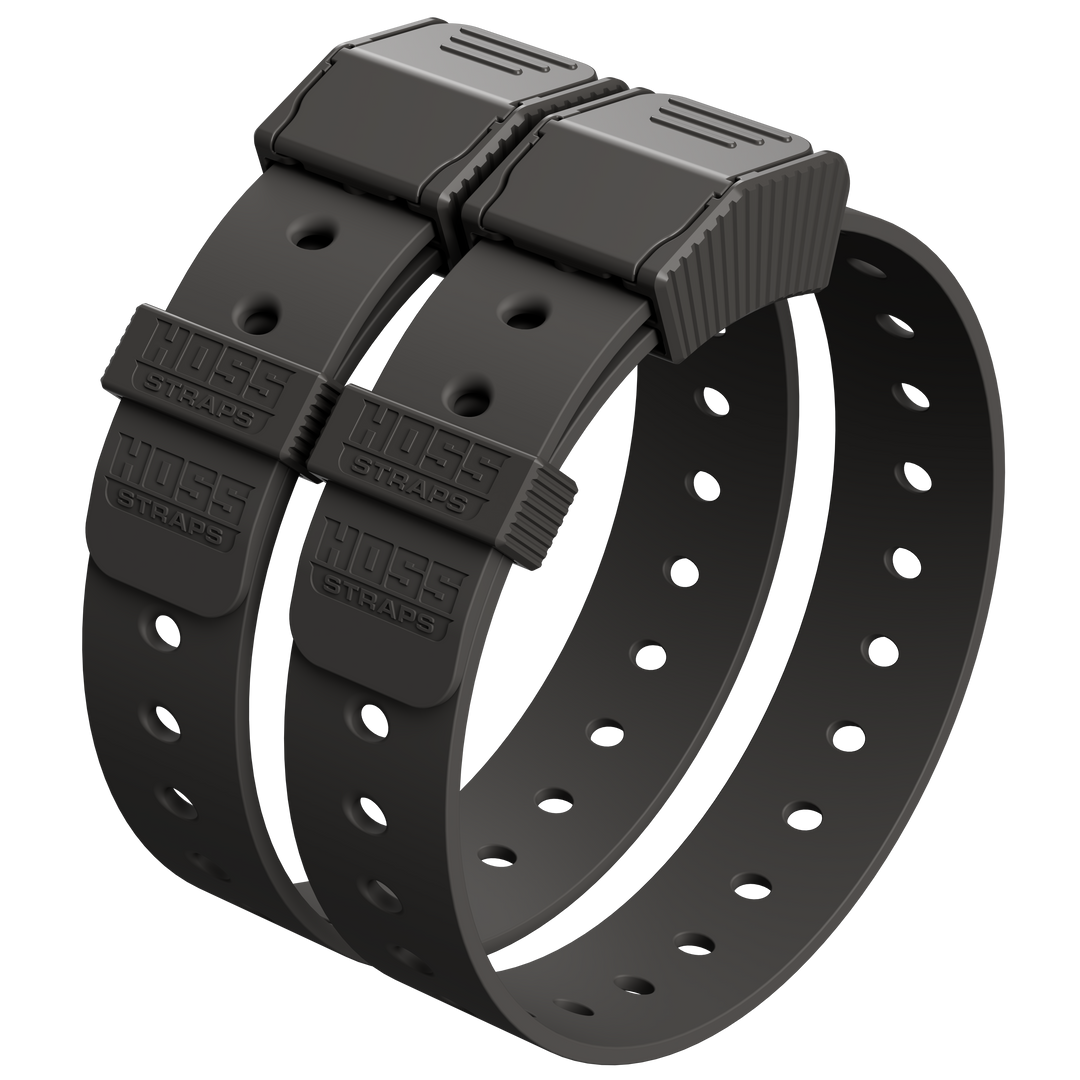
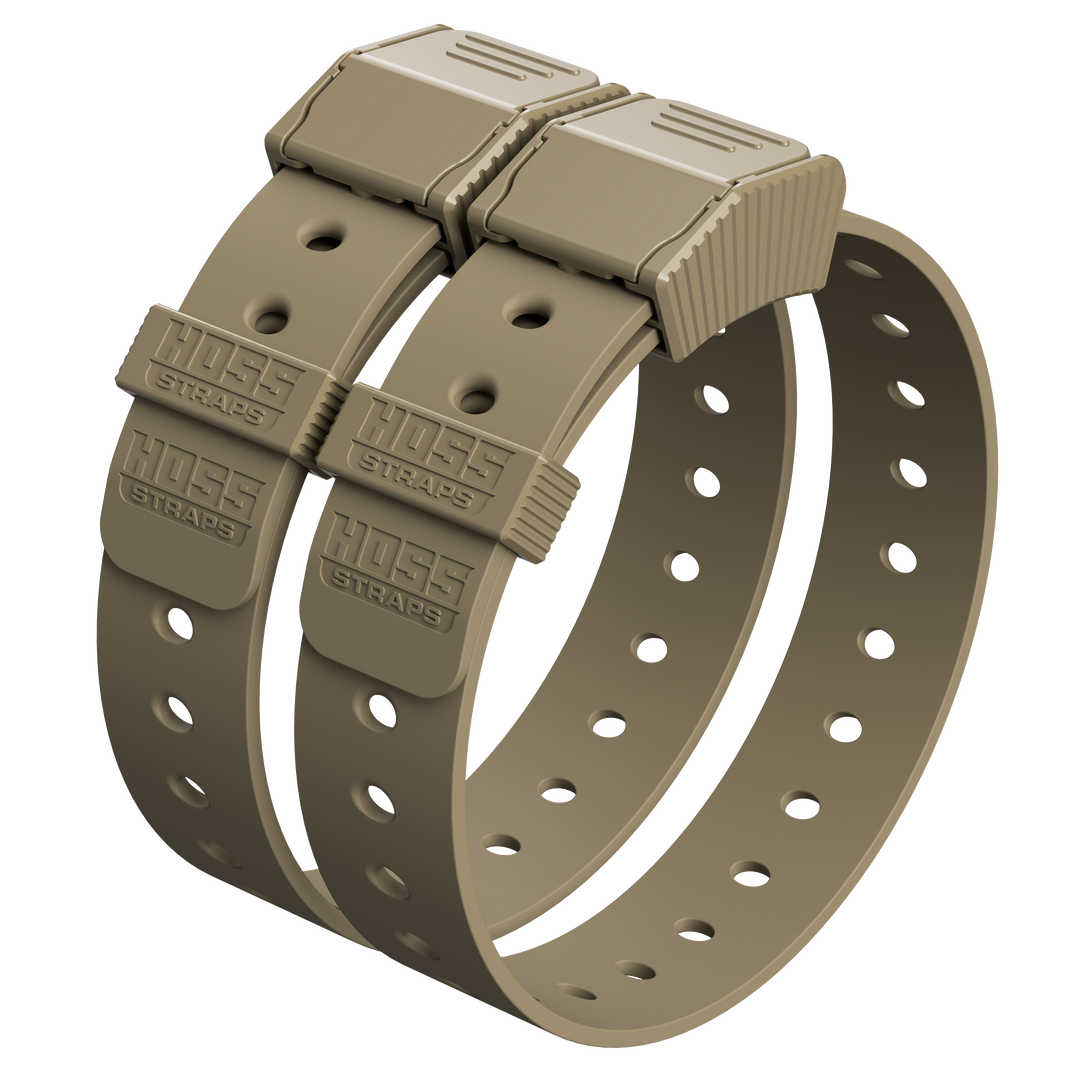
If you want a dependable collar base first, compare Hoss Dog Collars, the D-Ring Dog Collar, and Weatherproof Dog Collars before choosing any ID style.
Quick Answer: What Makes an Embroidered Dog Collar Hold Up?
| Factor | What Works Best | What Fails Fast |
|---|---|---|
| Thread | Outdoor-grade polyester thread with UV and weather resistance | Low-grade thread that fades, fuzzes, or breaks |
| Contrast | Light thread on dark collar, or dark thread on light collar | Low-contrast colors that disappear when dirty |
| Text layout | Short phone number-first layout with larger characters | Too many lines squeezed into tiny lettering |
| Collar material | Stable webbing that supports the stitching | Loose or fuzzy material that lets stitches distort |
| Care | Rinse grit, air dry, and check readability often | Harsh scrubbing, staying wet, and ignoring fray |
What an Embroidered Name Collar Is
An embroidered name collar has contact information stitched into the outside of the collar strap, usually with thread. Common setups include a phone number, the dog's name, or both.
The American Kennel Club lists a personalized collar with a phone number or other information embroidered into the fabric as one identification option for dogs. The AKC also emphasizes that dogs should have permanent backup identification as well.
Compared to a hanging tag, embroidery has fewer moving parts. That can mean less noise, less swinging hardware, and less clutter under the chin. The tradeoff is that the stitched information must stay readable over time.
How Durable Is Embroidery on a Dog Collar?
Embroidery durability comes down to the whole build, not just the thread.
| Durability Factor | Why It Matters | What to Look For |
|---|---|---|
| Thread type | Controls resistance to sun, water, abrasion, and cleaning | Polyester or outdoor-grade thread for hard-use collars |
| Stitch density | Affects how full and readable the letters look | Dense enough to read, not so bulky that it snags |
| Webbing material | Supports the stitches and keeps the text from distorting | Stable strap material with clean surface structure |
| Letter size | Determines readability after dirt and wear | Bigger, simpler characters |
| Daily use | Mud, sand, water, and friction wear surface stitching | Check for fuzz, flattening, and fading |
Thread matters more than most people think
A collar lives in sunlight, water, dirt, friction, and repeated handling. Outdoor-grade polyester thread is commonly used where weather resistance matters.
Coats describes Dabond Outdoor as a bonded continuous filament polyester thread designed for harsh weather, with UV, abrasion, chemical, and weather resistance. That is the kind of performance you want from collar embroidery if the collar will see real daily wear.
Mud, washing, and sweat can wear down stitching
Embroidery sits on the collar surface, so it takes abrasion first. Sand, grit, rough scrubbing, and frequent wet use can wear stitches faster.
Floriani's polyester thread laundering guidance notes that polyester embroidery threads are resistant to sunlight and salt water, while still giving practical wash and care instructions. The takeaway for dog collars is simple: rinse grit away, avoid harsh scrubbing, and let the collar dry fully.
What fraying looks like

- Loose fuzz around letter edges
- Flattened stitches that lose shape
- Broken thread loops
- Numbers that look faded or washed out at a glance
- Text that is readable only when held very close
If the phone number is no longer readable in a quick look, the collar is no longer doing its job as visible ID.
Readability: How to Make Embroidered ID Easy to Read
Embroidery can be tough and still be hard to read. Readability is a design decision.
Contrast wins
High contrast thread is usually easier to read in real life. Low contrast can look clean in product photos, but it may disappear when the collar is dusty, wet, or partly covered by fur.
| Collar Color | Readable Thread Direction | Avoid |
|---|---|---|
| Dark collar | White, light gray, yellow, or other light thread | Black-on-navy or low-contrast dark thread |
| Light collar | Black, dark navy, dark green, or other dark thread | Pale thread that blends into the strap |
| Bright collar | Thread that clearly separates from the base color | Matching colors chosen only for style |
Keep the message short
A collar is not a full ID card. It is quick-return information.
A simple layout that works for most owners:
- Phone number first
- Dog name only if there is room
- Optional "microchipped" only if it stays readable
If adding more information forces the letters smaller, leave it off. The best ID is the ID someone can read quickly.
Place it where it stays visible
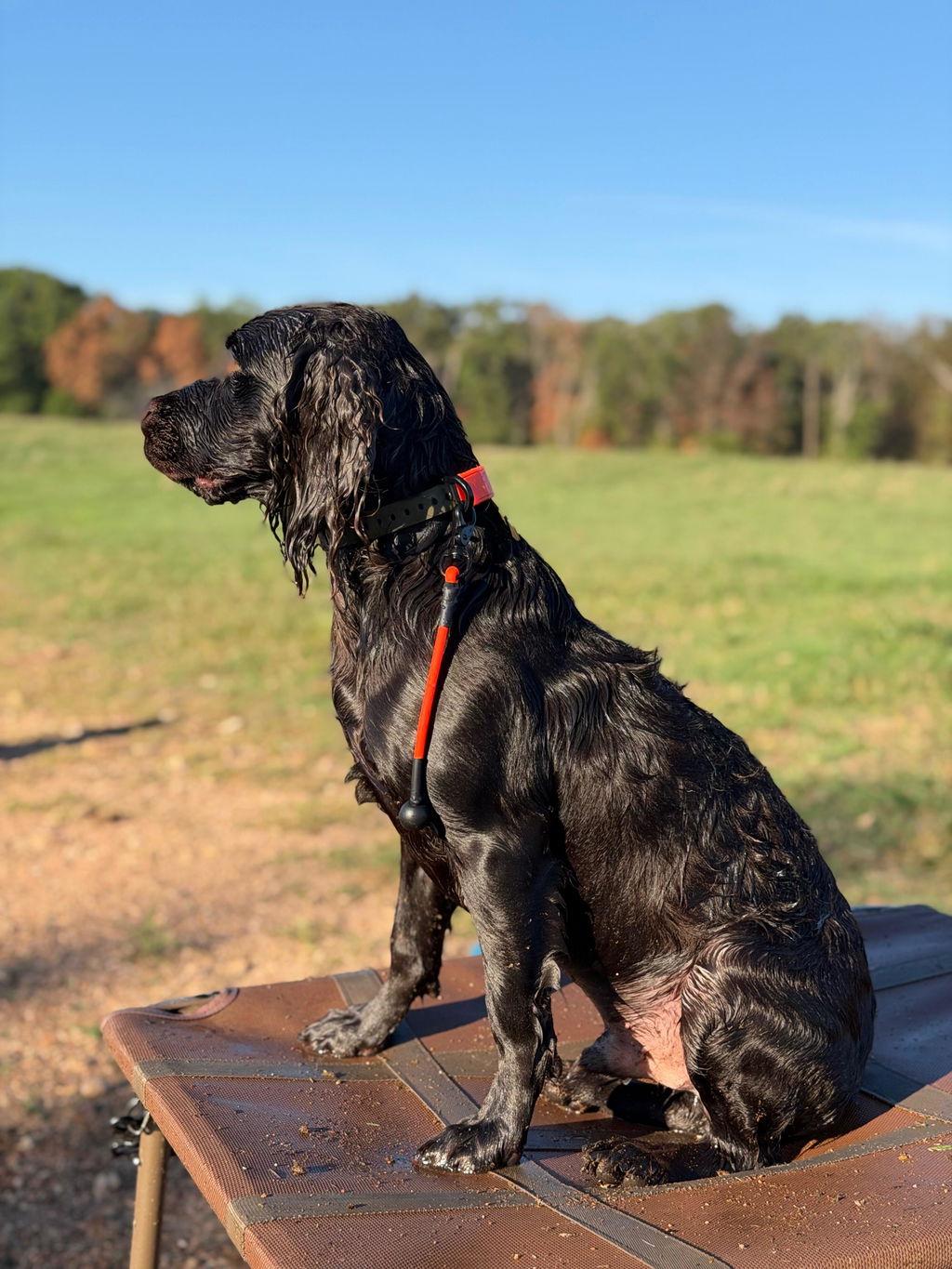
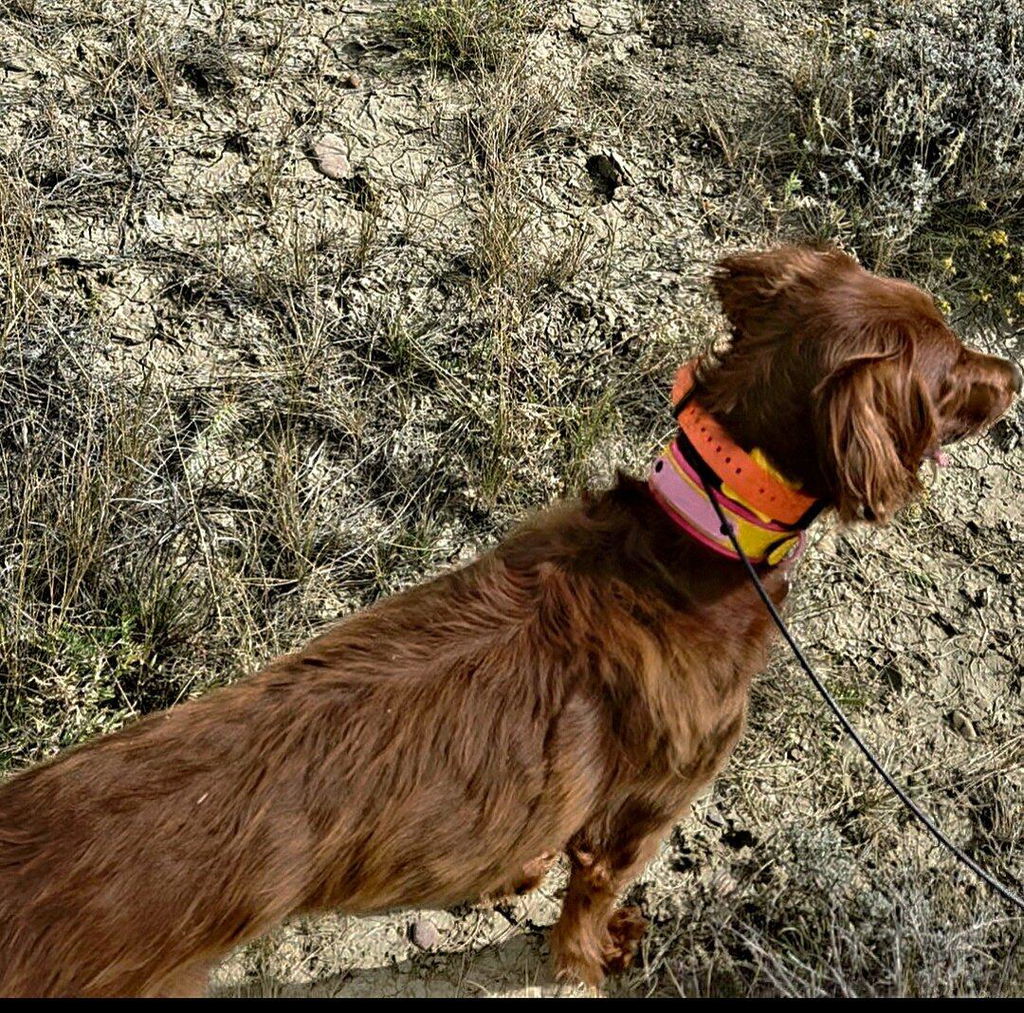
Embroidery on the outside of the collar strap is easier to spot than information hidden under the neck. Long hair or thick coats can still cover a collar, so larger lettering and strong contrast matter even more.
Visible ID vs Microchips: Do You Still Need Both?
An embroidered collar is visible ID, but it is still collar-based. Collars can come off, break, or be removed.
The ASPCA says personalized ID tags are likely the fastest way to return a pet home because anyone who finds the animal can read them. The ASPCA also supports microchip identification paired with a collar and personalized ID tag.
The cleanest approach is layered:
| ID Layer | Job | Maintenance |
|---|---|---|
| Embroidered collar | Fast visible contact information | Keep phone number readable and current |
| Hanging tag or tag alternative | Extra visible ID or legal/rabies tag where required | Check ring, readability, and snag risk |
| Microchip | Backup ID if collar is lost | Keep registration and contact details updated |
When an Embroidered Collar Is a Smart Pick
An embroidered collar can be a strong choice when:
- Your dog dislikes jangling tags.
- You want fewer moving parts under the chin.
- You want contact information attached directly to the collar.
- Your dog wears one main collar most of the time.
- You are willing to check readability as part of normal gear maintenance.
It may be a rough fit when:
- You switch collars constantly and do not want to reorder ID each time.
- Your dog runs through thick brush where friction can eat stitching fast.
- Your dog chews collars or roughhouses hard with other dogs.
- You need ID that can move from one collar to another.
Quick Care Checklist to Keep Embroidery Readable

- Rinse grit after mud, sand, salt water, or dusty trail days.
- Let the collar dry fully instead of staying wet for long stretches.
- Avoid harsh scrubbing directly over the letters.
- Check the phone number once a week when you grab the leash.
- Look for fuzz, flattened stitches, and broken loops.
- Replace the collar if the ID stops being readable at a glance.
Start With a Strong Collar Base
Embroidered ID works best when the collar underneath it is stable, comfortable, and built for daily use. A weak strap, poor hardware, or bad fit can make even good embroidery less useful.
Start with Hoss Dog Collars if you want a dependable everyday collar platform. Choose the D-Ring Dog Collar for weatherproof construction, quick-release handling, a clear D-ring attachment point, and a 1 1/16-inch strap width.
For wet, muddy, or frequent-cleaning routines, compare Weatherproof Dog Collars. For working dogs or harder use, review K9 Dog Collars. If your dog uses compatible Garmin-style gear, see the Training Collar Setup and Training Collar Adapter Kit.
FAQ
1. Do embroidered name collars fade over time?
They can, especially with heavy sun, frequent washing, grit, and rough abrasion. Outdoor-grade polyester thread and high contrast colors help, but you should still check readability often.
2. Will embroidery hold up to mud, rain, and frequent cleaning?
Good embroidery can hold up well, but grit and harsh scrubbing wear stitches faster. Rinse mud and sand away, avoid grinding the thread with a brush, and let the collar dry fully.
3. What is the most readable thread and collar color combo?
High contrast is usually best: light thread on a dark collar or dark thread on a light collar. Choose larger, simpler lettering over a stylish low-contrast look.
4. What should I embroider on the collar?
Put your phone number first. Add your dog's name only if there is room and the text stays large enough to read quickly.
5. What if my dog has long hair that covers the collar?
Use stronger contrast, larger lettering, and a collar that fits high enough to be seen when the dog moves. Long coats can hide any collar ID, so microchip backup is still important.