


Engraved Nameplate Dog Collars: What to Include and Why It Matters

Table of Contents
- Quick Answer
- What an Engraved Nameplate Dog Collar Is
- What to Put on the Nameplate
- What to Avoid
- Nameplate vs Hanging Tag
- Why Visible ID Helps When It Counts
- How to Keep Engraving Readable
- Buying Tips That Matter
- Pair Nameplate ID With a Dependable Collar
- FAQ
An engraved nameplate dog collar puts your dog's contact information on a flat plate attached to the collar. It is quiet, low-profile visible ID, built into the collar instead of hanging from a ring.
The goal is speed. If your dog gets loose, someone should be able to read the nameplate and call you right away. That means the plate needs enough room for readable text, the information needs to be current, and the collar needs to stay comfortable enough for daily wear.
A nameplate is also not a replacement for a microchip. The strongest recovery setup is visible ID plus a registered microchip as backup. For the collar side of that setup, compare Hoss Dog Collars, the D-Ring Dog Collar, and Weatherproof Dog Collars.
Quick Answer: What Should Go on an Engraved Nameplate?
| Priority | Information | Why It Matters |
|---|---|---|
| Must-have | Primary phone number | Fastest way for someone to contact you |
| Useful | Dog's name or household name | Helps identify the dog or family |
| Useful | Backup phone number | Gives a second contact if you miss the first call |
| Optional | City and state | Helpful without listing a full street address |
| Optional | MICROCHIPPED | Signals there is backup ID if the collar comes off later |
If space is tight, prioritize the phone number. Bigger, clearer letters beat extra lines every time.
What an Engraved Nameplate Dog Collar Is
An engraved nameplate collar is a standard dog collar with a flat metal plate attached to it. The plate has identifying information engraved into the surface.
Unlike a hanging tag, the nameplate sits flatter against the collar. That can make it quieter and less likely to swing under the chin. It can also reduce tag jingle and some dangling hardware concerns.
AAHA explains that microchips and external identification work best together because a tag provides immediate contact information, while a microchip is permanent backup identification. A nameplate is one version of that external visible ID.
What to Put on the Nameplate
The core essentials
A practical nameplate layout should be simple enough to read fast. American Humane recommends pet ID tags include the owner's name, address, phone numbers, and the pet's name. On a smaller nameplate, you can apply the same idea without cramming every detail onto the plate.
| Plate Line | Best Use | Example |
|---|---|---|
| Line 1 | Dog name or family name | RANGER or THE MILLERS |
| Line 2 | Primary phone number | 555-123-4567 |
| Line 3 | Backup phone number or city/state | 555-987-6543 or AUSTIN, TX |
| Line 4 | Optional short note if still readable | MICROCHIPPED |
Optional lines that can help

If the plate is large enough and the text stays readable, you can add:
- City and state
- A second phone number
- Household or last name
- MICROCHIPPED
- A short medical note if truly necessary
If mentioning a microchip, keep the registration current. The AVMA notes that microchipped pets that were not returned often had incorrect or disconnected owner phone numbers in the registry database, and also emphasizes that nothing replaces a collar with up-to-date ID and rabies tags for quickly identifying a found pet.
What to Avoid for Privacy and Readability
You do not have to put your full home address on a nameplate if you are uncomfortable with it. Many owners choose city and state plus a phone number.
Avoid:
- Full street address if you do not want that information public
- Long notes that force tiny lettering
- Multiple phone numbers if the plate is too small
- Fancy fonts that are hard to read
- Low-contrast engraving that disappears in dirt or glare
If the plate is hard to read in good light, it will be worse at dusk, in rain, or when your dog is moving.
Nameplate vs Hanging Tag
| ID Style | Best For | Watch-Outs |
|---|---|---|
| Engraved nameplate | Quiet, flat ID attached to the collar | Less flexible if contact info changes or you switch collars often |
| Hanging tag | More text, easy swapping, easy updating | Can jingle, twist, wear at the ring, or snag |
| Microchip | Permanent backup if collar is lost | Not visible and requires a scanner |
Both nameplates and hanging tags can work. The important part is that the contact information is visible, readable, and current.
Why a Nameplate Helps When It Counts
A nameplate helps because it can turn a found-dog moment into a fast phone call. A good Samaritan does not need to find a scanner, take the dog to a clinic, or untangle a stack of tags before seeing your information.
The ASPCA supports microchip identification paired with a collar and personalized ID tag as a reliable recovery system. A nameplate collar is a clean way to keep visible ID on your dog without dangling hardware.
Keeping the Engraving Readable

Engraving lasts longer when you keep the plate clean and inspect the collar like real gear.
- Wipe the plate with a damp cloth when it looks dirty.
- Rinse after mud, salt, sand, or lake days.
- Dry the collar fully before long wear or storage.
- Check that the plate still sits flat.
- Look for worn engraving, loose rivets, or sharp edges.
- Replace the plate or collar if the text is no longer readable at a glance.
A nameplate only works if the collar stays on and the letters stay useful.
Buying Tips That Actually Matter
| Feature | Why It Matters | Good Sign |
|---|---|---|
| Plate size | Controls how large the letters can be | Enough space for clear phone number text |
| Line count | Too many lines make engraving smaller | Two to three strong lines instead of crowded text |
| Attachment | Plate must stay flat and secure | Solid rivets or attachment points with no wiggle |
| Collar fit | Comfort decides whether the collar stays on | Snug fit without rubbing or sliding low |
| Material | Affects wear, cleaning, and outdoor durability | Weather-ready collar base for daily use |
For everyday wear, comfort comes first. The collar your dog tolerates comfortably is the collar most likely to be on when ID matters.
Pair Nameplate ID With a Dependable Everyday Collar
If you like the simplicity of a nameplate, pair it with a collar you can trust for daily wear.
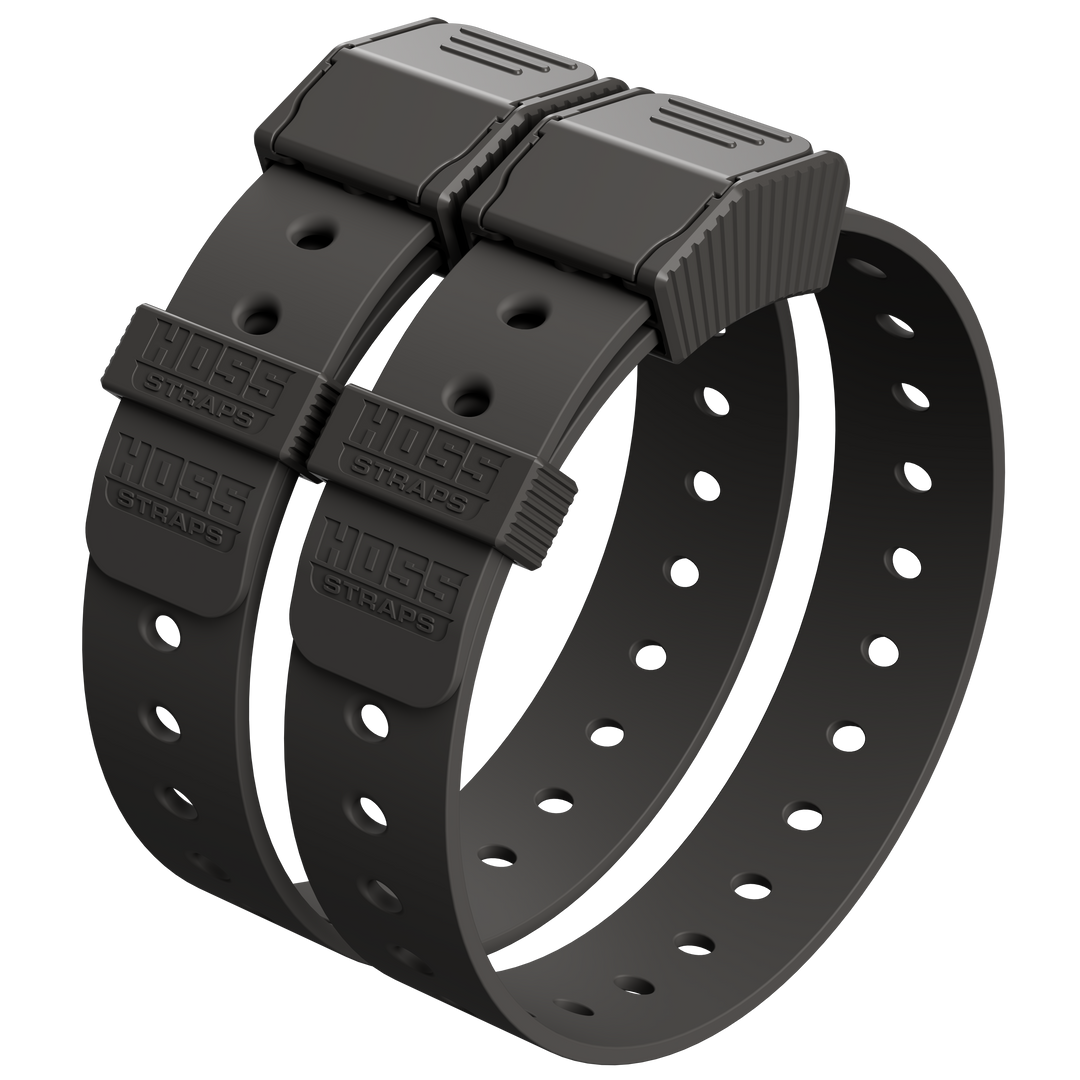
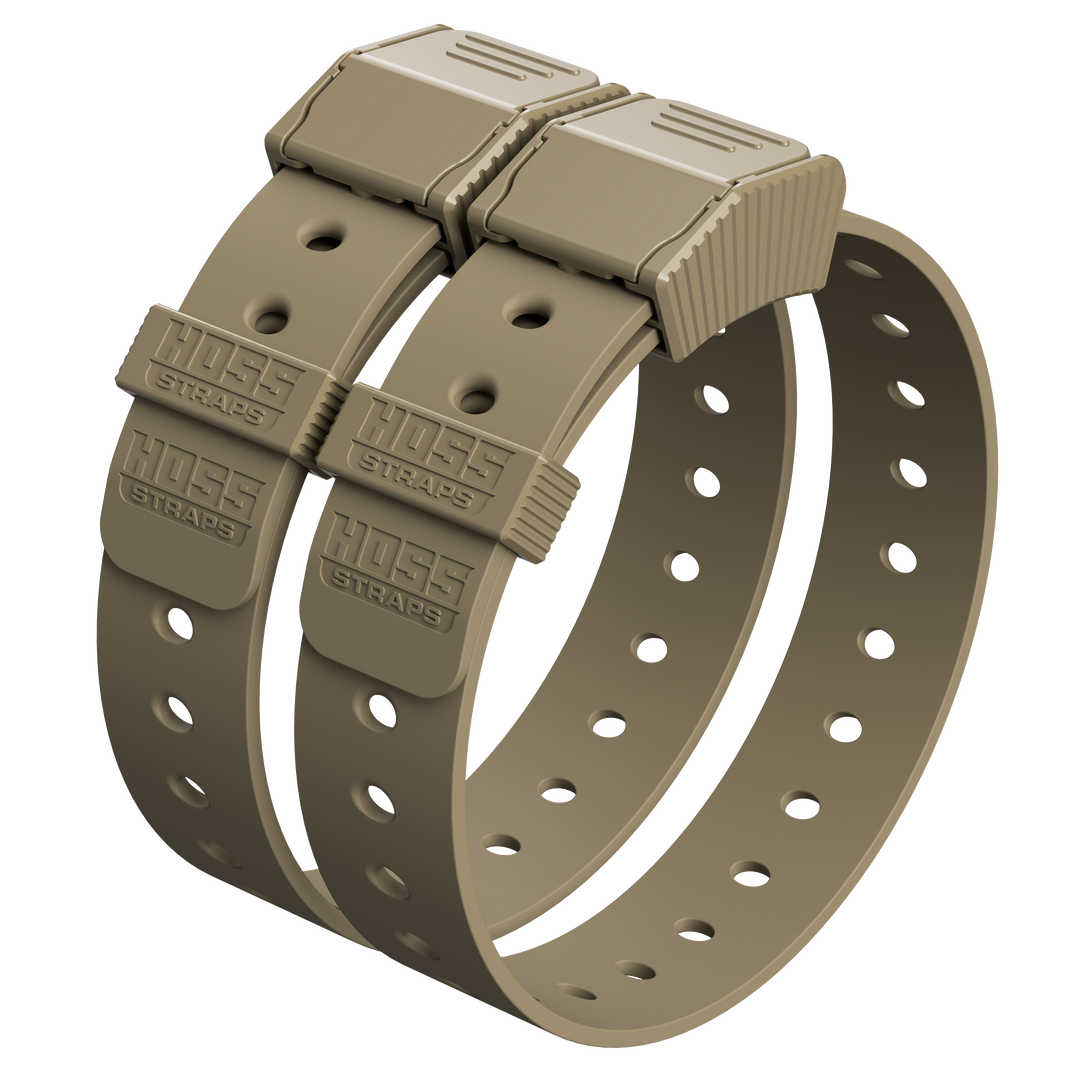
Start with Hoss Dog Collars for everyday options. The D-Ring Dog Collar gives you weatherproof construction, quick-release handling, a clear D-ring attachment point, and a 1 1/16-inch strap width for reliable daily use.
For wet, muddy, or frequent-cleaning routines, compare Weatherproof Dog Collars. For working dogs or harder-use handling, review K9 Dog Collars. If your dog uses compatible Garmin-style gear, see the Training Collar Setup and Training Collar Adapter Kit.
FAQ
1. What should I put on an engraved nameplate dog collar?
Start with a working phone number and a name that identifies your dog or household. Add a second phone number if there is room and the text stays readable.
2. Is an engraved nameplate better than a hanging tag?
It depends on your priorities. Nameplates are usually quieter and sit flatter, while hanging tags are easier to swap and can hold more text. Either can work if the contact info is clear.
3. Should I put my address on my dog's nameplate?
Only if you are comfortable with it. Many owners use city and state plus a phone number instead of a full street address.
4. How do I keep the engraving easy to read?
Keep the plate clean, rinse after dirty or salty conditions, dry the collar fully, and check regularly for worn engraving or loose attachment points.
5. Do I still need a microchip if my dog has a nameplate?
Yes. A nameplate is visible ID, while a microchip is permanent backup if the collar is lost or removed. Keep both the nameplate information and microchip registration current.