


Engraved Stainless Dog Tags: Why Stainless Lasts and How to Keep It Clean

Table of Contents
- Quick Answer
- Why Stainless Lasts
- Engraving vs Etching
- What Can Still Damage Stainless Tags
- How to Clean Engraved Stainless Dog Tags
- Care Habits That Keep Tags Readable
- When to Replace a Stainless Dog Tag
- Pair Your Tag With a Collar That Holds Steady
- FAQ
An engraved stainless dog tag is a strong choice when you want ID that can handle water, dirt, daily movement, and repeated contact with rings, bowls, floors, and collar hardware. Stainless steel resists corrosion better than plain steel, and engraving gives the ID information more depth than a light surface mark.
The real-world benefit is simple: a stainless tag is more likely to stay readable after normal wear, especially when you clean it before grime and grit build up around the ring and engraved letters.
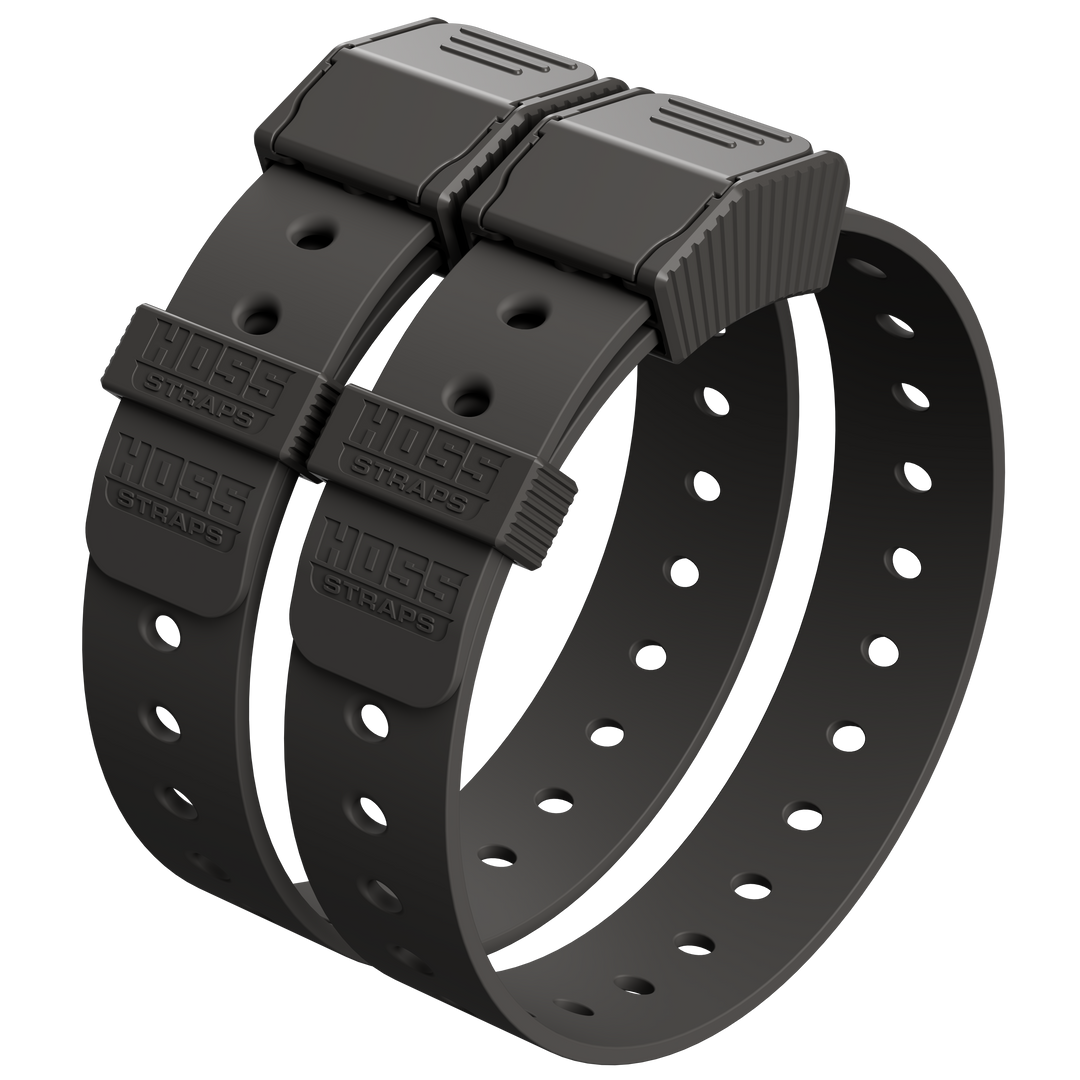
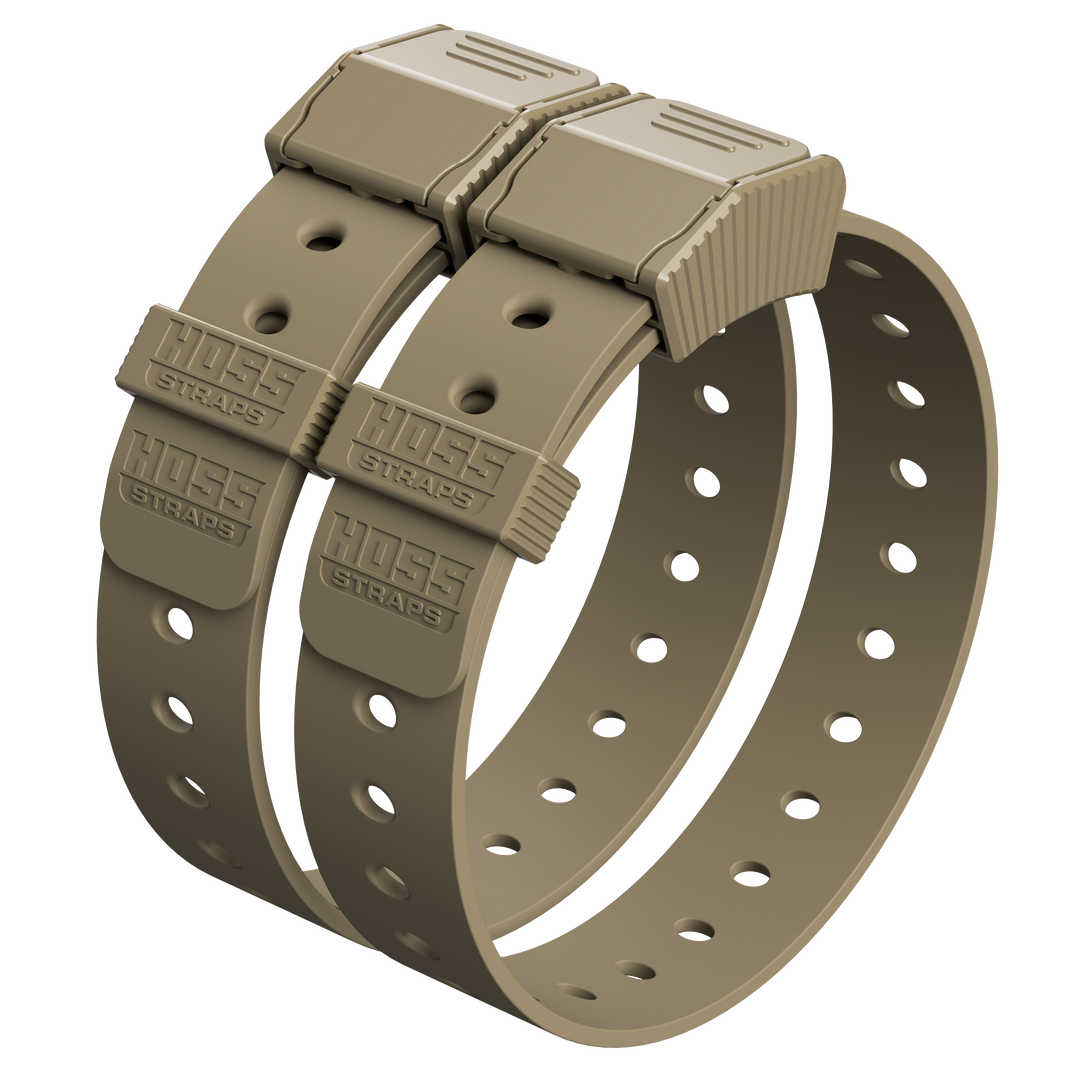
A tag also works better when it rides on a dependable collar. For a stable daily setup, compare Hoss Dog Collars, the D-Ring Dog Collar, and Weatherproof Dog Collars.
Quick Answer: Why Engraved Stainless Tags Are a Solid Choice
| Feature | Why It Helps | What to Remember |
|---|---|---|
| Stainless steel | Resists corrosion through a protective passive surface film | Still needs cleaning after salt, mud, and grime |
| Engraving | Creates a deeper mark than lighter surface marking | Readable longer when the surface gets scuffed |
| Simple cleaning | Removes grit that can dull or scratch the tag | Warm water, mild detergent, rinse, and dry is enough for most use |
| Monthly read test | Confirms the phone number is still useful | Replace or re-engrave when it cannot be read quickly |
Why Stainless Lasts: The Simple Science

Stainless steel is not magic. It performs well because of a thin protective surface film.
A PubMed Central article on stainless steel corrosion resistance explains that stainless steel relies on a passive film, and that chromium oxides in that film are closely tied to corrosion resistance. In everyday terms, stainless has a built-in protective surface that helps it resist rusting better than plain steel.
For a dog tag, that matters because tags see:
- Rain and hose water
- Mud and grit
- Salty slush or salt water
- Repeated rubbing against split rings
- Food bowl, floor, and collar contact
Stainless handles that kind of daily exposure well, but it still benefits from basic cleaning.
Engraving vs Etching: What Stays Readable Longer?
People often use "engraved" and "etched" like they mean the same thing, but they are not identical.
Engraving removes material and creates a deeper mark. Laserax explains that deeper engraving improves marking durability under abrasion, while laser etching is generally better unless you specifically need high abrasion resistance.
| Marking Type | How It Works | Best For |
|---|---|---|
| Engraving | Removes material to create depth | Longer readability when a tag gets scuffed or rubbed |
| Etching | Creates a shallower surface mark | Clean marking where heavy abrasion is less likely |
| Printed or coated mark | Sits on or near the surface | Decorative or lower-wear use |
For active dogs, deeper engraving gives the phone number more margin before wear makes it hard to read.
What Can Still Damage Stainless Dog Tags?
Stainless holds up well, but it can still get dull, scratched, stained, or pitted if it is neglected or exposed to harsh residues.
| Enemy | What It Can Do | What to Do Instead |
|---|---|---|
| Grit and sand | Grinds against the tag and split ring | Rinse after dirty or sandy days |
| Moisture trapped around the ring | Creates dull buildup and stubborn grime | Clean around the hole and dry fully |
| Harsh chemical residues | Can stain or contribute to pitting | Use mild soap and rinse thoroughly |
| Rough ring contact | Creates gouges where the tag hangs | Replace damaged split rings and check for burrs |
The Nickel Institute's guidance on pitting and crevice corrosion focuses on chloride-containing environments, which is a useful reminder for dog gear: salt and trapped residue deserve a rinse, not a long stay on the metal.
How to Clean Engraved Stainless Dog Tags
You do not need a complicated routine. Start with the mildest method and only step up if grime is stuck in the engraving.
Routine clean: about 2 minutes
The British Stainless Steel Association recommends soap or mild detergent with warm water, followed by a clean water rinse, as adequate for routine stainless steel cleaning.
- Remove the tag from the collar if it is easier to handle.
- Use warm water and a small drop of mild dish soap.
- Rub the tag with your fingers or a soft cloth.
- Rinse with clean water.
- Dry completely before putting it back on the collar.
Deep clean for buildup
- Soak the tag in warm soapy water for a few minutes.
- Use a soft toothbrush to clean the engraving grooves and ring hole.
- Rinse thoroughly.
- Dry completely with a clean cloth.
What to avoid
- Harsh unknown chemicals
- Chlorine-heavy cleaners
- Leaving cleaner residue on the tag
- Steel wool or aggressive abrasive pads
- Letting salty grime sit around the ring hole
A safe rule: if you would not want the residue sitting on your hands, do not leave it on your dog's tag.
Care Habits That Keep Tags Readable Longer
- Rinse after messy days: mud, sand, salt water, and salty slush should come off quickly.
- Dry fully: moisture trapped around the split ring can hold grime against the metal.
- Check the ring: replace split rings that are bent, gapped, sharp, or rusty.
- Keep the setup simple: fewer tags and charms usually means less grinding and jingle.
- Do a monthly read test: hold the tag at arm's length and read the phone number fast.
If the phone number cannot be read quickly in normal light, clean the tag. If cleaning does not fix it, replace or re-engrave it.
When to Replace an Engraved Stainless Dog Tag

Replace the tag when:
- The engraving is not readable in normal light.
- The tag is bent and catching on things.
- The edges feel sharp.
- The split ring hole is heavily gouged.
- You see pitting or deep damage.
- Your phone number or contact info has changed.
It is better to replace a tired tag early than rely on ID that someone cannot read when your dog is loose.
Pair Your Tag With a Collar That Holds Steady
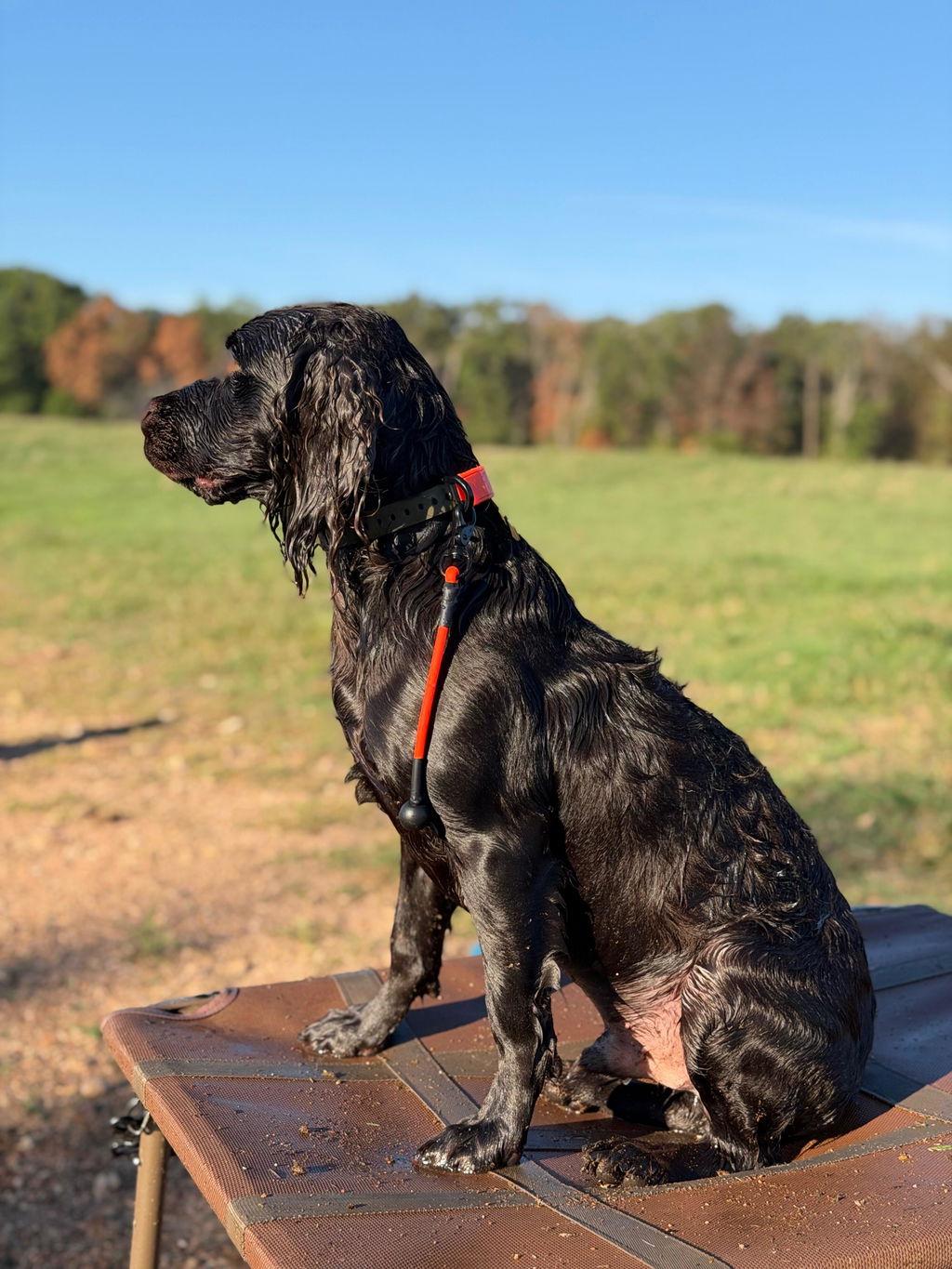
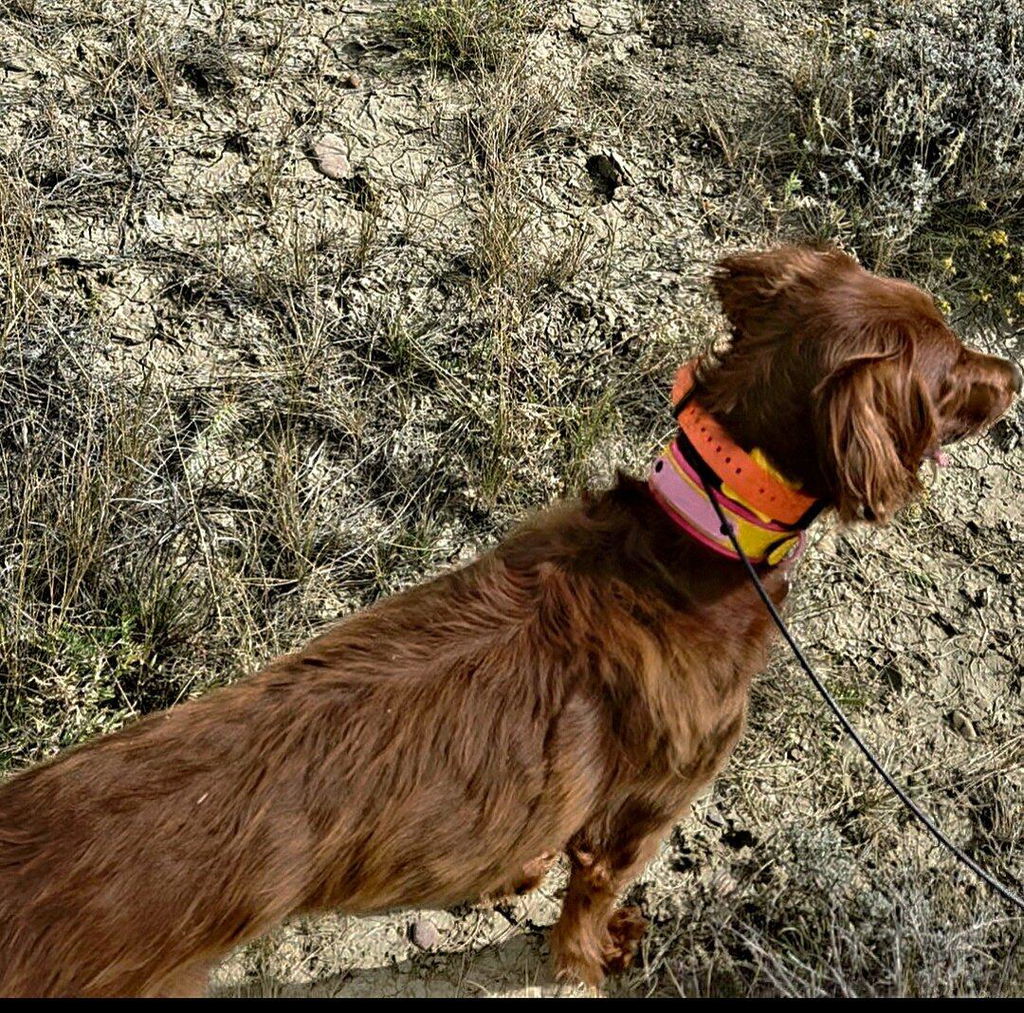
A tag lasts longer when it rides on a collar that fits well and does not twist constantly. Less sliding usually means less grinding at the split ring and better tag visibility.
Start with Hoss Dog Collars for dependable everyday wear. The D-Ring Dog Collar gives you weatherproof construction, quick-release handling, a clear D-ring attachment point, and a 1 1/16-inch strap width.
For wet, muddy, or frequent-cleaning routines, compare Weatherproof Dog Collars. For harder-use dogs, review K9 Dog Collars. If your dog uses compatible Garmin-style equipment, see the Training Collar Setup and Training Collar Adapter Kit.
FAQ
1. Do engraved stainless dog tags rust?
Stainless steel is designed to resist corrosion through a protective passive surface film linked to chromium oxides. It can still stain or pit if dirt, moisture, salt, or harsh residues are left on the surface, so routine cleaning still matters.
2. How often should I clean a stainless dog tag?
Every couple of weeks is enough for many dogs. Clean more often after mud, sand, salt water, salty slush, or heavy outdoor use.
3. What cleaners should I avoid on stainless tags?
Avoid harsh chemicals, chlorine-heavy cleaners, aggressive abrasives, and anything that leaves residue behind. Mild soap, warm water, a clean rinse, and full drying are the safer routine.
4. Is engraving better than etching for long-term readability?
Engraving is usually better for abrasion resistance because it creates a deeper mark. For dogs that are hard on gear, deeper engraving usually gives the text more time before wear affects readability.
5. What is the simplest safe way to clean an engraved stainless tag?
Use warm water with mild detergent, rub with your fingers or a soft cloth, rinse with clean water, and dry completely. If grime is stuck in the letters, use a soft toothbrush with the same soapy water.