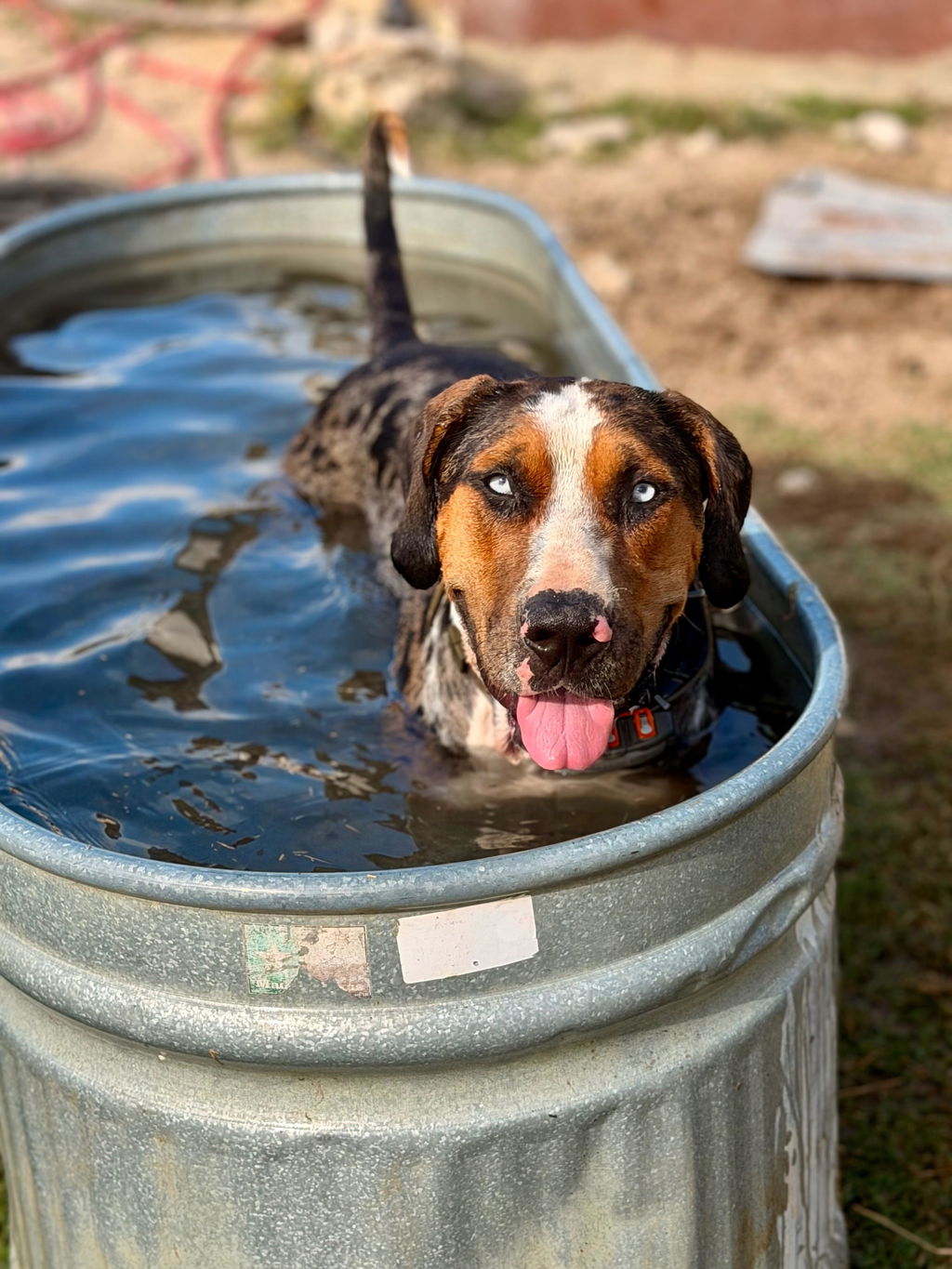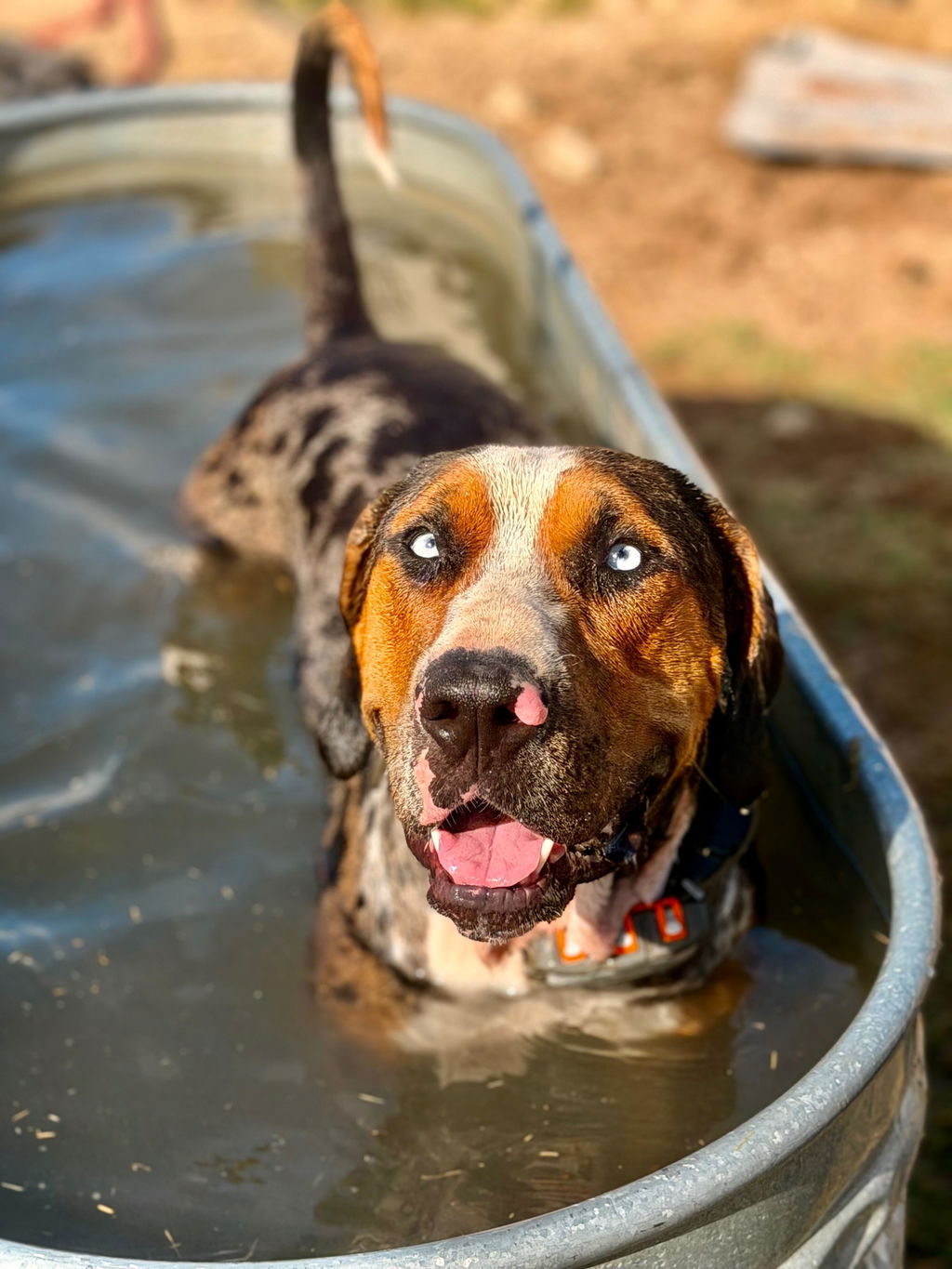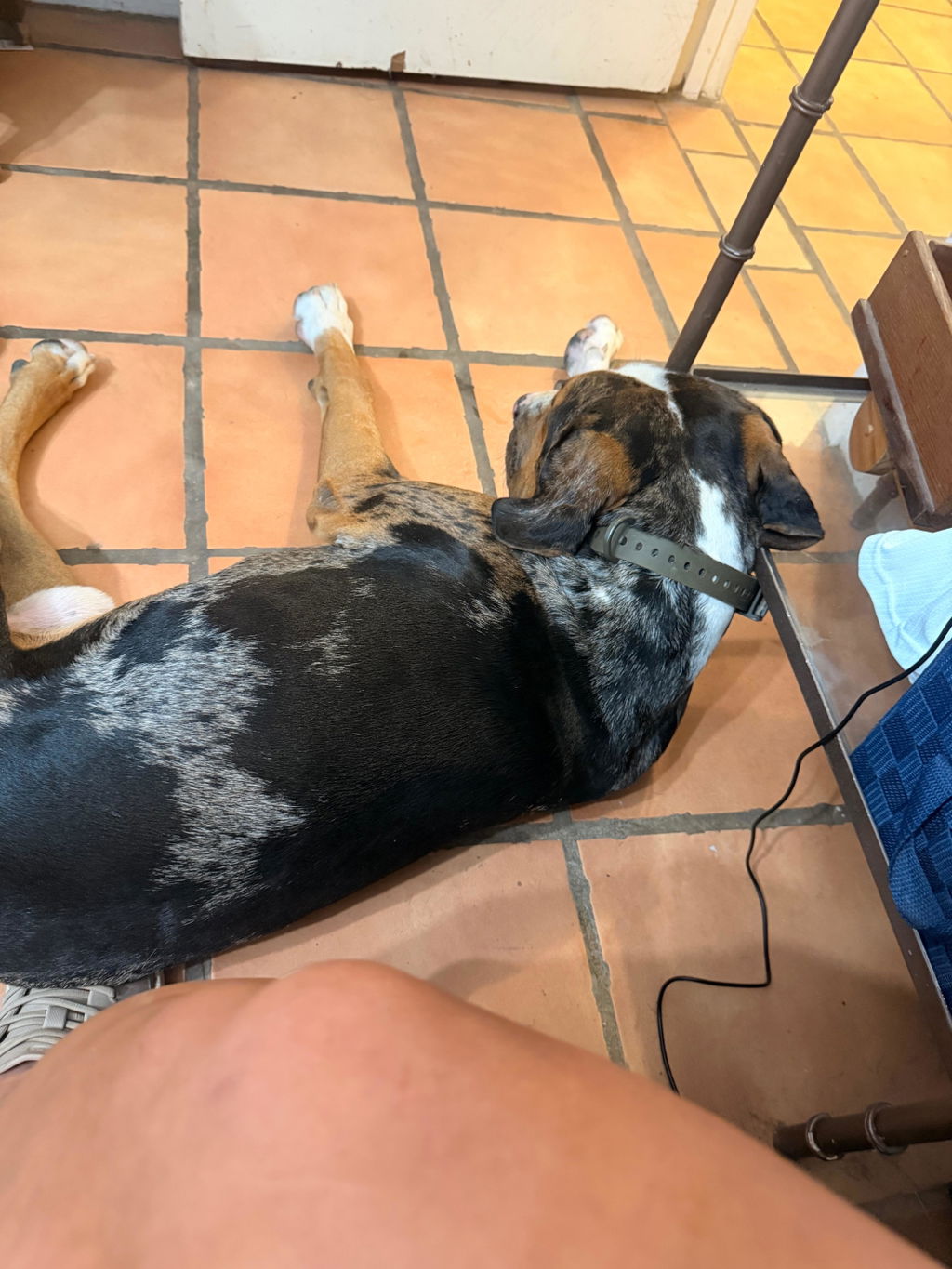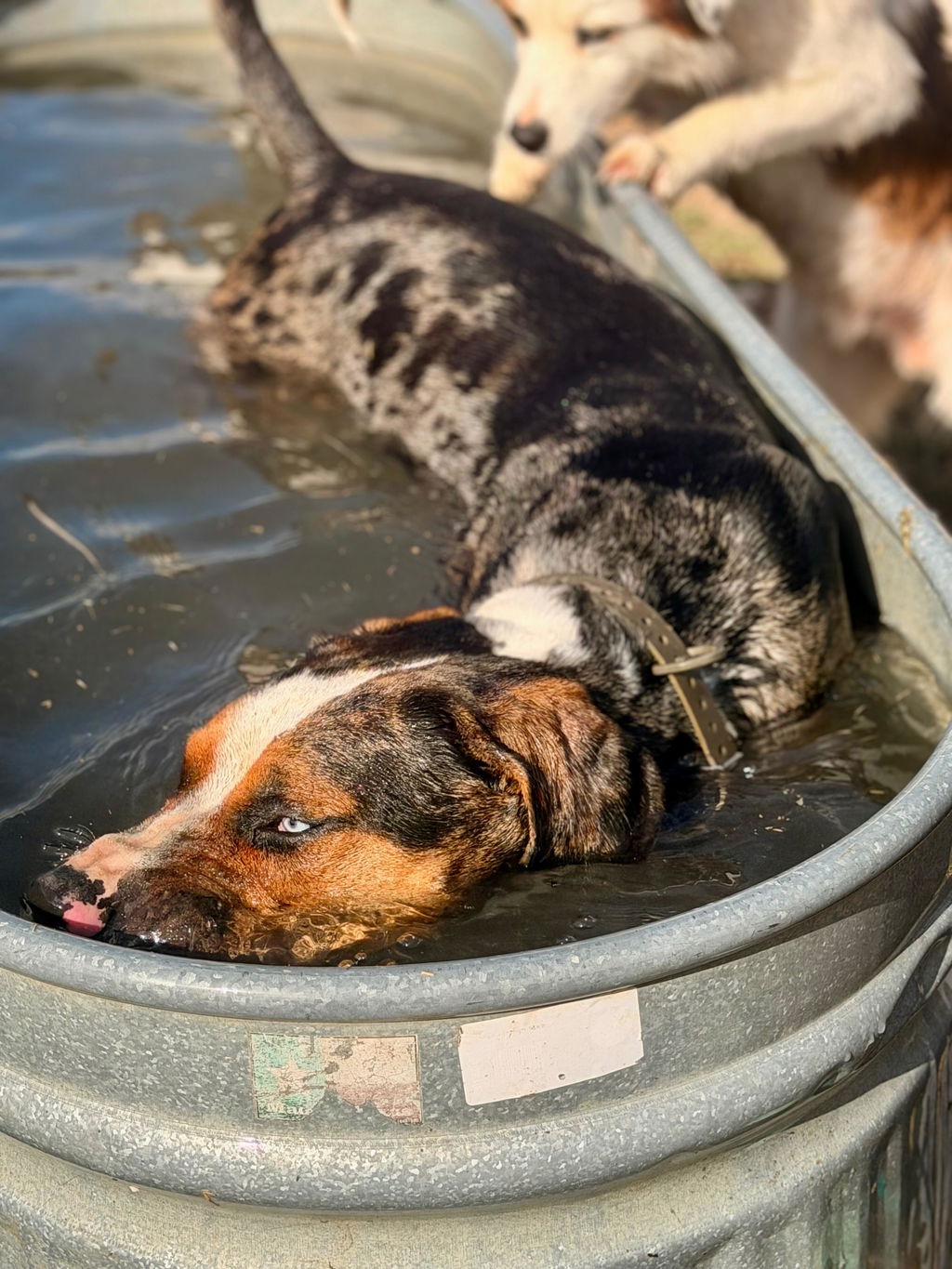



Everyday Collars for Daycare and Play: Safety Checks That Save You From Returns

Table of Contents
- Quick Answer
- What Everyday Means for Daycare Collars
- Daycare Safety Checks
- How to Measure Your Dog's Neck
- Everyday Collar Features That Help at Daycare
- Daycare Drop-Off Checklist
- Sizing Mistakes That Cause Returns
- A Daycare-Ready Option From Hoss Straps
- FAQ
Daycare is where collar problems show up fast. Dogs run, wrestle, roll, drink, get wet, pass through gates, and get handled by staff during drop-off and pickup. A collar that is too loose, too hard to remove, too bulky, or too dirty can turn into a safety issue or a return.
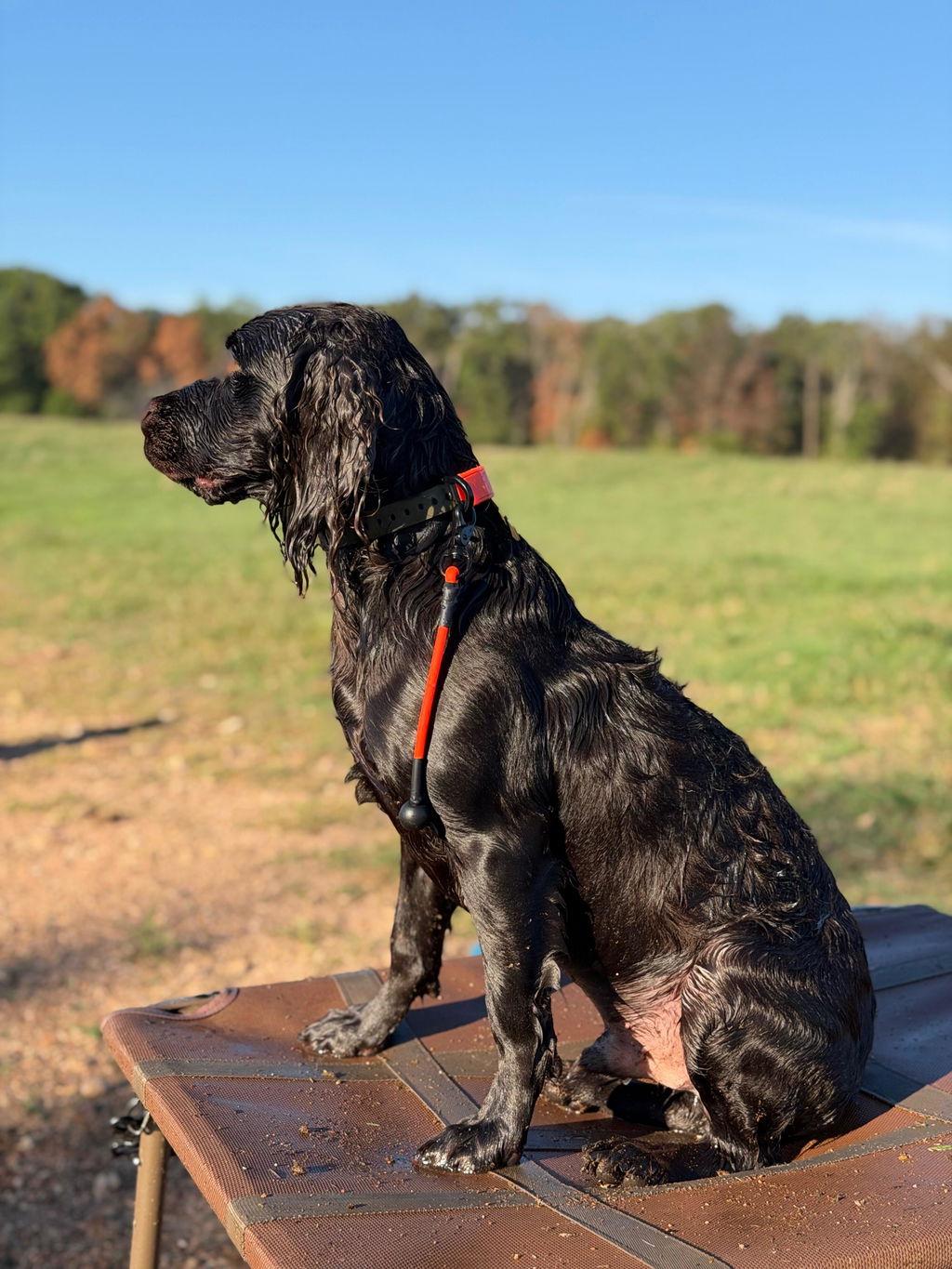
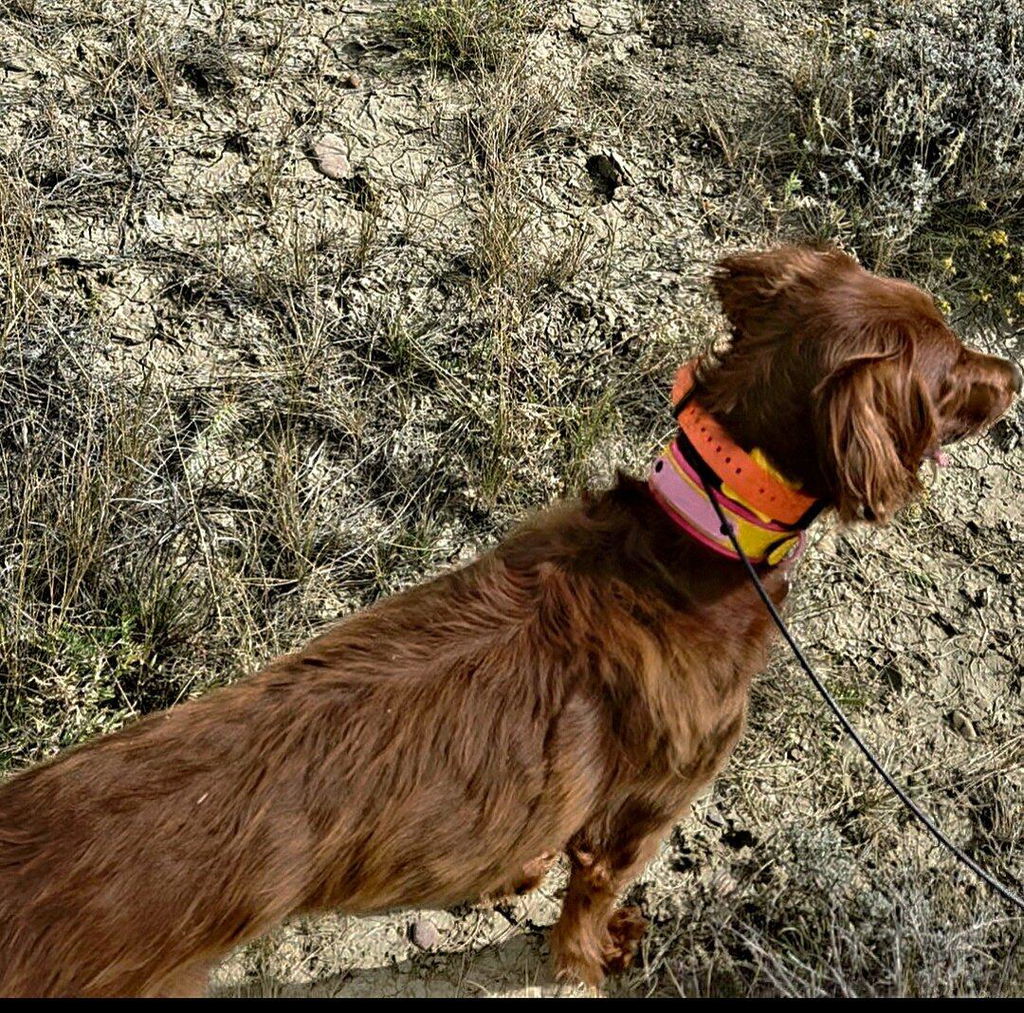
The right everyday daycare collar should fit securely, come on and off quickly, stay comfortable during movement, and clean up easily after yard time. For puppies and small dogs, fit checks matter even more because tiny necks and fast growth leave less room for guessing.
If you want a simple starting point, compare Hoss Dog Collars, the D-Ring Dog Collar, and Weatherproof Dog Collars before daycare day turns into a sizing problem.
Quick Answer: What Makes a Good Daycare Collar?
| Feature | Why It Helps at Daycare | What to Check |
|---|---|---|
| Quick-release buckle | Staff can remove or adjust it quickly during transitions | Buckle clicks clearly and releases smoothly |
| Secure fit | Reduces slipping, backing out, and constant rotation | Two-finger fit check passes |
| Clean profile | Fewer snag points during play, gates, and handoffs | No bulky charms, loose hardware, or sharp edges |
| Easy-clean material | Handles water bowls, rain, mud, and yard grime | Rinses or wipes clean and dries fully |
| Readable ID | Helps staff identify the dog quickly | Phone number or ID is easy to read |
What Everyday Really Means for Daycare Collars

An everyday daycare collar needs to handle three jobs without drama:
- Fast on and off: staff should not have to fight the buckle during check-in or transitions.
- Secure fit: the collar should stay put on small necks, thick coats, and high-motion dogs.
- Easy cleanup: water, rain, mud, and yard grime should not turn the collar into a smelly problem.
If a collar fails any of those jobs, returns become more likely. The owner thinks the collar is wrong, staff may not like handling it, and the dog may end up with rubbing, slipping, or snag risk.
Daycare Safety Checks That Prevent Common Collar Problems
The remove-it-for-rough-play rule of thumb
Ask your daycare what they do during group play. Some facilities remove collars. Some require specific buckle styles. Some leave collars on only during certain parts of the day.
A Whole Dog Journal safety article republished by the Animal Health Foundation warns that dogs playing together can get tangled in each other's collars, especially during mouthy play. If a collar must stay on during dog-to-dog play, the guidance recommends a quick-release buckle or a breakaway safety collar.
Why quick-release buckles matter
Daycare staff need to move quickly when dogs get overstimulated, tangled, or too excited during a transition. A buckle that releases cleanly can reduce fumbling.
For daycare use, avoid collars that require complicated unthreading, stiff hardware, or two-handed struggling during a busy handoff.
Tag and hardware check
Before drop-off, run your fingers over the collar and check:
- Cracks in the buckle
- Sharp edges
- Loose rings
- Bulky add-ons
- Dangling hardware that could catch
- A buckle that does not click cleanly
Keep the profile clean. Fewer add-ons usually means fewer snag points, less jingle, and easier handling.
How to Measure Your Dog's Neck the Right Way
Step-by-step neck measuring
- Have your dog stand or sit calmly.
- Wrap a soft tape measure around the neck where the collar will sit.
- If you do not have a soft tape, use string, mark it, then measure the string.
- Write the number down.
- Compare that number to the collar's adjustable neck range.
That neck measurement is the sizing base. Do not buy from weight alone, breed alone, or an old collar that may already fit wrong.
The two-finger fit test
After buckling the collar, you should be able to slide two fingers between the collar and your dog's neck. The AKC Shop measuring guide uses the two-finger rule for collar fit and notes that neck circumference is the key measurement for collars.
| Fit Result | What It Means | What to Do |
|---|---|---|
| Cannot fit two fingers | Too tight | Loosen and recheck for pressure marks |
| Two fingers fit with contact | Good starting fit | Run movement and slip checks |
| Several fingers fit easily | Too loose | Tighten one setting and recheck |
| Collar spins constantly | Too loose or wrong size range | Adjust fit or choose a better size |
| Dog can back out | Unsafe fit for daycare transitions | Move to a more secure size or style |
Puppy growth plan
Puppies change fast. If your dog is still growing, re-check fit regularly and keep a simple note with the date and neck size. That helps you adjust before daycare day turns into a "this does not fit anymore" return.
Everyday Collar Features That Make Daycare Drop-Off Smoother

Weatherproof and easy-clean
Daycare collars see water bowls, rain, slobber, mud, yard dust, and repeated handling. A collar that rinses or wipes clean is easier to keep comfortable.
BioThane-style coated webbing is often used for easy-clean dog gear. BioThane is generally described as polyester webbing with a TPU or PVC coating, built to be durable, waterproof, and easier to clean than absorbent fabric.
Easy on and off that still feels secure
Look for a buckle that:
- Clicks into place clearly
- Opens quickly when needed
- Stays closed during normal handling
- Does not have sharp edges or sticky release points
Removable buckle for custom color combinations
Color is not just style in a busy daycare setting. If staff recognize your dog by a color combo, it can speed up handoffs and reduce mix-ups, especially in multi-dog families or facilities with many similar-looking dogs.
A Simple Daycare Drop-Off Checklist
| When | Check | Why |
|---|---|---|
| Before leaving home | Collar sits flat and centered | Prevents twisting and rubbing |
| Before leaving home | Buckle clicks and stays locked | Confirms hardware is seated |
| Before leaving home | Two-finger fit check passes | Confirms comfort and security |
| Before leaving home | Phone number is easy to read | Supports quick ID if needed |
| At front desk | Ask whether collars are removed during group play | Aligns your gear with facility policy |
| At pickup | Check for rubbing, hair breakage, and mud | Catches fit or cleaning problems early |
Two questions to ask the front desk
- Do you remove collars during group play?
- If collars stay on, what buckle style do you require?
Red-Flag Sizing Mistakes That Cause Most Returns
- Buying based on weight alone
- Skipping the fit check after the first wear
- Leaving extra slack on a small dog "for comfort"
- Not re-checking fit as a puppy grows
- Choosing a collar that only fits on the first or last adjustment point
- Ignoring daycare buckle or collar policies
- Letting tags and hardware stack up into snag points
Most returns are not because the collar idea was wrong. They happen because the collar was not measured, checked, or matched to the real daycare routine.
A Daycare-Ready Option From Hoss Straps
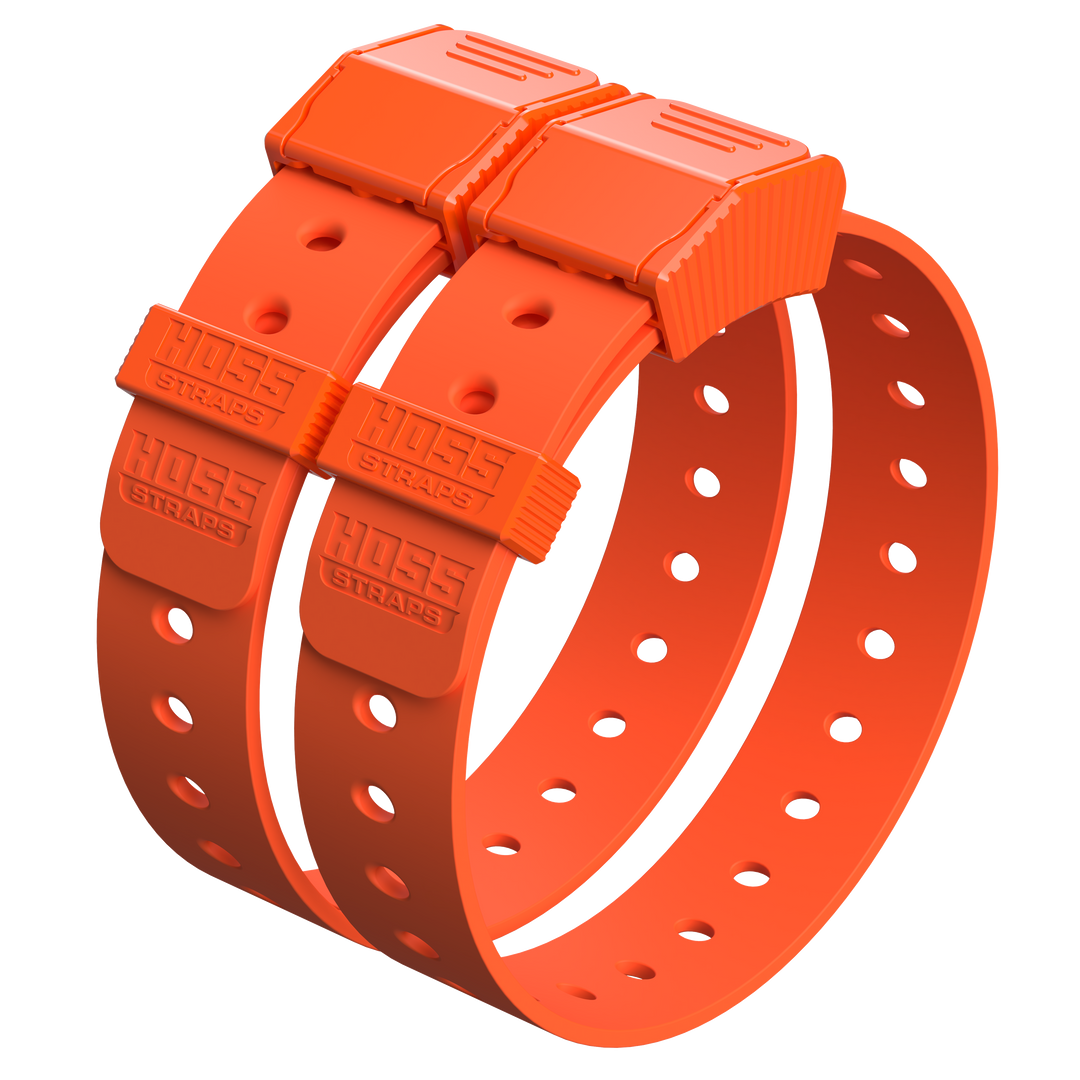
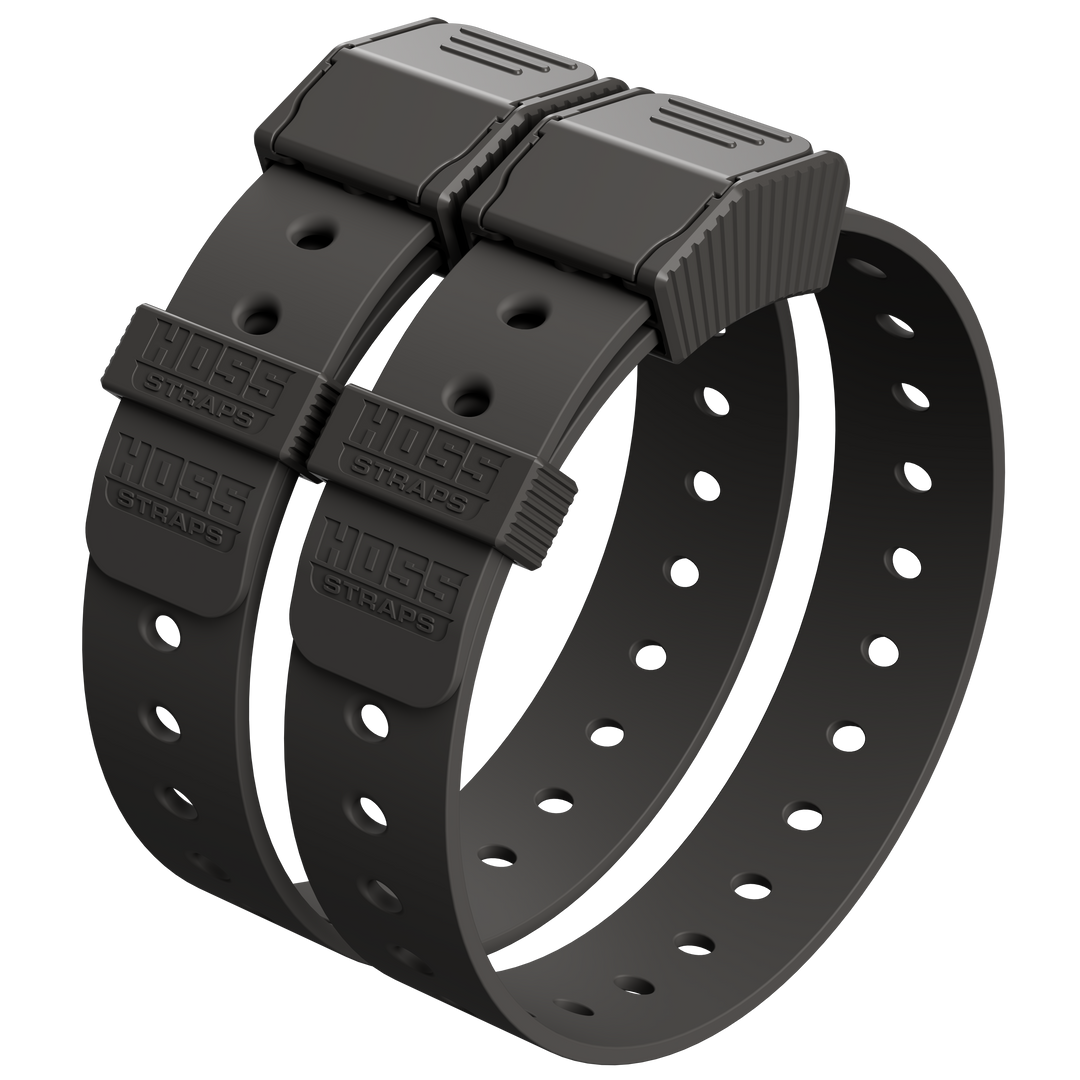
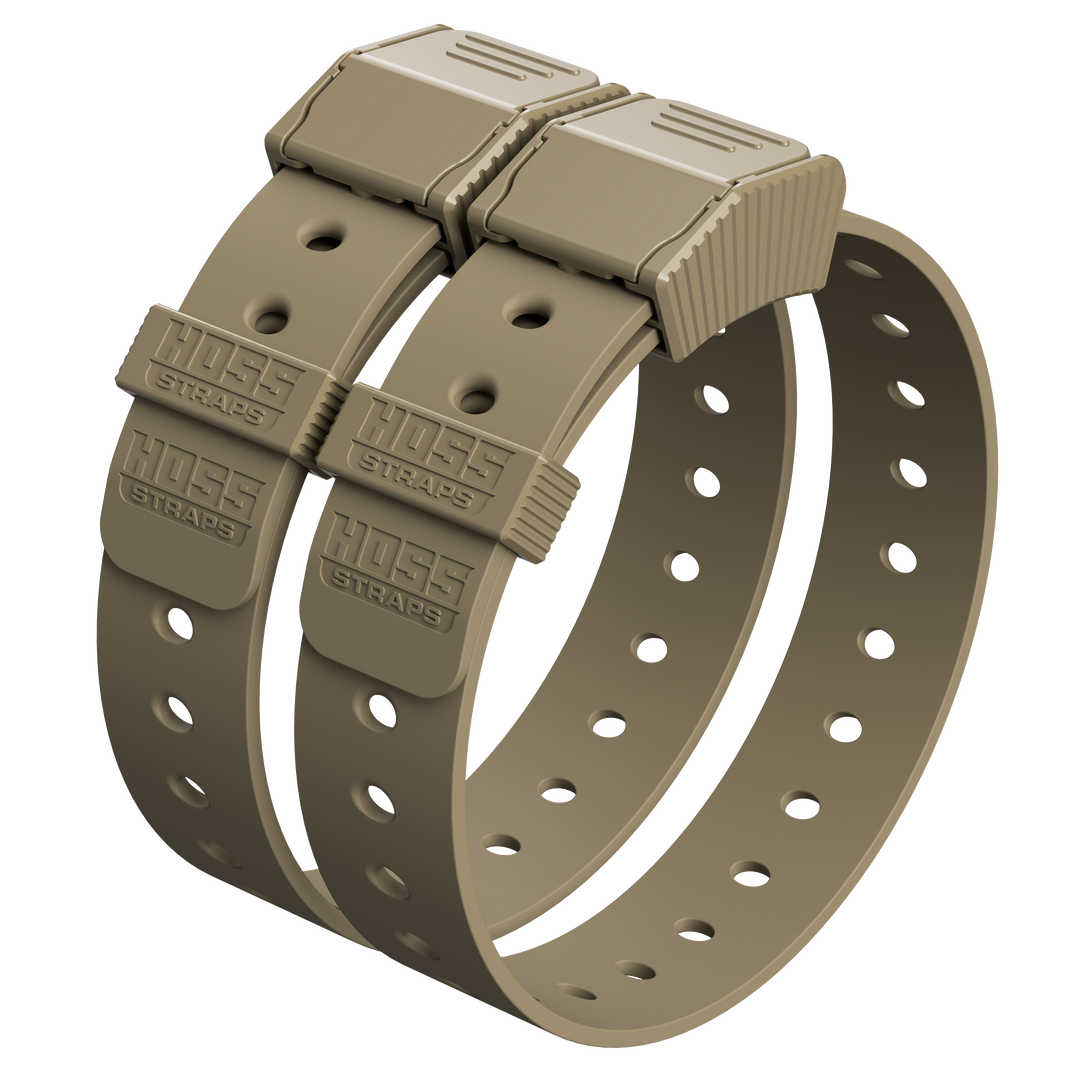
If you want a straightforward collar built for messy days and fast handoffs, start with the Hoss D-Ring Dog Collar.
It matches what daycare life demands: weatherproof construction, easy on-and-off collaring, a quick-release buckle, a removable buckle for custom color combinations, a clear D-ring attachment point, and fit up to a 22-inch neck size.
You can also browse Hoss Dog Collars for everyday options, compare Weatherproof Dog Collars for wet and muddy routines, and review K9 Dog Collars for harder-use dogs. If your dog uses compatible Garmin-style gear, see the Training Collar Setup and Training Collar Adapter Kit.
FAQ
1. Should my dog wear a collar during daycare playtime?
Ask your facility and follow their policy. If your dog will be in rough, high-contact play, many owners remove collars during those sessions to reduce snag and entanglement risk.
2. How do I know if the collar is too loose on a small dog?
If it spins constantly, slips toward the jaw, or your dog can back out of it, it is too loose. Tighten one setting at a time, then re-check comfort and movement.
3. What should I check before drop-off every morning?
Check the buckle, run the two-finger fit test, confirm the phone number is readable, and remove anything bulky, loose, or sharp from the collar setup.
4. My puppy keeps outgrowing collars. What should I do?
Measure the neck regularly and keep a simple note with dates and neck sizes. Adjust before daycare day, and move up a size when your puppy reaches the end of the collar's range.
5. How do I clean a weatherproof collar after daycare?
Rinse off dirt, wipe it down, and let it air dry. Keep the buckle area clean so it clicks and releases properly.