


Giftable Dog Collar Sets: How to Get the Fit Right (and Keep Exchanges Easy)

Table of Contents
- Quick Answer
- Why a Dog Collar Set Makes a Useful Gift
- What Counts as a Giftable Set
- How to Avoid Guessing the Fit
- Pick the Right Setup for the Dog's Lifestyle
- Exchange-Friendly Gifting Tips
- Why Hoss Straps Makes a Strong Gift
- Gift Checklist
- FAQ
A dog collar set is one of the rare gifts that can get used every day: walks, ID tags, training time, road trips, muddy weekends, and quick trips outside. The part that makes or breaks the gift is fit.
The safest way to gift a dog collar set is to choose gear that matches the dog's routine, collect one reliable sizing reference, and keep the setup exchange-friendly until the receiver confirms fit. That means measuring the dog's neck when you can, borrowing the current collar when you cannot, and choosing a collar with enough adjustment range to avoid guesswork.
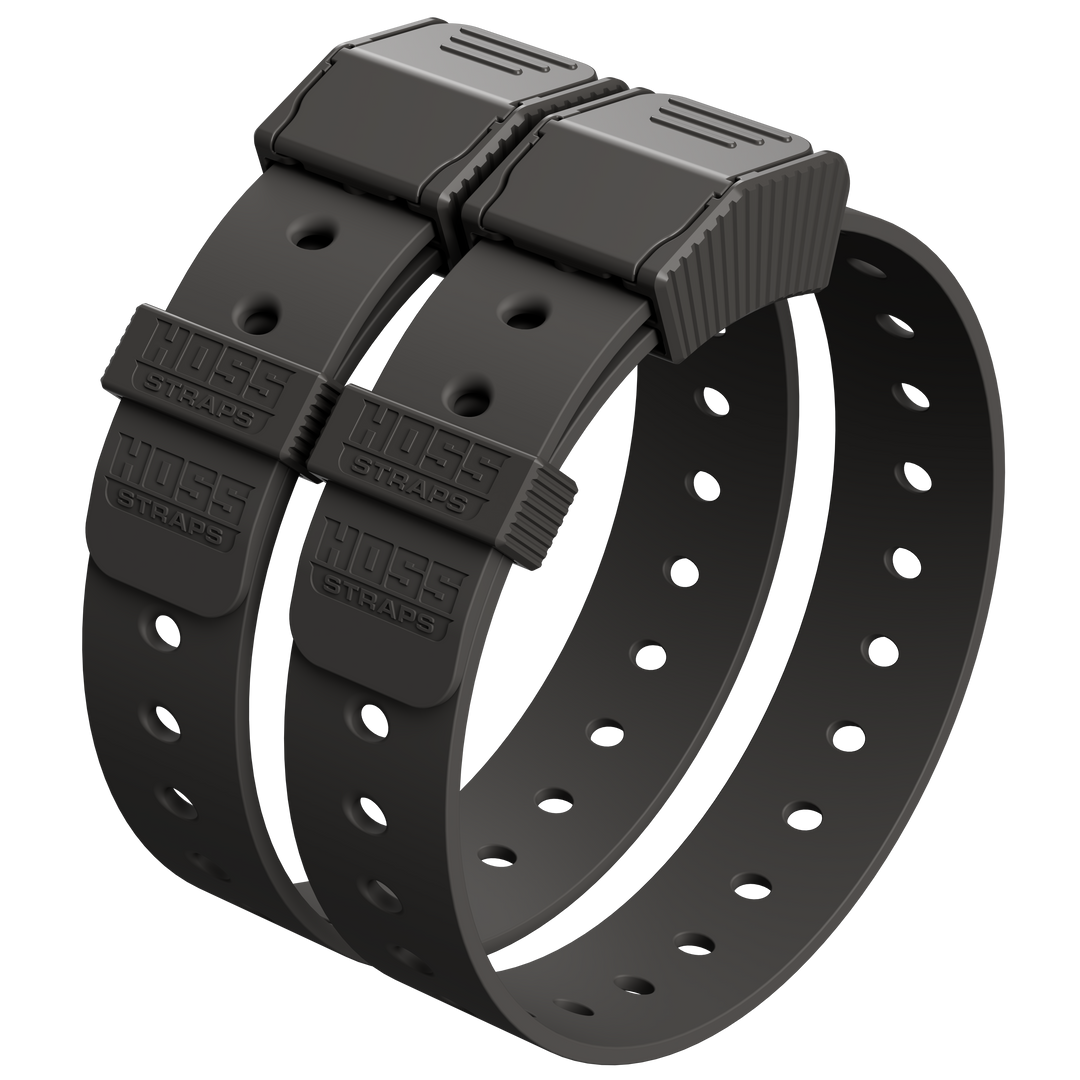
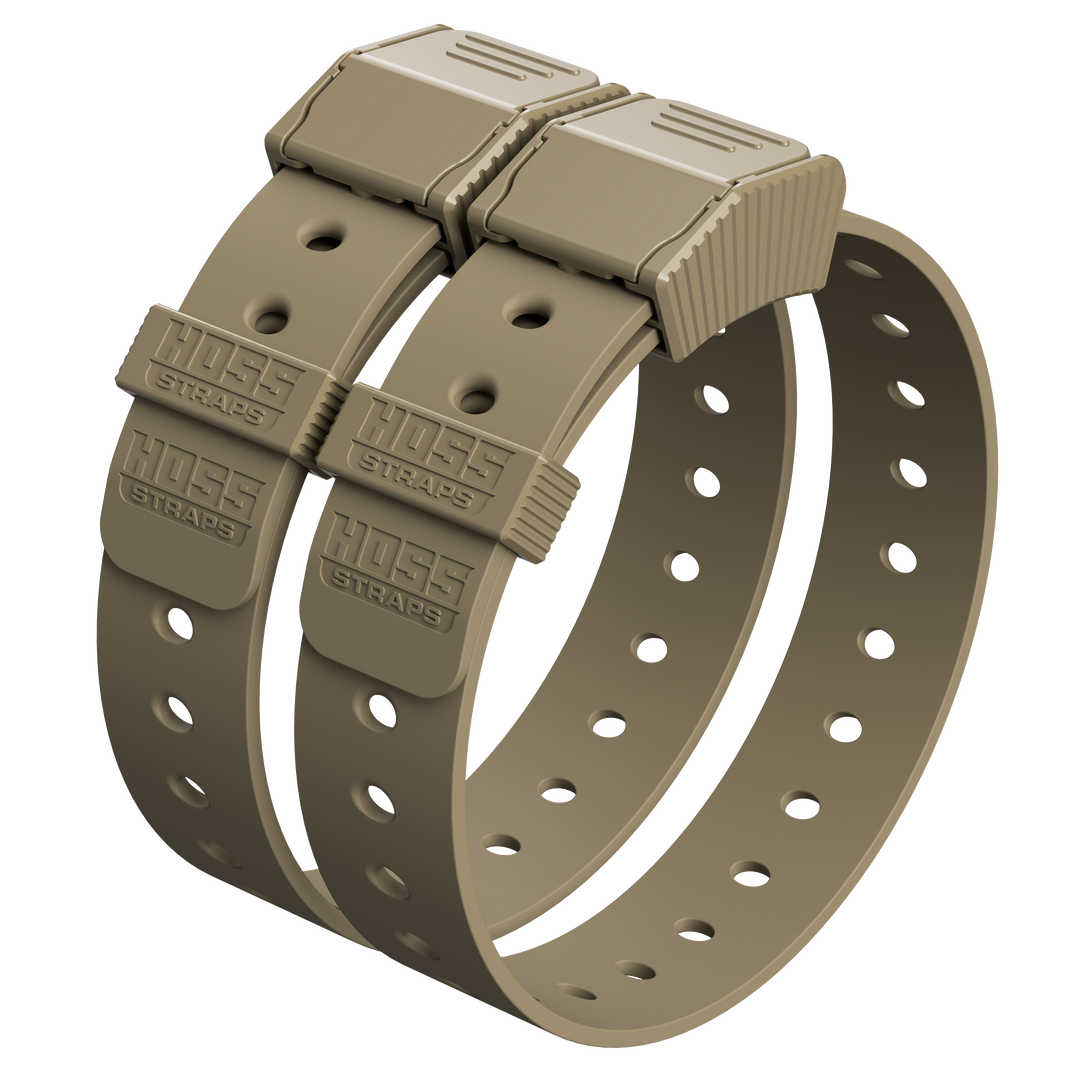
If you want a useful Hoss gift path, start with Hoss Dog Collars, the D-Ring Dog Collar, or the Training Collar Setup for dogs that use compatible training gear.
Quick Answer: How to Gift a Collar Set Without Guessing
| Step | What to Do | Why It Helps |
|---|---|---|
| Match the routine | Choose everyday, outdoor, K9, or training-compatible gear based on how the dog lives | A useful gift fits the dog's actual day |
| Get one sizing reference | Measure the neck or borrow the current collar | Prevents buying by breed, weight, or guesswork |
| Check adjustment range | Pick a collar that fits near the middle of its range | Leaves room for coat, growth, and small weight changes |
| Keep packaging together | Do not separate tags, parts, or packaging until fit is confirmed | Makes exchanges simpler if the size is off |
| Add a fit note | Include the neck measurement, old collar photo, or buckle setting | Helps the receiver check fit quickly |
Why a Dog Collar Set Is a Gift That Actually Gets Used
A collar is not just a nice accessory. It is everyday gear. It holds ID, gives a clear leash attachment point when a collar is the right walking tool, and becomes part of the owner's daily routine.
AAHA explains that ID tags provide immediate contact information, while microchips act as backup identification. That is why a collar setup matters: visible ID helps someone contact the owner fast if the dog gets loose.
A good collar gift works because it is practical. It gets used at the door, in the truck, at the trailhead, at training, and during quick daily handling.
What Counts as a Giftable Set?
A giftable dog collar set is a setup that is ready to use together and built for a clear purpose. It may be a collar plus leash, a collar plus ID plan, or a training-compatible collar system.
| Gift Type | Best For | Hoss Path |
|---|---|---|
| Everyday collar gift | Daily walks, tags, errands, normal home life | Dog Collars |
| D-ring collar setup | Clear leash and tag attachment point | D-Ring Dog Collar |
| Weatherproof collar gift | Wet, muddy, outdoor, or easy-clean routines | Weatherproof Dog Collars |
| K9 collar gift | Harder-use dogs, field routines, stronger handling contexts | K9 Dog Collars |
| Training-compatible setup | Dogs using compatible Garmin-style training gear | Training Collar Setup |
Hoss Training Collar Setup: what is included
The Hoss Training Collar Setup includes:
- The D-Ring Dog Collar
- The Training Collar Adapter Kit
Note: the Garmin device is sold separately.
Who this setup fits best
This setup makes sense for dog owners who train often, spend time outdoors, and want a clean collar path that works with compatible training or tracking routines.
The #1 Gifting Problem: Fit

You do not need to know every collar size chart to give a collar set. You need one reliable reference.
Method 1: borrow the current collar
If the dog already wears a collar that fits well, use it as your sizing clue:
- Take a photo of the collar laid flat.
- Note the usual buckle hole or strap setting.
- Measure the usable length if possible.
- Notice whether the collar sits high, low, tight, or loose on the dog.
This gives the gift receiver a clean starting point without guessing by breed or weight.
Method 2: measure the neck
If you can measure the dog, use a soft tape measure around the neck where the collar naturally sits. Write the number down exactly instead of rounding.
Then choose a collar with an adjustable range that includes that number with room to tighten and loosen.
Fit check after opening
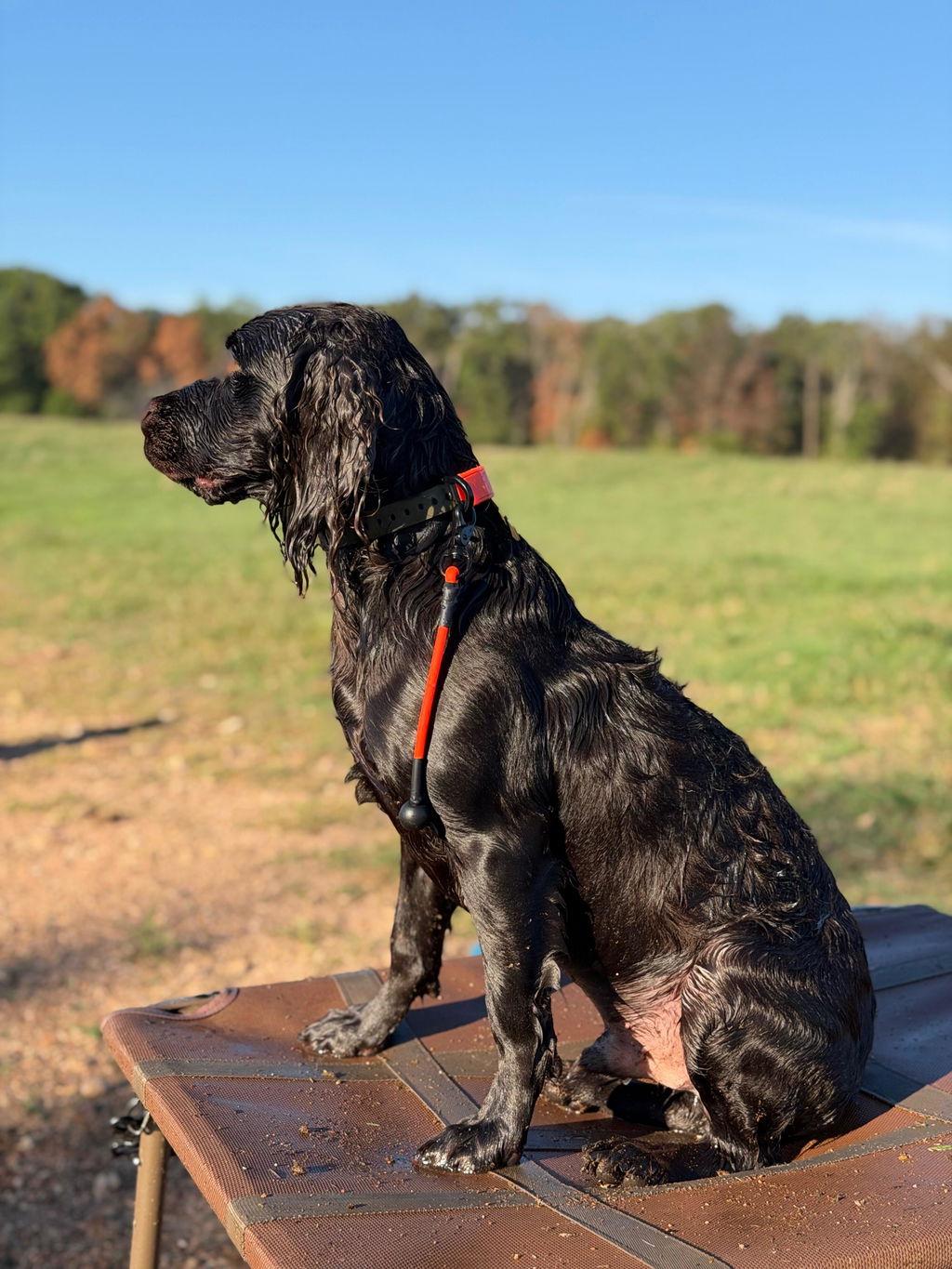
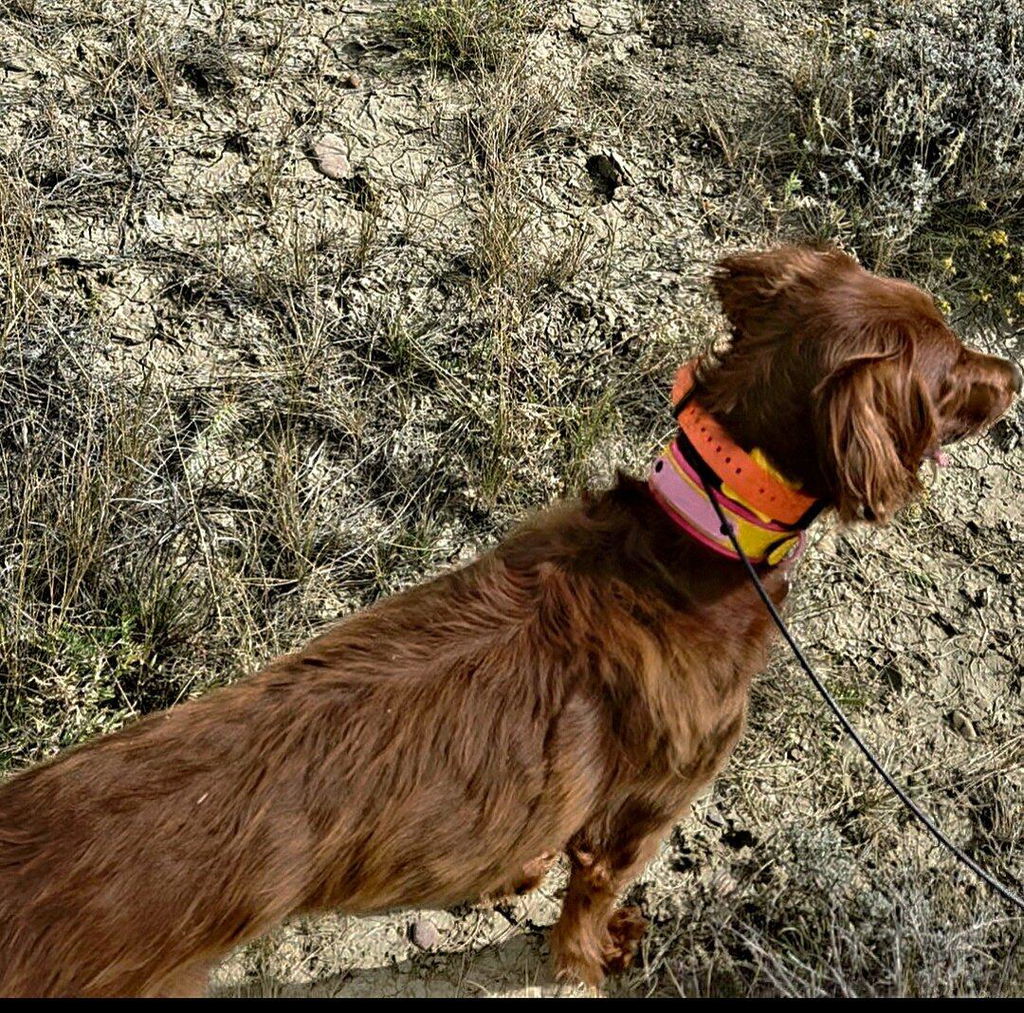
Once the gift is opened, use the two-finger comfort check. The receiver should be able to slide two fingers between the collar and the dog's neck without forcing them. The collar should not be so loose that it slips over the head.
For puppies, fit changes quickly. American Humane notes that puppies grow fast and collars can become painfully tight if they are not checked and adjusted regularly.
| Fit Situation | What It Means | What to Do |
|---|---|---|
| Cannot fit two fingers | Too tight | Loosen before wear |
| Two fingers fit with light contact | Good starting fit | Check movement and slip risk |
| Collar rotates constantly | Likely too loose | Tighten one setting and recheck |
| Collar slips over the head | Unsafe fit or wrong size | Exchange for a better range |
Pick the Right Setup for the Dog's Lifestyle
Gift gear should match real life. A calm neighborhood walker needs different gear than a dog that trains hard, spends weekends outside, or gets wet and muddy often.
Everyday walks
For most daily wear, prioritize comfort, easy on/off handling, readable ID, and a dependable leash attachment point.
If the dog pulls hard, collar choice is only part of the answer. Tufts Cummings School of Veterinary Medicine notes that collars are best used for holding tags and that neck pressure from pulling can create risks for some dogs. For strong pullers, a well-fitted harness may be the better walking tool.
Training and outdoor time
For training and outdoor routines, choose a setup that stays clean, clips in quickly, and does not need babysitting after every wet or muddy session.
That is where weatherproof materials, a quick-release buckle, and a clear D-ring attachment point make the gift feel useful instead of decorative.
Training collar compatibility
If the owner uses compatible Garmin-style gear, the Training Collar Setup is the most specific gift path. It includes the D-Ring Dog Collar and Training Collar Adapter Kit; the Garmin device is sold separately.
Exchange-Friendly Gifting Tips
You do not need to talk policy in the gift. Just keep the receiver's options open.
| Tip | What to Include | Why It Helps |
|---|---|---|
| Keep fit info together | Neck measurement, old collar photo, or buckle setting | Helps the receiver confirm size faster |
| Keep packaging together | Tags, parts, and packaging until fit is confirmed | Makes exchange handling cleaner |
| Add a short fit note | "Use the two-finger check before daily wear" | Reduces first-wear sizing mistakes |
| Avoid permanent add-ons first | Wait on custom ID until size is confirmed | Prevents committing to the wrong collar size |
Simple note to include with the gift
"I picked this for your dog's routine. Check the fit with the two-finger rule before daily wear. I kept the size notes and packaging together in case you want to adjust or exchange."
Why Hoss Straps Makes a Strong Gift

A good dog gift should feel chosen on purpose: useful, rugged, and easy to work into daily life.
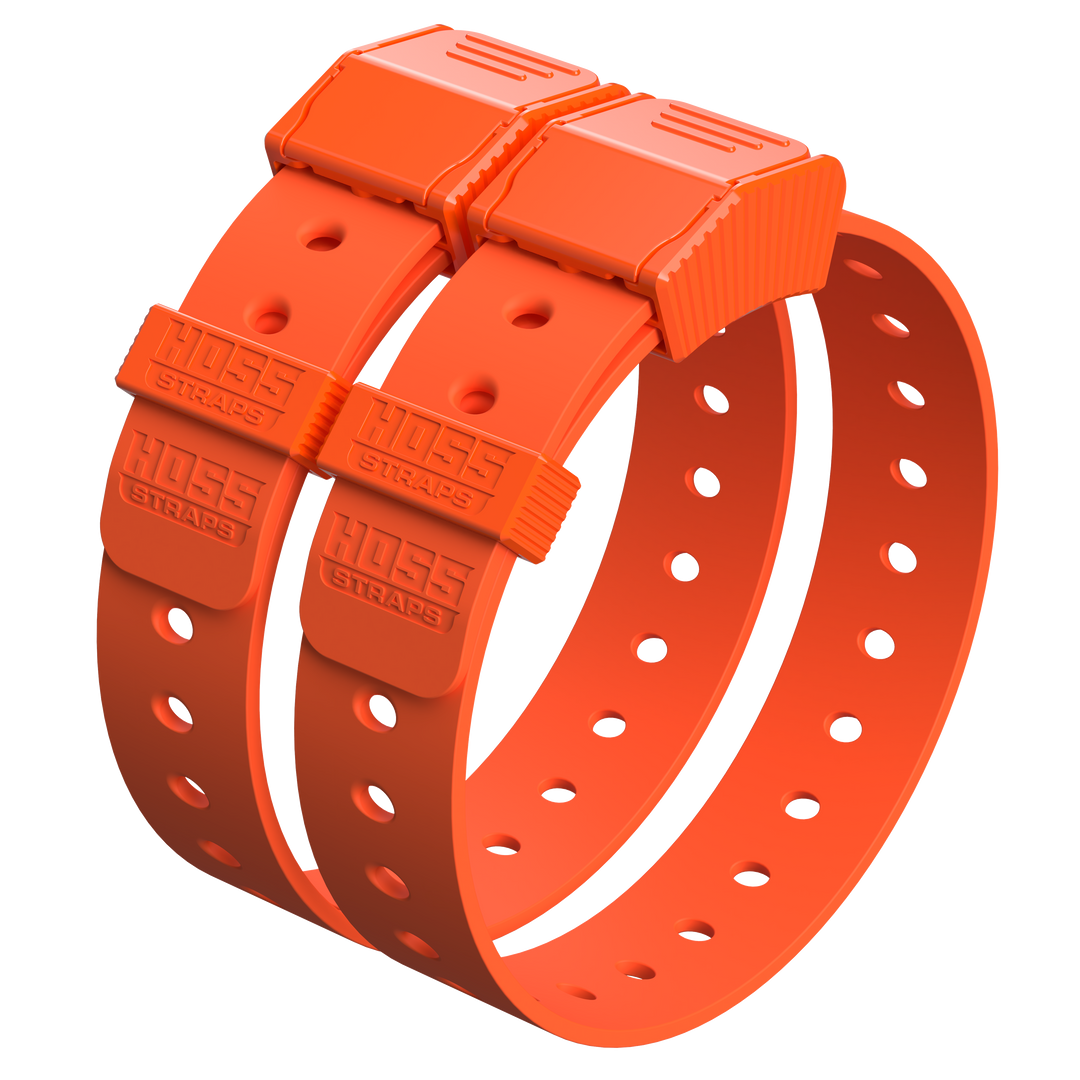
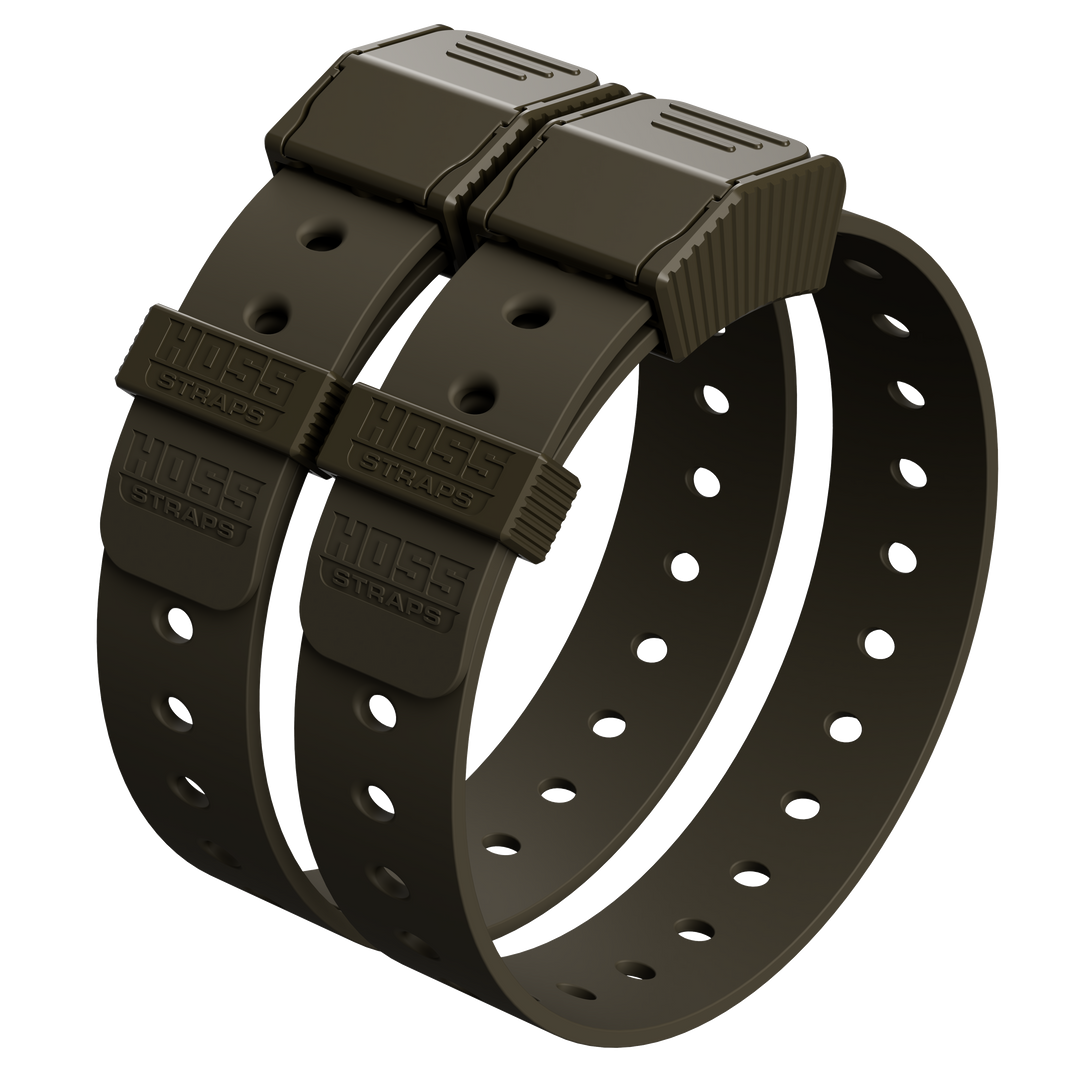
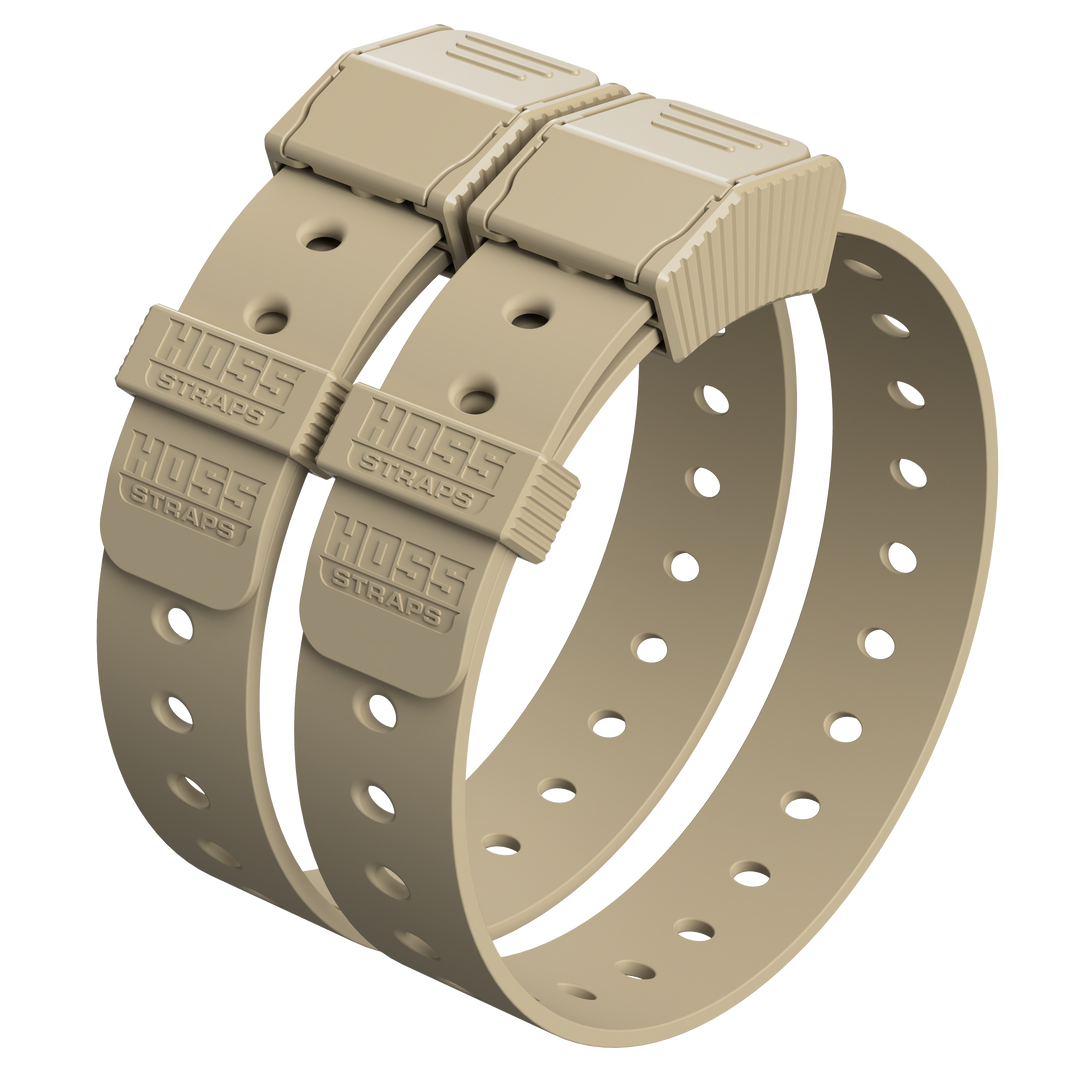
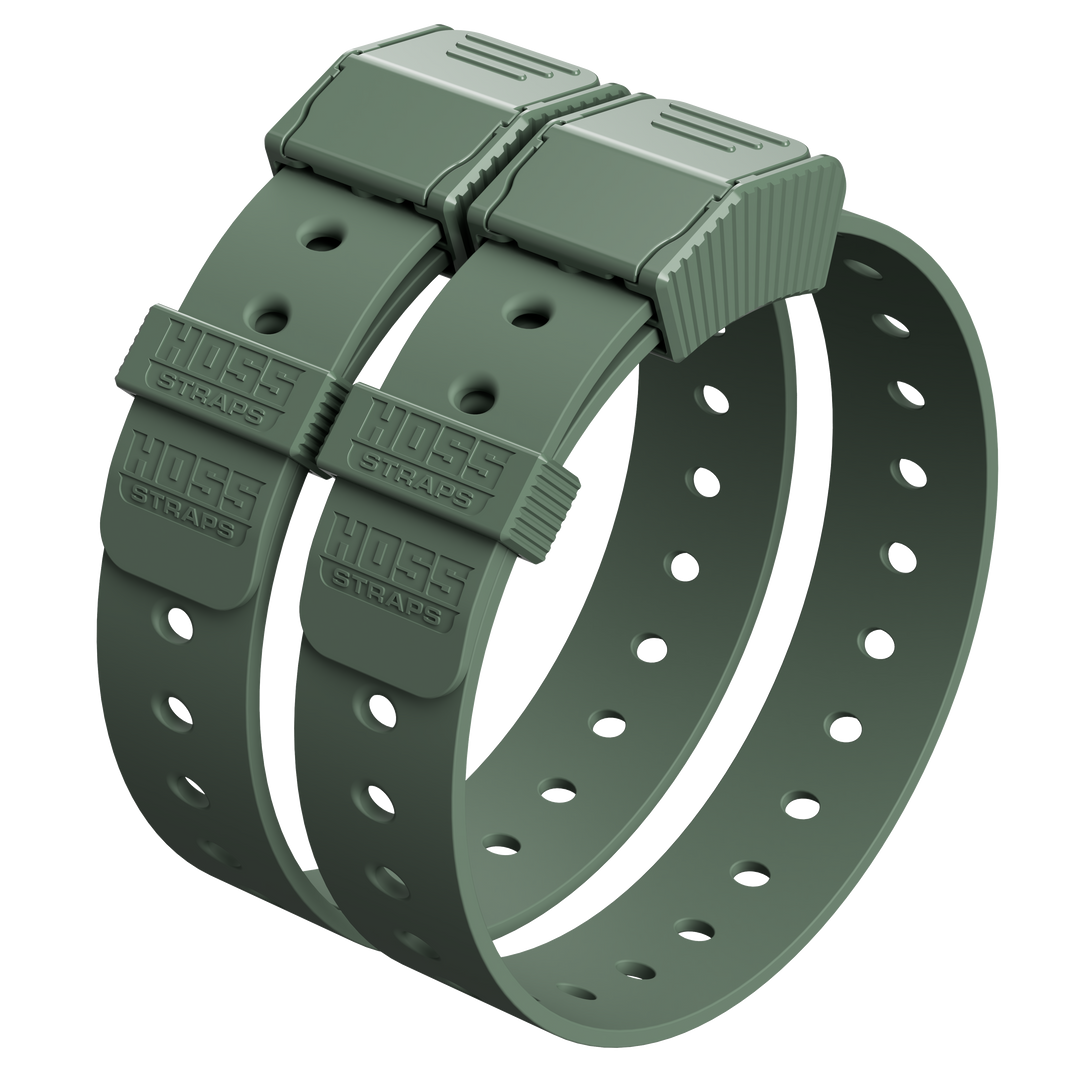
Hoss collar options are a strong fit when the dog needs simple daily gear that can handle weather, mud, and real use. Start with Hoss Dog Collars for everyday wear. Choose the D-Ring Dog Collar for weatherproof construction, quick-release handling, a clear D-ring attachment point, and a 1 1/16-inch strap width.
For wet or muddy dogs, compare Weatherproof Dog Collars. For harder-use routines, review K9 Dog Collars. For compatible training gear, choose the Training Collar Setup.
Wrap-Up: The Gift Checklist
- Pick a collar set that matches the dog's routine.
- Use the current-collar method when you can.
- Measure the neck if the current collar is not available.
- Choose an adjustment range with room to tighten and loosen.
- Keep packaging, parts, and fit notes together until fit is confirmed.
- Remind the receiver to use the two-finger check before daily wear.
- Pair visible ID with a current microchip registration.
FAQ
1. What makes a dog collar set a good gift?
A good collar set matches the dog's routine and gets used daily without extra fuss. Choose for walks, training, weather, and fit first, then pick the color.
2. How do I gift a collar if I do not know the dog's fit?
Borrow the current collar and note the usual buckle setting, or measure the dog's neck with a soft tape. If neither is possible, include a note so the receiver can confirm fit before daily wear.
3. Is a collar or harness better for a dog that pulls?
For strong pullers, a harness may be the better walking tool because it moves pressure away from the neck. A collar can still be useful for ID and calm daily handling.
4. What is the fastest way to check fit once the gift is opened?
Use the two-finger comfort check, then do a gentle slip test to make sure the collar cannot slide over the dog's head.
5. What should I include in the box so exchanges are easier?
Include any fit information you have, such as a neck measurement, a photo of the old collar, or the usual buckle setting. Keep packaging, tags, and parts together until the fit is confirmed.