


Guide for Finding the Best Training Collar for Big Dogs

Table of Contents
- Quick Answer
- Why Big Dogs Need the Right Collar Setup
- Training Collar Types for Big Dogs
- Key Factors to Consider
- How to Fit a Training Collar Correctly
- Hoss Straps Training Collar Setup
- Training Success Tips
- Making Your Final Choice
- FAQ
The best training collar for a big dog is not the harshest tool or the thickest strap. It is the setup that fits securely, protects the neck, gives the handler clear control, and matches the job: everyday walks, field work, recall practice, or compatible training-device use.
Large dogs need gear that will not slip, twist, soak up water, or fail under daily handling. They also need training tools used with care. Strong pullers can put a lot of pressure on the neck, so collar choice should be paired with fit checks, positive training, and the right walking tool for the situation.
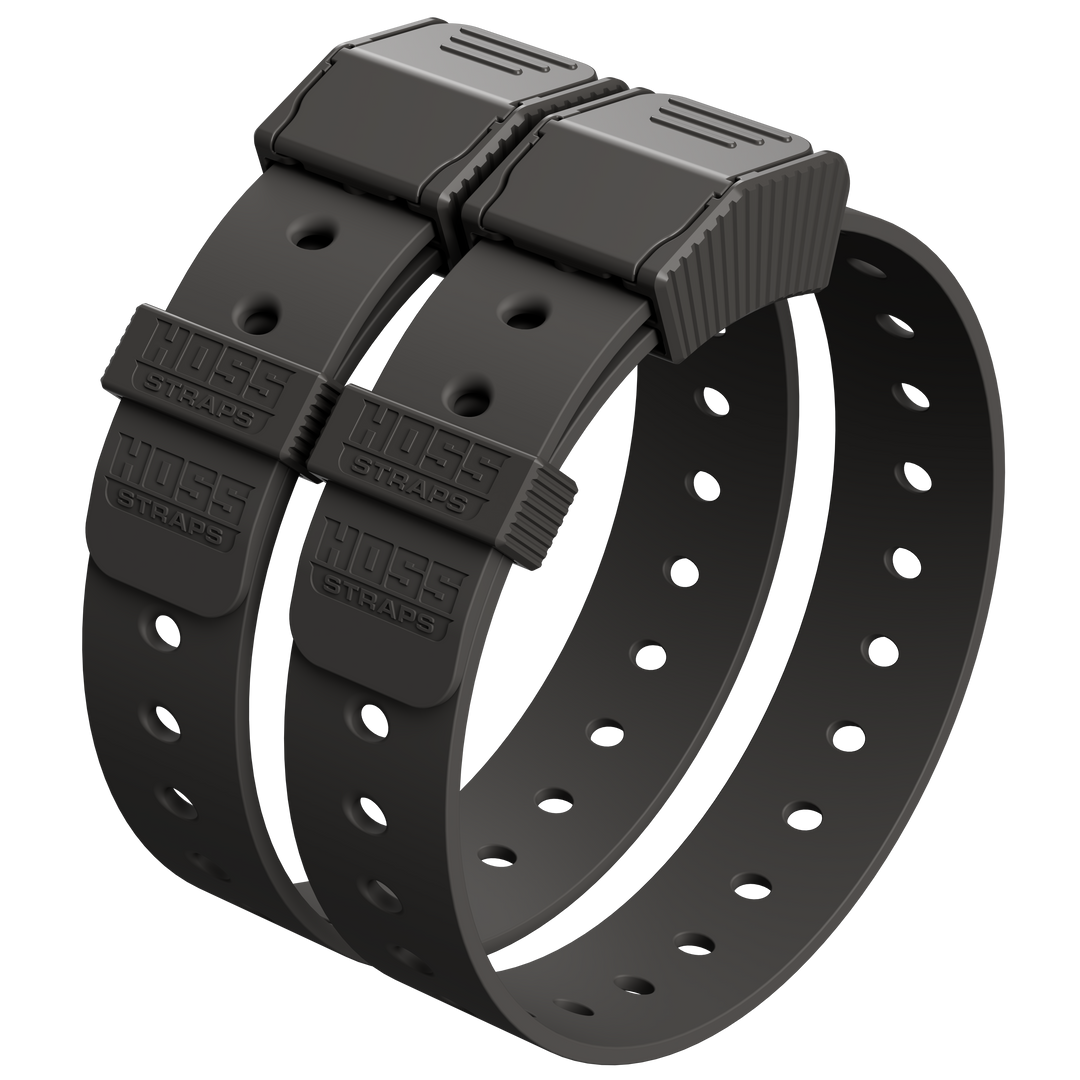
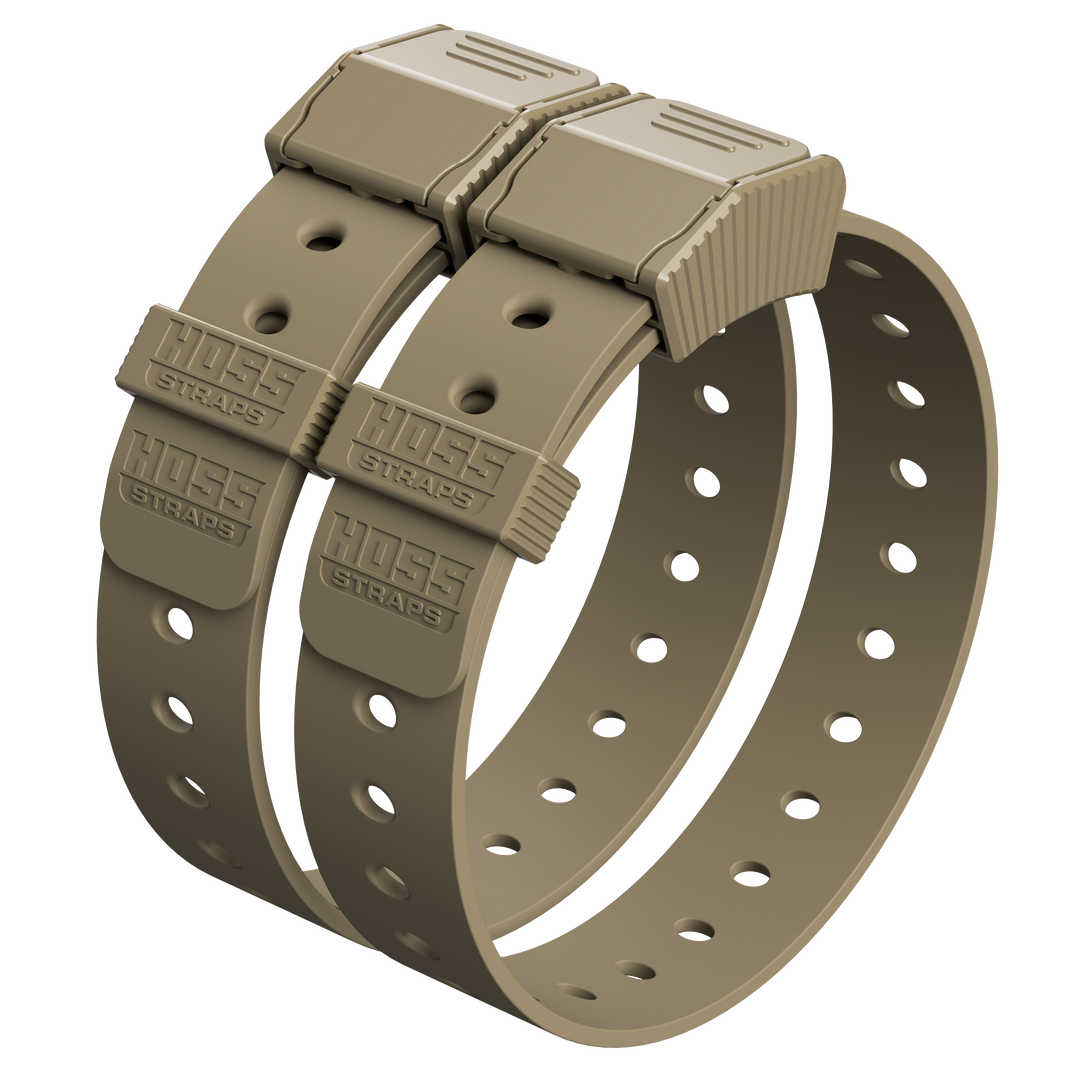
If your dog needs a durable, weather-ready collar base, compare Hoss K9 Dog Collars, the D-Ring Dog Collar, and the Training Collar Setup.
Quick Answer: What Should Big Dog Owners Look For?
| Factor | What You Want | Why It Matters for Big Dogs |
|---|---|---|
| Fit | Snug, secure, and checked with the two-finger rule | Prevents slipping, rubbing, and throat pressure |
| Width | Wide enough for stability without rubbing | Helps reduce collar roll on larger necks |
| Material | Weatherproof, easy-clean, and strong under repeat use | Big dogs often work gear harder in mud, rain, and outdoor routines |
| Hardware | Solid D-ring, clean buckle action, secure adjustment | Leash clips and training gear stress the same parts every day |
| Training approach | Positive reinforcement and professional guidance for specialty tools | Prevents tool misuse and improves long-term behavior |
Why Big Dogs Need the Right Collar Setup
Large dogs have more strength, more momentum, and often more neck size variation than smaller dogs. A collar that works fine for a small dog can feel narrow, unstable, or underbuilt on a large breed.
VCA Animal Hospitals says safety, fit, and function are the most important factors when choosing collars and harnesses. VCA also notes that if a dog pulls hard against a collar, it can put too much pressure on delicate neck structures.
That does not mean every big dog needs a specialty correction collar. It means you should match the tool to the dog's behavior and use the least complicated setup that gives safe control.
Understanding the Main Training Collar Types for Big Dogs
| Tool | Best Use | Important Caution |
|---|---|---|
| Flat collar | Everyday ID, calm walks, basic leash attachment | Not ideal for dogs that pull hard into neck pressure |
| Martingale collar | Dogs that may slip out of a regular buckle collar | Must be fitted correctly so it cannot over-tighten |
| D-ring collar | Durable leash and tag attachment, outdoor handling, collar platform use | Still needs proper fit and should not be used to fight heavy pulling |
| Head halter | Redirecting strong dogs with less physical force | Requires gradual conditioning; never jerk the leash |
| Body harness | Dogs that pull, dogs with neck sensitivity, and leash walking control | Must fit well and avoid restricting shoulder movement |
| Electronic collar | Specific trained behaviors, distance work, or working-dog tasks under expert guidance | Should not be used to teach brand-new behaviors or punish confusion |
| Prong or choke-style collar | Only under qualified professional guidance, if used at all | VCA warns choke, pinch, and prong collars can cause tracheal damage and increase eye pressure risk |
The American Veterinary Society of Animal Behavior recommends reward-based training and advises against aversive tools such as electronic collars, prong collars, choke chains, and leash corrections. If you are considering a specialty training tool for a powerful dog, involve a qualified professional who prioritizes humane, reward-based methods.
Key Factors to Consider When Choosing a Training Collar
Collar width and stability
Big dogs usually benefit from a collar that is wide enough to sit stable without rolling. Too narrow can concentrate pressure. Too wide can rub behind the jaw or ears, especially on shorter-necked dogs.
| Dog / Job | Width Direction | What to Watch |
|---|---|---|
| Large calm walker | Medium to medium-wide | Comfort and tag/leash handling |
| Large active outdoor dog | Medium-wide to wide | Collar roll, edge comfort, and cleaning |
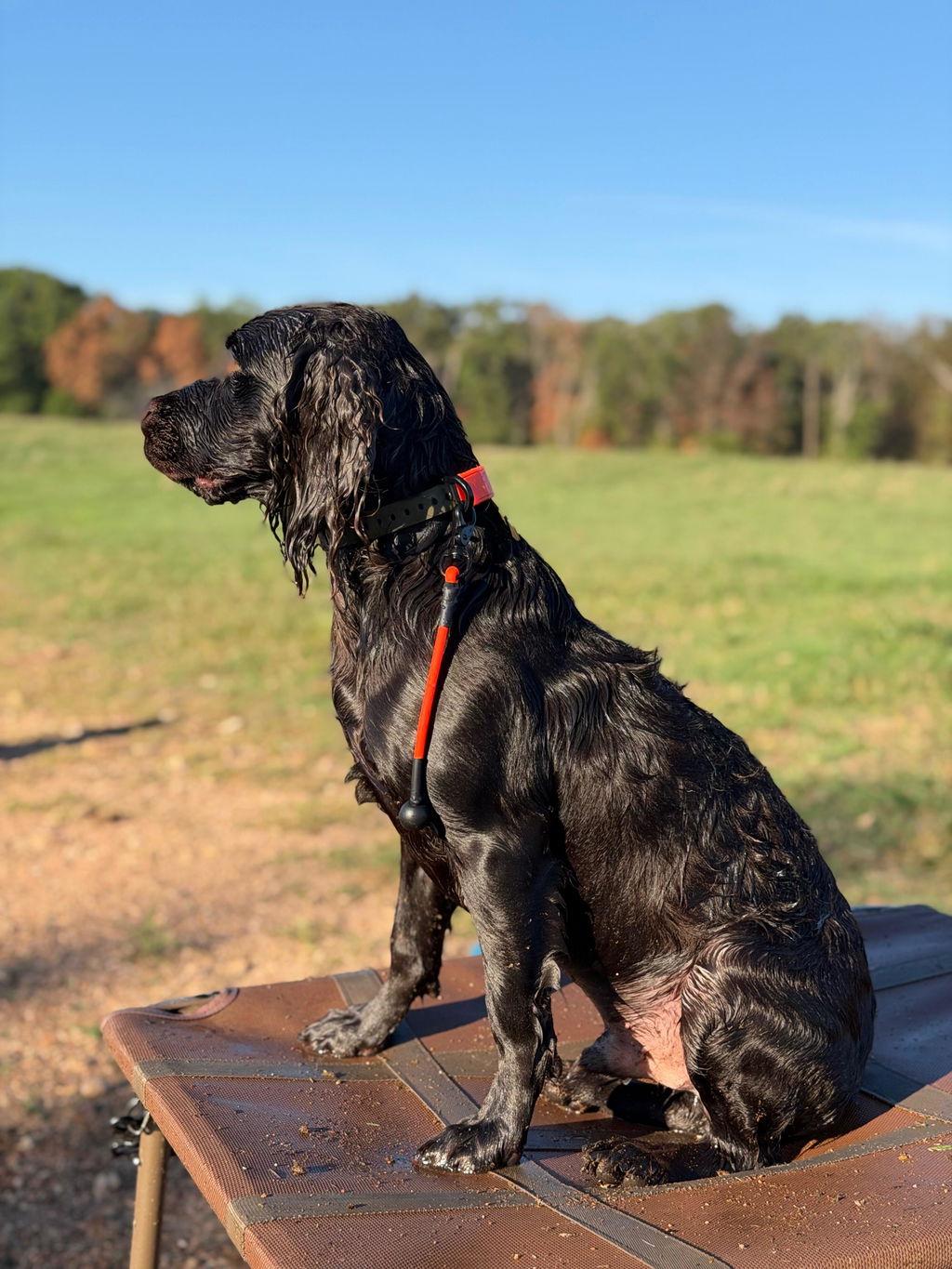
| Working or field dog | Stable width matched to job and gear | D-ring placement, receiver compatibility, and hardware strength |
Material quality and durability
If your dog hikes, trains, swims, or plays in mud and rain, choose materials that are weatherproof, quick-drying, and easy to clean. A collar that absorbs water and grit can become uncomfortable fast.
Hardware you trust
Check the buckle, D-ring, and adjustment points. The collar should close cleanly, hold its setting, and give you a smooth leash or gear attachment point.
Your dog's temperament and training goal
Ask what you are actually trying to improve:
- Basic leash manners
- Escape prevention
- Outdoor handling
- Recall or field communication
- Training collar receiver compatibility
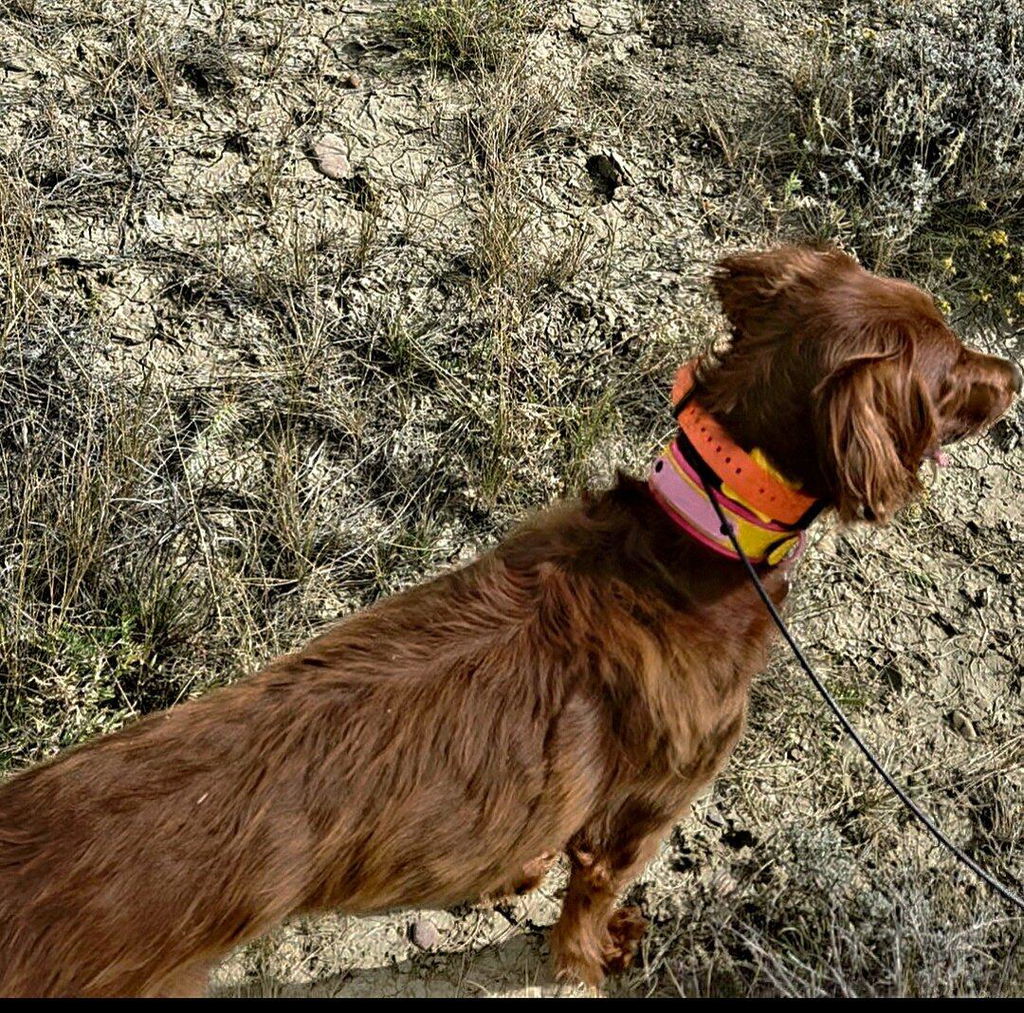
An eager-to-please dog may only need a flat collar, harness, and consistent reinforcement. A strong puller may need a harness or head halter plus training. A working dog using compatible equipment may need a collar platform that supports the receiver setup.
How to Fit a Training Collar Correctly
- Measure your dog's neck where the collar will sit.
- Choose a collar that fits near the middle of its adjustment range.
- Buckle the collar and check that two fingers fit between collar and neck.
- Make sure the collar cannot slip over the head.
- Watch your dog walk, turn, sit, and lower their head.
- Check for redness, hair breakage, rubbing, coughing, or discomfort after use.
The American Kennel Club notes that for large-breed dogs, you should be able to fit two fingers between the dog's skin and the collar. Recheck fit after grooming, weight changes, wet coat days, and seasonal shedding.
Hoss Straps Training Collar Setup: Built for Big Dogs and Outdoor Use
If you need a durable collar system for a large dog that trains or works outside, Hoss gives you a straightforward path.
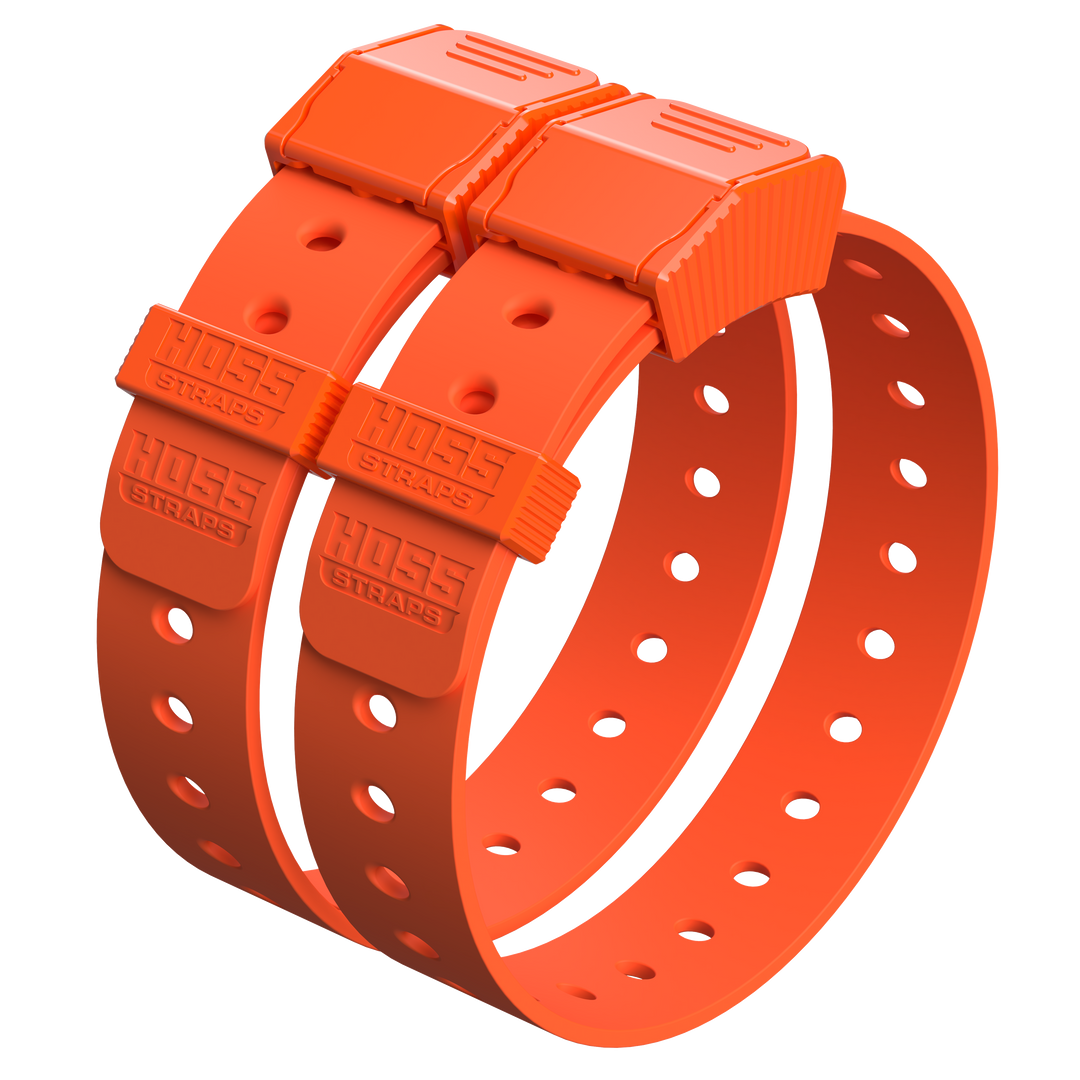
The Hoss Training Collar Setup includes the D-Ring Dog Collar and the Training Collar Adapter Kit. The Garmin device is sold separately.
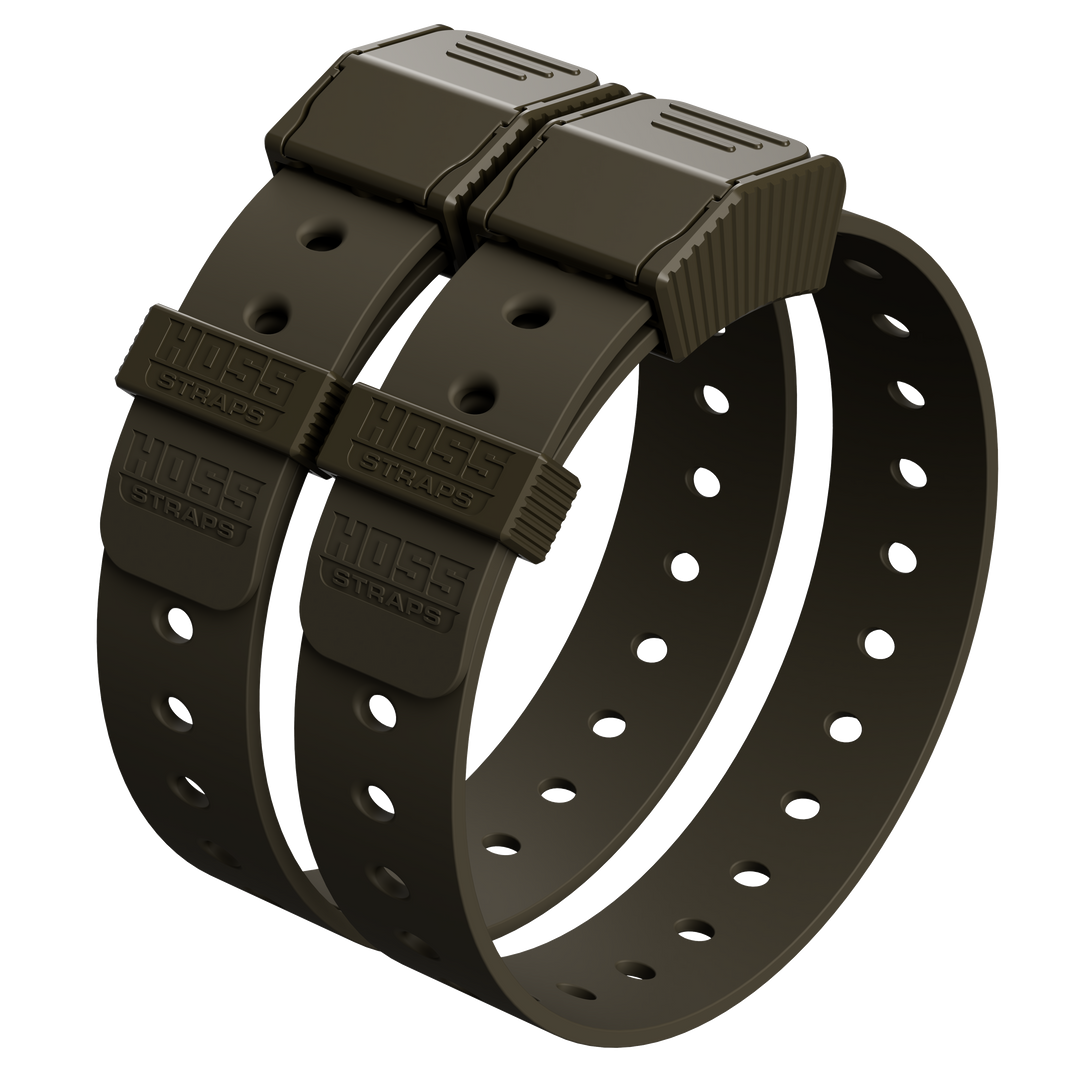
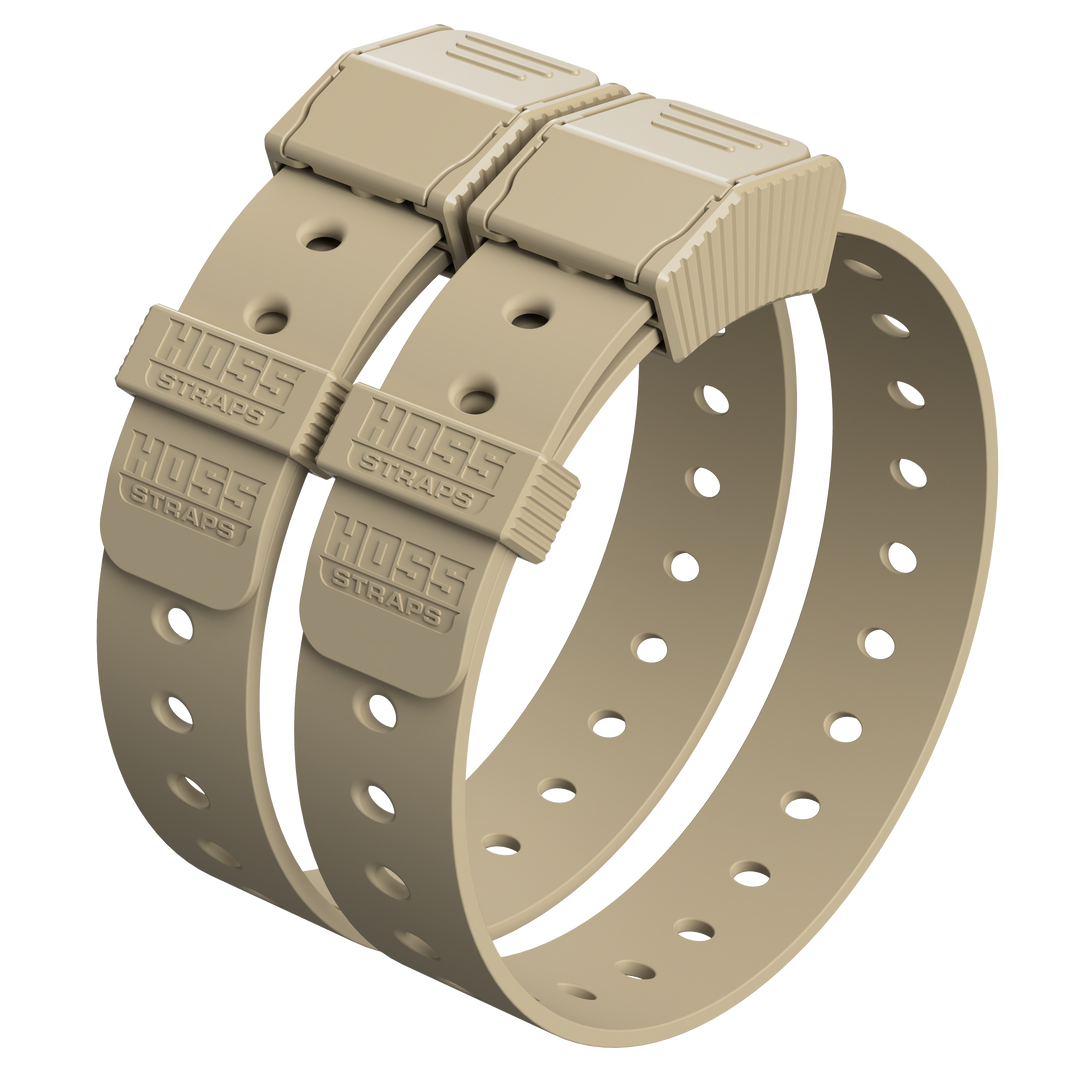
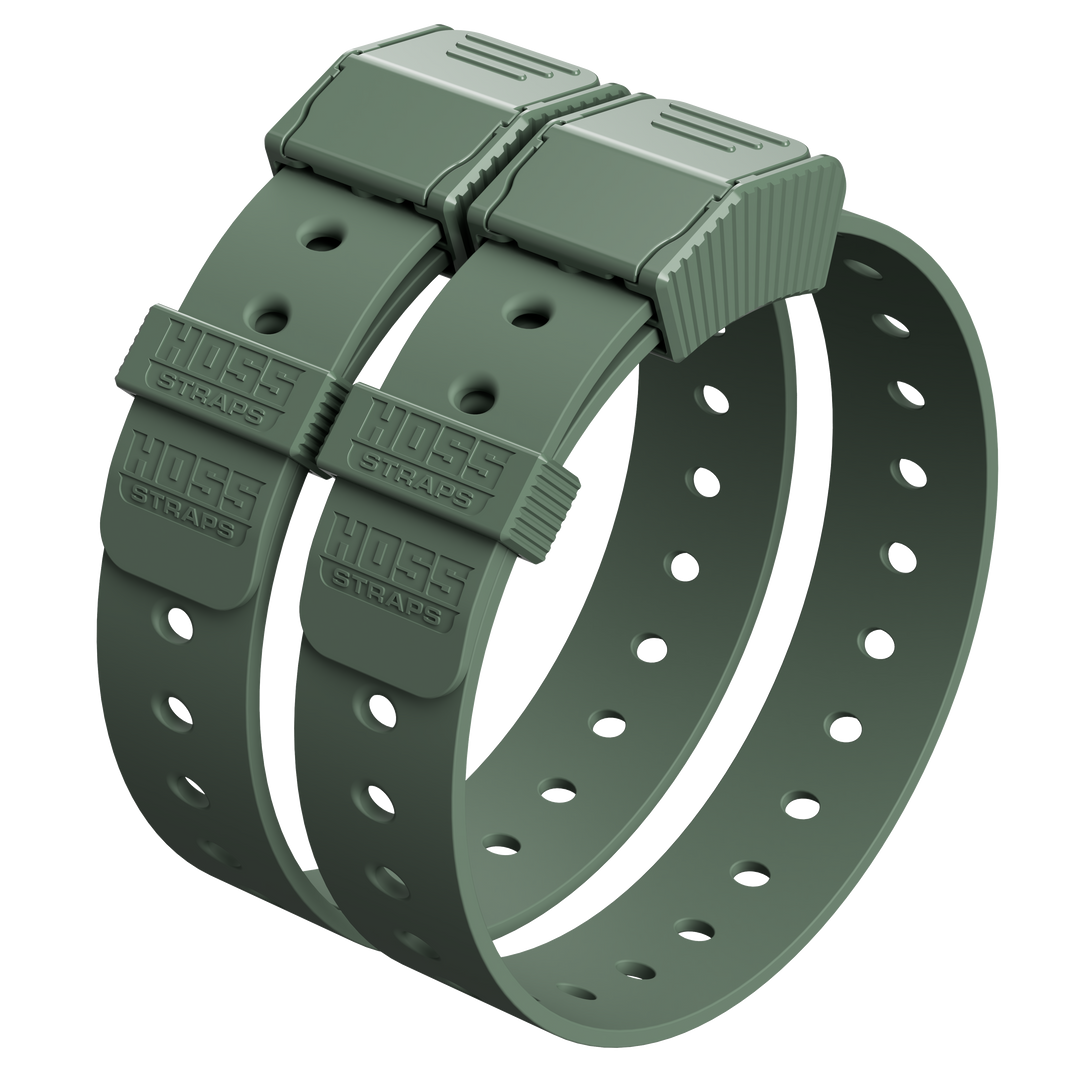
The Hoss D-Ring Dog Collar is built with weatherproof construction, quick-release handling, a clear D-ring attachment point, a 1 1/16-inch strap width, and fit up to a 22-inch neck size. It is listed as compatible with Tractive GPS Trackers and select Garmin training modules.
For harder-use routines, compare K9 Dog Collars. For wet, muddy, or frequent-cleaning days, review Weatherproof Dog Collars. For everyday options, start with Dog Collars.
Tips for Training Success With a Collar
- Use positive reinforcement alongside any gear choice.
- Introduce new equipment gradually with treats and calm handling.
- Do not use a training tool to punish confusion.
- Remove specialty collars when not actively training or supervised.
- Use a harness or head halter when pulling makes neck pressure unsafe.
- Consult a certified, reward-based trainer for serious pulling, reactivity, or behavior concerns.
Gear should make communication clearer. It should not replace training.
Making Your Final Choice
| Your Priority | Best Direction | Hoss Starting Point |
|---|---|---|
| Durable everyday collar | Weatherproof flat or D-ring collar | Dog Collars |
| Outdoor and working-dog use | Stronger collar platform and hardware | K9 Dog Collars |
| Compatible Garmin-style setup | Collar plus adapter path | Training Collar Setup |
| Dog pulls hard on leash | Training plus well-fitted harness or head halter | Use collar for ID and choose walking tool separately |
Measure carefully, fit the collar correctly, and choose the tool that matches the dog in front of you. Big dogs do not need harsher gear. They need better fit, stronger materials, clear handling, and consistent training.
FAQ
1. What size training collar does my large dog need?
Measure your dog's neck where the collar will sit, then choose a collar with an adjustment range that includes that number near the middle. For large dogs, use the two-finger fit check before daily wear.
2. Are electronic training collars safe for large dogs?
They carry risk if misused and should only be considered with qualified professional guidance. They should not be used to punish confusion or teach brand-new behaviors. Reward-based training should be the foundation.
3. How often should I check my dog's collar fit?
Check weekly for adult dogs and more often for puppies. Recheck after grooming, wet coat days, weight changes, and seasonal coat changes.
4. Can I use a training collar for everyday walks?
A flat or D-ring collar can work for everyday ID and calm walks. Specialty tools such as e-collars, prong collars, or head halters should only be used during supervised training or handling, and only when they are fitted and introduced correctly.
5. How do I know if my training collar setup is working?
You should see gradual improvement in leash manners, recall, or response to known cues without fear, avoidance, coughing, rubbing, or increased stress. If progress stalls or behavior worsens, consult a qualified reward-based trainer.