


How to Choose the Best Training Collar for Small Dogs?

Check out our training collar setup, D-ring dog collar, and easy dog collars built for comfort.
Training a small dog requires careful collar selection. Small dogs have smaller necks, lighter frames, and sometimes a surprising talent for backing out of gear that does not fit right.
The best training collar for a small dog is not the heaviest or most complicated one. It is the collar that fits securely, feels comfortable, keeps ID in place, and supports training without putting unnecessary pressure on the neck.
Table of Contents
- 1. Consider Your Dog's Size and Breed
- 2. Focus on Comfort and Fit
- 3. Prioritize Safety Features
- 4. Evaluate Material and Durability
- 5. Ease of Use and Training Effectiveness
- 6. Additional Features to Consider
- 7. Why Hoss Straps Is a Strong Choice
- FAQ
1. Consider Your Dog's Size and Breed
Small dogs need proportionate gear. A collar that works on a large dog can feel bulky, stiff, or heavy on a toy breed or small puppy.
Most small dogs do best with a lighter, slimmer collar that sits flat and does not overwhelm the neck. Dogs under 20 pounds often need narrow collar widths, but the exact size depends on the dog’s neck measurement, coat, and head shape.
| Small Dog Type | Fit Priority | Watch-Out |
|---|---|---|
| Toy breeds | Lightweight hardware and low-bulk strap | Heavy tags and buckles can feel oversized fast. |
| Long-bodied breeds | Stable fit that does not twist during movement | Collar rotation can rub or pull hair. |
| Slim-headed dogs | Extra slip checks before walks | Some dogs can back out of standard flat collars. |
| Growing puppies | Adjustability and frequent fit checks | A collar that fit last week may be tight today. |
If your small dog slips collars easily, talk with a trainer or vet about the safest setup. For some dogs, a harness or properly fitted limited-slip collar may be a better tool for walks.
2. Focus on Comfort and Fit
Comfort is foundational to training. A collar that rubs, pinches, or swings too much can distract your dog from learning and make the collar feel like a problem.
The AKC Shop measuring guide recommends measuring neck circumference and using the two-finger rule for collar fit. For small dogs, you may need slightly less slack than you would for a large breed, but the goal stays the same: snug, not tight.
| Fit Check | Good Result | Adjust If... |
|---|---|---|
| Finger check | You can fit fingers under the collar without forcing. | The collar pinches, lifts away, or feels loose enough to slip. |
| Slip check | The collar cannot slide over the head with steady pressure. | Your dog can back out of it. |
| Movement check | The collar stays flat and stable as your dog walks. | It spins, rides into the jaw, or drops toward the shoulders. |
| Skin check | No redness, hair loss, coughing, or scratching. | Your dog scratches, coughs, or avoids the collar. |
Check fit often. Small dogs can change fit after grooming, weight changes, or seasonal coat shifts.
3. Prioritize Safety Features
Safety should drive every decision. Your collar should prevent escape, stay comfortable, and match the activity.
VCA notes that collars or harnesses that are too loose can allow escape, and also explains that breakaway collars can be useful for supervised play but may be risky for leash walking if clipped incorrectly.
| Safety Feature | Why It Helps | What to Check |
|---|---|---|
| Secure buckle | Prevents accidental opening during normal movement. | Buckle should click cleanly and stay closed. |
| Quick on/off handling | Makes training sessions and transitions easier. | You should be able to remove the collar without a struggle. |
| Smooth hardware | Reduces rubbing and snag points. | No sharp edges, rough rings, or cracked buckles. |
| Stable D-ring | Holds leash and ID connection securely. | Ring should not feel thin, bent, or loose. |
If your small dog pulls hard, use the collar for ID and consider a harness for leash work. AKC notes that harnesses can help reduce pressure on the throat for dogs that tug, which can matter for small breeds.
4. Evaluate Material and Durability
Your collar may face mud, water, repeated adjustments, and daily wear. Material choice affects comfort, cleanup, odor, and lifespan.
| Material | Why Owners Choose It | Watch-Out |
|---|---|---|
| Nylon | Lightweight, affordable, and familiar. | Can hold odor if it stays wet or dirty. |
| Coated webbing | Waterproof feel, easy cleaning, and outdoor durability. | Check edges and hardware quality. |
| Neoprene padding | Soft feel for sensitive necks. | Can take longer to dry if soaked. |
| Leather | Classic look and broken-in feel over time. | Needs more care and may not be ideal for wet outdoor routines. |
The official BioThane FAQ describes coated webbing as polyester webbing with a TPU or PVC coating that is durable, waterproof, and easy to clean. For small dogs that hike, splash, or roll in wet grass, easy cleanup matters.
5. Ease of Use and Training Effectiveness
A training collar should not steal attention from the training. It should be easy to put on, easy to adjust, and comfortable enough that your dog can focus on you.
Look for:
- Simple buckle action you can use quickly
- Adjustment that stays put
- A D-ring that is easy to clip
- Hardware that does not swing heavily under the chin
- A strap width that matches your dog’s size
For small dogs, training success usually comes from clear cues, short sessions, and rewards. The collar supports the routine, but it does not replace the work.
6. Additional Features to Consider
| Feature | Useful If... | Skip If... |
|---|---|---|
| Extra D-ring | You need separate spaces for leash and ID. | It adds clutter or weight to a tiny collar. |
| Weatherproof strap | Your dog gets wet, muddy, or dirty often. | Your dog mostly wears the collar indoors for ID. |
| Reflective detail | You walk early, late, or near traffic. | You already use a separate light or visibility setup. |
| Removable buckle | You want custom color combinations or easier replacement. | You prefer the simplest possible collar build. |
Small-dog gear should stay simple. Extra features are only useful when they solve a real problem.
7. Why Hoss Straps Is a Strong Choice
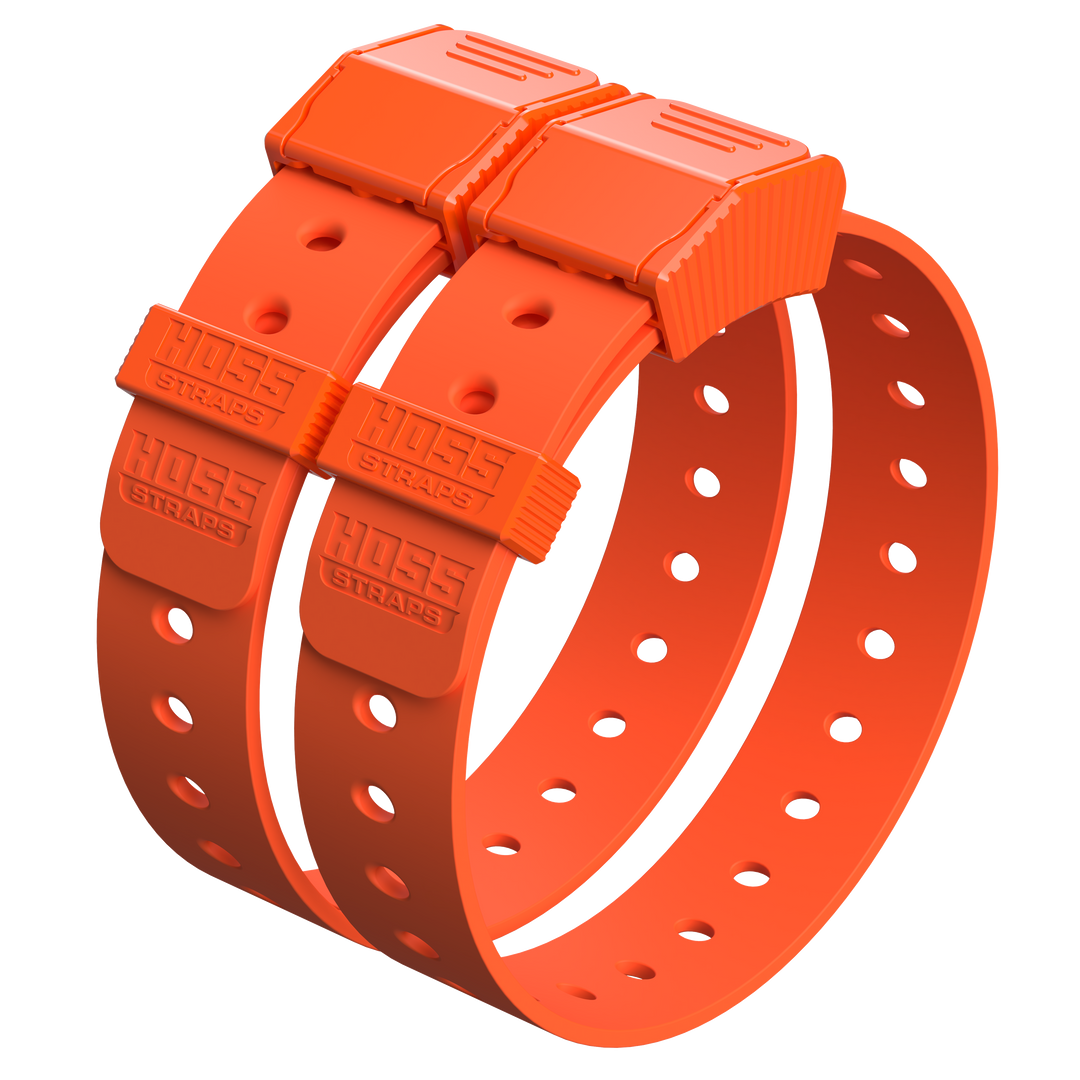
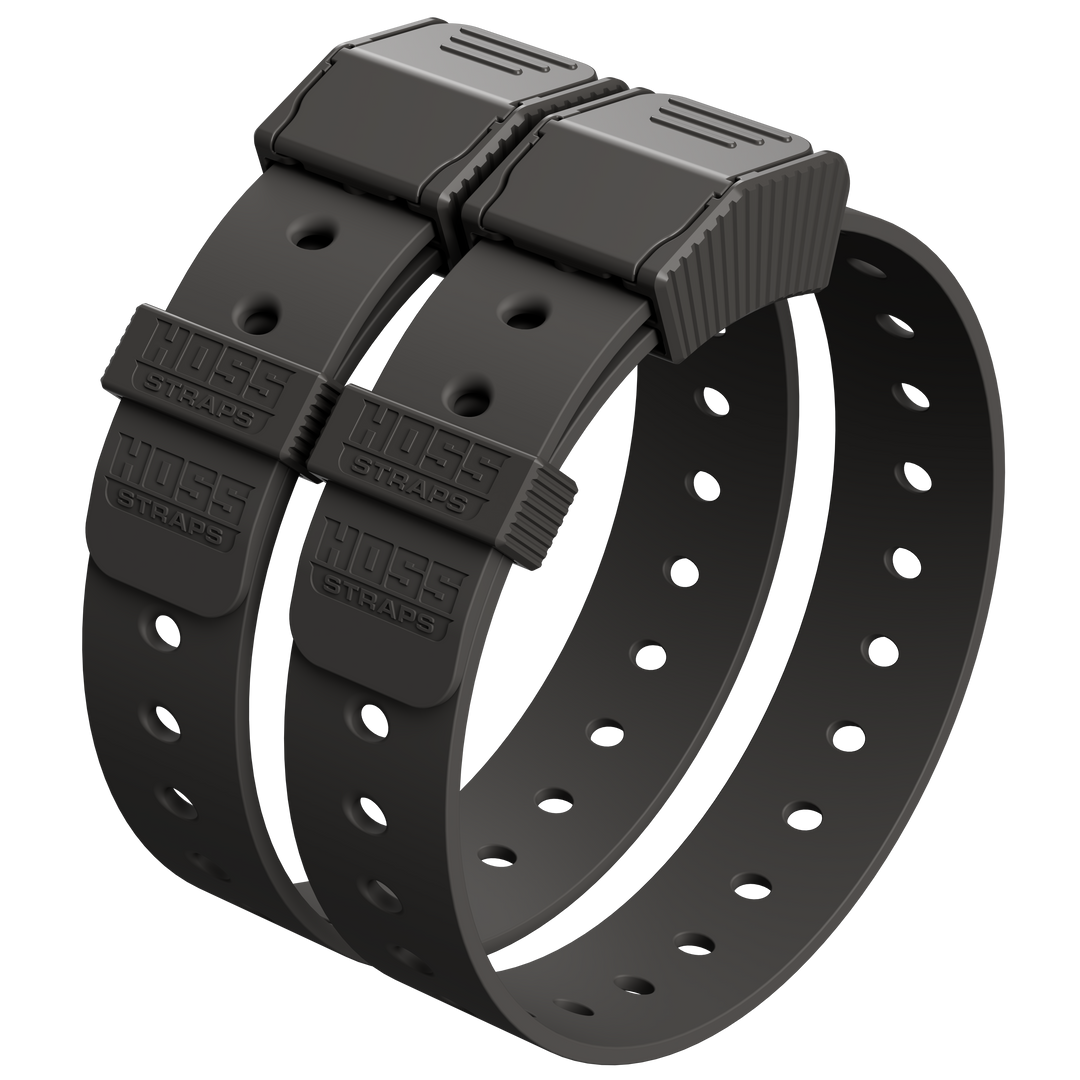
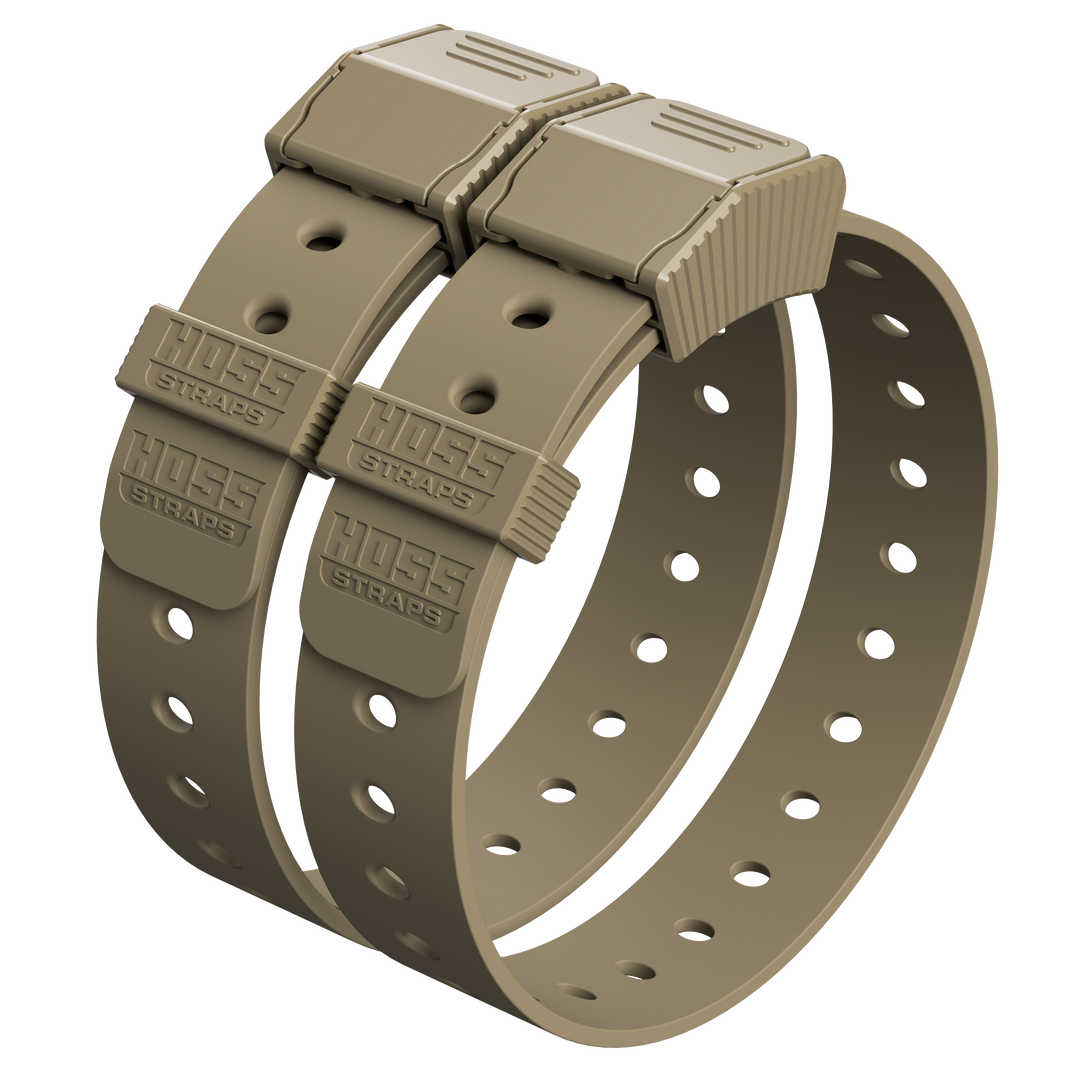
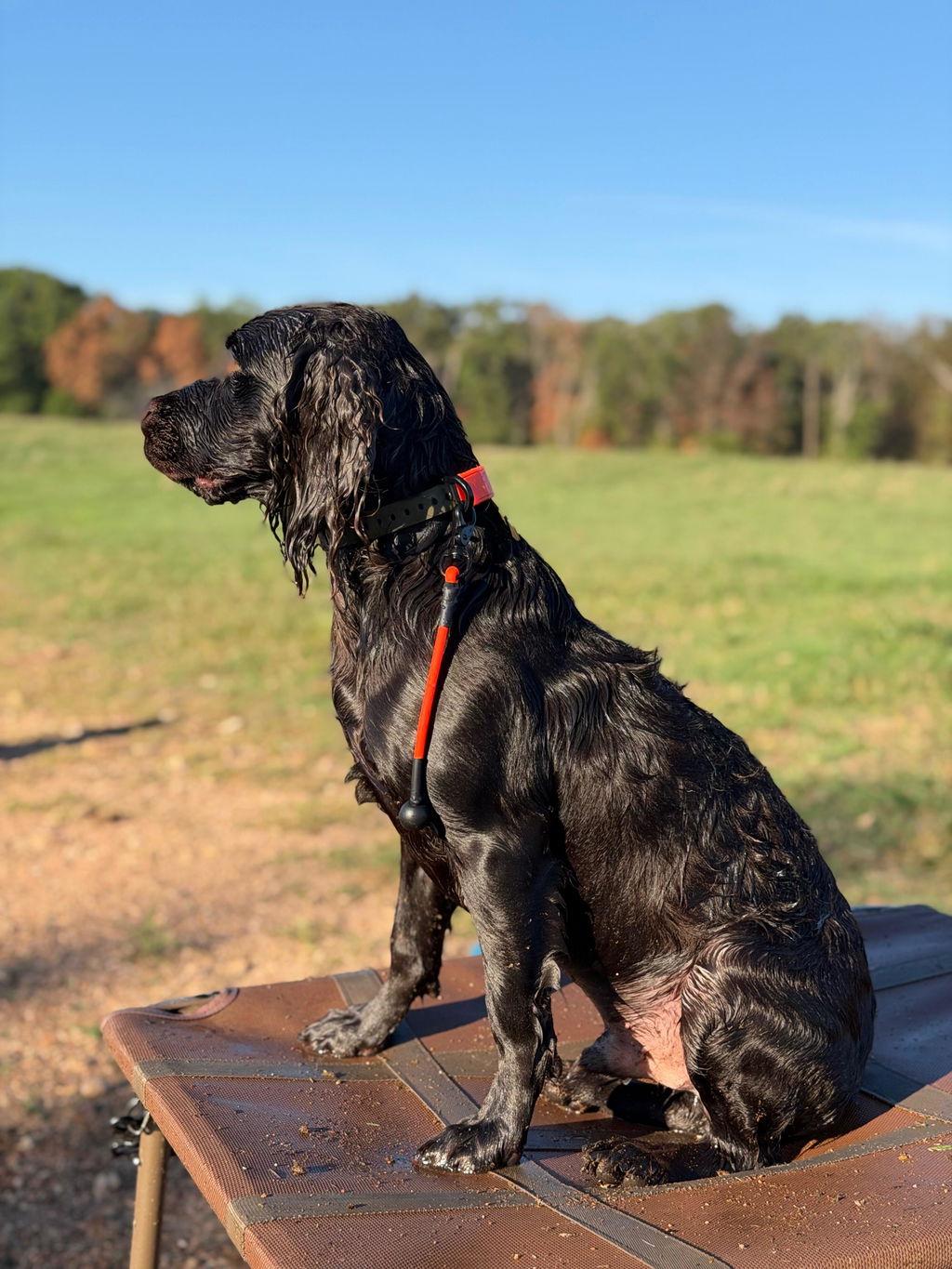
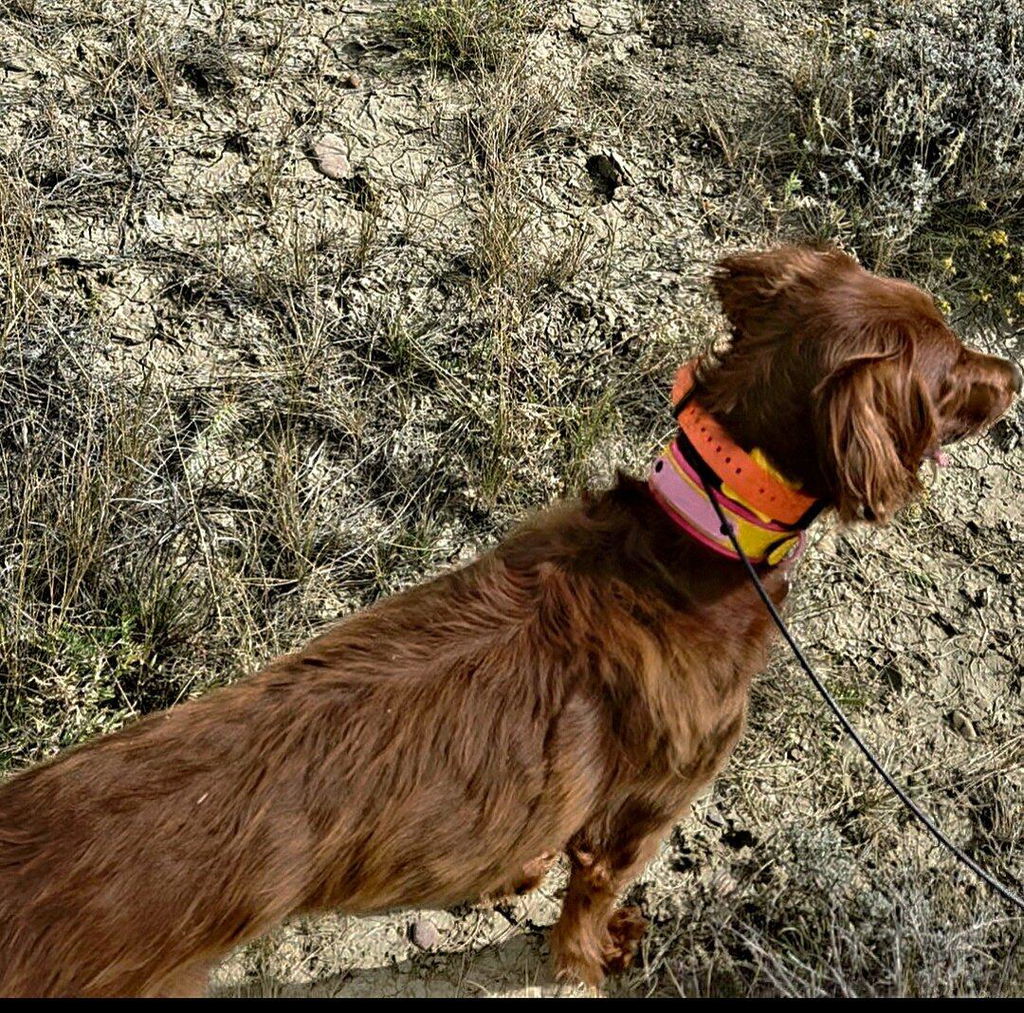
Hoss Straps Dog Collars are built for real dogs living real days: rain, dirt, training, walks, and outdoor movement.
- 100% weatherproof materials
- Easy on/off collaring
- Quick-release buckle that clicks into place
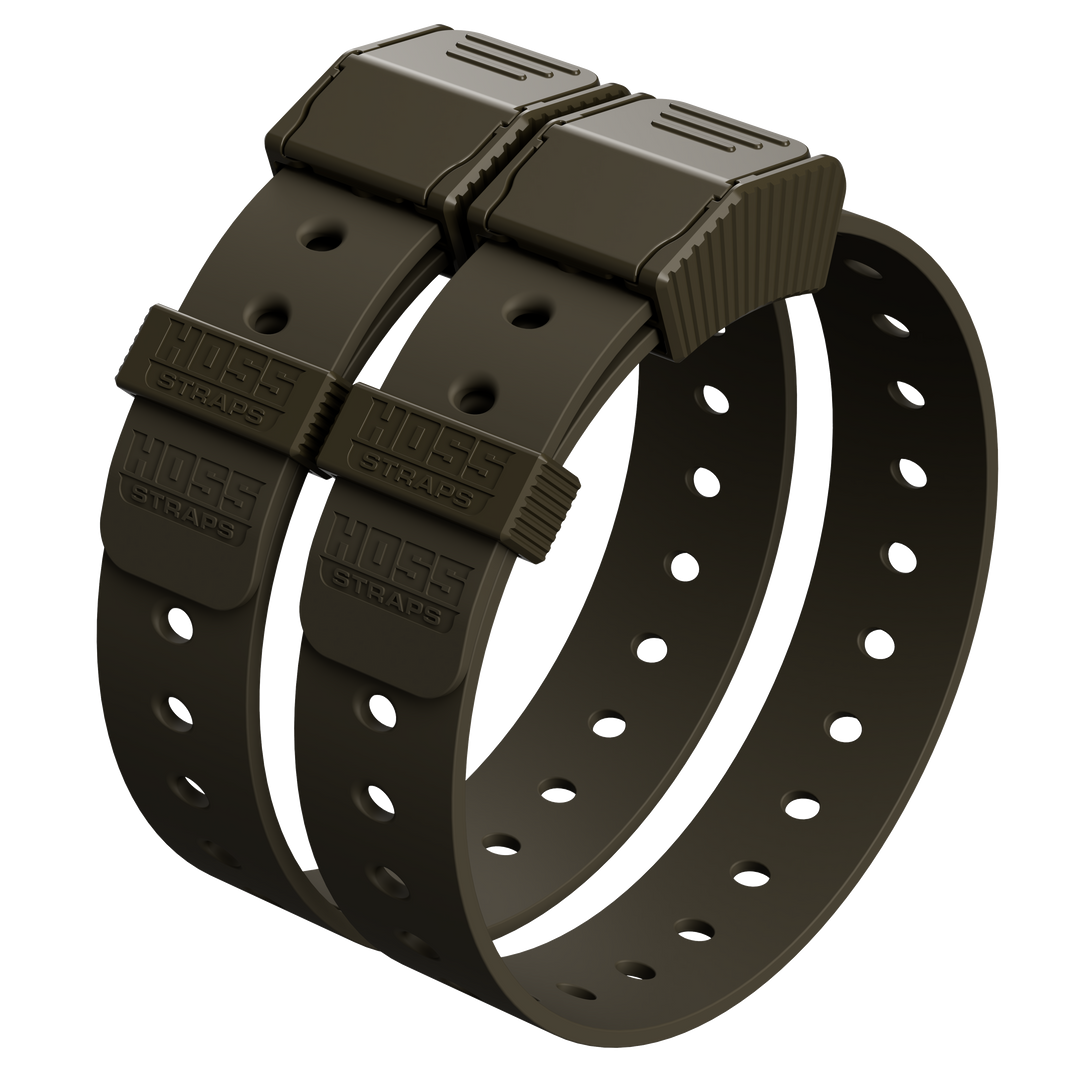
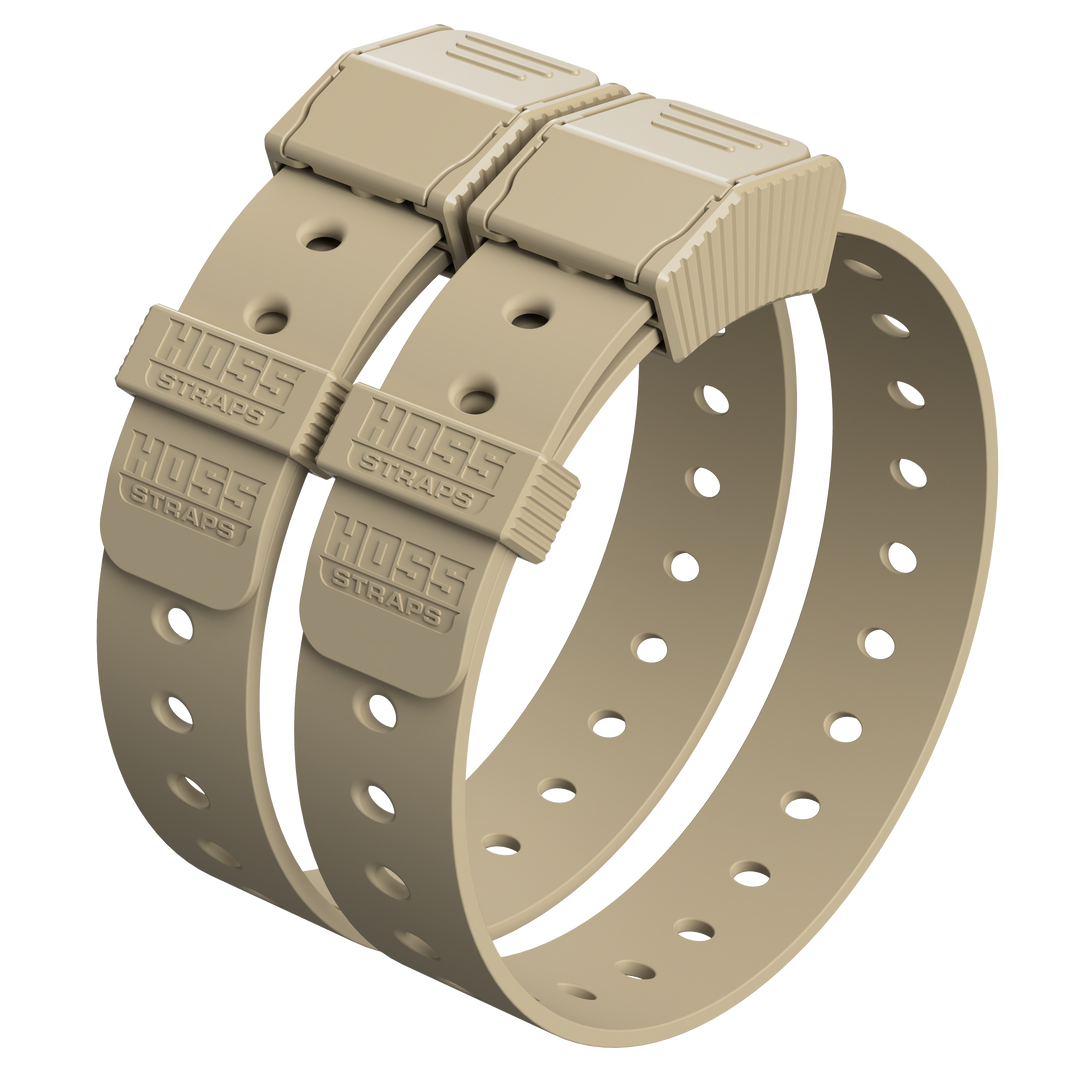
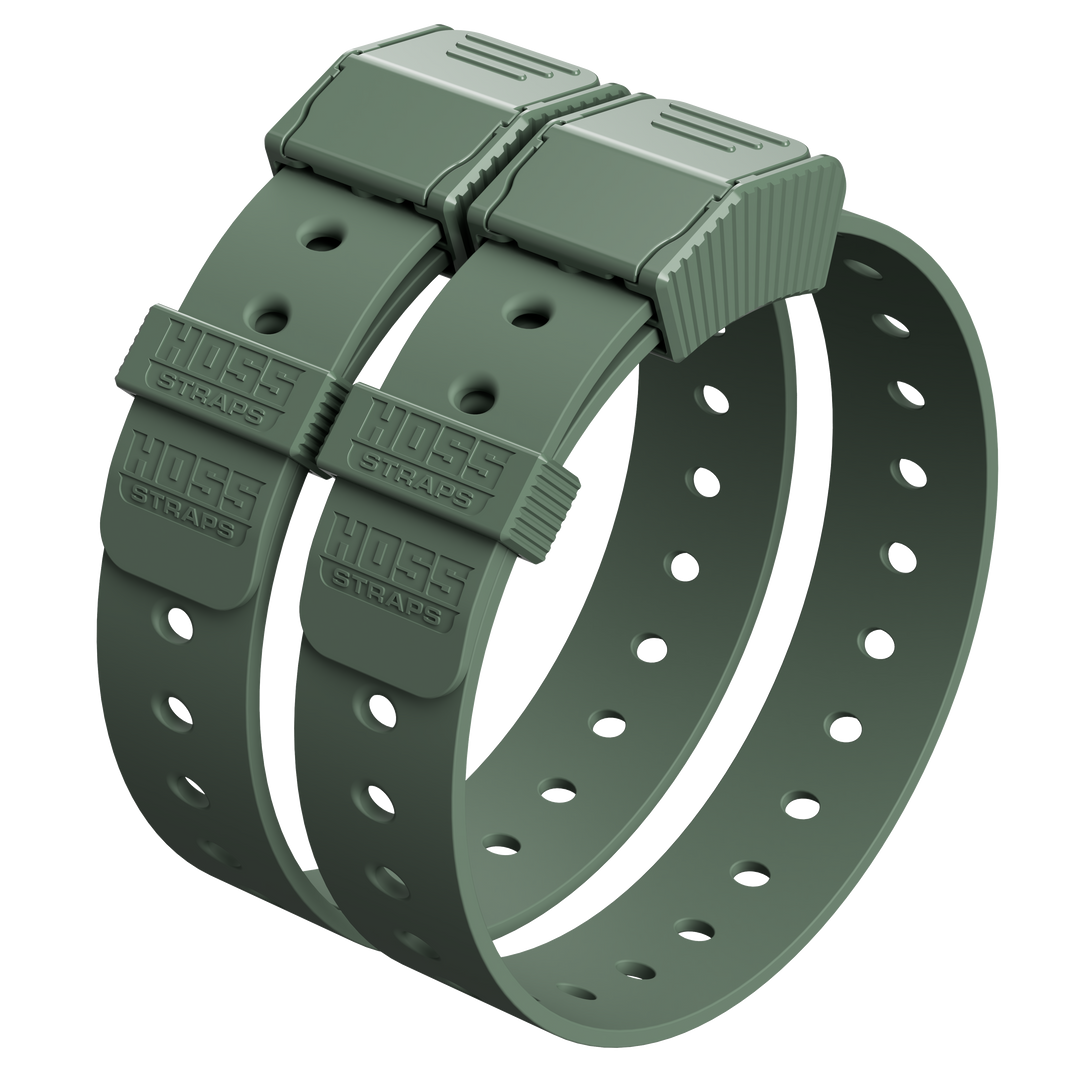
- Removable buckle for custom color combinations
- Secure D-ring for leash and ID tags
- Adjustable fit up to a 22-inch neck size
For small dogs, the right choice is always the one that fits correctly and stays comfortable. Measure first, check fit often, and choose gear that keeps the routine simple.
Explore Hoss Straps Dog Collars and choose the setup that fits your dog’s size, training goals, and outdoor life.
FAQ: Training Collars for Small Dogs
What size collar does my small dog need?
Measure your dog’s neck with a soft measuring tape and match that number to the collar’s adjustable range. Most small dogs need a lighter, narrower collar, but neck measurement matters more than breed or weight.
How do I know if a collar fits correctly?
Use a snug-but-comfortable fit check. You should be able to fit fingers under the collar without forcing, and the collar should not slide over your dog’s head or spin freely.
Can I leave a training collar on all day?
For most dogs, collars should be removed during unsupervised snag-risk situations such as crate time or rough play. If you are using a specialized training collar, follow the product instructions and remove it when training is over.
What materials work best for outdoor small dogs?
For water-loving or muddy dogs, coated webbing and other waterproof materials are easy to rinse and quick to clean. Nylon is lightweight and common, while leather needs more care around water.
When should I upgrade to a better collar?
Upgrade when you notice fraying, cracked buckles, loose hardware, poor fit, odor that will not wash out, or a training routine that needs a more durable outdoor collar.