


How to Clean and Condition Leather Dog Collars: Step-by-Step Routine
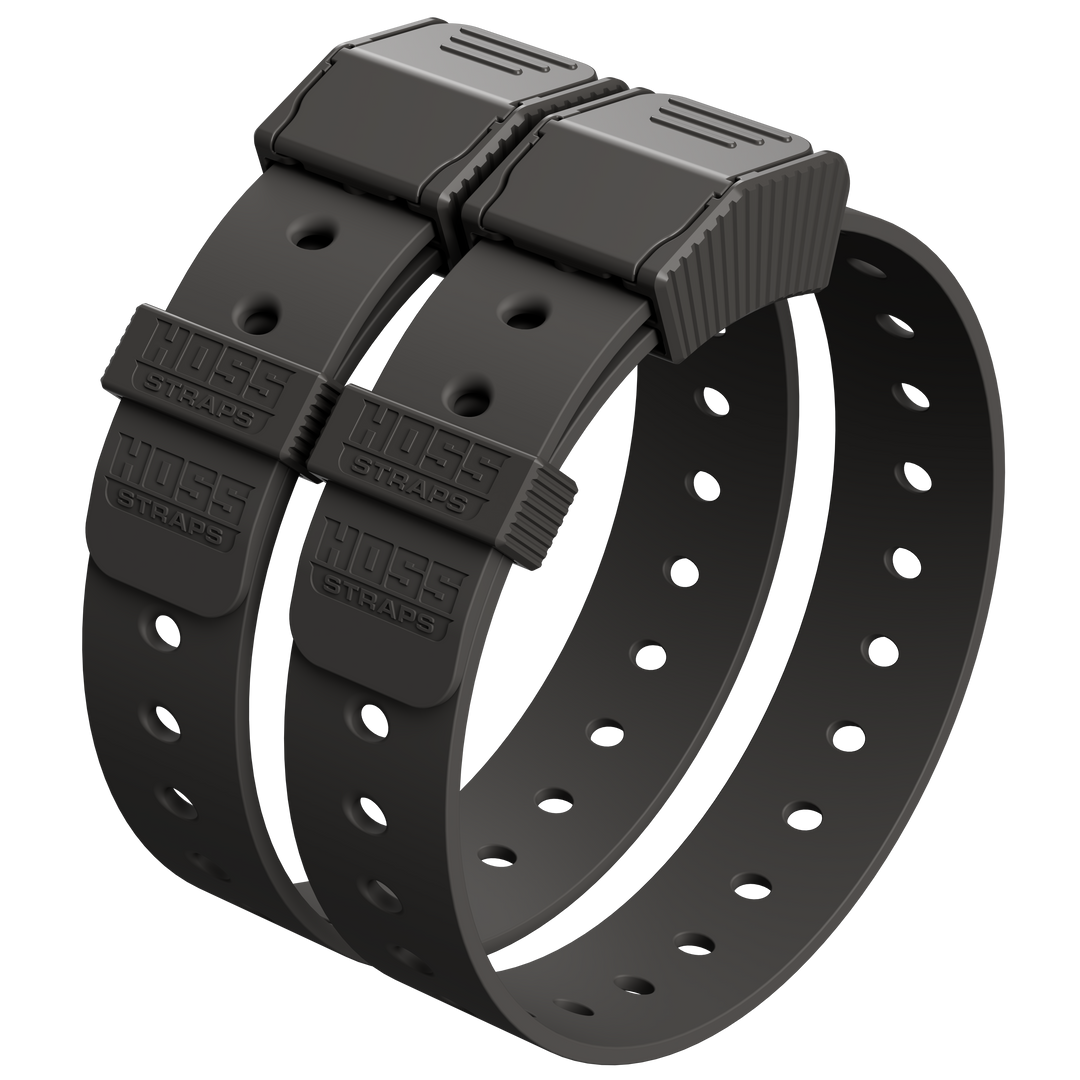
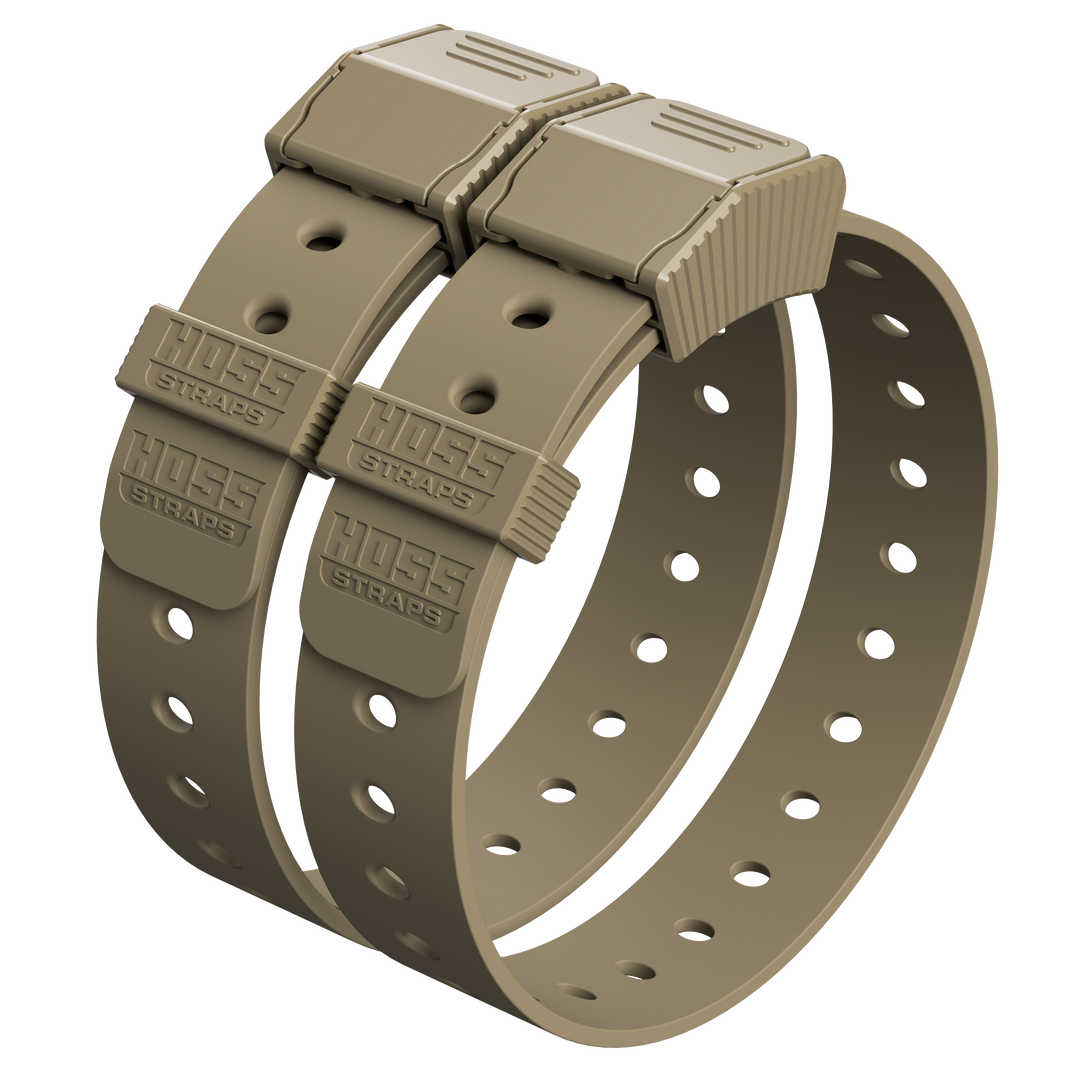
Check out our training collar setup, D-ring dog collar, dog collars, and more. A leather dog collar can last a long time if you treat it like leather, not like a towel. The goal is simple: get grit off, clean without soaking, dry slowly, then add back a little moisture so the leather stays flexible. This guide walks through a simple leather collar care routine, plus what to do about mud, salt stains, mildew, stiffness, and fit after cleaning. Leather care works best when you stay gentle. Too much water, heat, soap, or conditioner can shorten the collar’s life instead of helping it. Before you add moisture, knock off dirt with a dry cloth or soft brush. This keeps you from grinding grit into the leather. Dampen a cloth, but do not soak it. Add a tiny amount of leather-safe soap or cleaner to the cloth and work in small circles on the dirty areas. Use a clean damp cloth to wipe off leftover soap. If soap stays on the leather, it can dry the surface and attract more grime. Lay the collar flat on a towel or hang it where air can move around it. Keep it out of direct sun and away from heat vents. When the collar is fully dry, bend it gently. Conditioner can darken leather. Test the underside first and wait to see how the leather reacts. Put a small amount of conditioner on a cloth and rub it into the leather. Keep it light. The collar should not feel soaked or greasy. Give the collar time to absorb the conditioner, then buff off any extra with a clean cloth so the surface does not stay slick. Let the collar sit until it feels dry to the touch before it goes back on your dog. There is no perfect calendar because leather collars live different lives. Use this as a practical starting point. The best rule: clean when the collar is dirty, condition when the leather feels dry, and never put a damp leather collar back on your dog. Let mud dry first. Brush it off, then wipe with a damp cloth. Save soap for dirt that will not come off with water. Winter road salt and coastal exposure can leave white marks and dry leather out. Clean the area evenly instead of scrubbing one spot hard. Test any cleaner or home method on the underside before using it on the visible surface. If you see mildew, clean promptly and avoid wearing the collar until it is handled. The University of Missouri Extension recommends diluted alcohol for removing mildew from leather goods, followed by drying in moving air. Test first, work in a ventilated area, and avoid harsh handling on finished leather. Stiff usually means dry. Clean the collar, let it dry fully, then condition lightly. If the collar is cracking, shedding, splitting, or tearing at the holes, replace it. When the collar is clean and dry, check the fit again. Cleaning, drying, and conditioning can slightly change how leather feels and sits. The AKC describes the two-finger fit check as a practical collar fitting rule. You should be able to slide two fingers under the collar on larger dogs, and less slack may be needed for smaller dogs. A collar is the base layer for your dog’s daily life. Leather can be a good fit when you are ready to maintain it, but wet, muddy, and rinse-and-go routines often call for something simpler. If you want a dependable everyday collar that is easy to clean after walks, rain, mud, and daily wear, take a look at Hoss Straps Dog Collars. They are built for real use with 100% weatherproof materials, quick on/off collaring, a secure D-ring, and adjustable fit up to a 22-inch neck size. You can, but go easy. Use it only when plain wiping will not cut it, wipe off residue, and let the collar air dry fully before conditioning. Dry it slowly at room temperature with good airflow. Keep it away from direct heat, direct sun, dryers, heaters, and hair dryers. Condition when the leather feels dry or stiff, not just because the calendar says so. Dogs that swim, get rained on, or see winter salt may need conditioning more often. Start with a wipe-down and a light clean, then let it dry completely in open air. If you see mildew, clean it promptly and keep moisture low. Replace it if the leather is cracking, splitting near the holes, tearing, staying stiff after care, or if the buckle, D-ring, or rivets are damaged.
Table of Contents
Quick Answer: The Safe Routine in 60 Seconds
What You Need Before You Start
Simple supplies
What not to use on leather collars
Step-by-Step: Clean a Smooth Leather Collar the Right Way
Step 1: Remove loose grit
Step 2: Spot clean the dirty zones
Step 3: Wipe off residue
Step 4: Air dry at room temperature
Step 5: Check stiffness
Step-by-Step: Condition a Leather Collar
Step 1: Test a small hidden area
Step 2: Apply a thin layer
Step 3: Let it absorb, then buff
Step 4: Let it rest
How Often Should You Clean and Condition?
Situation
Quick Wipe
Clean
Condition
Normal walks
Weekly
When dirty
When the leather feels dry
Mud, rain, or creek days
After the outing
Same day if needed
After it dries, if it feels stiff
Winter road salt or coastal air
After exposure
Same day
After cleaning and drying
Storage between seasons
Before storing
If dirty
Lightly, if dry
Fix Common Problems Without Ruining the Collar
Problem
What to Do
What to Avoid
Mud and grit
Let mud dry, brush it off, then wipe with a damp cloth.
Scrubbing wet mud deeper into the leather.
Salt stains
Clean evenly with a lightly damp cloth and a leather-safe cleaner. Use vinegar methods carefully and only when appropriate for the leather.
Soaking one spot or using strong acidic mixtures without testing.
Mildew spots
Clean in a ventilated area and keep moisture low.
Putting a mildewed collar back on your dog before it is fully cleaned and dry.
Stiff leather
Clean, dry fully, then condition lightly.
Overloading the collar with conditioner.
Cracking or splitting
Replace the collar.
Trusting damaged leather for daily safety.
Mud and grit
Salt stains
Bad smells or mildew spots
Stiff leather
Fit and Comfort Check After Cleaning
Common Mistakes That Shorten a Leather Collar’s Life
Need a Solid Collar for Everyday Wear?
FAQ
Can I use saddle soap on a leather dog collar?
How do I dry a leather collar without cracking it?
How often should I condition a leather collar?
What should I do if my leather collar smells bad?
What are signs a leather collar needs to be replaced?