


How to Put a Collar on a Dog Safely When They Won't Stay Still

Check out our training collar setup, D-ring dog collar, easy dog collars, and more.
Getting a collar on a fidgety or anxious dog can feel like a wrestling match. Your dog darts away, twists their head, freezes, or ducks the second your hand moves toward their neck.
The fix is not force. It is a calmer setup, better timing, and a step-by-step routine that teaches your dog the collar is normal gear, not a threat.
Table of Contents
- Why Dogs Resist Wearing Collars
- Prevention: Prepare Before the Collar Moment
- Step-by-Step: Put the Collar On Safely
- Read Your Dog's Body Language
- The Two-Finger Fit Check
- Common Mistakes to Avoid
- When to Seek Professional Help
- The Role of Quality Equipment
- FAQ
Why Dogs Resist Wearing Collars
Before you solve the problem, it helps to understand what might be driving it. Dogs often resist collars because the collar predicts something stressful, uncomfortable, or confusing.
| Possible Cause | What It Looks Like | What Helps |
|---|---|---|
| Negative association | Your dog hides when the collar appears or runs away when you reach for it. | Rebuild the association with treats, play, and short no-pressure sessions. |
| Poor fit | Your dog scratches, shakes, rubs the neck, or avoids the collar after wearing it. | Check size, edges, buckle placement, and collar weight. |
| Sensitive handling area | Your dog ducks, freezes, or turns away when you touch the neck. | Practice gentle neck touches before trying to buckle the collar. |
| Too much pressure | The dog escalates from avoidance to growling, snapping, or biting. | Stop and get help from a qualified positive reinforcement trainer or vet behavior professional. |
Young puppies may simply be unsure about a new sensation. Adult dogs may have learned that collar handling predicts leash corrections, vet visits, crate time, or being grabbed. Either way, patience beats wrestling.
Prevention: Prepare Before the Collar Moment
Desensitization starts early
Desensitization means introducing the collar gradually enough that your dog can stay calm. Start by placing the collar on the floor and letting your dog investigate it. Reward curiosity with treats or praise.
Then make the collar predict good things:
- Collar appears, treat appears.
- Dog sniffs collar, praise happens.
- Collar touches shoulder or neck briefly, reward follows.
- Collar goes away before your dog gets worried.
Short, easy repetitions build trust faster than one long, frustrating session.
Practice gentle neck handling
Before the collar goes on, your dog should be comfortable with your hand near their neck. During a calm moment, touch the side of the neck for one second, reward, and stop. Build slowly.
If your dog pulls away, yawns, freezes, or turns their head away, make the step easier. You are teaching cooperation, not testing tolerance.
Step-by-Step: Put the Collar On Safely
When you are ready to put the collar on, timing and setup matter.
| Step | What to Do | Why It Works |
|---|---|---|
| 1. Choose the right moment | Try after a walk, play session, meal, or calm indoor moment. | A calmer dog is easier to help without conflict. |
| 2. Prepare rewards first | Have treats or a favorite toy ready before you reach for the collar. | You can reward immediately instead of fumbling. |
| 3. Approach from the side | Avoid reaching straight over the head. | Side handling usually feels less threatening. |
| 4. Keep it brief | Slip the collar on or buckle it calmly, then reward. | Fast, gentle handling prevents the moment from turning into a struggle. |
| 5. End before frustration | Remove the collar after a short success if your dog is still learning. | Stopping while things are going well builds confidence for the next try. |
If your dog backs away, do not chase. Pause, reset, and make the next repetition easier.
Read Your Dog's Body Language
Your dog will usually show discomfort before they growl or snap. Learning those early signs helps you prevent escalation.
AKC guidance on dog body language notes that yawning and lip licking can signal stress. PetMD also explains that stressed dogs may look away, turn away, freeze, lip lick, yawn, pant, or avoid contact.
| Signal | What It May Mean | What to Do |
|---|---|---|
| Lip licking or yawning | Your dog may be uncomfortable or trying to self-calm. | Pause and make the step easier. |
| Turning head away | Your dog is asking for more space. | Stop reaching and reward calm behavior. |
| Freezing | Your dog may feel trapped or unsure. | Back off and restart with no collar pressure. |
| Growling, snapping, or biting | Your dog is over threshold. | Stop immediately and get professional help. |
Do not punish warning signs. They are information. If your dog says the process is too much, listen and slow down.
The Two-Finger Fit Check
A properly fitted collar makes a huge difference in comfort and acceptance. A collar that is too tight can rub and irritate. A collar that is too loose can slip off or twist.
AKC collar fit guidance describes the two-finger check as a practical way to confirm fit, with small dogs needing less slack than large dogs.
| Fit Check | Good Fit | Adjust If... |
|---|---|---|
| Two-finger check | Two fingers slide under comfortably. | You cannot fit two fingers, or the collar feels loose and sloppy. |
| Slip check | The collar cannot slide over the head with steady pressure. | Your dog can back out of it. |
| Comfort scan | No redness, hair pinching, coughing, or scratching. | Your dog reacts to the collar or the skin looks irritated. |
| Movement check | The collar stays stable when your dog walks and turns. | It spins freely, rides into the jaw, or drops toward the shoulders. |
Check fit weekly for puppies and regularly for adult dogs, especially after grooming, weight changes, or seasonal coat changes.
Common Mistakes to Avoid
- Rushing the process: moving too fast can reinforce fear.
- Using a poorly fitted collar: discomfort teaches your dog to avoid the collar.
- Grabbing from overhead: many dogs find this threatening.
- Skipping desensitization: dogs need time to understand new gear.
- Punishing resistance: fear-based handling makes the next attempt harder.
- Leaving collars on in snag-risk situations: collars can catch during crate time, rough play, or unsupervised activity.
AKC collar safety guidance notes that collar risk increases around crates, dog wrestling, and objects a collar can catch on. If in doubt, remove the collar during unsupervised snag-risk situations.
When to Seek Professional Help
If you have worked on calm collar handling for a couple of weeks with no progress, or your dog shows growling, snapping, biting, or extreme fear, get help. A certified positive reinforcement trainer, veterinary behaviorist, or your veterinarian can help you identify whether the issue is fear, pain, handling sensitivity, or the collar itself.
Also call your vet if you notice:
- Skin irritation
- Hair loss
- Neck pain
- Swelling
- Discharge or sores under the collar
The Role of Quality Equipment
The collar itself matters. A soft, stable, properly sized collar is easier for most dogs to accept than a bulky, rough, or poorly fitted one.
Look for:
- Smooth edges
- A secure buckle that is easy to use
- Low-bulk hardware
- Easy-clean material
- A size range that fits your dog without maxing out the adjustment
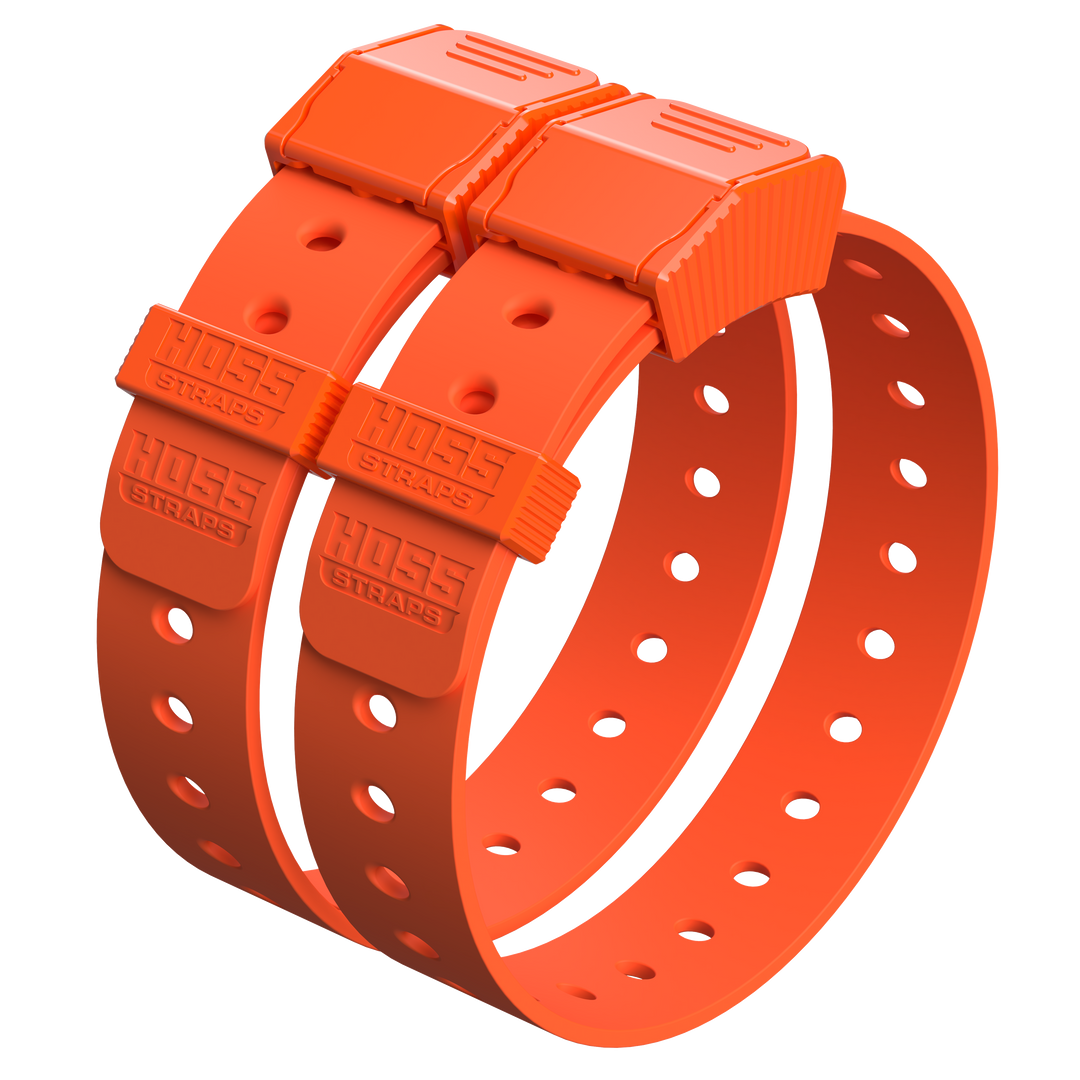
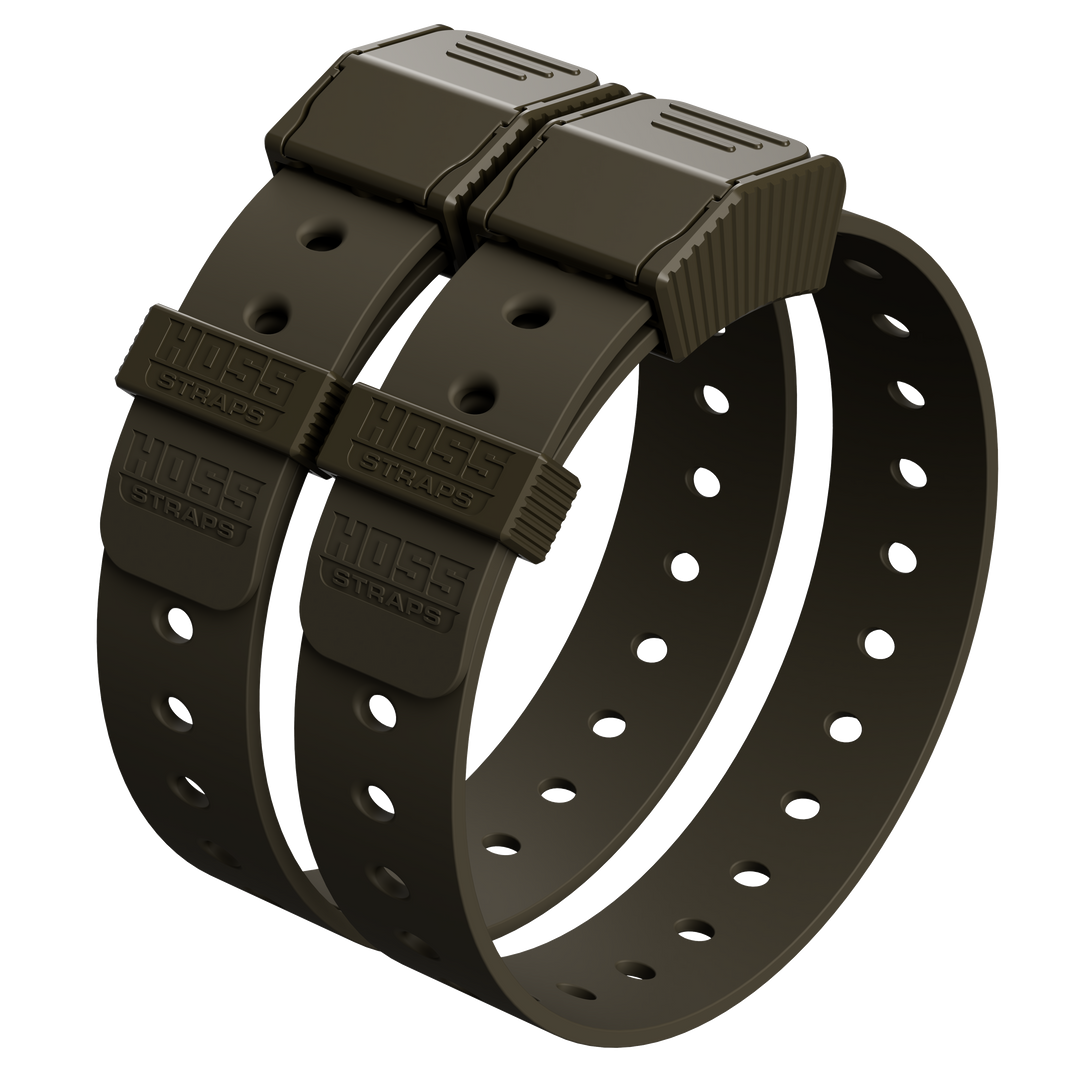
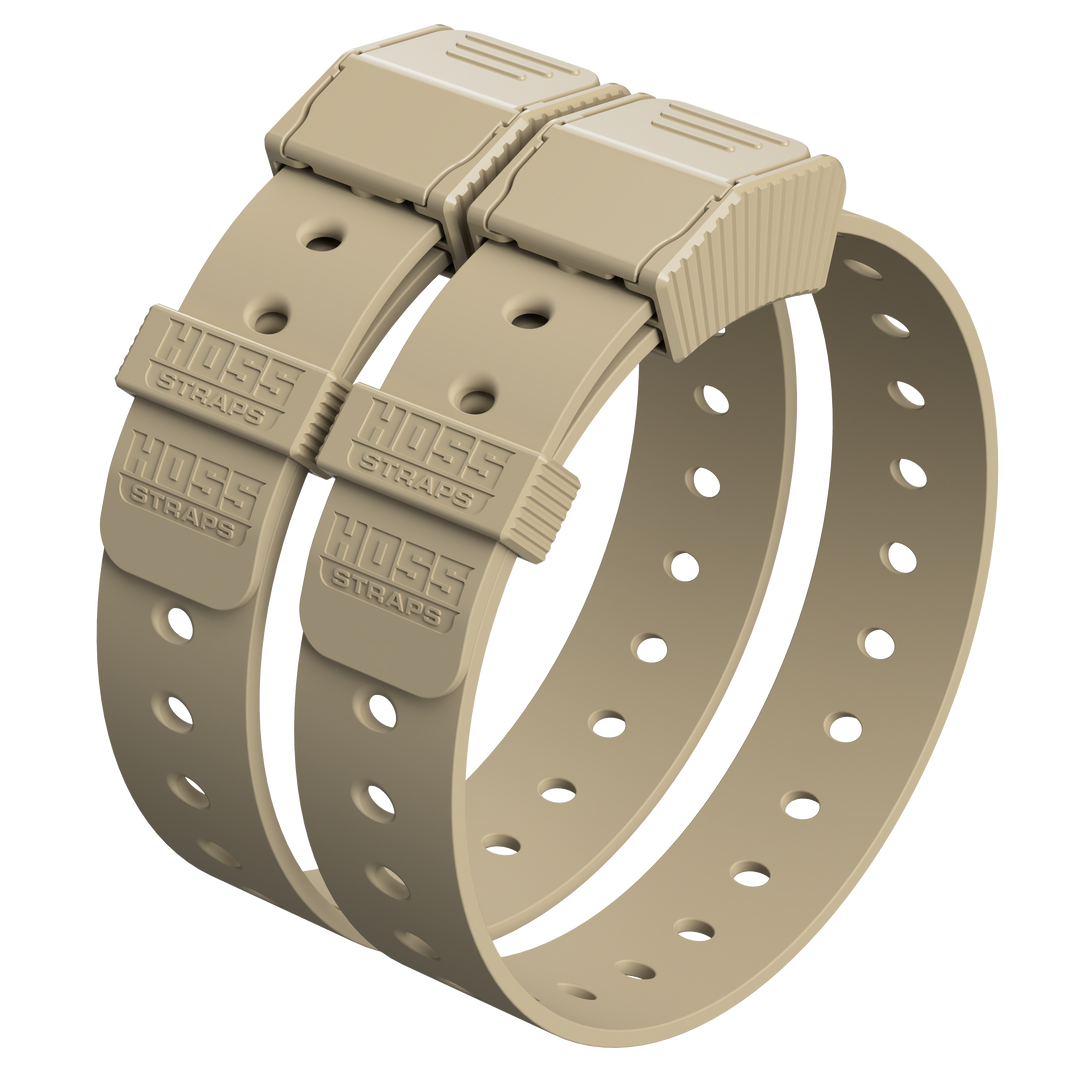
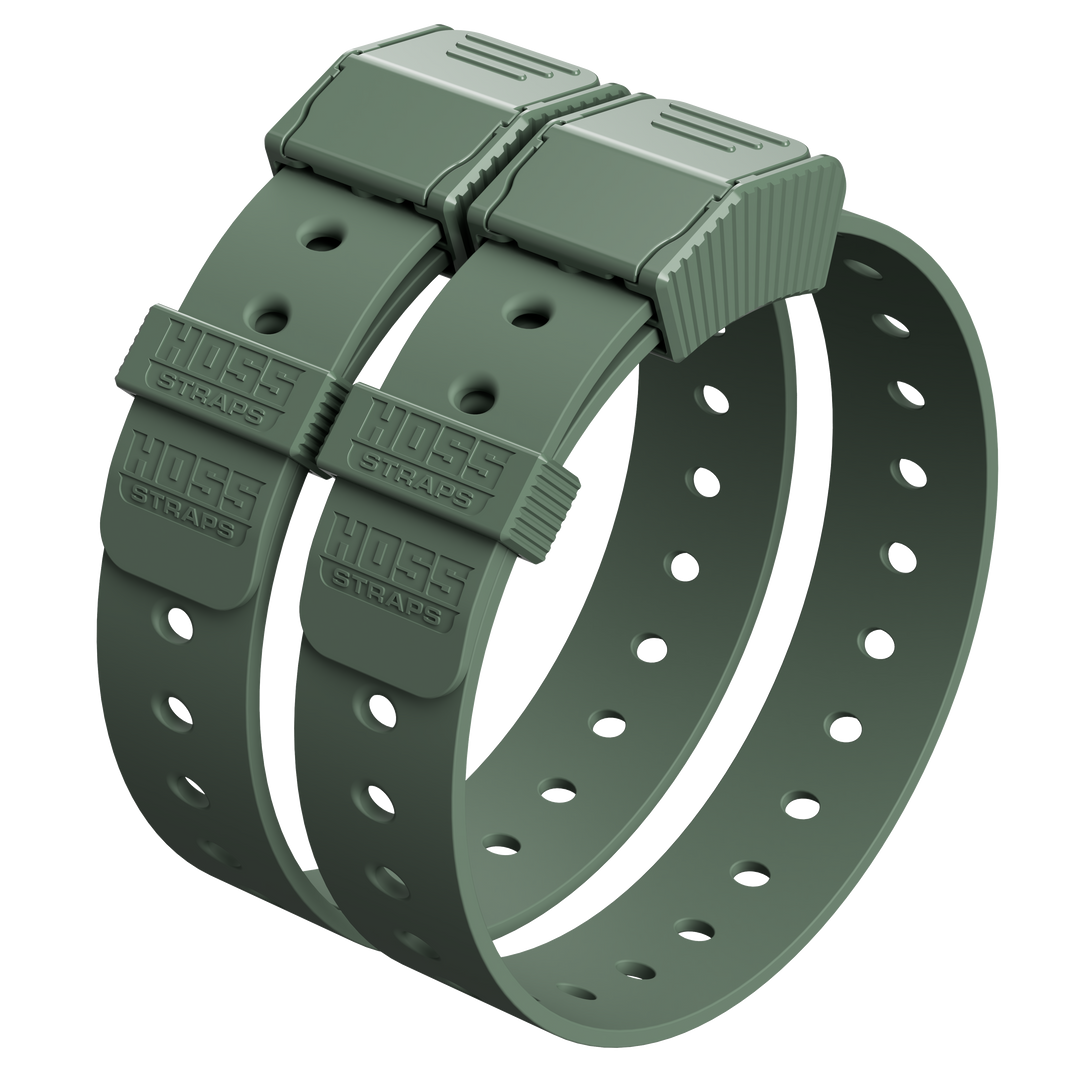
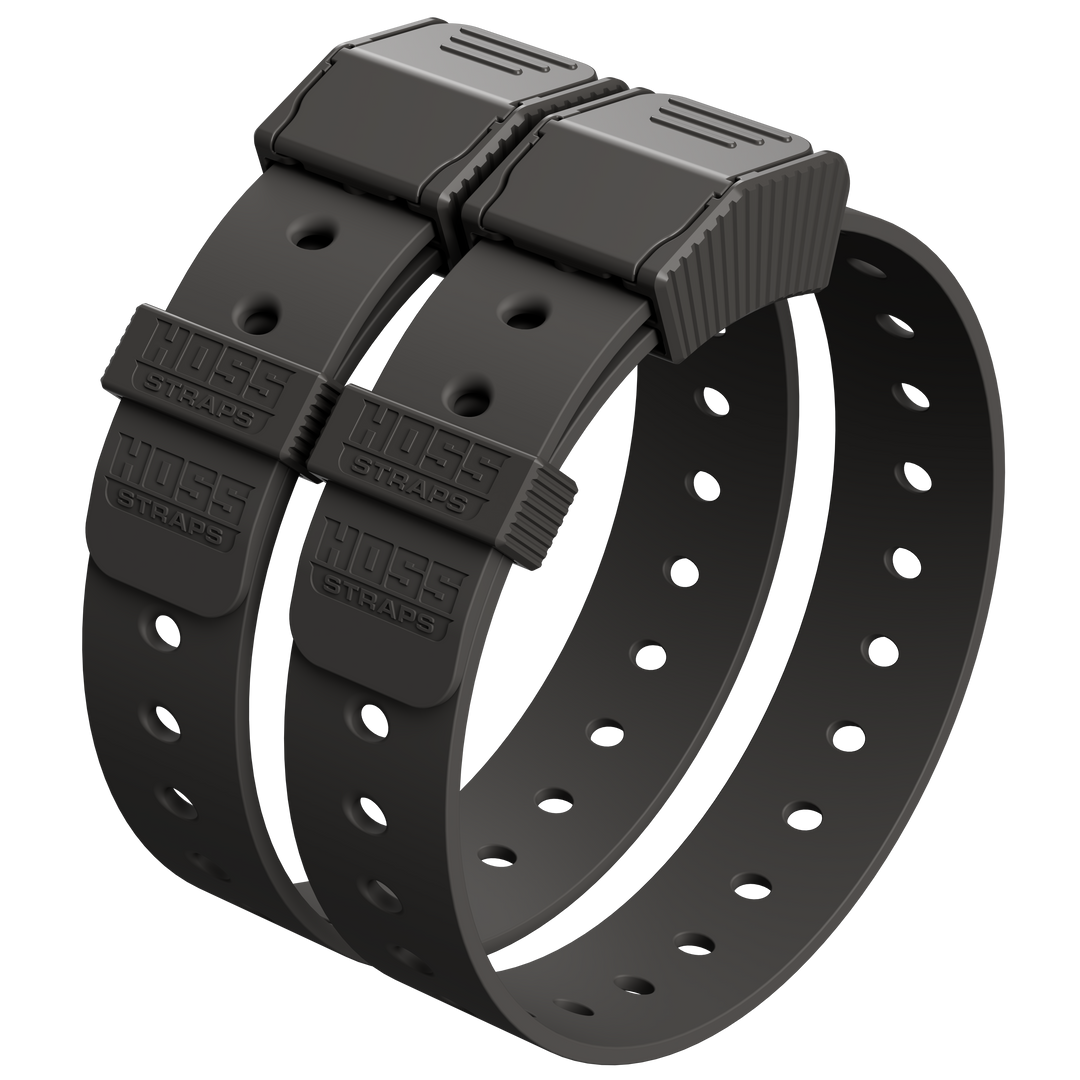
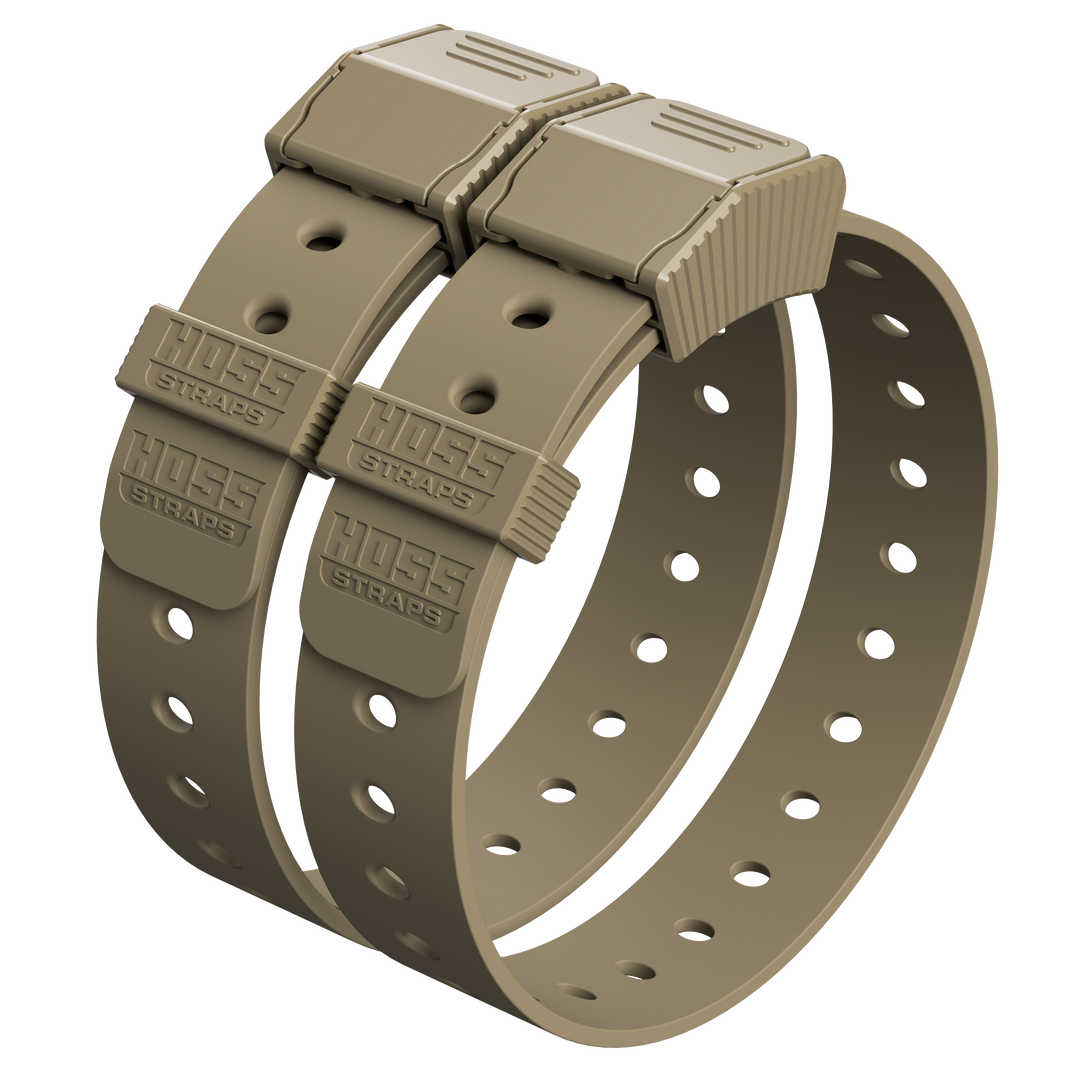
Hoss Straps Dog Collars are built for real daily use: 100% weatherproof, easy to clean, quick to put on and take off, and made with a buckle that clicks into place. They pair cleanly with ID tags, leash time, and everyday routines.
FAQ
How long does it take for a dog to accept a collar?
It depends on the dog. Some dogs improve in a few days, while anxious or previously frightened dogs may need weeks of short, positive sessions. Move at the dog’s pace and reward small wins.
My dog tries to bite when I put the collar on. What should I do?
Stop trying to force the collar on. Biting can be a fear response or a sign of pain. Go back to no-pressure desensitization and contact a qualified positive reinforcement trainer or veterinarian.
Can a too-tight collar cause behavioral problems?
Yes. If a collar hurts, rubs, or restricts movement, your dog may learn to avoid it. Check fit with the two-finger rule and inspect the neck regularly.
Should I leave the collar on all day?
Many dogs wear collars during supervised daily life, but collars should be removed in situations where snag risk is high, such as crate time or rough unsupervised play. Use a microchip as backup ID when the collar is off.
What is the difference between collar resistance and aggression?
Resistance may look like backing away, ducking, or turning the head. Aggression includes growling, snapping, or biting. Both mean your dog is uncomfortable, but aggression needs professional help right away.