


How to Tighten a Dog Collar: The Hiker's Guide to Safe, Secure Fit

Check out our training collar setup, D-ring dog collar, easy dog collars, and more.
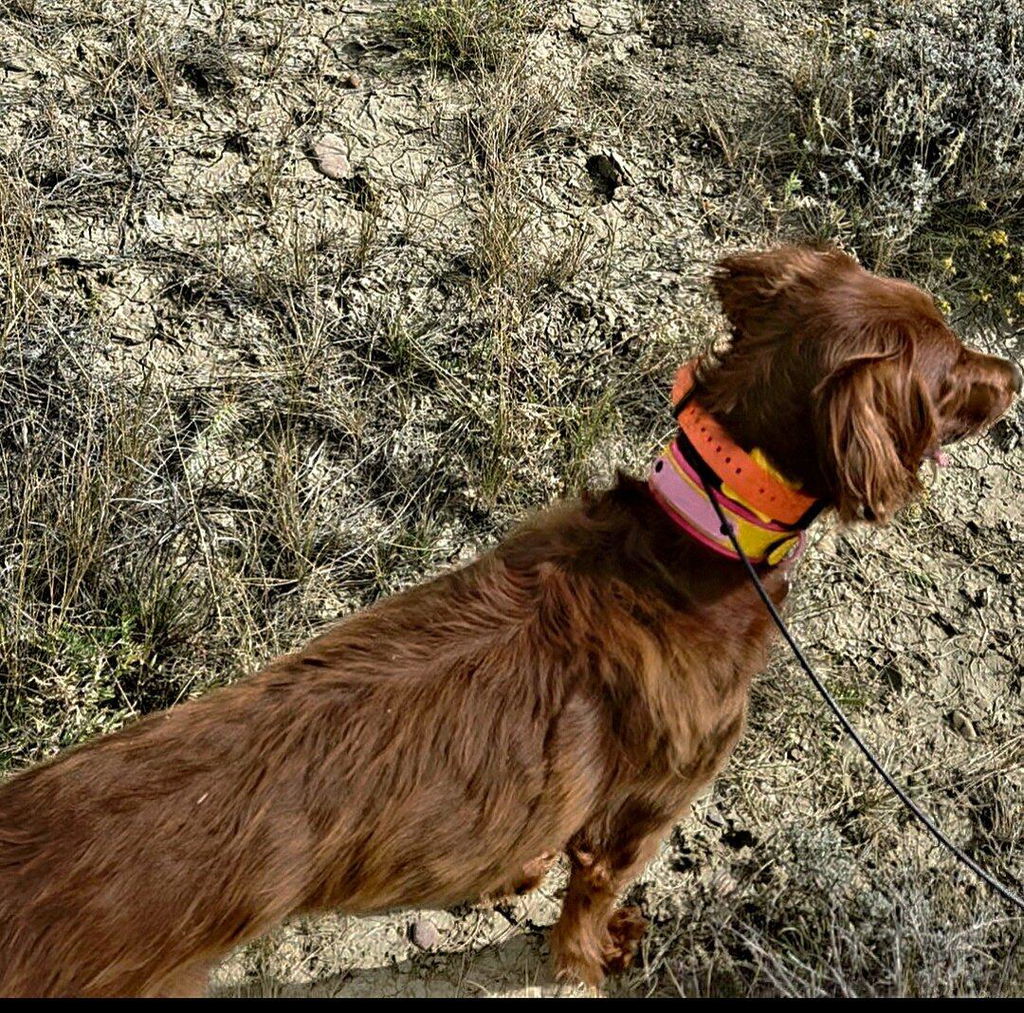
Whether you are hitting the trail with your adventure dog or training in the backyard, a properly fitted collar is your first line of everyday security. A collar that is too loose can let your dog slip free. One that is too tight can rub, restrict movement, or make your dog uncomfortable.
Getting the fit right takes more than guessing. It takes a quick measurement, a smart tightening routine, and regular checks as your dog’s coat, weight, and activity level change.
Table of Contents
- Why Collar Fit Matters for Adventure Dogs
- The Two-Finger Rule
- Measuring Your Dog's Neck
- Collar Size Ranges for Adventure Companions
- Step-by-Step: How to Tighten a Dog Collar
- Checking and Adjusting as Your Dog Changes
- Collar Features That Support an Adventure Lifestyle
- Common Mistakes to Avoid
- Get the Perfect Fit With Hoss Straps Dog Collars
- FAQ
Why Collar Fit Matters for Adventure Dogs
When you are out on the trail or moving through unpredictable spaces, your dog’s collar does three important jobs: it holds visible ID, gives you a leash attachment point, and helps keep your dog secure during transitions.
VCA Animal Hospitals notes that a flat collar should fit securely without constricting, and warns that loose collars can allow escape while hard pulling against a collar can put pressure on delicate neck structures.
For hikers, trainers, and outdoor owners, fit matters even more because the collar may carry ID tags, GPS trackers, lights, or other trail gear. A collar that shifts constantly can rub. A collar that is too loose can snag or slip. A collar that is too tight can make a long day feel miserable for your dog.
The Two-Finger Rule
One of the simplest ways to check collar fit is the two-finger rule: you should be able to slide two fingers between the collar and your dog’s neck without forcing them.
The AKC Shop’s measuring guidance uses the two-finger rule as a practical way to confirm collar snugness.
| Fit Result | What It Means | What to Do |
|---|---|---|
| You cannot fit two fingers | The collar is likely too tight. | Loosen it and check for rubbing, coughing, or irritation. |
| Two fingers fit comfortably | The collar is snug without being restrictive. | Do a slip check before heading out. |
| Three or more fingers fit easily | The collar may be too loose. | Tighten one setting and check whether it can slide over the head. |
Snug does not mean tight. Your dog should be able to move, breathe, swallow, and turn their head normally.
Measuring Your Dog's Neck
Accurate measurement is where a good fit starts. Use a soft measuring tape around your dog’s neck where the collar naturally sits.
- Have your dog stand in a natural posture.
- Wrap the soft tape around the neck where the collar will sit.
- Keep the tape snug, not pinching.
- Use the two-finger check to confirm comfort.
- Choose a collar size range that puts your dog near the middle of the adjustment range.
If your dog has a thick coat, part the fur so you measure the neck instead of the fluff. Re-check after grooming, seasonal coat changes, and weight changes.
Collar Size Ranges for Adventure Companions
Size labels are only a starting point. Always match the actual neck measurement to the collar’s size range.
| Dog Size | Common Weight Range | Typical Collar Range | Fit Note |
|---|---|---|---|
| X-Small | Up to 15 lb | 8 to 12 in | Keep hardware light and low-bulk. |
| Small | 20 to 35 lb | 10 to 16 in | Watch for tag weight and collar rotation. |
| Medium | 30 to 50 lb | 14 to 20 in | Good range for most daily walking collars. |
| Large | 50 to 80 lb | 18 to 26 in | Check that the buckle and D-ring feel sturdy. |
| X-Large | 90 to 150 lb | 20 to 28 in | Prioritize strength, width, and stable fit. |
These are general ranges, not universal sizing rules. Brands vary, so the printed adjustment range matters more than the size label.
Step-by-Step: How to Tighten a Dog Collar
Once you have the right size range, tightening is straightforward.
- Introduce the collar calmly. Let your dog sniff it and pair handling with treats or praise.
- Place the collar where it naturally sits. It should not ride so low that it drifts toward the shoulders.
- Secure the buckle or fastener. Make sure it clicks or closes fully.
- Adjust one setting at a time. Tighten gradually instead of making a big jump.
- Use the two-finger check. Your fingers should fit, but the collar should not feel loose.
- Do a slip check. Gently test whether the collar can slide over your dog’s head.
- Watch your dog move. Look for coughing, scratching, head shaking, or rubbing.
| Trail Check | Pass | Adjust If... |
|---|---|---|
| Two-finger fit | Two fingers slide under without forcing. | You cannot fit two fingers, or more than two fit too easily. |
| Head slip test | Collar does not slide over the head with steady pressure. | Your dog can back out of it. |
| Rotation test | Collar stays mostly stable while your dog moves. | It spins freely or drifts into the throat. |
| Comfort scan | No redness, coughing, scratching, or hair pinching. | Your dog reacts to the collar or the neck looks irritated. |
Checking and Adjusting as Your Dog Changes
Your job does not end after the first fit. Puppies grow fast. Adult dogs gain and lose weight. Coats thicken in winter and thin out after grooming.
- Puppies: check fit weekly.
- Adult dogs: check fit monthly.
- Senior dogs: check every few weeks if weight is changing.
- Trail dogs: check before long hikes, wet days, and high-activity outings.
Watch for warning signs:
- Redness or irritation around the neck
- Hair loss from rubbing
- Constant scratching at the collar
- Coughing, gagging, or hard breathing
- Behavior changes when the collar comes out
If you see irritation or broken skin, remove the collar and let the area recover. If it does not improve quickly, talk with your vet.
Collar Features That Support an Adventure Lifestyle
Not all collars are built for trail days, mud, water, and repeated cleanup. Look for features that support the way your dog actually lives.
| Feature | Why It Helps Outdoors | What to Check |
|---|---|---|
| Weatherproof strap | Does not soak up water, stink, or stay heavy after rain. | Choose easy-clean materials for muddy and wet dogs. |
| Strong D-ring | Supports leash attachment, tags, and some add-ons. | Ring should feel smooth, solid, and secure. |
| Quick-release buckle | Makes on/off handling easier during travel and trail transitions. | Buckle should click cleanly and stay locked. |
| Stable adjustment | Keeps fit from sliding looser during activity. | Adjustment should hold after a light tug. |
| Low-bulk tag setup | Reduces swinging, tapping, and snag points. | Use readable ID without stacking too many loose parts. |
The official BioThane FAQ describes coated webbing as durable, waterproof, and easy to clean, which is why coated materials are popular for dogs that get wet, muddy, or dusty often.
Common Mistakes to Avoid
- Measuring in the wrong spot: measure where the collar naturally sits, not high near the ears or far back on the shoulders.
- Ignoring growth phases: what fits a puppy today may be too tight next month.
- Skipping regular checks: coats, weight, and activity can all change the fit.
- Prioritizing style over function: a good-looking collar still has to fit securely.
- Ignoring discomfort signs: scratching, coughing, or rubbing are signals to stop and adjust.
- Leaving collars on during snag-risk situations: collar safety matters at home too.
Ruffwear’s collar safety guidance recommends removing collars during play, at home, and in crates when snag risks are present. For hikers, the same idea applies around brush, fences, crates, and tight vehicle spaces.
Get the Perfect Fit With Hoss Straps Dog Collars
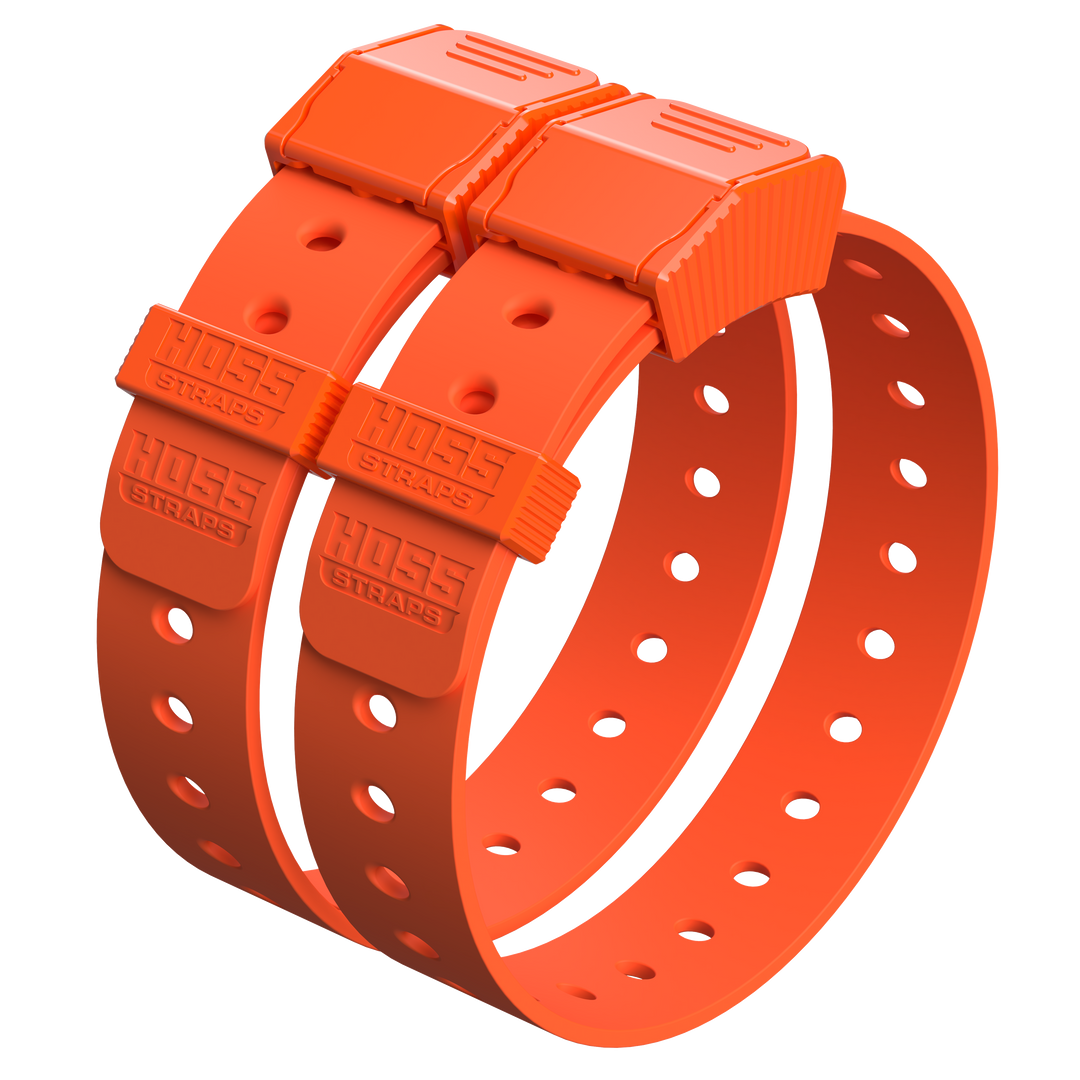
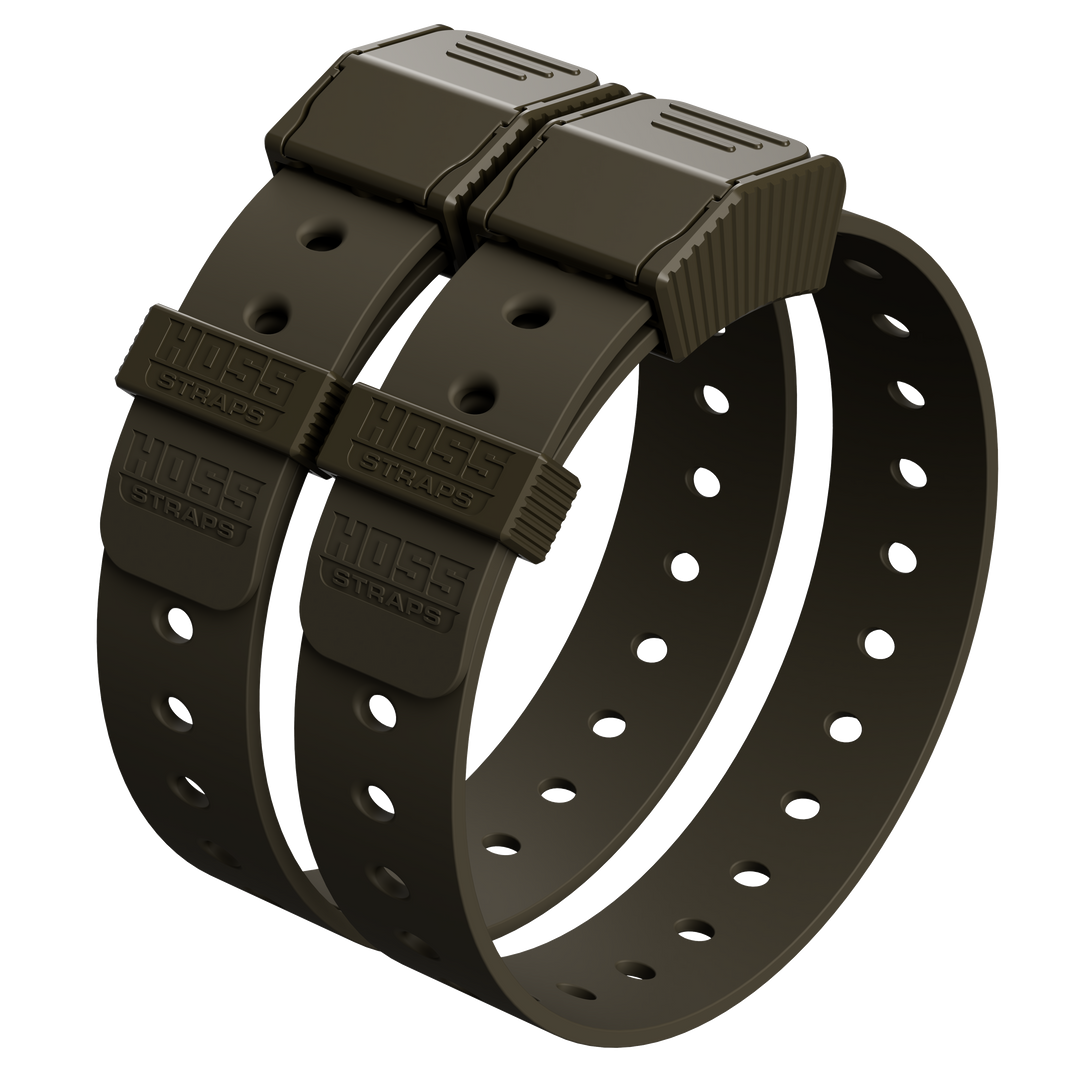
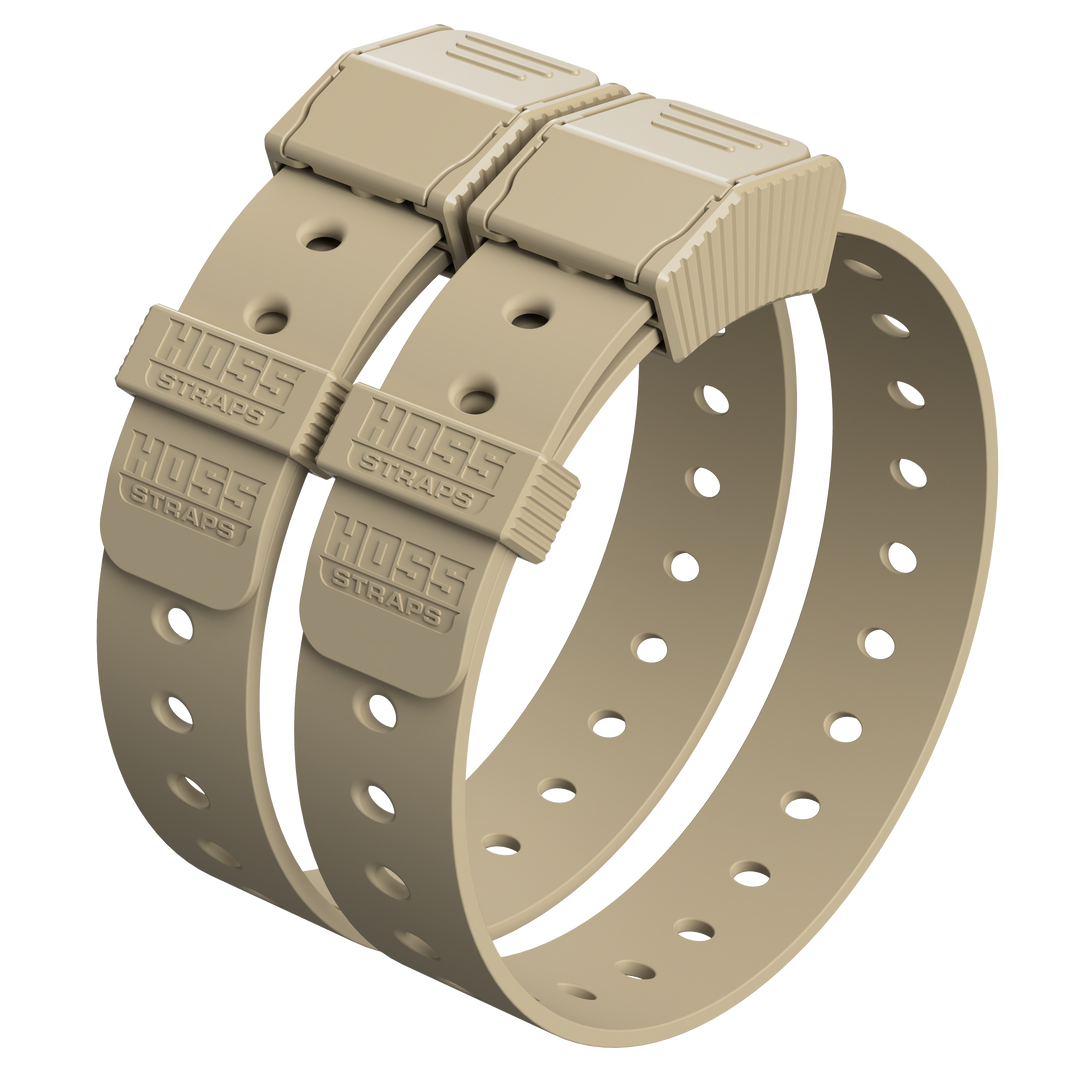
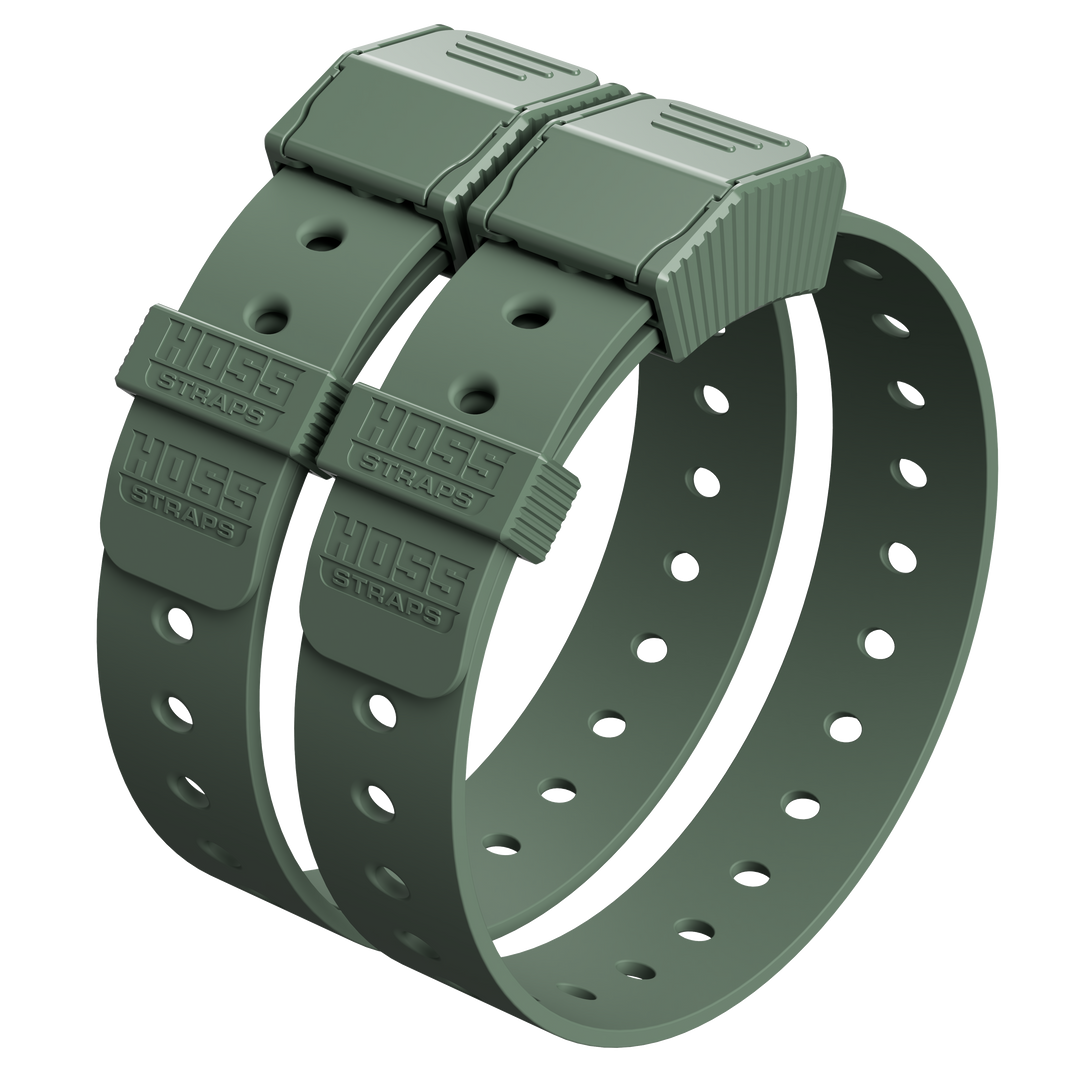
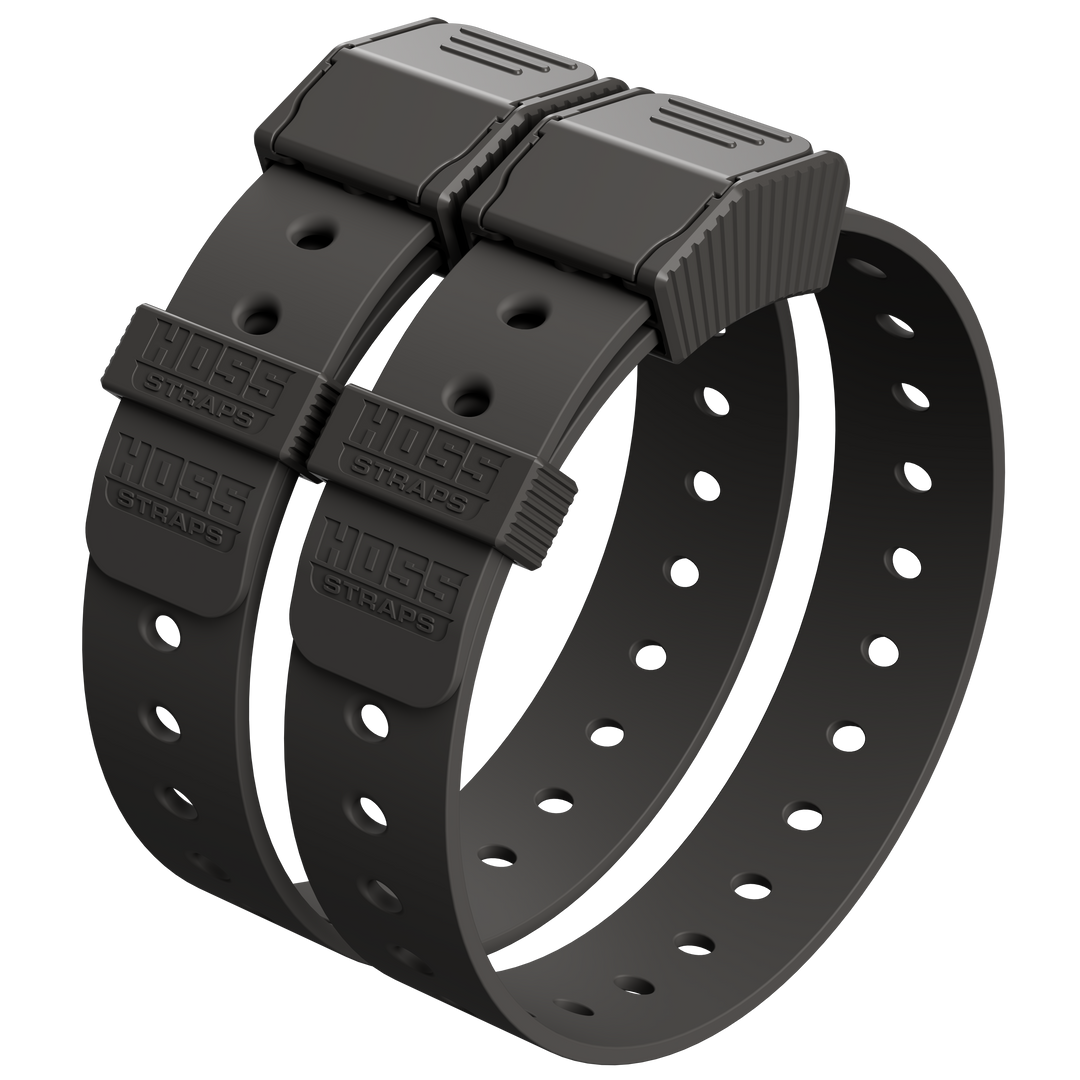
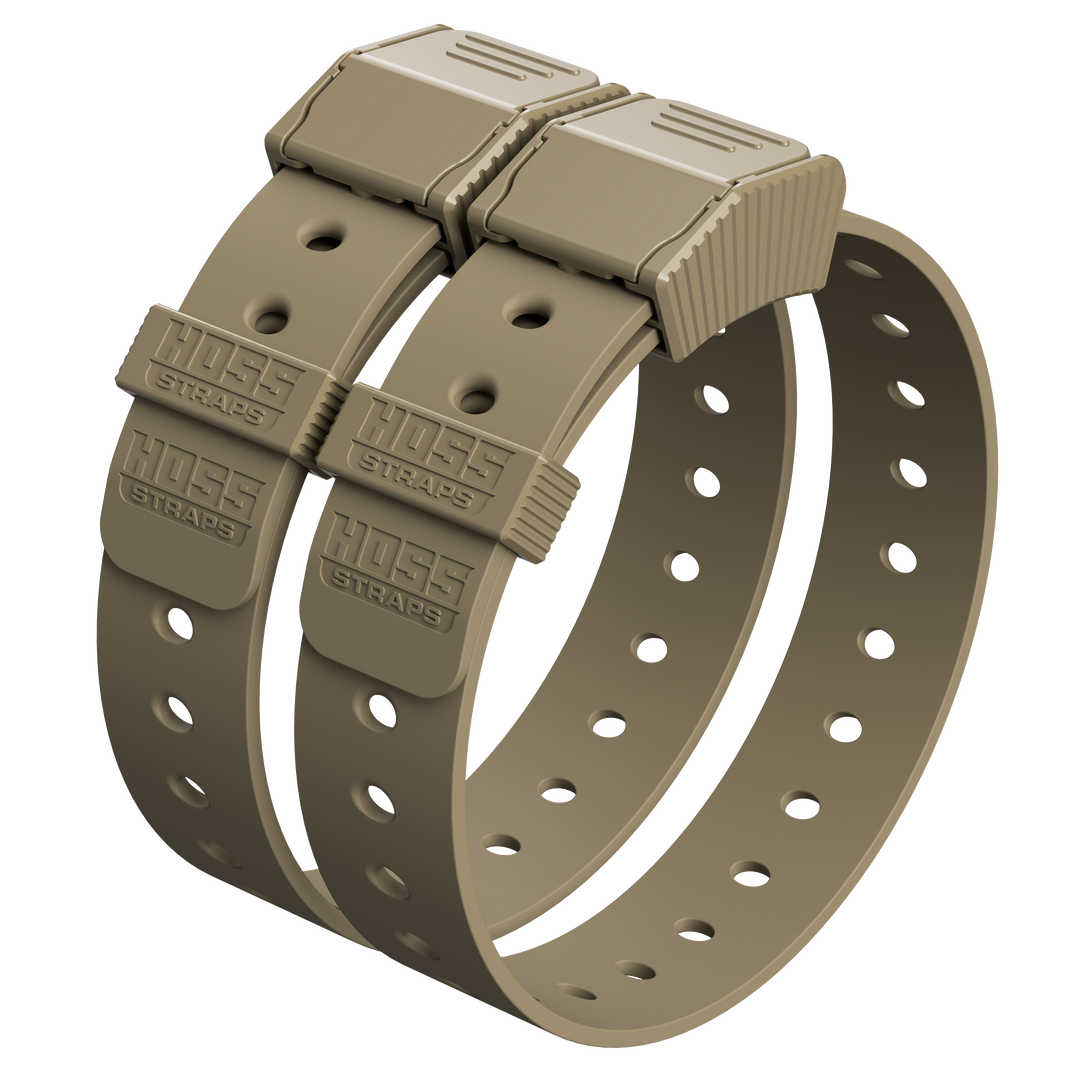
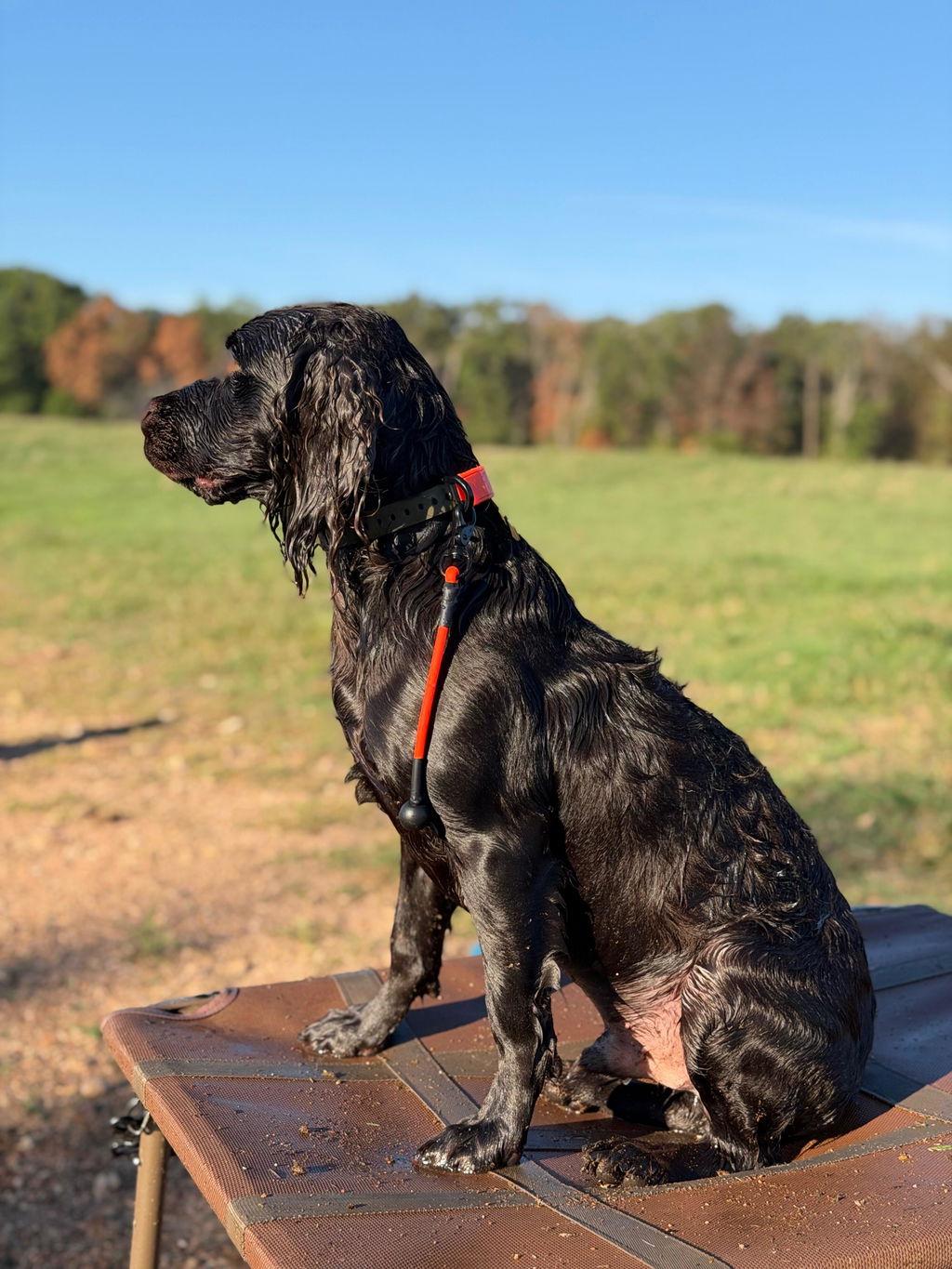
Your adventure dog deserves a collar that is tough, comfortable, and reliable. Hoss Straps Dog Collars are built for real use: trail walks, rainy days, backyard training, travel, and daily wear.
- 100% weatherproof materials built for adventure
- Adjustable fit for everyday comfort
- Secure D-ring for leash attachment and ID tags
- Quick on/off collaring with a buckle that clicks into place
- Removable buckle for custom color combinations
- Fit range up to a 22-inch neck size
Do not compromise on safety or comfort. Explore Hoss Straps Dog Collars and give your dog a secure fit before the next walk, hike, or backyard adventure.
FAQ
Can a dog slip out of a properly fitted collar?
In normal circumstances, a properly fitted collar should be snug enough that your dog cannot back out of it. Some dogs with slim heads or narrow neck shapes may still need a different setup, such as a properly fitted martingale-style collar or harness.
How often should I check my dog's collar fit?
For puppies, check weekly. For most adult dogs, check monthly. If your dog is a senior, changing weight, shedding heavily, or getting groomed often, check more frequently.
Should I tighten the collar differently for training versus everyday use?
The collar should always be snug but comfortable. For training or outdoor adventures, the fit should be secure enough that the collar does not rotate, slip, or slide over the head, but it should never restrict breathing or movement.
What is the difference between breakaway and traditional collars?
Traditional collars are designed to stay closed during normal use. Breakaway collars release under pressure to reduce snag risk, but they may not be appropriate for every leash-walking setup. Always follow the collar maker’s instructions.
How do I know if my dog's collar is causing discomfort?
Watch for redness, hair loss, scratching, coughing, gagging, rubbing, or your dog avoiding the collar. If you see irritation, remove the collar, check the fit, and consider a softer or better-sized option.