


How to Train Your Dog on a Shock Collar

Check out our training collar setup, D-ring dog collar, easy dog collars, and more.
If you are researching how to train your dog on a shock collar, pause for one important clarification: modern electronic collars, often called e-collars, are not a magic remote and they are not a replacement for teaching your dog. They are a training tool that can be misused quickly, especially by beginners.
This guide keeps the focus on safety, readiness, fit, and responsible decision-making. If you decide to use an e-collar, work with a qualified trainer, read your device manual, and keep reward-based training at the center of the process.
The American Veterinary Society of Animal Behavior recommends reward-based training methods and warns against aversive methods, including electronic collars. That does not mean every owner searching this topic is careless. It means the stakes are high, and the safer path is to slow down before you press any button.
Table of Contents
- Understanding Shock Collars and E-Collars
- Before You Start: Essential Prerequisites
- Choosing the Right Fit and Setup
- A Safer Step-by-Step Training Process
- Common Mistakes to Avoid
- Safety and Welfare Considerations
- Equip Your Dog for Success
- FAQ
Understanding Shock Collars and E-Collars
People often say “shock collar,” but many modern systems are marketed as electronic collars or remote training collars. Depending on the model, they may include tone, vibration, and static stimulation settings.
The safest way to think about any training collar is this: it should never be used to scare, punish, or force a dog through confusion. Your dog should already understand the cue before any electronic tool is added.
| Feature | What It Does | Beginner Caution |
|---|---|---|
| Tone | Provides an audible signal. | Must be conditioned so the dog knows what it means. |
| Vibration | Creates a physical vibration cue. | Some dogs find vibration more startling than low static levels. |
| Static stimulation | Delivers an electronic sensation through contact points. | Can create fear, stress, or confusion if timing, level, or use is wrong. |
The goal should always be clear communication and better behavior through training, not a bigger reaction from the dog.
Before You Start: Essential Prerequisites
Jumping straight to e-collar training without a solid foundation is a recipe for confusion. Before you even put the collar on, your dog needs to be ready.
Master basic commands first
Your dog should already understand basic obedience before an e-collar enters the picture. Commands like “sit,” “stay,” “come,” and “heel” should be reliable in low-distraction environments using reward-based methods first.
The AKC explains that positive reinforcement focuses on rewarding the behaviors you want to see. That foundation matters because a collar cannot explain a new behavior to your dog from scratch.
Know when not to use one
Do not use an e-collar as a beginner solution for fear, anxiety, aggression, or reactivity without professional help. If your dog is already worried, adding a poorly timed sensation can make the problem worse.
| Your Dog Is... | Best First Step | Why |
|---|---|---|
| Still learning basic cues | Use reward-based training first. | The dog needs to understand the behavior before any tool can reinforce it. |
| Fearful, anxious, or reactive | Talk to a qualified trainer or veterinary behavior professional. | Pressure-based tools can increase stress when used incorrectly. |
| Young or immature | Focus on socialization, leash skills, recall games, and confidence. | Puppies need clarity and positive learning before advanced tools. |
Choosing the Right Fit and Setup
A tool is only as good as its setup. If the collar is not fitted correctly, it will not work consistently, which is unfair to your dog.
Proper collar fit
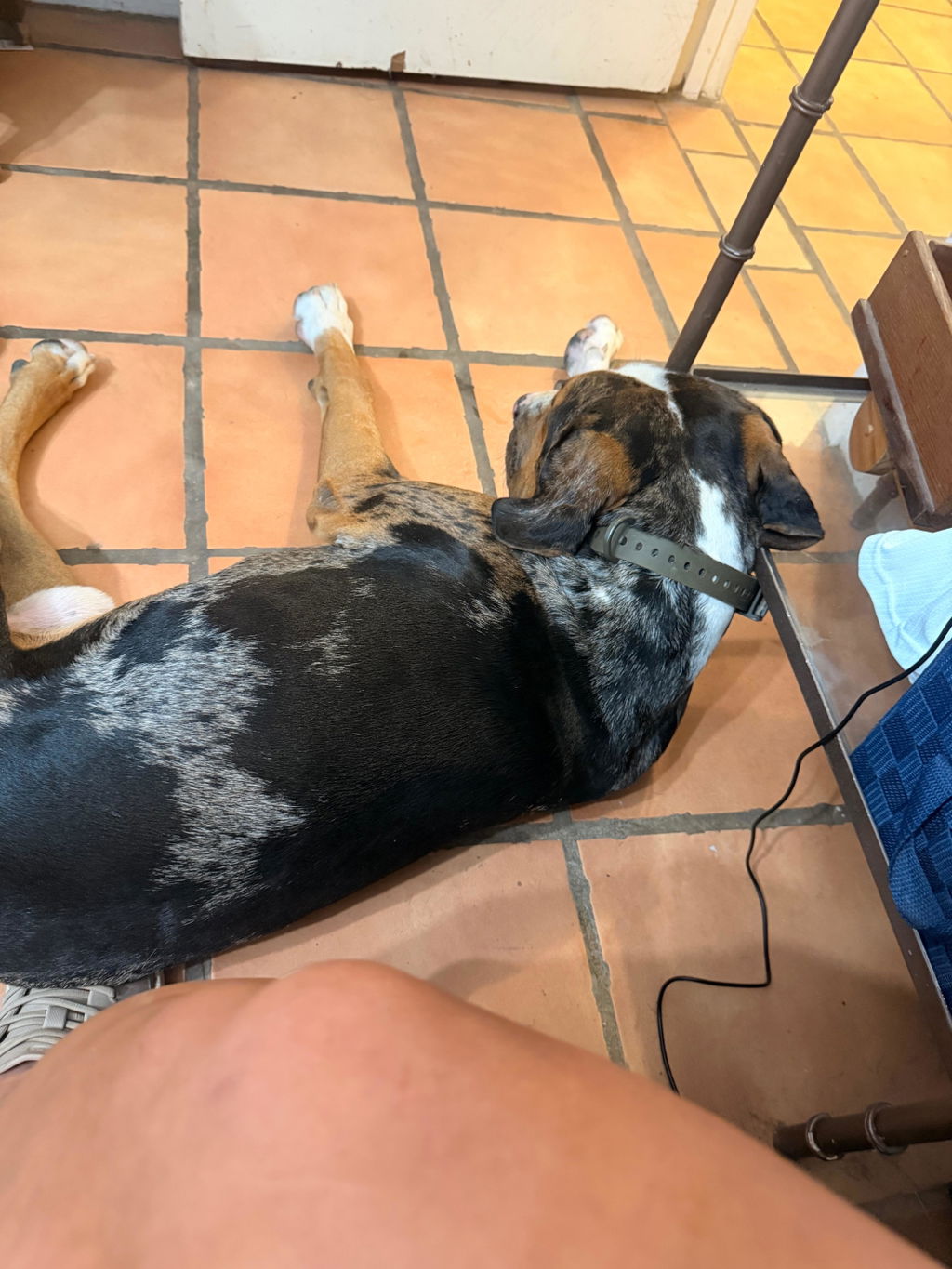
Garmin's fitting guidance for dog training collars says the device should fit snugly, should not rotate or slide on the neck, and should still allow the dog to swallow normally.
| Fit Point | What You Want | Problem Sign |
|---|---|---|
| Receiver position | Placed according to the device manual and stable during movement. | Receiver slides, rotates, or drops under the throat. |
| Contact points | Touch the skin through the coat without over-tightening. | Inconsistent contact or pressure marks on the neck. |
| Strap tension | Snug enough to stay put, not so tight that it restricts normal movement. | Coughing, gagging, scratching, redness, or avoidance. |
Familiarize yourself with the equipment
Do not learn the remote while your dog is wearing the collar. Read the manual, understand the buttons, and know how to lock or disable settings before a session starts.
Learn the difference between tone, vibration, momentary stimulation, continuous stimulation, and any boost or emergency buttons your system includes. Button mistakes are one of the fastest ways to confuse a dog.
A Safer Step-by-Step Training Process
Training is a marathon, not a sprint. Rush this process and you risk teaching your dog to fear the tool, the cue, the environment, or you.
1. Start with reward-based training
Teach the command first without the e-collar. Use food, play, praise, and clear timing. Your dog should understand what “come,” “sit,” or “heel” means before you add any remote tool.
2. Let the collar become normal gear
Let your dog wear the collar turned off during short, supervised sessions. Pair it with walks, meals, play, or calm praise. This helps prevent your dog from seeing the collar as a warning sign.
3. Work with a qualified trainer before using stimulation
If your plan involves static stimulation, get hands-on coaching. A professional can help you understand timing, body language, appropriate settings, and when to stop.
4. Keep sessions short and easy
Begin in a low-distraction area. Keep sessions short, often 10 to 15 minutes, and end before your dog gets frustrated or tired.
5. Reward the correct behavior
Do not let the collar become the whole training plan. Mark and reward the behaviors you want. Your dog should understand that responding to you leads to good outcomes.
| Training Stage | Goal | Move On When... |
|---|---|---|
| Foundation | Teach cues with rewards and low distractions. | Your dog responds reliably without the e-collar. |
| Collar acclimation | Make the collar feel like normal gear. | Your dog wears it calmly during supervised time. |
| Professional-guided use | Learn safe timing, settings, and handling. | Your dog remains relaxed and understands the cue. |
| Long-line practice | Add distance while keeping a safety backup. | Your dog responds consistently in moderate distractions. |
| Higher-distraction work | Proof known behaviors gradually. | Your dog stays confident, responsive, and safe. |
Common Mistakes to Avoid
- Skipping foundation: never use an e-collar to teach a brand-new command.
- Using high levels out of frustration: if your dog is not responding, simplify the setup and go back to training basics.
- Poor timing: late feedback confuses dogs and can attach the sensation to the wrong thing.
- Overuse: relying on the collar for everything creates dependence on the tool instead of real understanding.
- Ignoring stress: fear, freezing, avoidance, yelping, panic, or aggression means stop and reassess.
- Skipping the manual: every system works differently, and remote mistakes matter.
Safety and Welfare Considerations
Your dog’s health comes first. E-collars have contact points that can irritate skin if worn too long, fitted too tightly, or allowed to rub.
A SportDOG operating guide advises avoiding more than 12 hours of daily wear, checking fit to prevent excessive pressure, and discontinuing use if rash or sores appear.
| Safety Habit | What to Do | Why It Matters |
|---|---|---|
| Limit wear time | Use the collar only for supervised training sessions or as directed by the manual. | Long wear can increase pressure and irritation risk. |
| Check skin daily | Look for redness, sores, hair loss, or rubbing. | Early irritation is easier to fix than a pressure sore. |
| Keep it clean | Wipe the strap, receiver, and contact points after dirt, sweat, or wet conditions. | Grit and moisture can increase rubbing. |
| Stop on stress | Remove the collar if your dog looks fearful, confused, or uncomfortable. | Training should build clarity, not panic. |
Equip Your Dog for Success
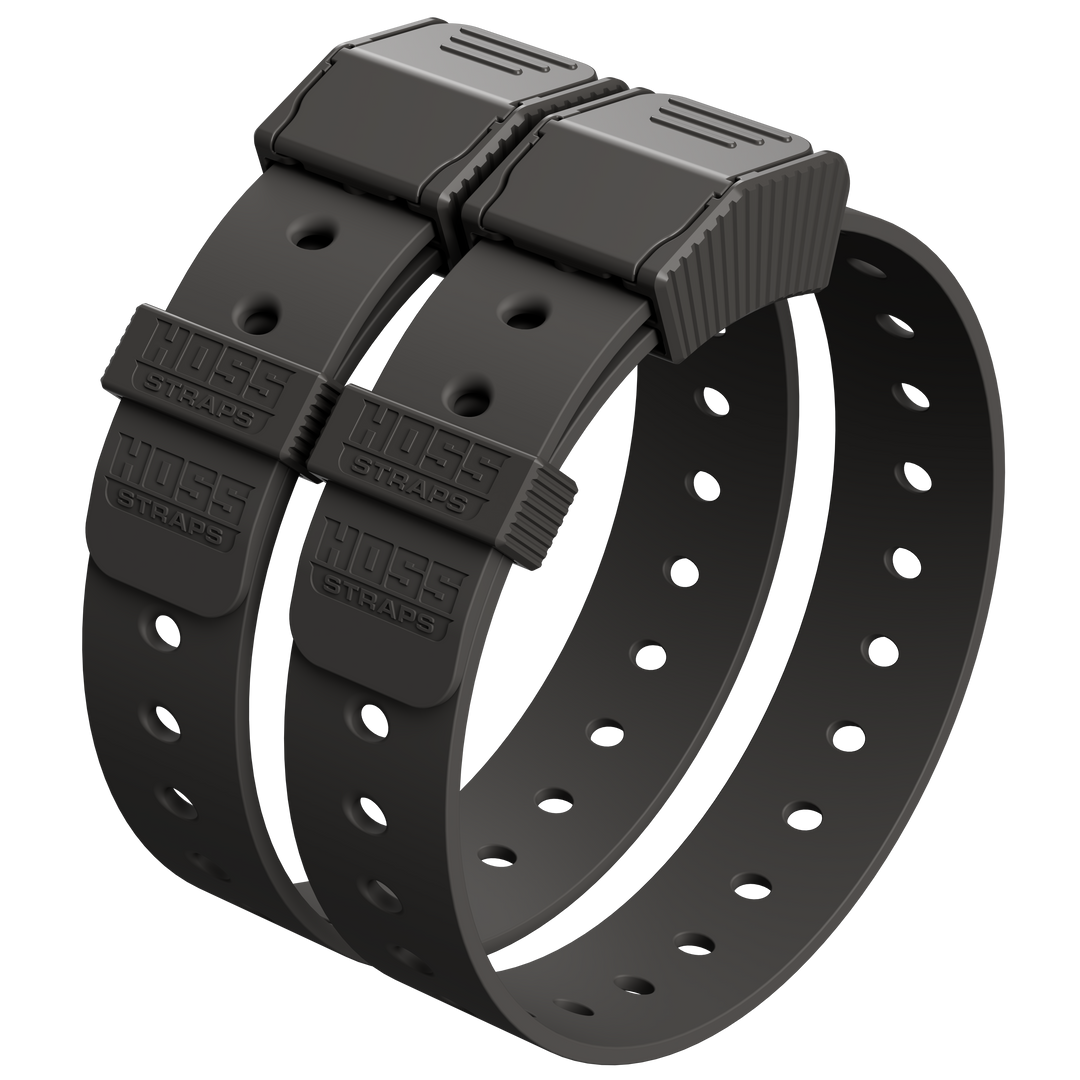
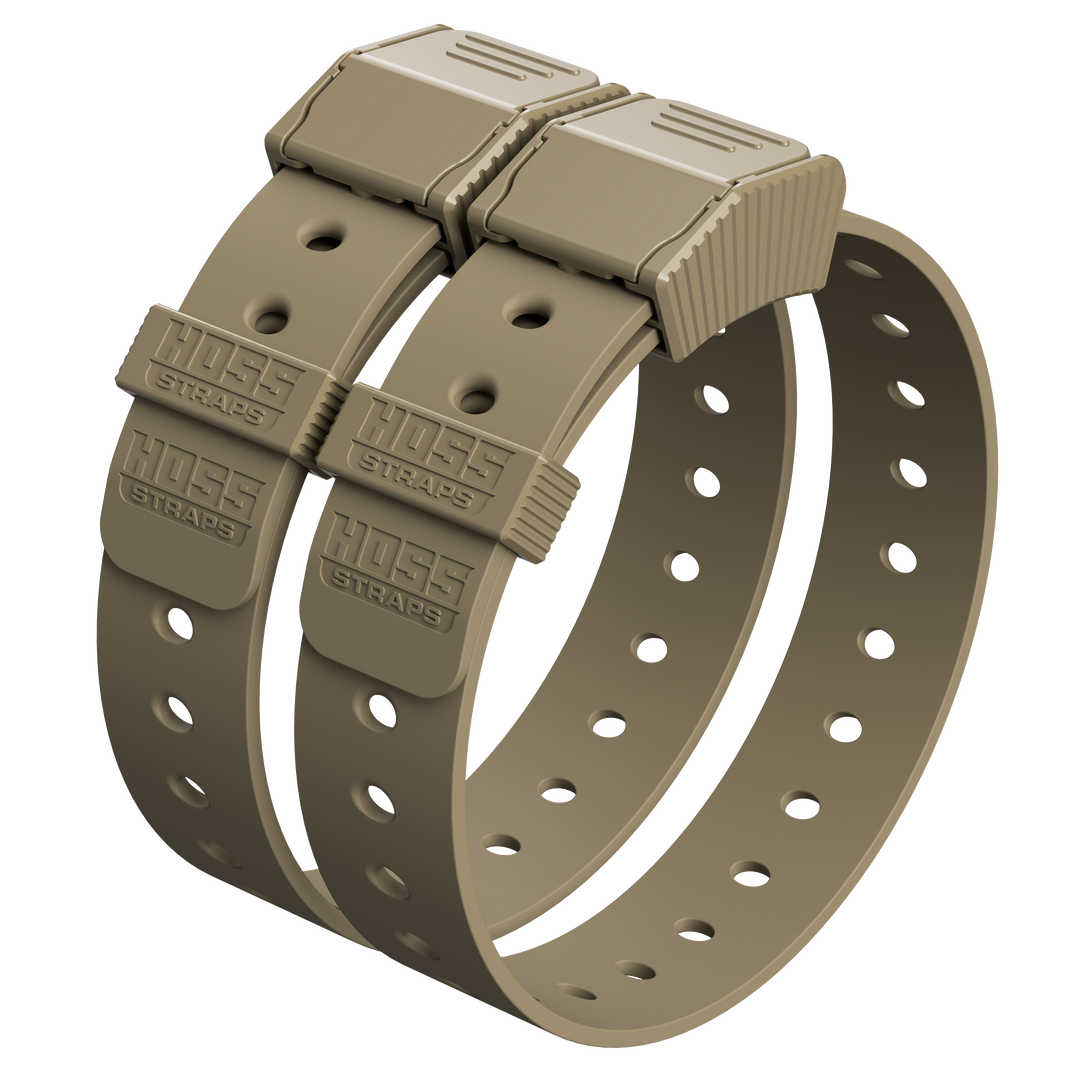
Reliable training starts with reliable gear. If you are using a compatible receiver, the strap needs to fit securely, stay in position, and hold the device steady through real movement.
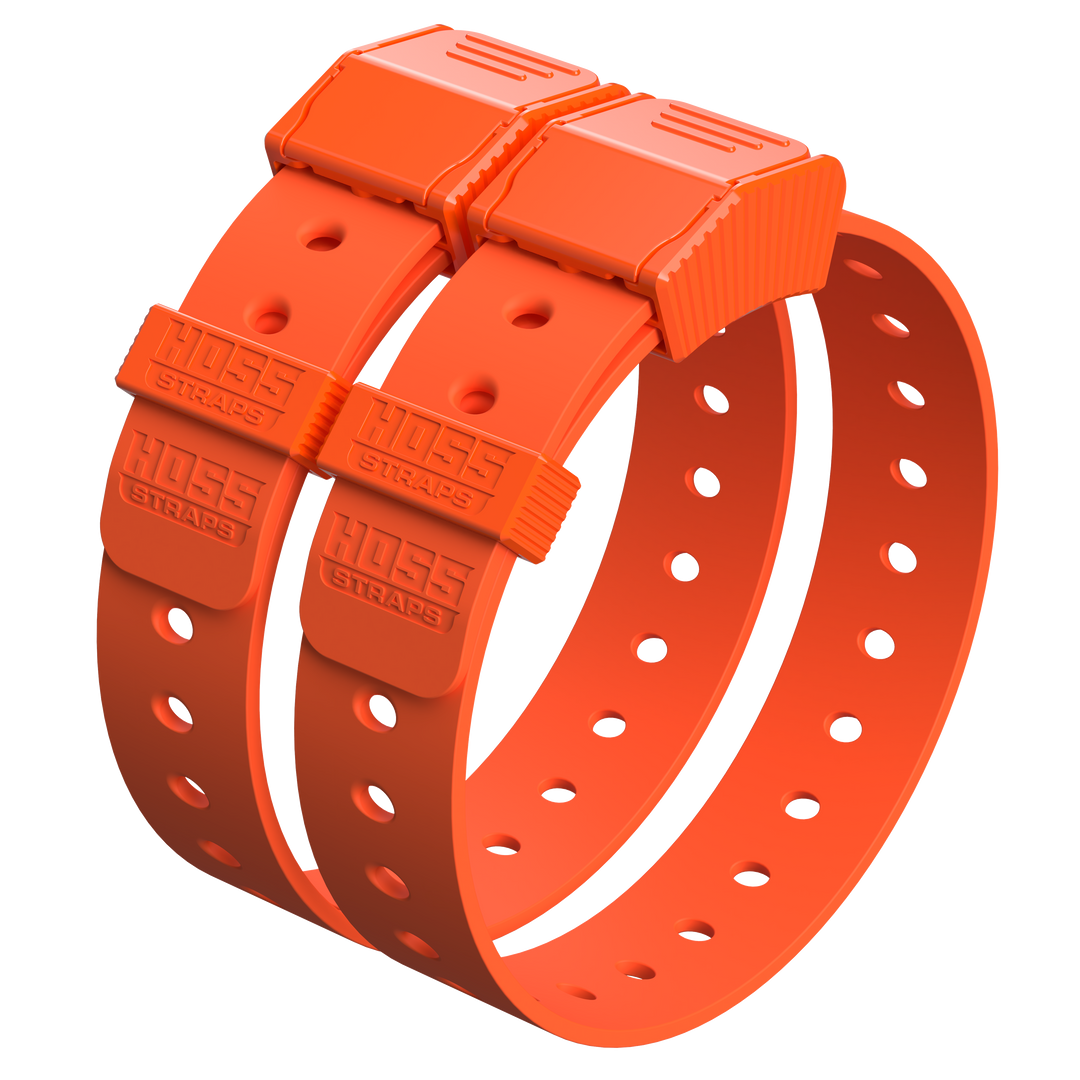
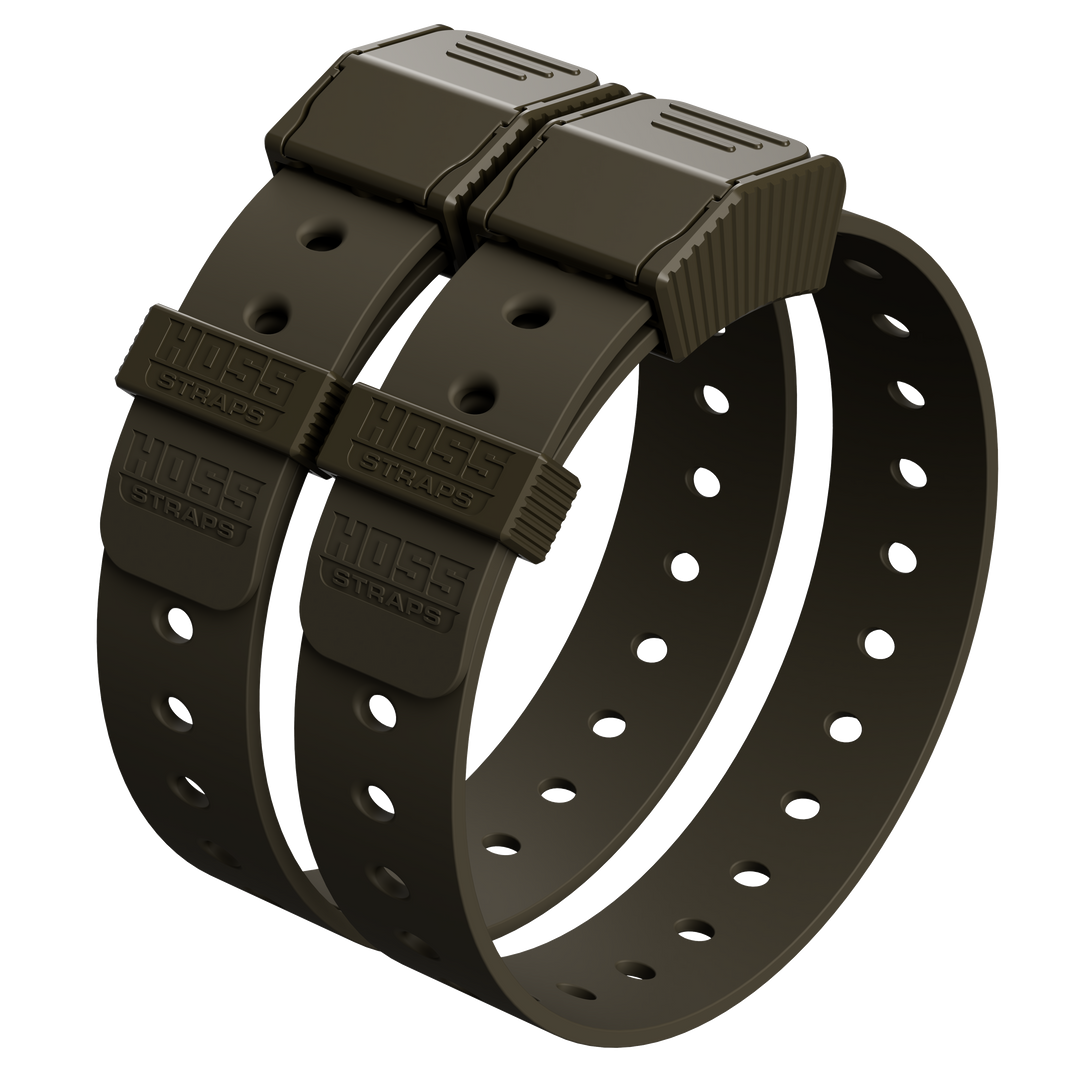
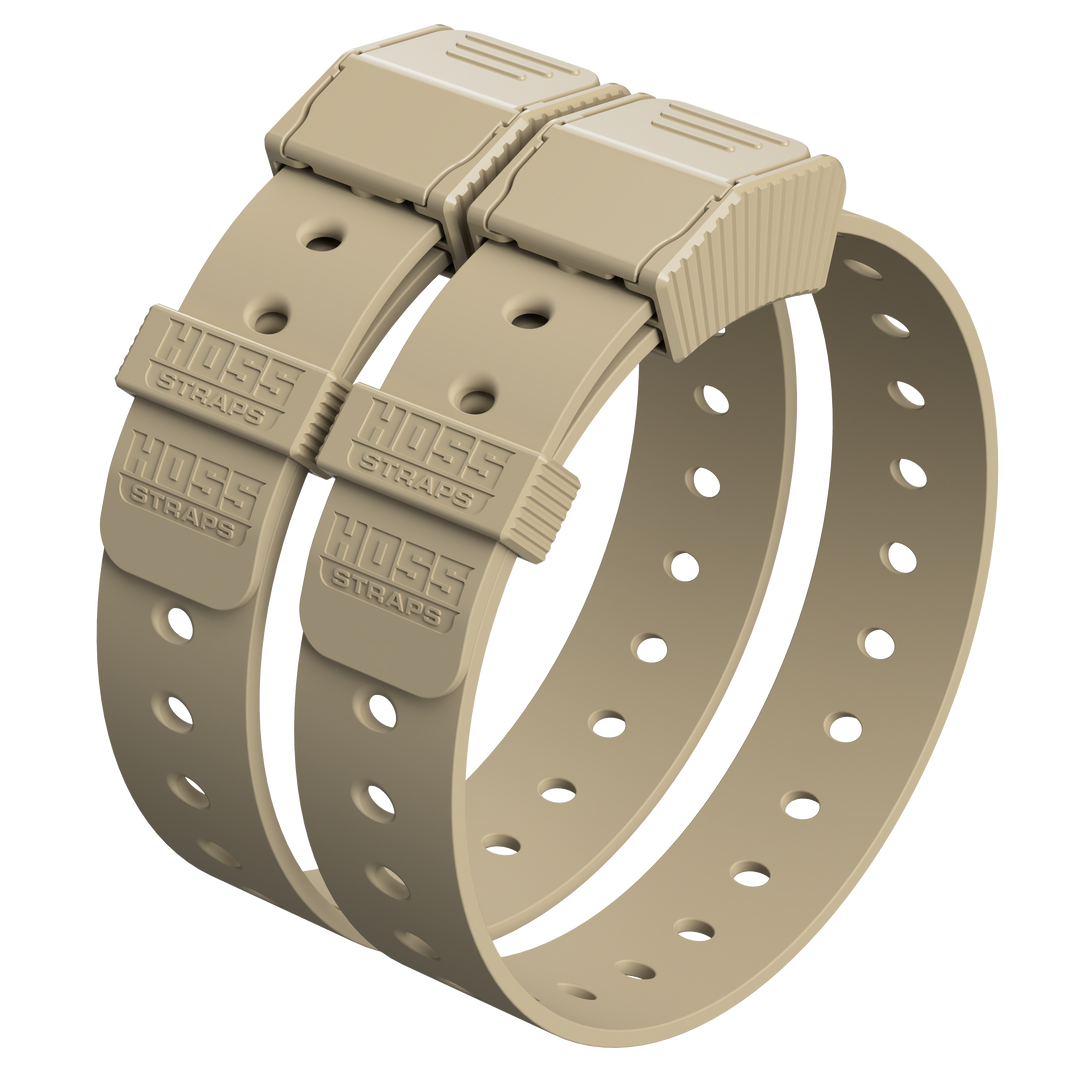
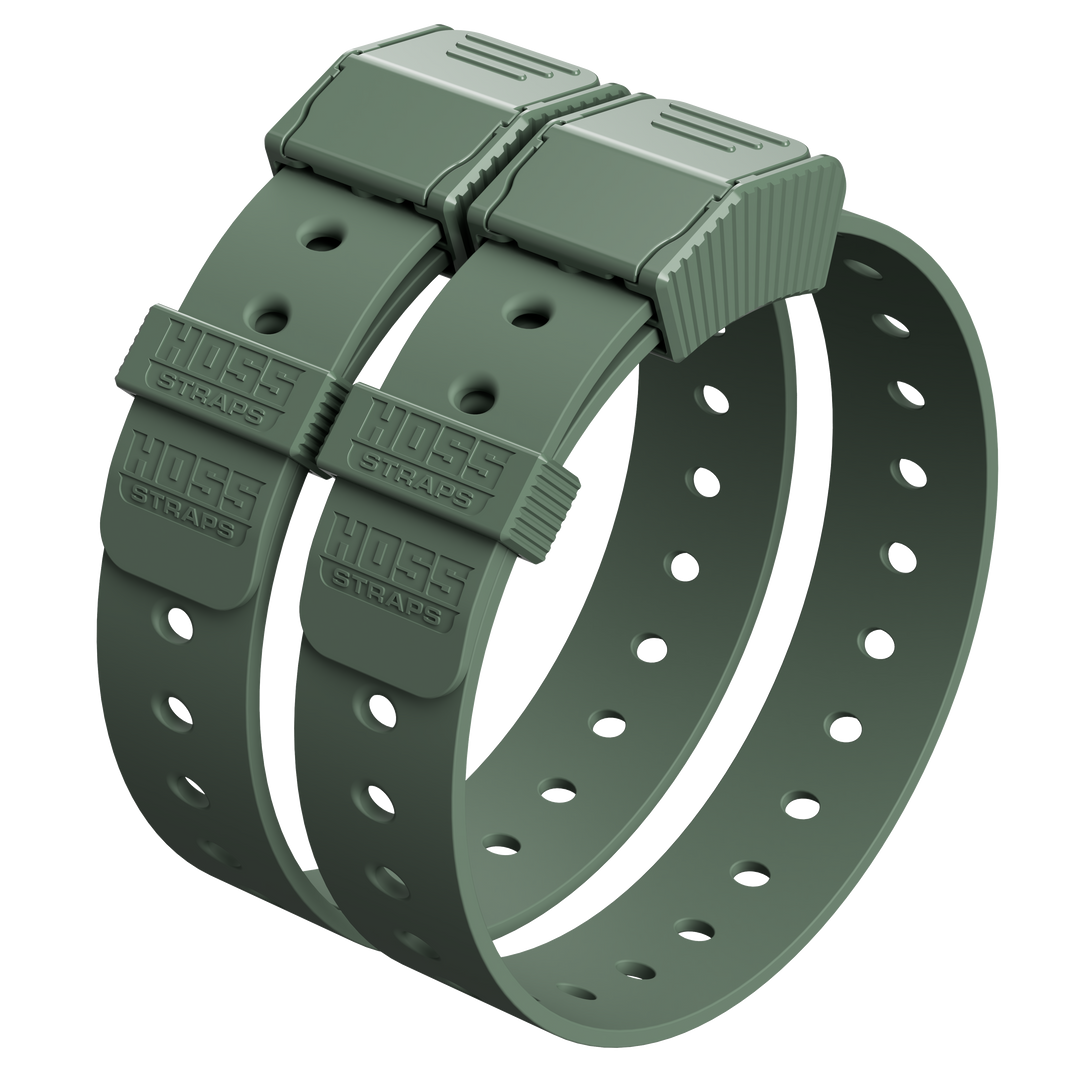
The Hoss Straps Training Collar Setup includes the D-Ring Dog Collar and Training Collar Adapter Kit. Garmin device sold separately.
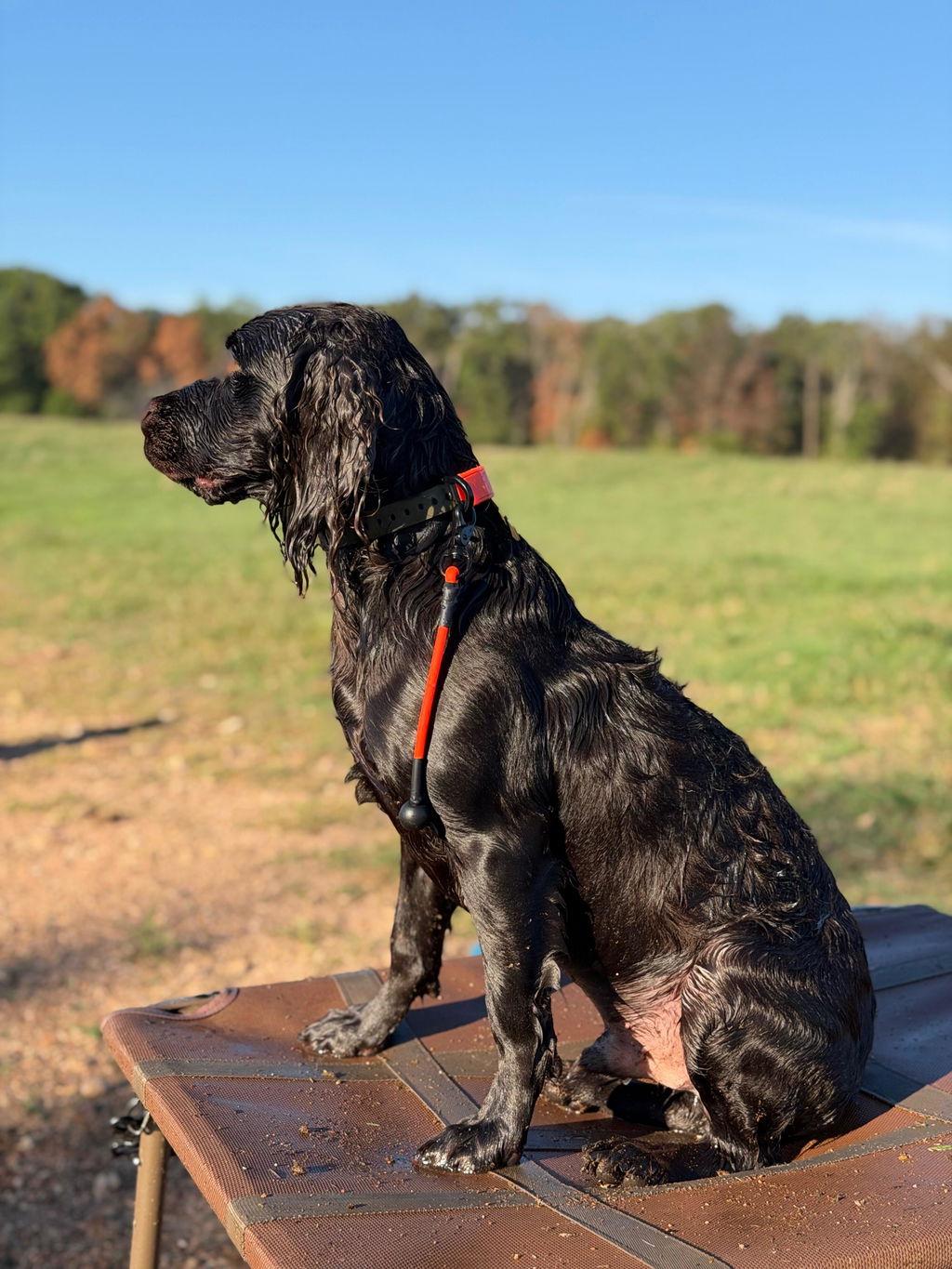
Our collars are built for real field use: 100% weatherproof, easy to clean, quick to put on and take off, and strong enough for wet grass, mud, outdoor work, and everyday training routines. You can also browse our Dog Collars for a dependable daily collar that pairs cleanly with the ID or training setup you choose.
FAQ
At what age can I start using a shock collar on my dog?
Many trainers avoid electronic collars on young puppies and focus first on positive reinforcement, leash skills, recall, and basic manners. If you are considering an e-collar, talk with a qualified trainer or veterinarian before starting.
How long should training sessions be with an e-collar?
Keep sessions short, often 10 to 15 minutes. Short, calm sessions help prevent stress and give your dog a better chance to learn.
What stimulation level should I use for my dog?
Do not guess. Read the device manual and work with a qualified trainer. If your dog yelps, jumps, panics, freezes, or avoids you, stop immediately and reassess.
Can I use a shock collar without professional help?
Beginners are much safer with professional guidance. Timing, fit, setting choice, and reading body language all matter, and mistakes can create fear or confusion.
How long does it take for a dog to respond to e-collar training?
Timelines vary by dog, handler skill, environment, and training goal. Reliable off-leash behavior usually takes gradual practice over weeks or months, not one session.