


How to Use a Dog Training Collar: A Beginner's Guide

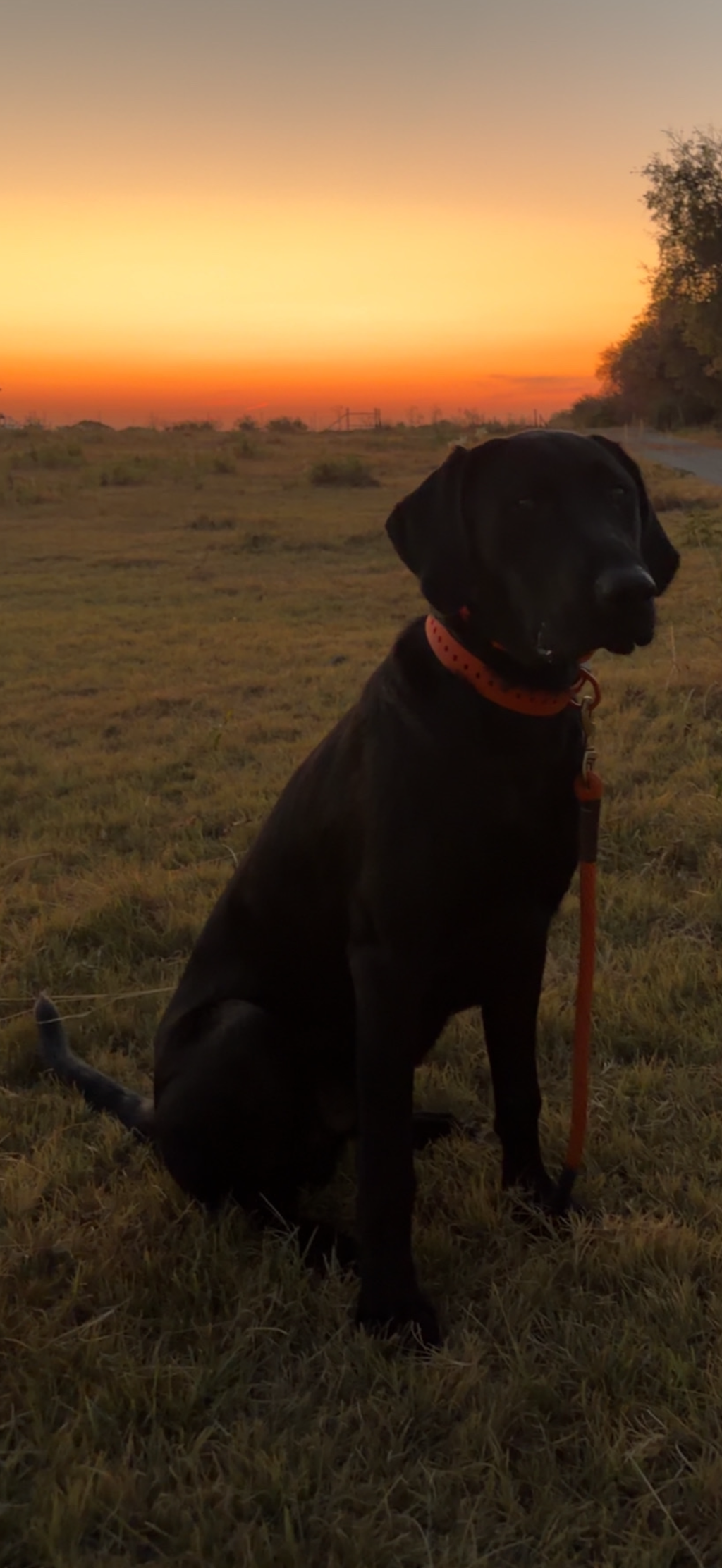
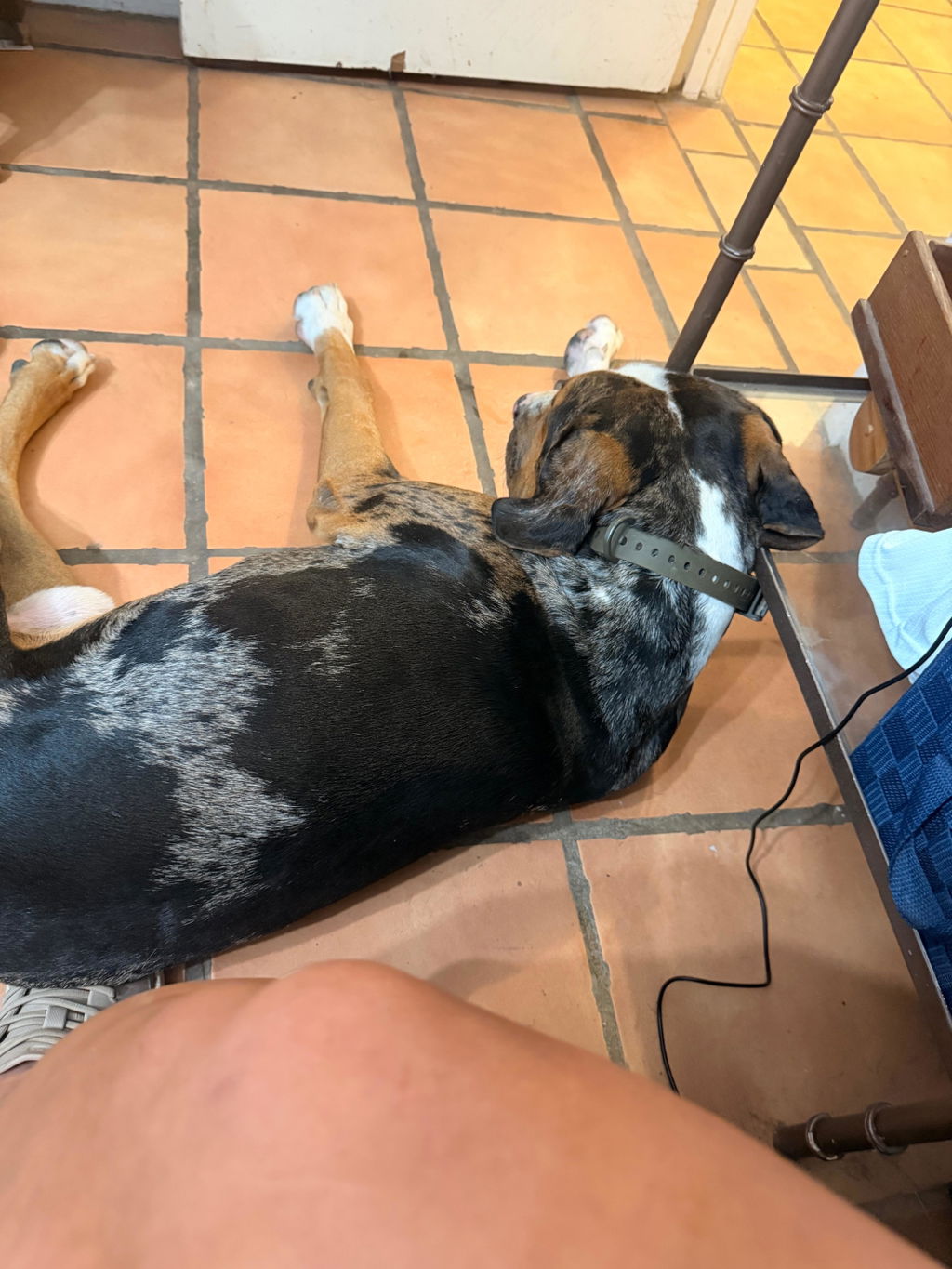
Check out our training collar setup, D-ring dog collar, easy dog collars, and more.
Training a dog takes patience, consistency, and the right tools for the job. If you are new to training collars, the safest place to start is not the remote, the buckle, or the settings. It is clear communication.
This guide explains how beginners should think about training collars, when to slow down, how to fit the collar correctly, and why reward-based training should stay at the center of your plan.
Important note: electronic collars and other aversive tools are controversial. The American Veterinary Society of Animal Behavior recommends reward-based training methods and warns against aversive methods. If you are considering an electronic training collar, work with a qualified professional and follow your device maker's instructions exactly.
Table of Contents
- What Is a Dog Training Collar?
- Before You Start
- Step 1: Fit the Collar Correctly
- Step 2: Understand the Settings
- Step 3: Introduce the Collar Slowly
- Step 4: Use It During Training
- Common Mistakes Beginners Make
- Hoss Straps Training Collar Setup
- When to Remove and Transition
- FAQ
What Is a Dog Training Collar?
A training collar is a tool used to help communicate with your dog during training. Depending on the setup, that may mean a flat training collar, a collar strap used with a remote receiver, a vibration setting, tone setting, or other training aid.
The key point for beginners: a collar is not a shortcut around training. Your dog still needs to learn the behavior first through clear cues, repetition, rewards, and calm handling.
| Collar Type | Common Use | Beginner Watch-Out |
|---|---|---|
| Flat training collar | Leash work, ID, basic handling | Not a fix for serious pulling by itself. |
| Remote training collar | Advanced communication under professional guidance | Can cause confusion or stress if used before the dog understands the cue. |
| Vibration or tone setting | Attention cue or conditioned signal | Still needs to be taught clearly, not sprung on the dog randomly. |
Before You Start
Do not strap on a training collar and expect instant results. The most common beginner mistake is using gear before the dog understands the basics.
Before introducing a training collar, your dog should already understand simple cues such as sit, stay, come, and leash basics. The AKC explains that positive reinforcement focuses on rewarding the behaviors you want to see, which is the foundation most owners should build first.
Slow down or get professional help if your dog is:
- Fearful or anxious
- Reactive toward people or dogs
- Aggressive or unpredictable
- Very young and still learning basic routines
- Shutting down, avoiding you, or showing stress around training gear
Step 1: Fit the Collar Correctly
Proper fit is non-negotiable. A collar that is too loose will shift and give inconsistent feedback. A collar that is too tight can cause discomfort, rubbing, or skin problems.
For receiver-style training collars, Garmin's fitting guidance says the device should fit snugly and should not rotate or slide on the dog's neck, while still allowing the dog to swallow normally.
| Fit Check | What You Want | Red Flag |
|---|---|---|
| Collar position | Stable on the neck with the receiver placed according to the device manual | Receiver slides, rotates, or drops under the throat during movement. |
| Contact points | Touching through the coat without over-tightening | You have to crank the strap down hard to make contact. |
| Comfort | Dog can move, swallow, and act normally | Coughing, gagging, scratching, avoidance, or skin redness. |
Check the fit before every training session. Coat thickness, wet fur, weight changes, and movement can all change how the collar sits.
Step 2: Understand the Settings Before You Use Them
Every device is different. Before you ever use a remote collar, read the manual completely and understand the difference between tone, vibration, momentary stimulation, continuous stimulation, boost, lock, and safety features.
If you are working with a professional trainer and your device uses stimulation, the goal should be the lowest effective level, not the biggest reaction. A dog that yelps, jumps, panics, or shuts down is not giving you useful training feedback. That is a sign to stop and reassess.
Do not use a training collar to punish behavior you have not taught your dog how to replace. The collar should never be used when you are angry.
Step 3: Introduce the Collar Slowly
Before using a collar in training, let your dog get used to wearing the gear. Keep the experience calm and positive.
- Let your dog sniff the collar.
- Put it on for short supervised periods.
- Pair it with treats, play, walks, and praise.
- Remove it before your dog gets irritated or worried.
- Do not activate training features during the first introduction.
This helps your dog see the collar as normal gear, not as a warning sign that something unpleasant is coming.
Step 4: Use It Correctly During Training
Training sessions should be short, calm, and focused. For beginners, 10 to 15 minutes is usually plenty.
A smart training session looks like this:
| Step | What to Do | Why It Matters |
|---|---|---|
| Start easy | Work in a quiet area with few distractions. | Your dog learns faster when the environment is not overwhelming. |
| Use known cues | Practice commands your dog already understands. | The collar should support communication, not teach from zero. |
| Reward the right choice | Use food, praise, or play when your dog responds correctly. | Rewards tell your dog what to do again next time. |
| Watch body language | Stop if you see fear, panic, avoidance, or stress. | Stress blocks learning and can damage trust. |
Timing matters. If feedback happens too late, your dog may not understand what it was connected to. When in doubt, simplify the exercise instead of increasing intensity.
Common Mistakes Beginners Make
- Starting without foundational obedience: your dog needs to understand the cue before the collar can support it.
- Using the collar as punishment: training should stay calm, clear, and deliberate.
- Leaving the collar on too long: receiver collars can irritate the skin when worn too long or too tightly.
- Ignoring discomfort signals: scratching, redness, avoidance, or nervous behavior means you should stop and reassess.
- Skipping the manual: every collar model works differently, and button mistakes can create real problems.
SportDOG manuals commonly warn that receiver collars should not be left on too long and that fit should be checked to prevent excessive pressure. One SportDOG operating guide recommends avoiding more than 12 hours of daily wear, checking the contact area, and stopping use if rash or sores appear.
Hoss Straps Training Collar Setup
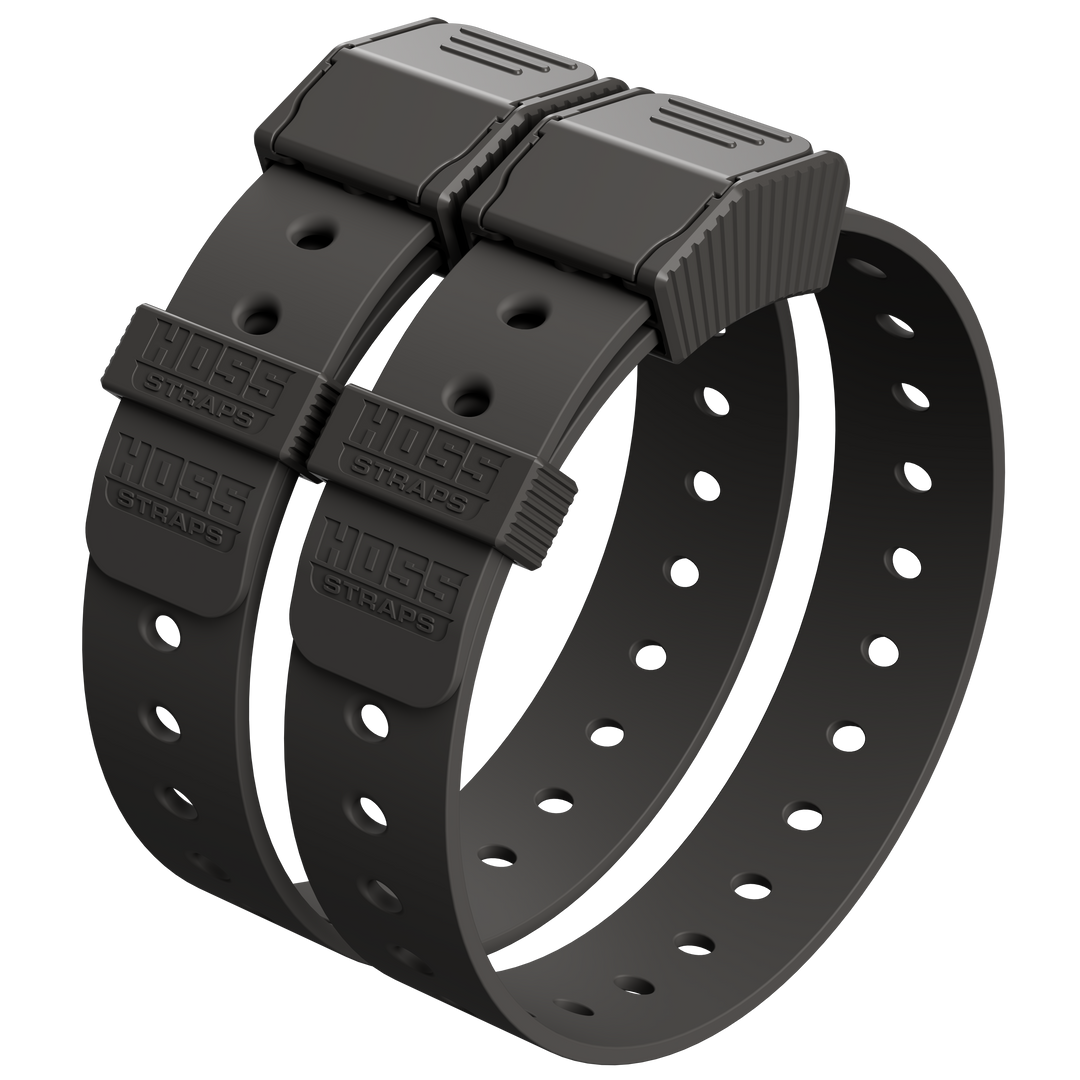
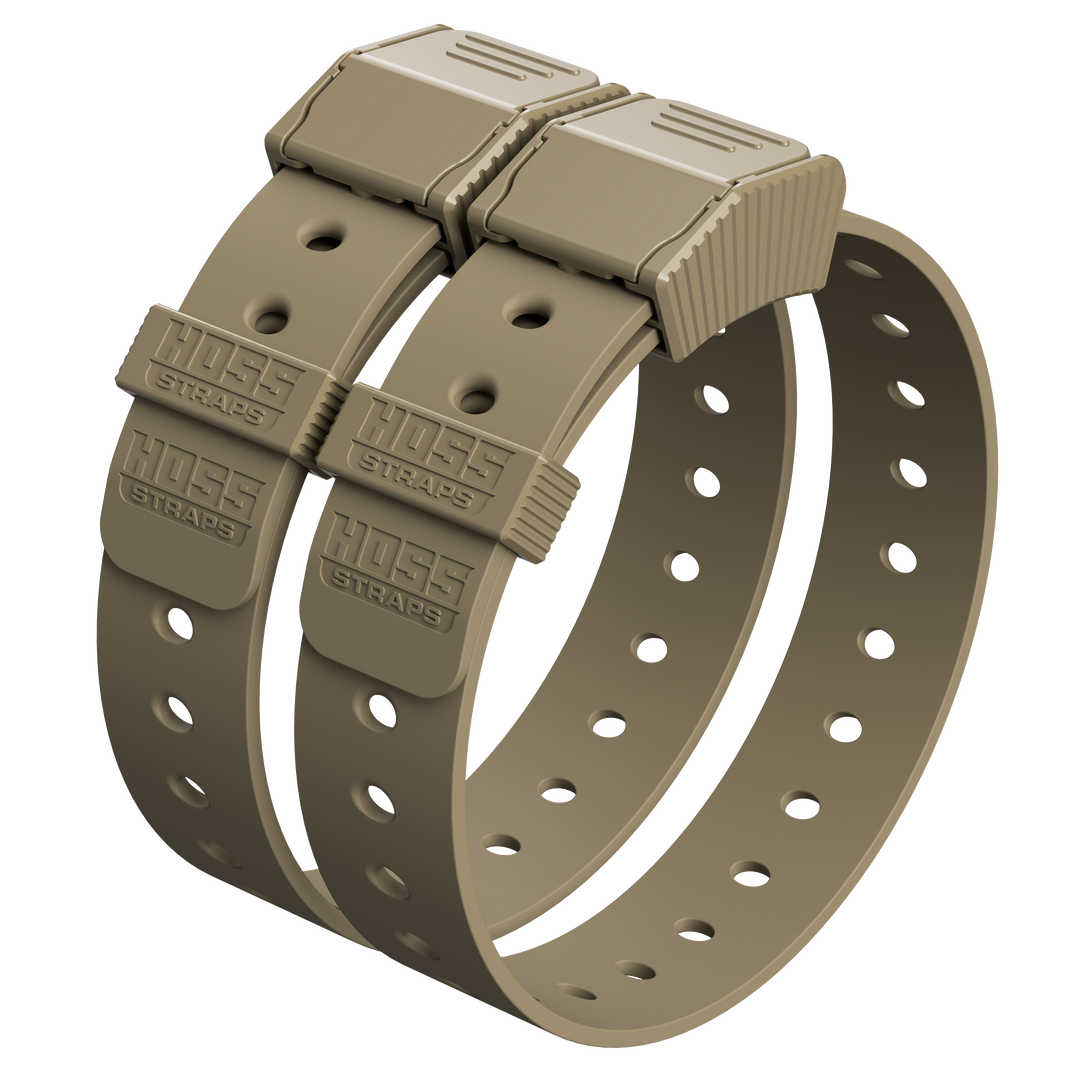
When you are building a training setup, the strap matters. A receiver can only work consistently if the strap fits correctly, stays in place, and holds the device where it belongs.
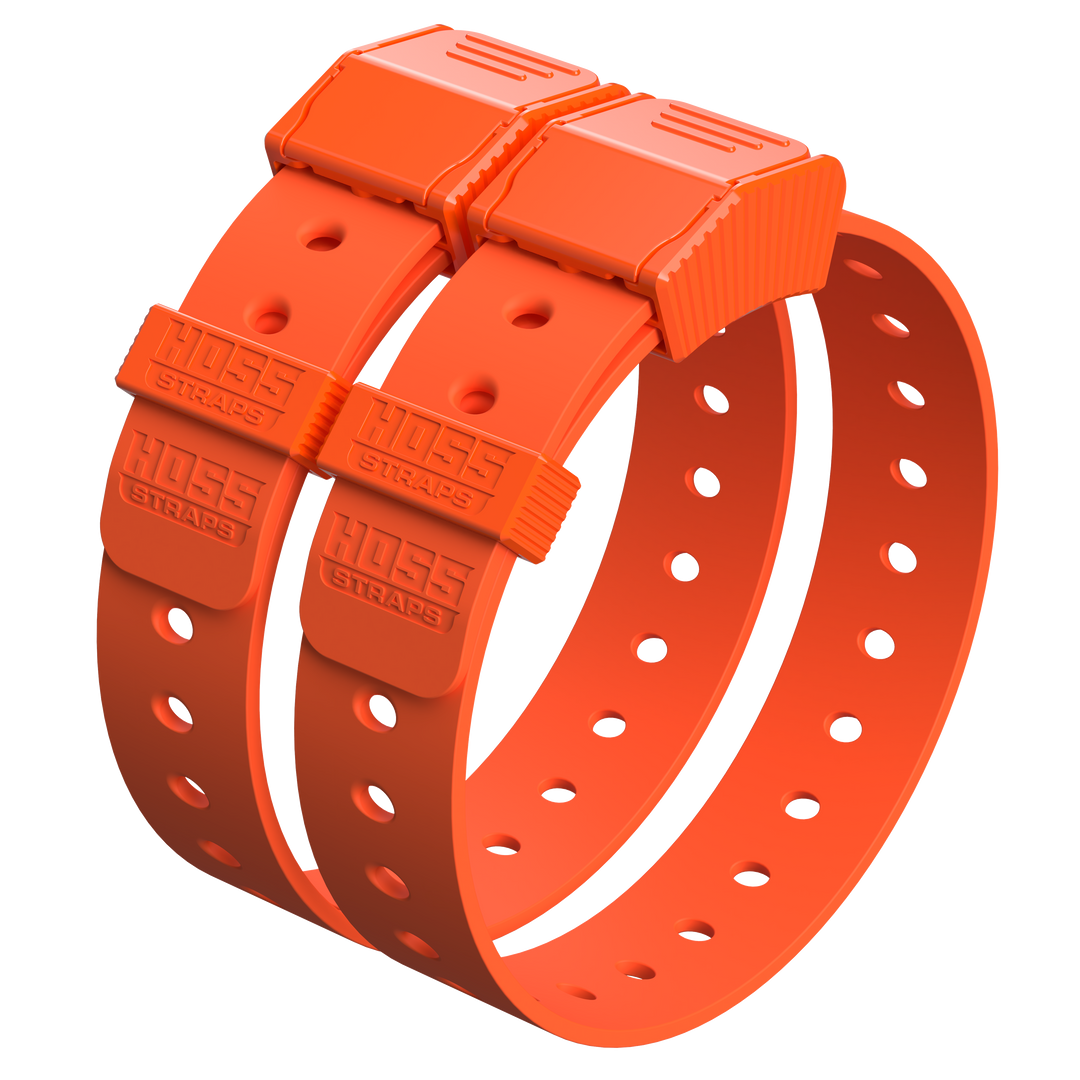
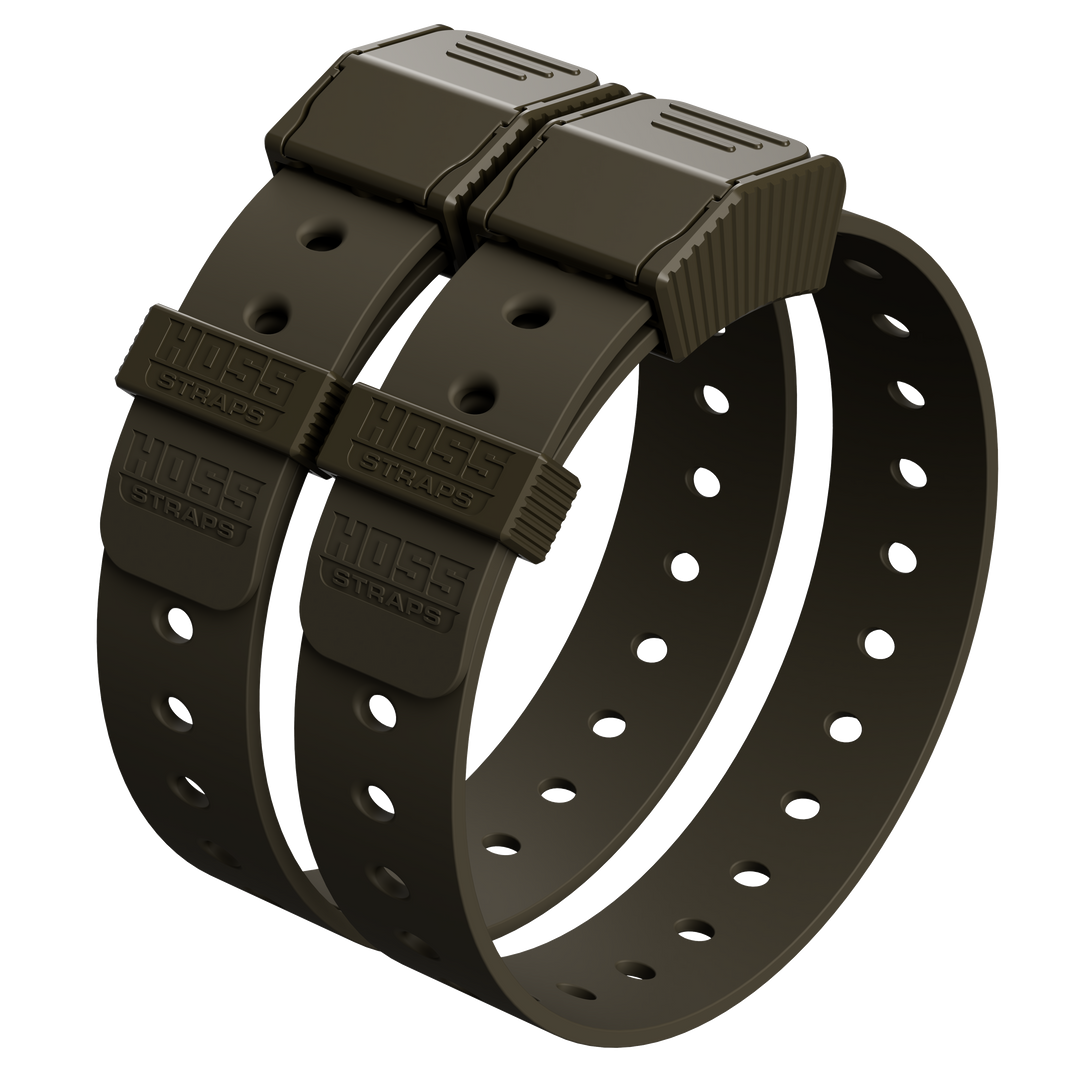
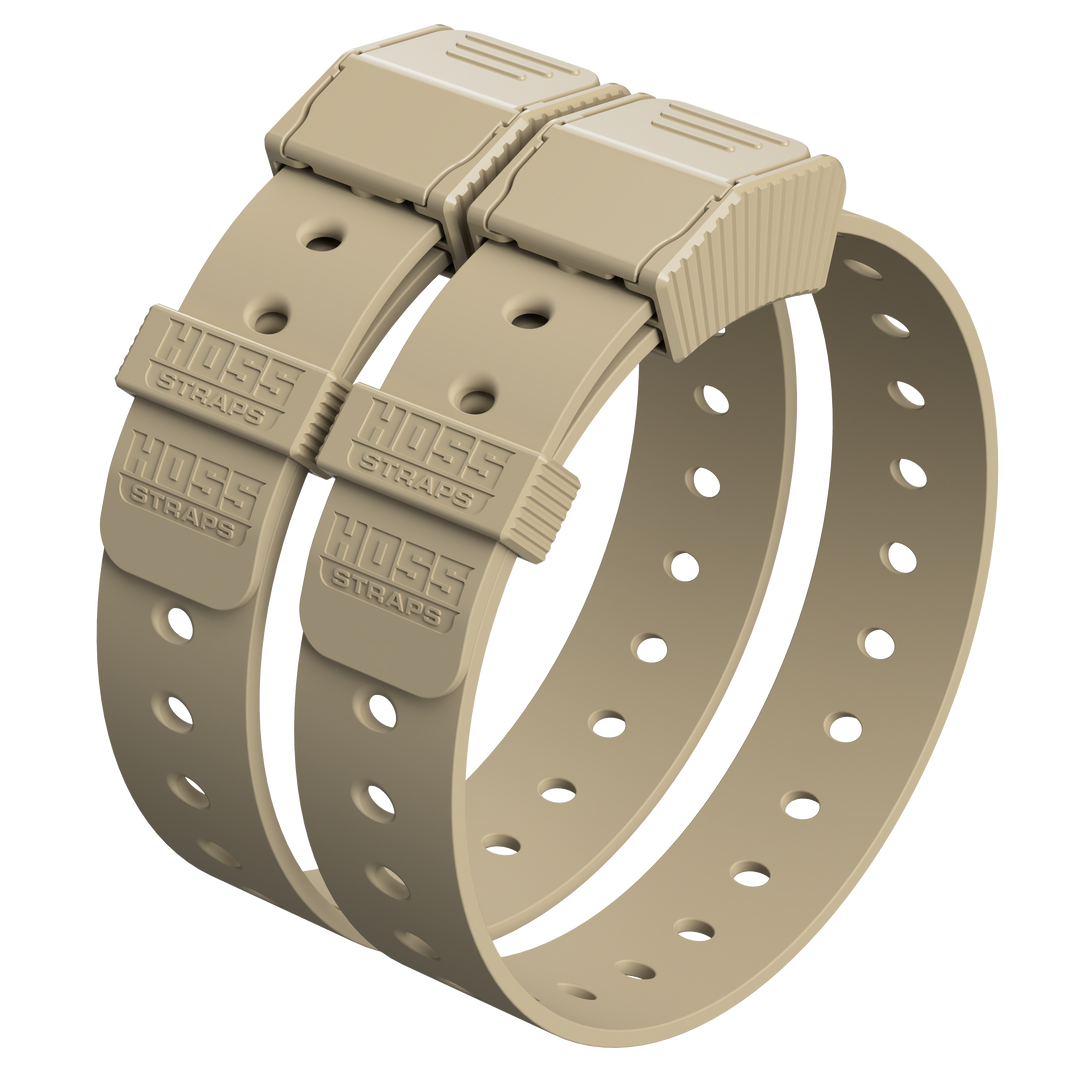
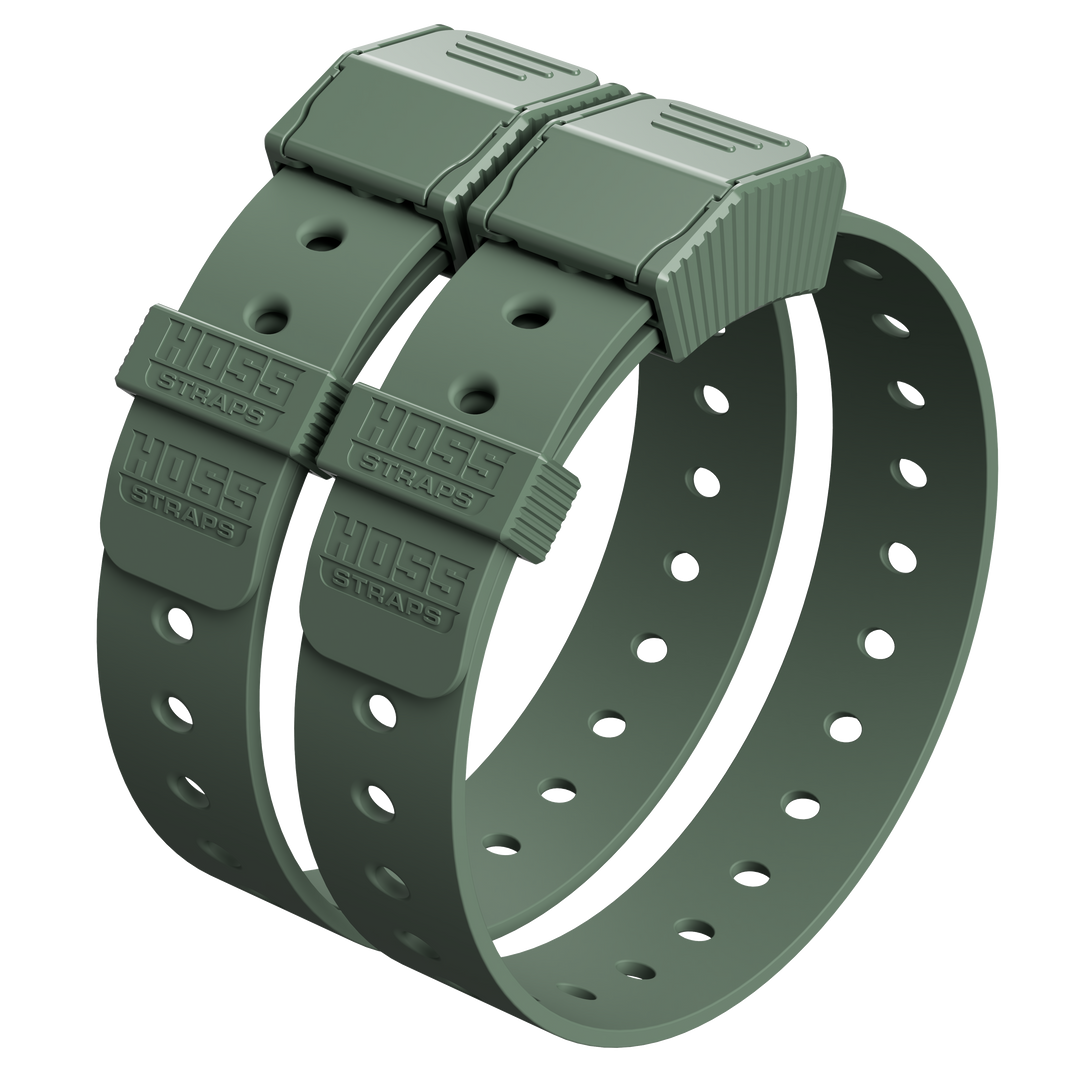
The Hoss Straps Training Collar Setup includes the D-Ring Dog Collar and Training Collar Adapter Kit. Garmin device sold separately.
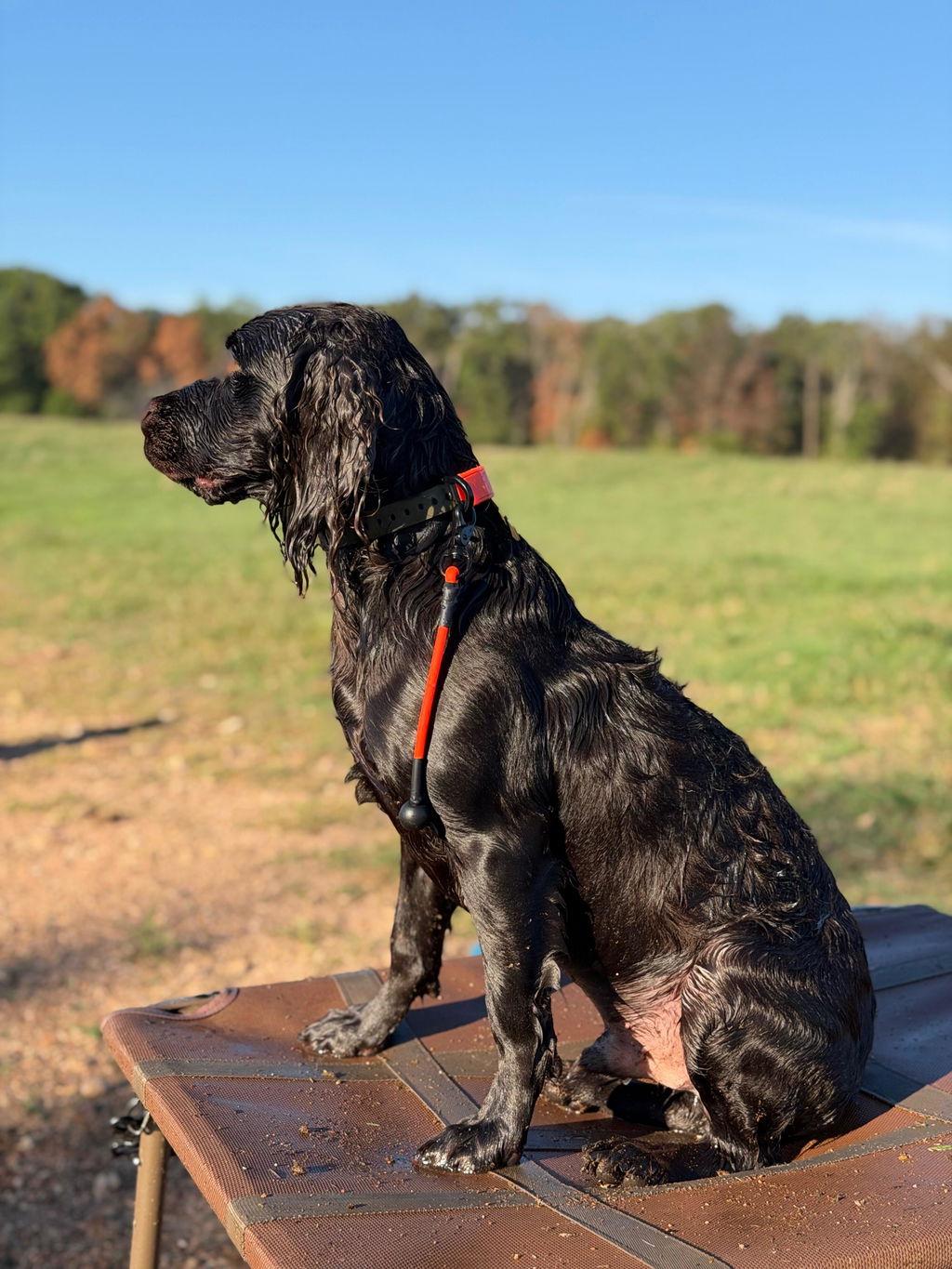
It is built for owners who want a tough, weatherproof collar base that can handle real training days, wet grass, mud, and outdoor work. If you already have a compatible training module, the Training Collar Adapter Kit helps you mount it cleanly on a Hoss Straps collar.
When to Remove and Transition
Training with a collar is not meant to replace the relationship between you and your dog. The goal is for your dog to understand the cue so clearly that you need less equipment, not more.
As your dog improves, reduce reliance on the collar and keep rewarding good choices. Practice the same cues in easy environments first, then slowly add distractions. If your dog regresses, go back to easier reps and rebuild confidence.
Remove the training collar after sessions, check your dog’s neck, and keep the gear clean and dry.
FAQ
At what age can my dog use a training collar?
Many trainers avoid electronic training collars on young puppies and focus first on positive reinforcement, leash skills, recall, and basic manners. If you are considering a receiver-style collar, talk with a qualified trainer or veterinarian before starting.
How tight should the collar be?
It should be snug enough that the receiver or strap does not slide or rotate, but not so tight that it restricts swallowing, breathing, or normal movement. Follow your device manual and re-check fit after a few minutes of wear.
What if my dog seems stressed or uncomfortable?
Stop immediately, remove the collar, and reassess. Stress signs can include panting, avoidance, freezing, scratching, panic, or aggression. If the behavior continues, consult a qualified trainer or veterinarian.
Can I use a training collar on any dog temperament?
No. Dogs with fear, anxiety, reactivity, or aggression need professional guidance. A collar used incorrectly can make those problems worse.
How long does training with a collar take?
Training timelines vary by dog, handler consistency, environment, and goal. Short daily sessions with clear cues and rewards are usually more effective than long, stressful sessions.