


ID Collar vs Hanging Tag: Comfort, Safety, and the Smart Way to Handle Dog ID

Check out our training collar setup, D-ring dog collar, dog collars, and more.
Dog ID should be simple. Your dog gets out, someone finds them, and they can reach you fast.
But comfort matters too. If your dog gets rub spots, pulls hair under the collar, or scratches at their neck every day, it does not matter how good your ID setup looks on paper. It will not stay on.
This guide compares built-in ID collars, where the information is on the collar itself, with hanging tags, the classic tag-on-a-ring setup. We will focus on what most owners care about: comfort, snag risk, readability, and getting your dog home.
Table of Contents
- What We Mean by ID Collar vs Hanging Tag
- Comfort: Skin Irritation and Fur Pulling
- Identification: Which One Gets Your Dog Home Faster?
- What to Put on a Dog ID Collar or Tag
- Safety and Snag Risk
- Microchips and Visible ID Work Together
- Which Should You Choose?
- Built for Real Life: Hoss Straps Dog Collars
- FAQ
What We Mean by ID Collar vs Hanging Tag
| ID Type | What It Means | Best For |
|---|---|---|
| ID collar | A collar that carries your dog’s contact information on the collar itself, often through embroidery, printing, or a fixed plate. | Owners who want fewer swinging parts and a cleaner everyday setup. |
| Hanging tag | A regular collar with an ID tag attached by a split ring near the buckle or D-ring. | Owners who rotate collars, update tags often, or need to carry license and rabies tags. |
The American Kennel Club recommends collar tags with owner contact information and checking periodically that the tag is still present and legible. Built-in ID and hanging tags are simply two different ways to carry that visible information.
Comfort: Skin Irritation and Fur Pulling
Collar comfort usually comes down to three things: fit, friction, and what is moving around under the chin.
Built-in ID collars and comfort
A built-in ID collar can feel cleaner on the neck because there is one less piece of hardware swinging and rubbing. If your dog has a thick coat, long hair, or sensitive skin, fewer moving parts can mean fewer contact points.
That said, a built-in ID collar still needs to fit right. If the collar is too tight, too loose, or stays damp after rain, swimming, or baths, irritation can still show up.
Hanging tags and comfort
A hanging tag adds motion. Some dogs ignore it. Others do not. If your dog has a fine coat, tight curls, or a lot of neck fluff, the tag and ring can rub or tug hair as they swing.
PetMD notes that collars that are too tight can contribute to skin irritation and hair loss, and also warns that hanging tags can catch on crates and other objects. Comfort and safety often overlap.
One fit check that helps both options
If you are dealing with irritation or coat breakage, start with fit and friction. A poorly fitted collar can rub the same area repeatedly and make small problems worse.
- Check the collar after rough play, swimming, or muddy days.
- Give the neck a break during supervised downtime if your dog is prone to irritation.
- Keep the collar clean and dry when you can.
- Re-check fit after grooming, weight changes, and coat changes.
Identification: Which One Gets Your Dog Home Faster?
The best ID method is the one a stranger can read fast. If the information is current, clear, and easy to find, either setup can work.
| ID Setup | Strength | Watch-Out |
|---|---|---|
| Built-in ID collar | Your phone number stays with the collar, with no separate tag to snap off. | If you replace the collar or your phone number changes, you may need a new custom collar or plate. |
| Hanging tag | Easy to move between collars and simple to replace when information changes. | Can jingle, flip, wear down, or detach if the split ring fails. |
Built-in ID can be a strong choice if your dog is sensitive to dangling gear, you prefer a minimal setup, or you want fewer moving parts under the chin.
Hanging tags can be a strong choice if you switch collars often, need to carry license or rabies tags, or want the easiest update path when your contact information changes.
What to Put on a Dog ID Collar or Tag
When deciding what to put on a dog ID collar or hanging tag, keep the goal simple: help the person who finds your dog reach you quickly.
| Priority | What to Add | Example |
|---|---|---|
| Must-have | Main phone number | 555-123-4567 |
| Helpful | Dog name | RANGER |
| Helpful if space allows | Backup phone number | 555-222-3333 |
| Optional | City and state | AUSTIN, TX |
Most owners do best with a phone number first, then a backup number or short location line if space allows. Avoid tiny text, crowded layouts, and extra wording that makes the important details harder to read.
Safety and Snag Risk
Here is the tradeoff: hanging tags can be convenient, but they can also catch. PetMD specifically warns that hanging tags can get caught on crates and other objects, creating a choking hazard.
A practical crate rule: if your dog is crated, consider removing collars and tags during crate time to reduce snag risk.
Built-in ID collars reduce the dangly part of the problem, but any collar can still snag in the wrong situation. Supervision and smart routines matter.
| Situation | Lower-Risk Habit | Why |
|---|---|---|
| Crate time | Remove collar and tags when appropriate. | Reduces the chance of gear catching on crate wire or hardware. |
| Rough play | Ask whether collars should come off during dog-to-dog play. | Collars and tags can catch during wrestling or chasing. |
| Daily walks | Use visible ID and check the ring, buckle, and D-ring often. | Daily movement can loosen rings or wear hardware over time. |
Microchips and Visible ID Work Together
A collar ID helps a good neighbor call you right away. A microchip helps when your dog is found and taken to a shelter or clinic.
The ASPCA supports microchip identification paired with a collar and personalized ID tag. The AVMA also explains that a microchip does not replace a collar with up-to-date identification when someone needs to identify a found pet quickly.
The clean setup many owners settle into:
- Visible ID, either built into the collar or carried on a hanging tag
- Microchip as a backup
- Contact info kept current in both places
Which Should You Choose? A Quick Decision Guide
| Choose This | If... | Best Next Step |
|---|---|---|
| Built-in ID collar | Your dog gets irritated by swinging tags, has coat breakage under the chin, or you want fewer moving parts. | Keep the text short, high contrast, and easy to read. |
| Hanging tag | You rotate collars, need to move ID often, or want the easiest replacement option. | Use one strong split ring and avoid stacking unnecessary tags. |
| Both | You want built-in phone ID for daily wear but still need a separate license or rabies tag for outings. | Keep the hanging pieces minimal so the setup does not get noisy or bulky. |
Built for Real Life: Hoss Straps Dog Collars
No matter which ID route you pick, the collar itself is the foundation. A strong collar helps your dog wear their ID comfortably day after day without constant fuss.
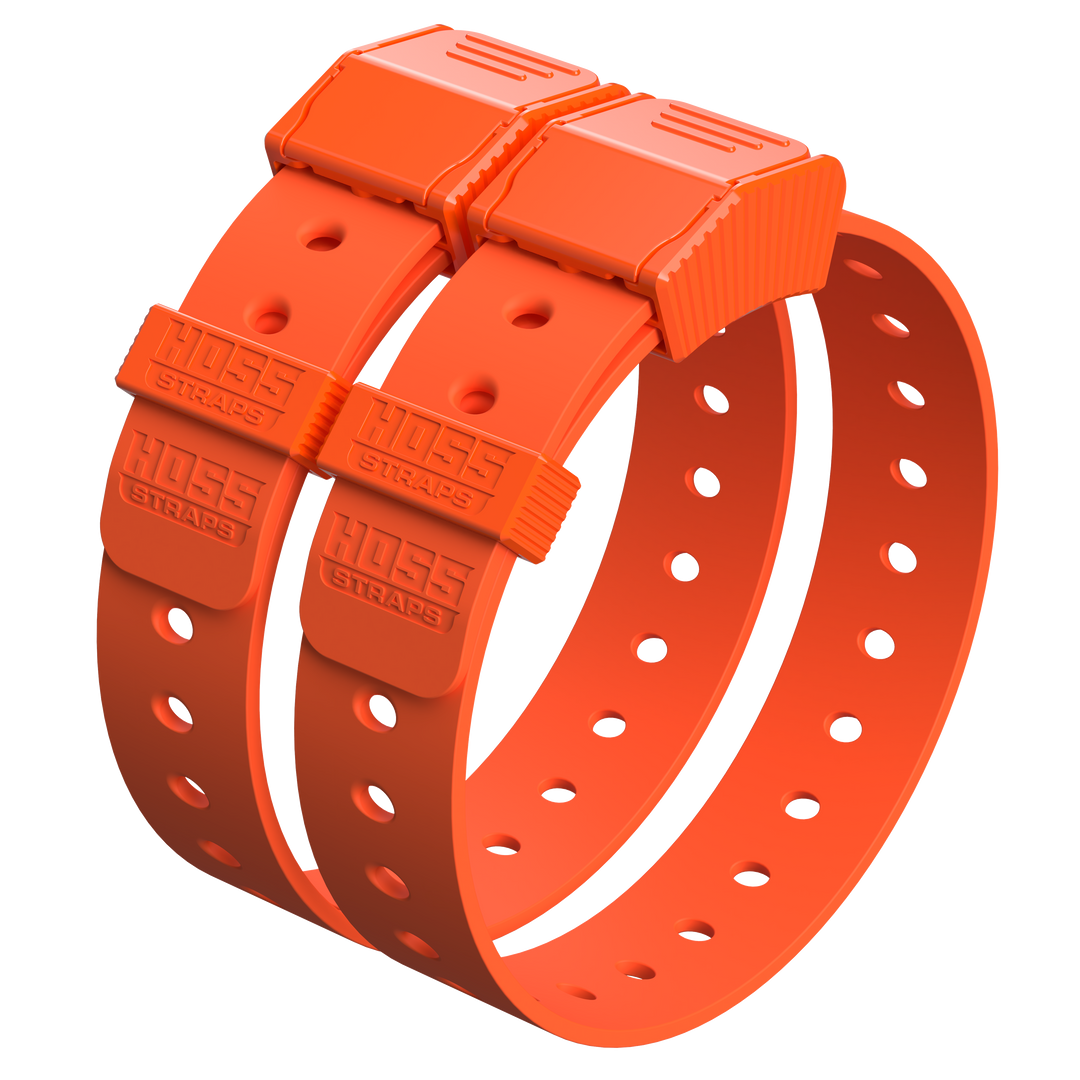
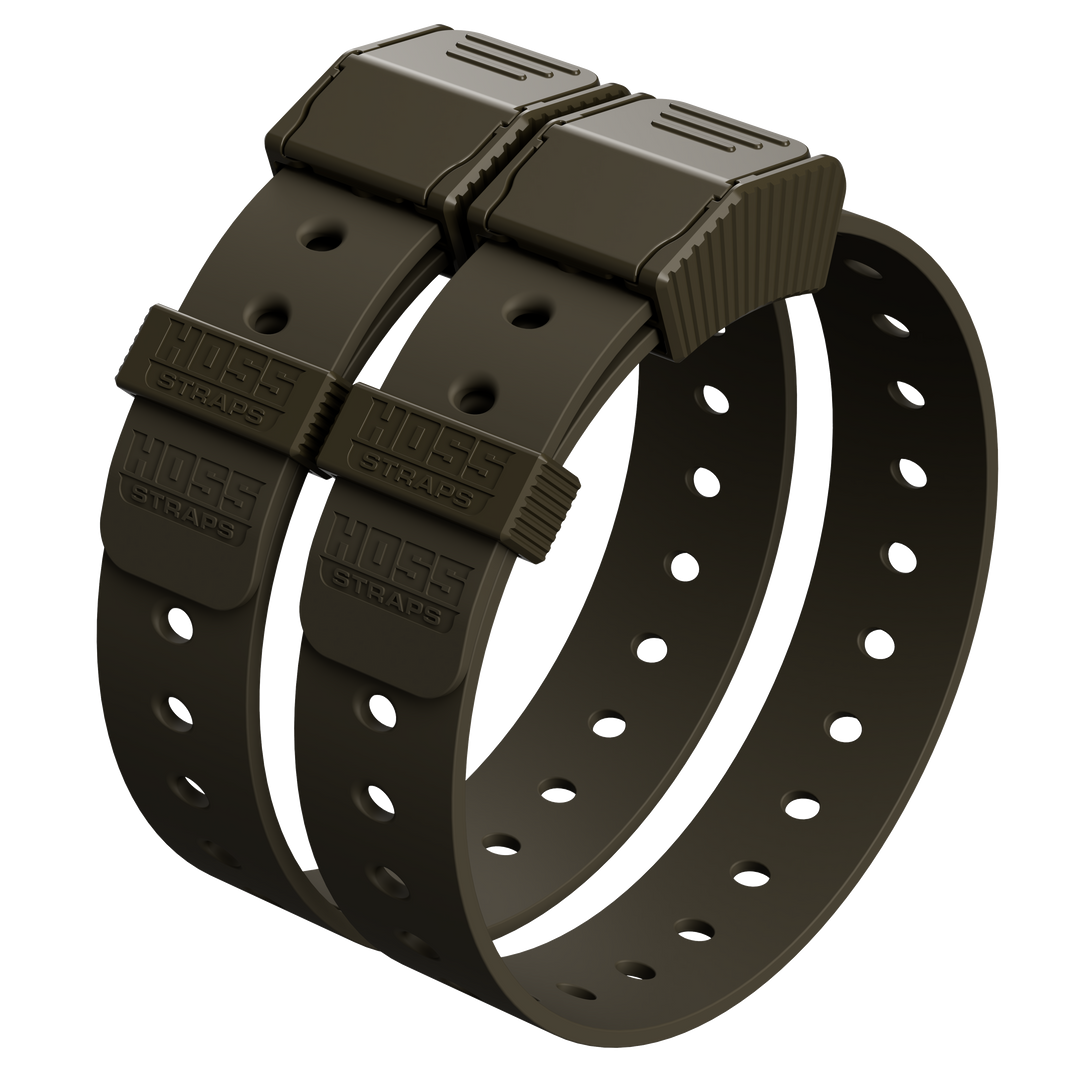
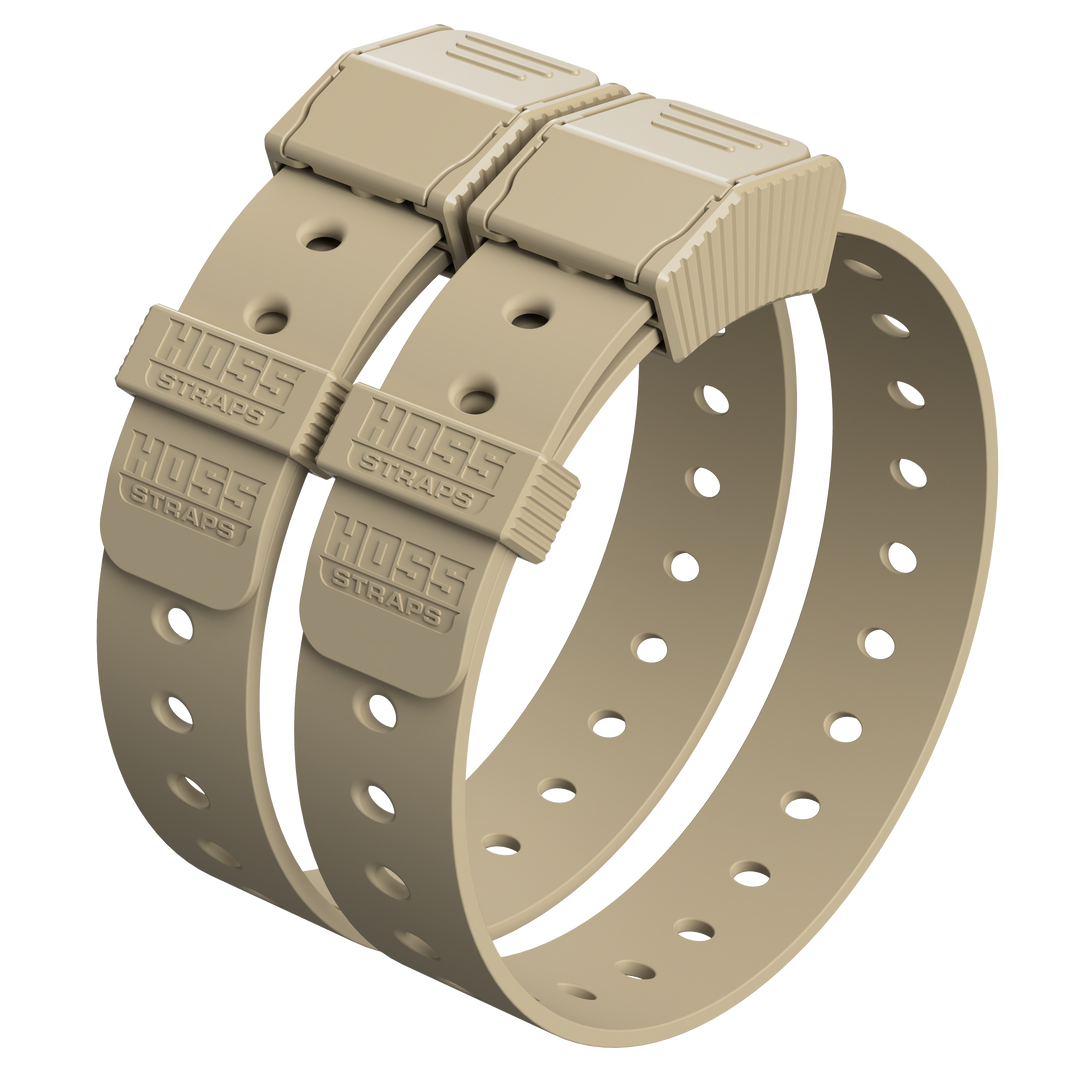
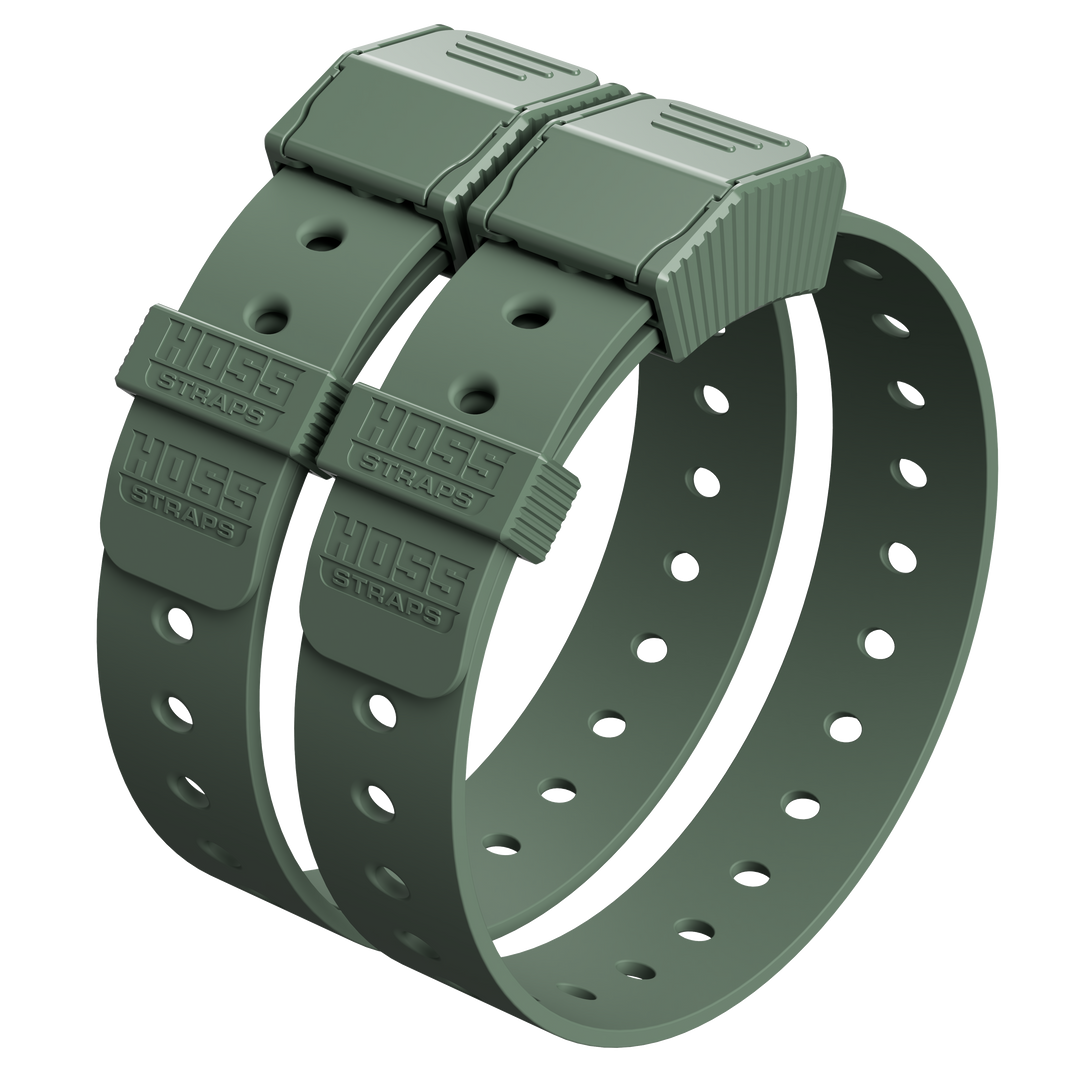
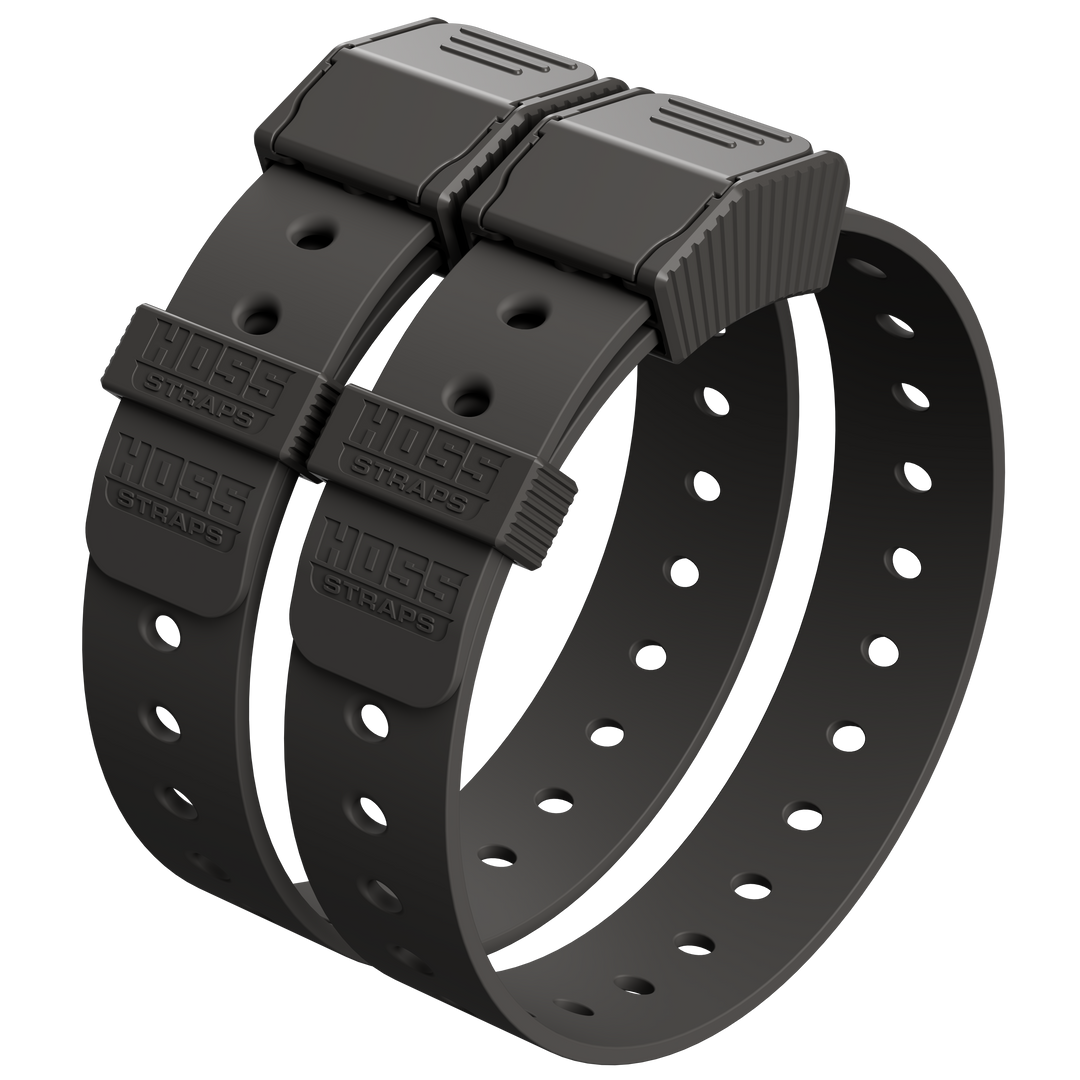
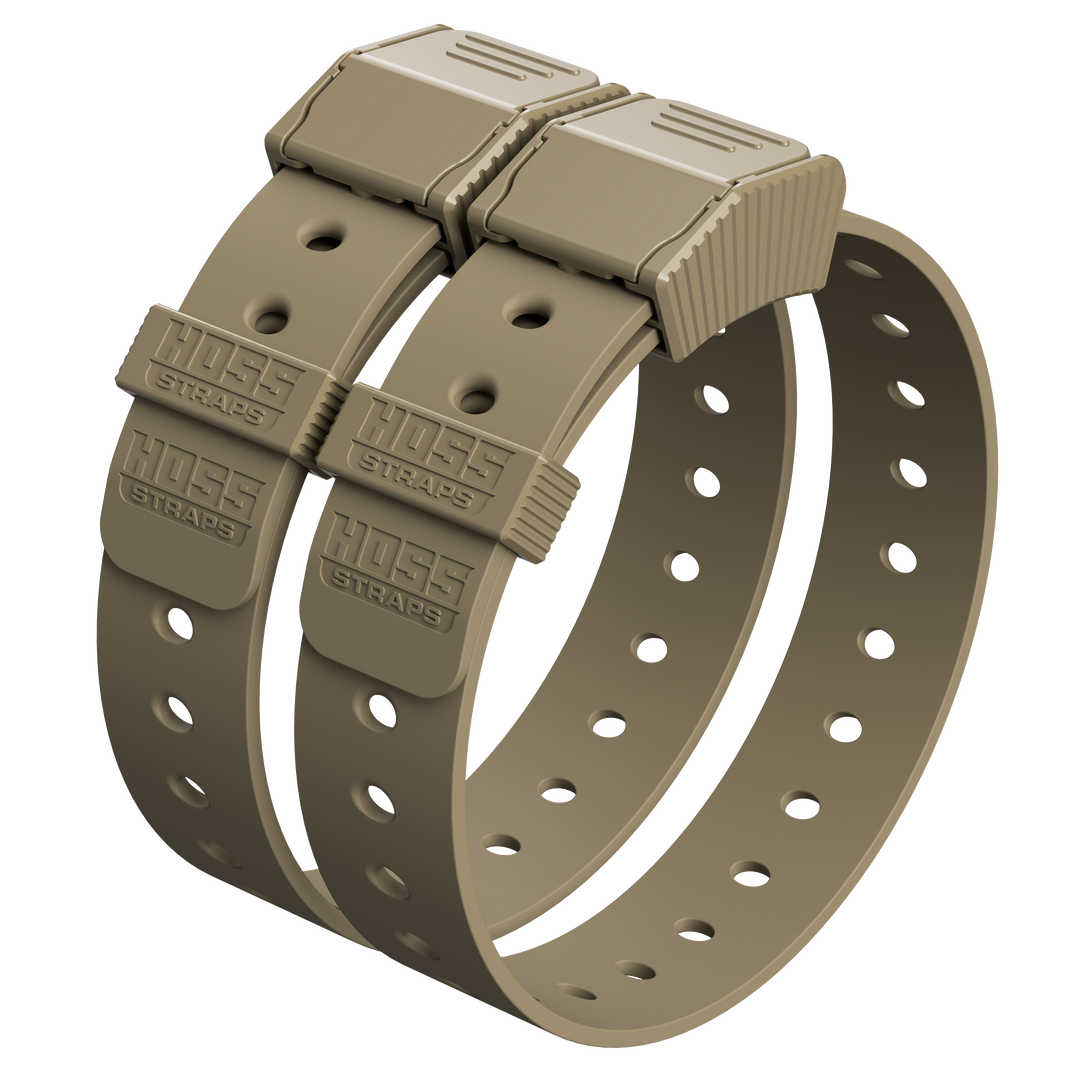
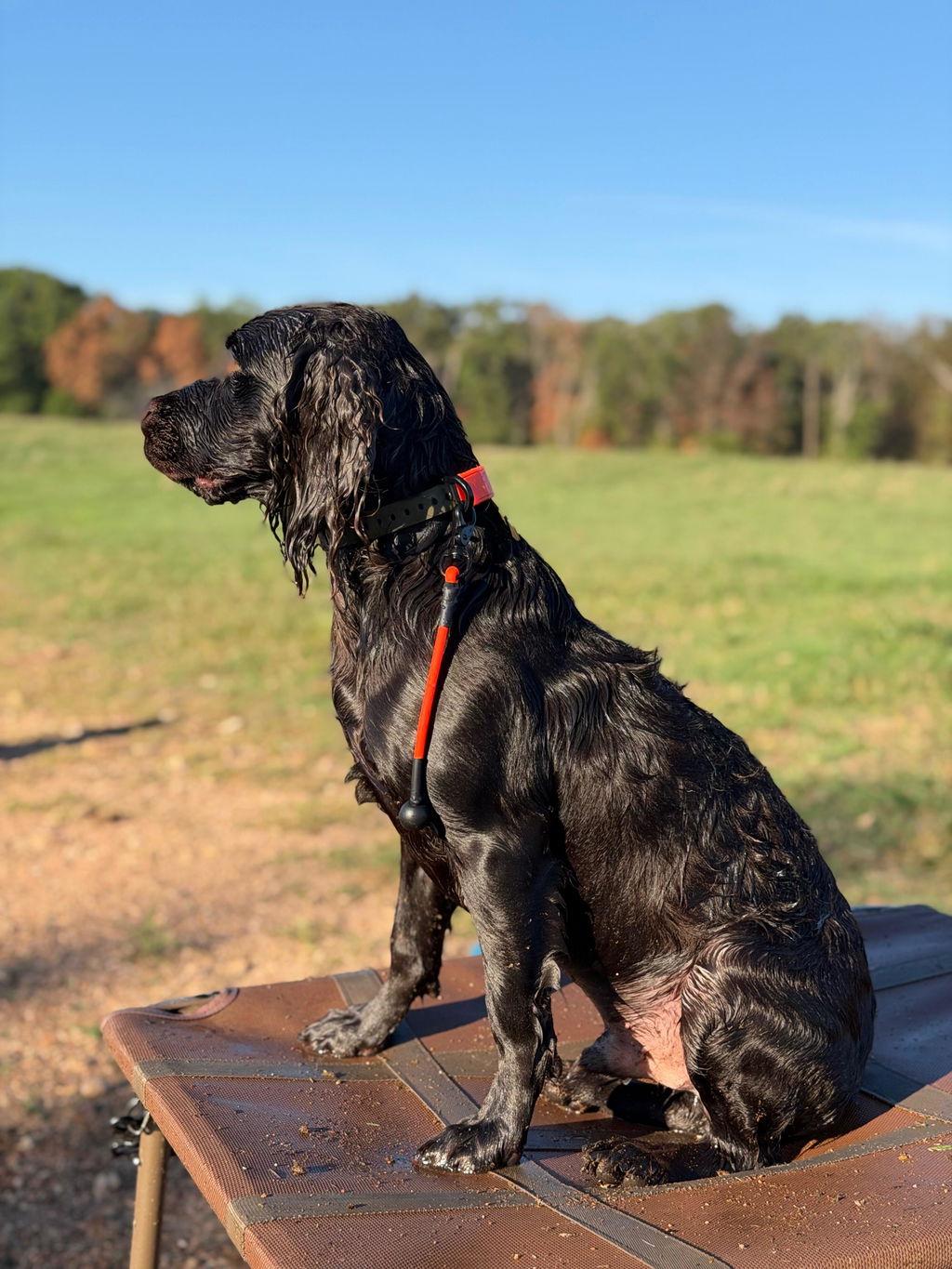
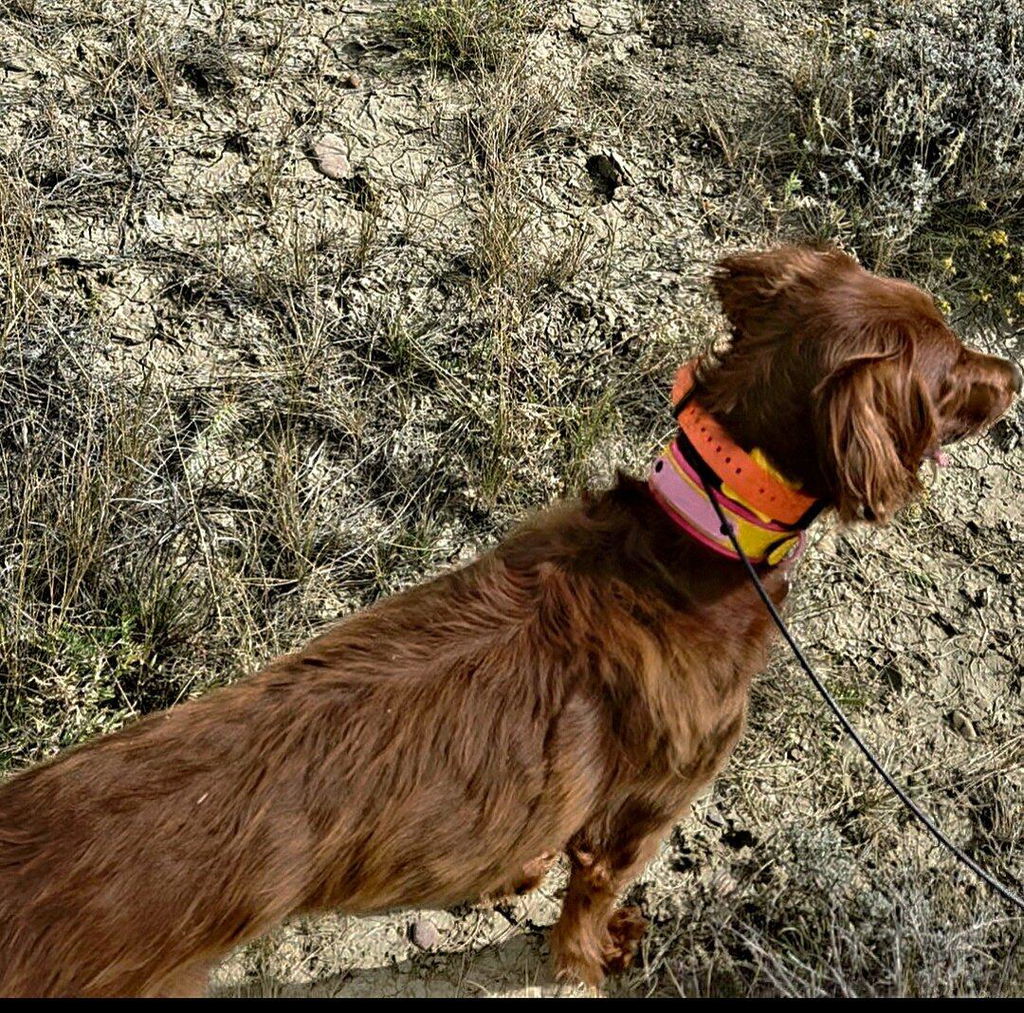
Hoss Straps Dog Collars are built for real use: walks, work, wet weather, and the miles in between. They are 100% weatherproof, easy to clean, quick to put on and take off, and made to pair cleanly with the ID tag or plate setup you choose.
FAQ
Is a built-in ID collar more comfortable than a hanging tag?
It can be, especially for dogs that get irritation or coat breakage under the collar line. If your dog reacts to swinging hardware, built-in ID often feels simpler.
Can hanging tags cause fur pulling?
They can for some dogs, mainly when the tag and ring rub the coat in the same spot over and over. If you see wear under the chin, try a built-in ID collar or reduce tag movement.
What is the safest option for crate time?
Many owners remove collars during crate time to reduce snag risk. If your dog is crated regularly, build a routine that makes collar-off and collar-on automatic.
If I use a built-in ID collar, do I still need a microchip?
Yes. A microchip is still a smart backup. Built-in ID helps a finder call you fast, and the microchip helps when your dog is scanned at a shelter or vet.
What should I put on the ID collar or tag?
Keep it readable and focused: a main phone number first, then a backup number if you have room. If space allows, add your city and state so a finder knows where home likely is.