


ID Collars for Boarding and Daycare: What Facilities Need and Safety Labeling Tips

Check out our training collar setup, D-ring dog collar, dog collars, and more.
Boarding, daycare, grooming, and vet drop-offs are busy. Staff are moving dogs, checking paperwork, and managing group play. Your job is to make your dog easy to ID at a glance.
This guide covers what many facilities ask for, what to put on your dog’s collar, and how to keep it safe in real-world conditions. It can also help if you are shopping for replacement dog collars for tags and licenses before your next stay.
Table of Contents
- Why Staff Care About ID
- What Facilities Usually Need From You at Drop-Off
- What to Put on an ID Collar
- Labeling Tips That Stay Readable
- Collar Safety in Group Play
- Fit Check That Prevents Trouble
- Your Drop-Off Ready Checklist
- Common Mistakes That Cause Delays
- FAQ
Why Staff Care About ID
Most places are doing their best to run a tight ship. Still, mix-ups happen when dogs look alike, tags fall off, or phone numbers are old.
A clear collar setup helps staff:
- Match the dog to the right family at pickup
- Call you fast if plans change
- Confirm the right dog during grooming, medication, feeding, or rest time
- Keep check-in moving on a busy day
What Facilities Usually Need From You at Drop-Off
The basics they need on file
Many facilities ask for vaccination records, and the American Kennel Club notes that many states require kennels to keep proof of dogs’ vaccination records.
You should also be ready to share your vet’s name, emergency contact, medication instructions, and any health notes. Boarding staff need clear information before there is a problem, not after.
The basics they need on the dog
Paperwork helps. Visible ID helps faster.
The ASPCA supports microchips paired with visible ID tags on a pet’s collar as a reliable recovery system. For boarding and daycare, that same idea applies: visible collar ID gives staff a fast way to confirm who your dog is.
What to Put on an ID Collar for Boarding and Daycare
Keep it simple and useful. For most dogs, these four lines do the job:
| Information | Example | Why It Helps |
|---|---|---|
| Dog name | RANGER | Helps staff confirm the right dog quickly. |
| Owner phone | 555-123-4567 | Gives staff the fastest way to reach you. |
| Secondary phone | 555-222-3333 | Useful if you are traveling, working, or away from your phone. |
| City and state | AUSTIN, TX | Gives location context without listing your full address. |
Privacy vs. speed
City and state give a quick clue without putting your full address on display. If your dog slips a door, a stranger can still reach you fast with a readable phone number.
Labeling Tips That Stay Readable in Real Life
Staff will not have time to squint. Your dog’s ID should be readable fast, even during a busy drop-off line.
- Use big, clean text.
- Keep it short.
- Skip extra lines that do not help in an emergency.
- Recheck your numbers before every stay.
- If the collar uses a tag, use a setup that does not constantly flip and hide the numbers.
| Setup | Best For | Watch-Out |
|---|---|---|
| Hanging ID tag | Easy updates and quick replacement | Can jingle, flip, or fall off if the ring fails. |
| Engraved plate | Lower noise and cleaner profile | Less convenient if you switch collars often. |
| Backup collar | Boarding bags, long stays, travel days | Must have current ID too, not old numbers. |
Collar Safety in Group Play: What to Ask Your Facility
Some places keep collars on. Some take them off during play. Ask before drop-off so you are not surprised.
VCA warns that serious injury can occur if a collar becomes entangled and twisted tightly, including during play or crate confinement. That does not mean collars are bad. It means the facility should have a clear safety routine.
Simple questions to ask:
- Do you keep collars on in group play, or do you remove them?
- If you remove collars, how do you identify dogs during the day?
- Do you allow dangling tags, or do you prefer a flat setup?
- Do you require quick-release buckles?
- What happens if a collar breaks or goes missing?
Fit Check That Prevents Trouble
A collar that is too loose can slip off. A collar that is too tight can rub, irritate the neck, or make your dog uncomfortable during a long day.
Before you go:
- Make sure the collar sits snug but not tight.
- Use a quick two-finger fit check.
- Check for rough edges, cracked hardware, or sharp tag corners.
- Make sure the tag or plate does not block the buckle.
- Watch for scratching, shaking, or rubbing before you leave.
Your Drop-Off Ready Checklist
Use this the night before boarding, daycare, grooming, or a vet drop-off.
| Task | Why It Matters |
|---|---|
| Confirm your phone numbers are current. | Old numbers slow down urgent contact. |
| Pack your dog’s paperwork and vaccination records. | Many facilities require proof before accepting dogs. |
| Pack medications and written instructions. | Staff need clear directions, especially for multi-day stays. |
| Bring a backup collar. | A simple save if a tag, buckle, or strap fails. |
| Ask about collar rules for play and rest time. | Every facility handles group play differently. |
Common Mistakes That Cause Delays
- Tiny text that no one can read
- Old phone numbers
- Too much info on the collar
- Tags that fall off or flip constantly
- Showing up without paperwork
- Skipping the backup collar
- Not asking whether collars stay on during group play
Need a Solid Collar for Boarding, Daycare, and Daily Life?
A collar is the base layer for any ID setup. It should fit right, hold up to daily wear, and stay comfortable through long days.
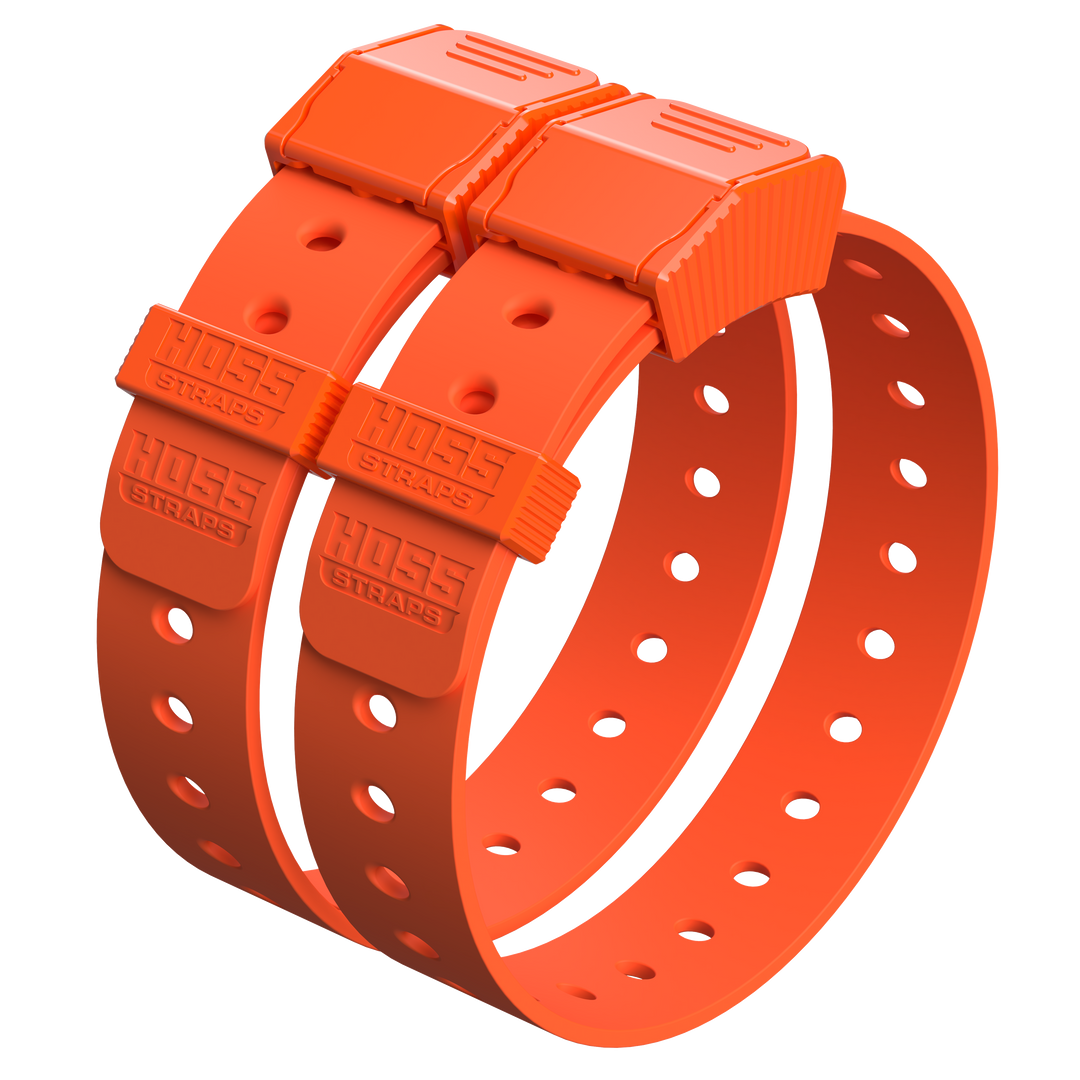
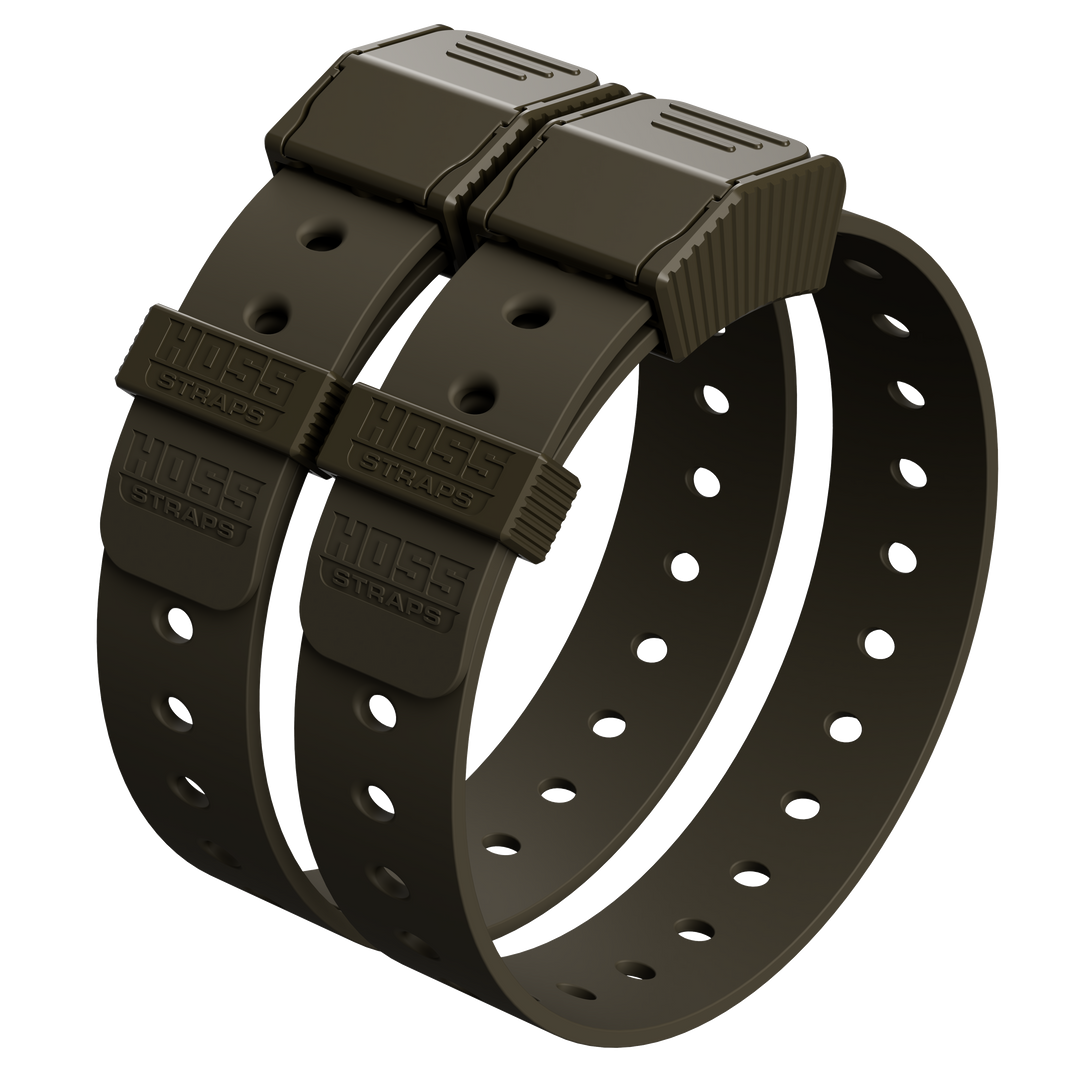
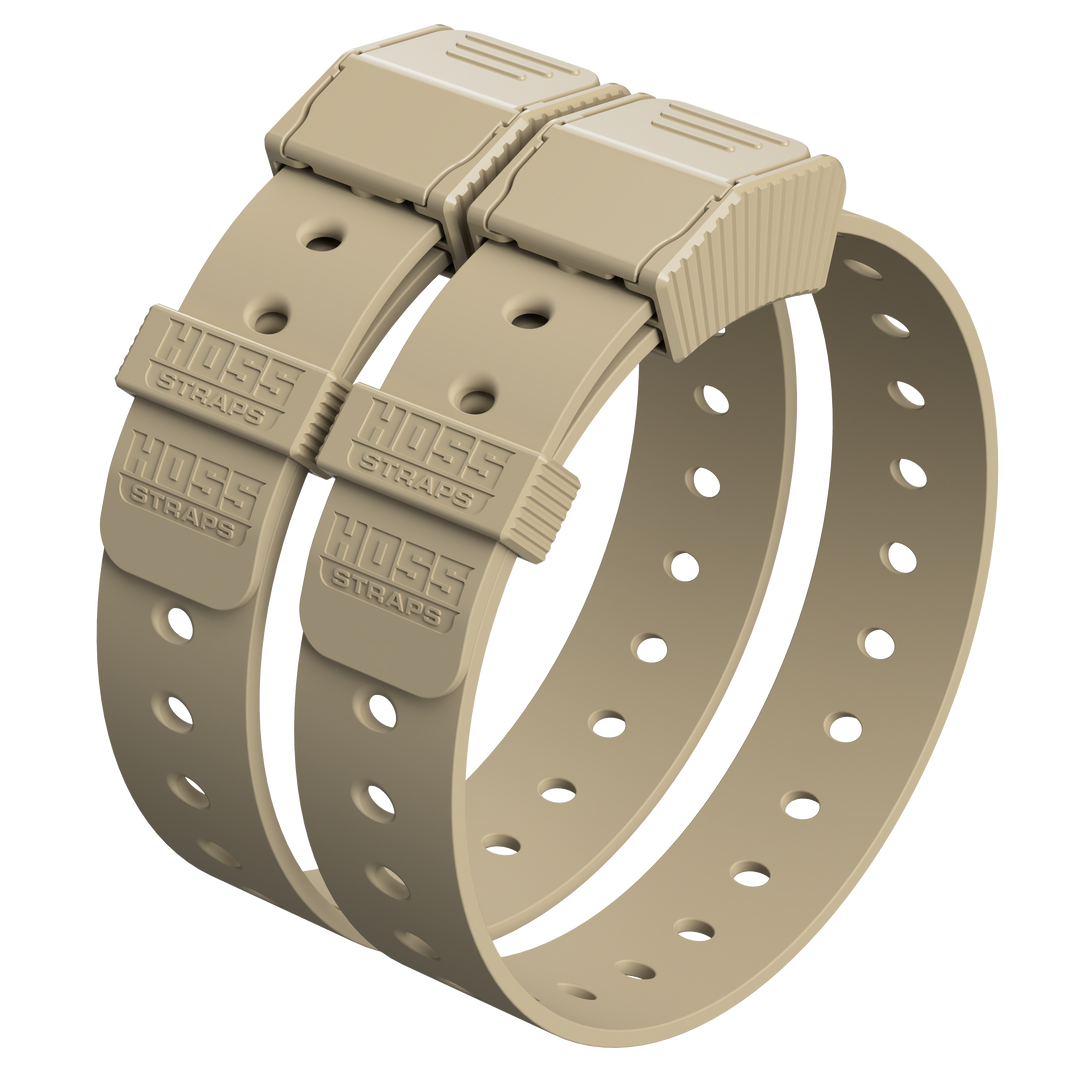
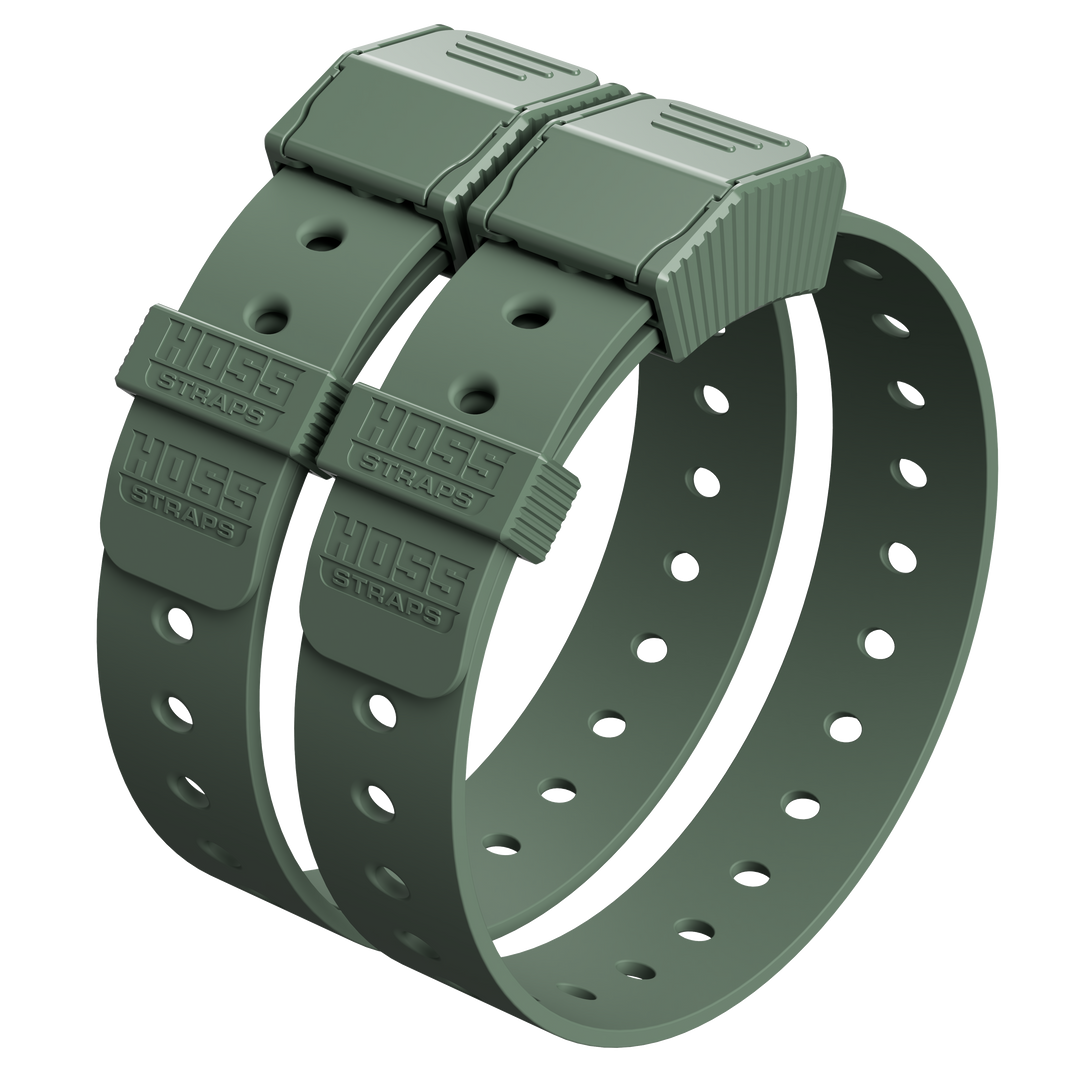
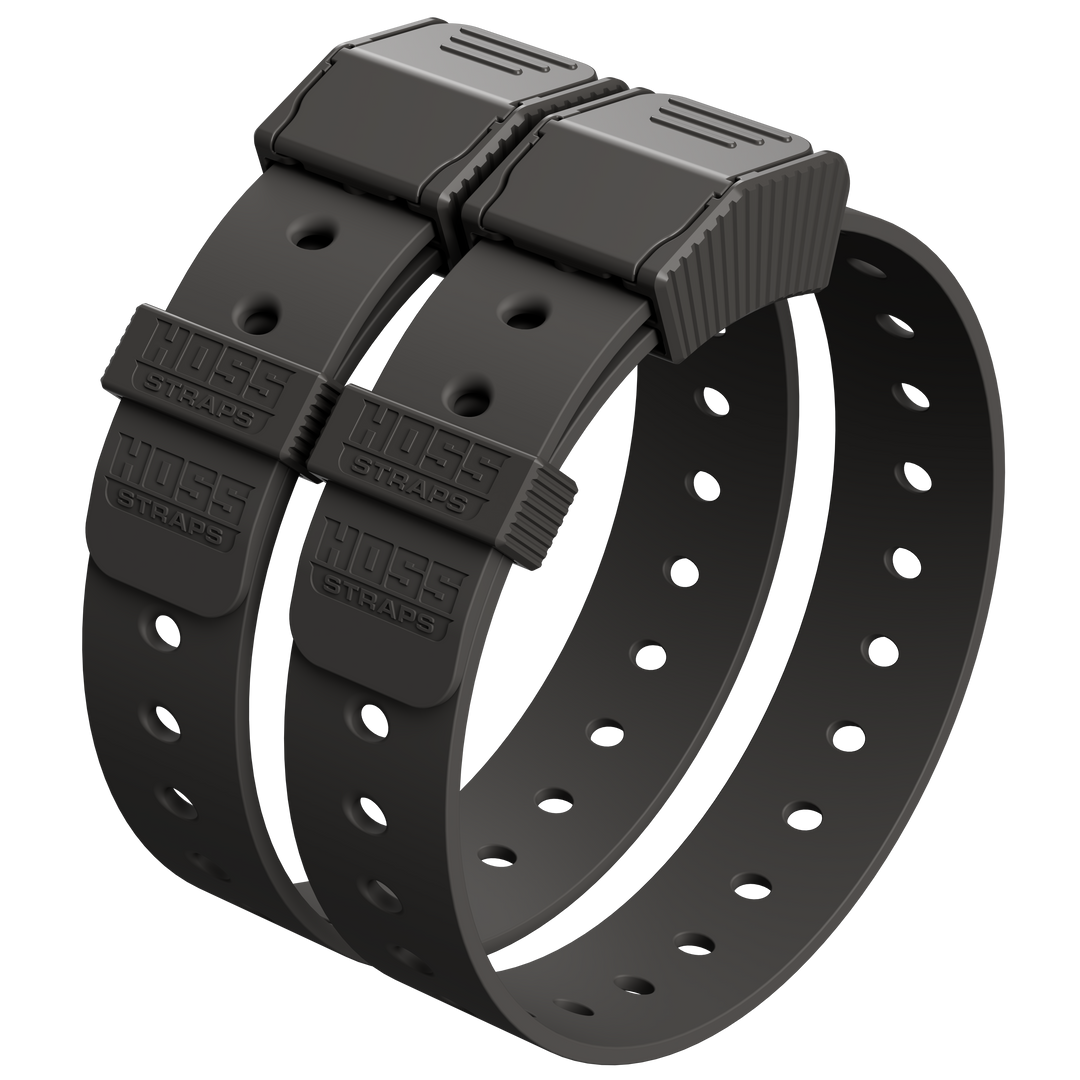
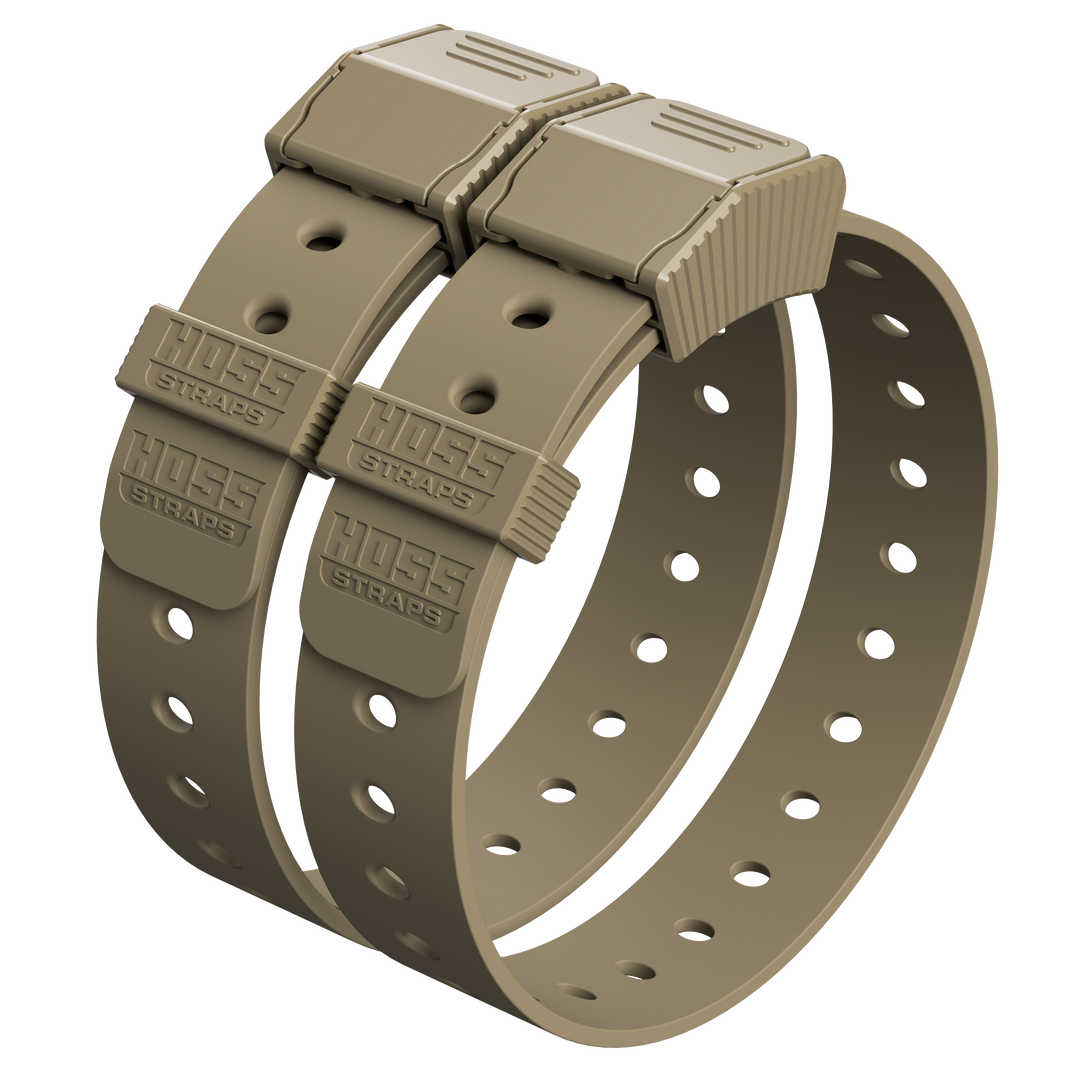
Hoss Straps Dog Collars are built for real use: 100% weatherproof, easy to clean, quick to put on and take off, and designed with a quick-release buckle. They pair cleanly with the ID tag or plate setup your facility prefers.
Set your dog up with a collar you can count on before the next drop-off.
FAQ
What info should be on my dog’s collar for daycare or boarding?
Stick to the basics that help staff call you fast: your dog’s name, your phone number, a second phone number, and your city and state.
If my dog is microchipped, do they still need collar ID?
Yes. A microchip helps as backup, but visible collar ID is quicker for staff and good Samaritans. For dogs that get loose, the ASPCA supports microchips paired with visible ID tags on a collar for a stronger recovery setup.
Do boarding facilities require Bordetella or kennel cough vaccines?
Many do, because dogs in group settings share air and space. The AAHA canine vaccination guidelines include Bordetella as a noncore vaccine that may be recommended based on exposure risk. Always ask your facility what vaccines they require before drop-off.
Are collars safe during group play?
It depends on the facility’s rules and how dogs play. Since collars can get caught and twist during play, ask the staff what they do for safety and how they keep dogs identified.
What if my dog’s collar gets removed during play?
Ask how the facility keeps dogs identified without collars, and make sure your paperwork matches your dog’s name and your contact numbers. A backup collar in your bag is a simple save if something breaks or goes missing.