


ID Collars for Large Dogs: Bigger Text, Quieter Setups, and a Fit That Stays Put

Check out our training collar setup, D-ring dog collar, dog collars, and more.
Large-dog ID collars need to do a simple job well: stay on, stay readable, and help the right person contact you fast. Bigger dogs usually mean bigger tags, stronger hardware, and more force on the collar, so the setup has to be clean instead of cluttered.
The AVMA explains that a microchip does not replace a collar with up-to-date identification. Hoss Straps does not include ID tags, but our collars are built to pair with the tag or plate setup you choose.
Table of Contents
- Start With the Real Owner Setup
- Readability at a Glance
- Tag Noise Tradeoffs
- Engraving Wear After Weather and Washing
- Fit by Dog Size and Build
- Real Owner Setup Choices
- Why Visible ID Still Matters Even With a Microchip
- What Owners Usually Get Wrong
- Quick Setup Checklist
- FAQ
Start With the Real Owner Setup
Most large-dog owners end up choosing between two practical ID setups: a hanging tag on a split ring or a fixed ID plate attached to the collar. The right choice usually comes down to how you actually use the collar.
| ID Setup | Best For | Tradeoff |
|---|---|---|
| Hanging tag | Owners who rotate collars or update tags often | Easy to swap, but more likely to jingle, swing, or tap hardware. |
| Fixed ID plate | Owners who want a quieter, cleaner everyday setup | Lower movement, but less convenient if you switch collars often. |
A hanging tag gives you flexibility. A fixed plate usually feels quieter and tidier. For a large dog, the difference is more noticeable because the tag and ring are usually bigger and have more room to move.
Readability at a Glance
Large dogs give you more tag space, but that does not mean the tag should become crowded. American Humane recommends visible identification with current contact details, and the cleanest tags usually keep the most important contact line first.
A few layouts that work better than overstuffed tags:
| Setup | Example | Why It Works |
|---|---|---|
| Most readable | RANGER 555-123-4567 |
Big text, fast scan, no clutter. |
| With backup number | RANGER 555-123-4567 555-222-3333 |
Adds a second contact without turning the tag into a paragraph. |
| With short location | RANGER 555-123-4567 AUSTIN, TX |
Gives useful location context while keeping text readable. |
The general rule is simple: fewer words, bigger letters, cleaner spacing. Owners usually get this wrong by trying to fit a full address, multiple numbers, a QR code, and extra notes onto one tag.
Tag Noise Tradeoffs
Tag noise is mostly a setup choice. A hanging tag is usually more flexible, but it can tap bowls, crates, and hardware. A fixed plate is usually quieter, but it is less convenient to move when you switch collars.
For large dogs, noise can become more obvious because the tag and split ring may be heavier. If you want a quieter setup, reduce the number of loose pieces and keep the tag layout simple enough that you do not need to stack multiple tags.
| If You Want... | Choose... | Avoid... |
|---|---|---|
| Less noise | One fixed plate or one flatter hanging tag | Multiple tags, extra clips, oversized rings |
| Easy updates | One hanging tag on a sturdy split ring | Permanent setups if your contact info changes often |
| Cleaner daily wear | Short text, fewer parts, smooth hardware | Tag stacks that swing into the buckle or D-ring |
Engraving Wear After Weather and Washing
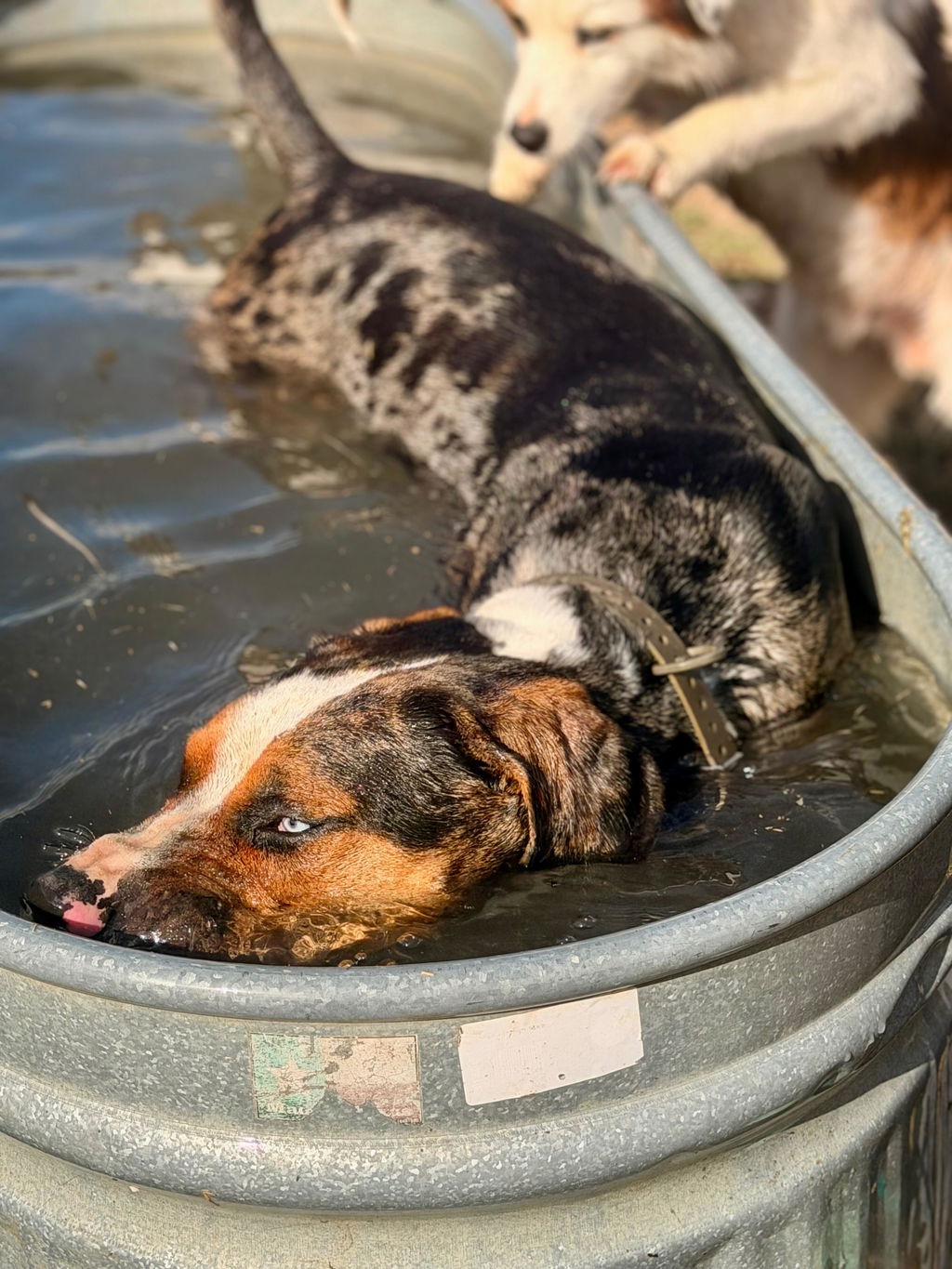
Collars used on large dogs tend to see mud, rain, brush, and repeated cleaning, so the setup needs to stay readable after normal wear. For the collar material itself, the official BioThane FAQ describes coated webbing as durable, waterproof, and easy to clean.
That matters because easier-to-clean collars make it simpler to spot worn engraving, scratched plates, loose rings, or tags that are becoming harder to read after weather and washing.
The cleaner the text layout is on day one, the better chance it has of staying readable after real use. A deep, simple phone number will usually outlast a crowded tag full of tiny text.
Fit by Dog Size and Build
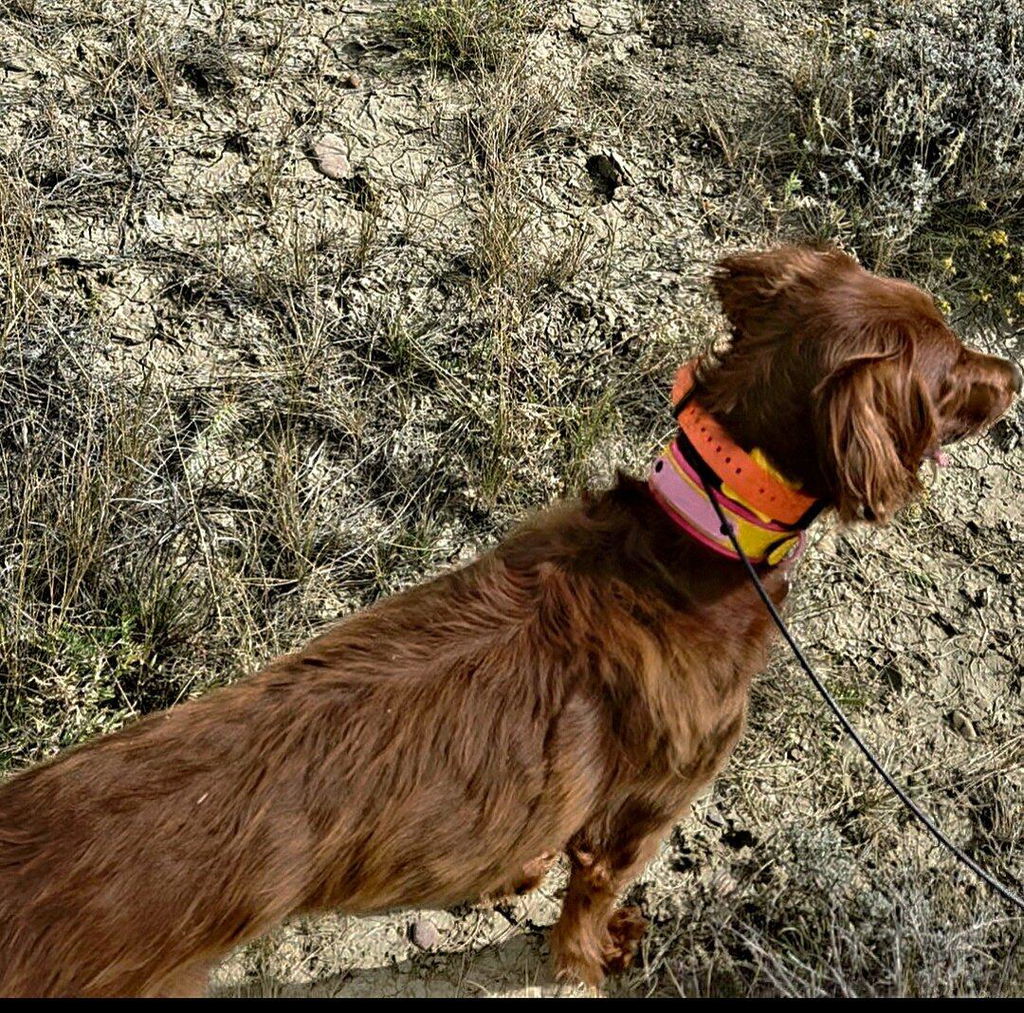
Fit matters more as the dog gets bigger and stronger. AKC guidance recommends measuring where the collar sits and using the two-finger rule so the collar is snug but not tight.
| Large Dog Build | Fit Priority | What to Double Check |
|---|---|---|
| Large but lean dogs | Secure fit that cannot back over the ears | Do a slip check, especially on dogs with narrower heads. |
| Broad-necked dogs | Stable fit that does not rotate constantly | Watch buckle placement, tag clearance, and collar roll. |
| Dogs near the top of the size range | Enough adjustment room for comfort and security | Re-check after a few days for settling, stretch, or hardware shift. |
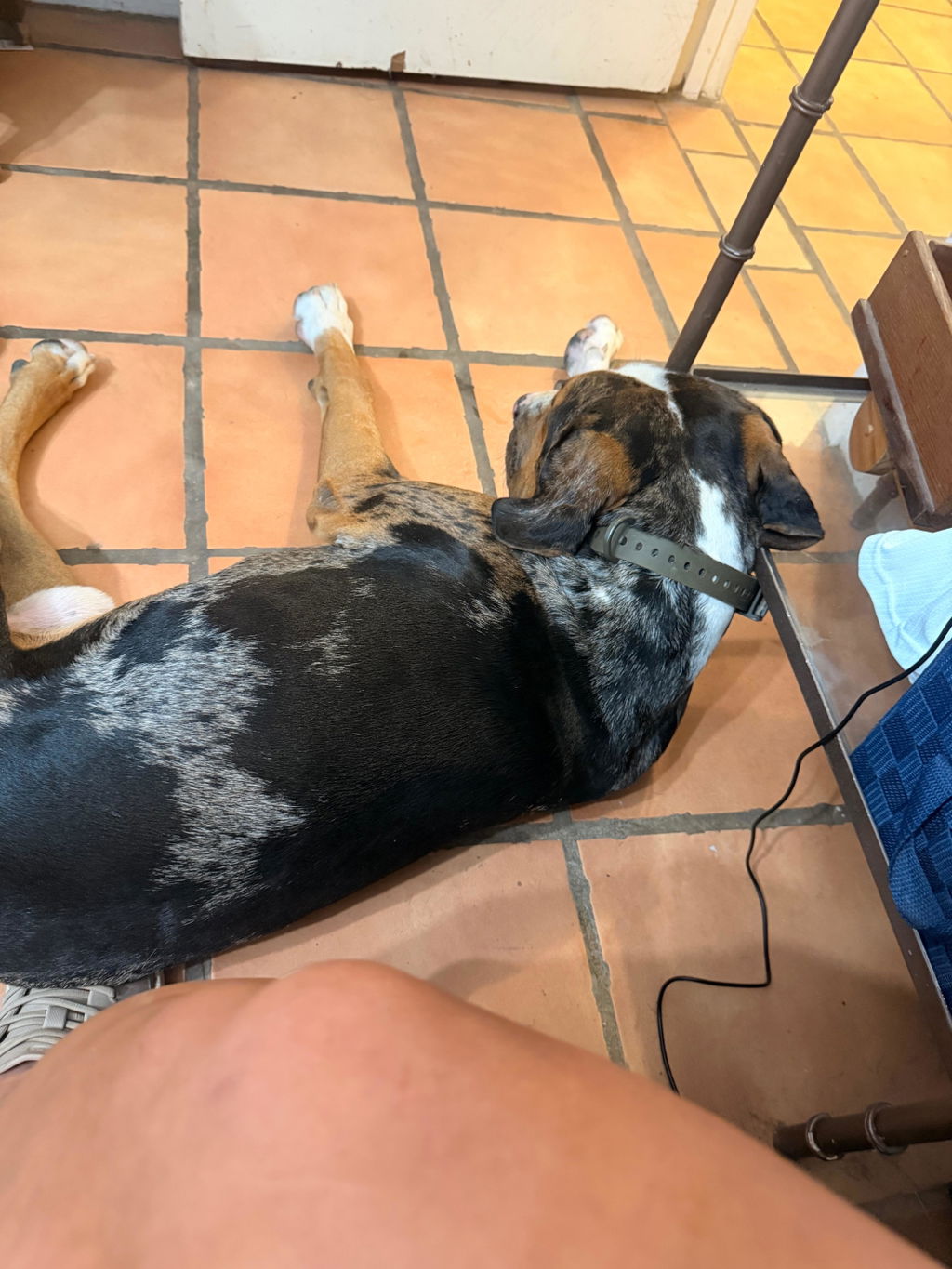
A large dog collar should stay put without digging in. If the collar spins freely, slips toward the shoulders, or can be backed over the head, the fit needs adjustment.
Real Owner Setup Choices
Most owners are balancing four things at once: readability, noise, weight, and convenience.
- The simple daily setup: one collar, one hanging tag, one phone number, easy to swap.
- The quieter setup: one collar, one fixed plate, short text, less movement.
- The weatherproof setup: easy-clean collar material, simple text, regular checks after rain and washing.
- The strong-dog setup: readable ID, sturdy hardware, and a fit that stays consistent after hard pulls or rough outings.
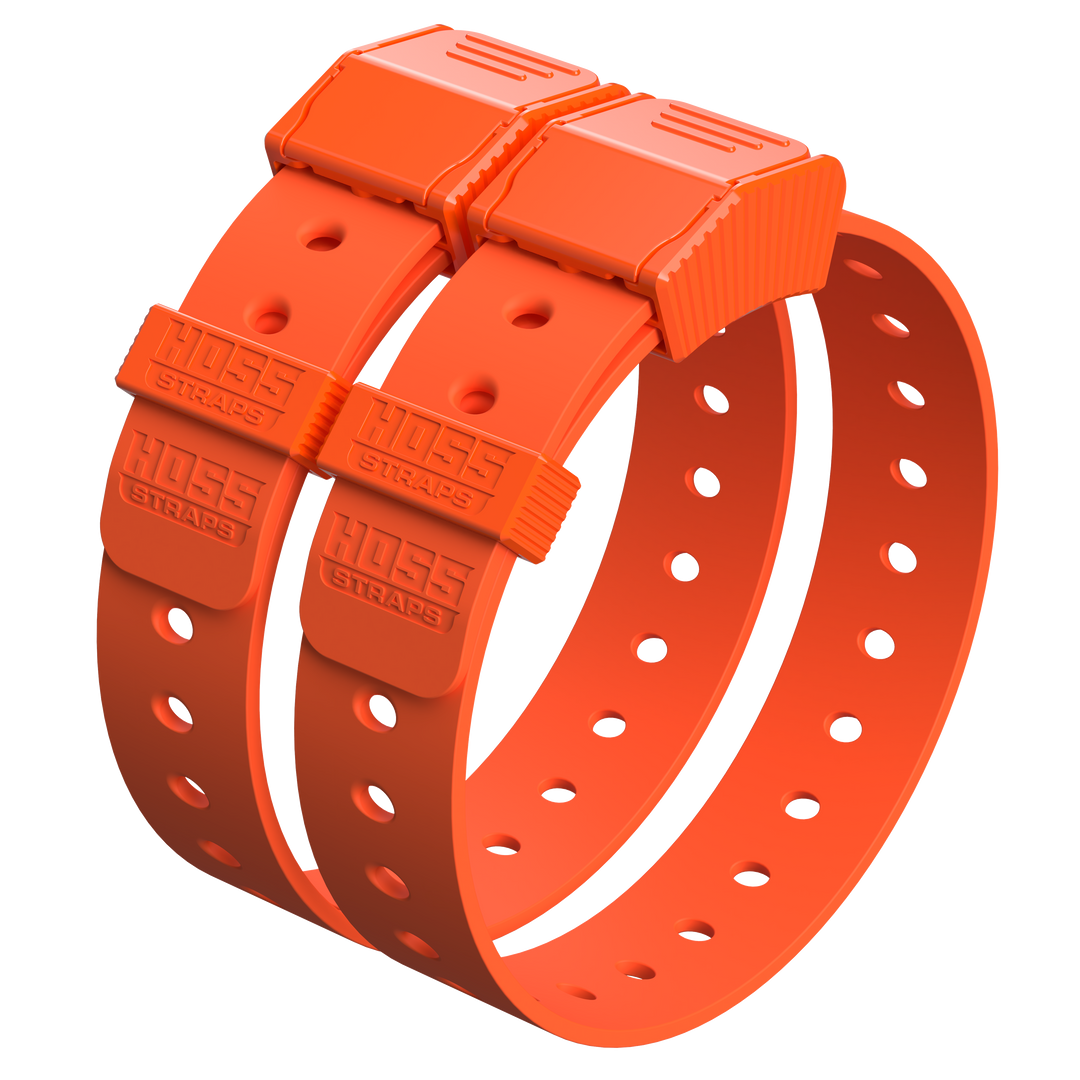
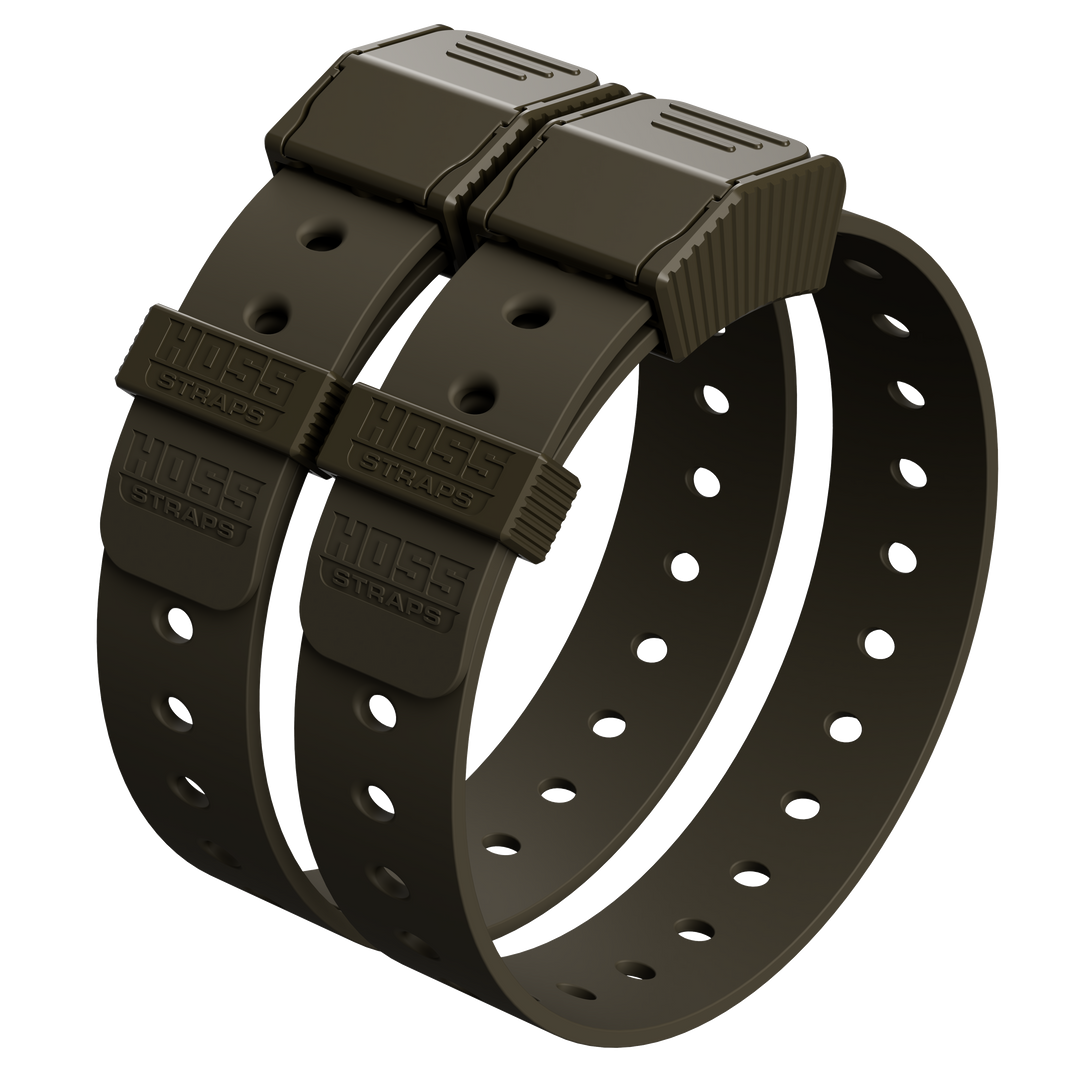
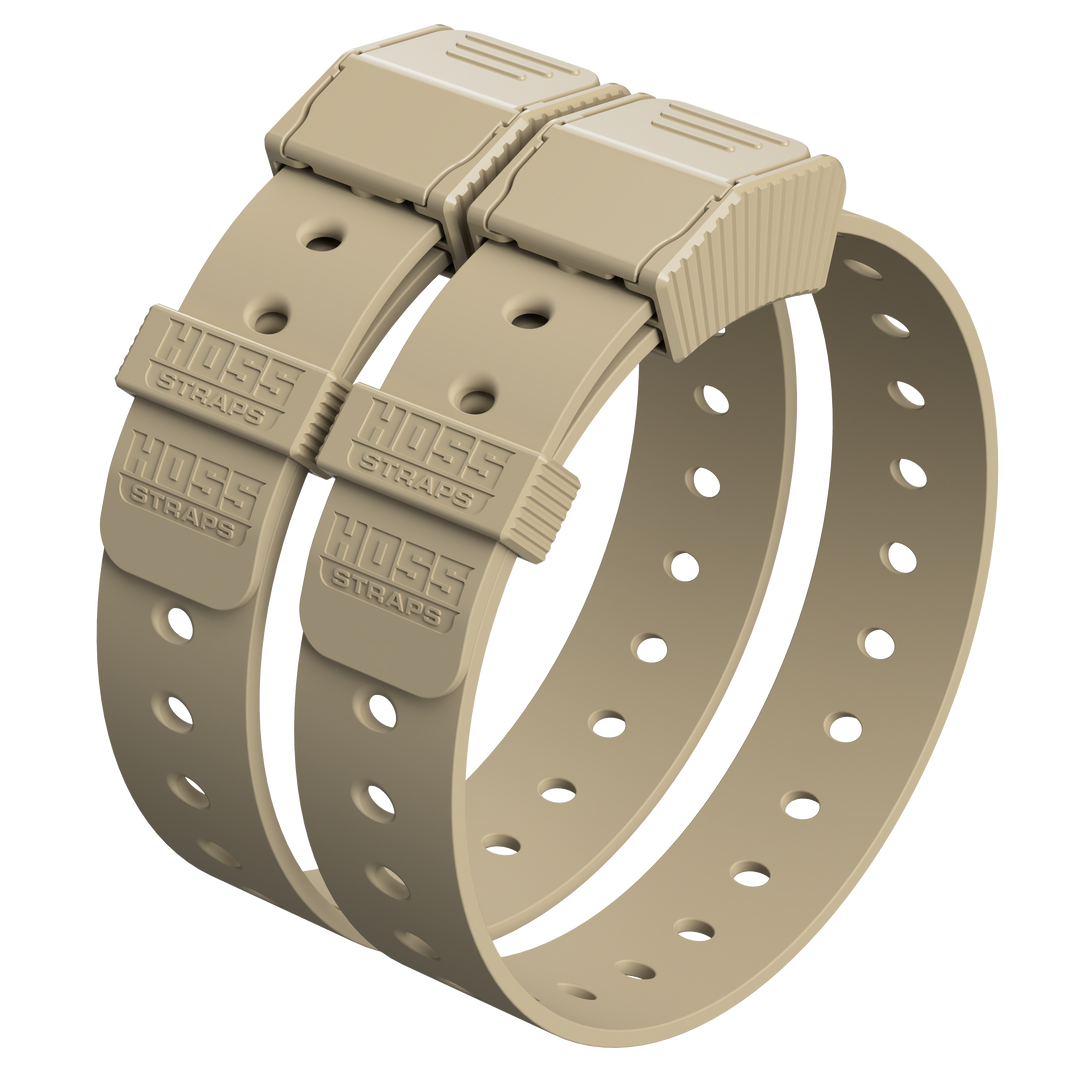
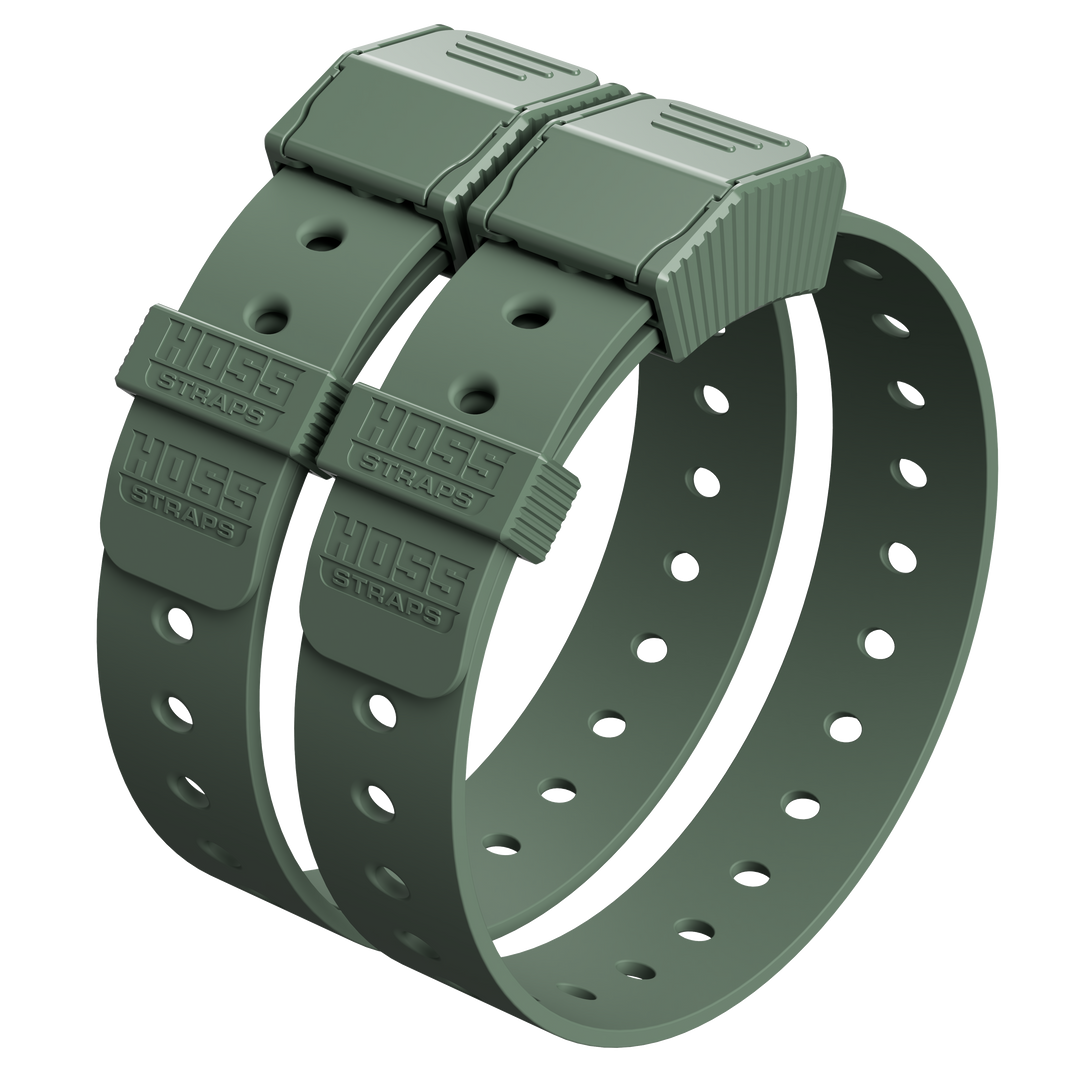
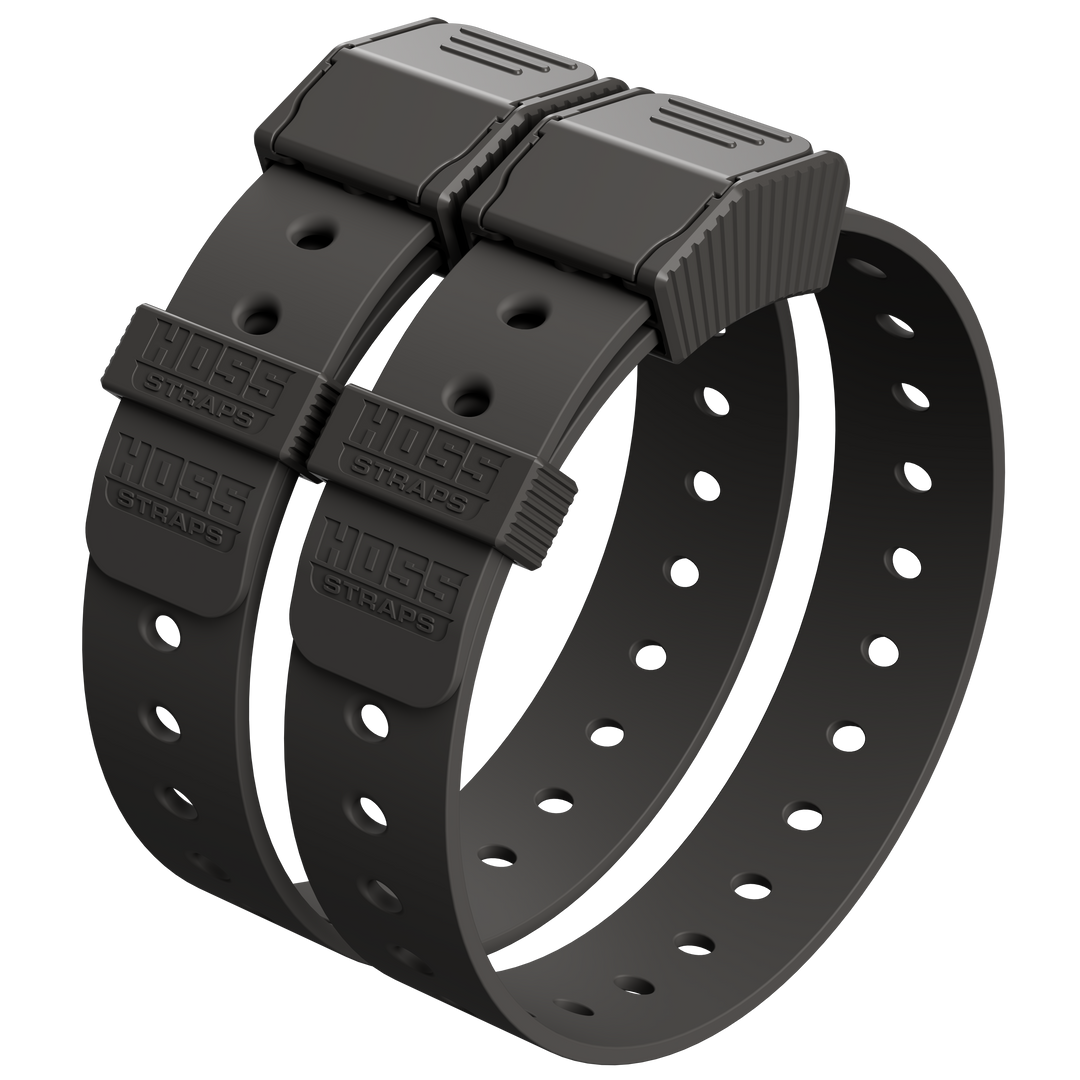
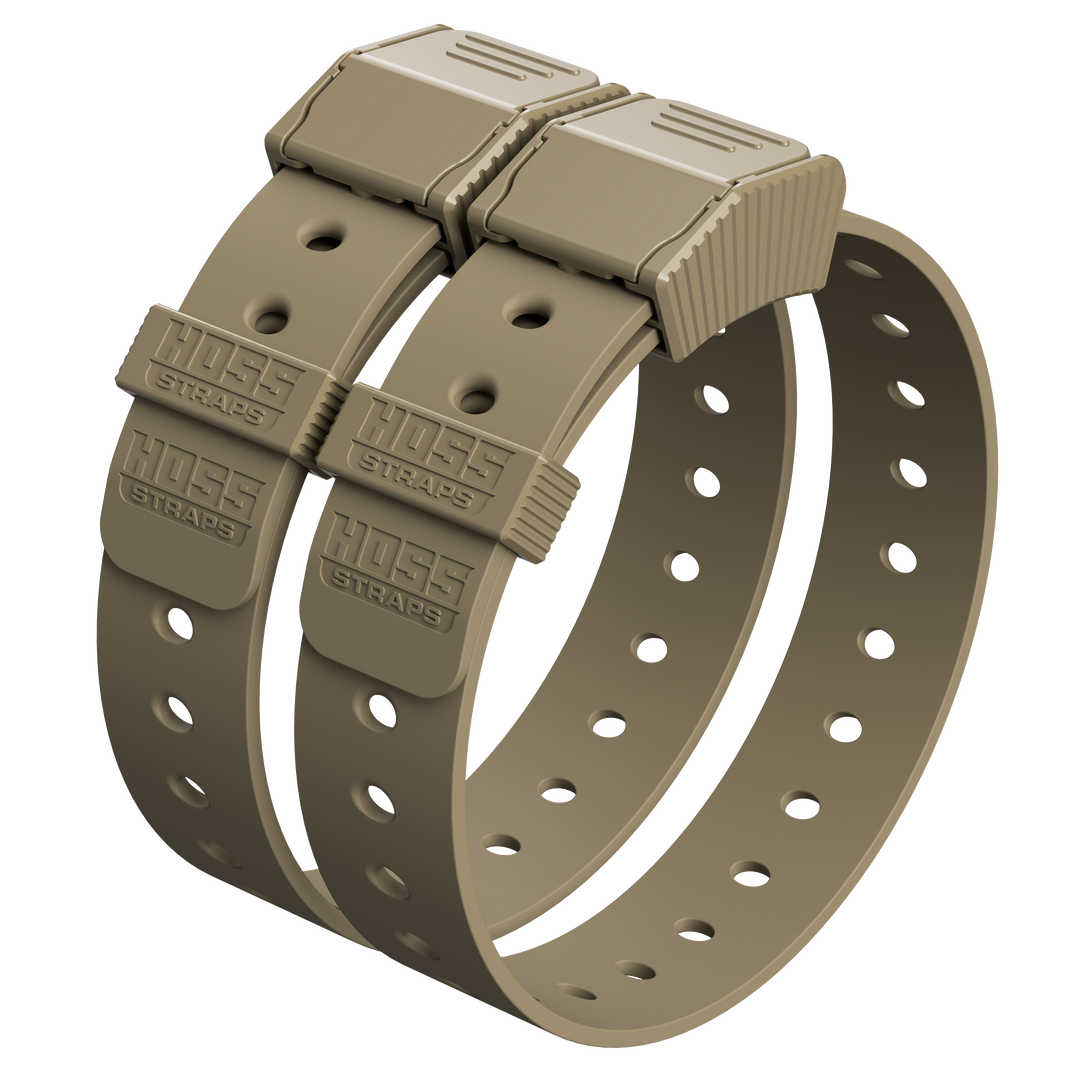
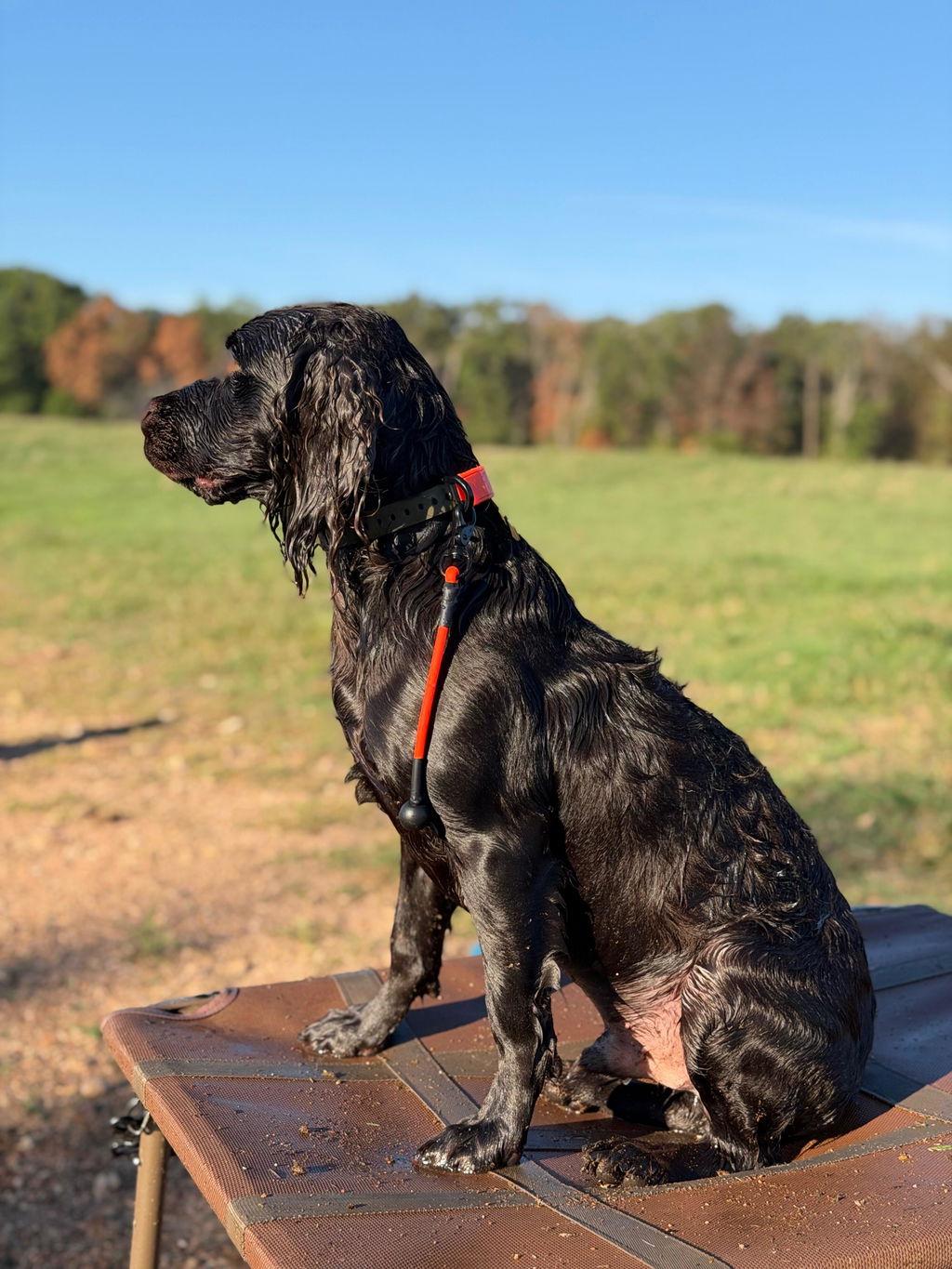
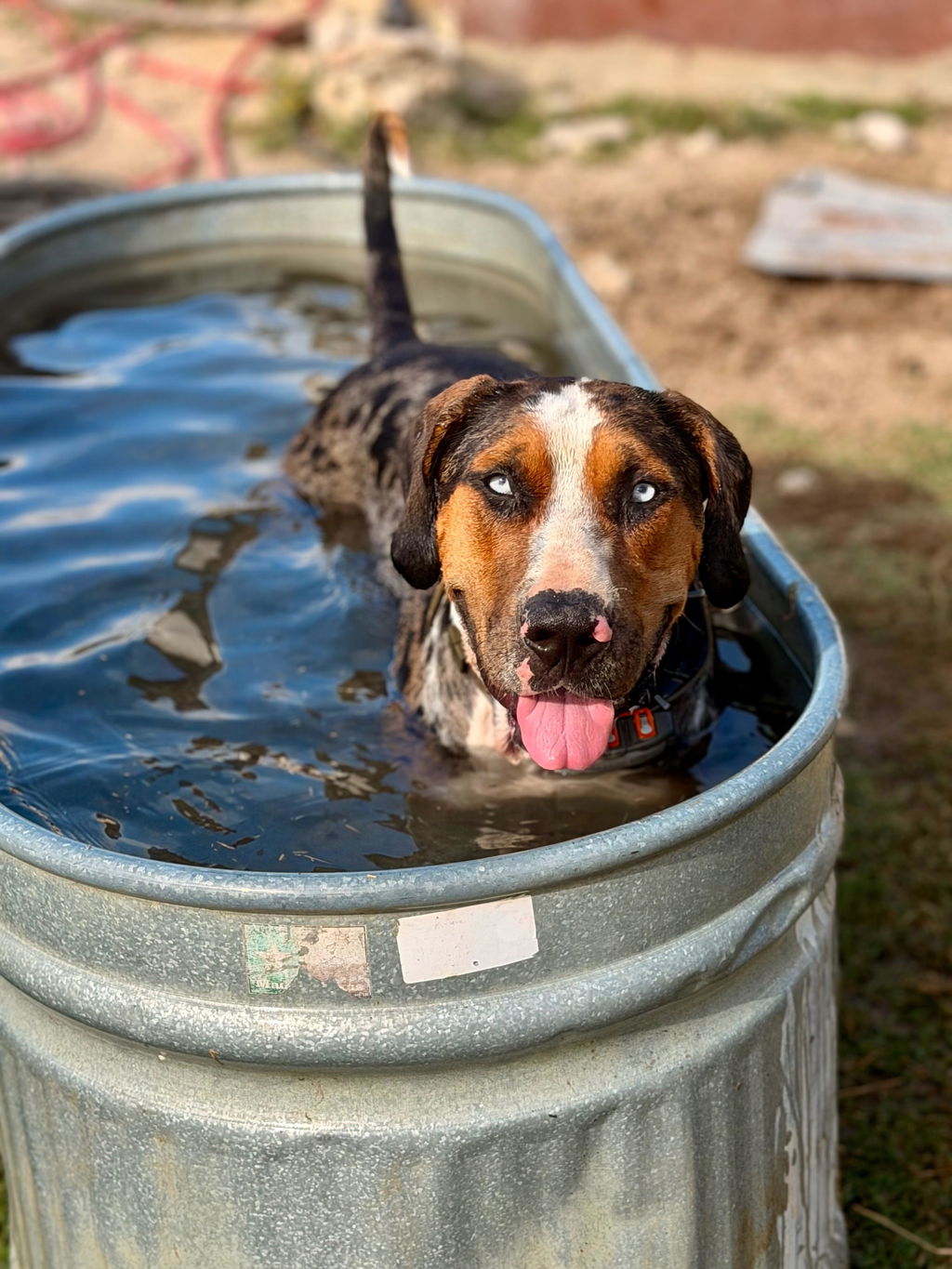
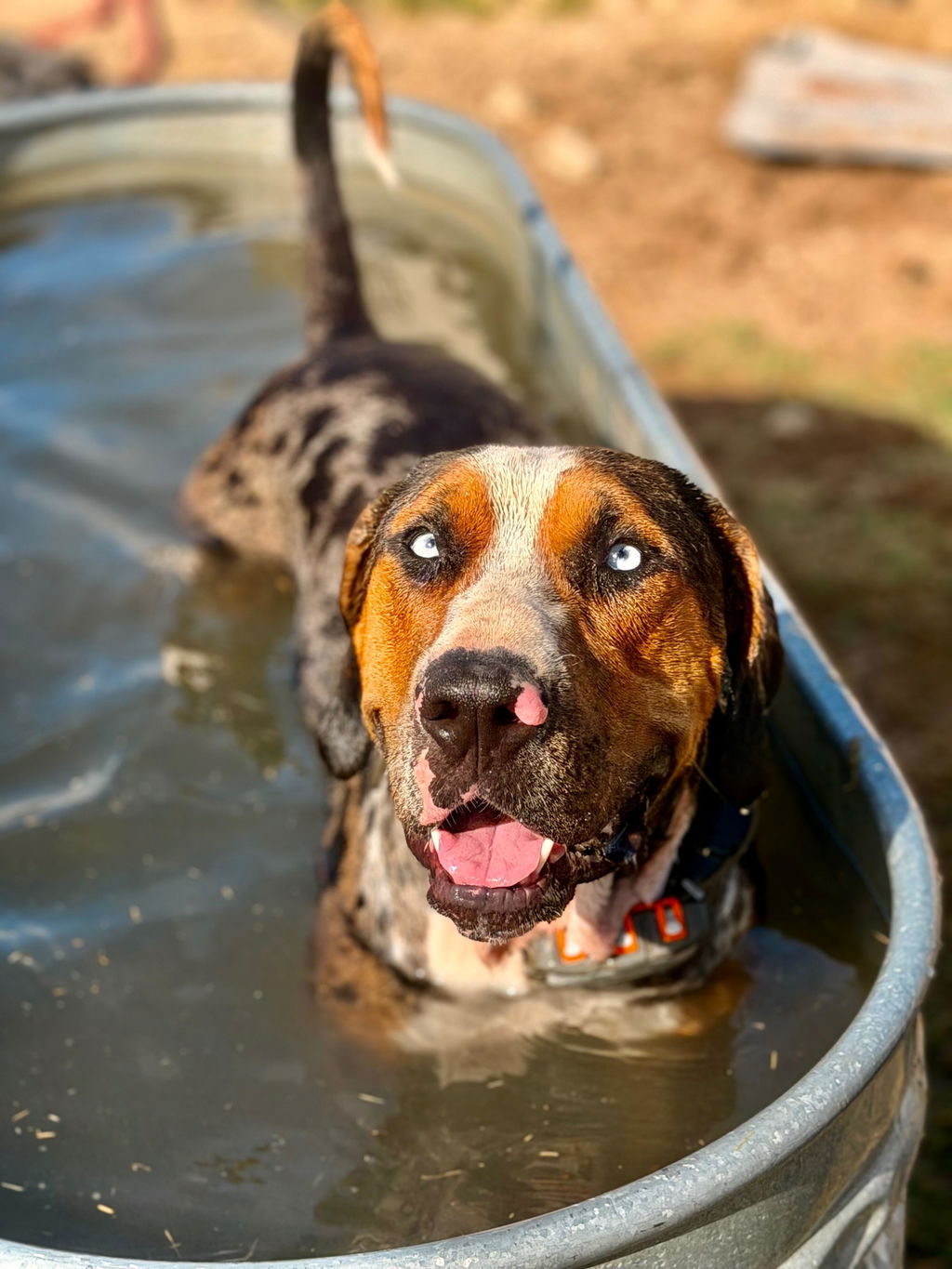
If you want a dependable base collar for any of those setups, Hoss Straps Dog Collars are built for everyday use, wet weather, and quick on/off collaring.
Why Visible ID Still Matters Even With a Microchip
Visible ID works fast when the collar is still on the dog, while a chip works as backup if the dog is found and scanned. The ASPCA recommends personalized ID tags and microchip identification together because collars can come off.
That is why the strongest setup for a large dog is usually simple: readable tag or plate on the collar, current microchip information in the registry, and a fit you actually re-check.
What Owners Usually Get Wrong
The most common mistakes are predictable:
- Too much text on the tag
- Too many loose pieces creating noise and clutter
- Choosing by looks instead of at-a-glance readability
- Forgetting to re-check fit after changing tags or accessories
- Relying on the chip alone instead of visible ID plus microchip backup
Quick Setup Checklist
- Keep the text short enough to read fast.
- Choose a hanging tag or fixed plate based on noise and convenience.
- Check fit with the two-finger rule.
- Make sure the tag or plate does not interfere with buckle function.
- Re-check readability after washing, weather, and rough use.
- Use visible ID and a current microchip together.
Pair Your ID Setup With a Collar That Stays Put
A large-dog ID setup works best when the collar underneath it is stable, easy to clean, and comfortable enough for daily wear. Hoss Straps Dog Collars are 100% weatherproof, easy to clean, built with a quick-release buckle, and designed to fit up to a 22-inch neck size.
Pick the collar that fits your dog, keep the ID text readable, and check the setup after rough days.
FAQ
What should a large dog ID tag say?
Keep the first line easy to identify and the second line easy to call. A dog name plus one main phone number is the cleanest starting point. Add a backup number or city/state only if the tag stays readable.
Is a hanging tag or fixed plate better?
A hanging tag is easier to move between collars. A fixed plate is usually quieter and cleaner. Pick based on whether convenience or low noise matters more in your routine.
How tight should a large dog collar be?
It should be snug enough to stay put but not tight. Use the two-finger fit check, then confirm the collar cannot slip over the dog’s head.
Does weather affect readability?
It can. Washing, mud, and rough use make simple layouts easier to keep readable over time. Check tags and plates after wet or dirty days.
Do I still need a microchip if my dog wears a tag?
Yes. Visible ID helps someone contact you fast, and a microchip gives you a backup layer if the collar comes off.