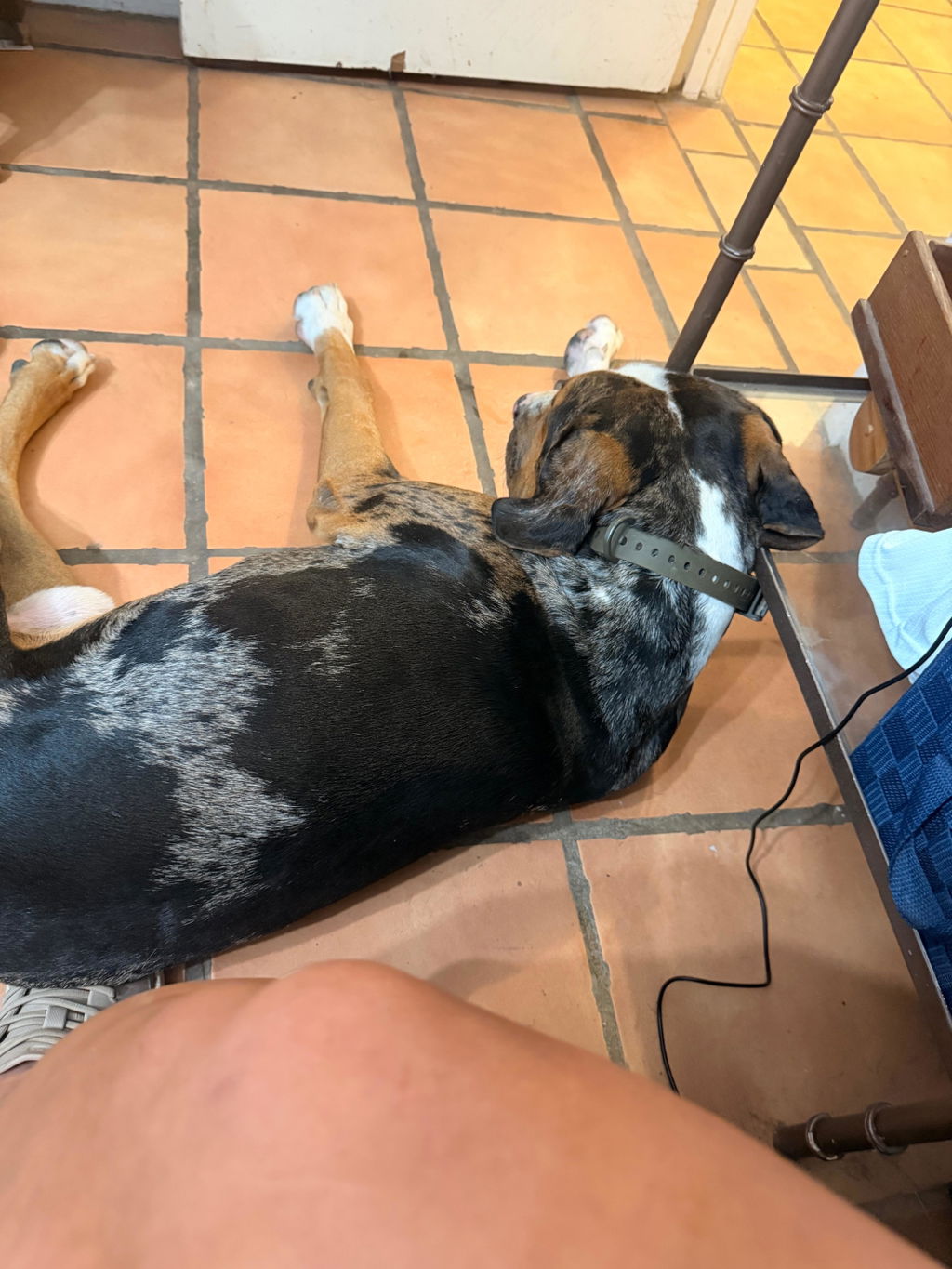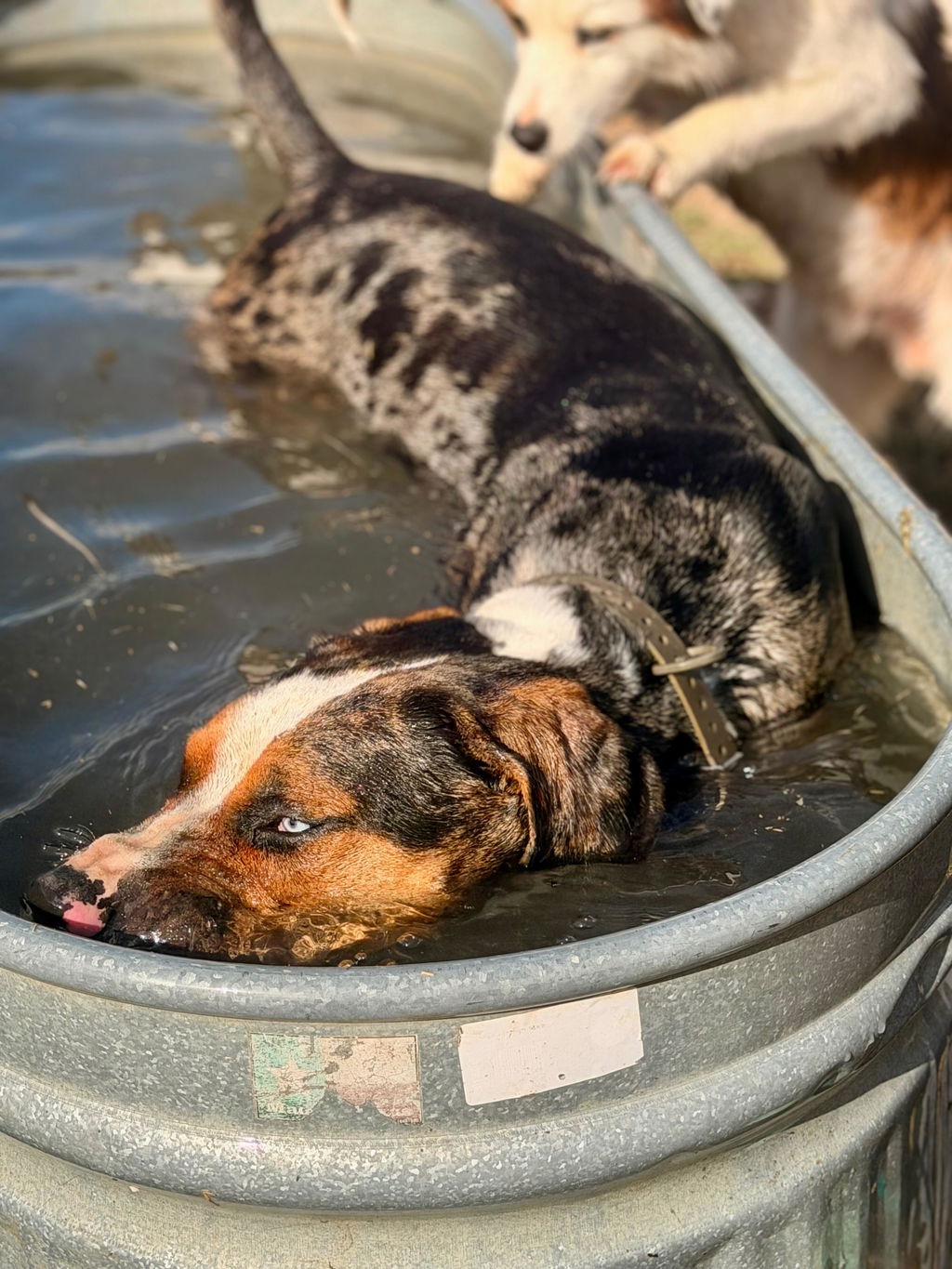



ID Collars for Puppies: Fit, Safety, and What to Put on the Tag

Check out our training collar setup, D-ring dog collar, dog collars, and more.
A puppy ID collar has one main job: help the right person reach you fast if your dog gets loose. That is why visible ID still matters, even if your puppy is microchipped.
The ASPCA supports collars with personalized ID tags as part of a reliable pet identification plan, and the AVMA explains that a microchip does not replace a collar with up-to-date identification. The strongest puppy setup is simple: readable collar ID plus a current microchip record.
Table of Contents
- What to Put on the Tag
- Readability at a Glance: Tag vs. Engraved Plate
- Tag Noise Tradeoffs
- Wear After Washing, Weather, and Everyday Use
- Fit by Dog Size
- Real Owner Setup Choices
- Safety at Home, in the Crate, and on Walks
- What Owners Usually Get Wrong
- Quick Checklist for a Better Puppy ID Setup
- FAQ
What to Put on the Tag
The best puppy tag copy is short, readable, and built around the information someone needs first. If a stranger finds your puppy, the fastest useful detail is usually your phone number.
A simple layout looks like this:
| Tag Side | Example Copy | Why It Works |
|---|---|---|
| Front | MILO 555-123-4567 |
The dog’s name and main phone number are easy to read fast. |
| Back | 555-987-6543 AUSTIN, TX |
A backup number and city/state help without crowding the tag. |
If your puppy has a true urgent medical issue, use tag space for that instead of extra filler. If not, keep the layout spare. At-a-glance readability usually gets worse when owners try to fit too many lines, too much punctuation, or tiny extra text onto a small tag.
Readability at a Glance: Tag vs. Engraved Plate
Most owners choose between two puppy ID setups: a hanging tag or a flat engraved nameplate. Both can work. The better choice depends on your daily routine.
| ID Style | Best For | Tradeoff |
|---|---|---|
| Hanging tag | Puppies that change collars often or are still growing quickly | Easy to move, but it can jingle, swing, and snag more easily. |
| Engraved plate | Owners who want a quieter, cleaner everyday setup | Lower noise, but less flexible if you rotate collars often. |
For small puppy collars, one phone number on the front and one short backup line on the back is often enough. For larger puppy collars, you have more room to separate lines and avoid a crowded block of text.
Tag Noise Tradeoffs
Tag noise is mostly a setup choice. Some owners do not mind a light jingle. Others hate hearing tags tap a water bowl, crate door, or floor vent at night.
The tradeoff is straightforward: a dangling tag gives you flexibility, while a fixed engraved plate gives you a lower-noise, lower-swing setup.
If tag noise is annoying you or your puppy, simplify first:
- Use one ID tag instead of several.
- Use one solid split ring instead of a stack of connectors.
- Choose a flatter tag shape.
- Remove anything that does not help someone contact you.
Wear After Washing, Weather, and Everyday Use
Puppy collars get rinsed, wiped down, dragged through wet grass, and worn through messy days. Collar material affects how the full ID setup ages.
If you want a collar that is easy to wipe down after mud, rain, or puppy chaos, the official BioThane FAQ describes BioThane as coated polyester webbing designed to be durable, waterproof, and easy to clean.
That matters because a clean collar makes it easier to notice when a plate is scuffed, when engraved text is getting harder to read, or when a split ring needs replacing. For any ID setup, simple text tends to stay useful longer than crowded text.
Fit by Dog Size
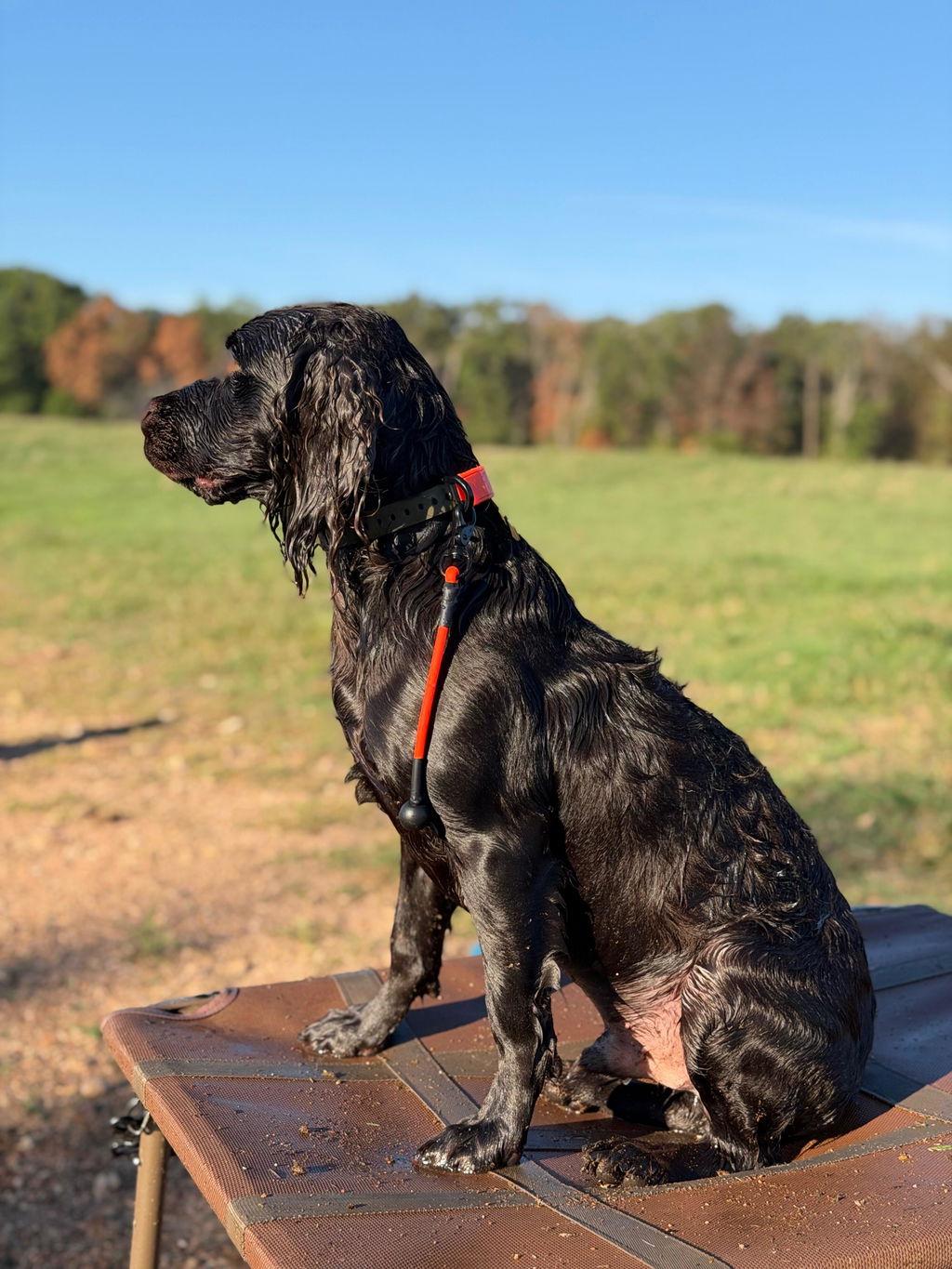
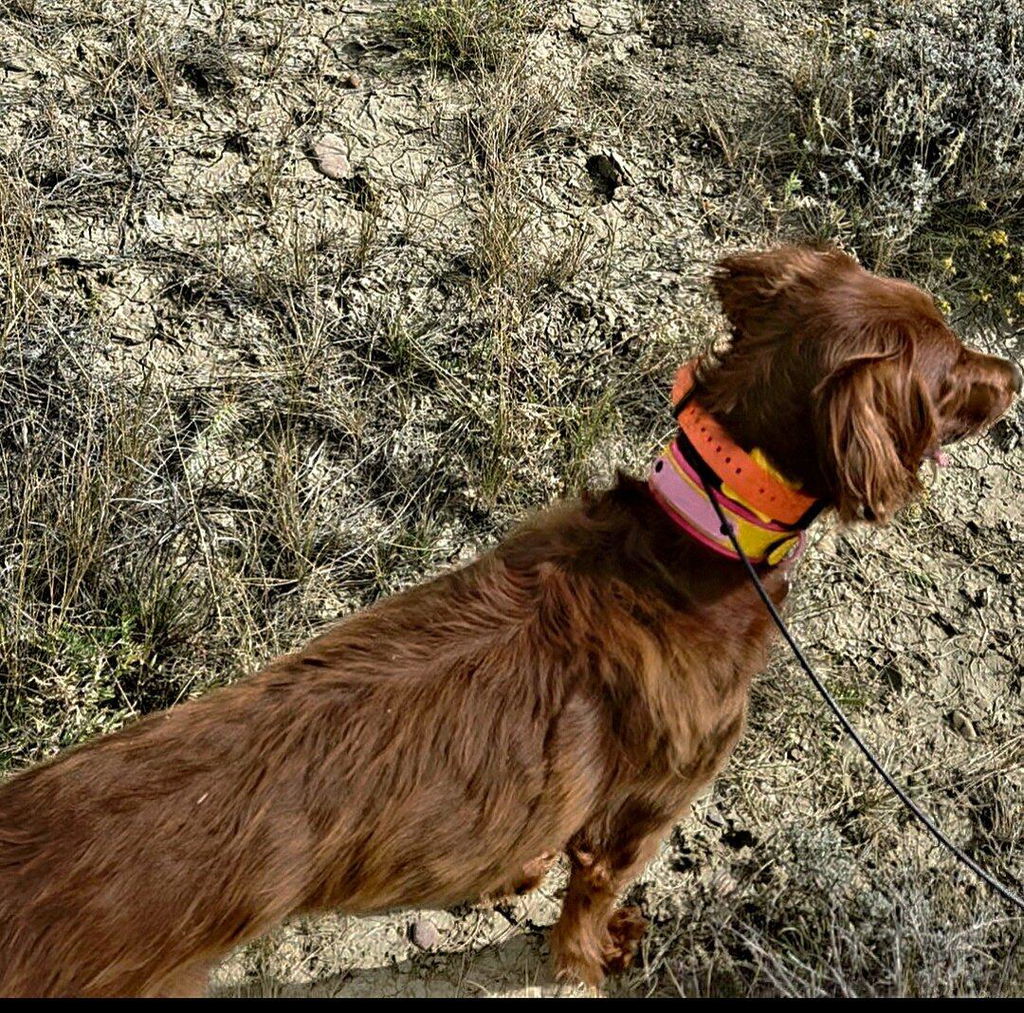
Fit should change with the puppy, not just with the product size chart. The VCA guidance on collar and harness options notes that a flat collar should fit securely without slipping over the head.
| Puppy Size | Best Setup Goal | What to Watch |
|---|---|---|
| Toy and small puppies | Light collar, light tag, short readable text | Too much hardware can feel oversized fast. |
| Medium puppies | Simple collar with either a hanging tag or plate | Check that the setup stays readable and does not swing too much. |
| Large and fast-growing puppies | Adjustable collar with frequent fit checks | A collar that fit two weeks ago can suddenly sit too tight. |
A good fit should be snug, not tight. You should be able to check comfort quickly, and the collar should not slide over your puppy’s head when fitted correctly.
Real Owner Setup Choices
Most owners are not choosing in a vacuum. They are choosing based on how they actually live with the dog.
- If you swap collars often, a hanging tag is usually simpler.
- If you want a lower-noise everyday collar, an engraved plate often feels neater.
- If your puppy is messy, outdoorsy, or in and out of water, easy-clean collar material matters more.
- If your puppy is tiny, reducing text clutter matters more.
- If your puppy is growing fast, adjustability and quick fit checks matter more.
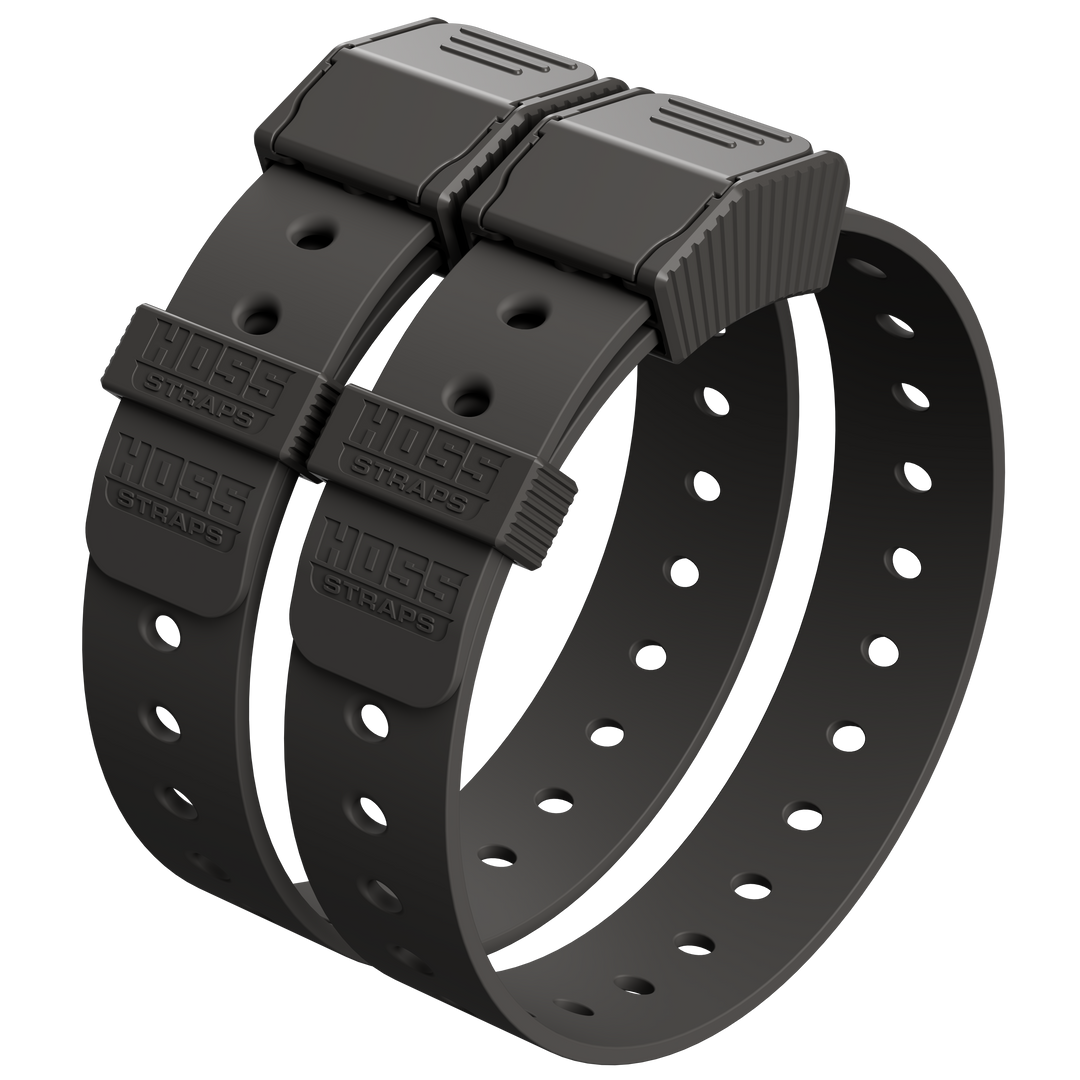
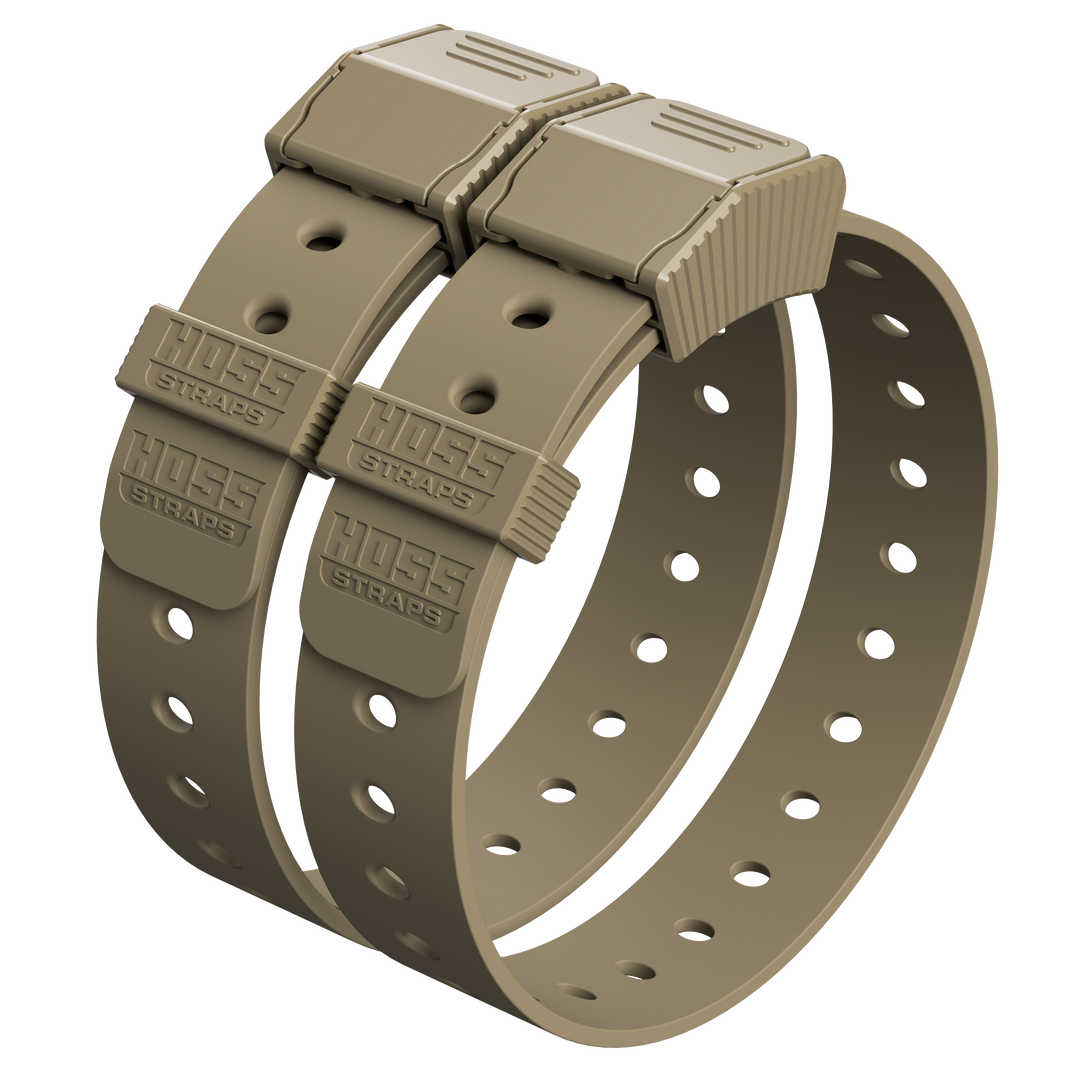
Hoss Straps does not include ID tags, but our Dog Collars are built to pair cleanly with the tag or plate setup you choose.
Safety at Home, in the Crate, and on Walks
An ID collar is useful, but it is still gear. The AKC warns that collars can become risky when they catch during crate time, play, or around objects.
A simple puppy routine works well for many homes:
- Collar on for supervised time, walks, errands, and transitions out the door.
- Collar off for crate time or situations where snag risk goes up.
- Fit checked often during growth spurts.
For puppies that pull hard, use the collar for identification and choose walking gear that better matches the behavior. VCA notes that collars may not be the best tool when a dog pulls very hard, coughs while pulling, or can overpower the handler.
What Owners Usually Get Wrong
The most common puppy ID mistakes are predictable:
- Putting too much text on a small tag
- Choosing a setup that is louder or bulkier than they want to live with
- Forgetting to check whether the text is still readable after weather and washing
- Buying for today’s neck size and not the puppy’s next growth jump
- Treating the tag as the only ID layer instead of using collar ID and microchip together
A cleaner setup is usually a better setup: fewer words, easier fit checks, better readability, and a collar choice that matches how the puppy actually lives.
Quick Checklist for a Better Puppy ID Setup
- Keep the tag text short enough to read fast.
- Put the main phone number first.
- Use a quieter plate setup if tag noise annoys you.
- Re-check fit as your puppy grows.
- Watch how the text and hardware look after washing and weather.
- Use visible collar ID and a current microchip together.
Ready for a Cleaner Puppy Collar Setup?
If you want a collar that pairs well with your puppy’s ID tag, start with a simple, dependable base. Hoss Straps Dog Collars are 100% weatherproof, easy to clean, built with a quick-release buckle, and designed for everyday use with a fit range up to 22 inches.
Choose the collar first, keep the ID readable, and re-check fit as your puppy grows.
FAQ
What should go on a puppy ID tag first?
Your main phone number should be the first priority. Add your puppy’s name, a backup number, or a short city/state line only if the tag still stays easy to read.
Is a hanging tag or engraved plate better?
Neither is automatically better. A hanging tag is easier to swap between collars. An engraved plate is usually quieter and cleaner-looking.
How often should I check fit on a growing puppy?
Check often during growth spurts. Puppies can outgrow collars quickly, so re-check whenever the collar looks tighter, rides differently, or your puppy has a noticeable growth jump.
What if my puppy pulls hard on walks?
Use the collar for ID, but choose walking gear that better matches your puppy’s behavior and handling needs. A harness may be a better walking tool for puppies that pull hard.
Do I still need a tag if my puppy is microchipped?
Yes. Visible ID helps someone contact you fast, and the microchip gives you a backup layer if your puppy is found and scanned.