


ID Collars for Small Dogs: Keep the Tag Light and the Fit Secure

Table of Contents
- Quick Answer
- What an ID Collar Should Actually Do
- Readability at a Glance
- Tag Noise Tradeoffs
- Engraving Wear After Washing and Weather
- Fit by Small Dog Size
- Real Owner Setup Choices
- When a Collar Should Not Be the Main Walking Tool
- Collar ID and Microchip Work Better Together
- What Owners Usually Get Wrong
- Quick Setup Checklist
- Hoss Collar Options for Small Dog ID
- FAQ
Small dogs do not need a bulky ID setup. They need a collar that fits securely, a tag that is easy to read, and hardware that does not add unnecessary weight, noise, or snag risk.
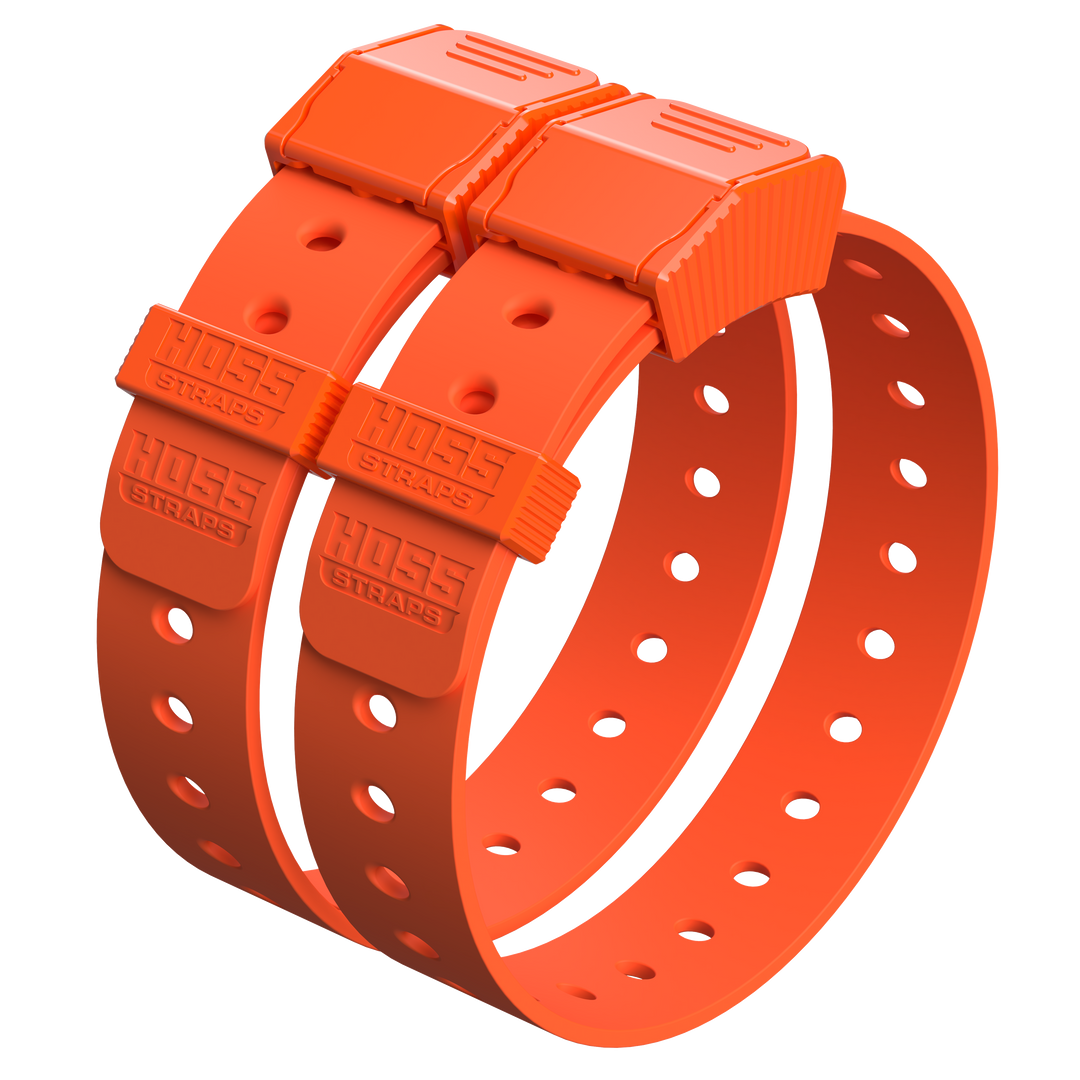
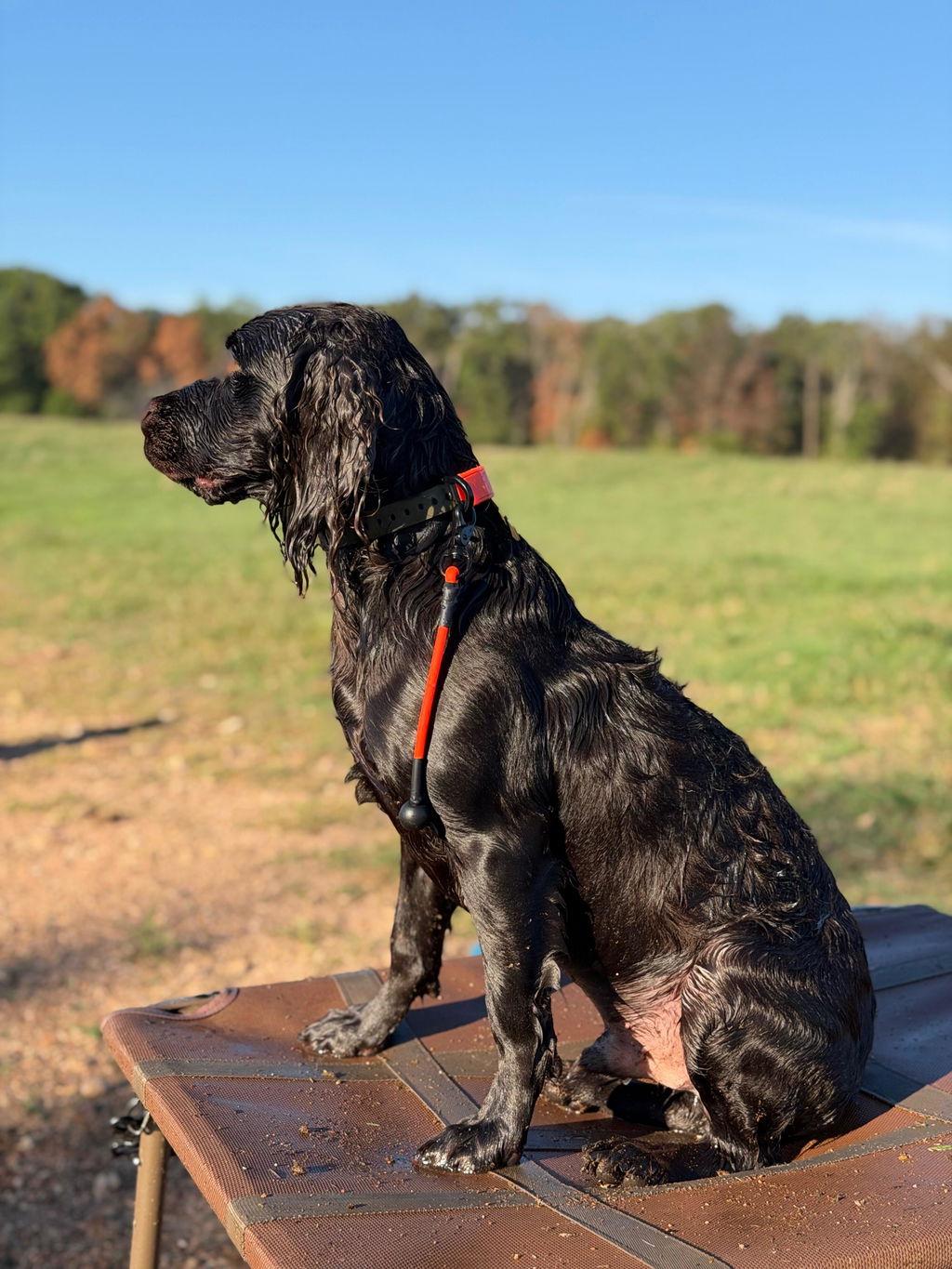
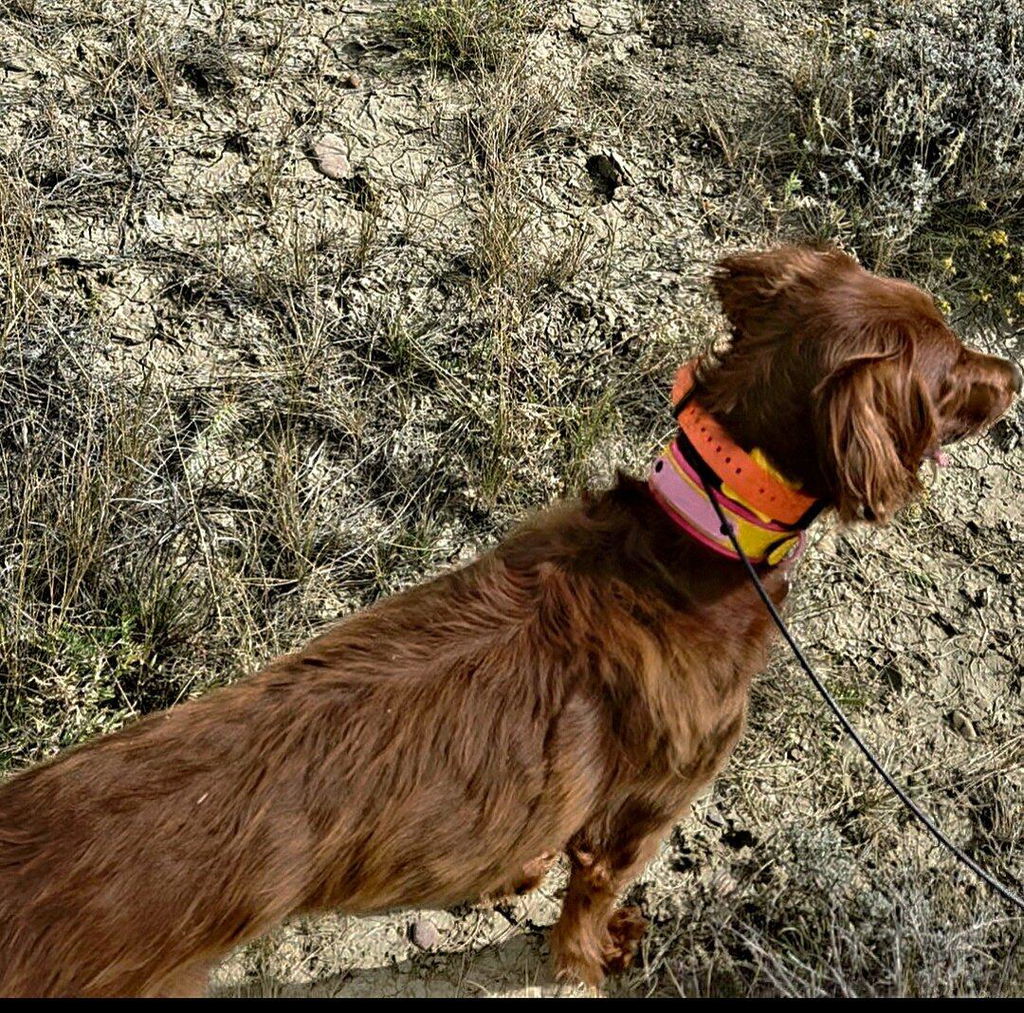
Hoss Straps does not include ID tags. We build collars that pair well with the ID tag you choose. The goal is a clean setup: visible contact information, a comfortable fit, and a collar that stays dependable through everyday wear.
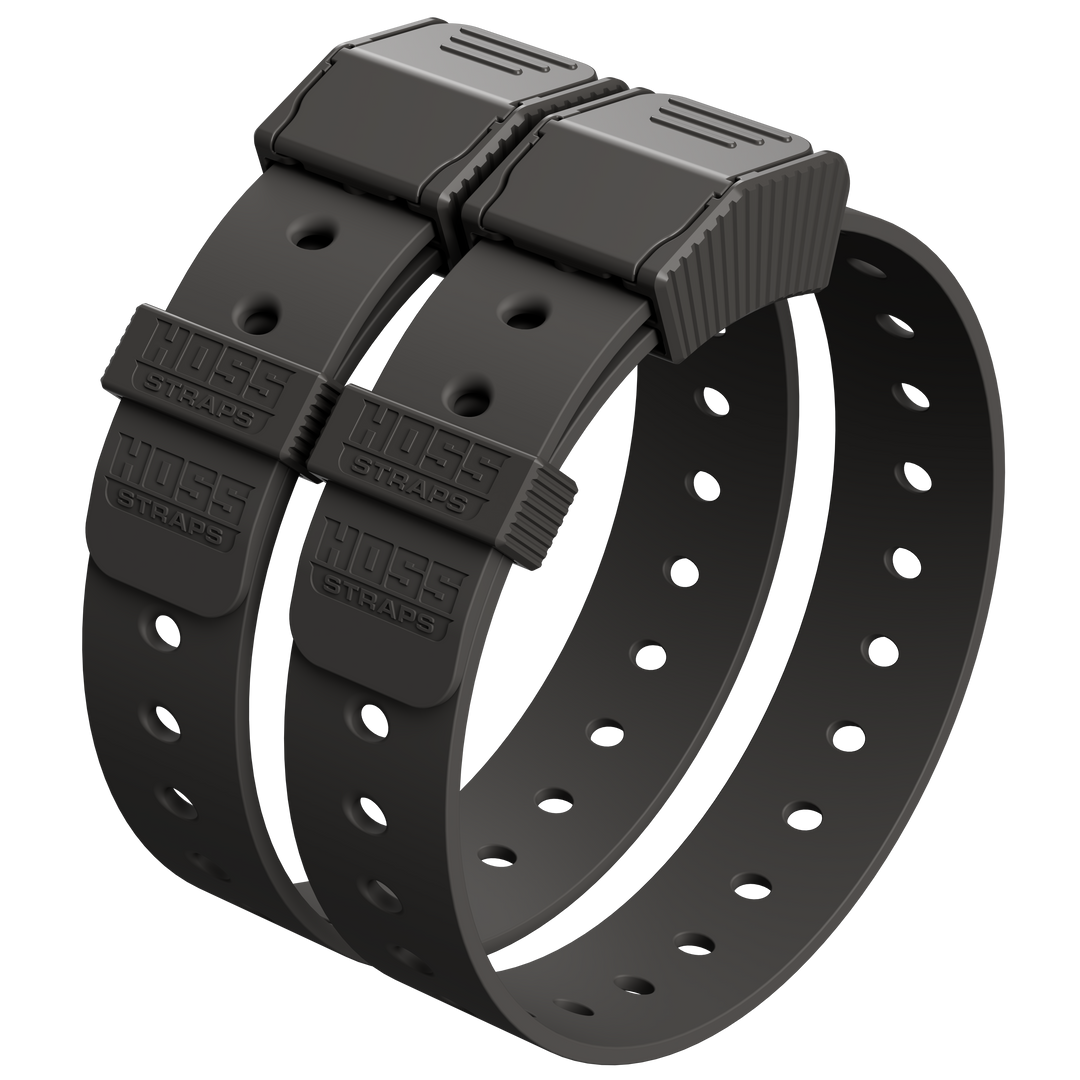
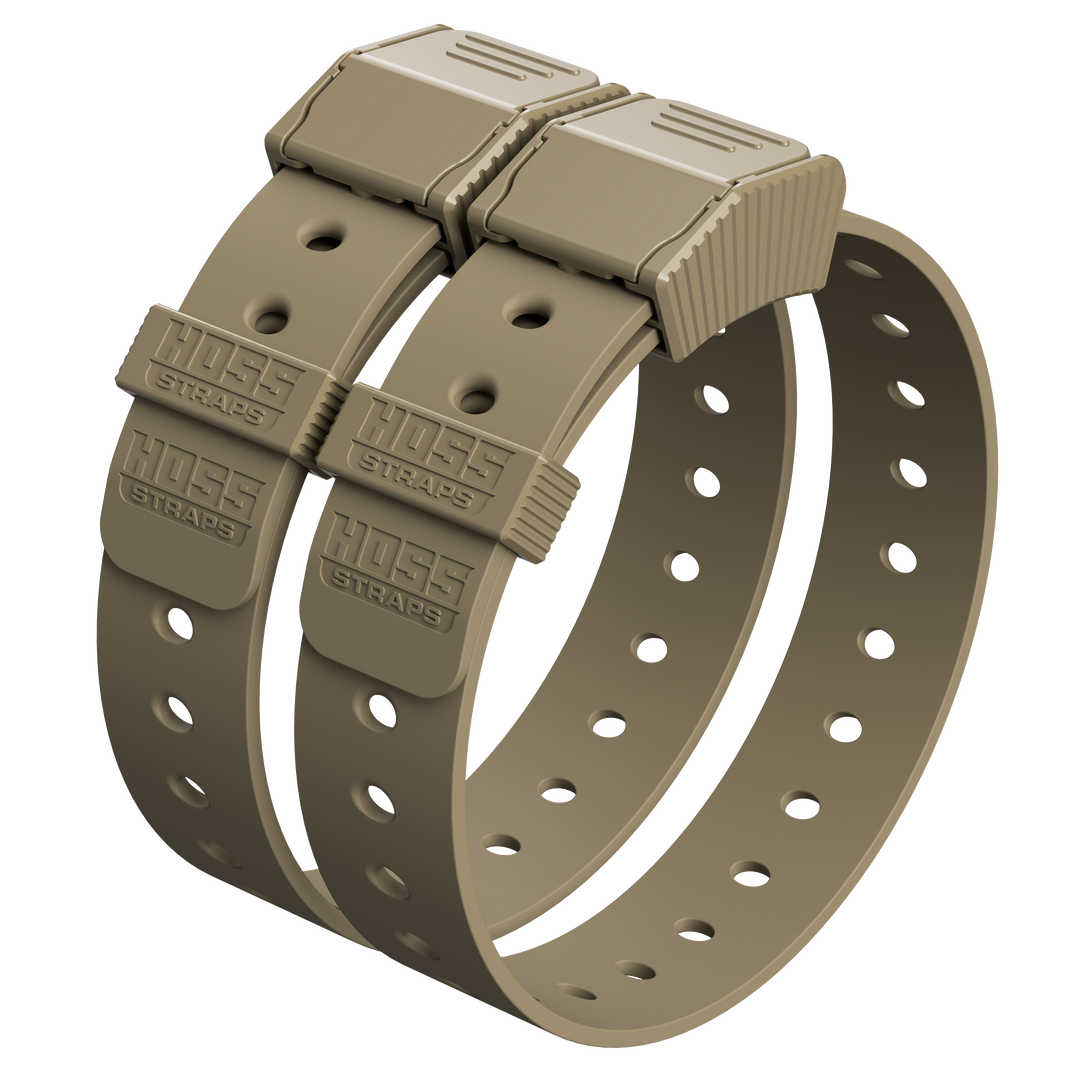
For a simple collar base, compare Hoss Dog Collars, the D-Ring Dog Collar, and Weatherproof Dog Collars.
Quick Answer: Best Small Dog ID Collar Setup
| Setup Piece | What Works Best | What to Avoid |
|---|---|---|
| Collar | Light, secure, smooth-edged, and easy to clean | Bulky hardware or loose fit |
| ID tag | One readable tag with short text | Tiny crowded lettering |
| Tag hardware | One tight split ring or low-profile attachment | Stacks of rings, charms, and connectors |
| Walking setup | Collar for ID; harness when neck pressure is a concern | Using a collar to fight hard pulling |
| Backup ID | Registered microchip with current contact info | Relying on only one ID layer |
What an ID Collar Should Actually Do
For a small dog, an ID collar has one main job: help someone contact you fast if your dog gets loose.
That means the setup should be readable, lightweight, and secure. A collar that jingles constantly, hangs heavy under the chin, or slips over the head is not doing small dogs any favors.
The AVMA microchipping brochure explains that microchips are valuable permanent identification, but nothing replaces a collar with up-to-date identification tags for quickly identifying a found pet. A small dog's collar ID should be built around that idea: fast visible contact first, microchip backup second.
Readability at a Glance
A small tag has limited space, so readability matters more than including every possible detail. Put the most important information first and stop before the text becomes crowded.
| Tag Size | Simple Layout | Why It Works |
|---|---|---|
| Extra-small tag | MILO 555-123-4567 |
One name and one phone number stay readable |
| Small everyday tag | LUNA 555-123-4567 555-222-3333 |
Adds a backup number without a full address |
| Slightly larger tag | OTIS 555-123-4567 AUSTIN, TX |
Adds location context while keeping the main number clear |
For most small dogs, shorter text is easier to scan quickly. Owners usually get this wrong by trying to fit a name, two phone numbers, a full address, a medical note, and license numbers onto one tiny tag.
Tag Noise Tradeoffs
Real owner setup choices usually come down to quiet versus flexible.
| Setup | Good For | Tradeoff |
|---|---|---|
| Hanging tag | Easy swapping between collars | Can jingle, tap bowls, and swing more |
| Flat or low-swing tag | Quieter everyday wear | May be less flexible across collar styles |
| One tag on one ring | Minimal noise and weight | Less room for extra information |
| Multiple tags and connectors | More information or legal tags | More jingle, weight, and snag points |
If tag noise bothers your dog, simplify first:
- Use one ID tag instead of several.
- Use one solid split ring instead of a stack of connectors.
- Choose a flatter tag shape.
- Remove anything that does not help someone contact you.
A little jingle may not bother one dog at all. Another dog may scratch, stare at the tag, or react when it taps bowls, crates, or the floor. That is a setup choice, not a universal rule.
Engraving Wear After Washing and Weather
Small dog collars still get rinsed, wiped, dragged through wet grass, and worn in everyday weather. The full setup should stay easy to maintain.
BioThane-style coated webbing is commonly described as polyester webbing with a TPU or PVC coating that makes it waterproof, durable, stink-proof, and easy to clean. That kind of easy-clean collar surface makes it easier to notice when tag text is getting hard to read.
| Condition | What to Check | What to Do |
|---|---|---|
| After rain or wet grass | Tag readability and collar fit | Wipe collar and tag dry |
| After washing | Engraving clarity | Make sure soap residue is gone |
| After sandy or gritty walks | Ring hole and tag edges | Rinse grit so it does not grind the tag |
| Monthly | Phone number read test | Replace tag if it is hard to read quickly |
Clean layouts tend to stay useful longer than crowded ones because the important information starts larger and easier to read.
Fit by Small Dog Size
Fit matters even more on small dogs because there is less room for error.
VCA Animal Hospitals explains that flat collars should fit securely without constricting, can hold identification, and can allow escape if fitted too loosely. VCA also warns that hard pulling against a collar can put pressure on delicate neck structures.
| Small Dog Type | Collar Setup Goal | Watch-Out |
|---|---|---|
| Toy-size dogs | Light collar, one readable tag, minimal hardware | Heavy tag stack feels oversized fast |
| Small neighborhood dogs | Simple collar plus one readable ID tag | Too much slack "for comfort" |
| Small fluffy dogs | Readable tag and frequent fit checks | Grooming or coat changes can alter fit |
| Small fast dogs | Secure fit that cannot slip over the head | Fine necks can make slipping easier |
Use the two-finger check as a starting point, then do a gentle slip test. The collar should be snug enough to stay secure, but not tight enough to restrict comfort.
Real Owner Setup Choices
Most owners are not choosing between perfect and wrong. They are choosing between quiet and flexible, minimal and information-heavy, lighter and more secure-feeling.
| Setup Path | What It Looks Like | Best For |
|---|---|---|
| Quiet setup | One collar, one flat or low-swing tag, short text, minimal hardware | Noise-sensitive dogs |
| Flexible setup | One collar, one hanging tag that can move between collars | Owners who rotate collars |
| Rainy-weather setup | Easy-clean collar, short readable tag, regular checks after washing | Dogs that get wet often |
| Tiny-dog setup | Lightest collar and tag combination that still stays readable | Toy breeds and very small necks |
When a Collar Should Not Be the Main Walking Tool
For some small dogs, ID on the collar and control on a harness is the better setup.
Small breeds are more commonly associated with tracheal collapse. The American College of Veterinary Surgeons notes that small breed dogs are most commonly affected and recommends using a body harness instead of a neck lead or leash for dogs with tracheal collapse concerns.
That does not mean every small dog needs a harness all the time. It means owners should separate two jobs:
- Collar: visible ID, tags, and calm handling.
- Harness: leash walking when pulling, throat pressure, or escape risk is a concern.
Collar ID and Microchip Work Better Together
Visible ID helps first because it can be read right away. A microchip helps as backup if the dog is found and scanned, especially if the collar is lost or removed.
The strongest setup for most small dogs is:
- A readable tag on the collar
- A secure collar fit
- Current microchip registration
- Updated phone numbers any time your contact info changes
A microchip is not a GPS tracker and does not replace visible ID. It supports the tag when the collar or tag is not available.
What Owners Usually Get Wrong
- Too much text on a tiny tag
- Too many tags on one ring
- A setup louder than the owner or dog wants to live with
- Choosing by looks instead of readability
- Forgetting to re-check fit after grooming, growth, or weight change
- Using a collar as the main walking tool for a small dog that pulls hard
Quick Setup Checklist
- Keep tag text short enough to read fast.
- Put the main phone number first.
- Keep the tag count as low as possible.
- Choose a quieter setup if tag noise bothers your dog.
- Fit the collar securely and re-check it often.
- Use collar ID and microchip backup together.
- Use a harness for walking if neck pressure is a concern.
Hoss Collar Options for Small Dog ID
Hoss Straps does not include ID tags, but Hoss collars can give you a strong, weatherproof base for the tag you choose.
Start with Hoss Dog Collars for everyday options. The D-Ring Dog Collar gives you weatherproof construction, quick-release handling, a clear D-ring attachment point, and a 1 1/16-inch strap width.
For wet, muddy, or frequent-cleaning routines, compare Weatherproof Dog Collars. For harder-use or training-compatible routines, review K9 Dog Collars and the Training Collar Setup.
FAQ
1. What should go on a small dog's ID tag?
Start with the information that helps someone call you fast: usually your dog's name and your main phone number. Add a backup number only if the text stays readable.
2. How do I reduce tag noise?
Use fewer pieces. One tag and one solid split ring is usually quieter than a stack of tags, charms, and connectors.
3. What kind of text layout works best?
Short lines with the most important contact information first are usually easiest to read. Avoid cramming a full address, multiple notes, and several numbers onto one tiny tag.
4. How tight should a small dog collar be?
It should feel secure without being tight. Use the two-finger check, then make sure the collar cannot slip over the head or rotate constantly.
5. Do I still need a microchip if my dog wears a tag?
Yes. The strongest setup uses both. A tag gives fast visible contact information, while a registered microchip helps if the collar or tag is lost.