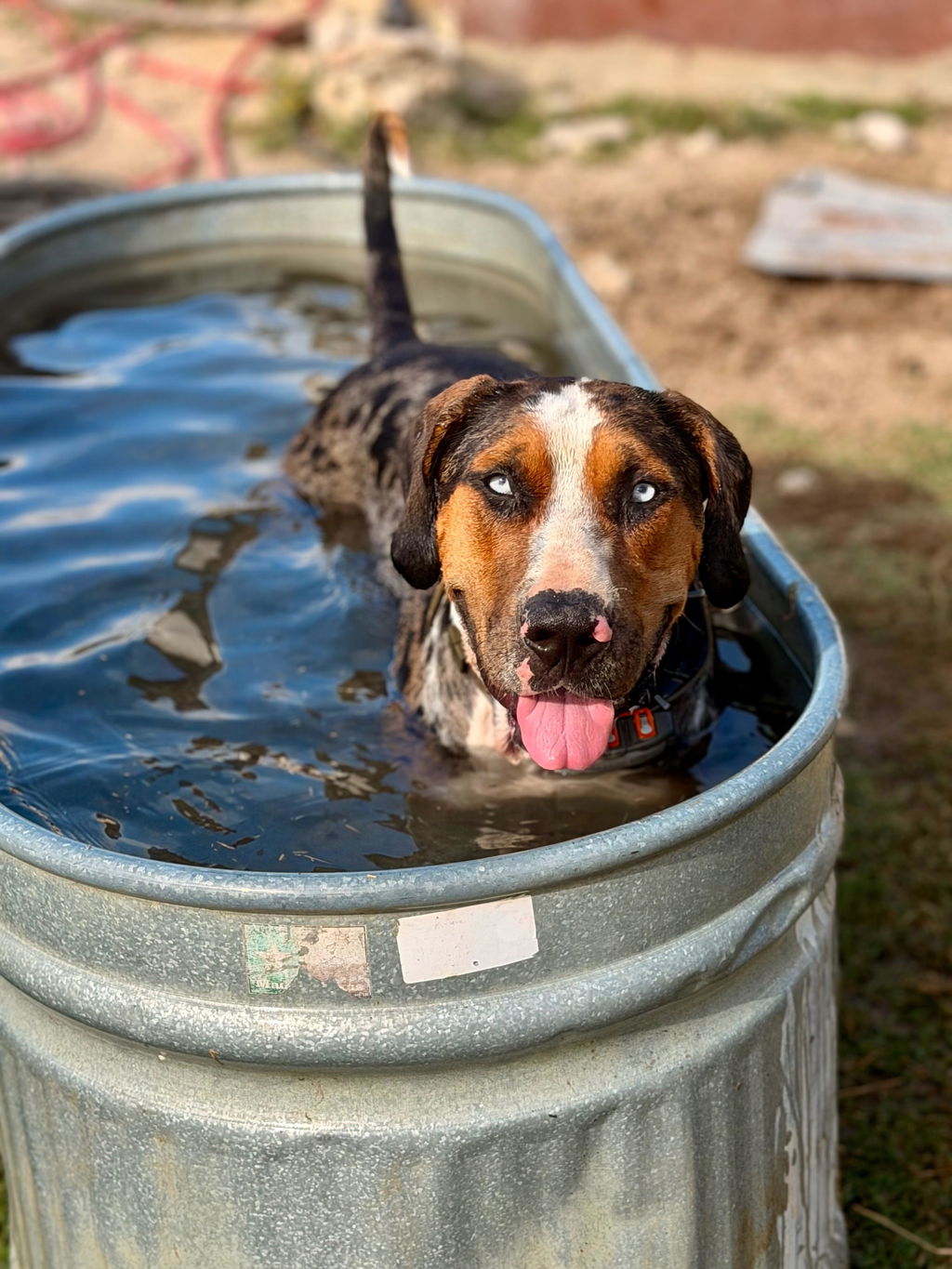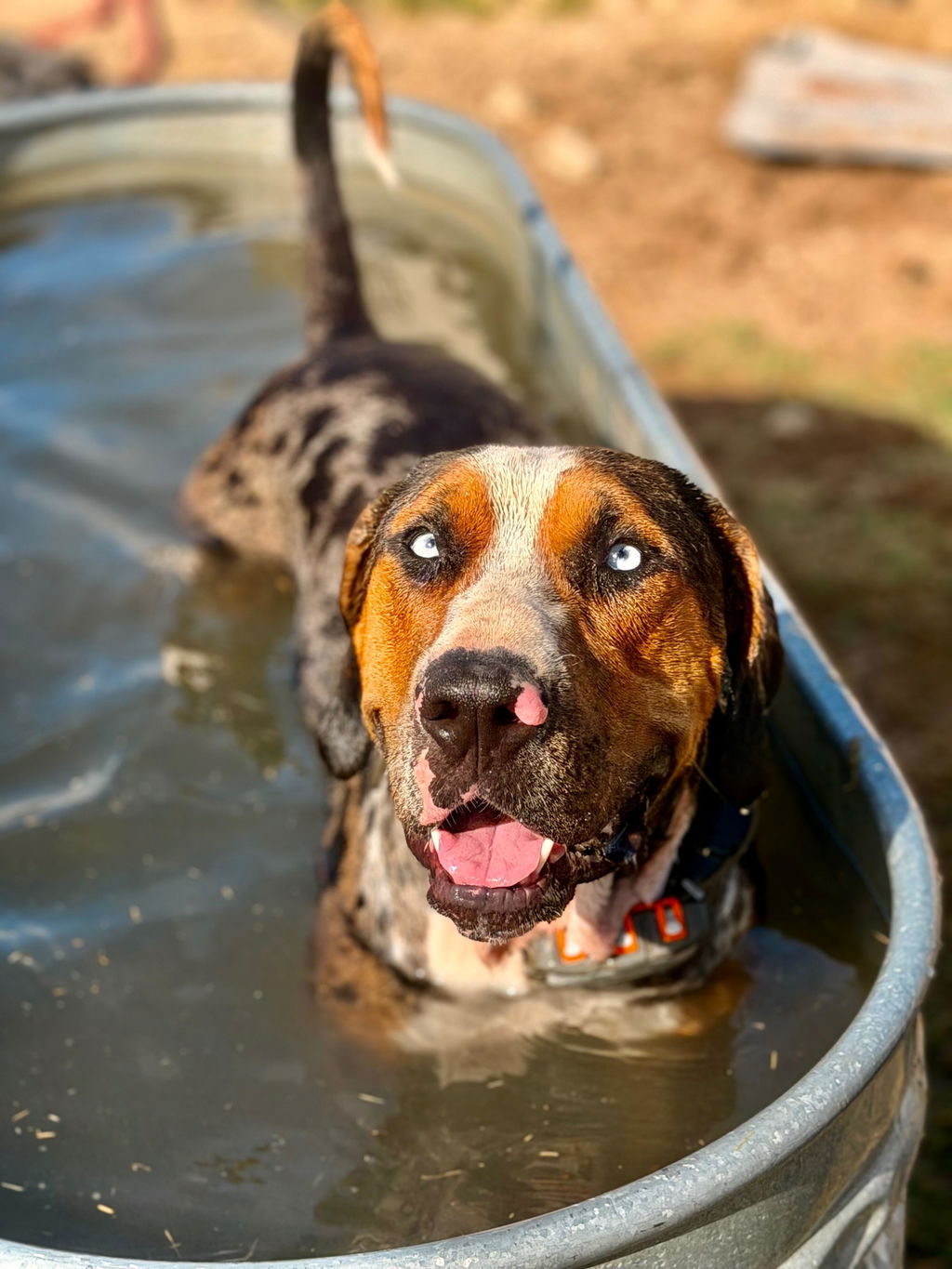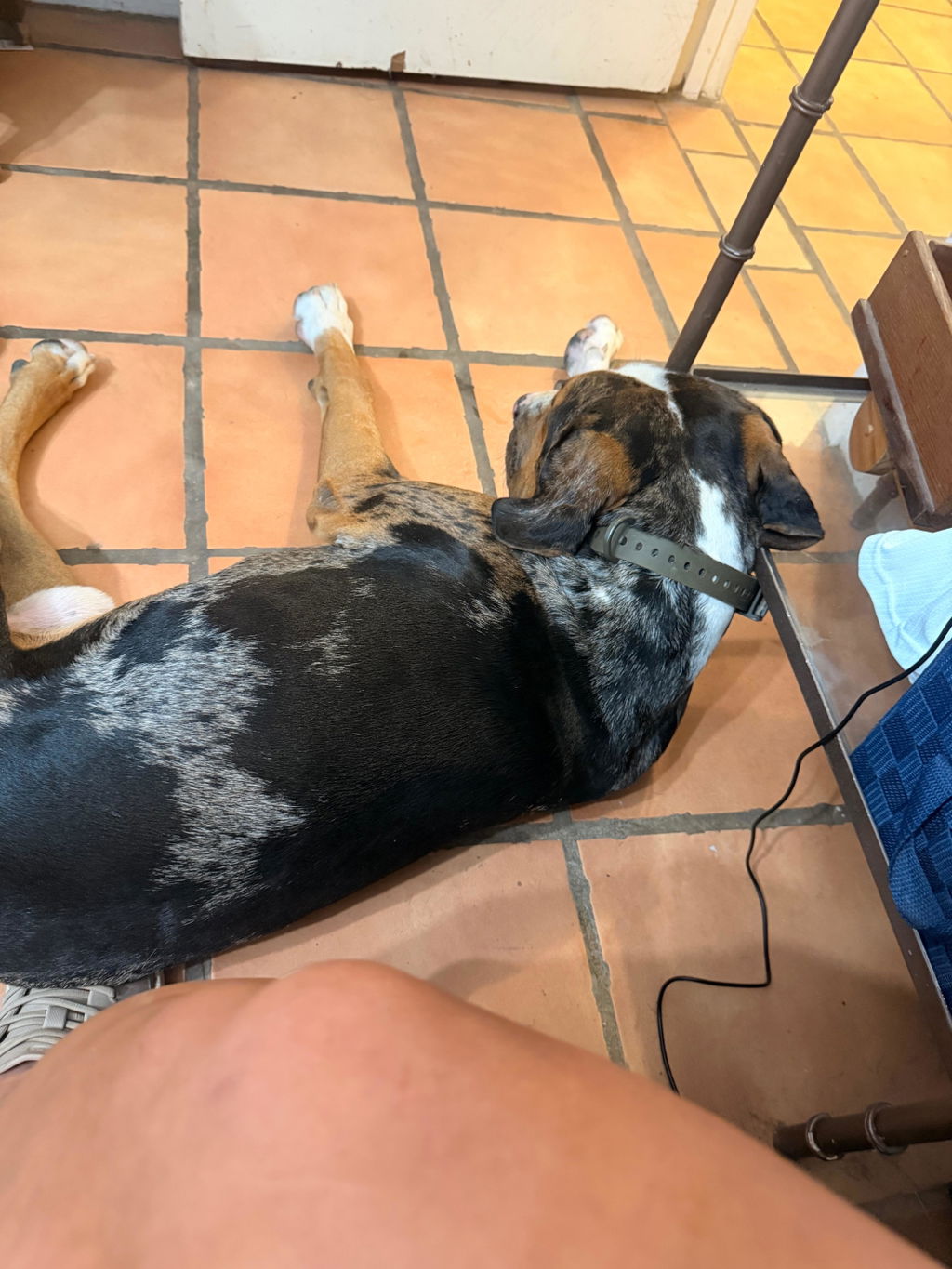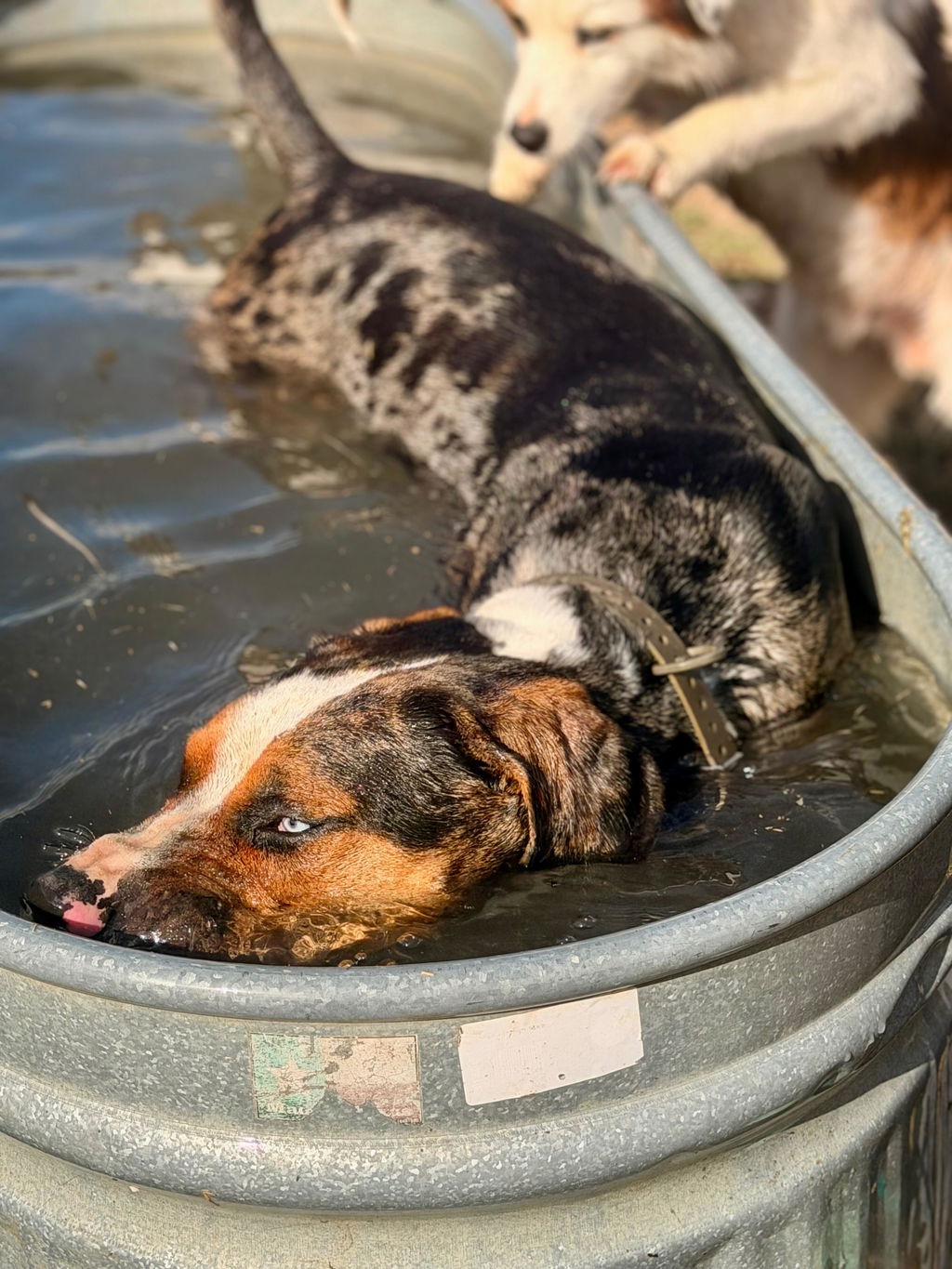



Large Breed K9 Collars: Fit, Control, and Comfort for Strong Dogs Over 60 lb

Table of Contents
- Quick Answer
- What Large Breed Ready Actually Means
- Fit for Thick Coats, Big Necks, and Short Neck Shapes
- Pulling and Control
- Comfort and Pressure
- Choose by Scenario
- Buyer Checklist
- Built for Strong Dogs
- FAQ
Large breed K9 collars need to do more than fit a bigger neck. For dogs over 60 lb, the collar has to stay stable, feel comfortable during movement, and hold up when leash pressure, outdoor work, travel, or training routines put real stress on the gear.
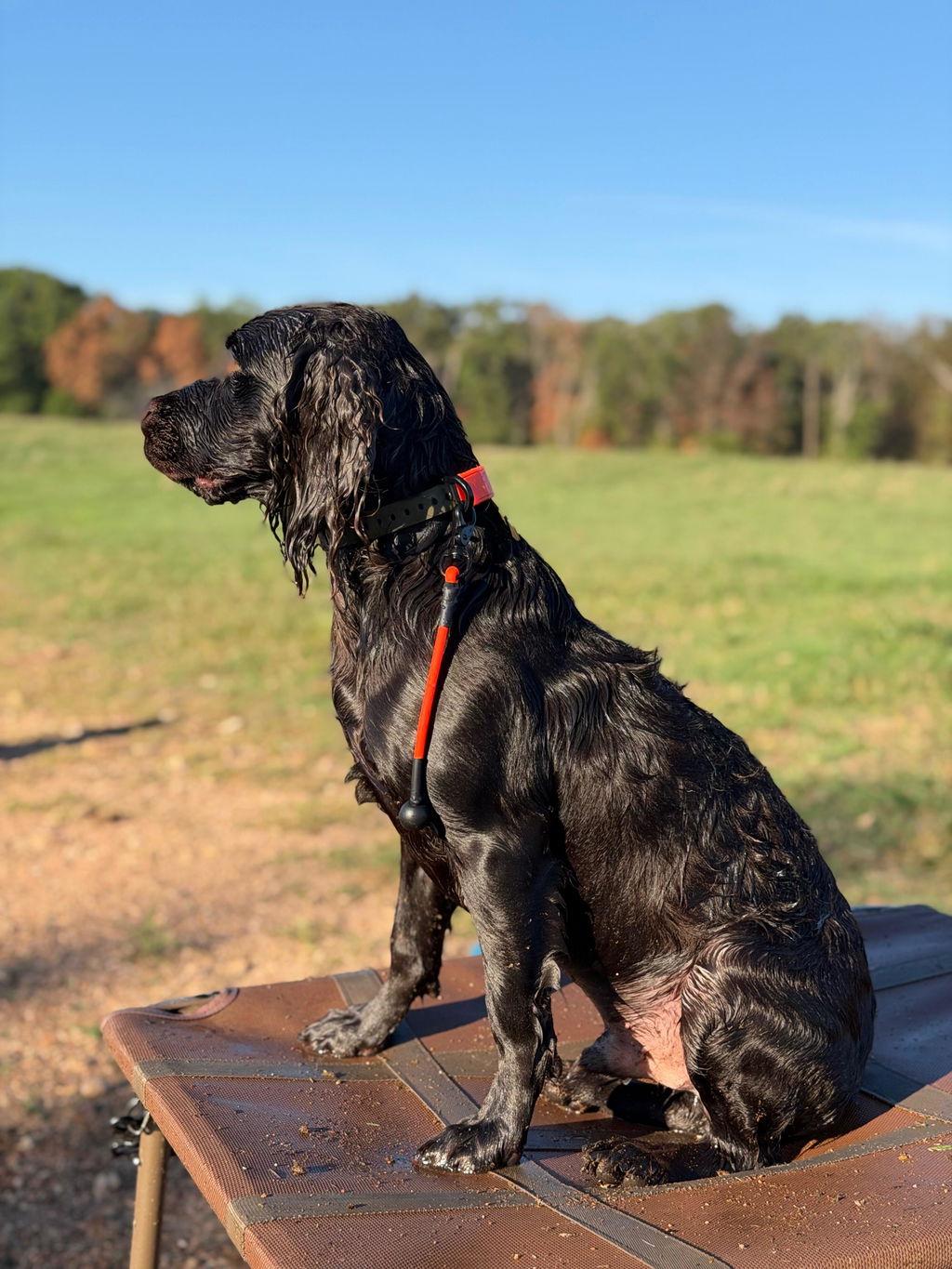
The best collar for a strong dog is wide enough to sit steady, fitted snug enough that it cannot slip over the head, and built with hardware you trust. It should also match the dog's neck shape. A wide collar that works on one large dog can rub or ride up on another dog with a shorter neck.
If you want a durable large-dog collar path, start with Hoss K9 Dog Collars, the D-Ring Dog Collar, or the Training Collar Setup for compatible training gear.
Quick Answer: What Strong Dogs Over 60 lb Need
| Feature | What You Want | Why It Matters |
|---|---|---|
| Stable width | Wide enough for control, not so wide that it rubs | Helps reduce collar roll and pressure points |
| Secure fit | Two-finger fit with no easy head slip | Prevents escape and constant adjustment |
| Strong hardware | Solid buckle and leash attachment point | Large dogs expose weak hardware quickly |
| Weather-ready material | Easy to clean after mud, rain, and outdoor work | Keeps the collar comfortable and dependable |
| Scenario fit | Training, hunting, outdoor, or travel needs matched up front | Prevents buying by size alone |
What Large Breed Ready Actually Means
A large breed K9 collar is not just a bigger collar. It should be built for stronger pulls, thicker necks, heavier daily use, and more demanding handling.
Width: coverage without choking up the neck
Wider collars can feel steadier on strong dogs because they create more contact area and can reduce collar roll. But width still has to match the dog's neck length.
If the collar is too wide for a short neck, it can ride up behind the jaw, rub behind the ears, or feel bulky during movement. The right width is the widest collar your dog can comfortably wear while still moving naturally.
| Dog Shape | Width Direction | Watch-Out |
|---|---|---|
| Tall neck, large frame | Can often handle a wider K9 collar | Still check for rubbing during head turns |
| Short thick neck | Needs stability without too much height | Too much width can ride up or pinch |
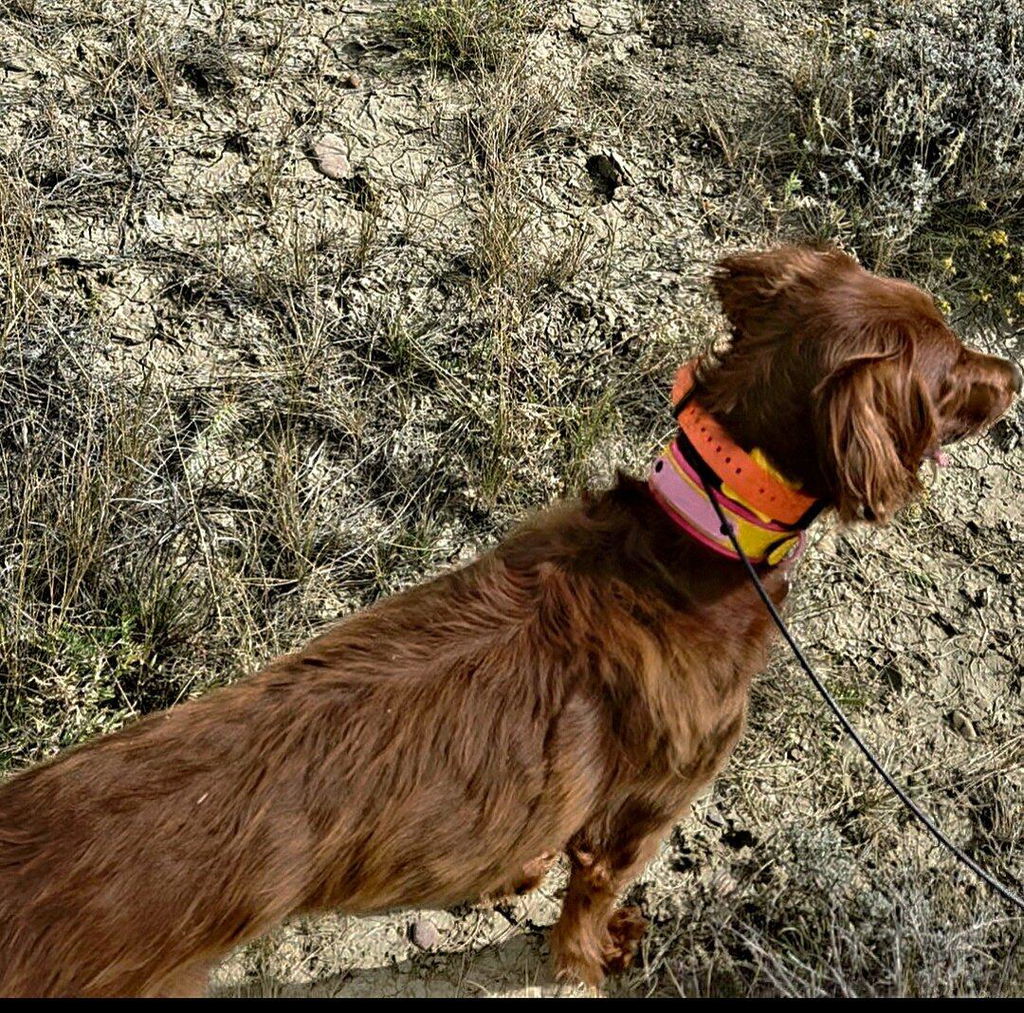
| Thick coat | May need a stable collar that stays visible | Measure the neck, not just the fur |
| Strong puller | Needs fit stability and training support | Width alone does not fix pulling |
Hardware strength and attachment points
On strong dogs, hardware matters. The buckle, D-ring, adjustment point, and stitched or mounted attachment areas all take repeat stress.
Look for:
- Heavy-duty hardware that does not feel flimsy
- A smooth, solid leash attachment point
- A buckle that closes cleanly and does not rattle
- An adjuster that holds its position
- A collar body that does not flex awkwardly under hand pressure
If a brand mentions strength ratings, the rating should be clear and specific. AUSTRIALPIN explains minimum breaking load concepts for rated hardware, including buckle examples tied to ANSI standards. For dog collars, the practical lesson is simple: vague "heavy-duty" claims are less useful than clear construction and hardware details.
Fit for Thick Coats, Big Necks, and Short Neck Shapes
Fit is where most large-dog collar problems start. A collar can be strong and still fail the dog if it slips, rotates, or rubs.
How to measure
- Have your dog stand naturally.
- Measure the neck where the collar will sit.
- If the dog has a thick coat, part or compress the fur gently so you measure the neck.
- Choose a collar size range that puts your dog near the middle of the adjustment range.
- Buckle the collar and run the fit checks below.
Fit checks for strong dogs
| Check | Good Result | Problem Sign |
|---|---|---|
| Two-finger fit | Two fingers slide under the collar with light contact | Cannot fit fingers, or several fingers fit easily |
| Head slip test | Collar cannot roll over the dog's head | Dog can back up and slip out |
| Rotation check | Collar stays stable and does not spin freely | Collar rotates into the throat or under the neck |
| Movement check | Dog can turn, lower head, sit, and move comfortably | Collar rides up, rubs, or restricts motion |
The American Kennel Club uses the two-finger fit check as a practical collar-sizing guideline. For large dogs, add the head slip test too, because thick necks and head shape can make backing out easier than owners expect.
Pulling and Control: What Your Collar Can and Cannot Fix
A collar is not a training program. It can make handling more predictable, but it will not teach loose-leash walking by itself.
Strong dogs can create sudden leash force when they surge. That can expose weak gear and create uncomfortable neck pressure. A Frontiers in Veterinary Science study found that restraint type affected pulling behavior in a food-treat test, including higher pulling force and longer pulling time with a back-connection harness compared with a neck collar in that specific setup. The takeaway is not that one tool solves everything. It is that gear changes can affect pulling, so the setup should match the training goal.
Handling strategies that help
- Use a leash length that gives control without giving the dog a runway.
- Keep your hands steady instead of jerking.
- Practice clean turns and resets instead of tug-of-war.
- Reward slack leash when it appears.
- Use a qualified trainer if your dog is a serious puller or hard to control.
If your dog pulls hard enough to cause coughing, gagging, or loss of control, reassess the whole walking setup. A harness, head halter, trainer-guided plan, or dual-connection approach may be safer for some dogs and handlers.
Comfort and Pressure: Stop Rub Spots Before They Start
Rubbing and hot spots are common with strong, active dogs, especially when the collar shifts or traps grit.
A PubMed-indexed study on pressure and force on the canine neck found that forces can vary based on direction of travel relative to the handler. Another leash-tension study in PubMed Central notes that leash tension and force direction affect dog and handler welfare. For large dogs, that means fit stability and clean handling matter.
| Problem | Likely Cause | Quick Fix |
|---|---|---|
| Pulling plus rubbing | Collar shifts under load or traps grit | Adjust fit, clean the neck and collar, and check width |
| Slipping | Too loose, wrong size range, or neck/head shape mismatch | Snug fit, better size range, or different collar style |
| Hot spots | Moisture, dirt, repeated pressure, or collar movement | Remove during rest, dry fully, and reduce wear time while skin settles |
| Short-neck rubbing | Collar is too wide or rides up | Choose a slightly narrower or lower-profile collar |
If you see redness, hair loss, swelling, broken skin, or pain when touched, stop using the collar until the area improves or your vet gives guidance.
Choose by Scenario: Training Field, Hunting and Outdoors, Travel
| Scenario | What Matters Most | Hoss Starting Point |
|---|---|---|
| Training field | Secure fit, quick handling, stable leash attachment | K9 Dog Collars |
| Hunting and outdoors | Mud, water, brush, cleanup, and hardware reliability | Weatherproof Dog Collars |
| Travel | Predictable fit, fast on/off, easy ID and leash clipping | D-Ring Dog Collar |
| Compatible training gear | Collar platform plus adapter path | Training Collar Setup |
Buyer Checklist for Large Breed K9 Collars
- The collar fits your dog over 60 lb without slipping or rolling.
- The width matches your dog's neck length, especially if the dog has a short neck.
- The hardware feels heavy-duty and the attachment point feels solid.
- The collar stays comfortable during walking, turning, sitting, and lowering the head.
- The size range gives room to adjust for coat and weight changes.
- The material cleans easily after mud, rain, and outdoor use.
- The collar works with your actual use case: training, hunting, travel, or compatible tracking/training gear.
Built for Strong Dogs. Ready for Hard Use.
Strong dogs need a collar that stays secure, stays comfortable, and does not turn into a constant adjustment project.
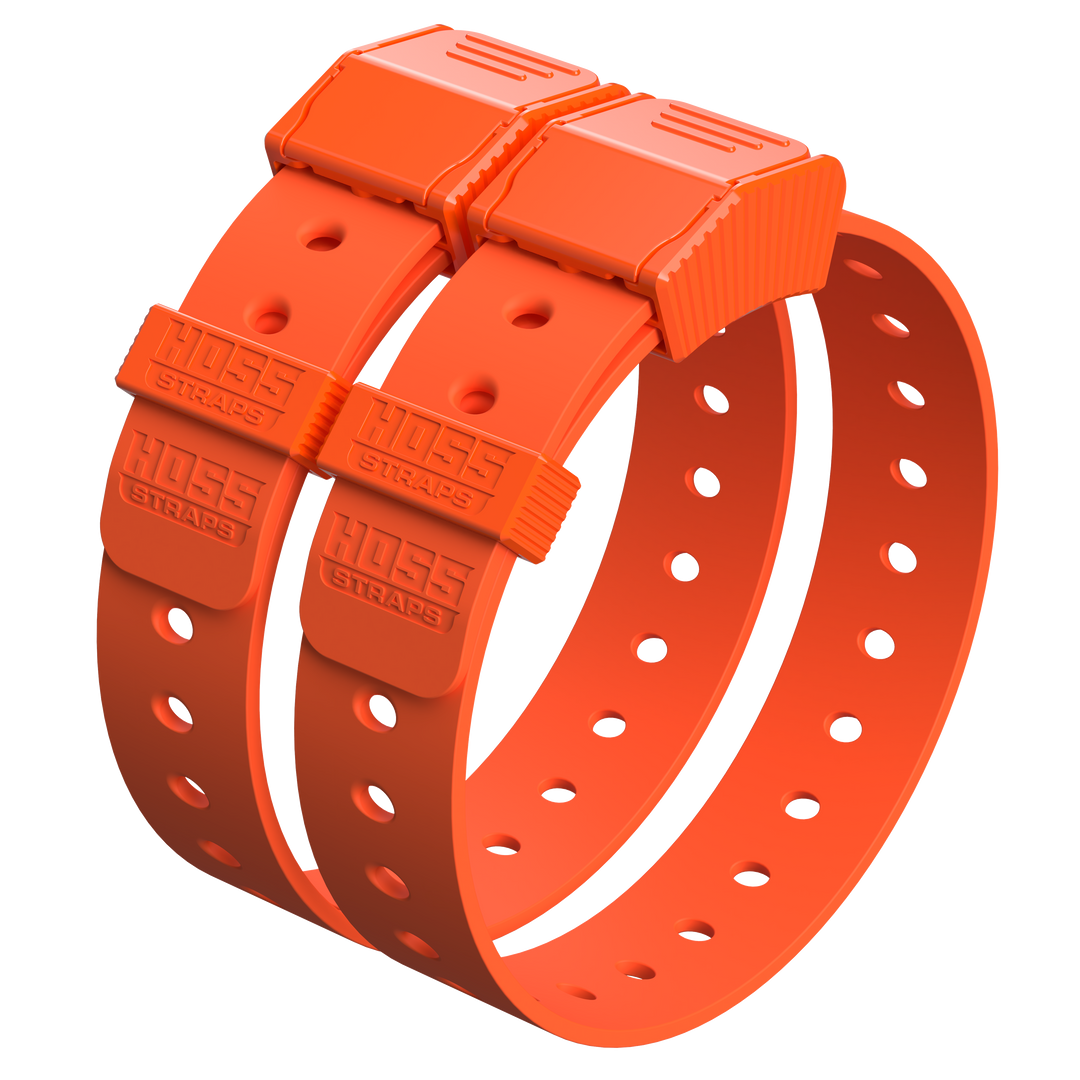
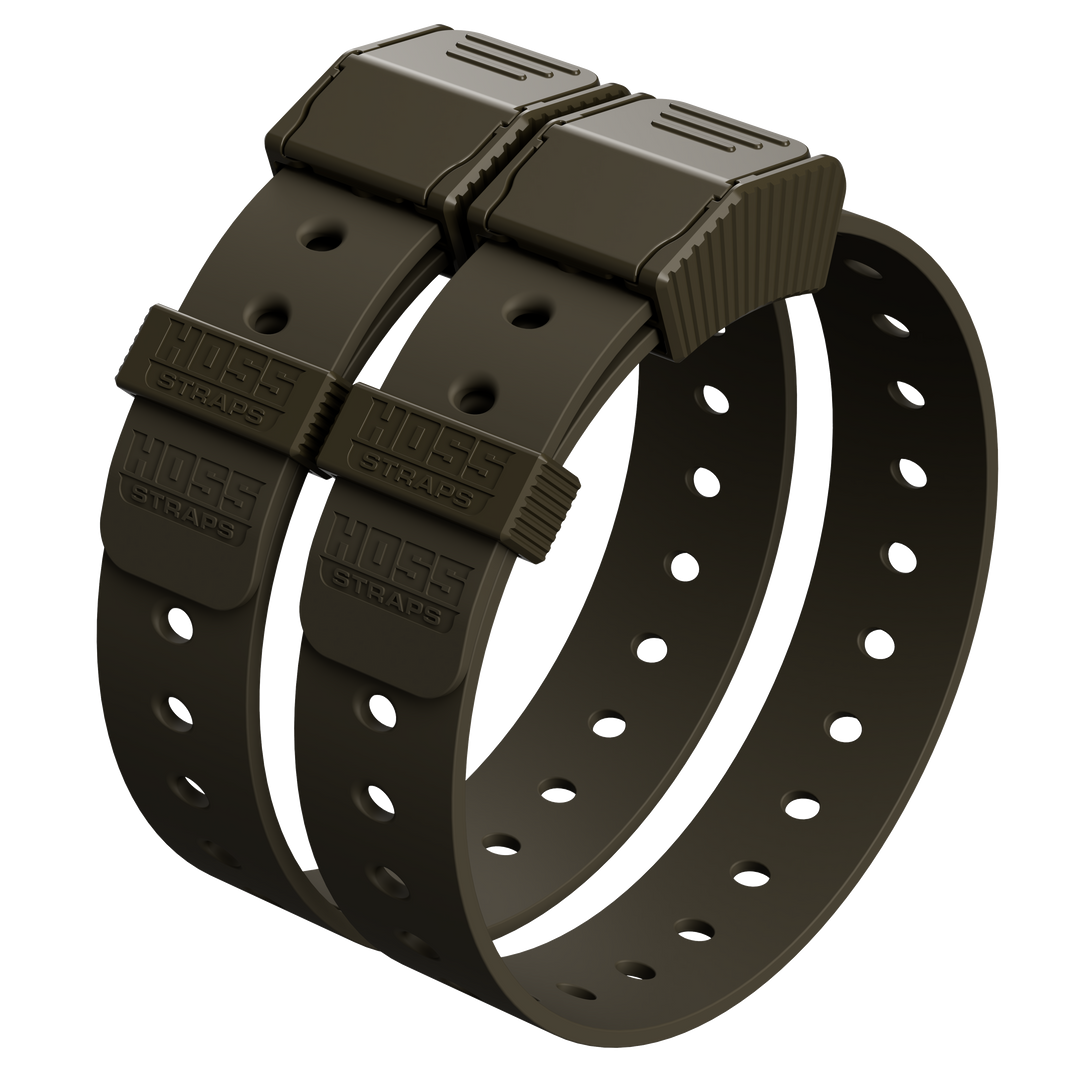
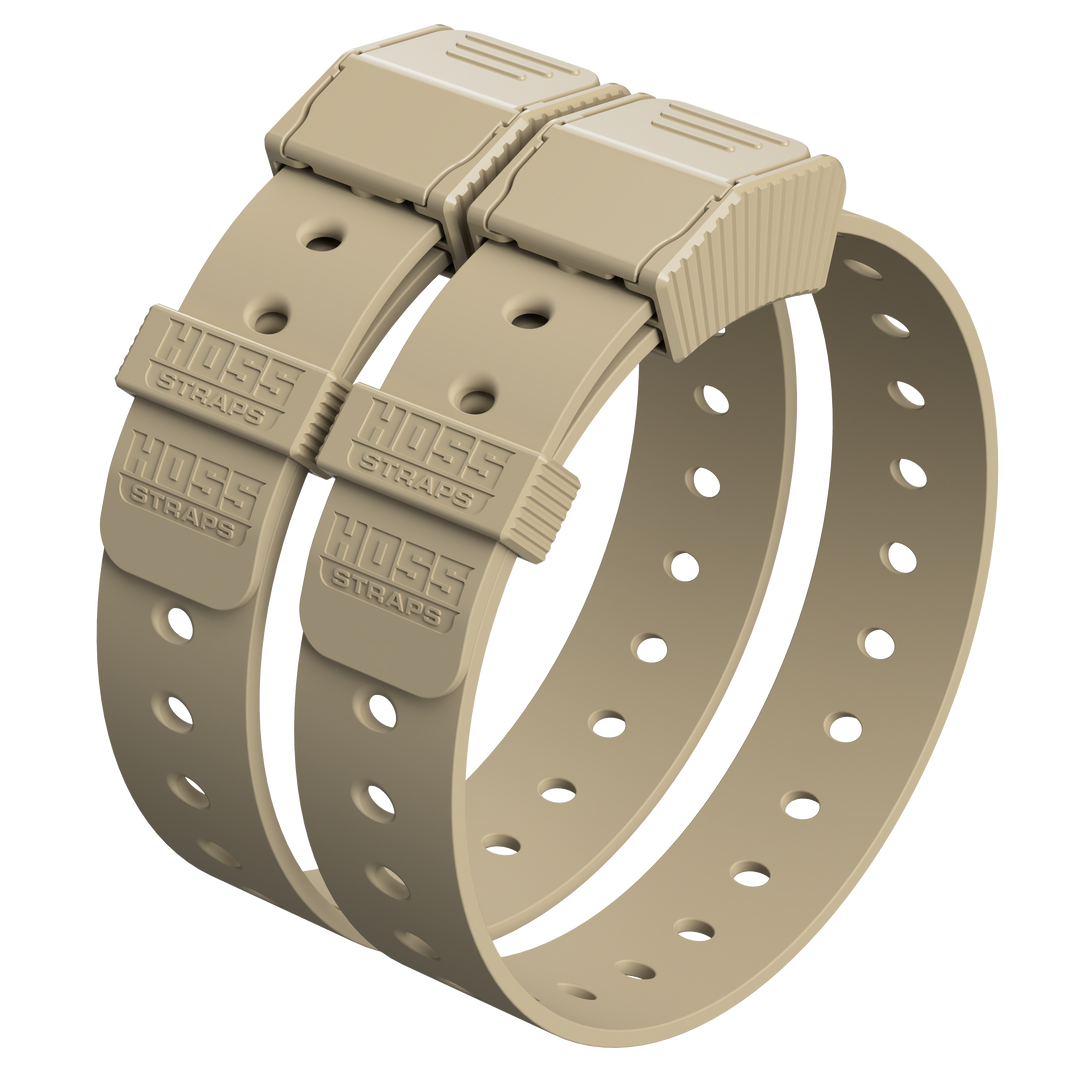
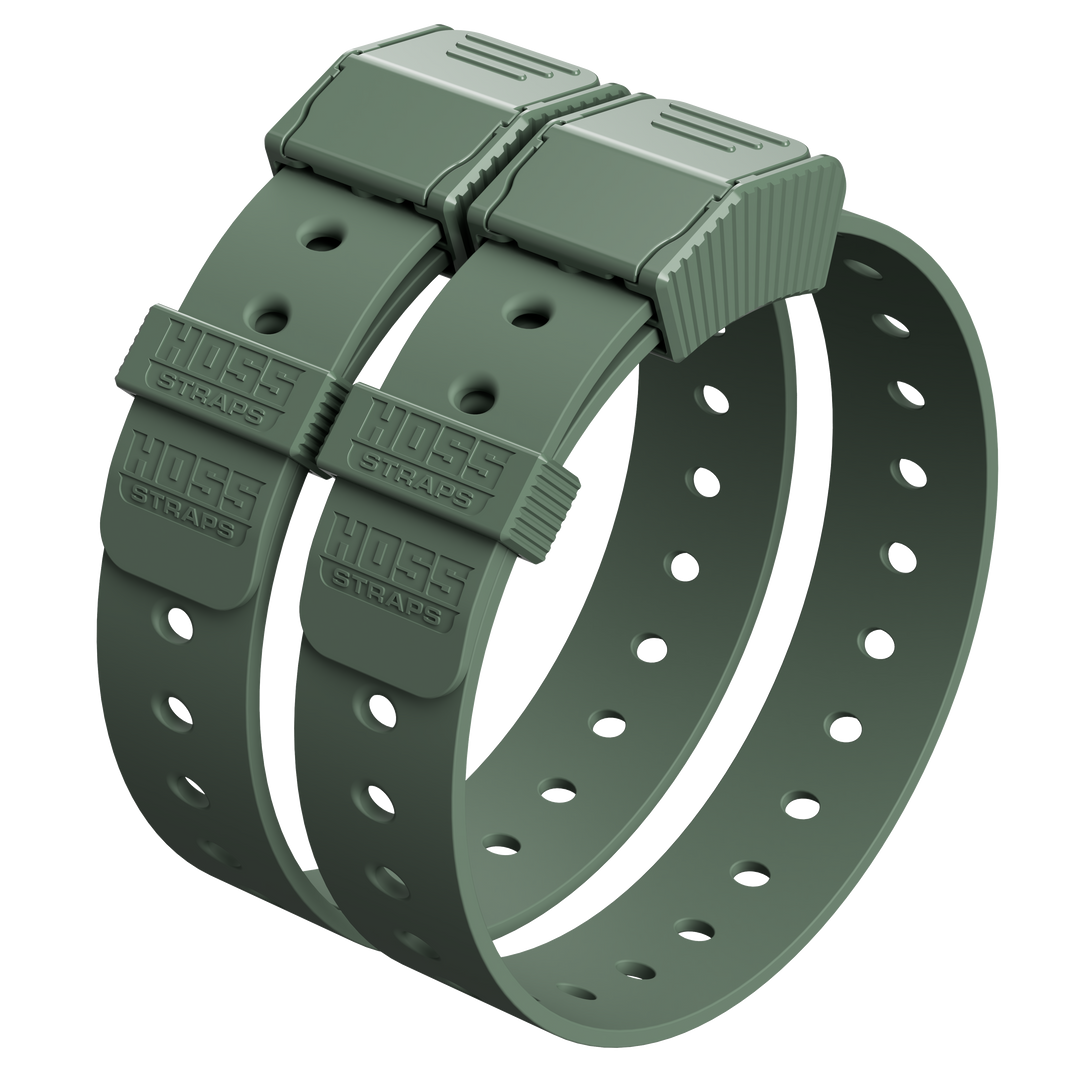
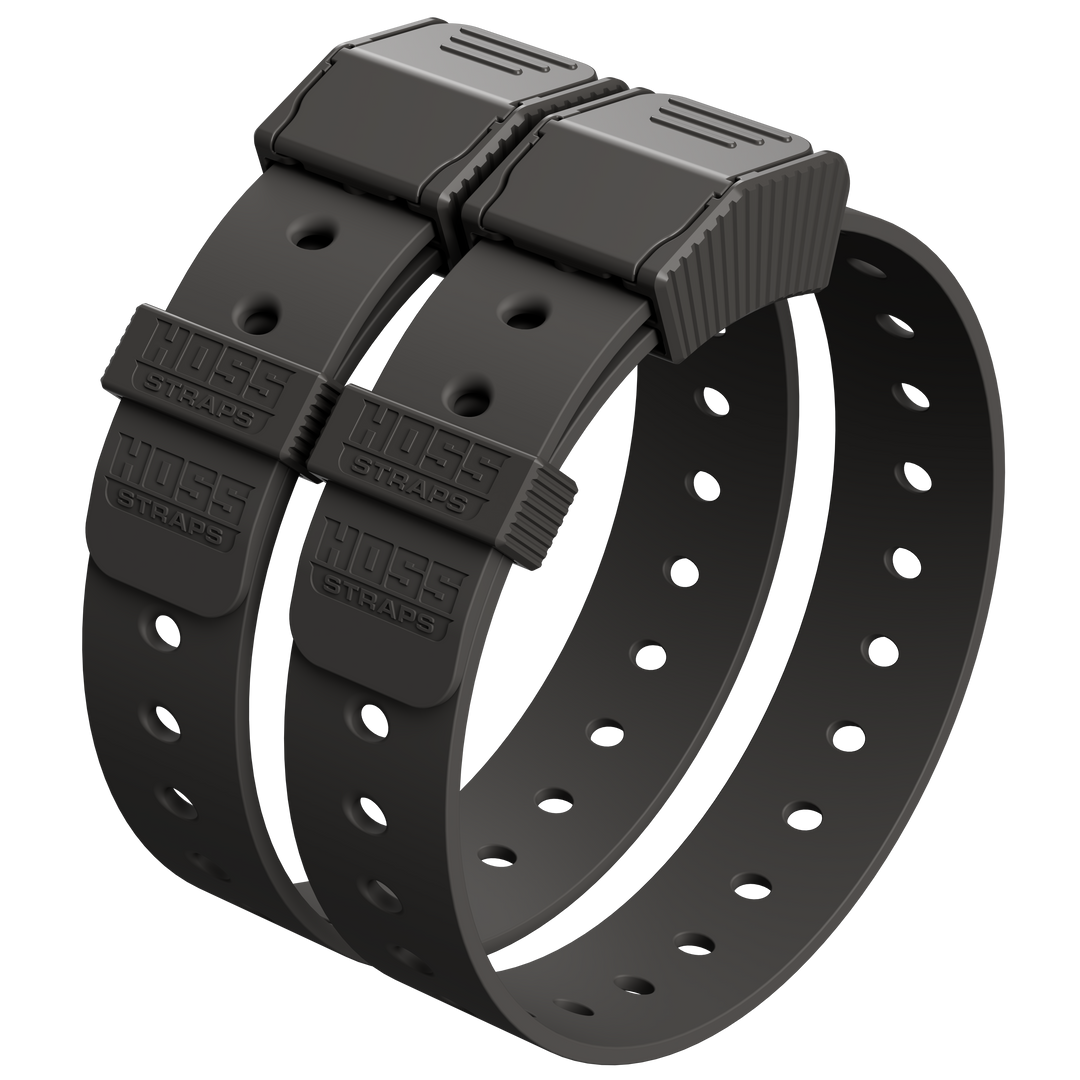
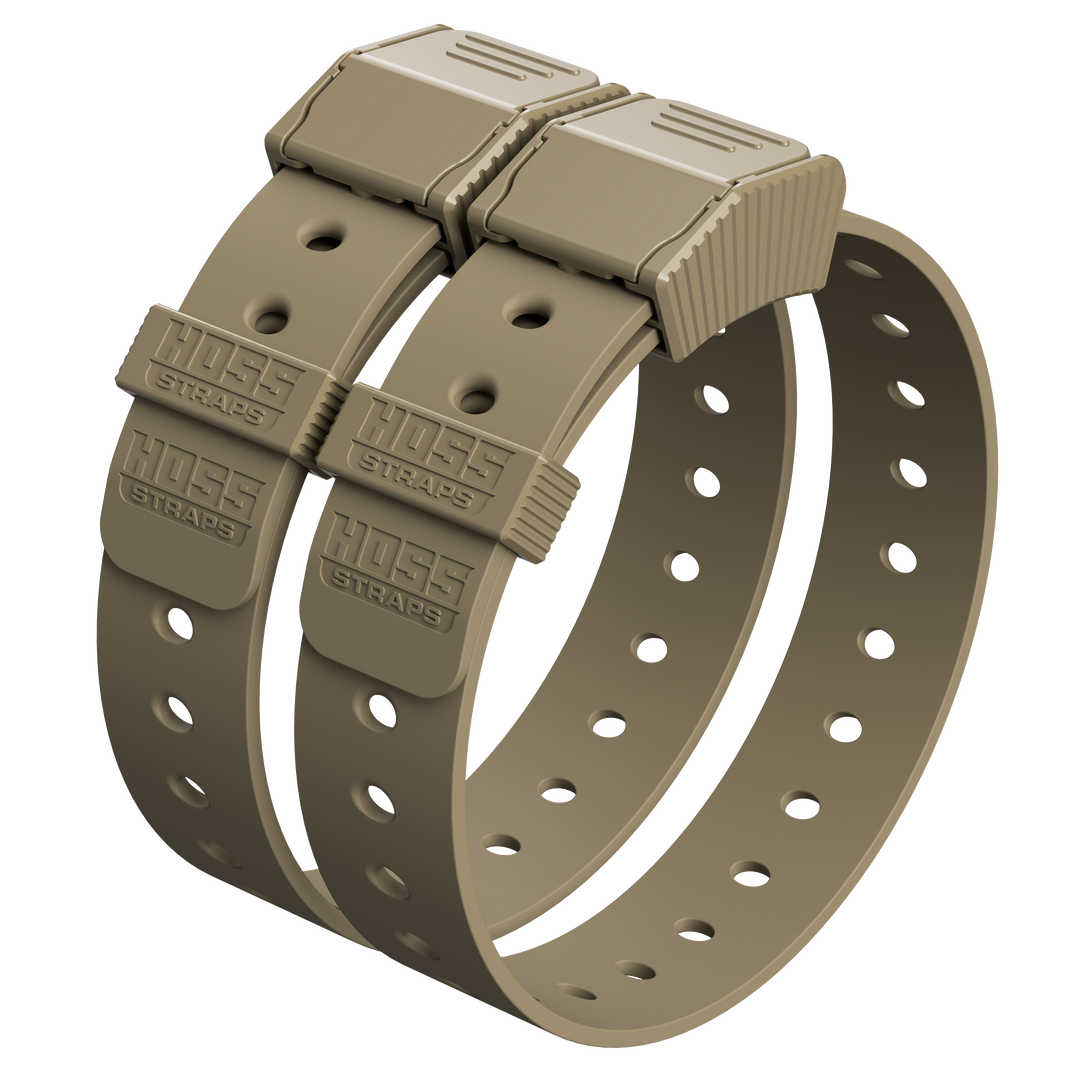
Start with Hoss K9 Dog Collars if you want a large-dog collar built for training, outdoor use, and travel. The Hoss D-Ring Dog Collar is built with weatherproof construction, quick-release handling, a clear D-ring attachment point, a 1 1/16-inch strap width, and fit up to a 22-inch neck size.
For compatible Garmin-style gear, review the Training Collar Setup and Training Collar Adapter Kit. For general everyday options, compare Dog Collars.
FAQ
1. What collar width is best for a strong dog over 60 lb?
Wider collars can feel steadier and spread contact over more area, but width still has to match the dog's neck length. Choose the widest collar your dog can comfortably wear without rubbing or limiting movement.
2. How tight should a large breed K9 collar fit?
It should be snug, not tight. You should be able to slide two fingers under it, and the collar should not rotate easily or slip over the head. Re-check fit as coat and weight change.
3. Why does my dog keep slipping out of collars?
It usually comes down to fit, size range, or neck shape. If the collar can rotate freely or slide over the head when your dog backs up, it is too loose or the wrong style for that dog.
4. Can pulling hurt a dog's neck with a collar?
Pulling can load the neck, and research shows leash forces vary with movement and direction. If your dog pulls hard, focus on training, use steady handling, and choose gear that helps you manage safely.
5. How do I prevent rubbing and hot spots under a collar?
Start with a stable fit so the collar is not shifting around. Keep the neck and collar clean and dry after wet or dirty days, and check the same contact points after training. If you see redness or hair loss, adjust fit and reduce wear time.