


Leather Working Dog Collars: What to Choose, What to Expect, and How to Keep Them Field‑Ready

Table of Contents
- Quick Answer
- Why Working Handlers Still Reach for Leather
- Leather Types You Will See
- Padding and Lining
- Break-In and Stretch
- Care and Conditioning Routine
- Water Considerations
- Hardware for Wet and Field Conditions
- Leather vs Nylon/Synthetic
- A Tough Alternative for Wet Work
- FAQ
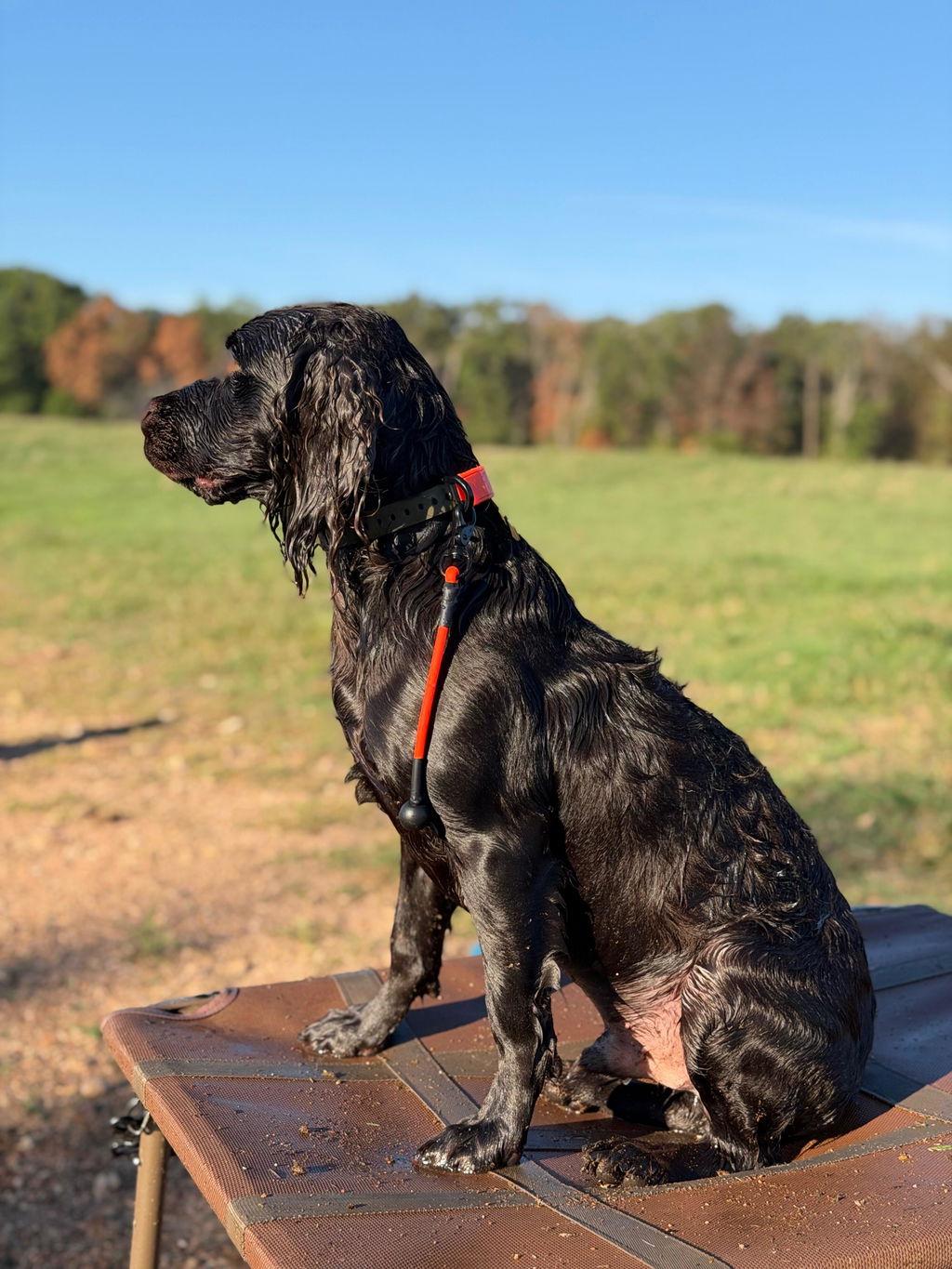
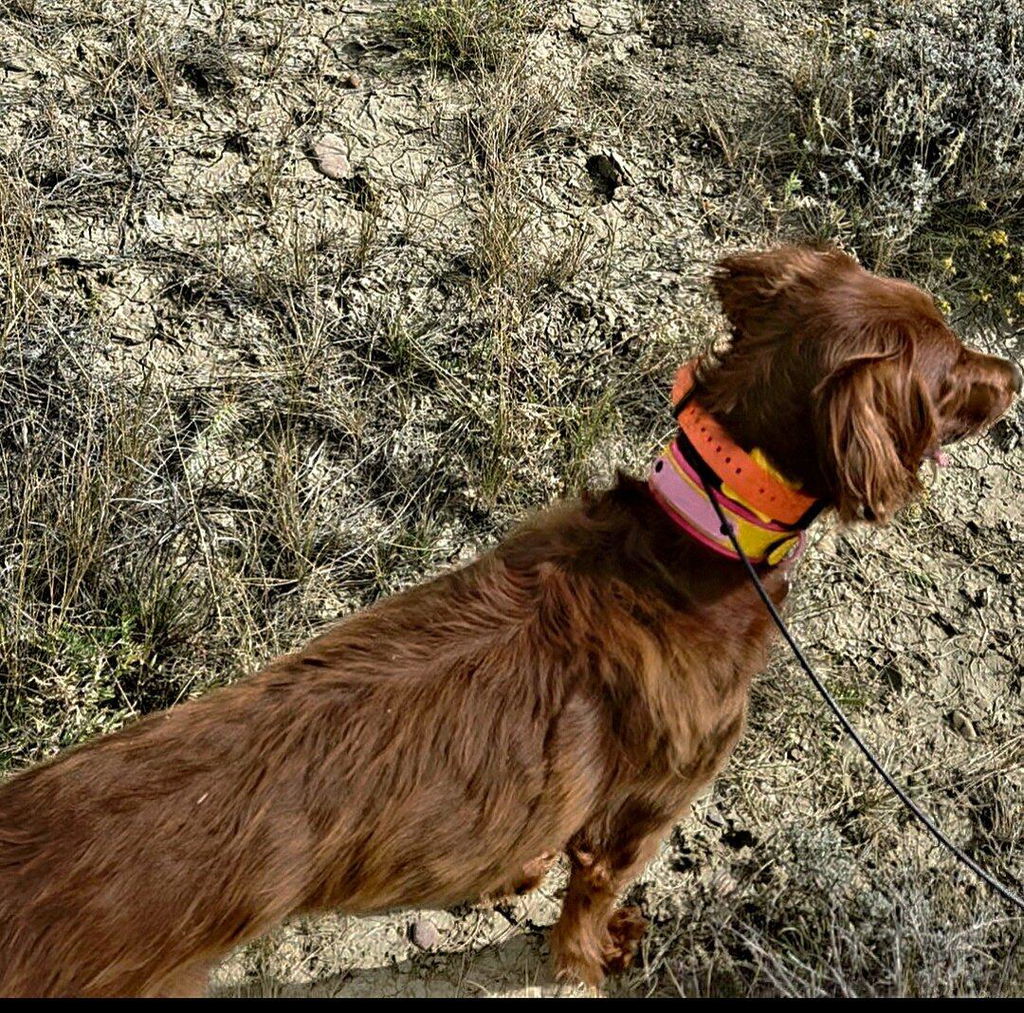
Leather working dog collars can feel quiet, solid, and field-ready in the hand. They sit flat, break in over time, and can be easy to grab with gloves on. But leather is not a set-it-and-forget-it material, especially for K9, hunting, and farm dogs working in rain, mud, snow, or water.
The right leather collar depends on the leather type, hardware, fit, padding, break-in, and how much care you are willing to do. If your dog works wet most days, a weatherproof synthetic collar may be the simpler choice.
If you want lower-maintenance gear for mud, rain, and fast on/off handling, compare Hoss K9 Dog Collars, Weatherproof Dog Collars, and the D-Ring Dog Collar.
Quick Answer: Should You Choose Leather for a Working Dog?
| Question | Leather Collar Fit | Better Alternative |
|---|---|---|
| Do you want quiet, traditional handling? | Leather can be a strong choice | Weatherproof synthetic if cleanup matters more |
| Does your dog work in wet conditions often? | Leather can work, but needs drying and conditioning | Weatherproof Dog Collars |
| Do you need fast rinse-and-go care? | Leather is usually more maintenance | K9 Dog Collars |
| Do you want a broken-in feel over time? | Leather does this well | Coated webbing stays more consistent from day one |
| Is snag or crate safety a concern? | Any collar needs supervision and safe removal habits | Remove collars in snag-prone or unsupervised settings |
Why Working Handlers Still Reach for Leather
Leather often gets picked because it feels straightforward: solid in hand, quieter than some webbing, and more comfortable as it breaks in. It can be a good match for handlers who like traditional gear and are willing to maintain it.
Fit and safety still come first. VCA Animal Hospitals explains that flat collars should fit securely without constricting, but collars that are too loose can allow escape. VCA also warns that hard pulling can put too much pressure on delicate neck structures, and serious injury can happen if a collar becomes tightly entangled during play, crating, kenneling, or around household fixtures.
Field takeaway: leather can be excellent gear, but no collar should be treated as safe in every situation.
Leather Types You Will See in Working Collars
| Leather Type | Typical Feel | Field Notes |
|---|---|---|
| Bridle leather | Structured, firm, traditional | Often chosen for durability, shape retention, and a classic working feel |
| Latigo leather | More flexible, oil-rich, slightly waxy or greasy feel | Often feels ready sooner and can handle scuffs well |
| Oil-rich or pull-up leather | Shows lighter tones when bent or scuffed | Develops character with use but still needs cleaning and conditioning |
Bridle leather
Filson describes bridle leather as vegetable tanned leather that is finished with waxes and tallows, producing durable leather suited for hard use. For collars, bridle leather usually feels structured and breaks in gradually.
Latigo leather
Nick's Boots explains that latigo is heavily stuffed with oils and waxes, giving it a pull-up effect and a slightly greasy feel. For working dog collars, that can mean a collar that feels more flexible sooner than very firm bridle leather.
Oil-rich and pull-up styles
Pull-up leather changes color where it bends or scuffs because oils and waxes move inside the hide. If you like gear that looks better as it works, these leathers can be appealing.
Padding and Lining: Comfort vs Dry Time
Padding and lining can improve comfort, but they also add layers that hold moisture and grit.
| Build | Best For | Watch-Out |
|---|---|---|
| Unlined leather | Simple field use and faster drying | Needs smooth edges and correct fit |
| Lined leather | Dogs that need a smoother feel against the neck | Lining can trap moisture if not dried well |
| Padded leather | Short coats or dogs needing extra cushion | Padding can act like a sponge after rain or water work |
Rule that holds up: the more layers you add, the more attention you need to give drying and cleaning.
Break-In: What to Expect
New leather can feel stiff. That is normal. Good break-in usually means softer edges, a better lay on the neck, and fewer motion hot spots over time.
Do not try to speed-run break-in by soaking the collar or over-oiling it. In field use, that can turn the leather into a grit magnet or make it stretch unpredictably.
Fit over time: leather can loosen and stretch
Leather collars live through pull, sweat, rain, heat, and flex. Fit can change. Check fit after the first couple weeks of real use, then re-check after wet weather, coat changes, or heavy work blocks.
- Check whether the collar still passes the two-finger fit test.
- Watch the most-used buckle hole for stretching.
- Inspect the keeper, folded ends, and hardware contact points.
- Replace the collar if holes elongate badly or leather cracks near hardware.
Care and Conditioning Routine
Leather maintenance is mostly about keeping grit out and restoring oils before the leather dries out.
A basic working routine
| Situation | What to Do | Why |
|---|---|---|
| After dirty days | Wipe off mud, sweat, and grit | Prevents abrasive dirt from living in the leather |
| After wet days | Dry fully before conditioning | Conditioning wet leather can trap moisture |
| Ongoing | Inspect holes, keepers, edges, and hardware | Catches wear before failure |
| When leather looks dry | Condition lightly with a leather-safe conditioner | Helps maintain flexibility |
Conditioning frequency
There is no one perfect schedule. A collar used casually may only need occasional conditioning. A working collar exposed to rain, mud, sweat, snow, sun, and water may need care more often.
Leather Honey notes that usage and exposure determine cleaning and conditioning frequency, and warns not to condition wet leather because trapped moisture can contribute to mildew.
Water Considerations: Rain, Snow, Mud, and Water Work
Leather can handle some wet weather, but water changes the care routine. Wet leather should dry slowly and naturally. Avoid dryers, heater vents, dashboards, campfires, or forced heat.
When leather gets wet, water can draw out oils and leave leather drier if it is not cared for later. The practical routine is simple:
- Wipe off mud and grit.
- Let the collar air dry at room temperature.
- Keep it in a ventilated place while drying.
- Condition only after it is dry and looks or feels like it needs it.
Field takeaway: leather can survive wet work, but it rewards slow drying and consistent care.
Hardware Compatibility: Buckles and Rings for Real Conditions
Hardware is the quiet failure point on working collars, especially around water, mud, and salt.
Stainless steel corrosion resistance comes from a passive chromium-rich oxide film on the surface, according to the Australian Stainless Steel Development Association. ASSDA also notes that excessive chlorides can cause pitting and that 316 stainless is commonly chosen for stronger corrosion resistance in harsher environments than lower-grade alternatives.
| Condition | Hardware Priority | Care Habit |
|---|---|---|
| Rain and mud | Smooth, corrosion-resistant buckle and ring | Rinse grit and dry hardware |
| Saltwater or coastal use | Higher corrosion resistance matters more | Rinse after salt exposure and inspect often |
| Cold weather | Hardware easy to operate with gloves | Keep buckles free of packed mud or ice |
| Frequent leash pressure | Strong ring and reinforced leather around it | Check for elongated holes, cracks, and rough edges |
Leather vs Nylon/Synthetic: Straight Tradeoffs for Working Roles
| Material | Where It Wins | Where It Loses |
|---|---|---|
| Leather | Quiet handling, broken-in comfort, traditional feel, glove-friendly grab | Needs drying, conditioning, and more care after wet work |
| Nylon/webbing | Lightweight, affordable, common, easy to size | Can hold water, odor, and grime depending on construction |
| Weatherproof coated webbing | Fast rinse-and-go cleanup, water resistance, lower maintenance | Different feel than traditional leather |
If your dog is hard on gear and wet most days, rugged synthetic or weatherproof coated webbing is often the simpler choice.
A Tough Alternative for Wet Work and Fast On/Off
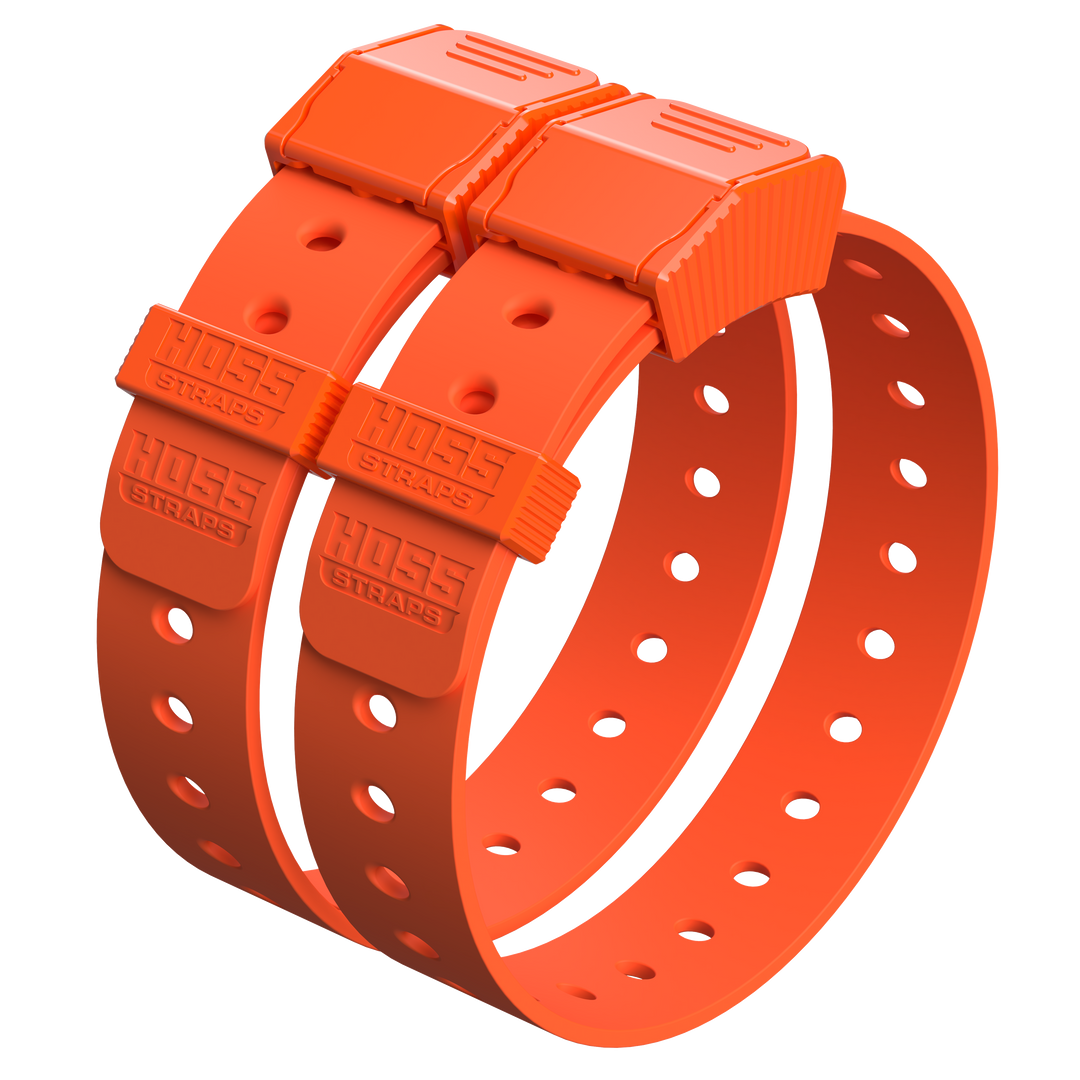
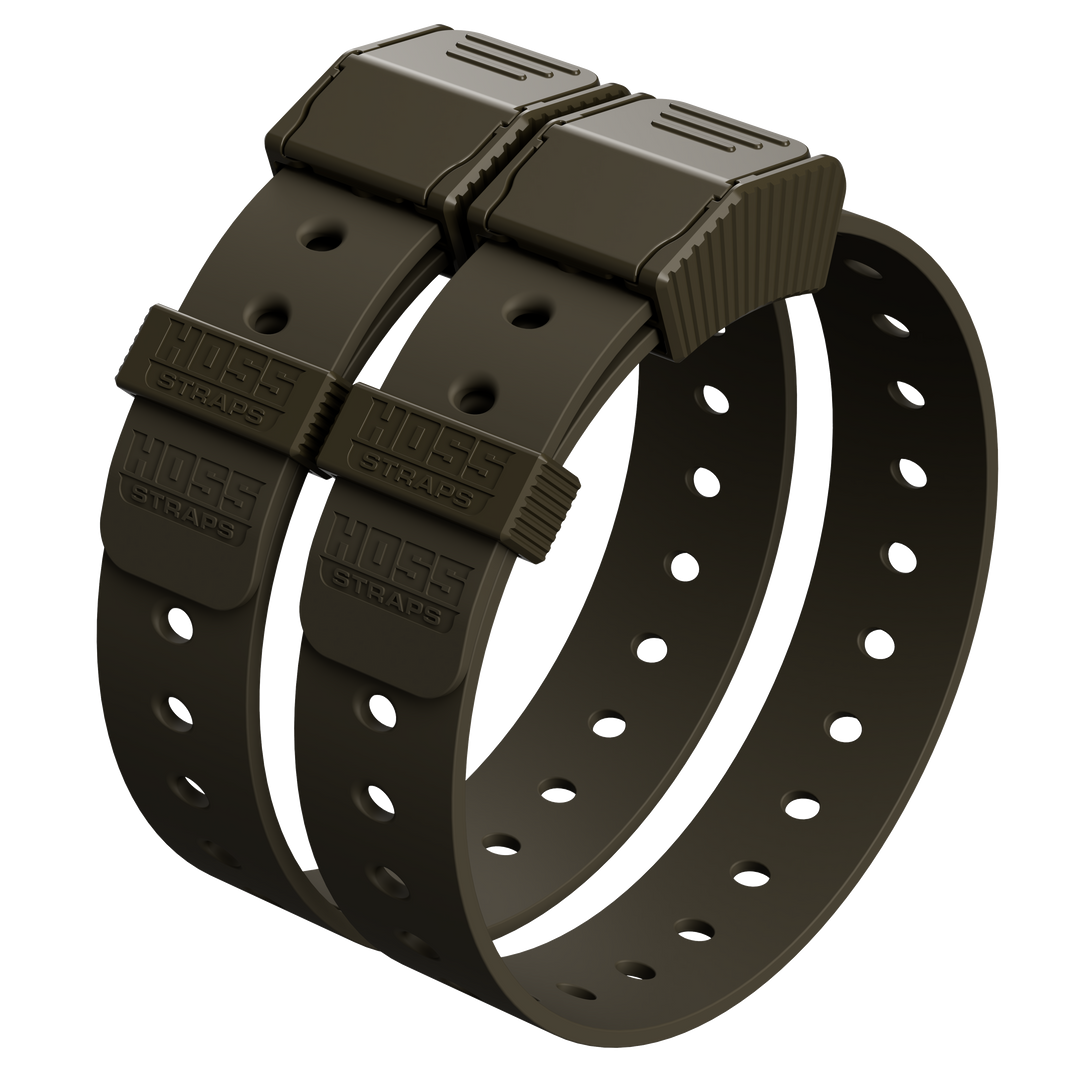
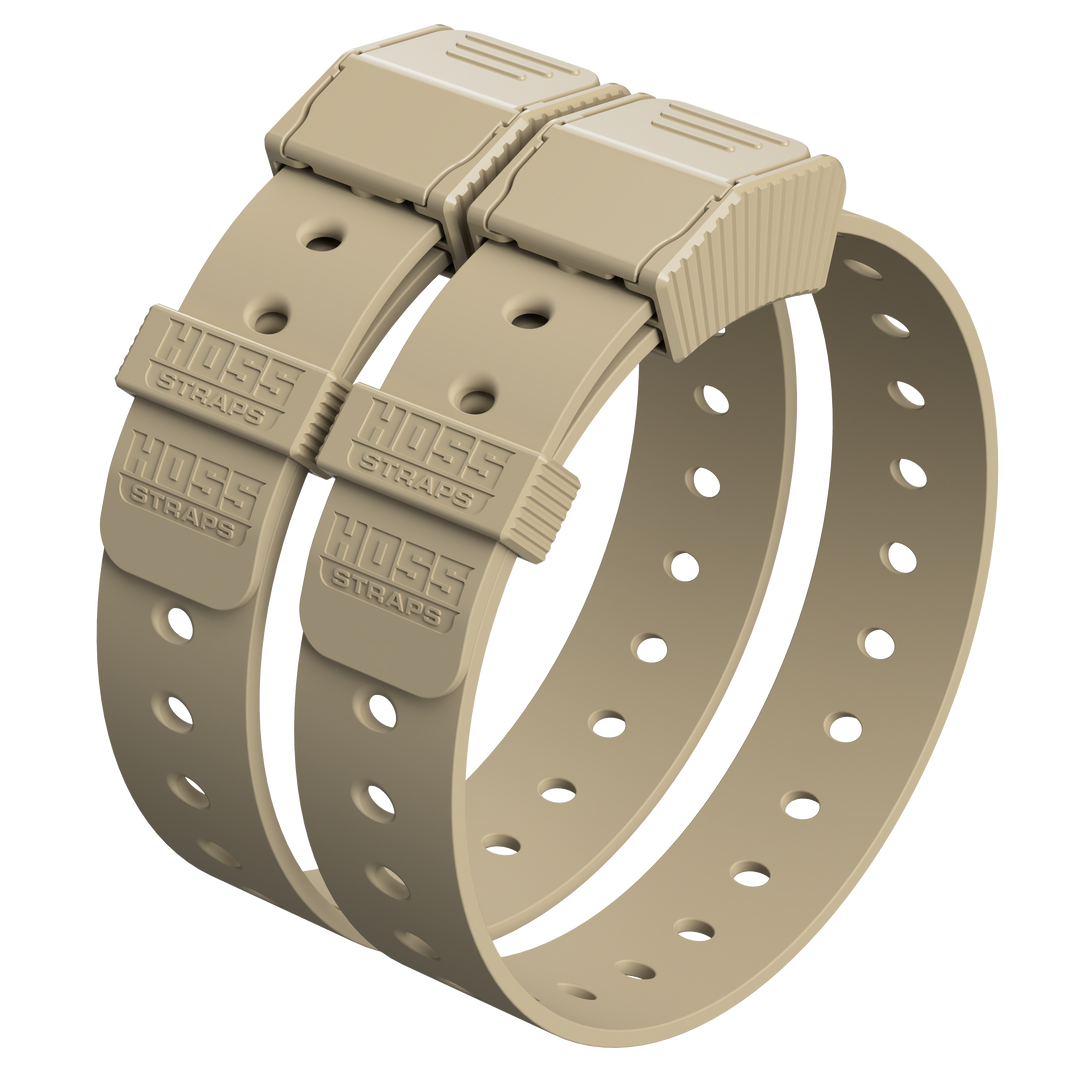
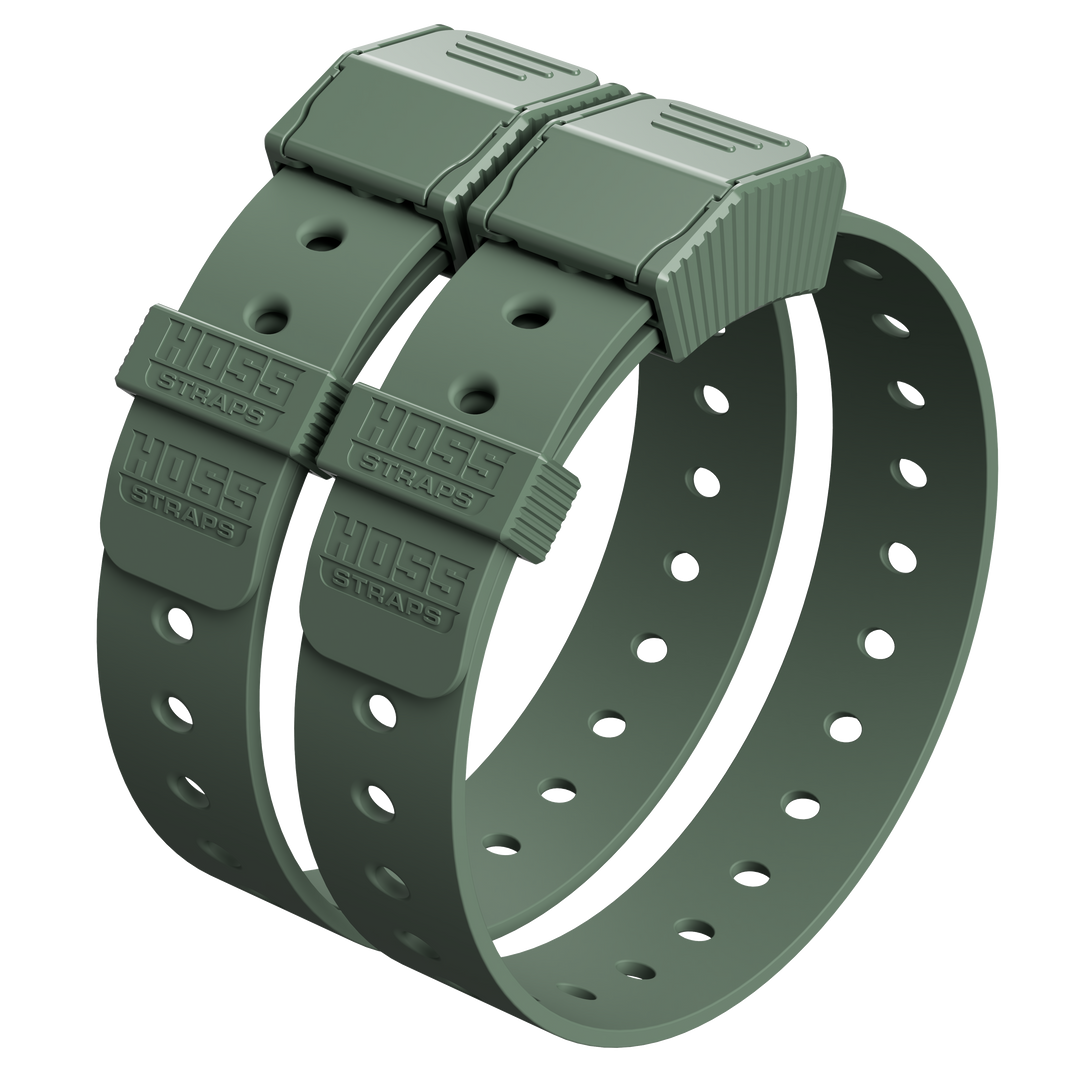
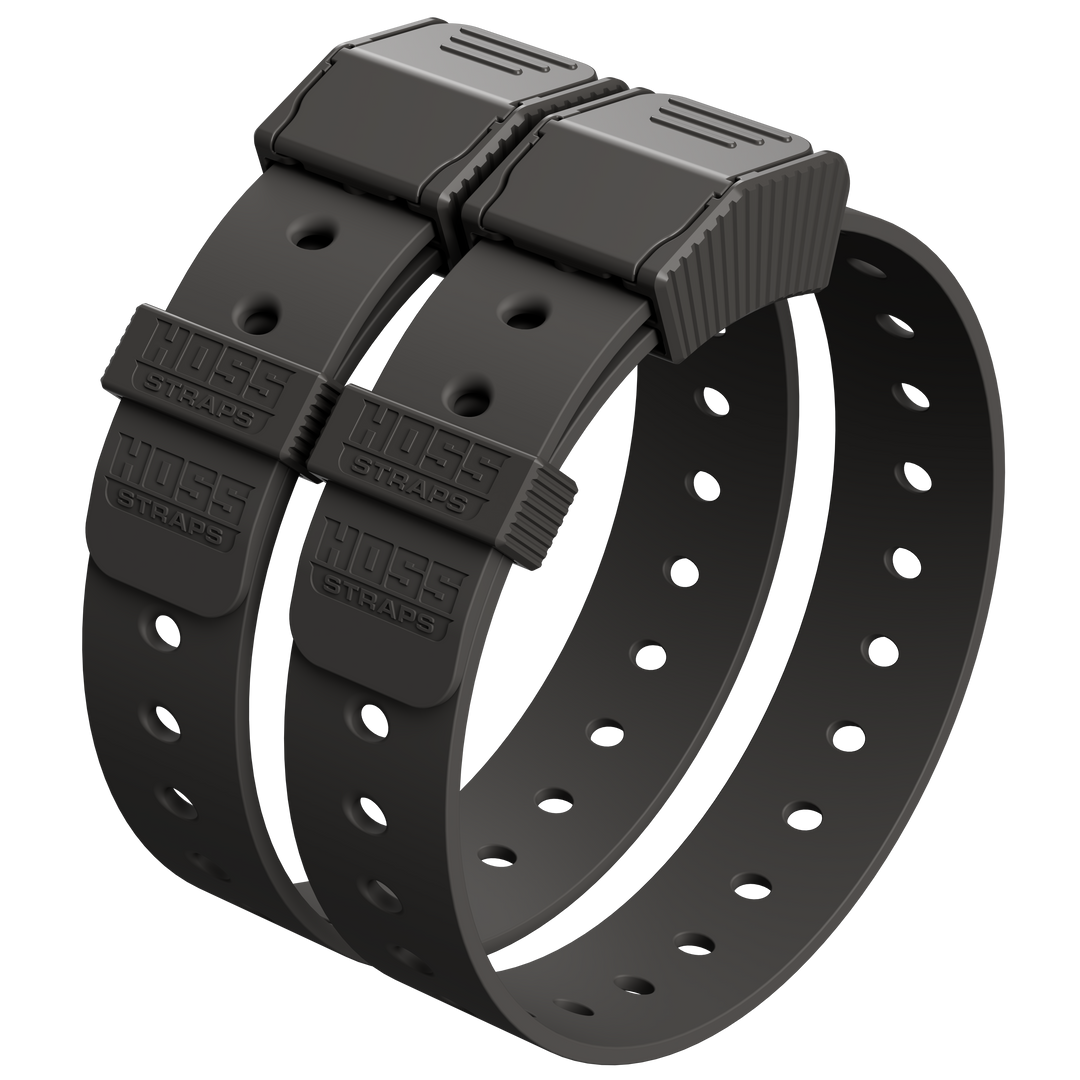
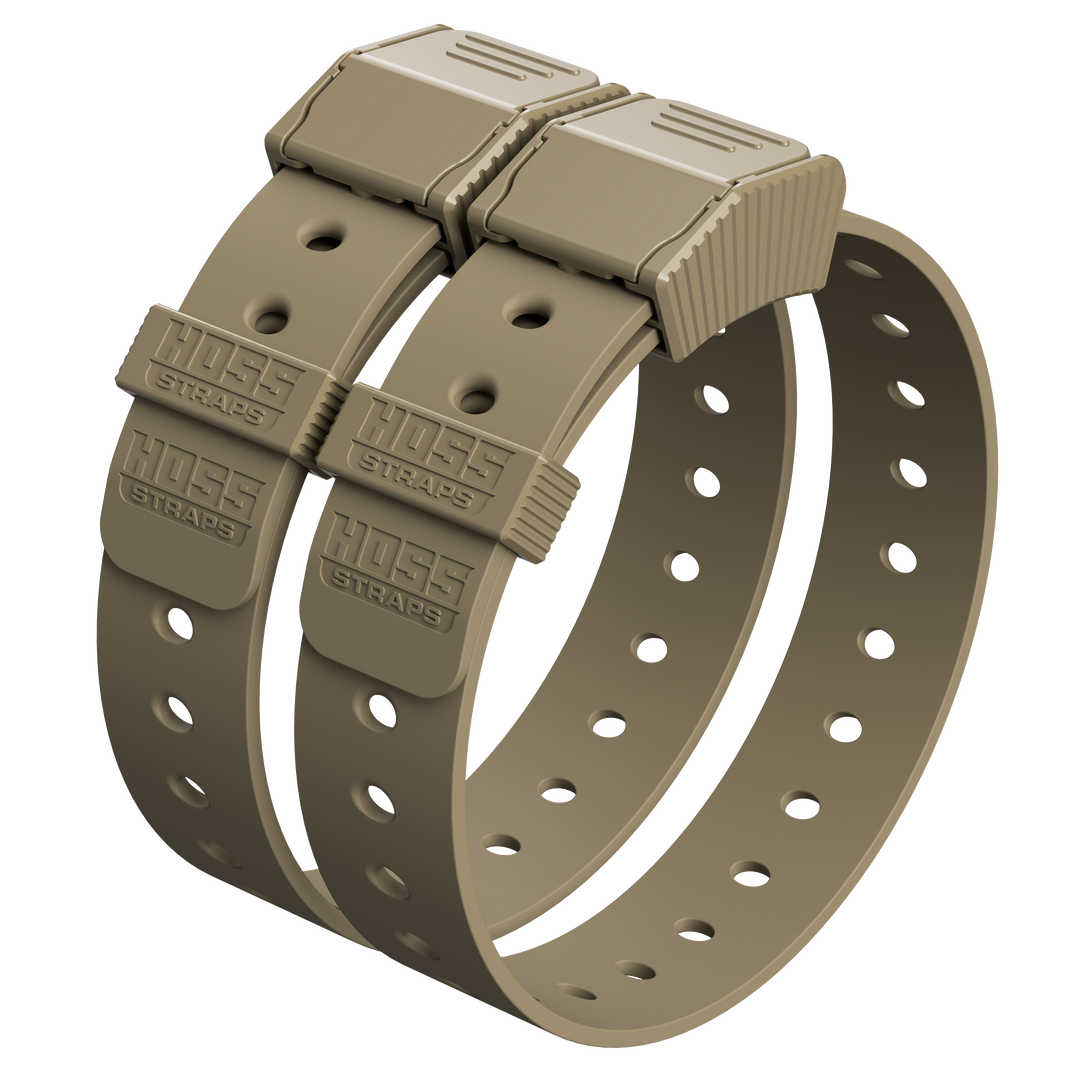
If you like the idea of a working collar that is weatherproof, quick to clean, and easy to remove, Hoss K9 collars are built for handlers who run in mud, rain, and water.
Start with Hoss K9 Dog Collars for harder-use dogs. For a dependable everyday platform, compare the D-Ring Dog Collar, which uses weatherproof construction, quick-release handling, a 1 1/16-inch strap width, and a clear D-ring attachment point.
For wet or muddy routines, review Weatherproof Dog Collars. If your dog uses compatible Garmin-style gear, see the Training Collar Setup and Training Collar Adapter Kit.
FAQ
1. Do leather working dog collars stretch over time?
Yes, leather can loosen as it flexes, gets loaded, and goes through wet-dry cycles. Re-check fit after the first few weeks of hard use and after wet weather, coat changes, or heavy training blocks.
2. How often should I condition a leather collar used in the field?
Condition when the leather looks or feels dry, and more often if the collar is exposed to rain, mud, sweat, snow, or sun. Dry the collar fully before conditioning.
3. Can leather collars handle rain, snow, and water retrieves?
They can, but drying and care determine how long they last. Let wet leather air dry slowly at room temperature, avoid direct heat, and condition only after the leather is dry and needs it.
4. What hardware should I look for around water or salt?
Use smooth, corrosion-resistant hardware and rinse after salt exposure. In harsher wet or coastal environments, higher corrosion-resistant stainless hardware is worth prioritizing.
5. When should I choose nylon or synthetic over leather for work?
Choose synthetic or weatherproof coated webbing if your routine involves constant water, mud, and fast cleanup. Leather is great for quiet handling and broken-in comfort, but it needs more care.