


Lightweight Dog Collars: How to Choose Light Hardware That Stays Comfortable

Table of Contents
- Quick Answer
- Why Lightweight Matters
- What Makes a Dog Collar Feel Lightweight
- Lightweight Hardware Checklist
- The 10-Second Comfort Check
- Best Use Cases for Lightweight Collars
- When a Lightweight Collar Is Not the Best Tool
- Re-Check Fit Over Time
- Built for Comfort Without the Bulk
- FAQ
A lightweight dog collar should feel simple on the neck: secure enough for everyday ID and calm walking, but not so bulky that the buckle, ring, or tags bother your dog. That matters most for small dogs, puppies, seniors, and dogs that are sensitive to heavy gear.
The best lightweight collar is not just the thinnest strap. It uses right-sized hardware, a stable fit, smooth edges, and material that does not become heavy when wet or dirty.
If you want a simple everyday collar that stays easy to use, compare Hoss Dog Collars, the D-Ring Dog Collar, and Weatherproof Dog Collars.
Quick Answer: What Makes a Collar Feel Lightweight?
| Feature | Why It Feels Lighter | What to Check |
|---|---|---|
| Right-sized buckle | Less weight concentrated under the chin or side of the neck | Buckle feels secure, not oversized |
| Simple D-ring | Reduces swinging and clinking hardware | Ring is strong enough without being bulky |
| Fewer dangling parts | Less jingle, less swing, less irritation | Only necessary tags and hardware |
| Smooth strap edges | Prevents rubbing on small or sensitive necks | No rough edges, sharp seams, or stiff spots |
| Stable fit | A collar that stays put usually feels better than one that twists | Passes fit, slip, and movement checks |
Why Lightweight Matters More Than People Think
On a smaller dog, a little extra hardware can feel like a lot. Buckles, leash rings, tag rings, and ID tags all stack weight in one small area.
For puppies and seniors, bulk can be even more noticeable. Puppies are still learning to wear gear, while older dogs may have thinner bodies, less muscle, or more sensitivity around the neck.
The goal is simple: keep the collar secure for everyday use without making your dog feel like they are wearing a tool belt.
What Makes a Dog Collar Feel Lightweight?
Hardware weight
Hardware is usually the biggest difference maker. A narrow strap with an oversized buckle can still feel heavy. A medium strap with right-sized hardware may feel more balanced.
Look at:
- Buckle size and shape
- D-ring size
- Extra tag rings
- Charms, stacked tags, or accessories
- Where the hardware sits on the neck
Collar width and thickness
A narrow collar can feel lighter, but it still needs to sit flat. If it twists, it can rub. If it stays stable, it usually feels better.
| Dog Type | Collar Direction | Watch-Out |
|---|---|---|
| Tiny dogs | Light strap and small hardware | Oversized buckles or heavy tags |
| Puppies | Simple, adjustable collar with frequent fit checks | Fast growth and loose extra strap |
| Senior dogs | Soft feel, smooth edges, easy buckle | Hardware that digs or feels clumsy |
| Small outdoor dogs | Light but weatherproof material | Absorbent collar that gets heavy when wet |
Material feel in wet and dirty conditions
A collar can feel lightweight when dry and annoying after rain. Absorbent material can hold water, grit, and odor. Weatherproof or wipe-clean collars tend to stay more consistent from day one to day one-hundred.
Lightweight Hardware Checklist
- Quick-release buckle: easy on and off with less fuss.
- Right-sized leash ring: strong enough for the job without being oversized.
- Fewer dangling parts: less clinking, swinging, and irritation.
- Smooth edges: nothing sharp or rough where it touches fur and skin.
- Stable fit: a collar that stays put usually feels lighter than one that twists.
Fit Comes First: The 10-Second Comfort Check
A lightweight collar still has to fit correctly. Fit is what keeps it comfortable and safe.
Two-finger rule
A flat collar should be snug but not tight. A practical rule is that you should be able to slide two fingers under the collar. The collar should not be so loose that it can slip over the head.
Slip test
After you buckle the collar, gently test whether it can slide forward over your dog's head. If it can, tighten it to a safer spot or choose a better size range.
Signs the collar feels too heavy or annoying
- Constant head shaking
- Nonstop scratching at the collar
- Collar rotating around the neck
- Buckle sitting under the throat
- Hair pinching, redness, or rubbing
If you see those signs, adjust the fit, remove extra hardware, or choose a lighter collar setup.
Best Use Cases for Lightweight Collars
Everyday walks
For calm walkers, a lightweight flat collar can work well for everyday ID and short leash connection. Keep the setup simple and avoid oversized hardware.
Training basics
If you are working on leash manners, a clean, lightweight collar can help keep your dog from focusing on the gear. Pair the collar with calm handling and positive reinforcement.
Outdoor use
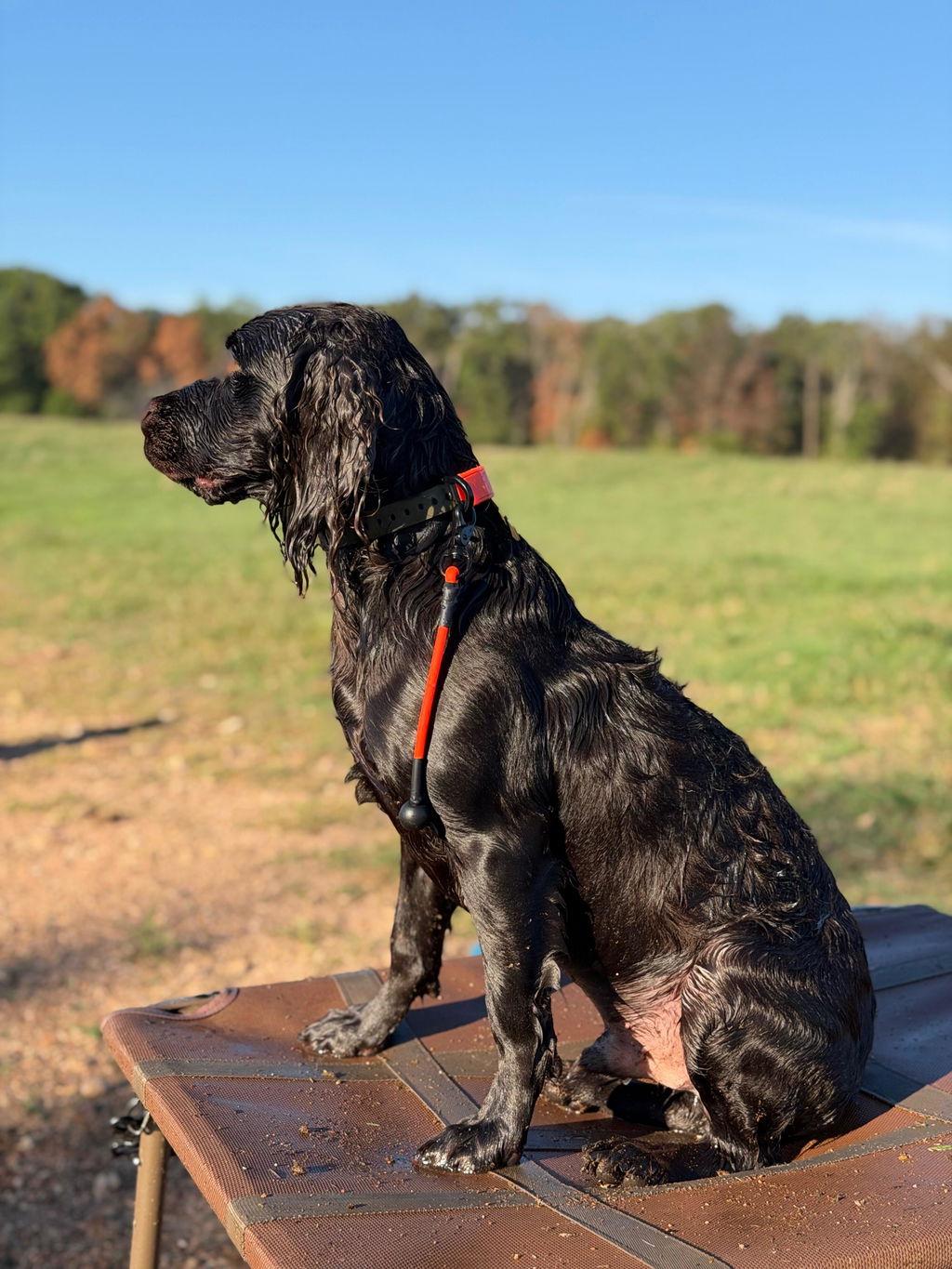
If you are outside often, choose a collar that stays light in rain, mud, and cold hands. Weatherproof material can help because it does not soak up water the way absorbent fabric can.
Tufts Cummings School of Veterinary Medicine notes that collars and harnesses can stay on during play only with close supervision; otherwise, collars should be removed. That matters for lightweight collars too, especially if tags or rings can catch during play.
When a Lightweight Collar Is Not the Best Tool
A lightweight collar can be a great everyday option, but it is not the answer for every dog.
| Situation | Why a Collar May Not Be Best | Better Direction |
|---|---|---|
| Strong pulling | Leash force loads the neck and throat | Use a well-fitted harness for walks |
| Small dog with throat sensitivity | Small necks can be more vulnerable to pressure | Collar for ID, harness for leash work |
| Eye-pressure concerns | Pulling on a collar can increase intraocular pressure in some dogs | Ask your vet and use a harness when appropriate |
| Rough unsupervised play | Collars and tags can snag | Remove collar when play is not closely supervised |
A study in the Journal of the American Animal Hospital Association found that intraocular pressure increased when dogs pulled against a collar, but not when they pulled against a harness. The authors recommended harnesses for dogs with weak or thin corneas, glaucoma, or conditions where increased eye pressure could be harmful.
A Simple Habit That Prevents Problems: Re-Check Fit
Fit changes with real life. Weight shifts, haircuts, thick winter coats, and aging can all change how a collar sits.
Re-check fit after:
- Grooming or haircuts
- Seasonal shedding or coat growth
- Weight gain or loss
- Puppy growth spurts
- Switching tags or hardware
- Wet or muddy outdoor days
American Humane notes that dogs can gain or lose weight, elderly dogs often lose weight, and seasonal coat changes can tighten or loosen collar fit. A quick fit check is the easiest way to catch the problem early.
Built for Comfort Without the Bulk: Hoss Straps Dog Collars
If you want a straightforward collar that is ready for daily use, start with weatherproof material and simple hardware.
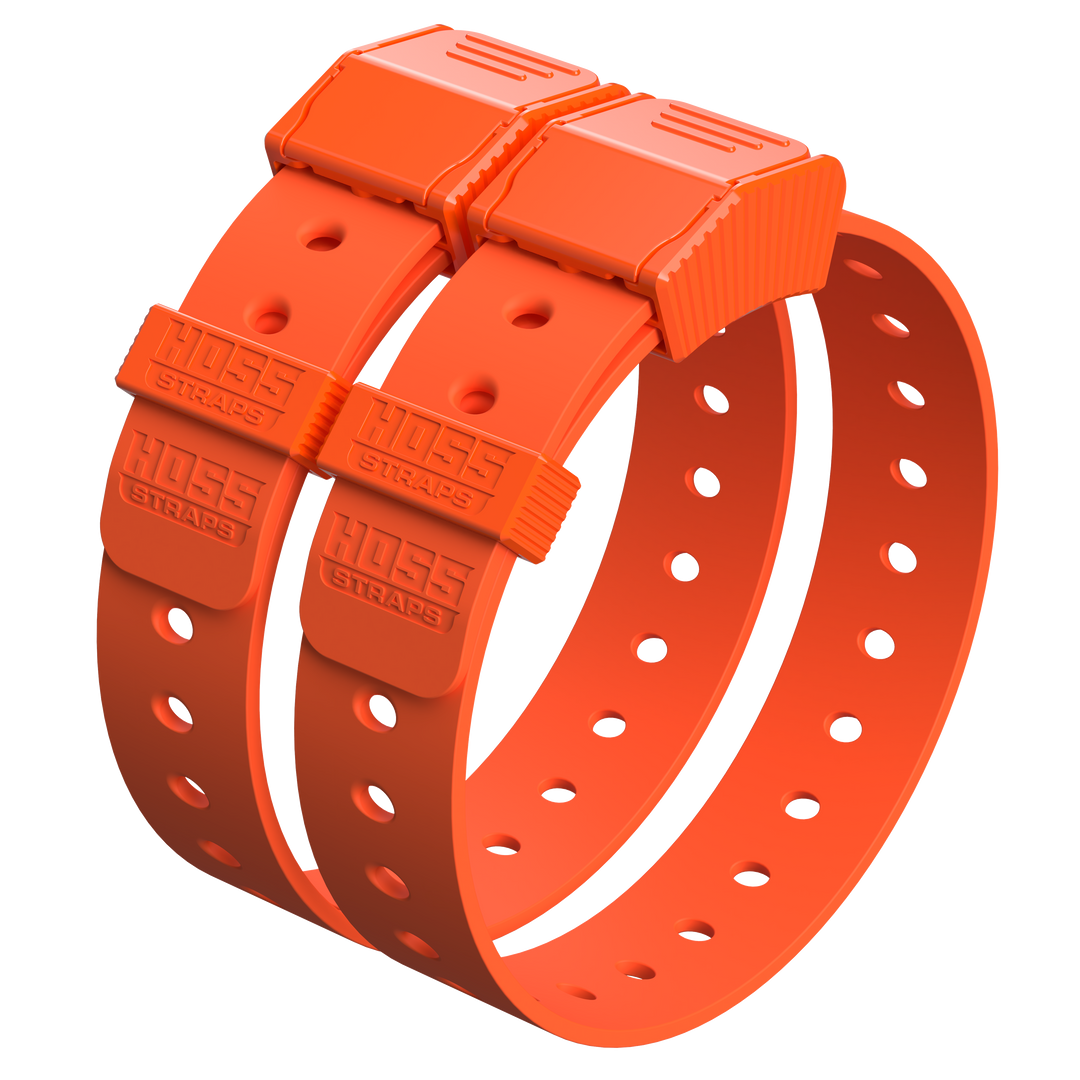
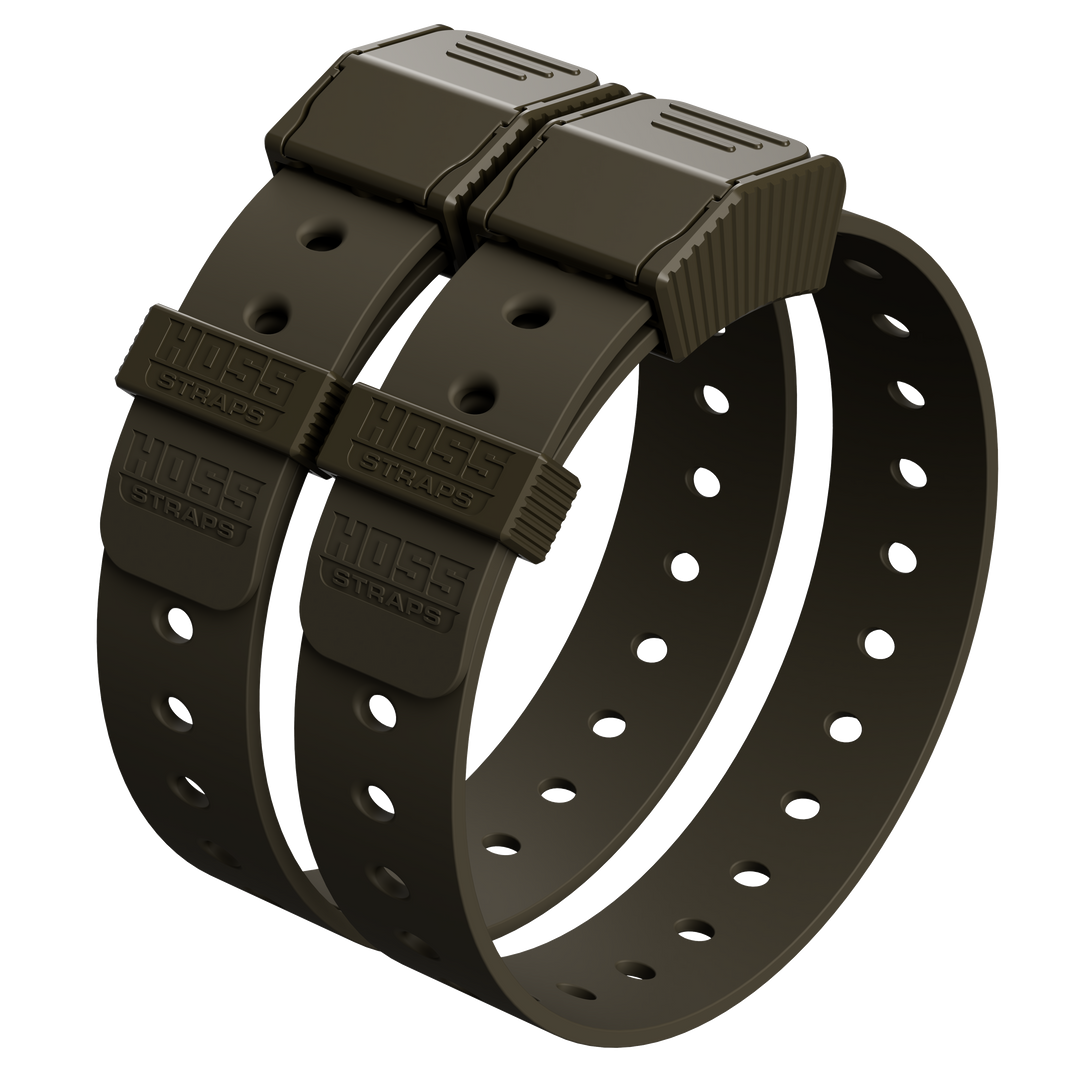
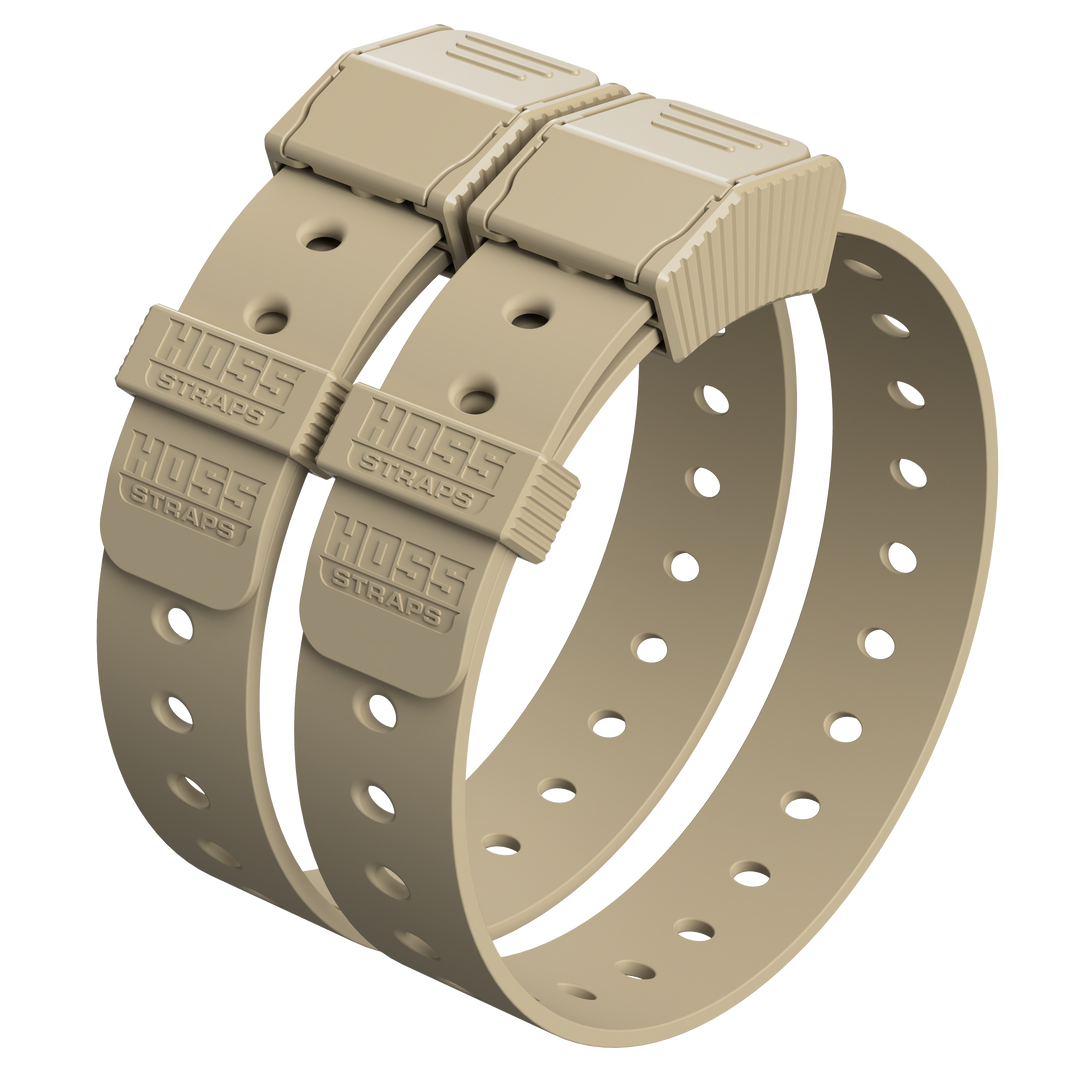
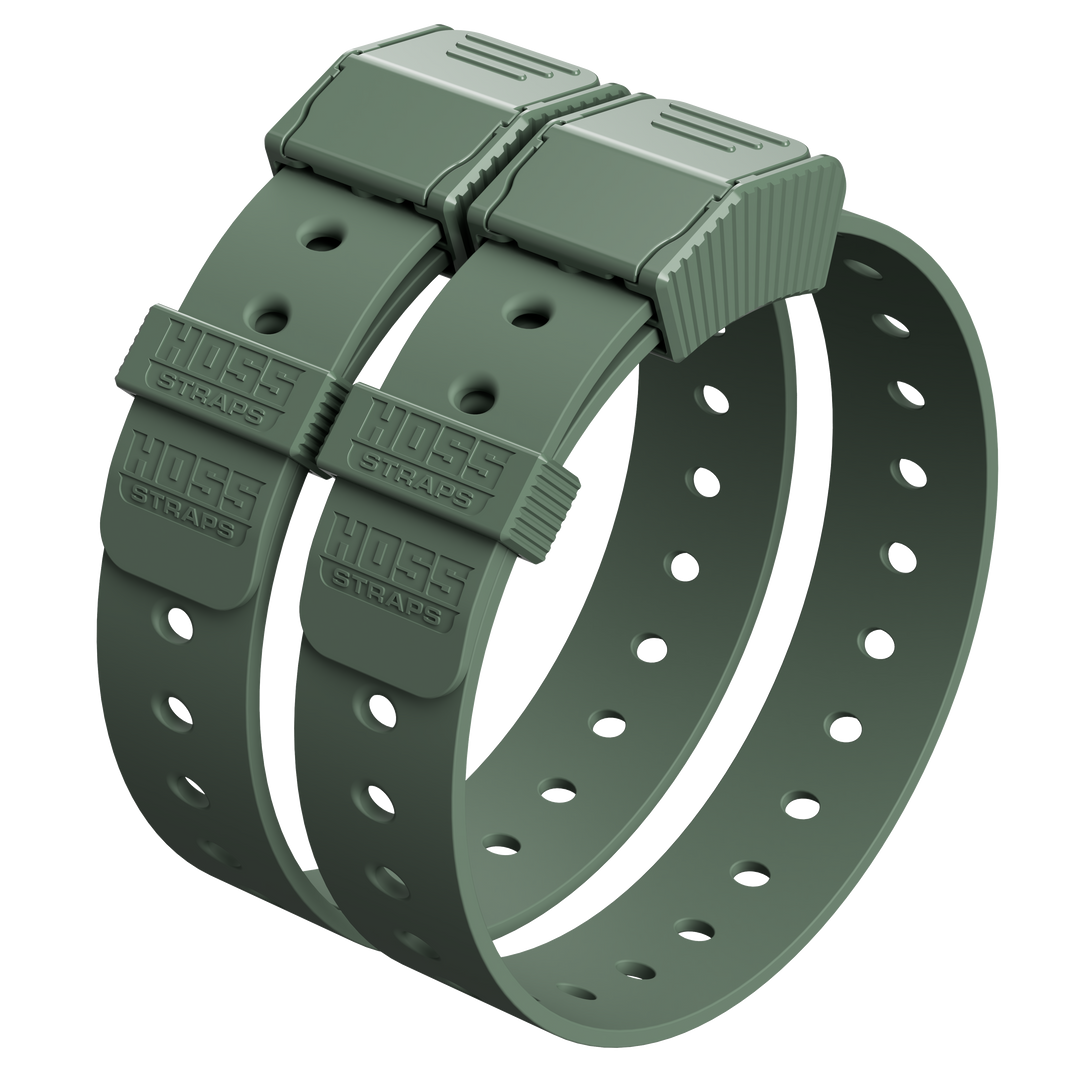
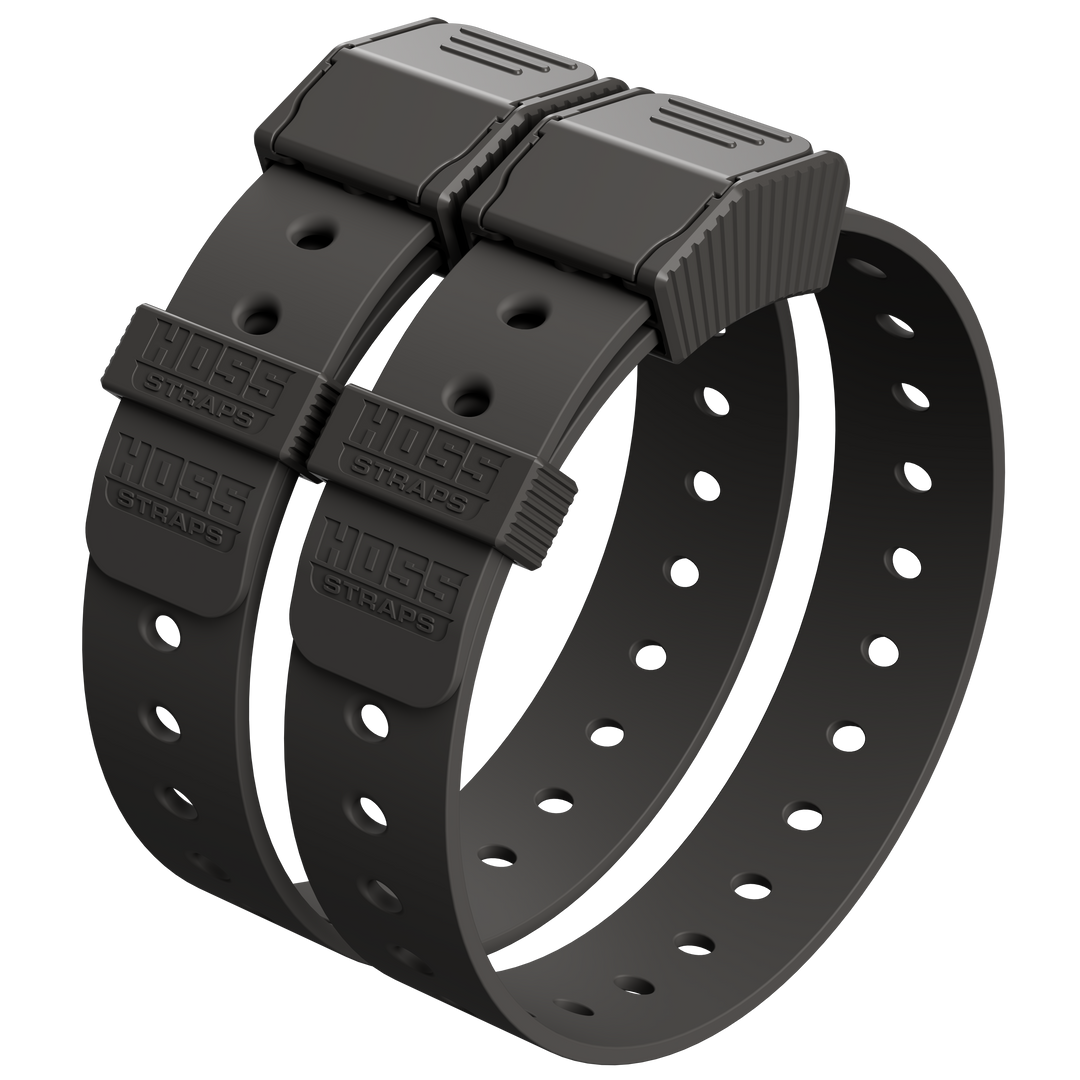
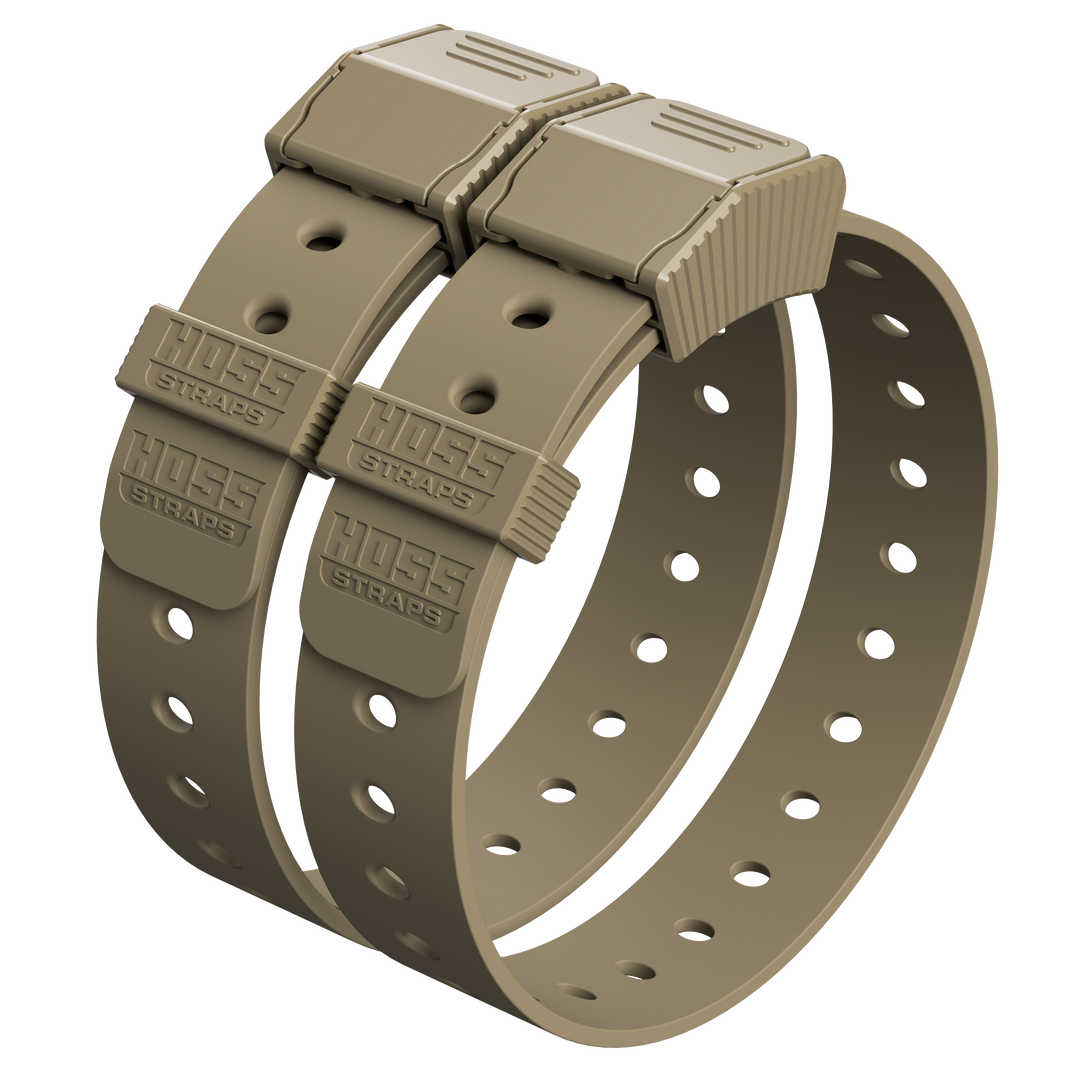
The Hoss D-Ring Dog Collar is built with weatherproof construction, easy on-and-off handling, a quick-release buckle, a removable buckle for custom color combinations, a clear D-ring attachment point, and fit up to a 22-inch neck size.
Browse Hoss Dog Collars for everyday options, compare Weatherproof Dog Collars for wet or muddy routines, and review K9 Dog Collars for harder-use dogs. If your dog uses compatible Garmin-style gear, see the Training Collar Setup and Training Collar Adapter Kit.
FAQ
1. What counts as a lightweight dog collar?
A lightweight collar feels simple on the neck, with hardware that is not oversized. On small dogs, that usually means fewer dangling parts, right-sized buckles, and a collar that sits flat.
2. Is a lightweight collar safe for training?
It can be, as long as it fits well and stays stable. If your dog is a heavy puller, a harness may be a better tool for leash work.
3. How do I stop a collar from rubbing my dog's neck?
Start with fit. If the collar twists, rides up, or rotates, it can rub. Adjust the collar, remove extra hardware, keep fur from matting underneath, and choose smooth edges.
4. Should puppies wear lightweight collars all day?
Puppies can wear lightweight collars when they fit correctly and are checked often. Because puppies grow quickly, adjust or size up if the collar starts looking tight or your puppy scratches at it constantly.
5. Collar or harness: what is better for a small dog that pulls?
If a small dog pulls hard, a harness often spreads pressure more comfortably than a collar. A collar can still work for ID and calm walking, but comfort and neck safety should guide the choice.