


Martingale Collars: When They Help, How to Fit Them, and When to Skip Them

Check out our training collar setup, K9 dog collars, and dog collars built for comfort.
A martingale collar should be treated as a limited-slip walking tool for specific dogs and specific situations. It is not an all-day collar, not tie-out gear, and not a fix for every leash problem.
The core function is straightforward: the collar tightens a limited amount when leash tension is applied, helping reduce the chance that a dog backs out of the collar. When properly adjusted, it should tighten only enough to prevent escape, not enough to choke or restrict breathing.
Table of Contents
- Start With the Use Case
- Exact Fit and Setup Steps
- Handler-Level Safety Cautions
- Hardware and Before-Use Checks
- When Not to Use a Martingale
- What This Advice Does Not Cover
- A Short Check Before You Clip In
- A Simple Everyday Collar Alternative
- FAQ
Start With the Use Case
The best use case for a martingale is a dog that can slip a flat collar by backing up, spinning, or startling in reverse.
Orvis describes martingale collars as especially useful for dogs with narrow heads, such as Greyhounds, because the collar tightens when the dog pulls or tries to back out.
| Real Handling Scenario | Why a Martingale May Help | Still Required |
|---|---|---|
| A dog startles at traffic and backs up suddenly | The limited-slip action can reduce the chance of backing out. | Calm handling, safe distance, and training. |
| A narrow-headed dog on neighborhood walks | The collar can close enough to prevent slipping over the head. | Correct fit and supervision. |
| A newly adopted dog learning leash handling | Adds a layer of security during uncertain early walks. | Reward-based training and careful management. |
| A dog leaving the clinic, car, or front door | Helps during moments where reverse movement is common. | A leash plan and handler attention. |
If backing out is not your problem, a martingale may not be the right answer.
Exact Fit and Setup Steps
Fit matters more than the collar type. The working goal is simple: comfortable when loose, secure when tension is applied.
- Put the collar where it will actually sit during the walk.
- Adjust the main loop so it rests comfortably when there is no leash tension.
- Apply light leash tension and watch the control loop close.
- Stop tightening the adjustment when the collar closes only far enough to prevent escape.
- Confirm the dog can breathe, swallow, and move normally under light tension.
- Re-check after the dog turns, lowers the head, and backs up once.
| Fit Check | Pass | Adjust If... |
|---|---|---|
| Relaxed fit | Collar rests comfortably without hanging too loose. | It sags, spins freely, or slides toward the shoulders. |
| Control loop | Loop closes smoothly and evenly under light leash tension. | Loop twists, sticks, or closes unevenly. |
| Maximum tightness | Collar prevents backing out without choking. | It closes too far or restricts breathing and swallowing. |
| Motion test | Fit stays secure when the dog turns, shakes, or backs up. | The collar looks fine standing still but fails in motion. |
My setup note for martingales is simple: the collar often looks fine when the dog is standing still, then shows its real fit when the dog reverses, shakes off, or loads tension into the leash. Always test the collar in motion before calling it done.
Handler-Level Safety Cautions
A martingale is not a tie-out collar, not rough-play gear, and not something to leave on when snag risk goes up.
VCA describes martingales as limited-slip collars that reduce escape risk compared with buckle collars, while also warning that collars can create risk if they become caught or if a dog pulls hard against them.
| Avoid Martingales For... | Why | Better Habit |
|---|---|---|
| Unattended wear | The loop can snag or tighten without a handler present. | Use only during supervised walking or handling. |
| Crate time | Collars can catch on crate hardware. | Remove collars before crating when appropriate. |
| Tie-outs or tethering | Limited-slip collars can tighten under sustained tension. | Do not tether dogs by a martingale collar. |
| Dog-to-dog roughhousing | Teeth, paws, and collars can tangle during play. | Remove snag-risk collars before rough play. |
| Brush, fencing, or equipment-heavy areas | The control loop can catch on objects. | Use a simpler flat collar or harness if snag risk is high. |
Hardware and Before-Use Checks
Before any walk that matters, check the predictable failure points first.
- The control loop moves cleanly and is not twisted.
- The adjustment has not slipped longer since the last walk.
- The D-ring is seated where you expect it to be.
- The webbing is not thinning where it folds through hardware.
- The stitching is not spreading or opening.
- The collar cannot be slipped over the head once tightened to its working limit.
For inspection mindset, Petzl inspection guidance for webbing-based equipment recommends checking stitching, webbing condition, and buckles for wear, deformation, cracks, and corrosion. Martingale collars are not climbing gear, but the inspection habit is useful: webbing, stitching, and hardware all matter.
| Check Point | Ready to Use | Do Not Use If... |
|---|---|---|
| Control loop | Slides and releases smoothly. | It sticks, twists, jams, or fails to loosen. |
| Webbing | Looks even, strong, and clean. | It is thinning, fraying, cut, or heavily abraded. |
| Stitching | Stitches are tight and intact. | Threads are broken, spreading, or pulling out. |
| Hardware | Rings and adjusters are smooth and solid. | Metal is cracked, bent, rusted, sharp, or deformed. |
If the control loop sticks, the adjustment creeps, the webbing is thinning, or the stitching is opening, the collar is not ready for use.
When Not to Use a Martingale
Skip a martingale when the dog needs body support more than escape prevention, when the dog pulls so hard that neck pressure becomes the bigger issue, or when the dog has known airway, neck, or spinal sensitivity.
A leash tool can change handling dynamics, but it does not replace leash training. A PubMed Central article on leash tension during dog walks notes that tense leashes can be a welfare concern and that real-time leash tension measurement can help researchers understand dog-handler interactions.
So if the problem is hard pulling, lunging, or neck sensitivity, a martingale may be the wrong tool even if it does prevent backing out.
| Problem | Why a Martingale May Not Be Best | Consider Instead |
|---|---|---|
| Hard pulling | It can still load the neck under leash tension. | Leash training and a properly fitted harness. |
| Airway or neck sensitivity | Any tightening collar may be uncomfortable or risky. | Vet guidance and body-based walking gear. |
| Unsupervised wear | The loop can snag or tighten. | A flat ID collar, or collar-off routine where appropriate. |
| Rough play | Other dogs can catch teeth or paws in the loop. | Remove collars before rough play when possible. |
What This Advice Does Not Cover
This article is limited to supervised walking and handling with a properly fitted martingale collar. It is not advice for choke chains, slip leads, tie-outs, prong collars, or unsupervised wear.
It is also not veterinary advice for dogs with airway, neck, spinal, eye, or neurological issues. If your dog has medical concerns or shows coughing, gagging, panic, or pain with collar pressure, stop and ask your veterinarian.
A Short Check Before You Clip In
- Relaxed fit is comfortable on the neck.
- Control loop is untwisted.
- Tightened fit prevents backing out without choking.
- D-ring and adjustment are still in place.
- No webbing wear or spreading stitches.
- No plan to leave it on unattended.
A Simple Everyday Collar Alternative
Martingales have a place, but many dogs do best with a straightforward everyday collar for ID, leash clips, and daily routines.
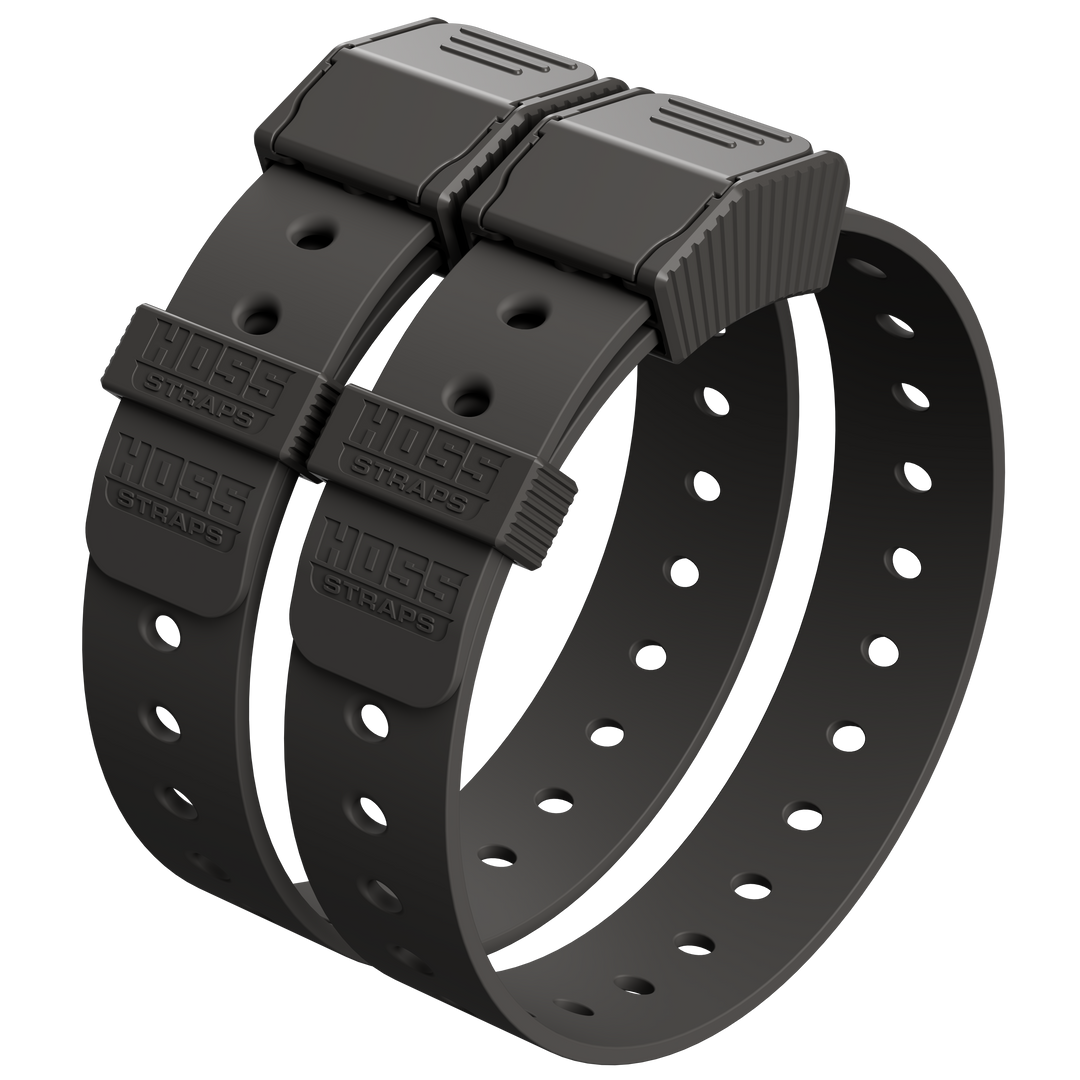
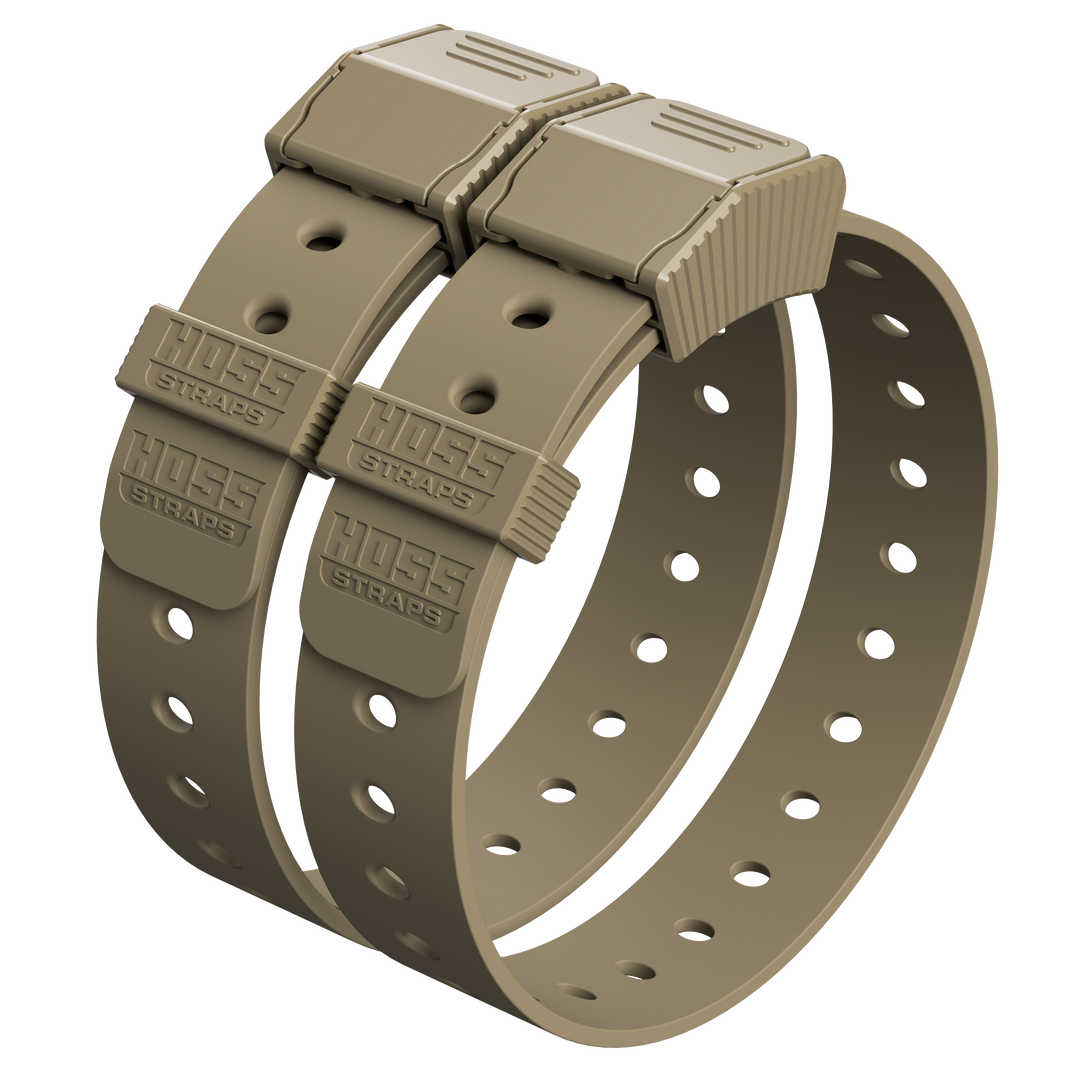
Hoss Straps Dog Collars are built for real daily use: 100% weatherproof, easy to clean, quick to put on and take off, and designed with a secure D-ring and quick-release buckle. If your dog does not need a limited-slip setup, a durable flat collar may be the simpler choice.
For working routines and harder outdoor use, you can also explore our K9 Dog Collars.
FAQ
When is a martingale actually useful?
It is most useful when the main problem is backing out of a regular collar, especially during supervised walks or transitions where the dog may reverse suddenly.
What is the biggest fitting mistake?
The biggest mistake is adjusting it so loose that the dog can still escape or so tight that it closes down farther than intended. It should prevent backing out without choking.
Can I leave it on all day?
No. It is safer to treat a martingale as supervised walking gear, not all-day wear. The control loop can snag or tighten when no handler is present.
Is it a fix for pulling?
No. A martingale may change handling and reduce escape risk, but it does not replace leash training. If your dog pulls hard, consider training support and a properly fitted harness.
When should I stop using it?
Stop when the fit cannot stay safe, your dog shows throat or breathing stress, or the collar is wearing out at the webbing, stitching, or hardware.