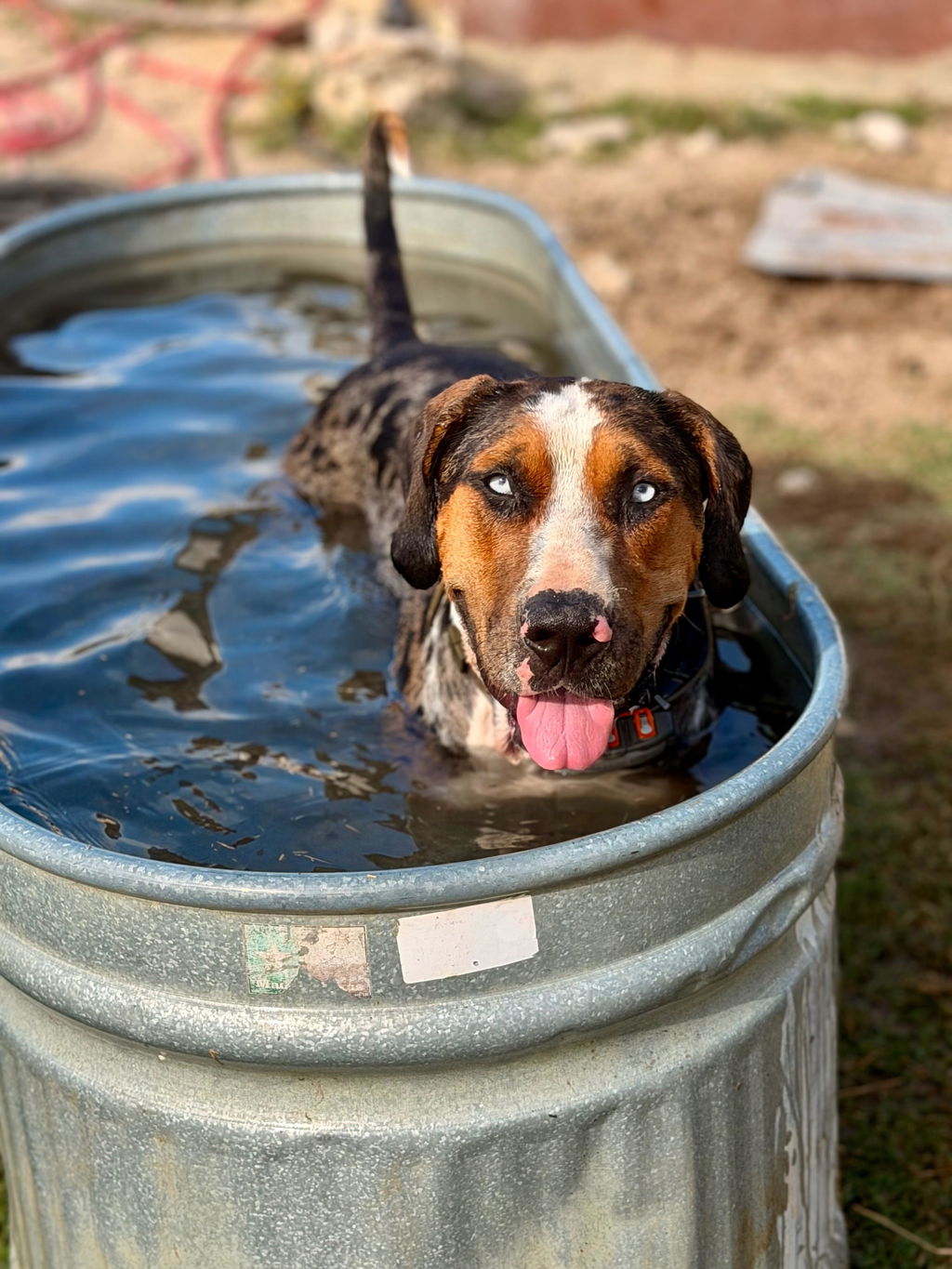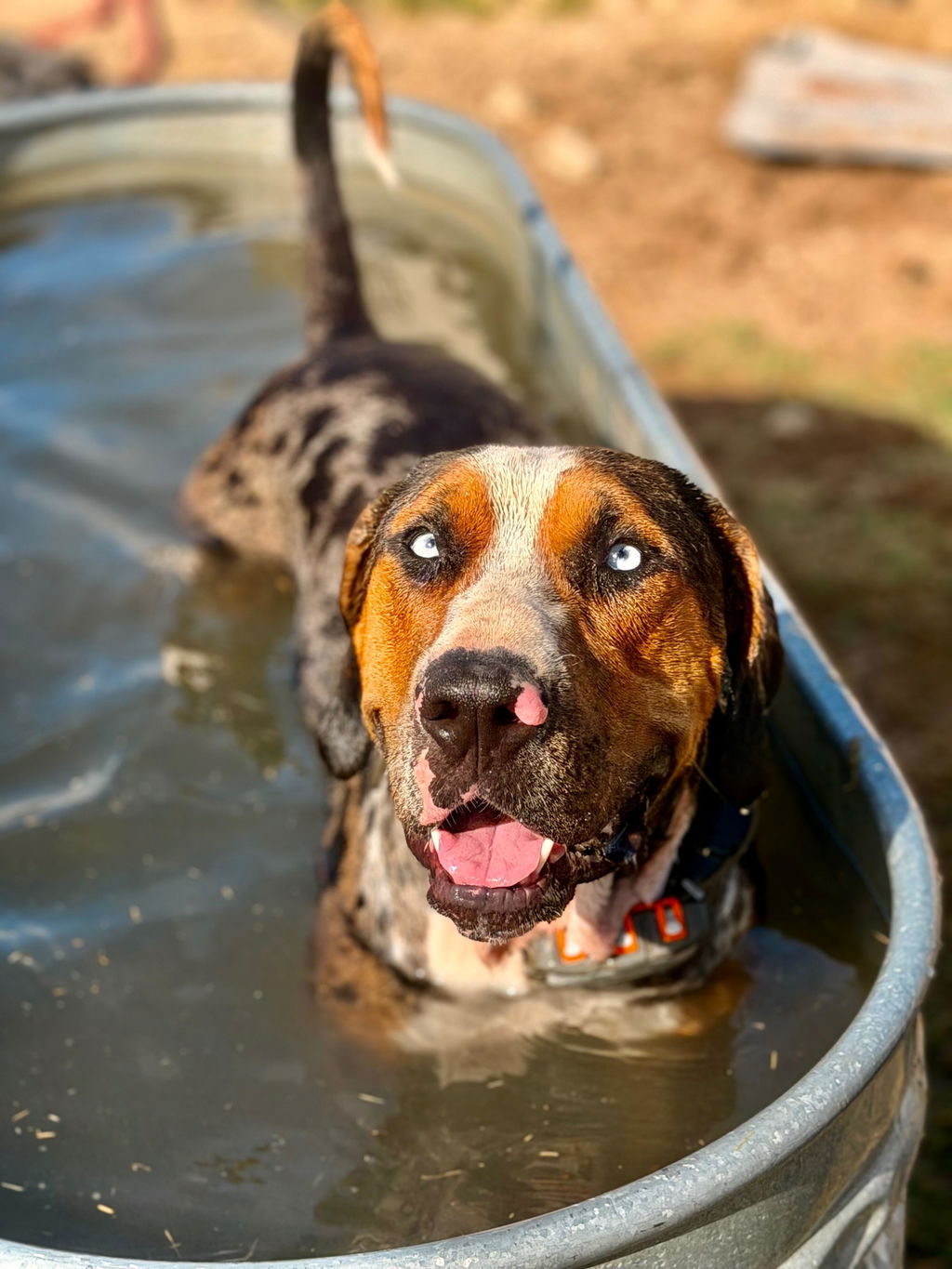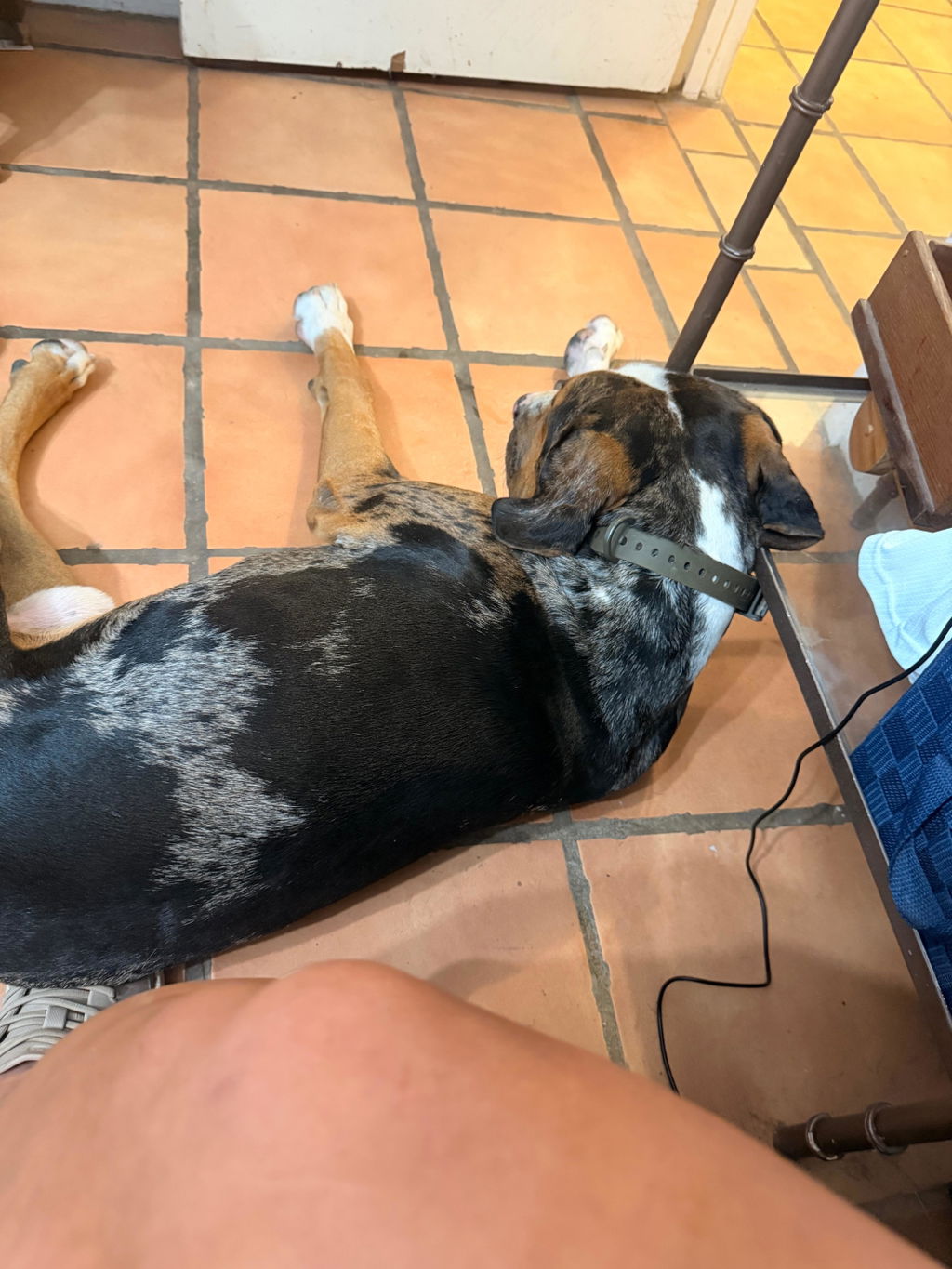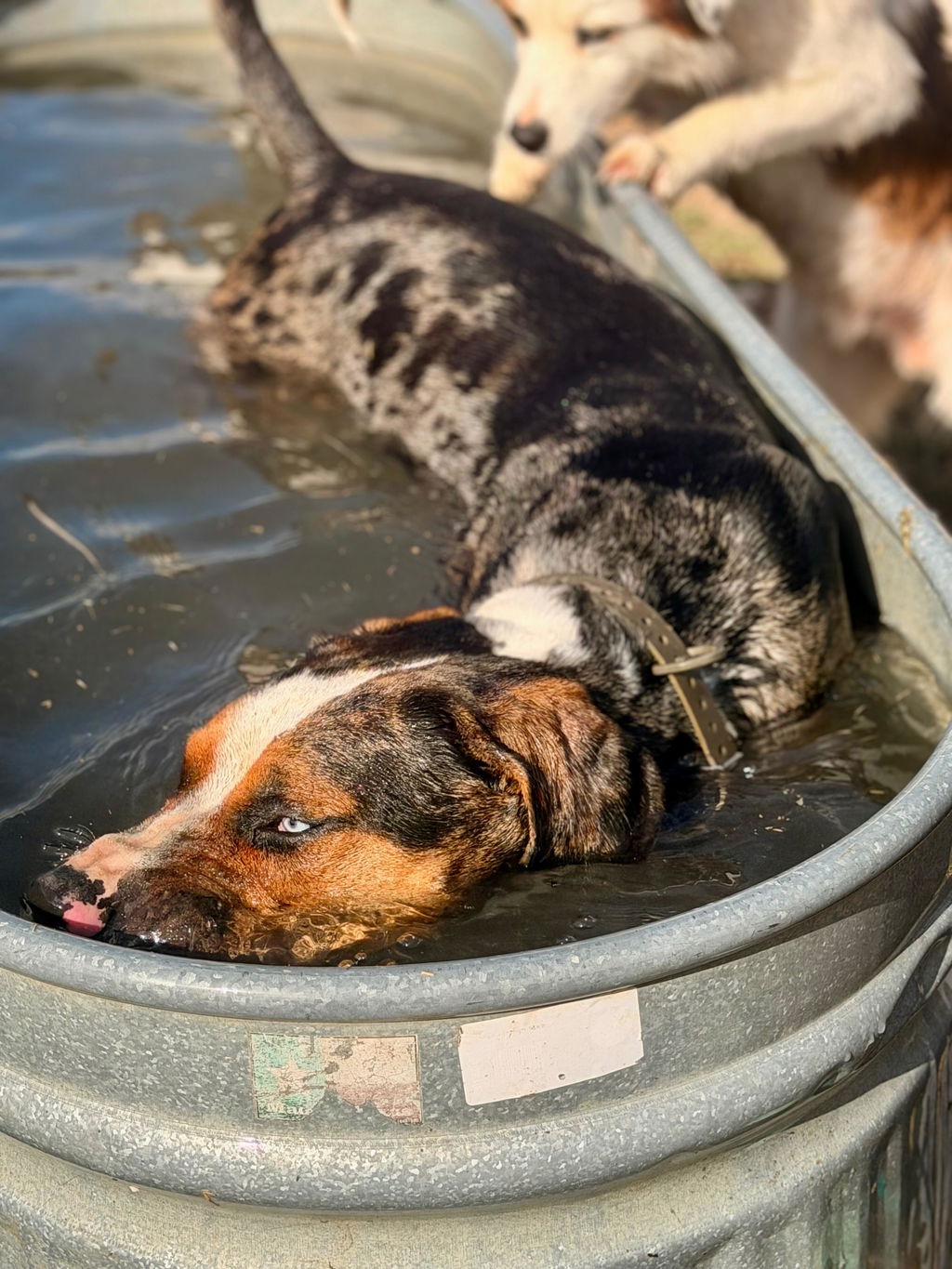



Matching Collar and Harness Sets: How to Coordinate Gear That Looks Good and Works Better

Check out our training collar setup, D-ring dog collar, dog collars, and more.
A matching collar and harness set can look clean, feel organized, and make your dog look put together.
But here is the part that matters: a matched set should still be comfortable, secure, and easy to use. If the gear is rubbing, twisting, or snagging, no color combo fixes that.
This guide shows you how to coordinate the look and the fit, even if your collar and harness are from different brands.
Table of Contents
- What a Matching Set Really Means
- The Coordination Checklist
- Fit Across Gear: Keep the Collar and Harness From Fighting
- Safety Basics That Make Matched Sets Worth Wearing
- Three Easy Set Formulas
- The One Thing Most People Miss
- Shop Collars That Pair With Any Harness
- FAQ
What a Matching Set Really Means
Most pet owners build a set in real life like this:
- Pick a harness that works for your dog and your routine.
- Choose a collar that matches the vibe.
- Make sure the collar still does collar work: ID, a dependable buckle, and a clean leash clip.
A matching set does not have to be sold as a set. It just needs to look intentional and function well together.
American Humane notes that collars should allow two or three fingers between the collar and the neck while still being secure enough not to slip over the head. That fit rule matters whether the collar matches the harness or not.
The Coordination Checklist: Make It Look Intentional
You do not need an exact match. You need a plan.
| Coordination Step | How to Do It | Quick Example |
|---|---|---|
| Pick one hero piece | Let either the harness or collar lead the look. | Bold harness + simple collar |
| Use a color rule | Choose all neutral, neutral plus one accent, or same color family. | Olive harness + black collar |
| Match hardware | Keep buckle, rings, clips, and sliders in the same finish when possible. | Black hardware across both pieces |
| Balance width | Make collar width feel proportional to harness straps. | Chunky harness + medium-width collar |
| Reduce clutter | Keep tags, charms, and add-ons minimal. | One readable ID tag instead of a stack |
1. Pick one hero piece
Decide what leads the look. Choose the harness first if it is the bigger visual piece. Choose the collar first if you want the collar to stand out in photos. Once you choose the hero piece, keep the other one simple.
2. Match with a color rule
Try one of these easy rules:
- All neutral: black, tan, brown, gray
- Neutral plus one accent: one bold color, everything else calm
- Same family: earth tones together, cool tones together
3. Keep hardware consistent
Hardware is what makes a set look clean. If your harness has black hardware, a collar with black hardware usually looks sharper than mixing black and bright silver.
4. Balance width and silhouette
A wide, chunky harness can overpower a very thin collar. A simple fix is to choose a collar width that looks proportional to the harness straps. The same idea also helps with matching accessories like dog collar and leash sets.
Fit Across Gear: Keep the Collar and Harness From Fighting Each Other
A collar and harness can stack near the same neck and shoulder area. That is where comfort problems show up.
Keep spacing clean
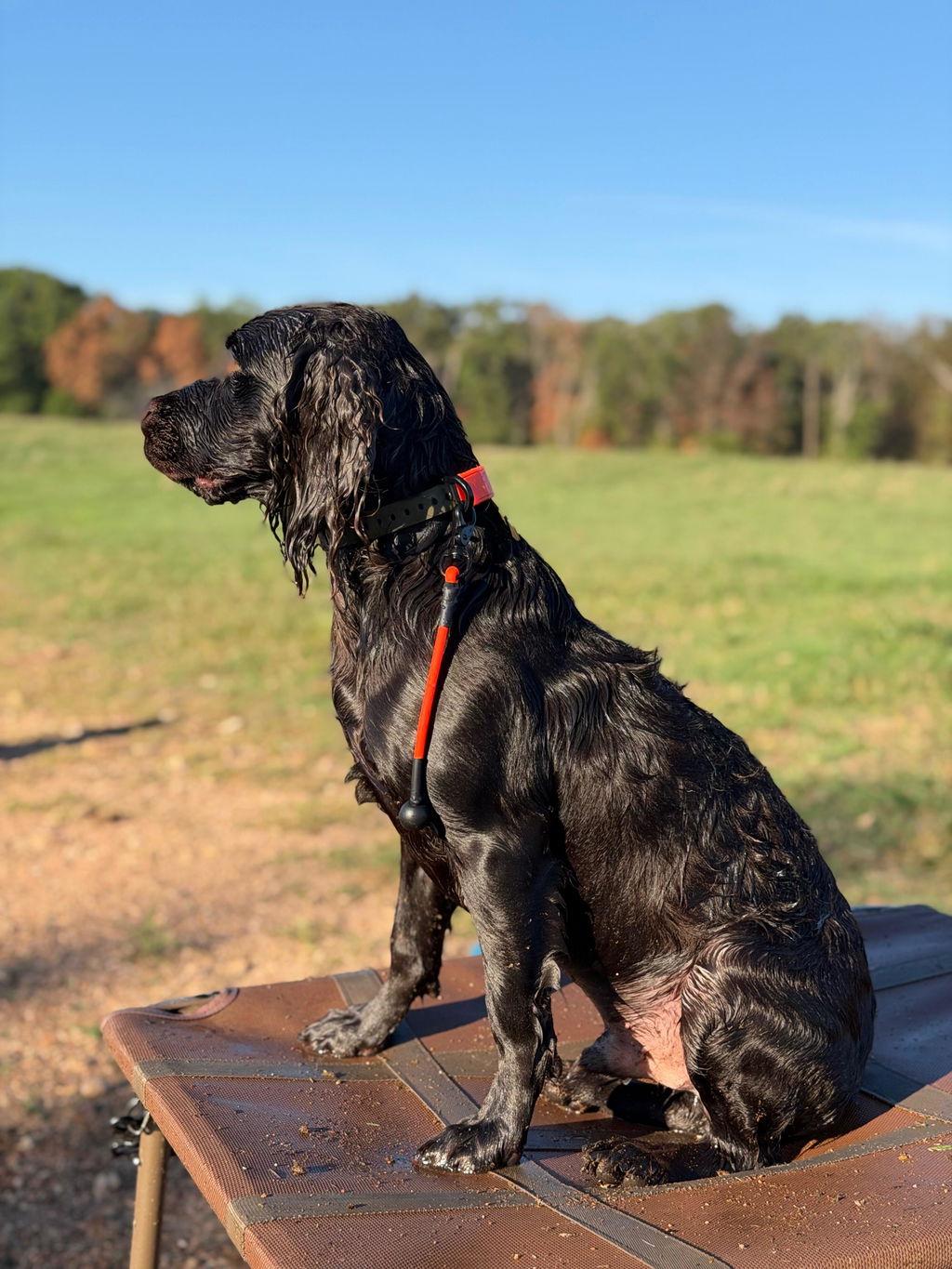
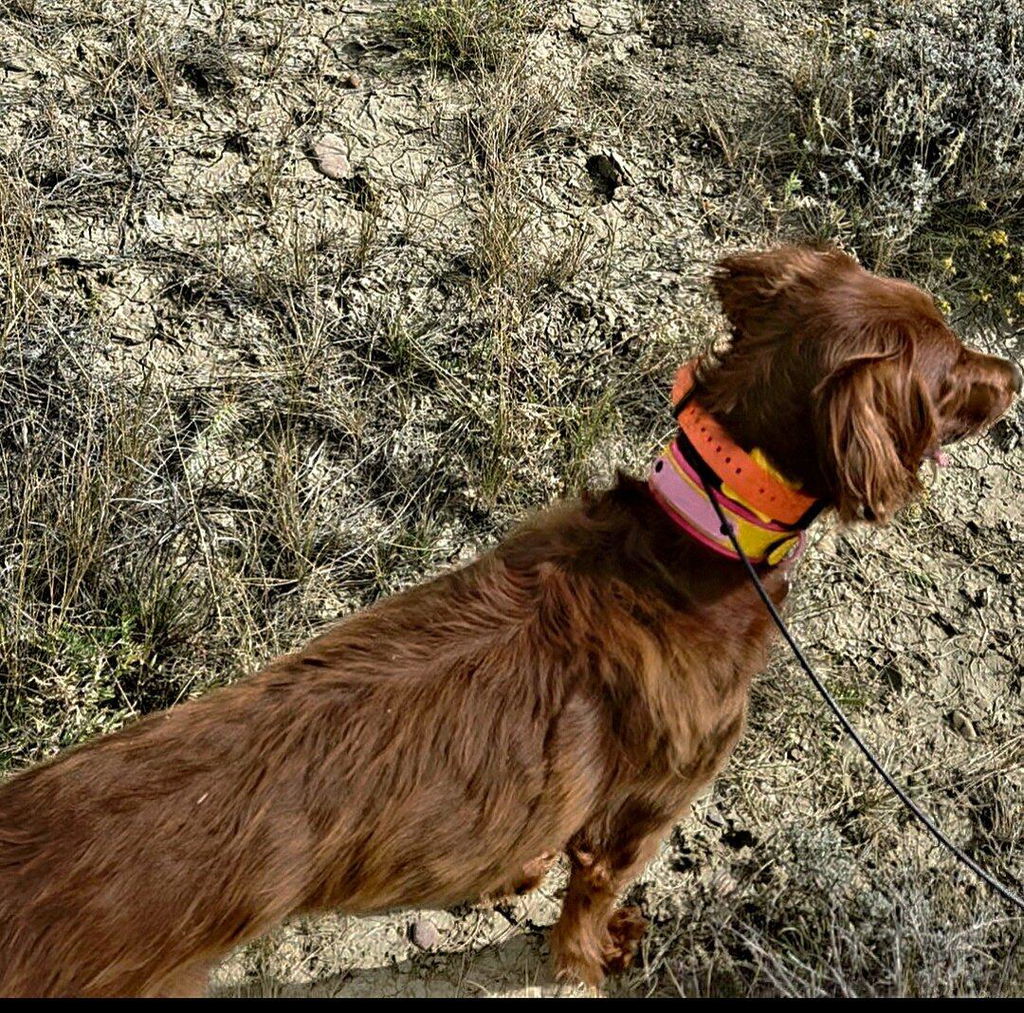
Try to keep the collar sitting cleanly above the harness straps instead of letting straps pile on top of each other. The collar should not get shoved under a harness neckline, and the harness should not push the collar into the jaw or throat.
Do a post-walk check
After a normal walk, run your hand under the gear where it touches your dog.
| Check | Good Sign | Problem Sign |
|---|---|---|
| Collar position | Collar stays flat and clear of harness straps. | Collar twists, rides into the jaw, or gets trapped under the harness. |
| Harness position | Harness stays centered without rubbing behind the front legs. | Harness rotates, creeps forward, or rubs under the arms. |
| Skin and coat | No redness, broken hair, matting, or damp hot spots. | Pink skin, coat breakage, wet areas, or repeated scratching. |
| Hardware | Tags and clips hang clear without tangling. | Tags catch on straps, clips, or buckles. |
AKC guidance notes that harnesses should fit so a dog cannot slip out while also checking for rubbing and chafing. That same post-walk check helps you catch collar-and-harness fit issues before they become sore spots.
Safety Basics That Make Matched Sets Worth Wearing
Style should never require risky gear. If the set looks good but rubs, twists, or snags, it is not the right setup.
Choose a comfortable collar style
For matching sets, keep the collar simple and comfortable. The RSPCA Pet Insurance guidance on safe collars discusses what makes a collar safer and cautions against collar types that can cause pain or distress.
Keep ID easy to spot
If your dog gets loose, visible ID can help someone contact you fast. AAHA recommends collar identification tags with current owner contact information and also encourages keeping microchip contact details up to date.
Recheck fit as life changes
Dogs change. Coats change. Weight changes. Gear that fit last season may not fit the same today. Re-check your collar and harness after grooming, weight changes, new gear, or a long break between uses.
| Life Change | What to Recheck | Why |
|---|---|---|
| Fresh grooming | Collar and harness snugness | Less coat can make gear fit looser. |
| Winter coat growth | Neck and chest fit | More coat can make gear feel tighter. |
| Weight change | All adjustment points | Both collar and harness may sit differently. |
| New ID tag or tracker | Tag swing and harness interference | Extras can tangle with straps or clips. |
Three Easy Set Formulas
| Set Formula | How to Build It | Best For |
|---|---|---|
| The clean everyday set | Neutral harness, neutral collar, matching hardware | Daily walks, daycare, town errands |
| The rugged utility set | Earth tone harness, solid color collar, minimal add-ons | Hiking, mud, outdoor routines |
| The photo-ready set | One accent color, simple supporting pieces, tidy tags | Photos, events, holidays, travel days |
Use these formulas when you want the setup to feel coordinated without buying a pre-made set.
The One Thing Most People Miss
A matching set is not just for photos. It is still working gear.
If the harness comes off indoors but the collar stays on, keep your ID setup centered on the collar. If the harness stays on for a long outing, make sure the collar is not getting pushed or twisted by the harness straps.
Either way, comfort comes first.
Shop Collars That Pair With Any Harness
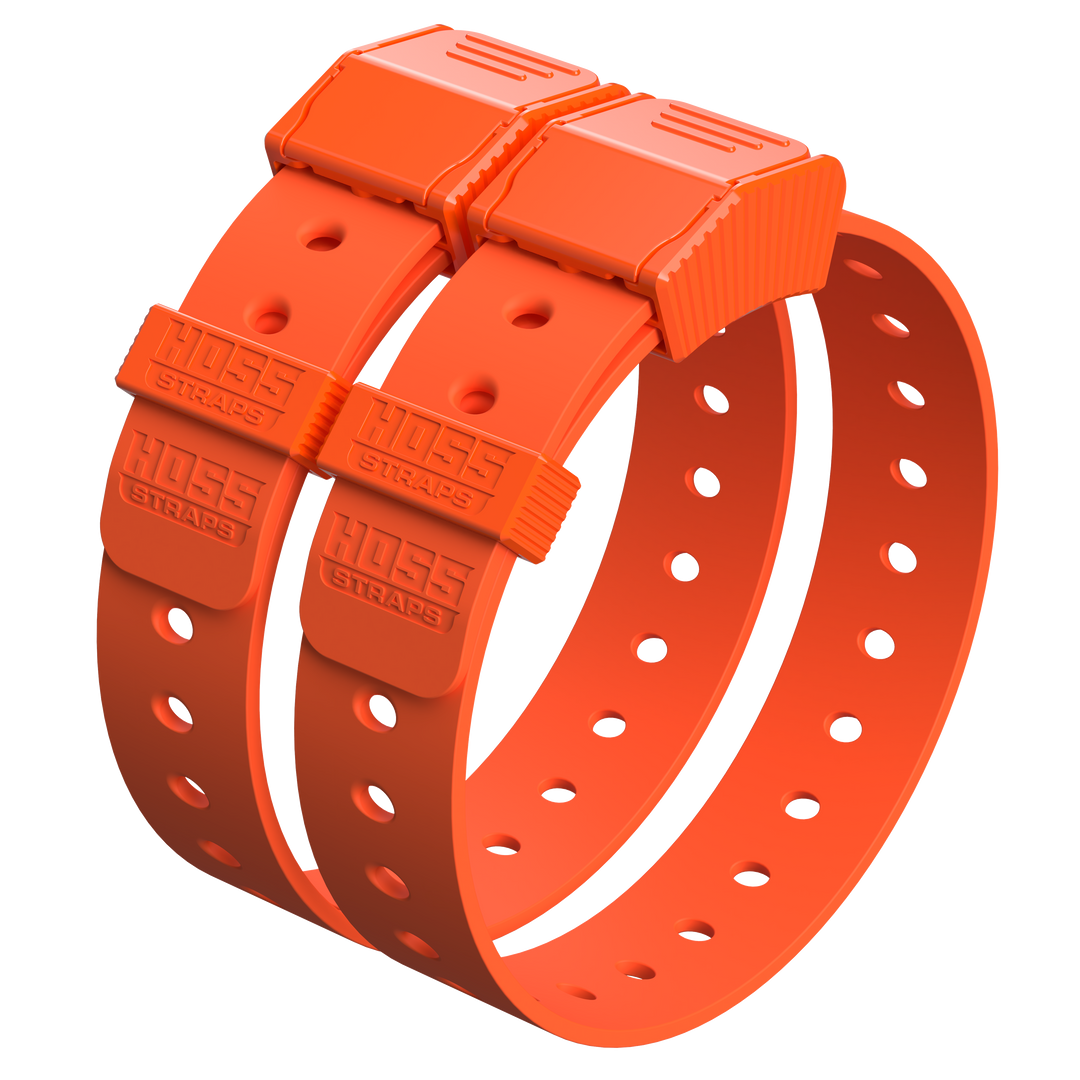
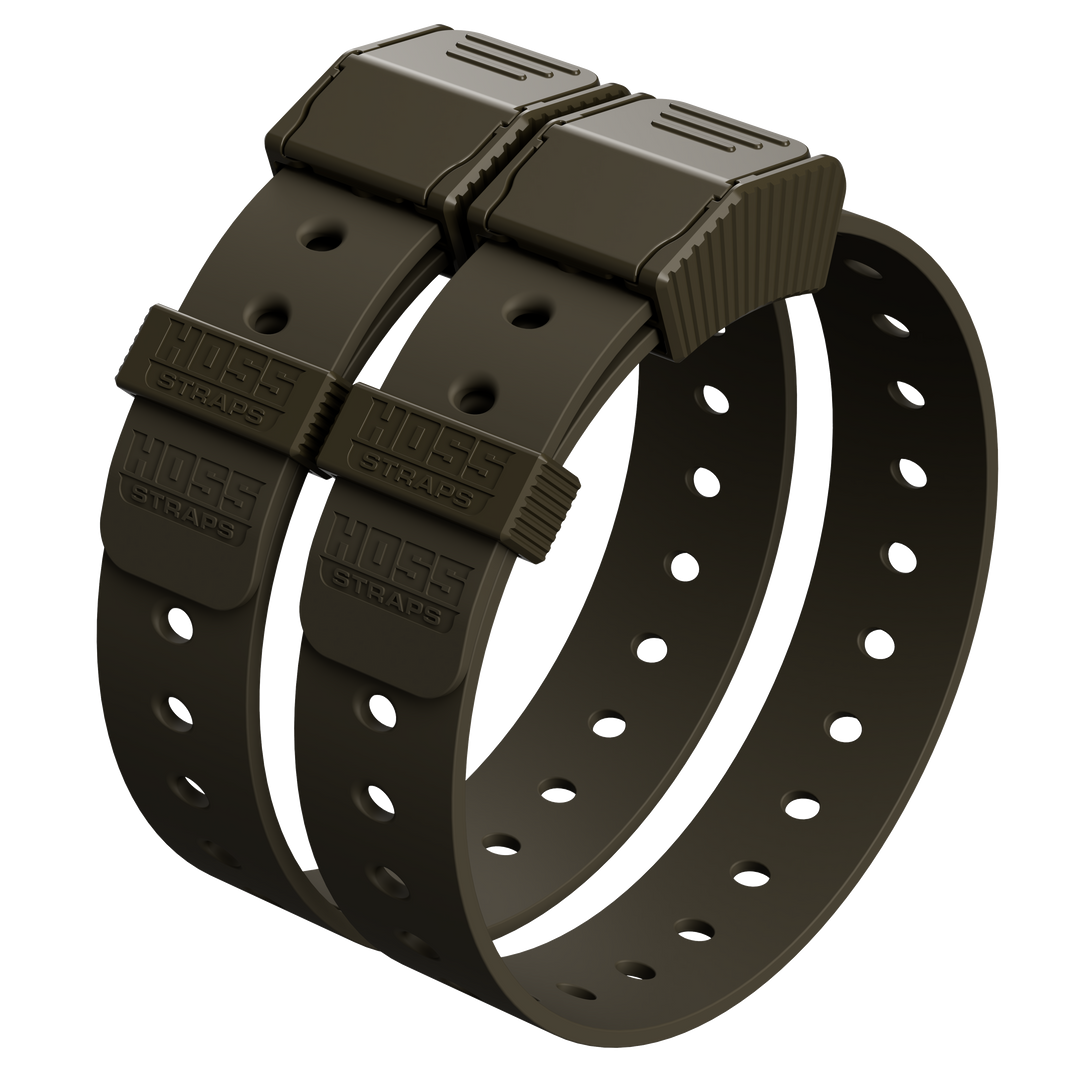
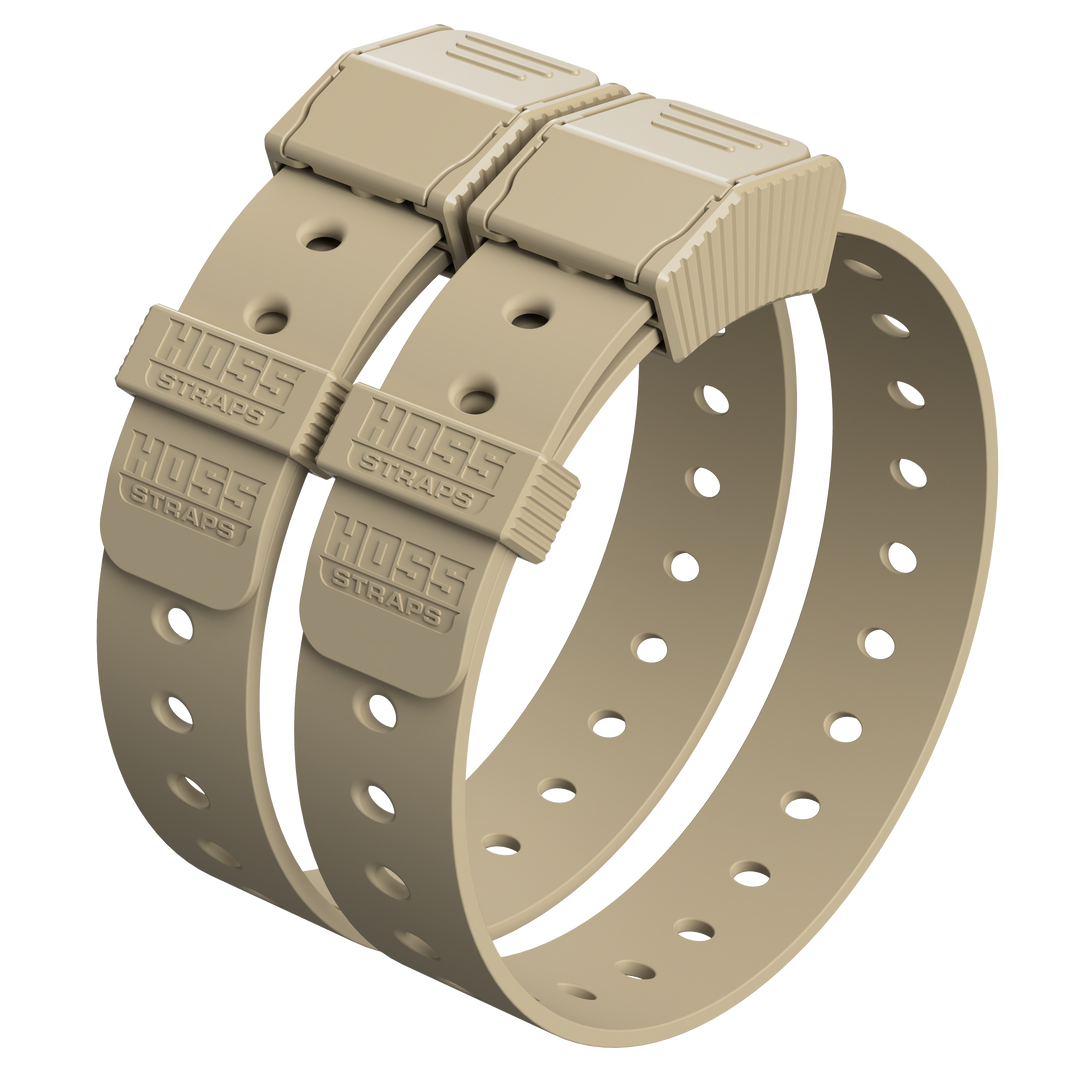
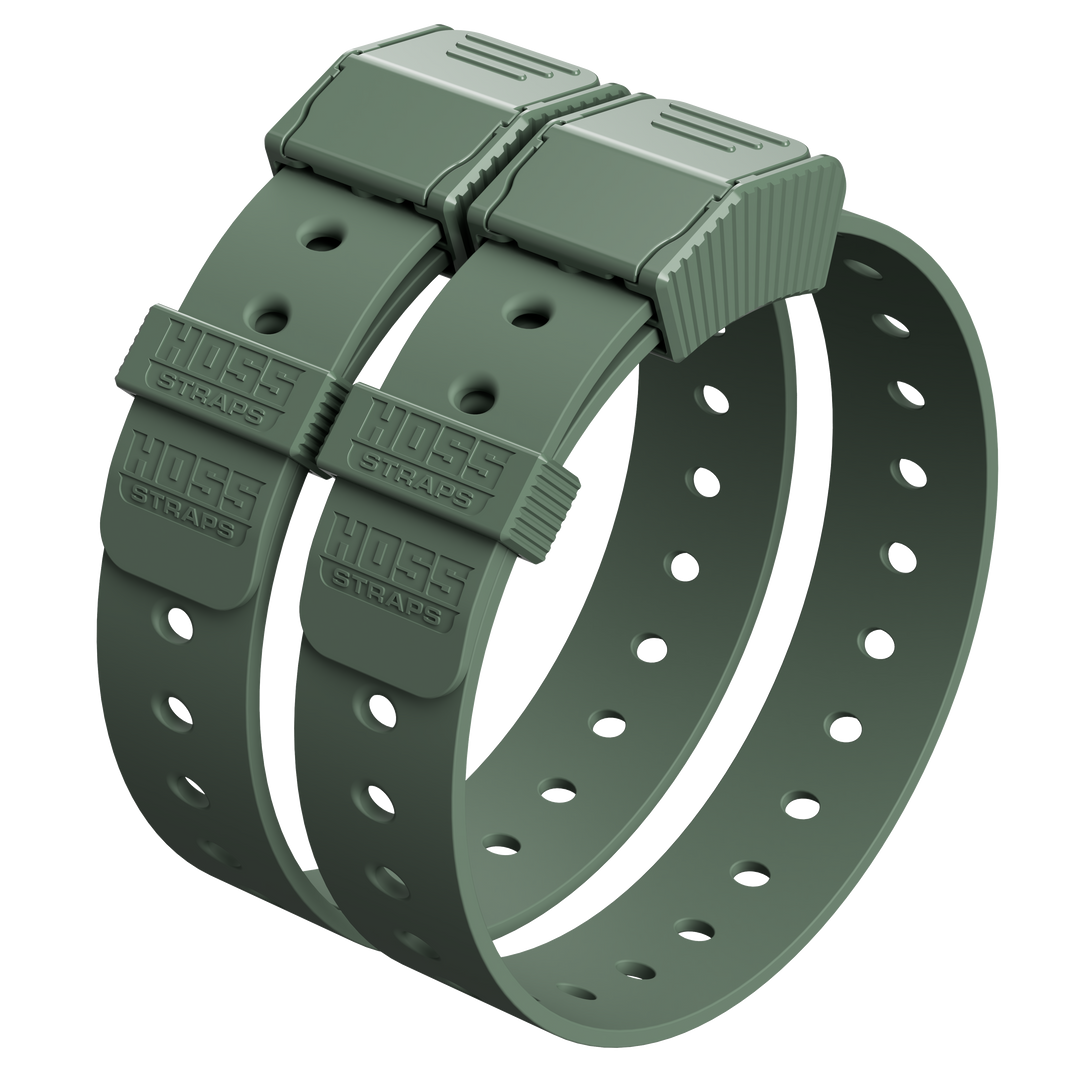
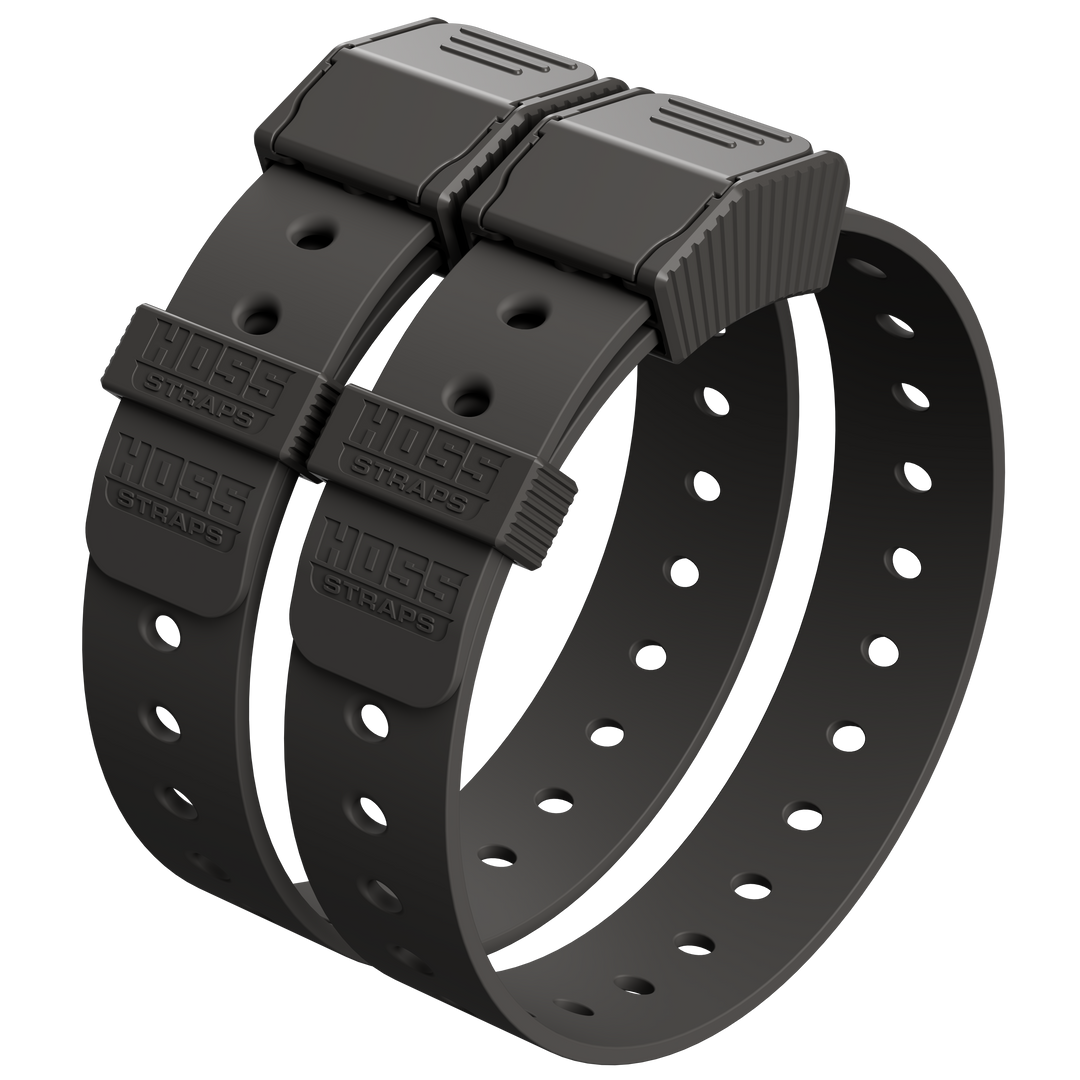
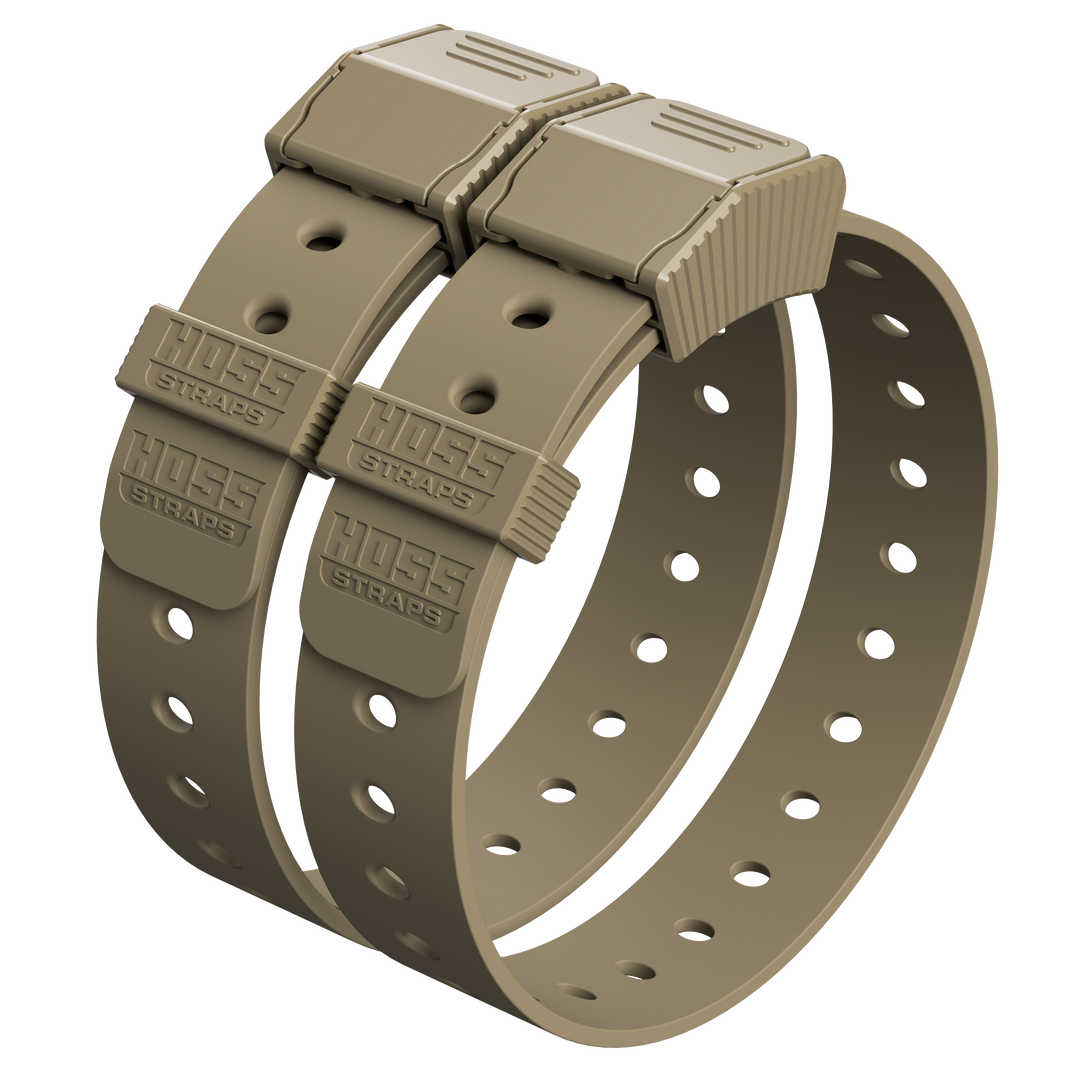
If you want a collar that looks good with almost any harness and still feels like dependable gear, choose a Hoss Straps Dog Collar.
Hoss Straps collars are built for real daily use: 100% weatherproof, easy to clean, quick to put on and take off, and designed with a secure D-ring and quick-release buckle. The removable buckle also makes it easy to create custom color combinations when you want your gear to coordinate without overcomplicating the setup.
FAQ
Do dogs need both a collar and a harness?
Some owners use both so they can keep a consistent ID setup while using a harness for walks. If you want the simplest approach, use the combo that stays comfortable and is easiest for you to use every day.
Where should a collar sit when my dog wears a harness too?
Try to keep the collar sitting cleanly above the harness straps so the gear is not stacked in one spot. After a walk, do a quick hand check for twisting, rubbing, or trapped tags.
What makes a collar match a harness without buying a set?
Pick one hero piece, then match either hardware color or one accent color. If the harness is busy, keep the collar simple.
Should ID tags go on the collar or the harness?
Put ID where you are most likely to keep it on your dog consistently. If your harness comes off at home, a collar-based setup is often the easiest to keep on.
How do I stop tags from getting caught on the harness?
Keep tags tight and tidy so they do not swing into straps or clips. If something keeps tangling, reduce extras and simplify the setup.