


Metal Buckle Dog Collars: What to Look For When Your Dog Pulls Hard

Check out our training collar setup, D-ring dog collar, dog collars, and more.
A strong puller tests every part of your setup. A metal buckle dog collar can be a sturdy choice for everyday wear, but the buckle alone does not make a collar strong.
What matters is fit, hardware quality, strap construction, and how you use the collar on a dog that hits the end of the leash hard.
Table of Contents
- What “Metal Buckle” Means
- Metal Buckle vs Plastic Buckle
- Fit First: The Collar Should Stay Put Without Squeezing
- Durability Checklist for Strong Pullers
- For Pullers, the Walking Tool Matters More Than the Buckle
- Buying Guide: Choosing a Metal Buckle Collar
- A Dependable Alternative for Everyday Wear
- FAQ
What “Metal Buckle” Means
In shopping terms, “metal buckle” usually means the buckle itself is metal. It might look like a belt buckle, or it might be a quick-release style buckle that uses metal parts.
Either way, the buckle is only one piece. The strap, stitching, D-ring, adjustment point, and leash attachment area take just as much stress.
| Collar Part | What It Does | Why It Matters for Pullers |
|---|---|---|
| Buckle | Opens, closes, and holds the collar around the neck. | Should close cleanly and not feel sloppy under hand pressure. |
| D-ring | Connects leash and tags. | Takes leash load, especially when the dog surges. |
| Strap | Wraps around the dog’s neck and holds the hardware. | Should resist stretching, thinning, and edge wear. |
| Stitching or reinforcement | Secures folded strap areas and hardware points. | Stress points should look tight, even, and reinforced. |
Metal Buckle vs Plastic Buckle: The Real Tradeoffs
Metal hardware often feels more secure in the hand, and it can resist cracking in cold weather. The downside is weight and the chance of corrosion if it stays wet, salty, or dirty.
If you walk near the ocean, deal with winter road salt, or your dog swims often, hardware care matters. The British Stainless Steel Association explains that chloride-rich environments, such as marine or swimming pool settings, can attack stainless steel. In plain English, “rust resistant” does not mean “never rust.”
| Buckle Type | Upside | Watch-Out |
|---|---|---|
| Metal buckle | Solid feel, strong hand feel, often more resistant to cracking. | Heavier and may corrode if neglected in wet or salty conditions. |
| Plastic buckle | Lightweight, easy to use, common on everyday collars. | Can crack, weaken, or feel less secure depending on quality. |
| Metal quick-release buckle | Fast on/off with a more rugged feel. | Still depends on strap, stitching, fit, and hardware quality. |
Fit First: The Collar Should Stay Put Without Squeezing
A collar that is too loose is easier for a dog to back out of. A collar that is too tight can rub and can put pressure where you do not want it.
VCA Animal Hospitals says safety, fit, and function are the most important factors when choosing collars and harnesses. That order matters more than buckle material.
| Fit Check | Good Fit | Adjust If... |
|---|---|---|
| Finger check | You can slide two fingers under the collar without forcing. | You cannot fit fingers, or there is too much loose space. |
| Slip check | The collar cannot slide over the head with steady pressure. | Your dog can back out of it. |
| Movement check | The collar stays stable while your dog walks and turns. | It drops toward the shoulders or twists under the throat. |
| Buckle placement | Buckle does not press into a sensitive spot. | The buckle rides into the jaw, throat, or shoulder area. |
Place the collar where it naturally sits, set it snug but comfortable, and watch your dog move. The fit should hold during walking, turning, and light leash tension.
Durability Checklist for Strong Pullers
When you are buying for a puller, look past the product name and check the build.
| Area to Check | What You Want | Red Flag |
|---|---|---|
| Leash ring | Solid, smooth, and thick enough for your dog’s size. | Thin, bent, sharp, or loosely attached ring. |
| Buckle | Closes cleanly and does not wiggle or rattle excessively. | Sloppy closure, sticky release, or rough edges. |
| Strap | Firm feel with clean edges and no spongy weak spots. | Soft, stretched, thinning, or fraying webbing. |
| Reinforcement | Tight, even stitching around the D-ring and buckle areas. | Loose threads, spreading stitches, or thin folds around hardware. |
| Adjustment | Stays where you set it after handling and leash tension. | Slides looser after a short walk. |
Leash forces can spike during a walk. A recent study on collar-related force potential measured pulling forces against the dog neck during collar use, which is a useful reminder that strong pullers can load gear quickly.
If a collar shows early wear at the leash ring, folds, or buckle, replace it before it becomes a safety problem.
For Pullers, the Walking Tool Matters More Than the Buckle
If your dog regularly surges forward, a collar can place pressure on the neck. A harness shifts contact to the torso.
It is also normal for dogs to pull differently depending on restraint type. In a Frontiers in Veterinary Science study comparing a neck collar and back-connection harness, researchers found differences in pulling behavior during certain tests.
A simple setup many owners stick with:
- Collar for ID and quick handling
- Harness for walks if pulling is common
- Training plan to build better leash manners
Buying Guide: Choosing a Metal Buckle Collar You Will Use Every Day
Ask yourself these questions before you buy:
| Question | Why It Matters | Smart Move |
|---|---|---|
| Is this collar for ID, leash walking, or both? | A strong puller may need a harness for walks. | Use the collar for ID and choose walking gear separately if needed. |
| Do you need fine adjustment? | Fit can change with coat, weight, and activity. | Choose a collar with enough adjustment room. |
| What is your weather like? | Wet, salty, and muddy conditions stress hardware. | Rinse, dry, and inspect metal parts often. |
| Will you take it on and off daily? | Hard-to-use buckles get annoying fast. | Choose hardware you can handle with a wiggly dog. |
| Does the collar match your dog’s size? | Heavy hardware can feel excessive on smaller dogs. | Match buckle size, strap width, and ring size to the dog. |
A Dependable Alternative for Everyday Wear
If metal buckles are not your preference, you still have strong options. Hoss Straps makes Dog Collars built for daily use with a straightforward, outdoors-ready mindset.
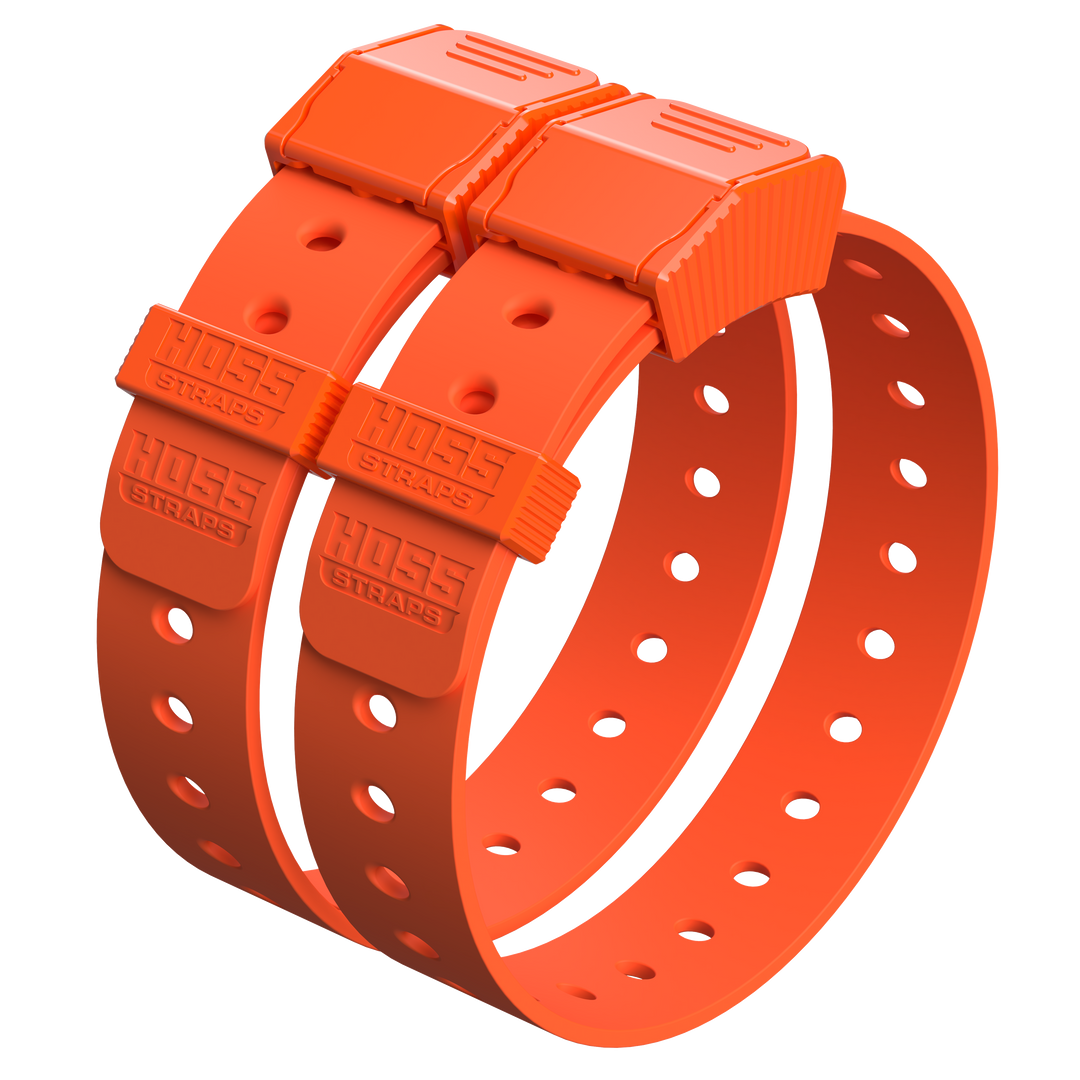
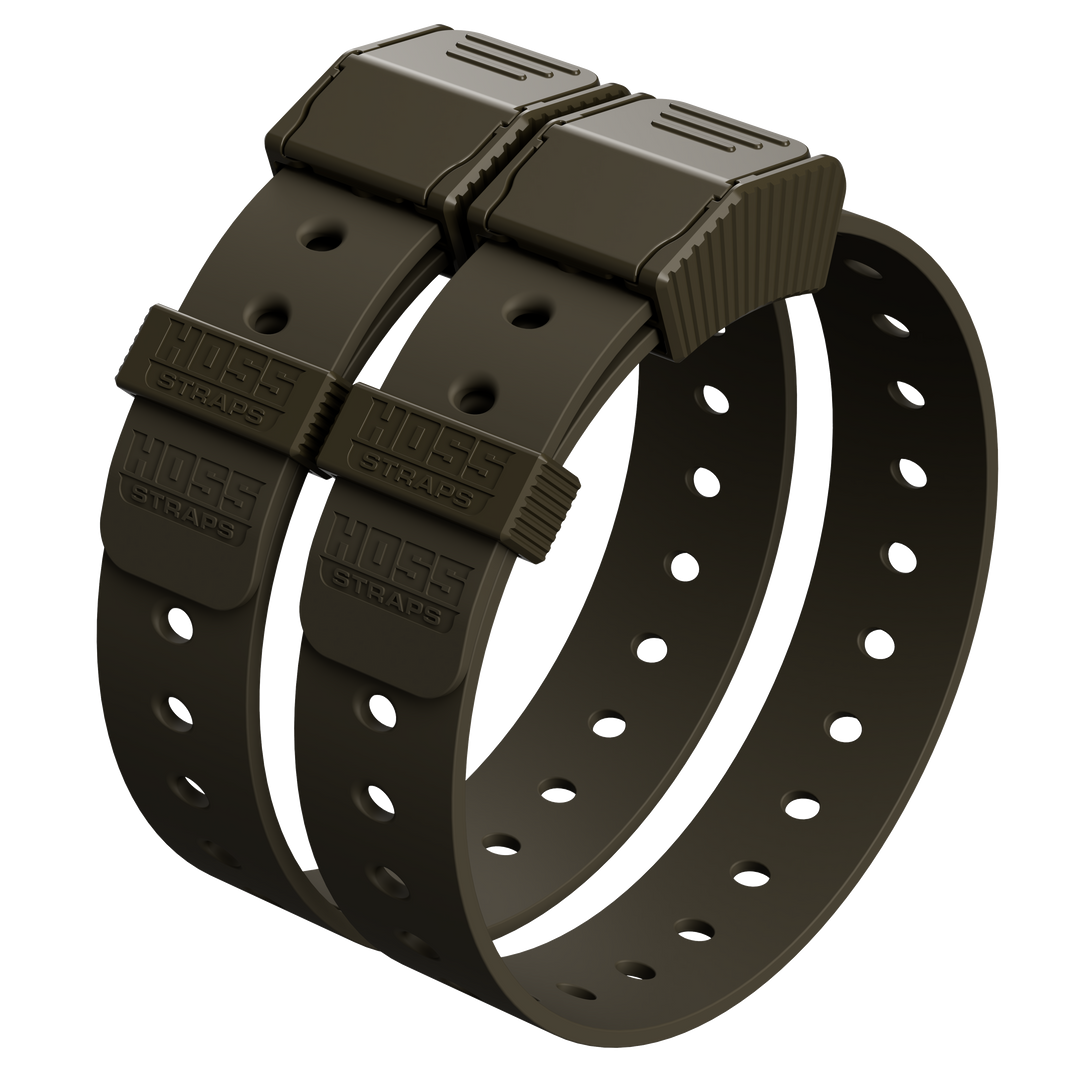
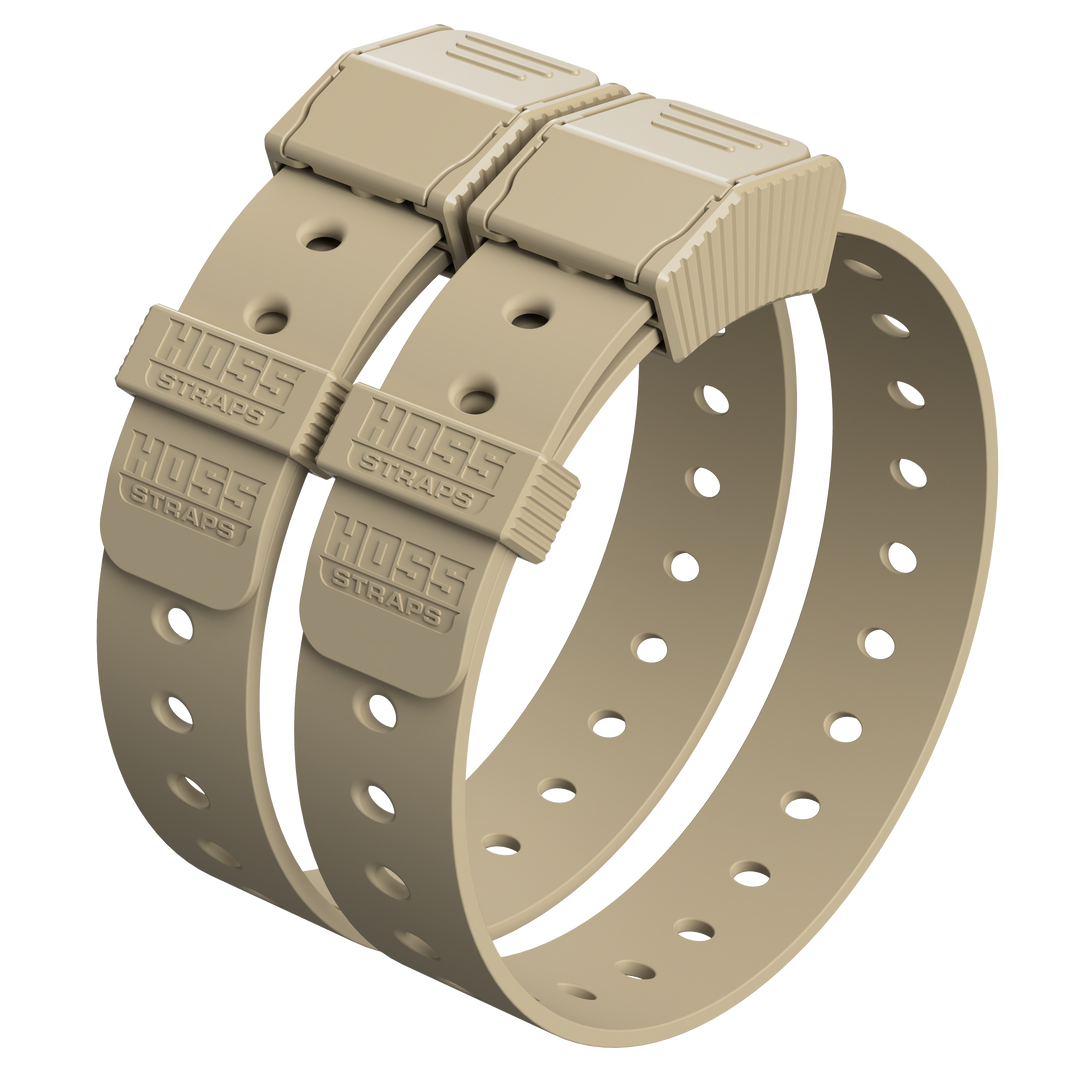
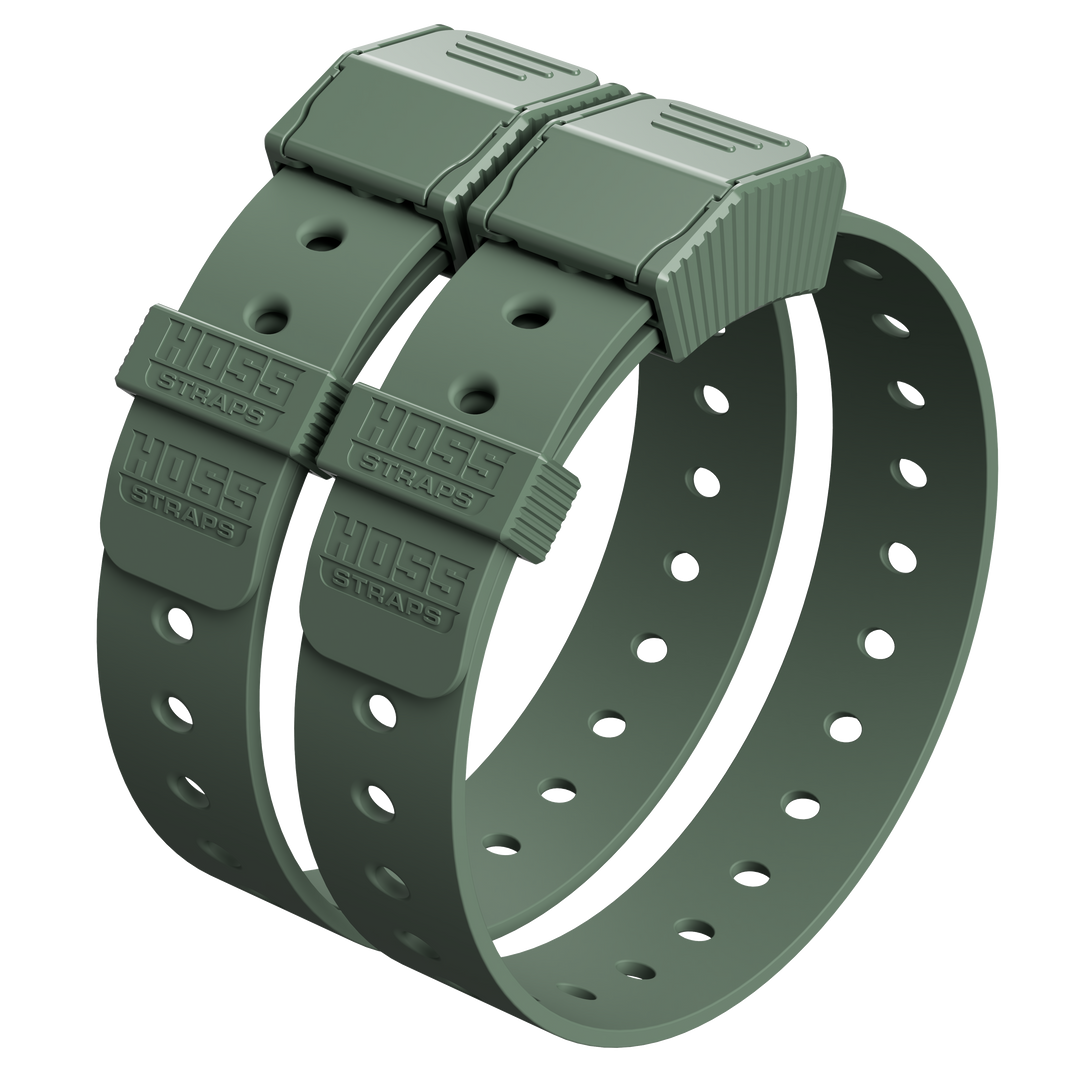
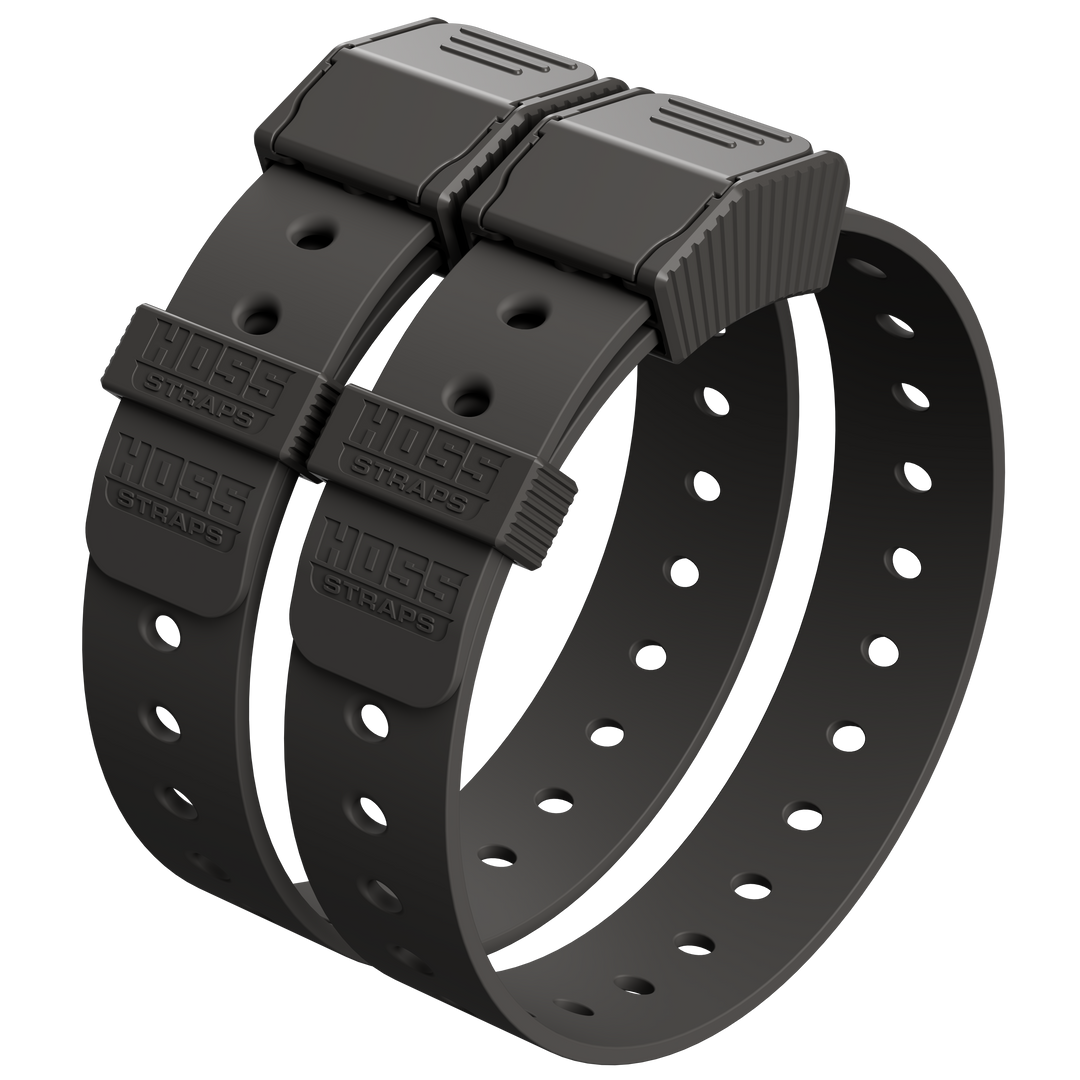
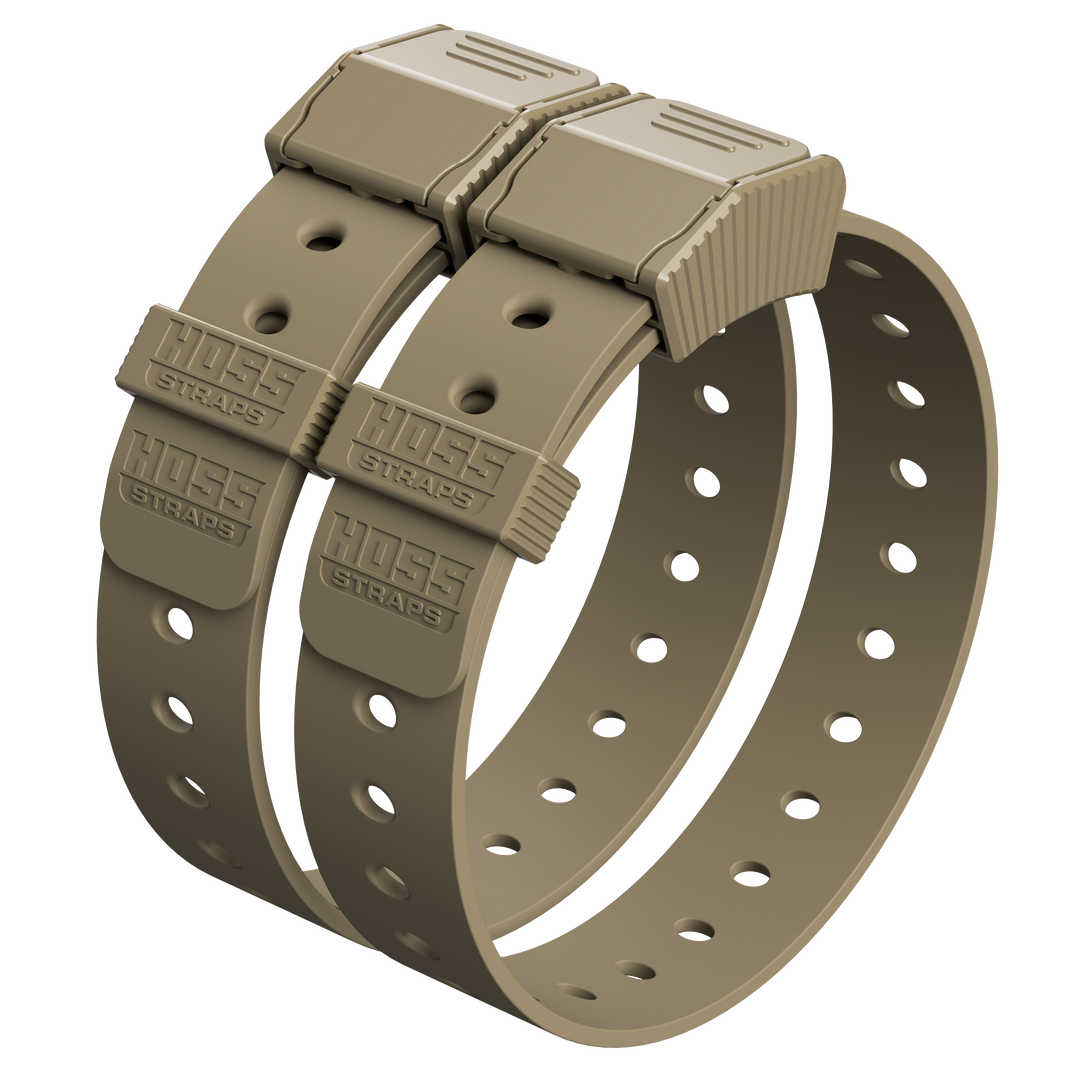
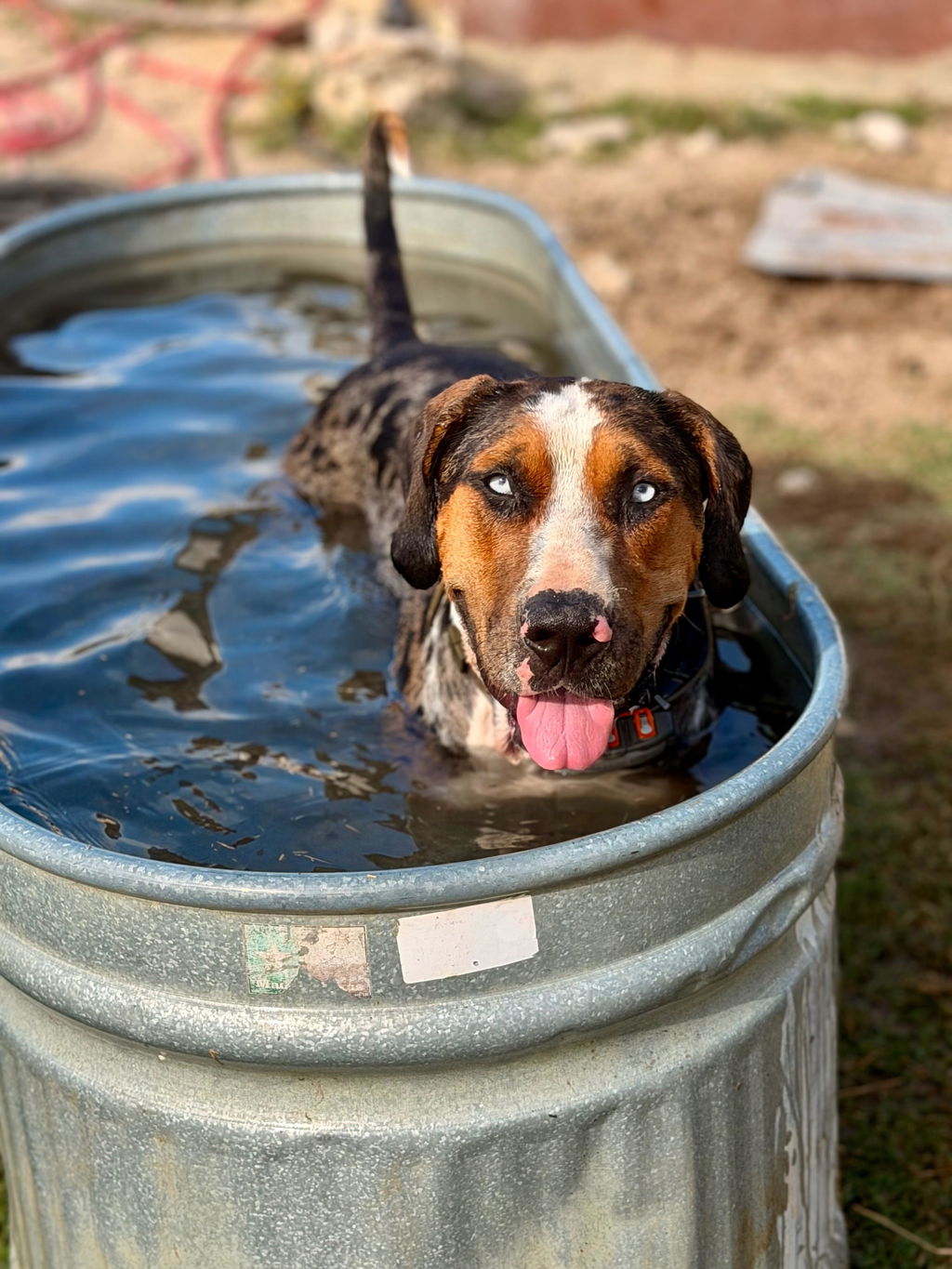
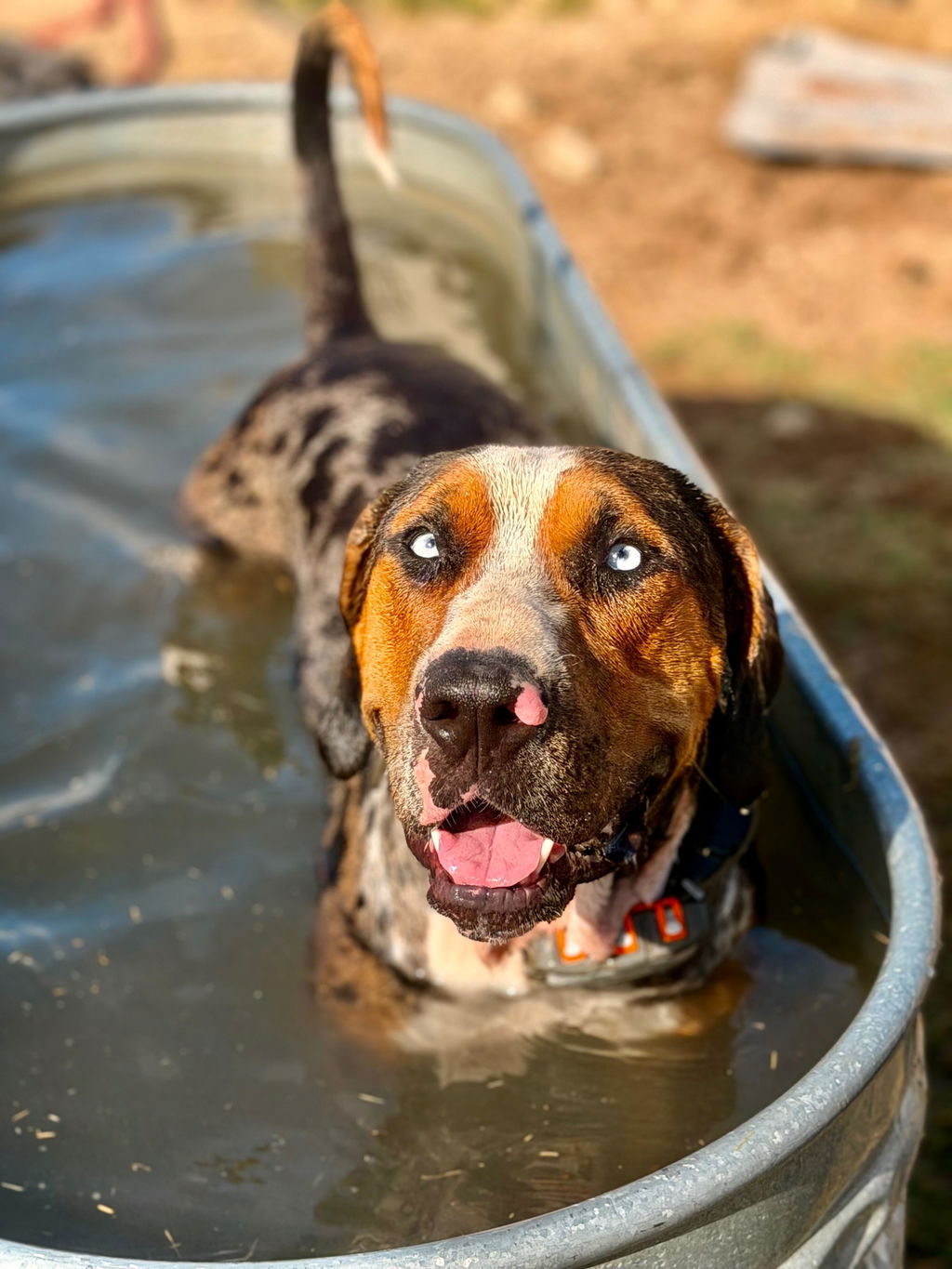
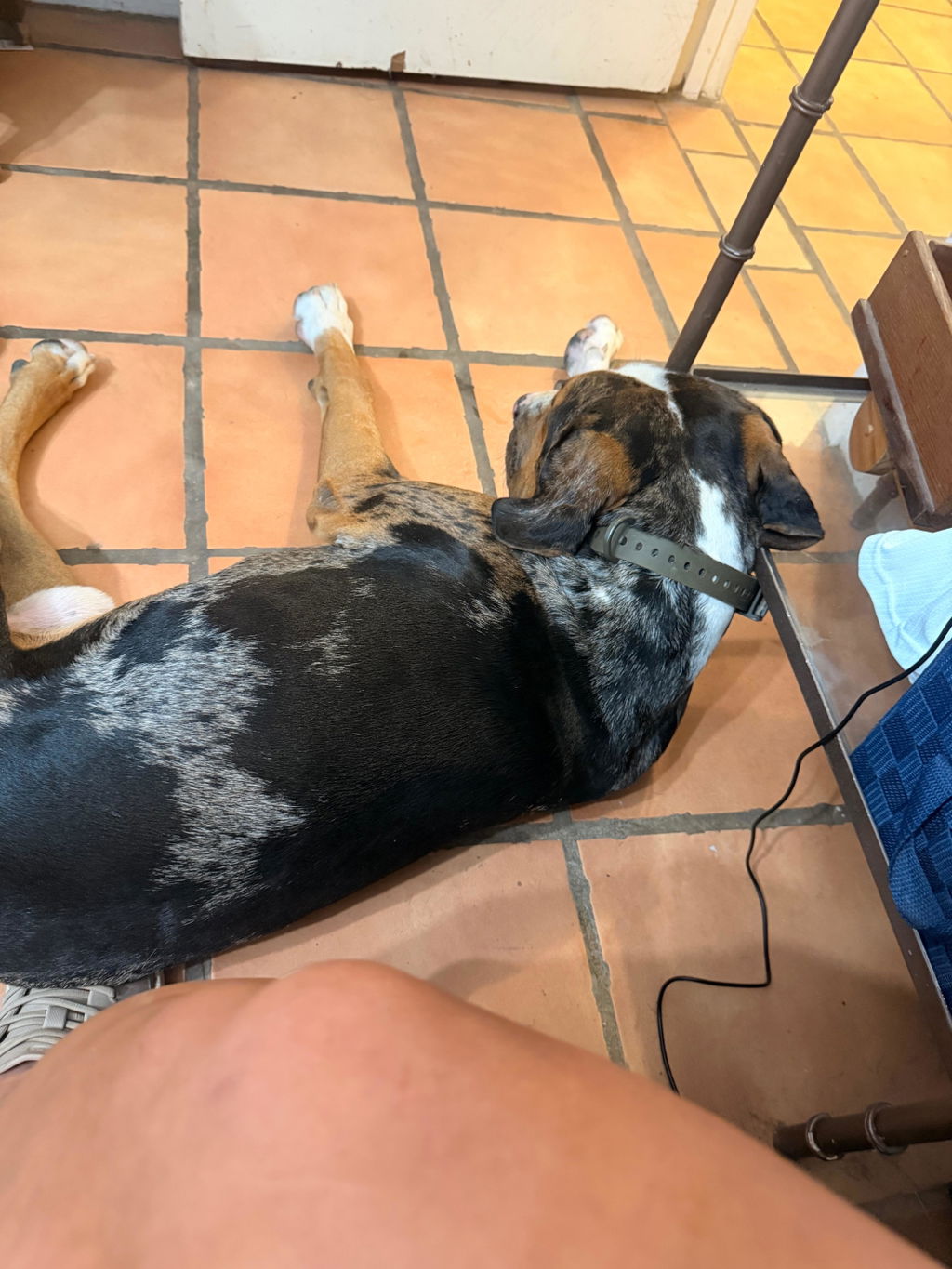
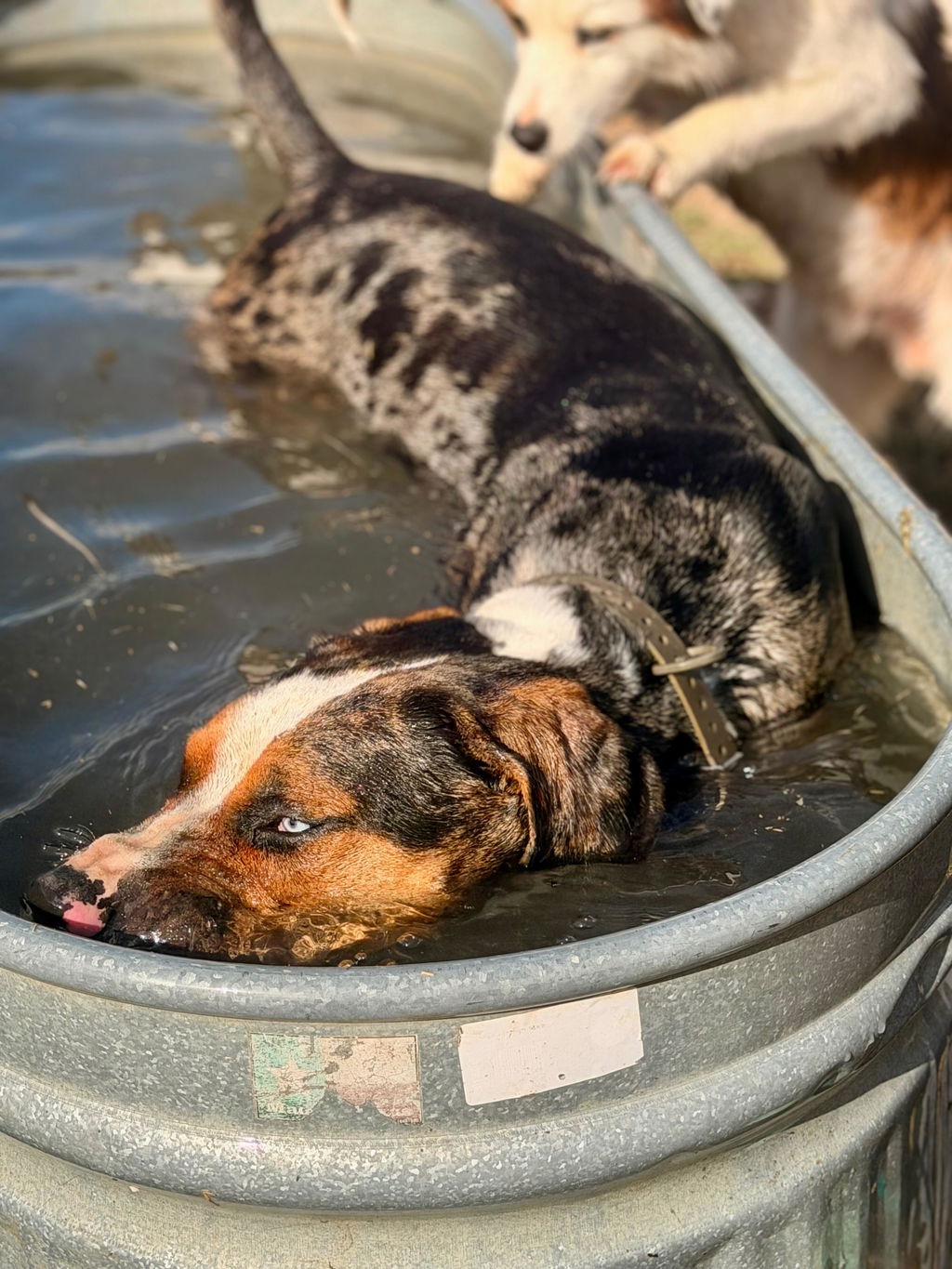
Hoss Straps Dog Collars are 100% weatherproof, easy to clean, quick to put on and take off, and built with a quick-release buckle that clicks into place. They also include a secure D-ring for leash attachment and ID tags, plus a removable buckle for custom color combinations.
If you want a reliable everyday collar to rotate with your walking setup, that is a solid alternative to keep in mind.
FAQ
Are metal buckle dog collars good for strong pullers?
They can be a durable choice for everyday wear. For leash walking, fit and the right walking tool usually matter more than buckle type. Strong pullers may do better walking on a well-fitted harness while wearing a collar for ID.
Can metal buckle collars rust?
Some can, especially if they stay wet or get exposed to salt. Rinse and dry hardware after water exposure, and inspect regularly for corrosion, sharp spots, or stiffness.
How tight should a metal buckle collar fit?
It should be snug enough to stay in place, but loose enough for a comfortable finger check. If it slides down toward the shoulders or twists often, it is likely too loose.
Should my strong puller walk on a collar or a harness?
Many owners use a collar for ID and a harness for walks when pulling is common. The goal is steady control without placing all the load on the neck.
What are the early signs a collar is wearing out?
Look for fraying near the ring, loosening hardware, sharp edges, corrosion, thinning strap material, or a buckle that no longer closes cleanly. Replace the collar if anything looks questionable.