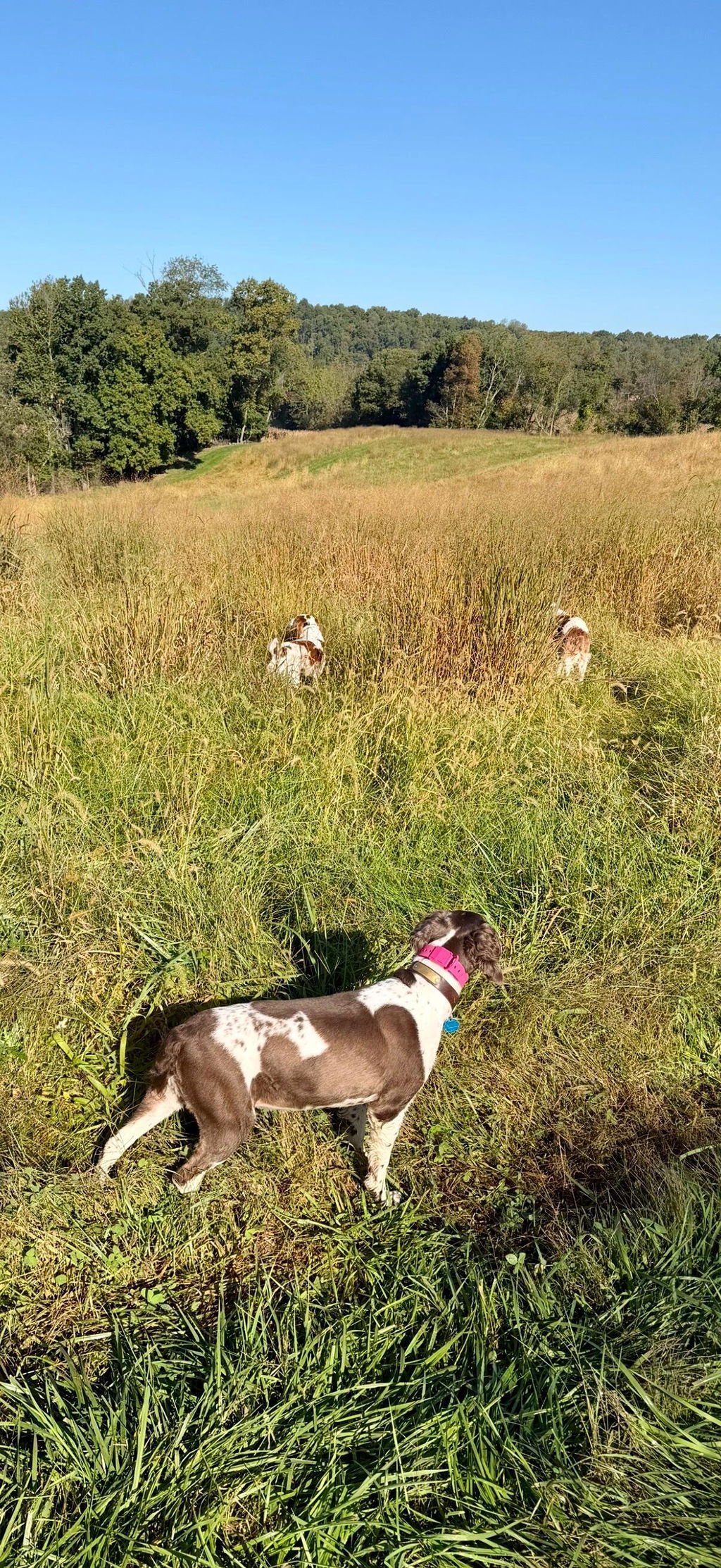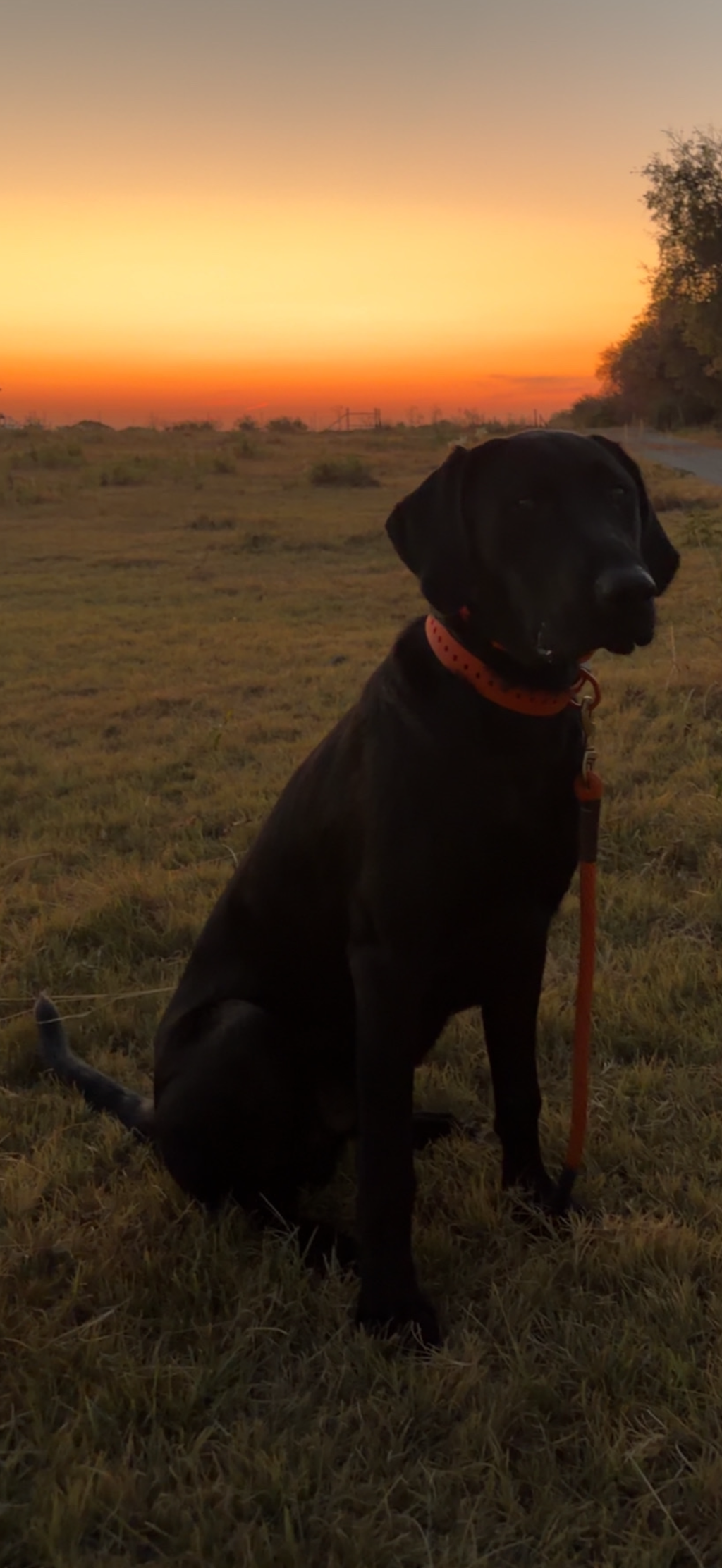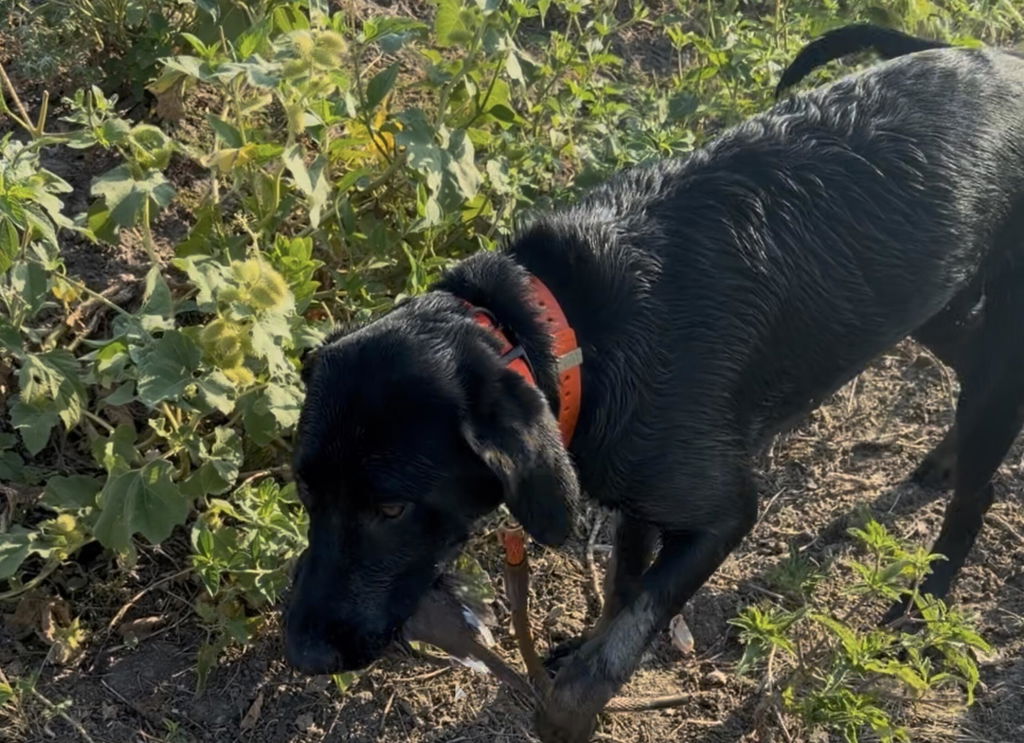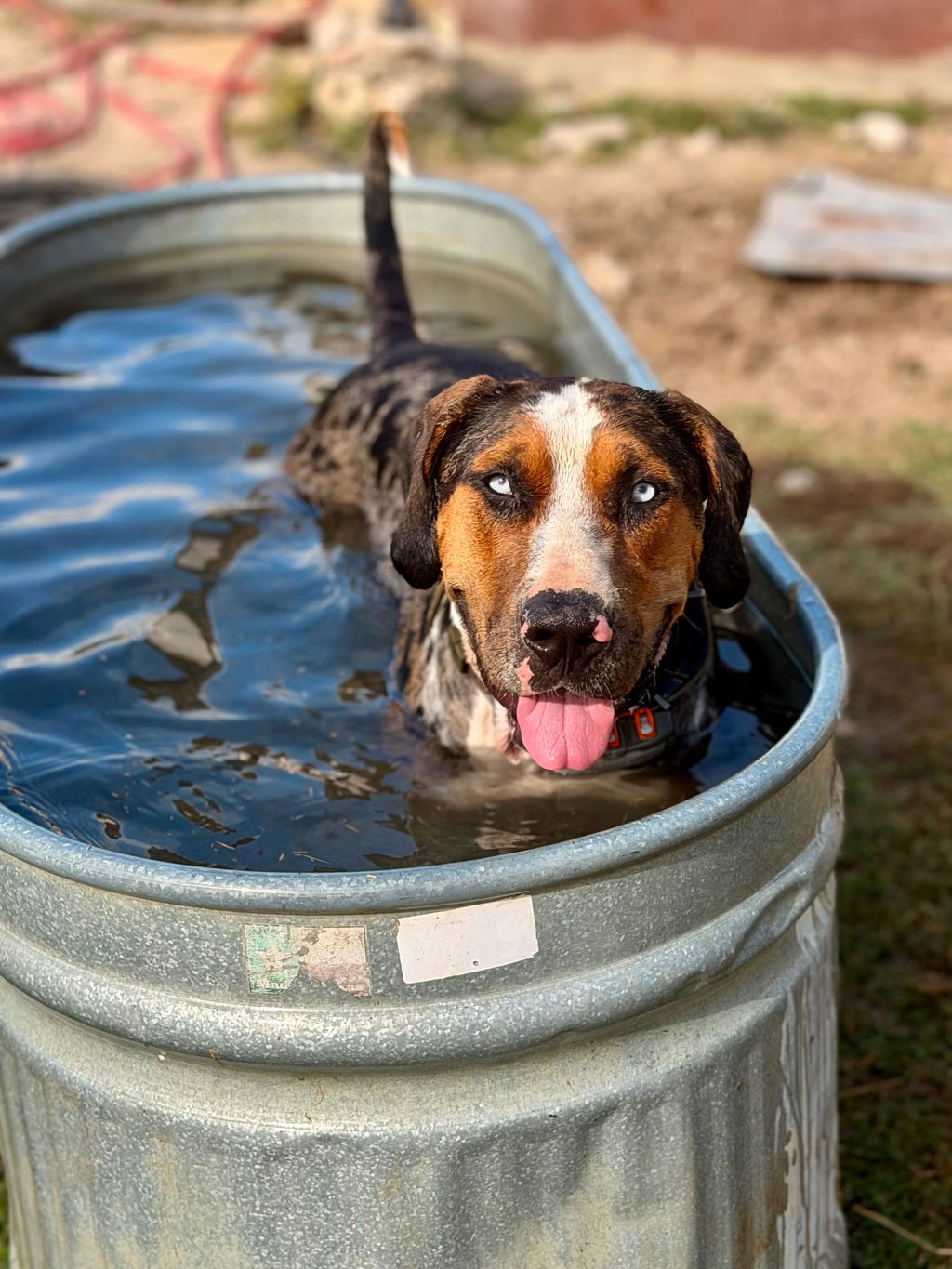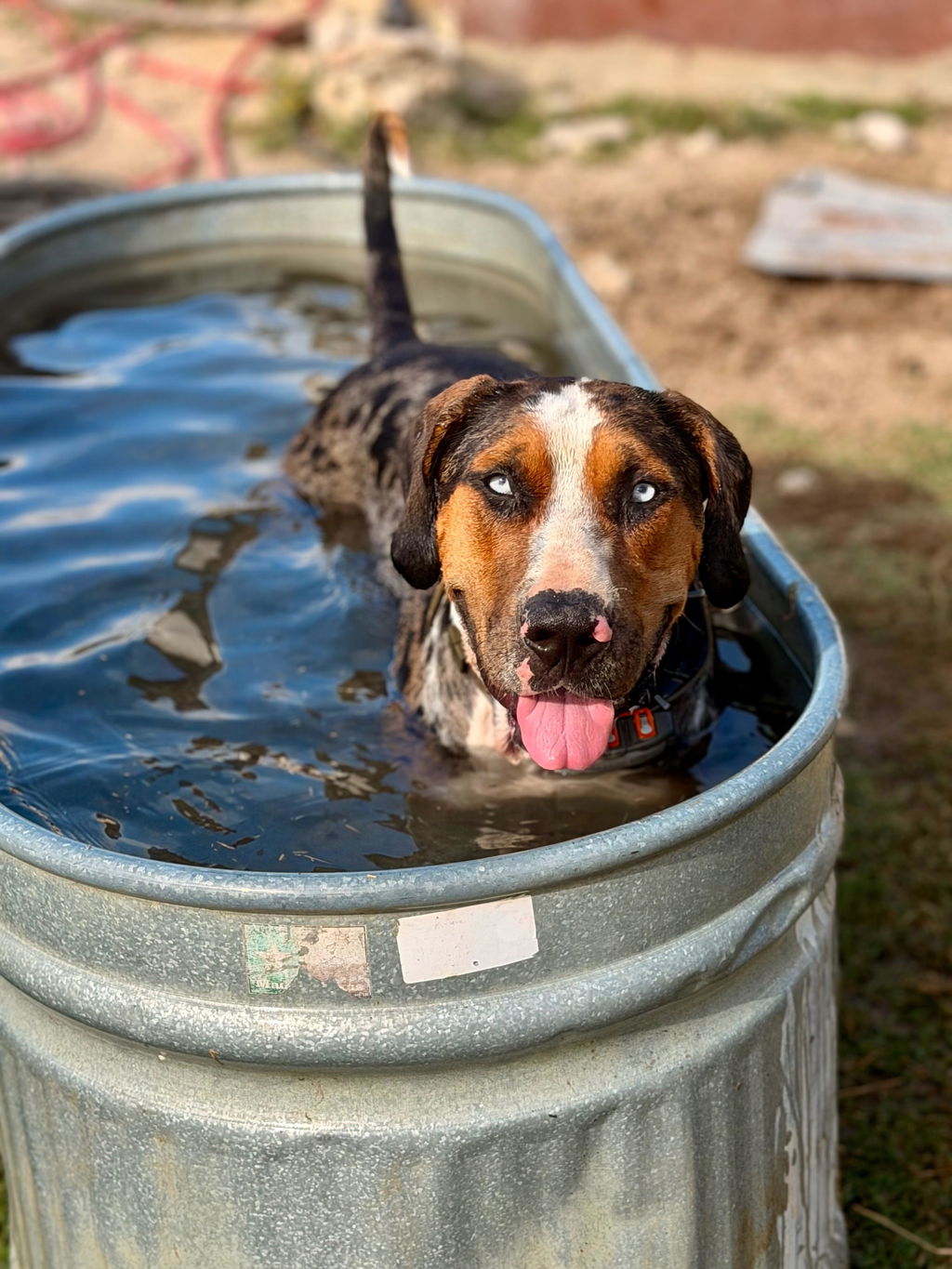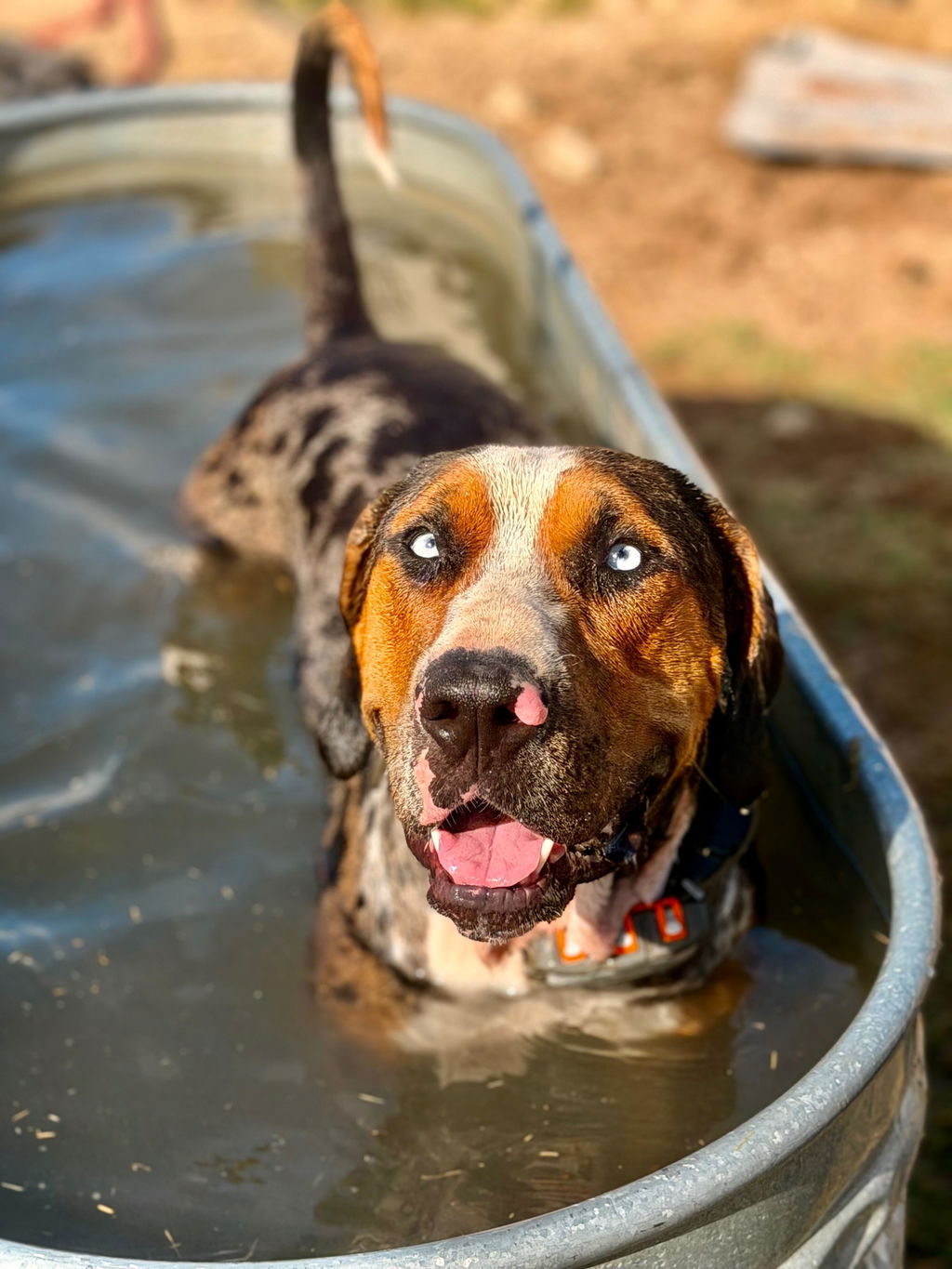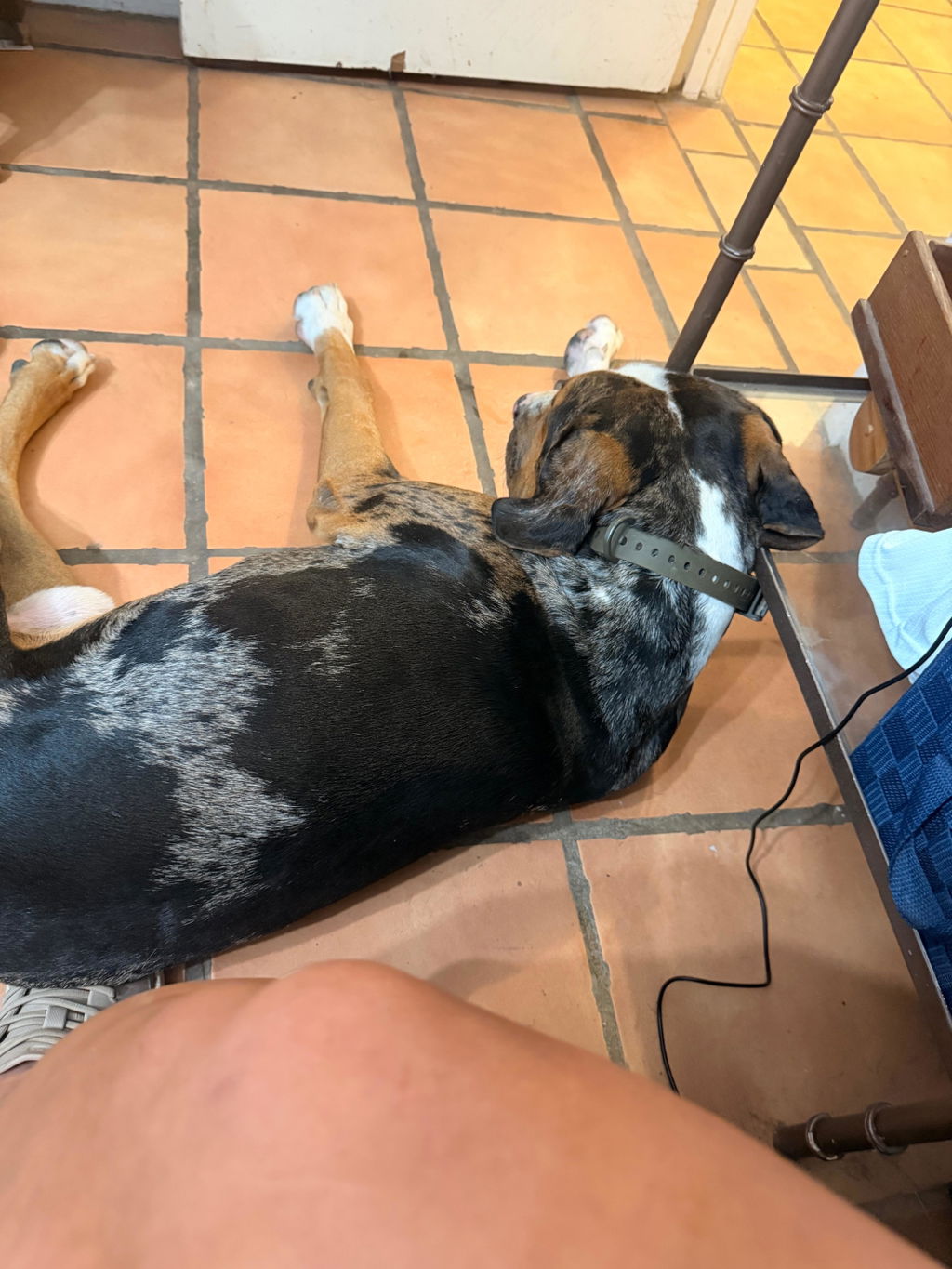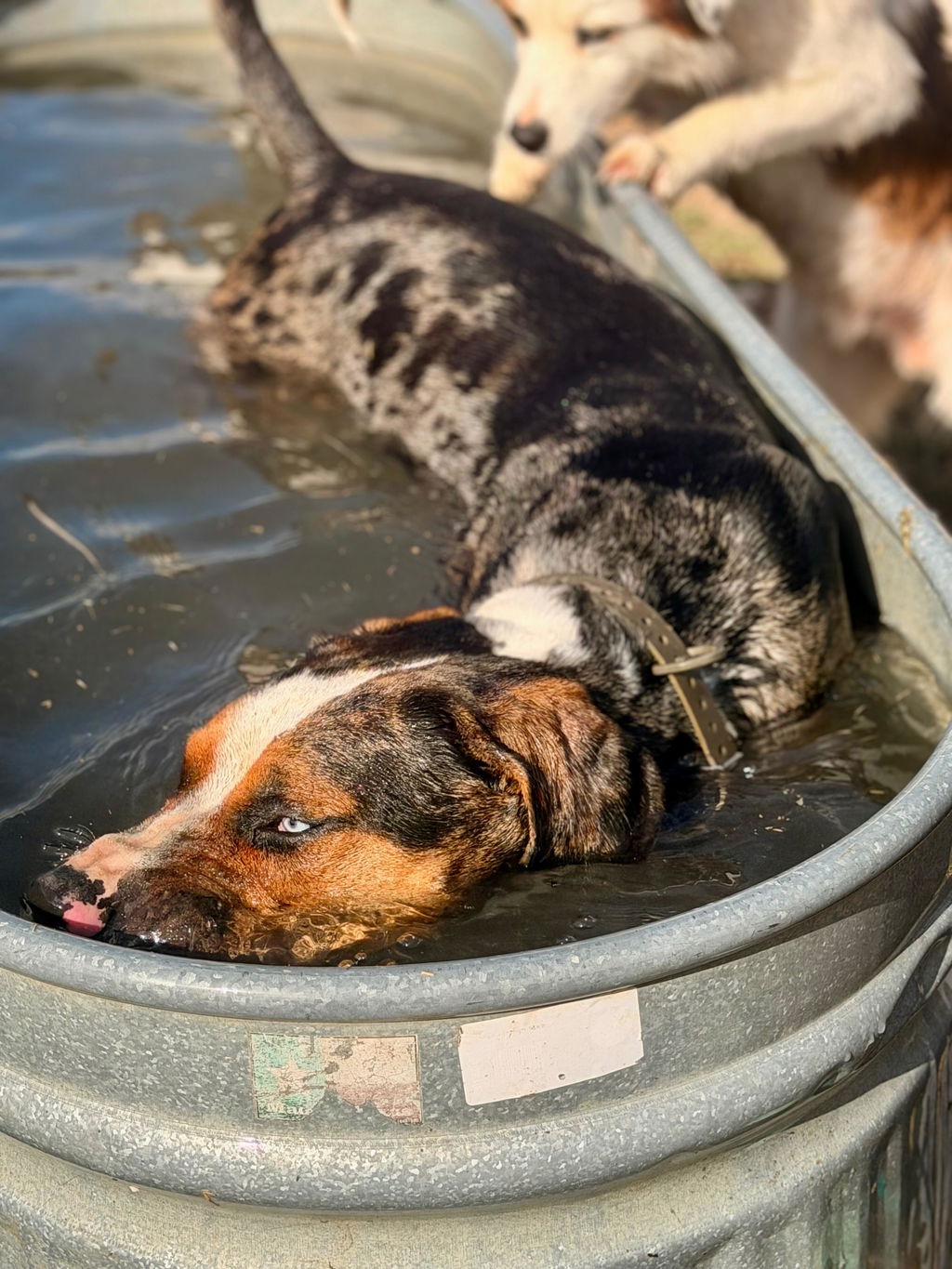



Multi-Dog Collar Standardization Without Fit Shortcuts
Standardize collar records, colors, inspection steps, and replacement criteria across dogs, but keep fit, receiver assignment, and skin checks individual. This multi dog collar system for trainers step-by-step checklist is for kennels, guides, and trainers managing several dogs. It covers gear checks, handling, and records. It does not teach dog-training methods.

Quick guide
- What to check: Color Coding, Dog Assignment, and Fit Records
- Steps: Multi-Dog Collar Standardization Without Fit Shortcuts
- When to pause the work
- Hoss Straps product facts for Multi Dog Collar System for Trainers
- What to do next
- Questions about multi dog collar system for trainers
- Related collar guides
- Sources and product facts
What to check: Color Coding, Dog Assignment, and Fit Records
| Part or condition | What to check |
|---|---|
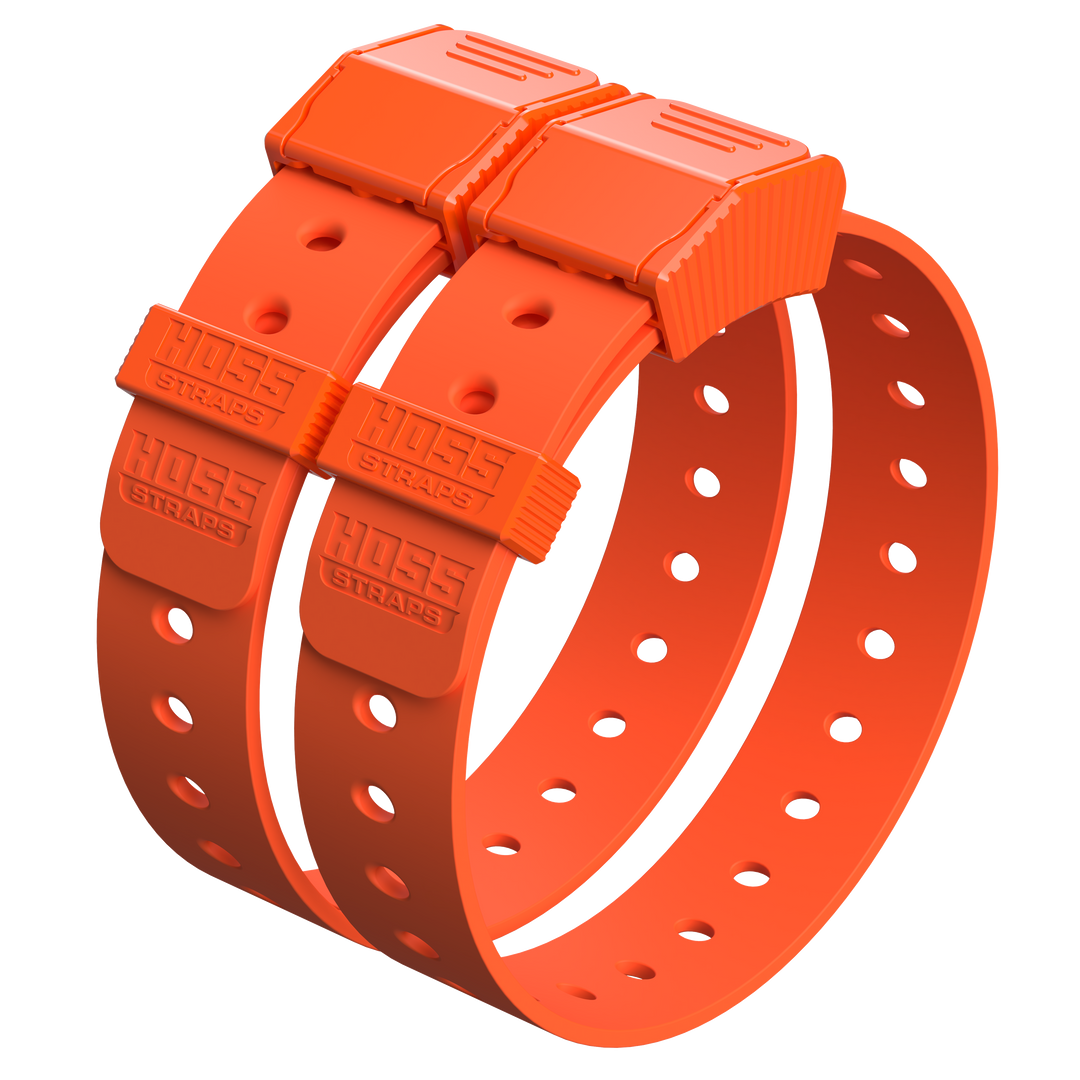
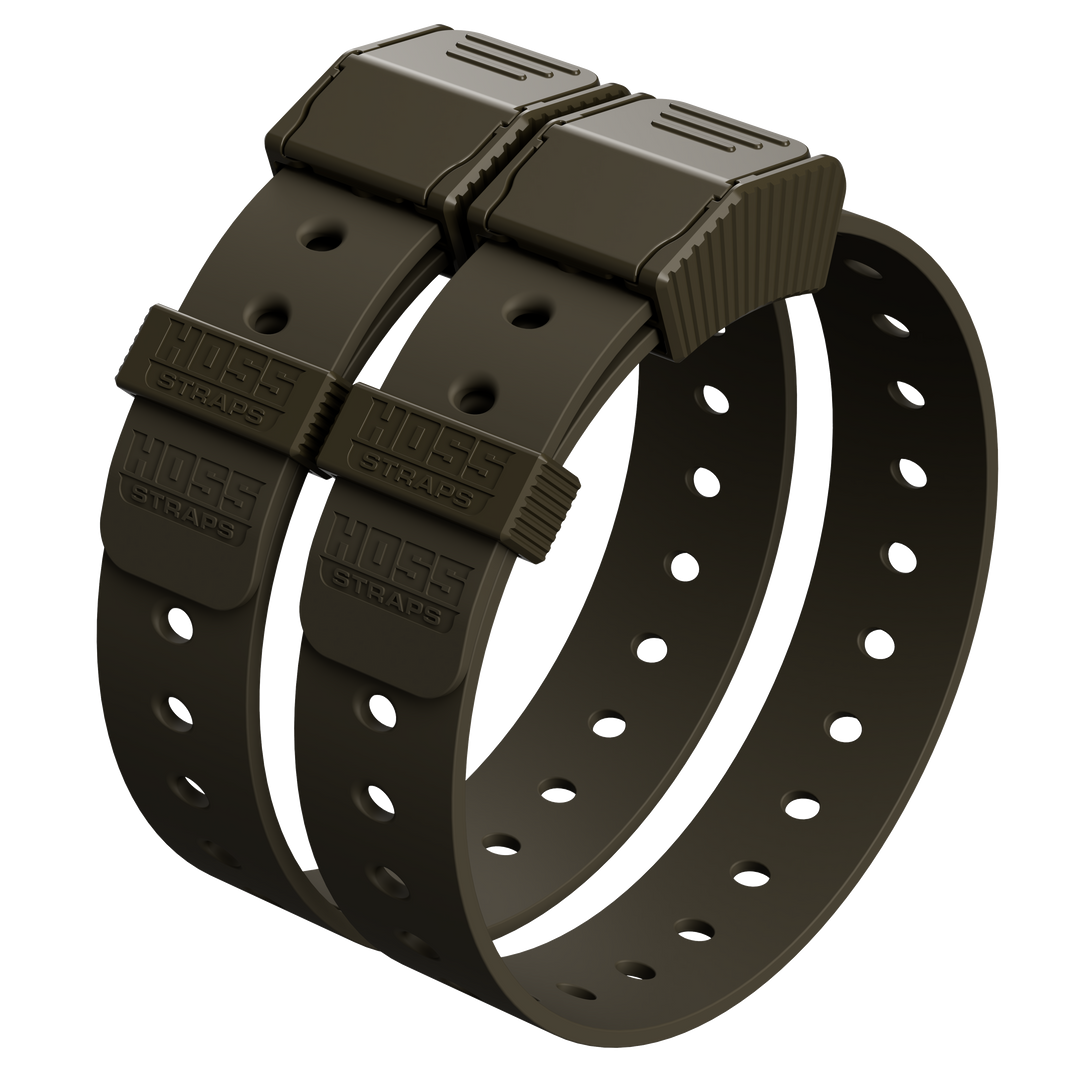
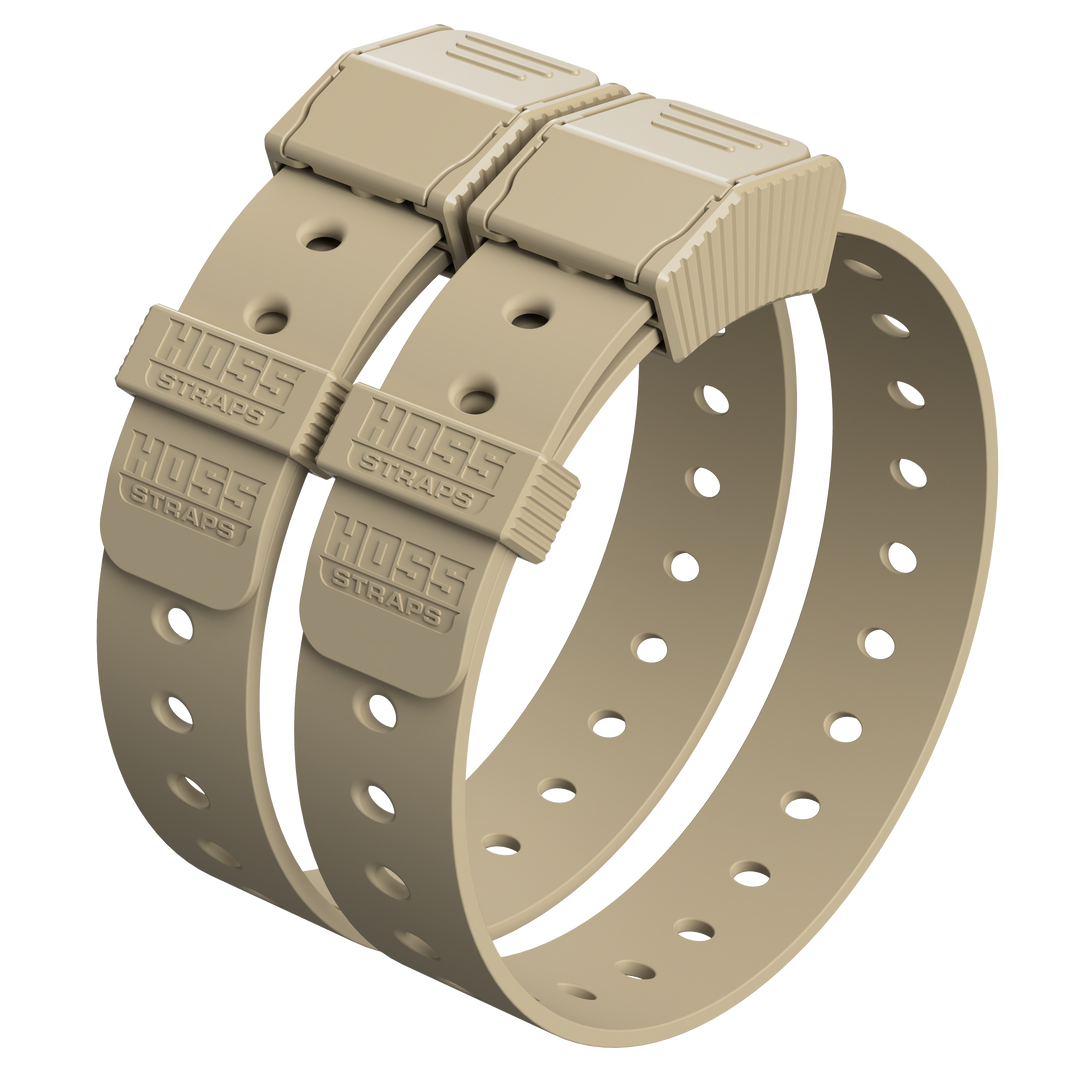
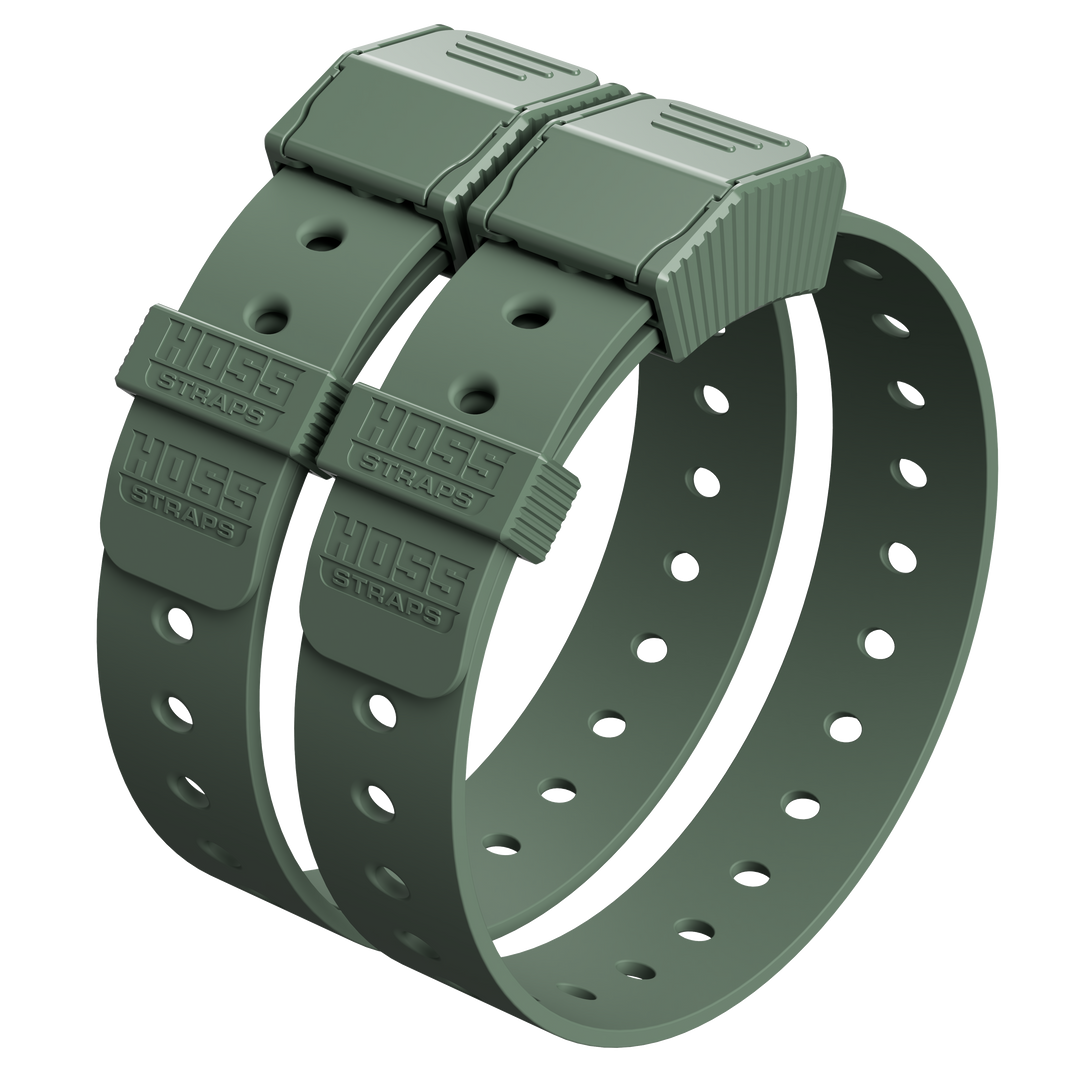
| color coding | Check color coding in the real place where the collar will be used. |
| dog assignment | Confirm dog assignment in the gear record before use. |
| fit records | Check fit records on the dog at rest. Recheck it after the coat or gear changes. |
| receiver identity | Confirm receiver identity matches the correct device and stays secure. |
| replacement rules | Check replacement rules before use. Note any change during the job. |
Start with color coding, dog assignment, and fit records. Then check receiver identity and replacement rules. The steps below show how these points guide the choice.

Steps: Multi-Dog Collar Standardization Without Fit Shortcuts
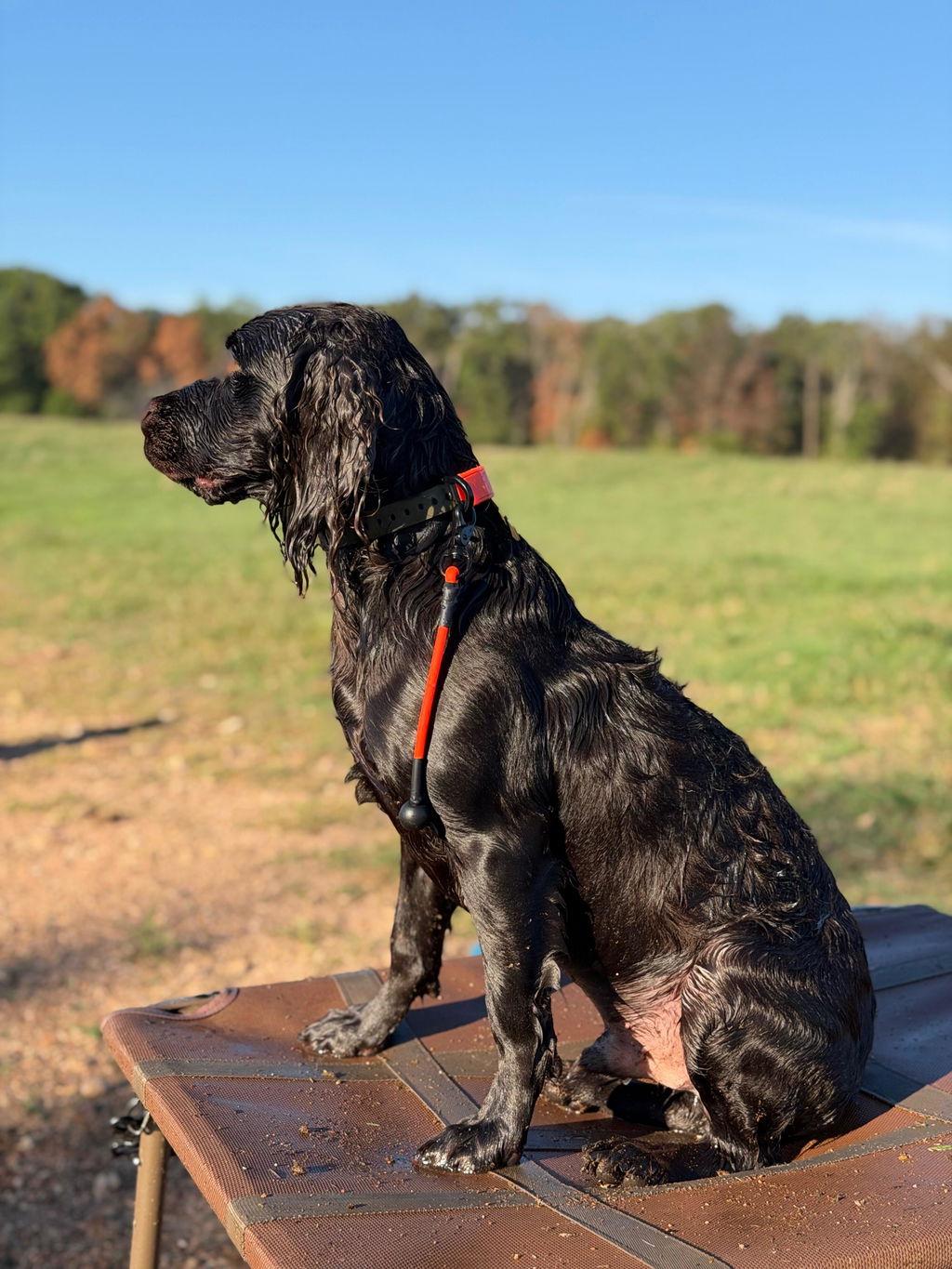
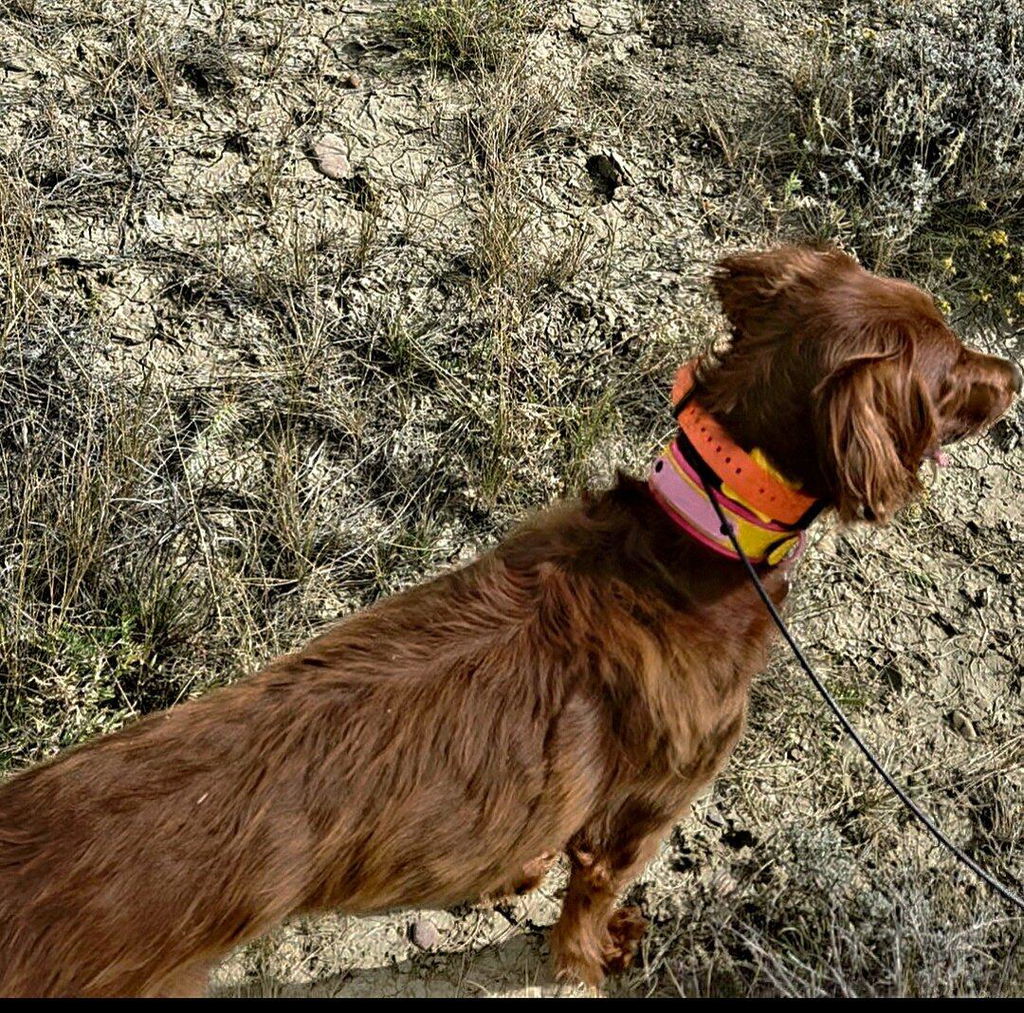
- Give each dog a stable visual identifier.
- Keep one fit record per dog and per collar purpose.
- Match receiver identity to the correct dog before work.
- Use one inspection form across the team.
- Replace equipment based on condition, not on a shared calendar alone.
Use the steps in order. Recheck color coding when the coat, weather, task, or gear changes. Record color as the only identifier before another handler uses the gear.

When to pause the work
Stop when you find color as the only identifier, copying fit settings, unverified receiver swaps, and one collar serving conflicting purposes. Keep the dog under safe control. Check the gear and the dog's skin. Record why you stopped.
If a receiver is used, treat color as the only identifier and copying fit settings as gear problems. Do not try to fix them with a training change. Remove the gear and check the dog. Follow the device maker's fit and setup steps before reuse.

Hoss Straps product facts for Multi Dog Collar System for Trainers
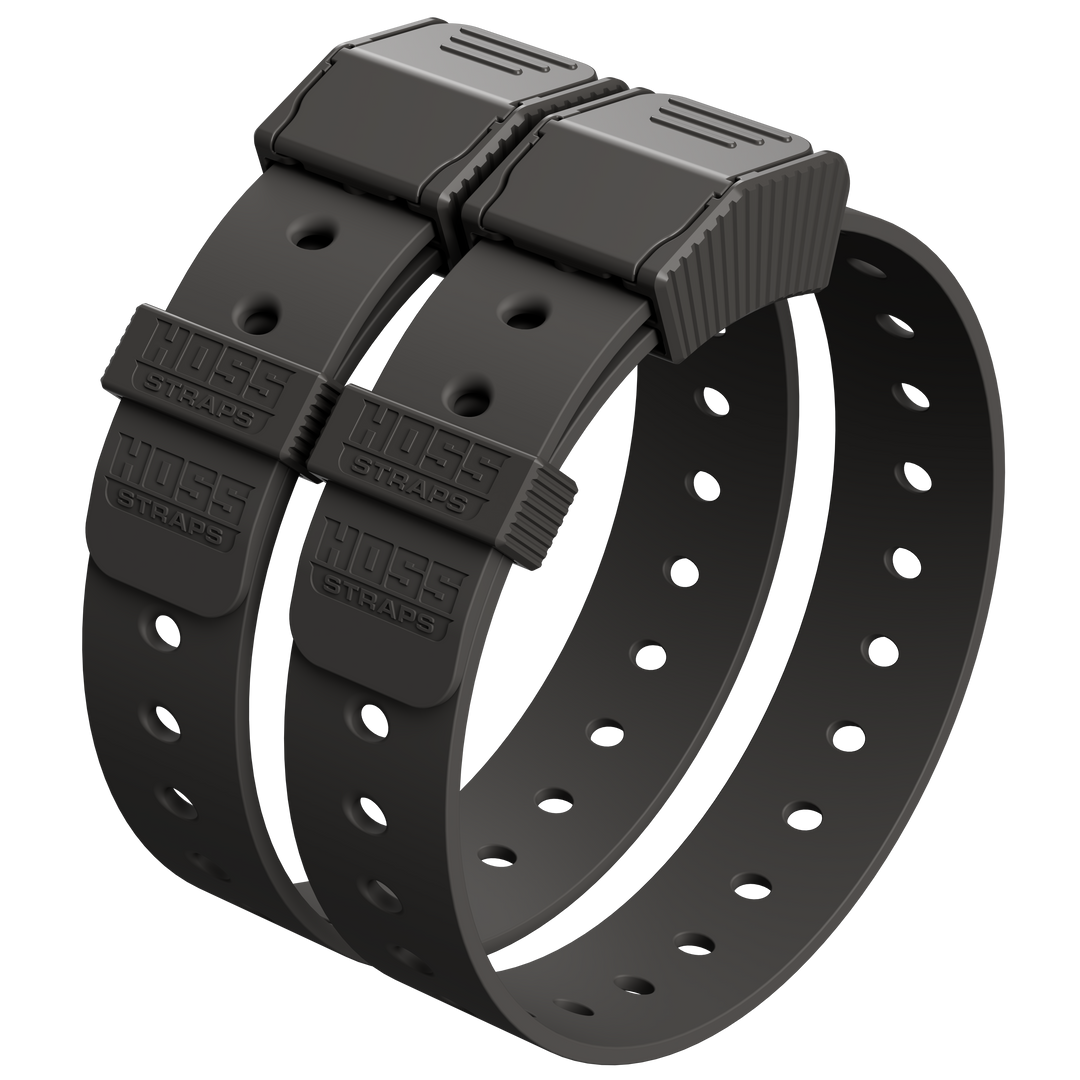
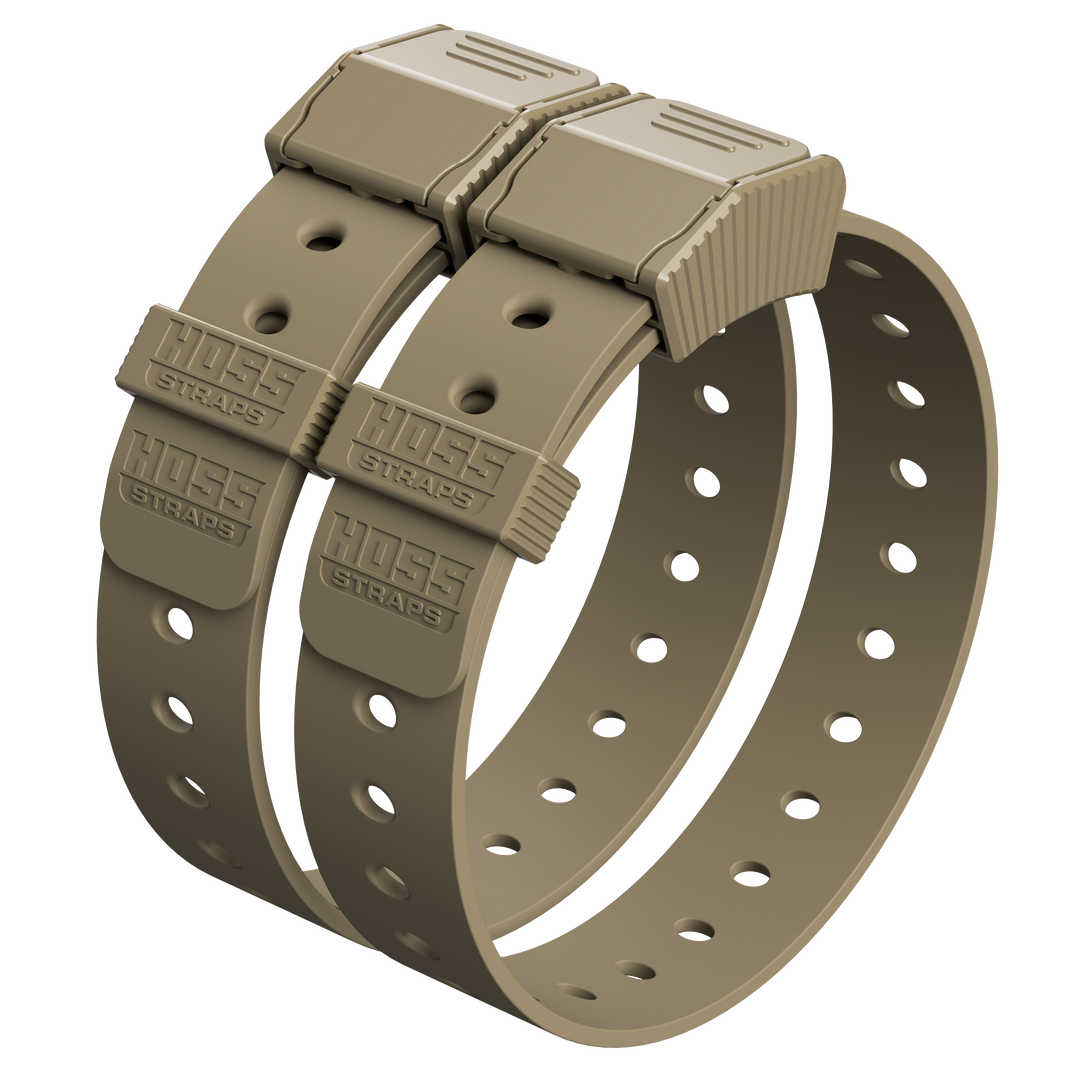
The Pro Series Field Collar product page lists a 1 1/16-inch strap and fit for necks up to 22 inches. These are Hoss Straps product facts. They are not third-party test results or safety certificates. Hoss Straps lists PT10, PT6, Sport Pro, Pro 550, and Pro 70 for its adapter setup. The Garmin device is sold on its own. Check the exact model on the Hoss Straps Adapter Kit page. Also read the right Garmin manual before you order. For this guide, compare those facts with color coding and dog assignment.
Use the Pro Series Training Collar Setup page to check the parts in the kit. Match color coding to the device manual. The Garmin unit is not included. Check current fit, stock, color, and warranty before buying.
For a wider view, read Training Collars for Pros: Fit, Contact, and Field-Ready Control. This page stays focused on color coding and dog assignment.
What to do next
Check color coding, dog assignment, and fit records in that order. Stop if you find color as the only identifier. Use only gear that passes the full check.
Questions about multi dog collar system for trainers
Can color coding replace written records?
No. Color is a fast visual cue, while records confirm dog, fit, purpose, and equipment identity.
Should every dog use the same collar setting?
No. Standardize the process, never the individual fit.
What should be checked during a receiver swap?
Confirm device identity, compatibility, attachment, fit, and the manufacturer's instructions.
Related collar guides
- Read the broader guide: Training Collars for Pros: Fit, Contact, and Field-Ready Control.
- Compare available options: Field Collars.
- Add this related guide after its URL is live: On-Dog Collar Adjustment: A Low-Disruption Handler Workflow.
Sources and product facts
- Hoss Straps Pro Series Field Collar facts and warranty — current facts from Hoss Straps used in this Multi Dog Collar System for Trainers guide.
- Hoss Straps Pro Series Training Collar Setup parts — current kit contents.
- Hoss Straps Adapter Kit device list — current supported devices. Check again before buying.
- Garmin Pro 550 device-to-strap steps — official setup steps from Garmin.
- Garmin Pro 550 fit and wear guide — official fit and check steps from Garmin.