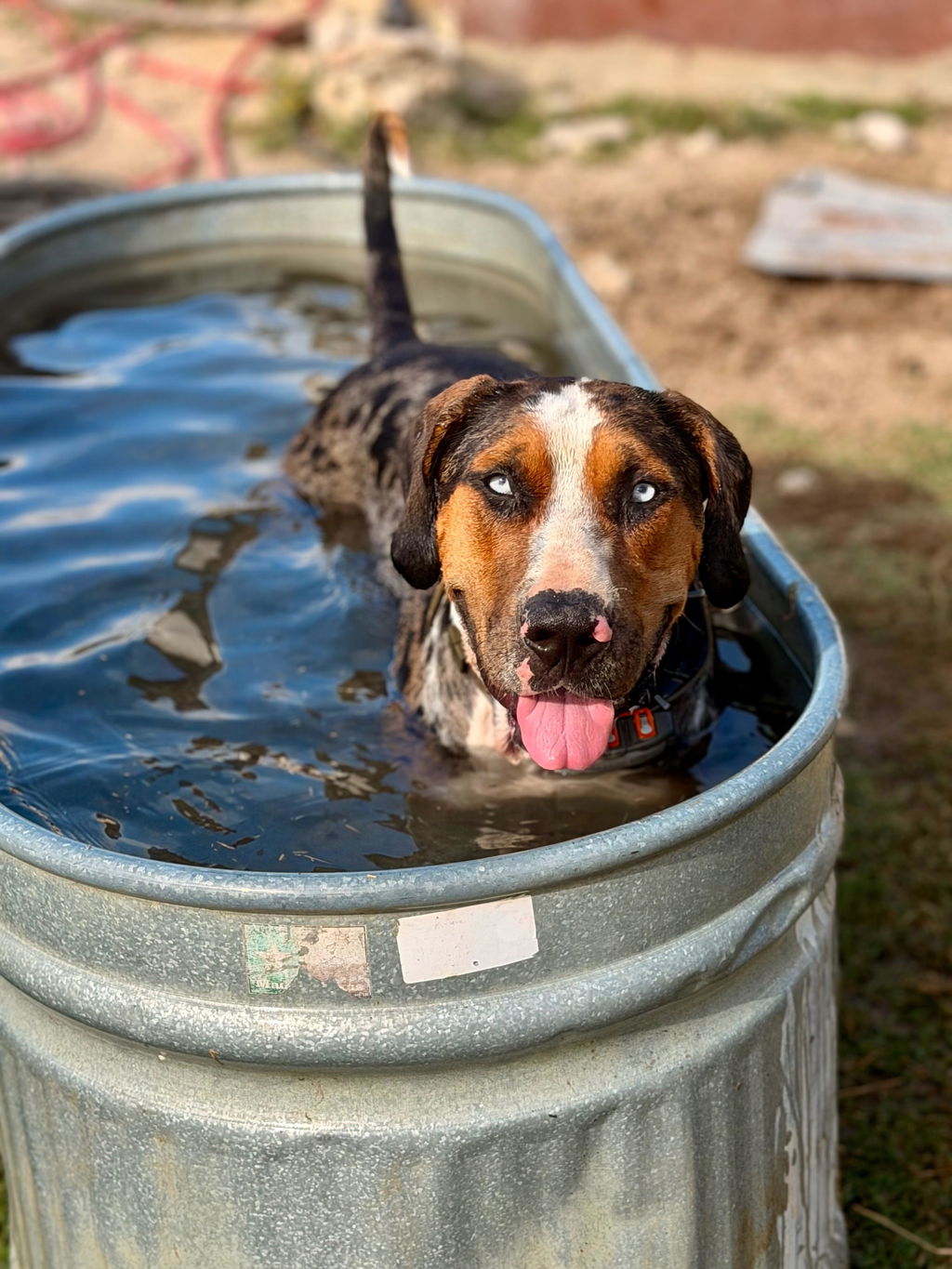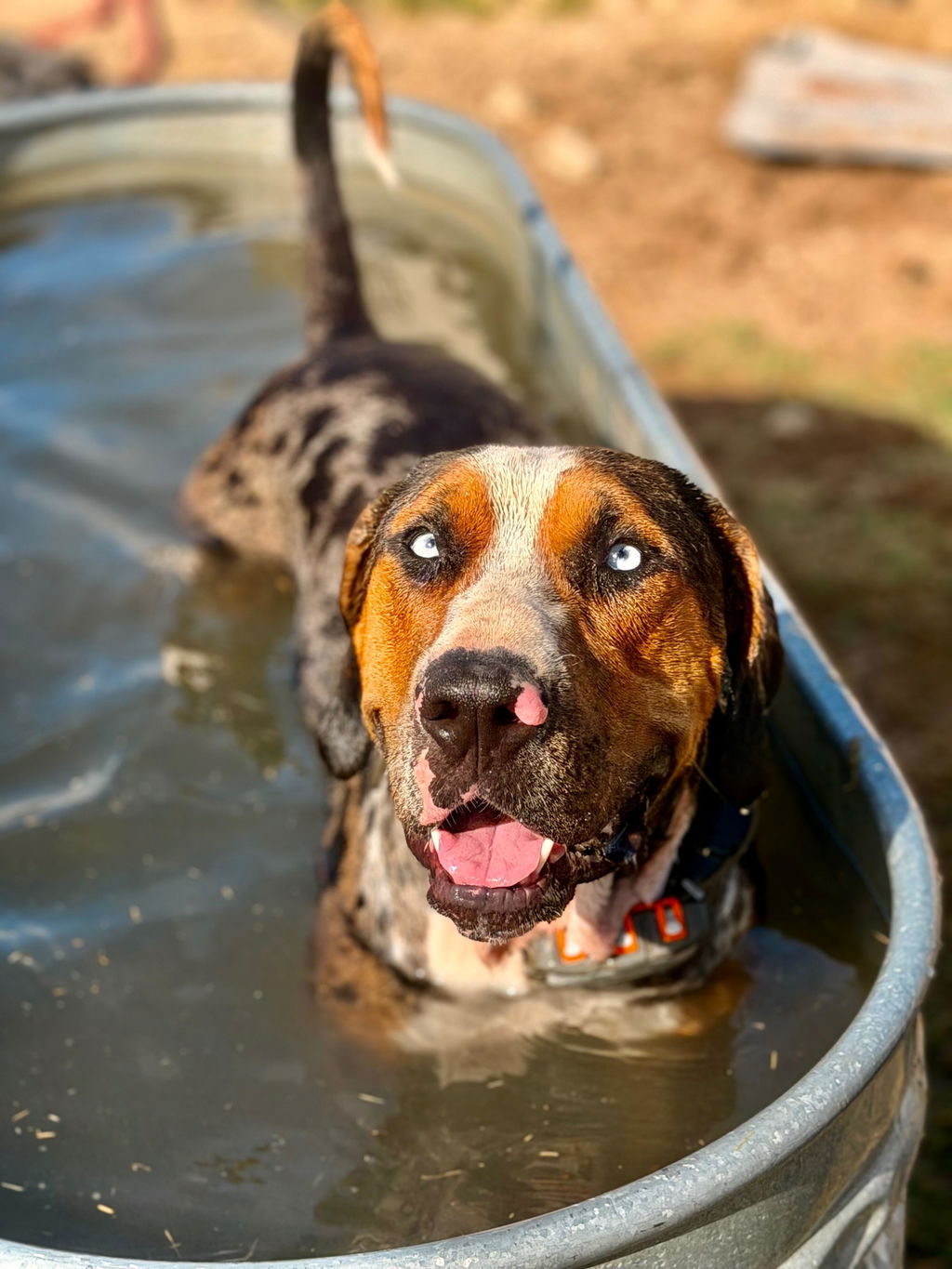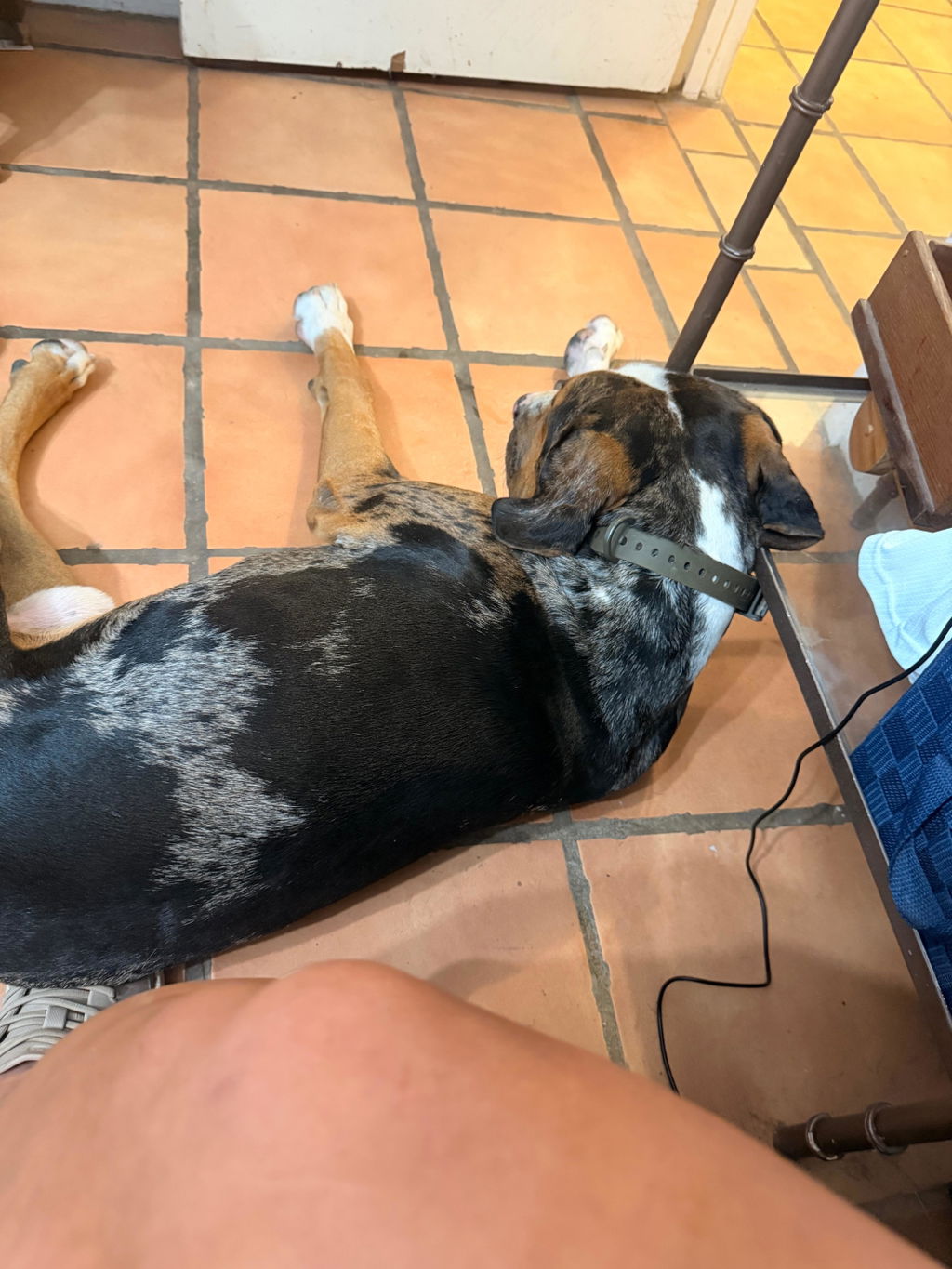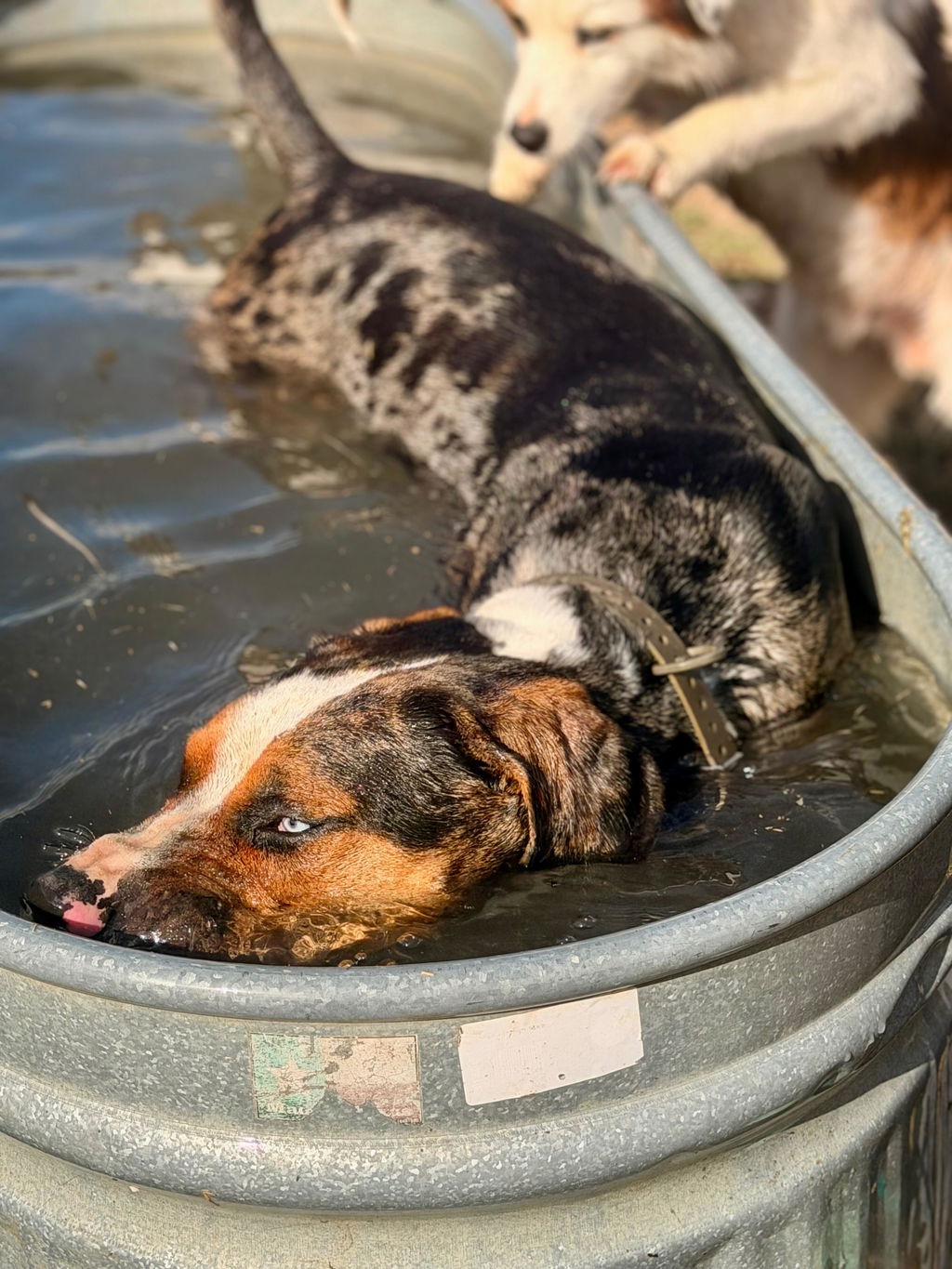



Multi-Dog Value Packs: How to Standardize Collar Sizes Across Your Dogs

Quick Answer
The easiest way to handle multi-dog value packs is to stop buying by small, medium, and large labels. Measure each dog the same way, record a neck-size range, and group your dogs into reusable "house size" bands.
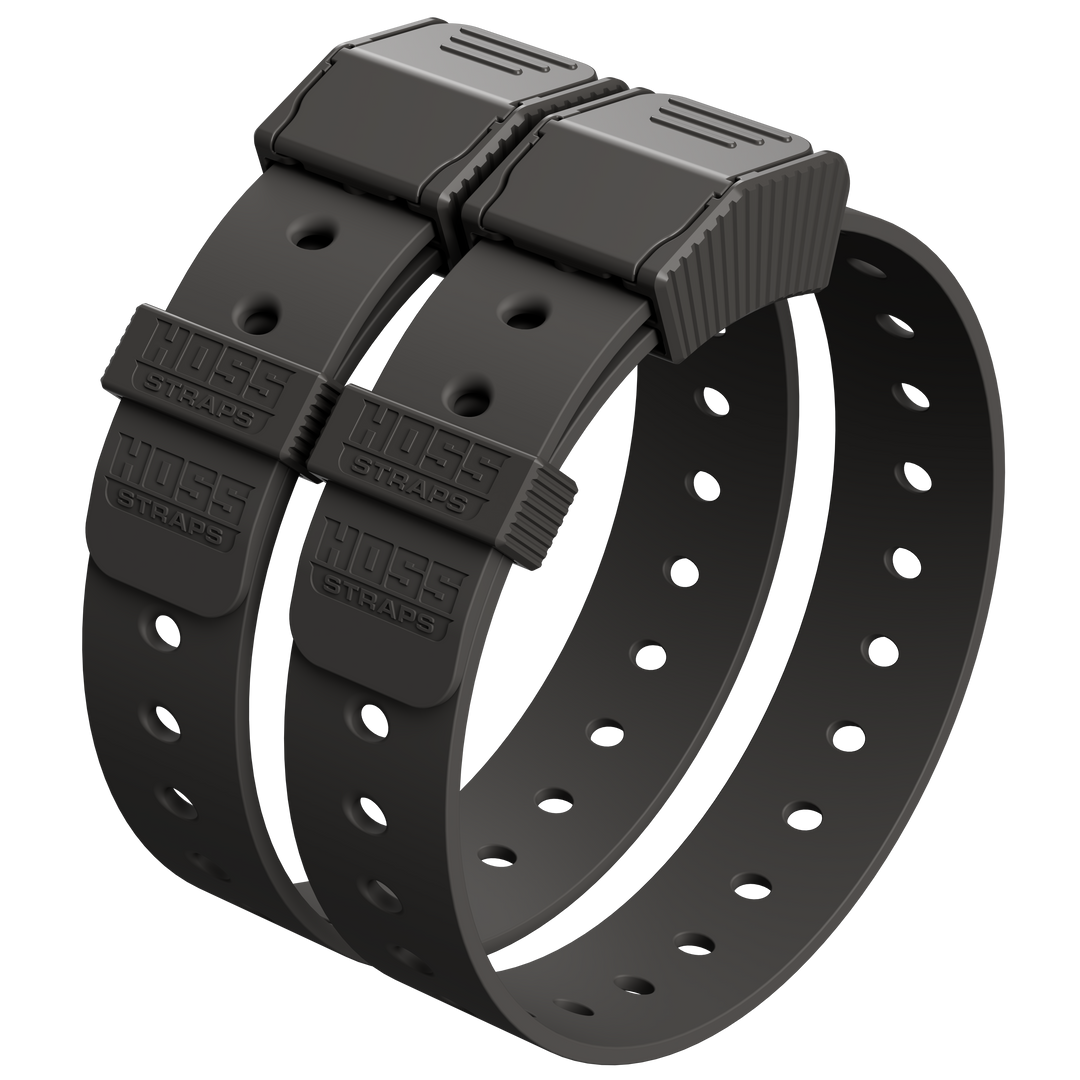
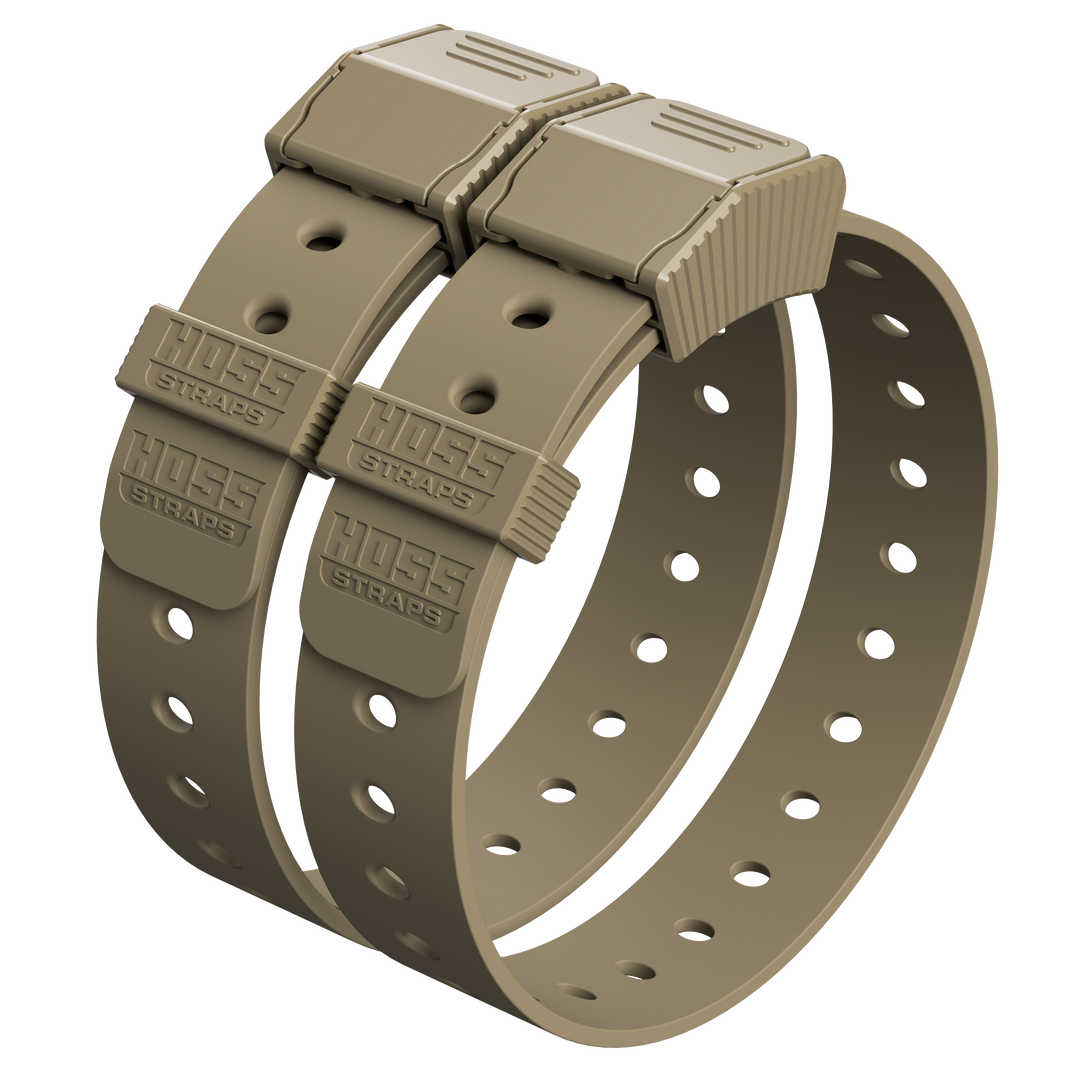
That gives everyone in the house a simple reorder system: dog name, size band, current setting, and one practical note. It also helps when you buy collars one at a time, build a backup set, or compare Hoss dog collars, D-Ring Dog Collars, Easy Dog Collars, and training-compatible setups.
Five Fit Rules for Every Dog
Use the same rules for every dog in the house. Consistency matters more than chasing one perfect number.
- Measure where the collar actually sits. Wrap the tape around the normal collar zone, not a random spot higher or lower on the neck.
- Leave breathing room. A measuring guide from PetMD recommends leaving a small amount of extra space so the fit is snug without being restrictive.
- Use the two-finger check. The collar should be secure, but you should still be able to slide two fingers underneath without forcing them.
- Trust measurements over size labels. One brand's medium can fit differently from another brand's medium.
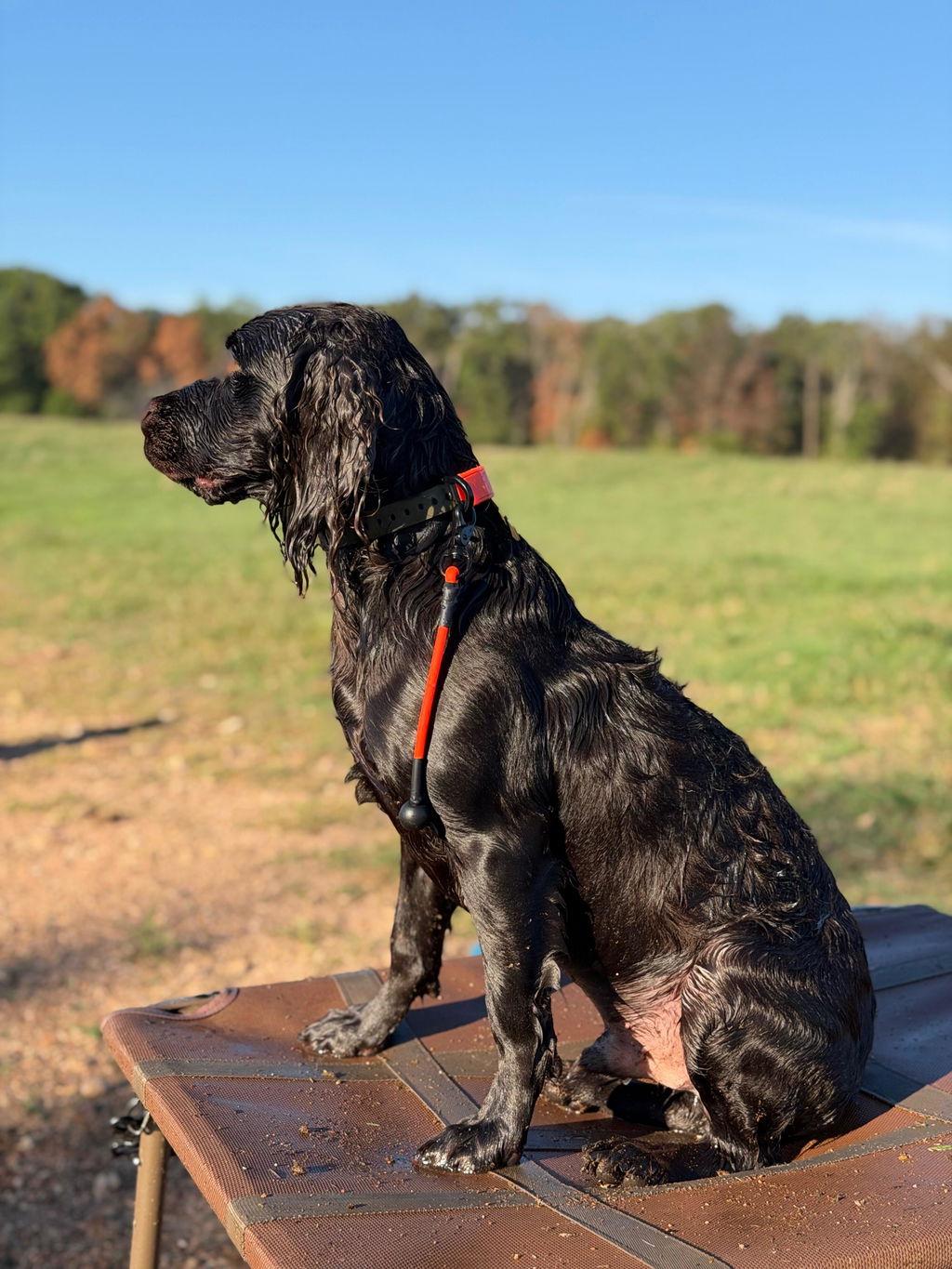
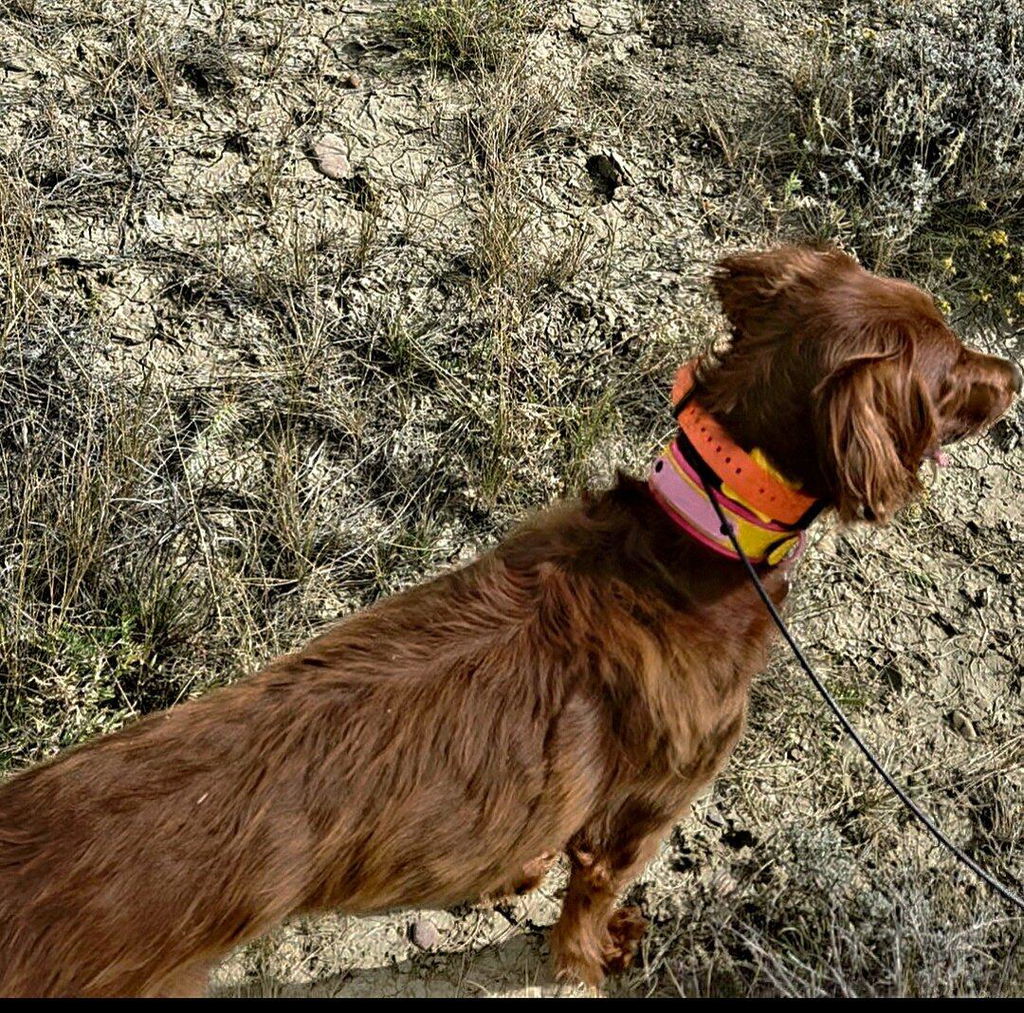
- Match the collar to real life. Water, mud, coat thickness, training gear, leash use, and cleaning routine all affect which collar makes sense.
Measure Each Dog the Same Way

Measure one dog at a time in a calm moment. The goal is not perfection. The goal is repeatability.
- Use a soft measuring tape, or use string and measure the string afterward.
- Wrap it around the collar zone where the collar normally rests.
- Check the fit with two fingers under the tape.
- Write down a range, such as 14.0-15.0 inches, instead of one fixed number.
- Note anything that affects fit, like thick coat, growth, weight changes, or a collar that tends to rotate.
Re-measure after growth, weight changes, coat changes, or if the collar suddenly seems tighter, looser, or less comfortable than usual.
Build Your House Size Bands
This is the step that makes the multi-dog value pack idea useful. You turn individual measurements into a simple home sizing system.
Step 1: Create bands that cover your dogs
| House Band | Neck Range | Best Use |
|---|---|---|
| Band A | 10-12 in. | Small dogs or lighter daily collars |
| Band B | 12-14 in. | Small-to-medium daily wear |
| Band C | 14-16 in. | Common everyday collar range |
| Band D | 16-18 in. | Medium-to-large dogs or thicker coats |
| Band E | 18-22 in. | Larger dogs within the Hoss collar fit range |
Step 2: Assign each dog one band and one note
Two dogs can share the same band and still need different settings. Notes keep that straight.
- "Thick winter coat - use looser end"
- "Between bands - size up"
- "Prefers lighter collar for daily wear"
- "Uses tracking or training gear - confirm setup before reorder"
Step 3: Name the setup the same way every time
Use this format: Dog Name + Band + Purpose.
Example: Ranger - Band D - everyday
Hoss Collar Fit Check

Hoss collar pages list key details that matter in a multi-dog home: 100% weatherproof construction, quick-release buckle handling, removable buckle color combinations, and fit up to a 22-inch neck size.
The D-Ring Dog Collar is listed with an aluminum D-ring, 1 1/16-inch strap width, Tractive GPS compatibility, and compatibility with select Garmin setups. If one dog uses receiver or tracking gear and another only needs an everyday collar, keep that in the notes instead of treating them as the same setup.
| Dog Routine | What to Prioritize | Hoss Page to Compare |
|---|---|---|
| Daily walks, house life, simple reorder | Fit range, comfort, quick on/off use | Dog Collars |
| Wet, muddy, outdoor, or easy-clean routine | Weatherproof material and rinse-clean maintenance | Weatherproof Dog Collars |
| Field, trail, or working-dog use | Hardware, secure fit, and rugged daily handling | K9 Dog Collars |
| Receiver or Garmin-compatible setup | Collar fit, adapter fit, and module compatibility | Training Collar Setup |
Common Multi-Dog Sizing Mistakes
- Measuring different spots on different dogs. Pick the collar zone and use it every time.
- Writing down only one number. A range is more useful when coats, weight, and growth change.
- Skipping notes. "Band C" is helpful. "Band C, thick coat" is better.
- Letting collars drift between dogs. If you borrow a collar for a quick walk, return it to the right dog's spot.
- Ignoring gear compatibility. A dog using a tracker or training receiver may need a different collar setup than a dog wearing a simple daily collar.
Household Collar Sizing Sheet
Copy this sheet into your notes app, shopping account, or household gear bin. Update it whenever a fit changes.
| Dog | Neck Size Range | House Band | Current Setting | Notes |
|---|---|---|---|---|
| Dog 1 | 13.5-14.5 in. | Band C | 14.0 in. | Thick coat in winter; check monthly |
| Dog 2 | 16.0-17.0 in. | Band D | 16.5 in. | Between holes; use slightly looser setting |
| Dog 3 | 19.0-20.5 in. | Band E | 19.5 in. | Remeasure every 6-8 weeks during weight changes |
Shop by Size and Routine
Once your house bands are set, reordering becomes much easier. Confirm the dog name, house band, latest measurement range, and routine before you buy.
Start with Hoss Dog Collars for everyday comparison, use Easy Dog Collars for quick daily handling, compare the D-Ring Dog Collar when hardware and leash connection matter, and review the Training Collar Setup if a Garmin-compatible receiver setup is part of the plan.
FAQ
How do I measure my dog's neck for a collar?
Measure the collar zone your dog uses every day, then confirm comfort with the two-finger check. Record a small range instead of one fixed number.
How tight should a dog collar be?
A dog collar should be secure without squeezing. You should be able to slide two fingers underneath while keeping the collar from slipping off or rotating excessively.
What if my dog is between collar sizes?
Use the measurement range and choose the band that gives comfortable adjustment room. If the dog is between bands, add a note so future reorders follow the same logic.
Can two dogs share the same collar size band?
Yes. Two dogs can share a house band, but each dog should still have a separate note for current setting, coat, routine, and gear compatibility.
How often should I remeasure collar size?
Remeasure after growth, weight change, coat change, or any time the collar starts fitting differently. Update the sizing sheet before the next reorder.