


Narrow Dog Collars: When They’re the Right Choice

Quick Answer
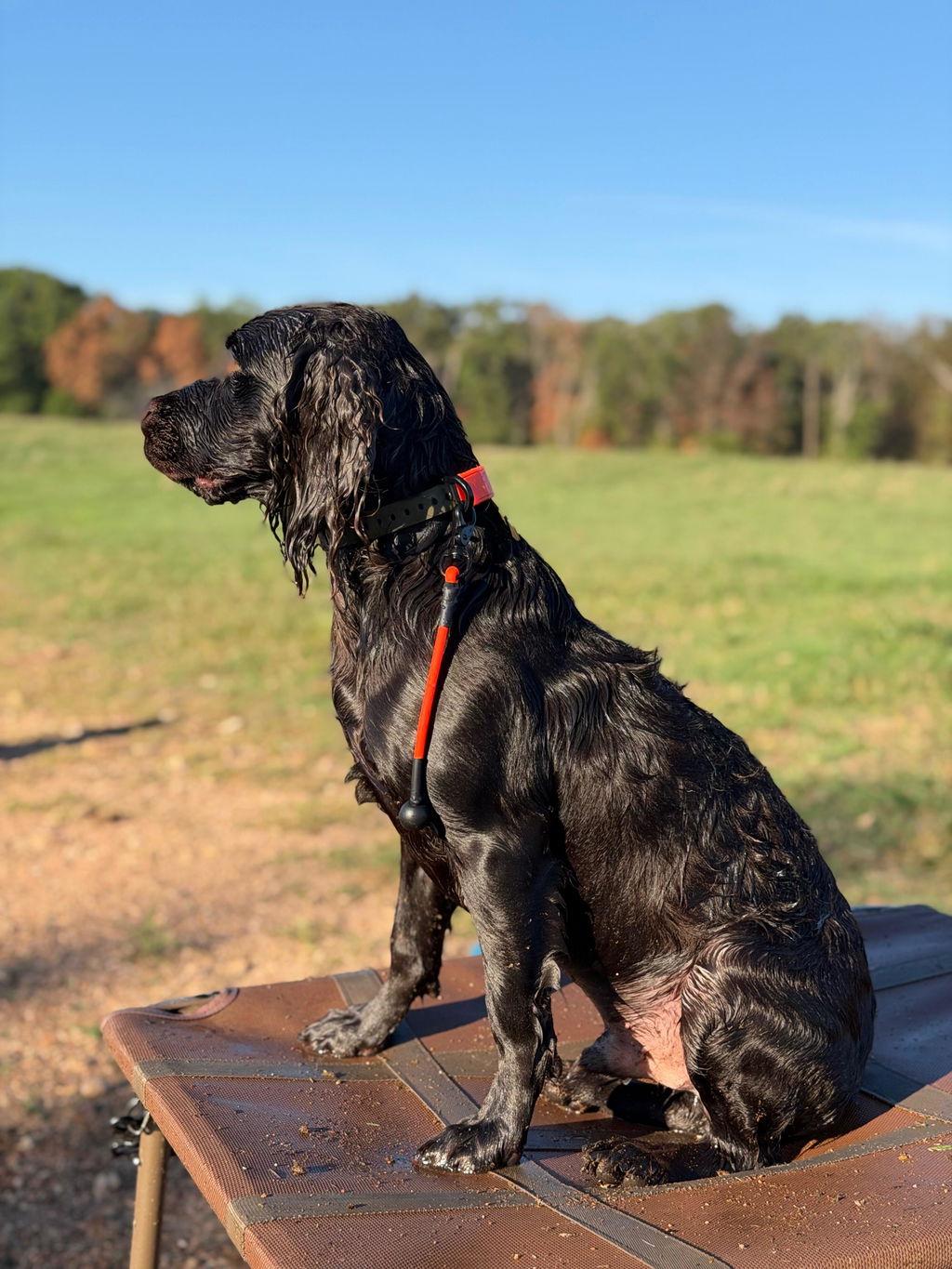
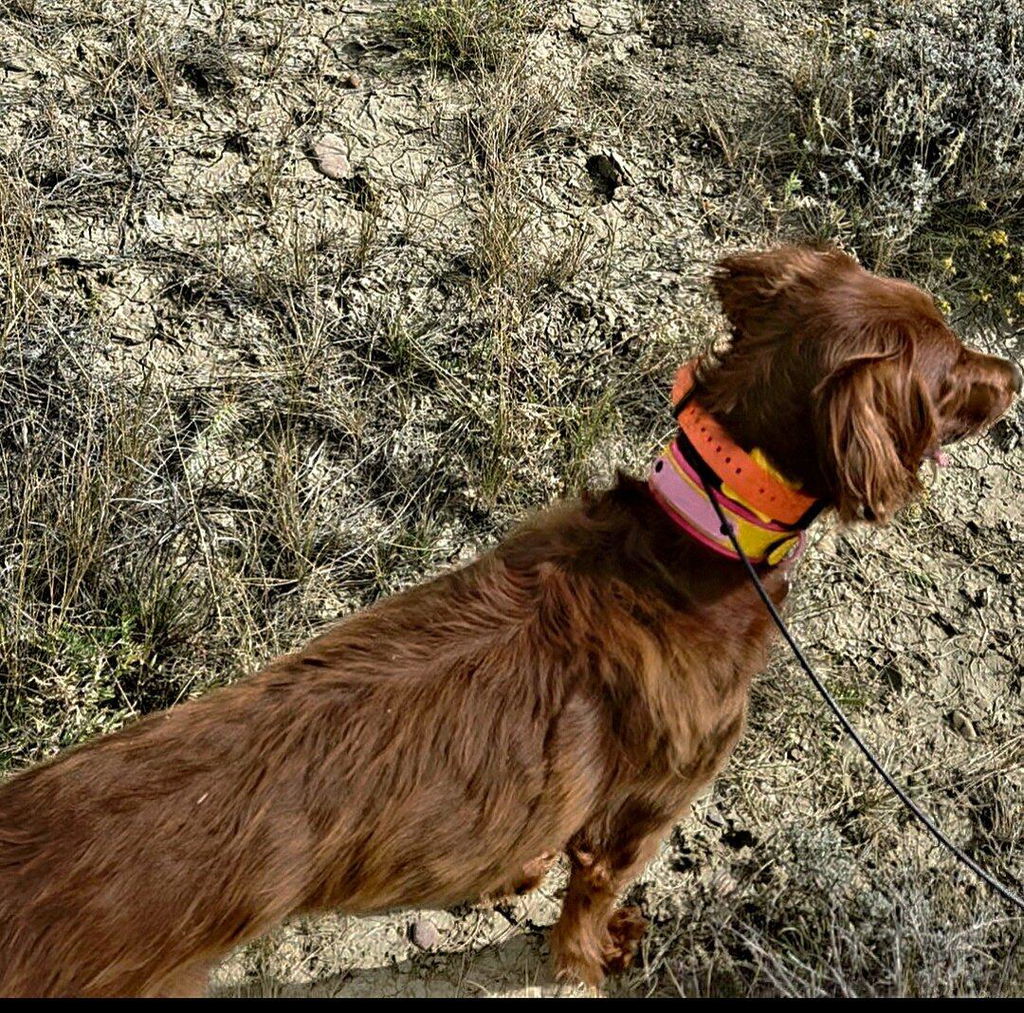
A narrow dog collar is the right choice when your dog walks calmly, you want a low-bulk everyday collar, or you use a harness for leash pressure and keep the collar mainly for ID tags.
If your dog pulls, lunges, or hits the end of the leash often, a narrow collar is the wrong tool for the job. In that case, use a well-fitted harness for walking and keep the collar for identification, daily wear, or light handling.
That simple split is the easiest way to think about it: harness for leash load, collar for ID and everyday fit.
What Narrow Means
For this guide, narrow means a collar around 5/8 inch wide. That width is light, clean, and low-profile compared with wider collars.
A narrow collar can be a good match for:
- small dogs
- calm leash walkers
- dogs that wear a collar mostly for ID
- owners who want a simple, low-bulk everyday setup
- dogs that already use a harness for walking
The tradeoff is that narrow collars concentrate pressure into a smaller contact area. That is why fit and use case matter so much.
When Narrow Collars Work Best

1. Calm Loose-Leash Walkers
If your dog walks steadily and the leash stays loose most of the time, a narrow collar can work well for simple daily use.
Use this quick self-check: if you rarely feel the leash go tight, your dog is probably in the "narrow collar can work" zone. If the leash is tight for most of the walk, move the leash connection to a harness instead.
2. Collar for ID, Harness for Walking
This is the cleanest setup for a lot of owners:
- Harness: walking, pulling control, and leash pressure
- Narrow collar: ID tags, daily wear, and easy identification
The American Kennel Club's collar vs. harness guide notes that harnesses can be a better and more comfortable option for dogs that tug on leash because pressure moves to the chest instead of the neck.
3. Low-Bulk Everyday Wear
Some dogs do better with less material around the neck. A narrow collar can feel cleaner for indoor wear, tags, and low-key routines when the dog is not using the collar as the main walking tool.
Why Narrow Collars Are Not Pulling Tools
When a dog pulls into the leash, the neck takes force quickly. The narrower the collar, the smaller the area carrying that pressure.
A Veterinary Record study from Nottingham Trent University tested several collar types on a simulated dog neck model and found that collar type and pulling force both affected pressure. The authors concluded that no collar tested produced pressure low enough to remove injury risk when a dog pulls on lead.
That does not mean collars are bad. It means the collar should match the job. For a dog that pulls, the smarter move is to change the walking setup rather than expecting a narrow collar to handle repeated leash load.
| Dog Behavior | Best Walking Tool | Role for a Narrow Collar |
|---|---|---|
| Loose-leash walker | Narrow collar may be fine | Daily collar and leash connection |
| Occasional mild pulling | Harness may be better while training | ID and backup collar |
| Frequent pulling or lunging | Well-fitted harness | ID only |
| Neck, airway, or coughing concerns | Ask your veterinarian | Avoid leash pressure on the collar |
Fit Rules for Narrow Dog Collars
Narrow collars feel best when they sit correctly. A collar that is too tight can rub. A collar that is too loose can slide, rotate, or slip off.
- Measure where the collar actually sits. Do not measure high on the neck one time and lower the next.
- Use the two-finger check. The collar should be snug enough to stay put but loose enough for two fingers to fit underneath.
- Check for rubbing. Look behind the ears, under the jaw, and anywhere the collar edge touches repeatedly.
- Keep it clean. Dirt, grit, and moisture can make even a good collar irritating.
- Recheck after changes. Grooming, coat changes, growth, or weight shifts can change the fit.
Health and Safety Notes
Dogs That Cough or Have Airway Concerns
If your dog coughs, hacks, or seems sensitive to pressure on the throat, talk with your veterinarian about the safest walking setup. VCA Animal Hospitals notes that coughing in dogs with tracheal collapse may worsen with pressure on the trachea, including pressure from a collar.
Snagging Risk
Even a perfectly fitted collar can snag in the wrong moment. Remove collars, tags, and leashes before crating if the crate instructions call for it, and use extra caution during rough play, unsupervised yard time, or any setting where hardware could catch.
Narrow Collar Buying Checklist
Use this checklist when choosing a narrow everyday collar.
| Feature | Why It Matters | Good Sign | Red Flag |
|---|---|---|---|
| Smooth edges | Helps reduce rubbing on a smaller contact area | Edges feel clean and comfortable | Sharp, rough, or stiff edges |
| Flat hardware | Keeps the collar low-bulk | Ring and buckle sit neatly | Hardware clanks, twists, or feels oversized |
| Easy on/off handling | Matters for daily routines | Buckle works quickly without feeling weak | Awkward buckle or hard-to-adjust fit |
| Material | Affects cleaning, comfort, and odor | Wipes clean and dries easily | Stays wet, gritty, or smelly |
| Use case match | Prevents using the wrong tool | Collar for ID or calm walking | Narrow collar used for strong pulling |
Where Hoss Fits

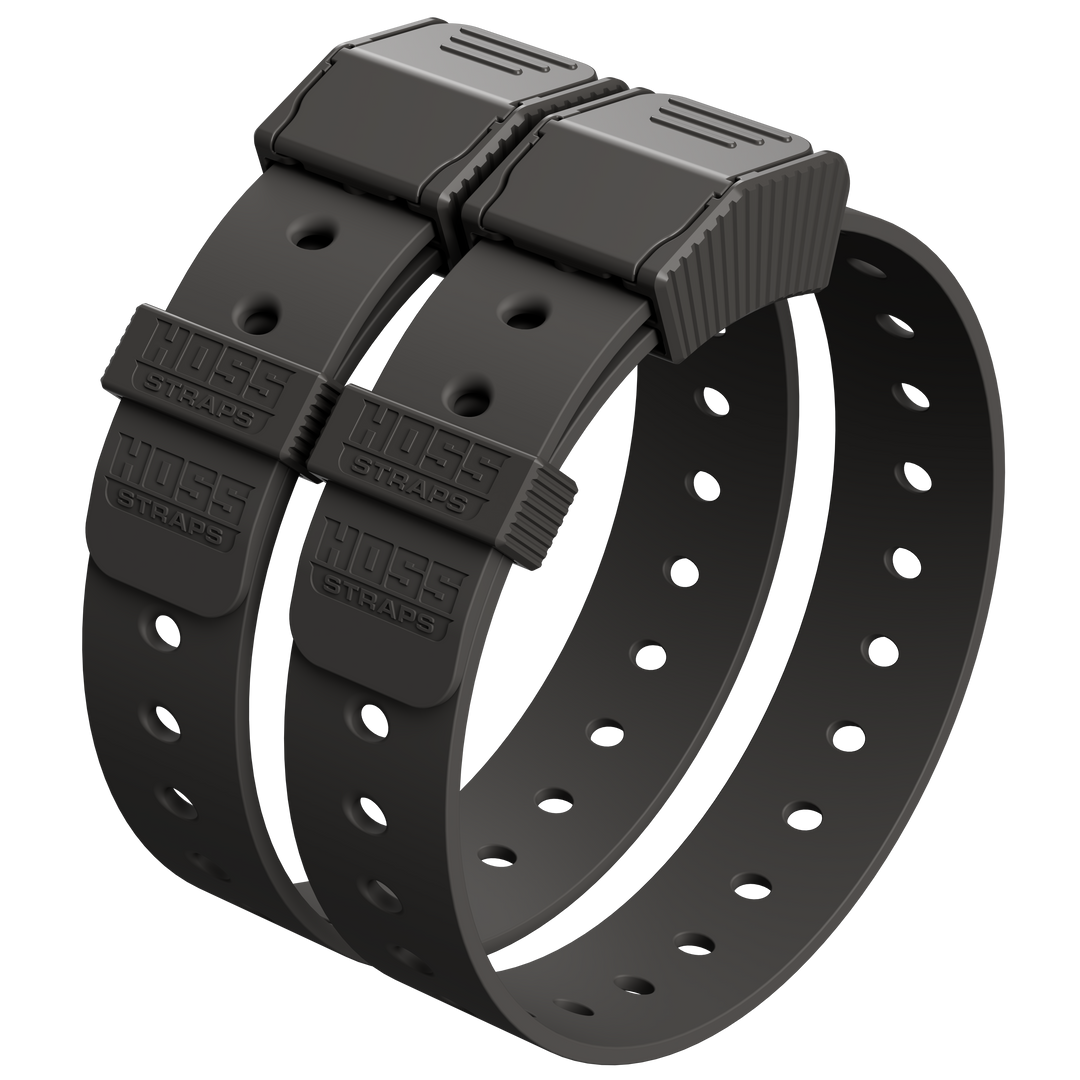
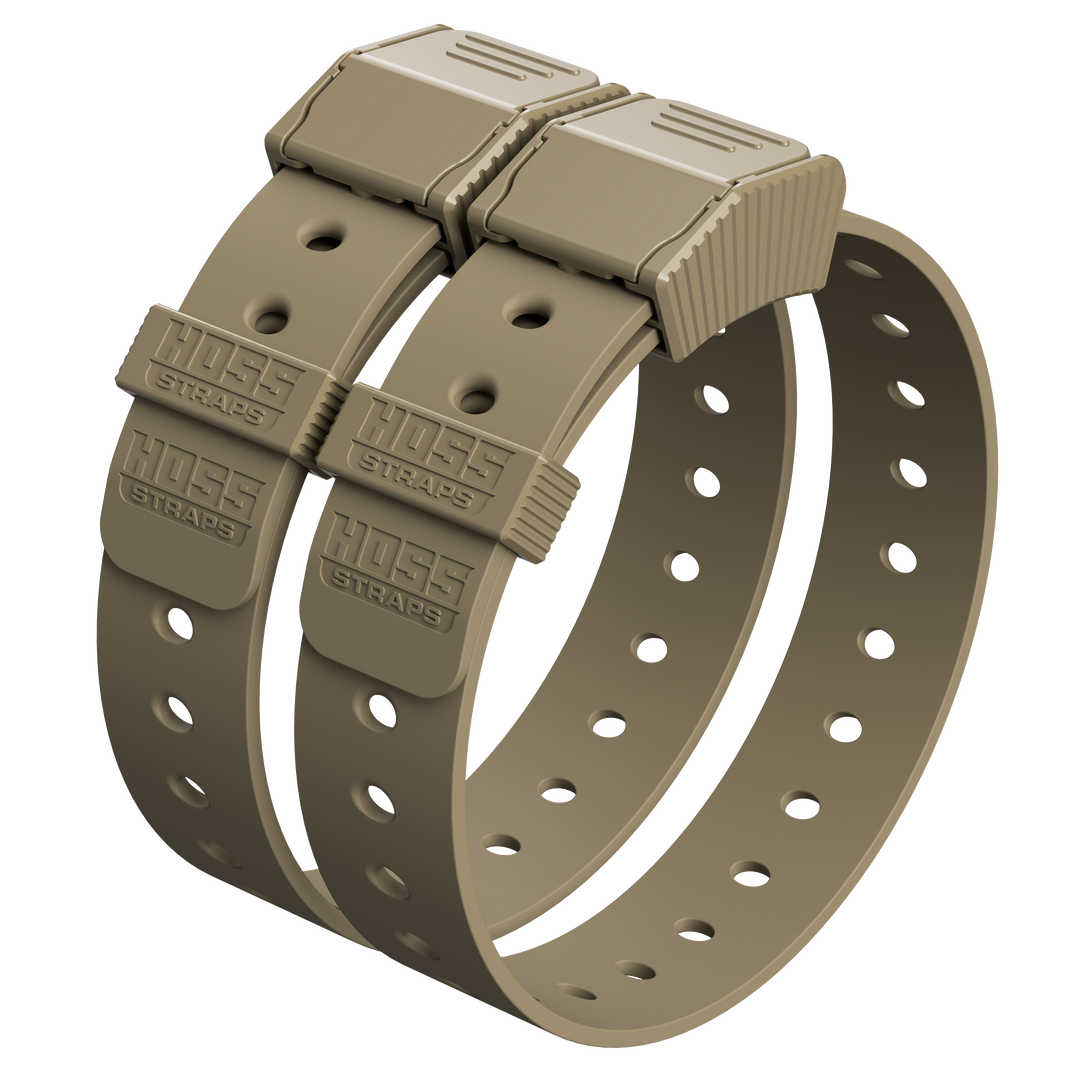
If you are shopping for simple everyday collar options, start with Hoss dog collars and compare by fit, material, cleaning needs, and how your dog actually walks.
For dogs that need a wider, more hardware-focused collar platform, the Hoss D-Ring Dog Collar is a different kind of choice than a narrow 5/8-inch collar. It is listed with a 1 1/16-inch strap width, 100% weatherproof construction, a quick-release buckle, an aluminum D-ring, fit up to a 22-inch neck size, Tractive GPS compatibility, and compatibility with select Garmin setups.
That makes the D-ring collar better suited for owners comparing weatherproof daily gear, hardware feel, receiver compatibility, or stronger outdoor routines. If your setup includes a Garmin-style training module, review the Training Collar Setup instead of treating a narrow collar as the receiver platform.
| Need | Best Hoss Path |
|---|---|
| Everyday collar comparison | Dog Collars |
| Weatherproof easy-clean use | Weatherproof Dog Collars |
| D-ring hardware and wider collar platform | D-Ring Dog Collar |
| Working, field, or tougher handling context | K9 Dog Collars |
| Garmin-compatible receiver setup | Training Collar Setup |
FAQ
Are narrow dog collars OK for daily walks?
Yes, narrow dog collars can be OK for daily walks if your dog walks calmly and the leash stays loose most of the time. If your dog pulls often, use a harness for walking.
Should my dog wear a collar if we walk on a harness?
Yes. Many owners use a harness for leash pressure and keep a collar on for ID tags. That setup keeps the neck from carrying the walking load while still giving the dog identification.
How tight should a narrow dog collar be?
It should be snug enough not to slip off, but loose enough to fit two fingers underneath where the collar sits on the neck.
Can narrow collars cause rubbing?
Yes. Any collar can rub if it is too tight, sits in the wrong place, has rough edges, or stays dirty after mud, water, or daily wear.
What is the best setup for a dog that sometimes pulls?
If pulling is occasional, work on loose-leash habits and monitor the fit. If pulling is frequent, use a well-fitted harness for the leash and keep the narrow collar for ID.